Blog Stakeholder engagement at the subnational level as a key entry point for food systems transformation

Food systems are complex. Concerted and concrete action is critical to food systems transformation. But, what are the key entry points for transformation? How do we prioritize where to start? Which challenge is most important? National and local decision-makers have distinct mandates and realities to address. Both need to make sense of food systems to mobilize tailored transformative action. How are countries doing this?
Read on to learn how stakeholders in Vietnam, Colombia and Honduras are becoming engines for the transition to sustainable, healthy diets through constructing food system profiles in national and sub-national food systems processes.
Food systems operate at multiple levels, with global, regional, and national levels being the most frequently studied. The Alliance has developed an approach for sub-national food system engagement that has become the engine for dialogues, discourse, and action towards transforming the food system.
A Food System Profile is a snapshot: a condensed analysis that clearly, concisely, and graphically synthesizes critical information needed to provide public and private sector decision-makers with a synthetic, holistic, systemic overview of the components that are recognized as critical for countries-and now subnational- food system sustainability.
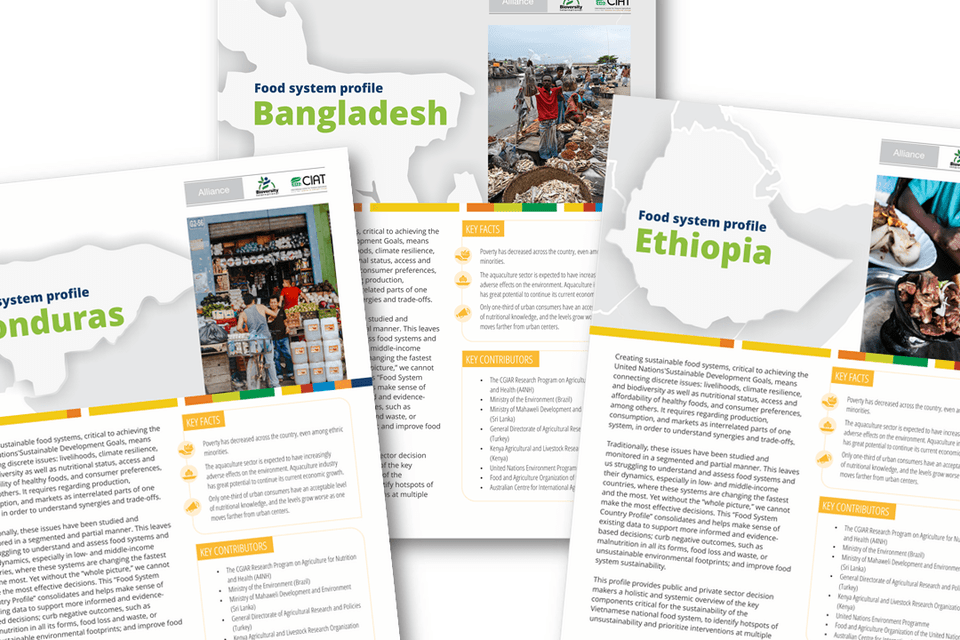
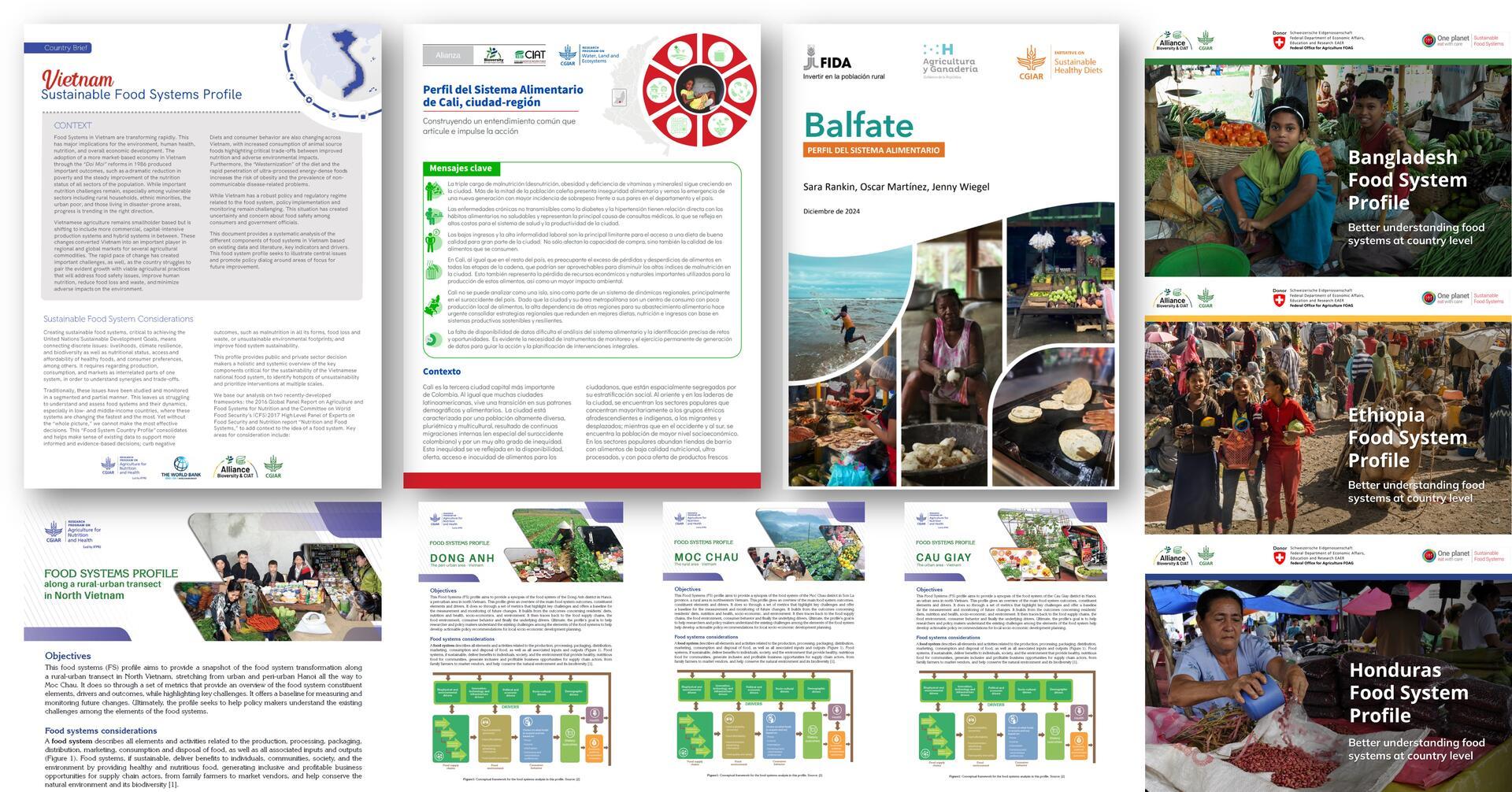
Starting with a framework adapted from the 2017 HLPE report by the FAO, the Alliance developed between 2020 and 2021, together with partners, a methodology for developing food system profiles. The first profiles were initially constructed at the national and district level —the latter of which were developed along a rural-urban transect— and played a key role in the lead-up to the Food Systems Summit in 2021. In 2024, building on these experiences and the construction of a city-region food system profile for Cali, Colombia (which we will discuss later), we developed new profiles at the subnational level in Honduras and Vietnam to identify critical challenges in local food systems and prioritize interventions to address them.
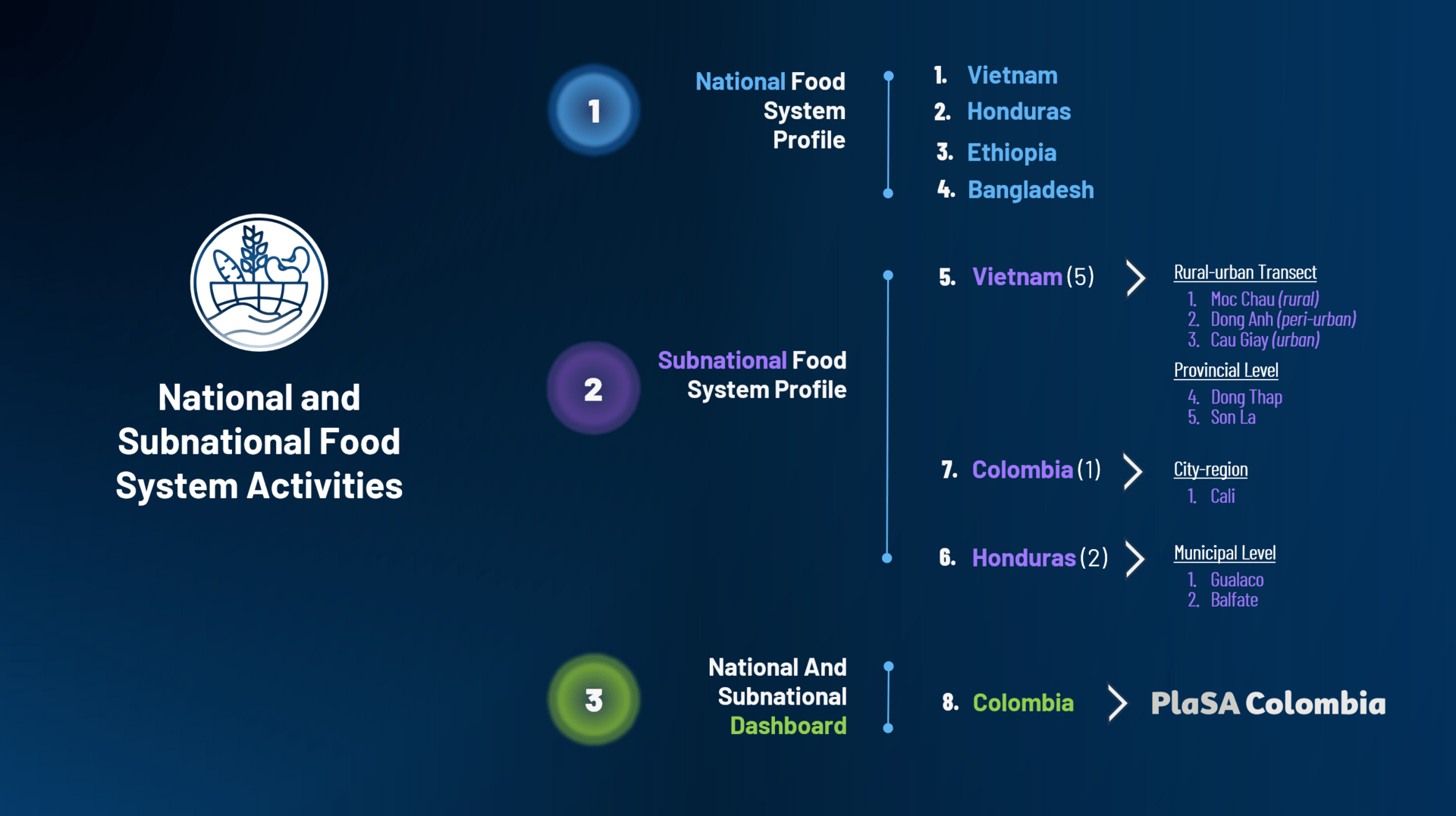
Figure 1. Summary of national and subnational food system activities developed by the Food Environment and Consumer Behavior Research Area in different countries.
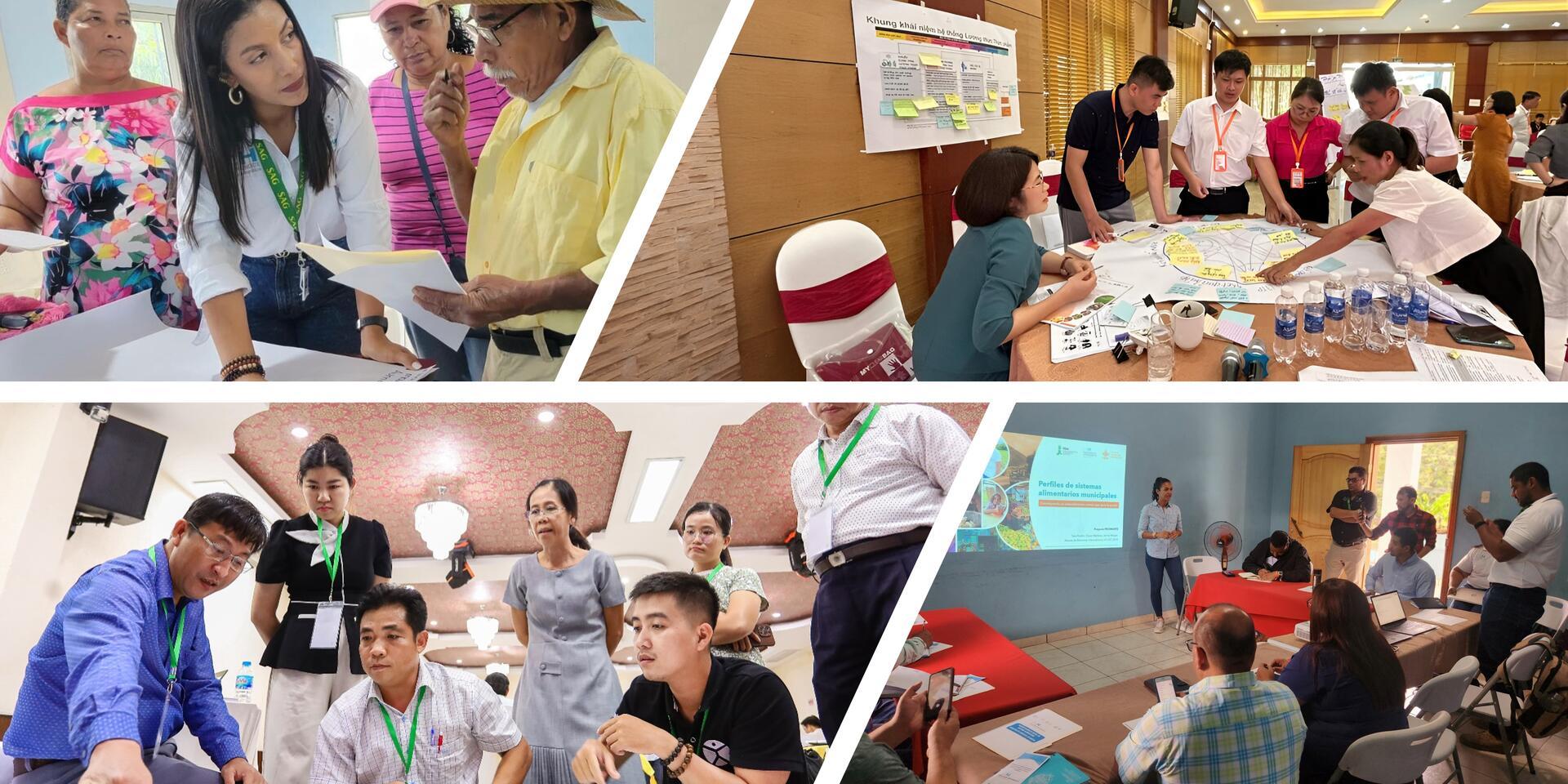
Each food system profile, national or subnational, is developed through collaboration with local public, private, and civic food system stakeholders, who assist in collecting secondary data, validating results, and identifying key messages. The scope of analysis with stakeholders includes food environments, food supply systems, consumer behavior and diets, the institutional context, drivers of food system changes and food system outcomes.
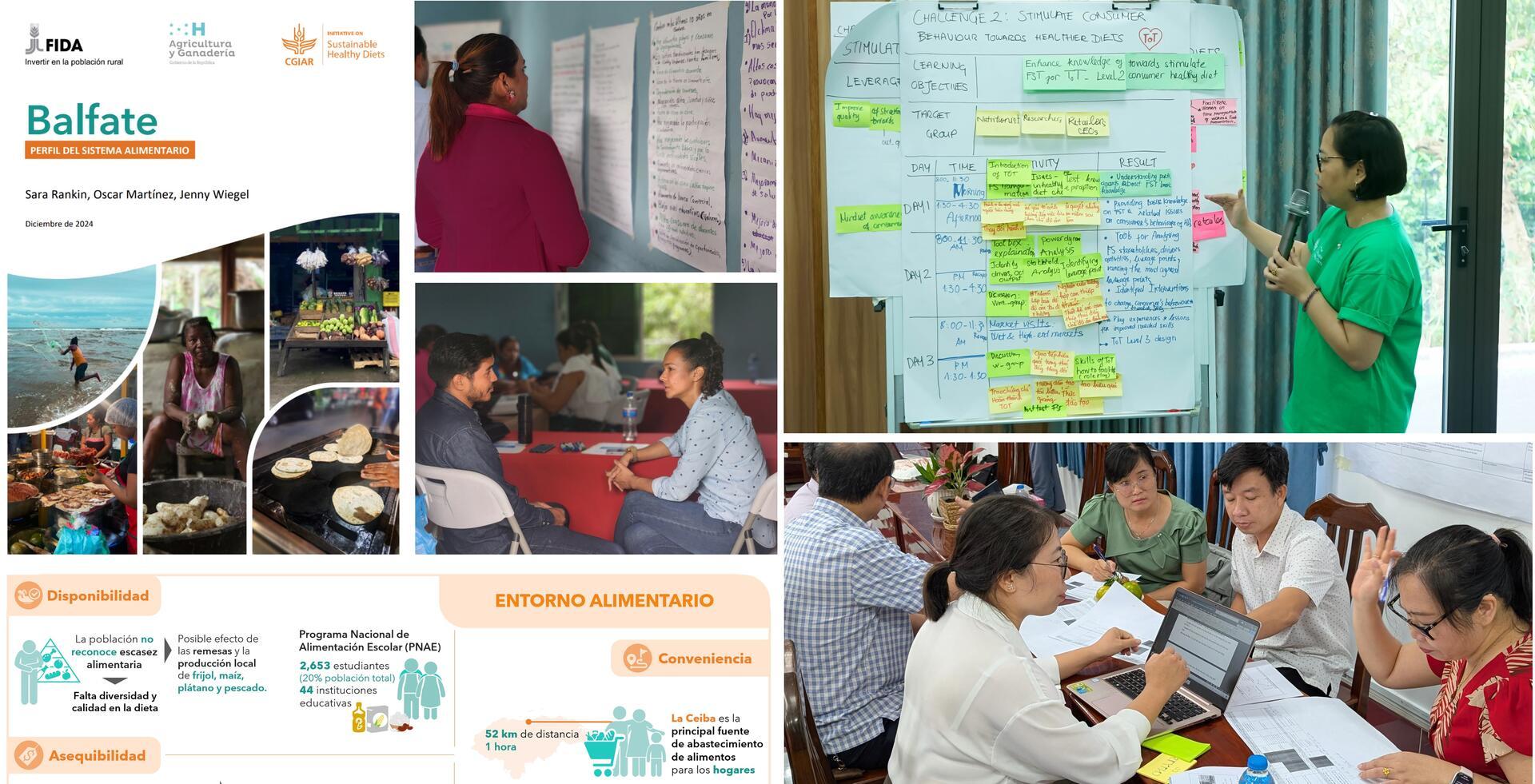
Today, we have a range of food system profiles produced at national and subnational levels, each with its own nuances and development stories, some available online and some not, but all showing impressive results for governments and other stakeholders. Find the story and results for each country below.
Vietnam: Where it all began
The first national food system profile that we developed was for Vietnam in 2020. It was based on existing data and literature on key indicators and drivers and sought to illustrate core system issues (see Figure 2) to promote policy dialogue around future improvements. However, this profile, prepared with funding from the World Bank and the CGIAR Research Program on Agriculture for Nutrition and Health (A4NH), was never published.
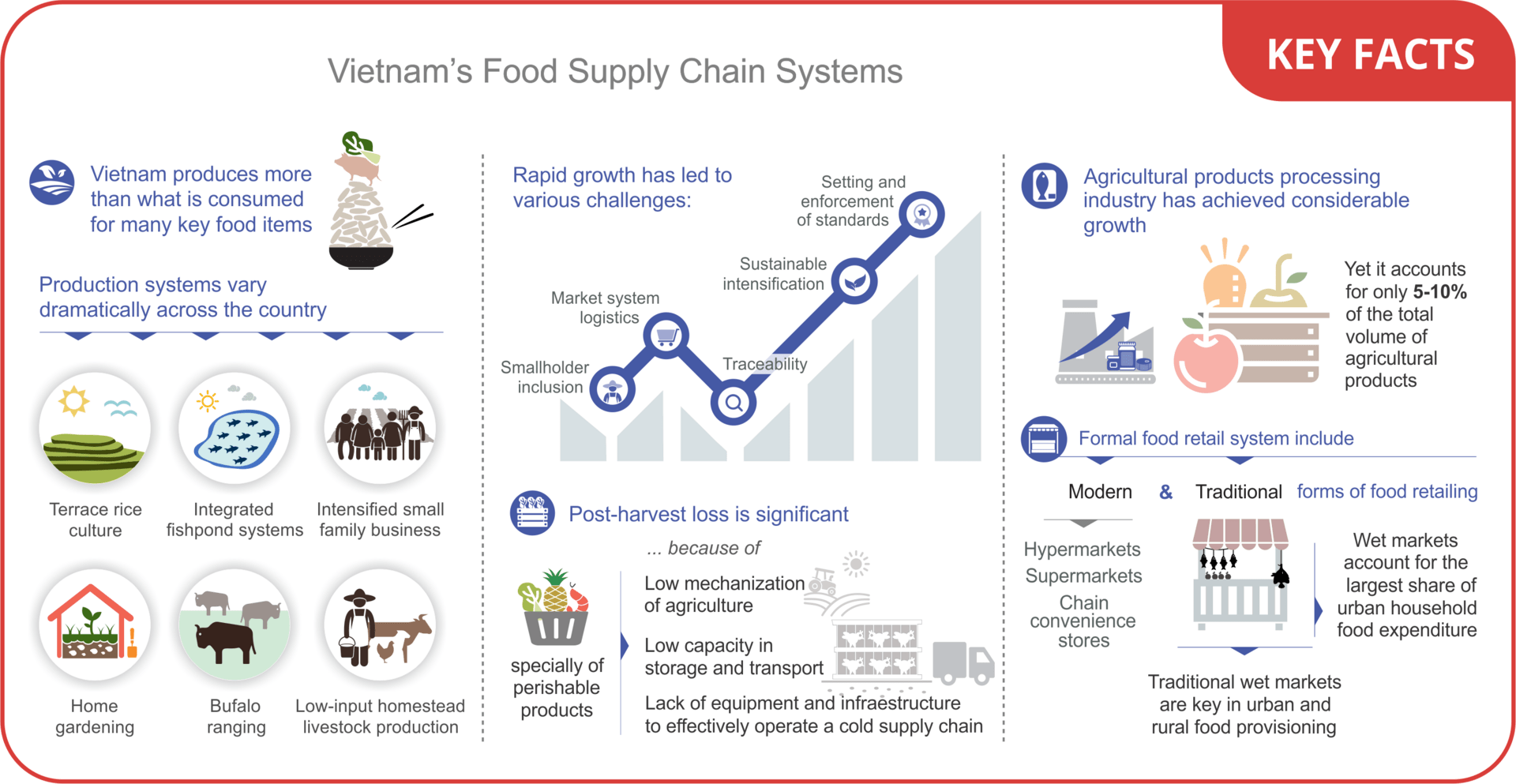
Figure 2. Graphical summary of food supply systems section of the Vietnam Sustainable Food Systems Profile.
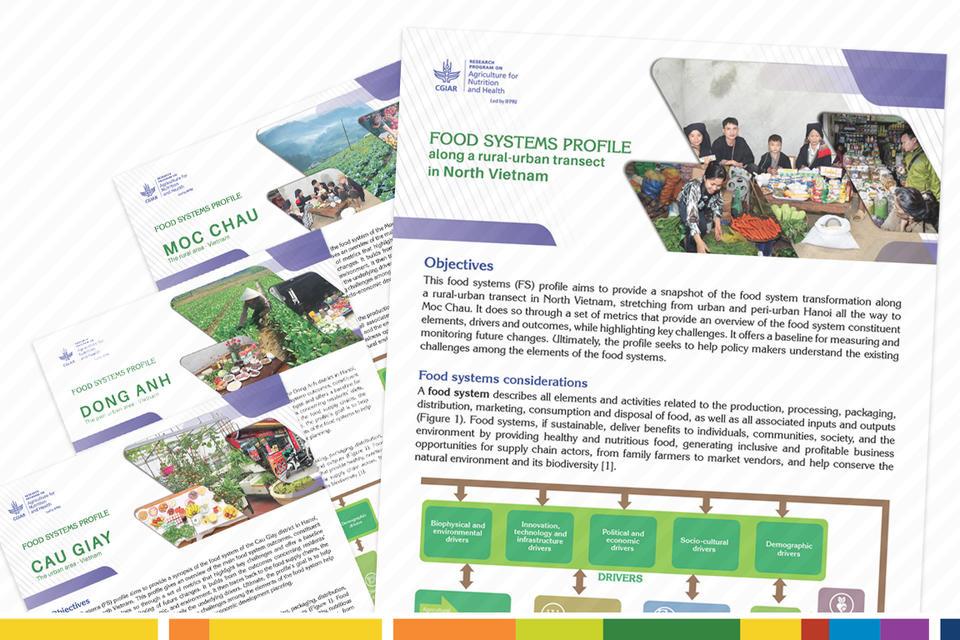
But before this first national profile was created, history had already begun to be written. In 2018, a food systems assessment survey was conducted along a rural-urban transect to visualize the concept of food systems and create an enabling environment for collaboration with the National Institute of Nutrition (NIN), our first strategic partner. This survey was the first step in developing three profiles covering a rural-urban transect through three benchmark sites —rural (Moc Chau), peri-urban (Dong Anh), and urban (Cau Giay) —as well as a comparative profile of the three sites. A key feature of these rural-urban food system profiles, published in 2021, is that they spotlight critical linkages that exist in not just flow of food commodities but also links to nutrition and health outcomes.
This work with profiles contributed to the country's preparation for the Food Systems Summit. During the 2021 dialogues led by the Ministry of Agriculture and Rural Development, a Vietnam food systems brief was cited as a reference point, and the food system profiles developed were used to describe the current state of food systems in northern Vietnam.
Our approach in Vietnam was both bottom-up and top-down. From 2018 to 2020, we used the development of district food systems profiles to illustrate the concept of food systems in context. From 2020 to 2023, we developed the national food system profile and contributed to the Food System Transformation National Action Plan (FST-NAP). After the FST-NAP was approved in 2023, we have supported our national partners in the subnational process, including developing provincial food systems profiles, as we will explain in the next section. The timeline below (Figure 3) summarizes our work.
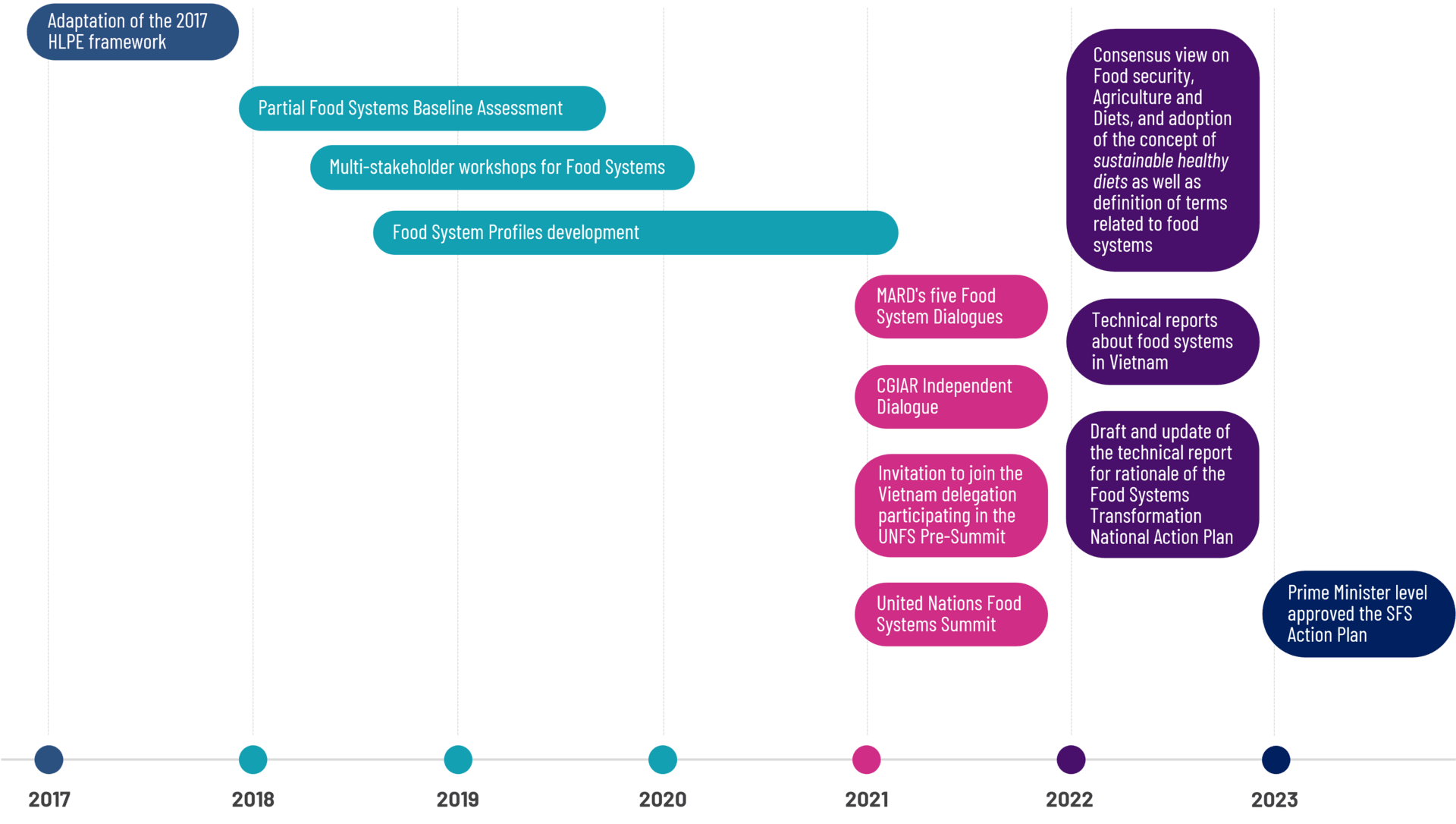
Figure 3. Timeline of the National Action Plan’s trajectory
New subnational case studies and dialogues for food systems transformation
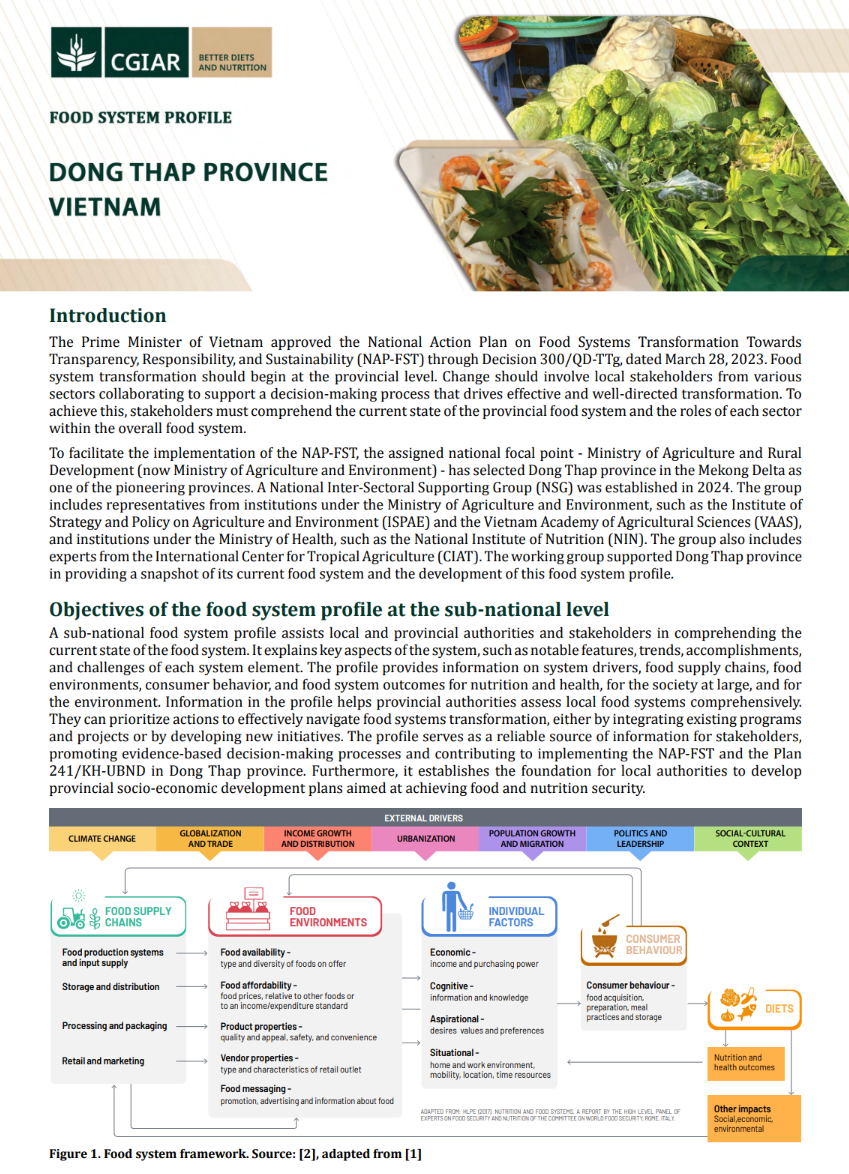
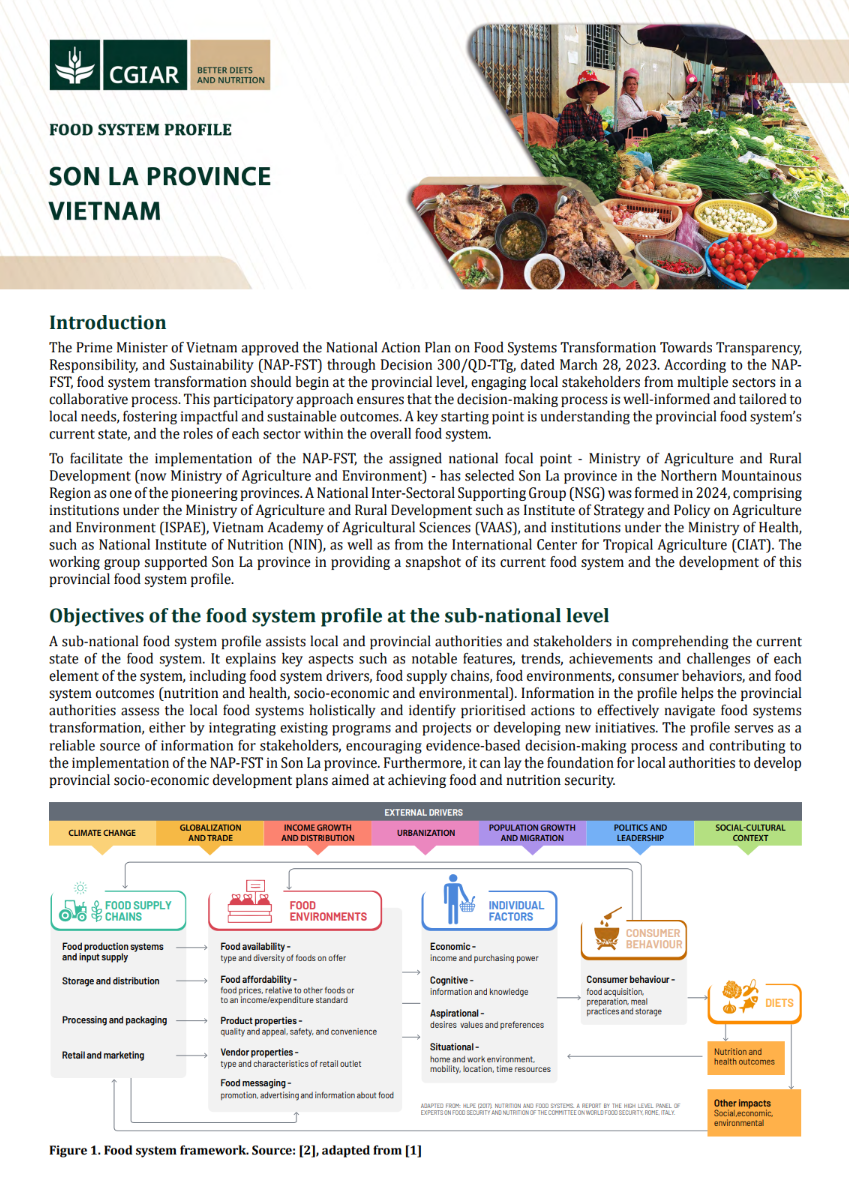
Starting in 2023, under the CGIAR Initiative on Sustainable Healthy Diets through Food Systems Transformation (SHiFT), provincial authorities, in collaboration with the Vietnam Academy of Agriculture Sciences (VAAS), the National Institute of Nutrition (NIN), the Institute for Policy and Strategy for Agriculture and Rural Development (IPSARD) and the Alliance, have been working to translate national strategies into Provincial Implementation Plans (PIPs). To this end, the Ministry of Agriculture and Environment selected Dong Thap in the Mekong Delta and Son La in the northwestern mountainous region as pilot provinces. There, two subnational profiles (one for each province) were started in 2024. The development of these profiles is part of the process of co-creating action plans with representatives from various provincial departments to coordinate transformation efforts in accordance with the national framework and local contexts and resources along the following path:
- Engage key stakeholders from across sectors related to the food system
- Develop a shared understanding of food systems through training of trainers
- Collect and organize evidence using Food System Profiles
- Prioritize action areas, identify synergies and manage trade-offs
- Co-create a provincial multisectoral implementation plan
- Strengthen stakeholders' capacities and facilitate learning through implementation
The two profiles just came out in July 2025 as part of the CGIAR Better Diets and Nutrition Science Program, which followed up on SHiFT.
We would like to thank all funders who supported this research through their contributions to the CGIAR Trust Fund.
Colombia: a city-region food system perspective centering on equity
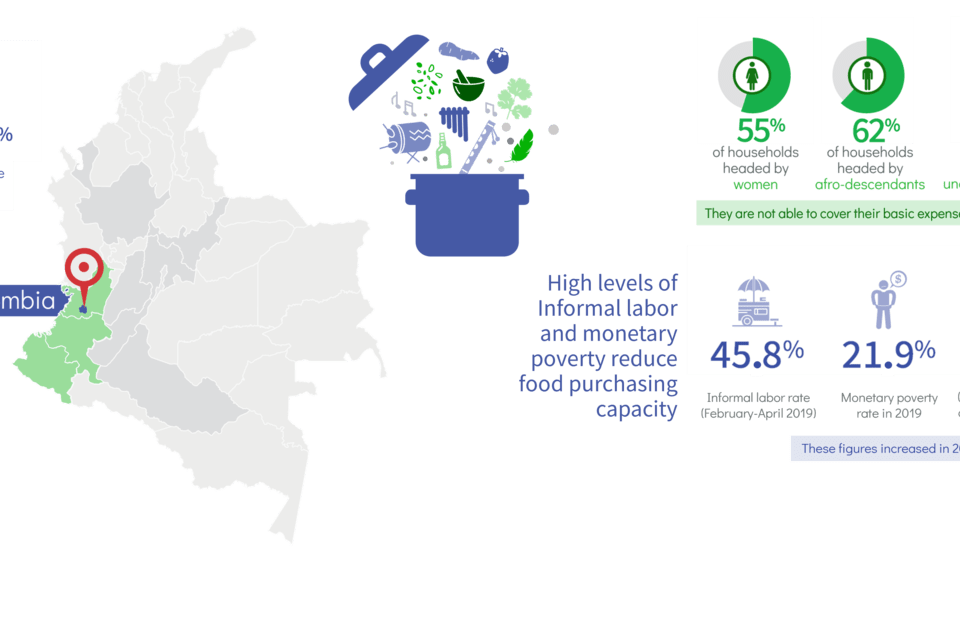
Between 2020 and 2021, we created a food system profile for Cali, Colombia (available in Spanish). This work followed Vietnam's pioneering framework (HLPE, 2017) and was bolstered by our platform for academic dialogues that successfully shaped a municipal food and nutrition security policy for Cali. This time, we expanded our focus from city to city-region, recognizing Cali as not merely a consumption hub but as a vital nexus connecting rural production zones with other 'receiving' localities that depend on food flows redistributed through the city.
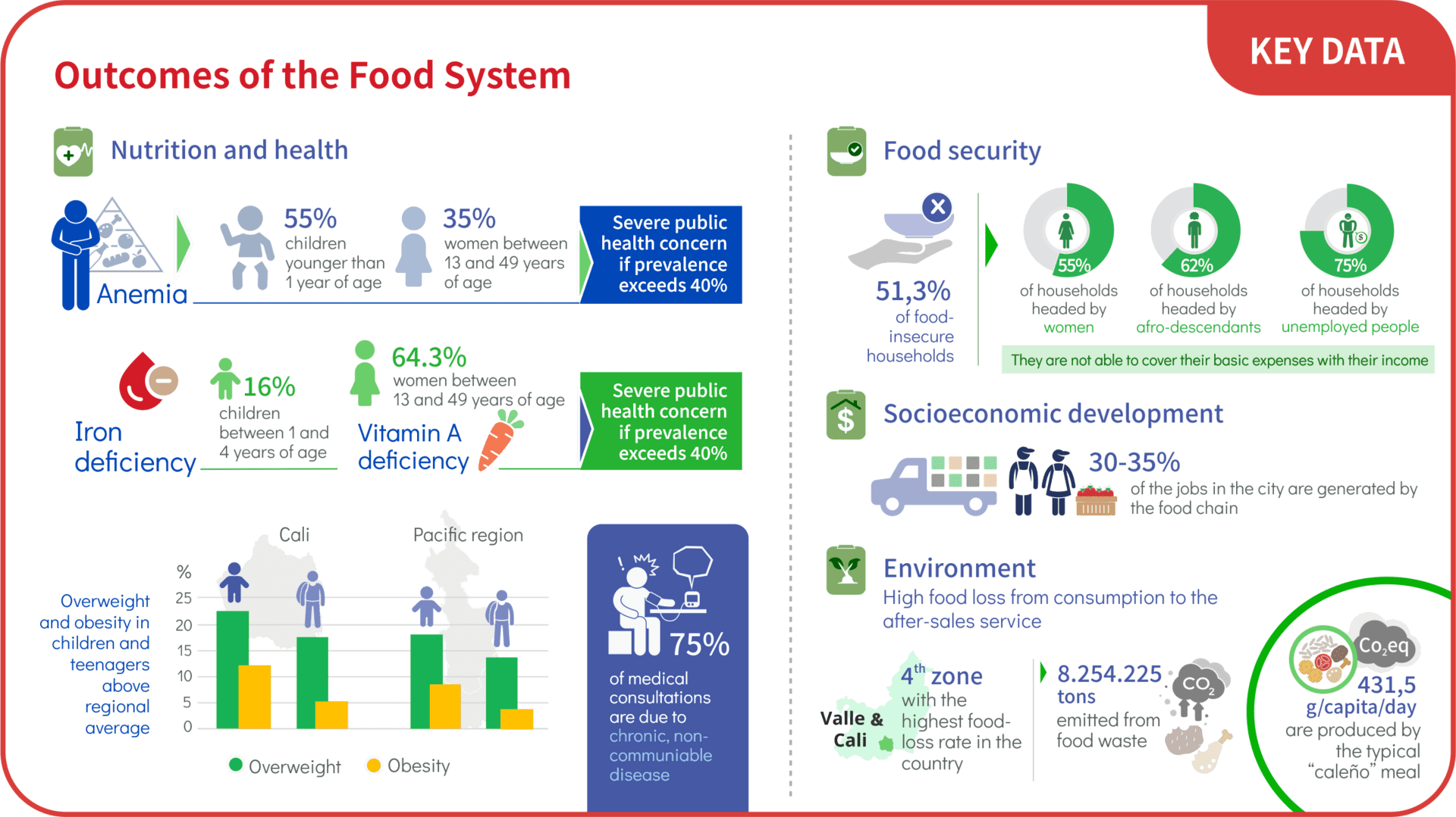
Figure 4. Graphical summary of the Outcomes of the Cali city-region food system.
We presented this profile publicly via Facebook Live in 2021. There, we heard from some of the key stakeholders who were consulted in the creation process. They shared the study's key findings on four dimensions: socio-economic, environmental, health and food supply.
The work of building the food system profile of the Cali city-region led to the strengthening of key relationships with different actors in the food system of the city and region, which over the years escalated to other cities in the country, going beyond a snapshot in time, to become a living platform that transforms complex datasets into interactive dashboards for real-world applications not only at the city level, but at the level of the whole country: PlaSAColombia. The story here continues to unfold.
Honduras: A blueprint to incorporate participatory approaches for sub-national food system transformation
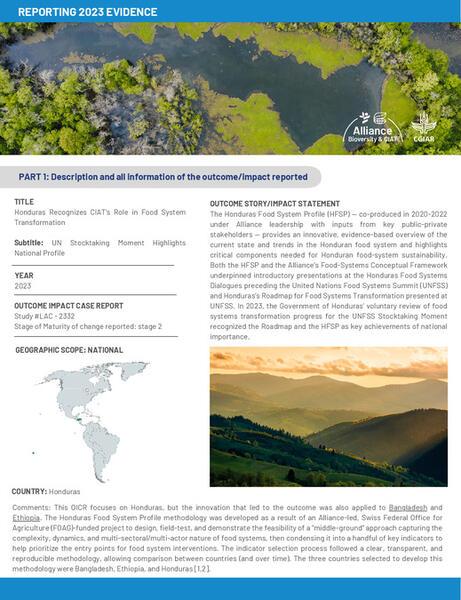
Along with Bangladesh and Ethiopia, Honduras was one of the countries where we had the opportunity to design and test a reproducible methodology that guides a participatory assessment of food systems and allows for comparison between countries and over time. With support from the Swiss Federal Office for Agriculture (FOAG), and amid the pandemic, we embarked on a challenging process of convening representatives from across each country's food system to collaboratively develop these three national profiles: Bangladesh, Ethiopia, and Honduras. However, the process blossomed in a particularly remarkable way in Honduras.
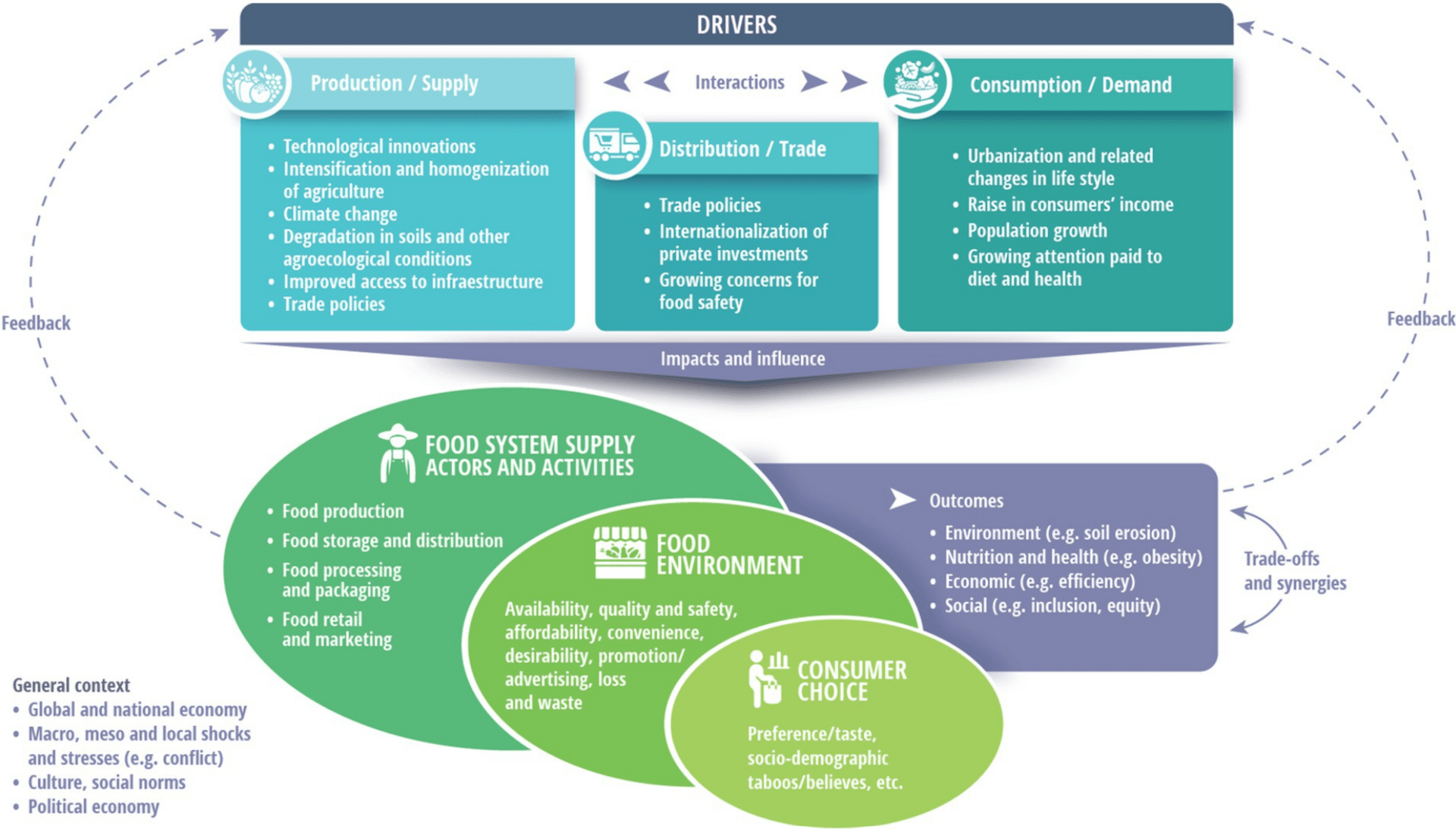
Figure 5. Food system—an analytical and conceptual framework used during the various meetings with countries’ stakeholders (source: Béné C, Chege CK, Even B, Hernandez RA, Lundy M, Prager SD and Wiegel J (2024) Why building participatory dashboards is key for sustainable food system transformation. Front. Sustain. Food Syst. 8:1405670. doi: 10.3389/fsufs.2024.1405670)
Between 2020 and 2021, the Alliance led a robust process of engagement with Honduran stakeholders, which not only led to the development of the food system profile but also contributed to the country's preparation for the Food Systems Summit, including the development of the official roadmap. This was recognized by the Government of Honduras in 2023 in its voluntary review of food systems transformation progress for the UNFSS Stocktaking Moment. But the story in Honduras did not end there.
Subnational profiles
In 2023, the Honduran Ministry of Agriculture and Livestock (SAG), spearheading the countries engagement with the UNFSS, along with IFAD, UN focal point for UNFSS support to Honduras, with the support of the CGIAR Initiative on Sustainable Healthy Diets through Food Systems Transformation (SHiFT) came together to pilot the construction of food system profiles at the municipal level. These profiles, which follow the framework developed by the Alliance, will be 22 in total and are aimed to support decision-makers at the local level to prioritize transformative actions in food systems.
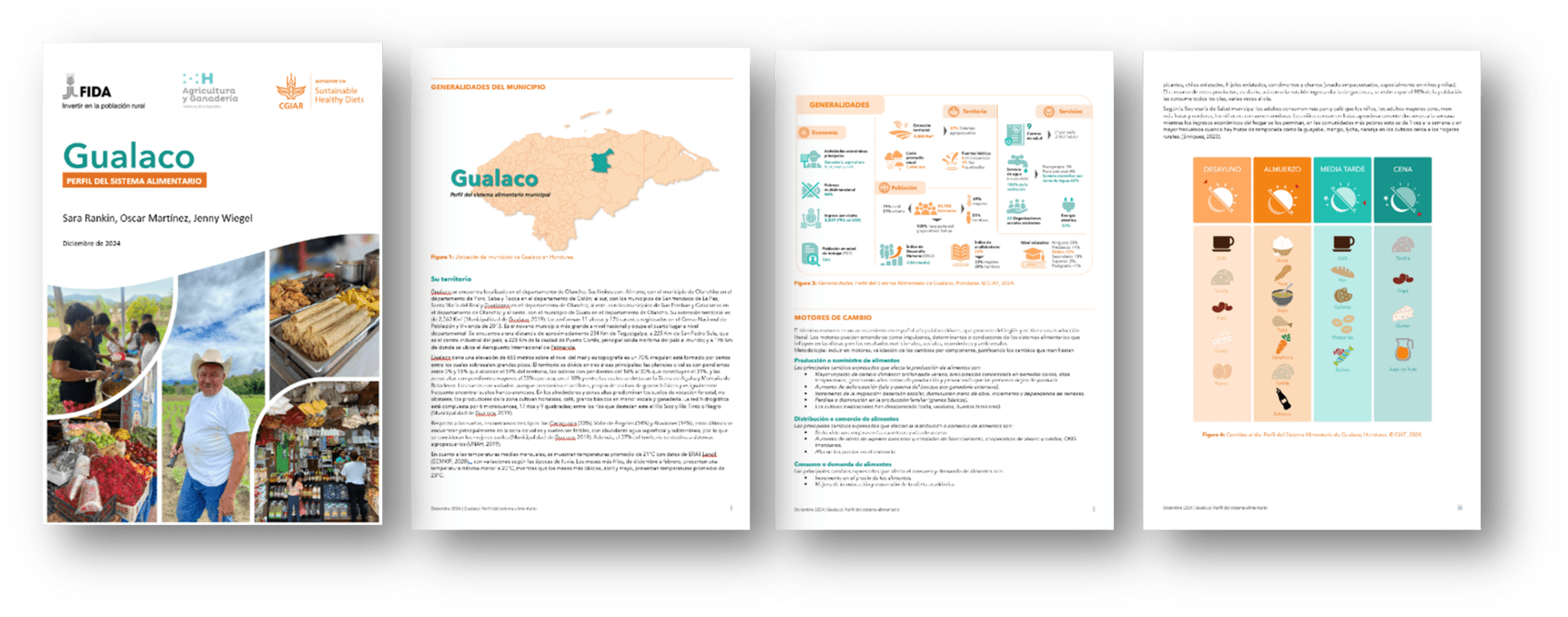
At the end of 2024, the first two profiles of the municipalities of Balfate and Gualaco were published. Their construction made heavy use of existing secondary data at municipal level as well as consultations with stakeholders in each municipality. Along with the profiles, the following documents were published in Spanish:
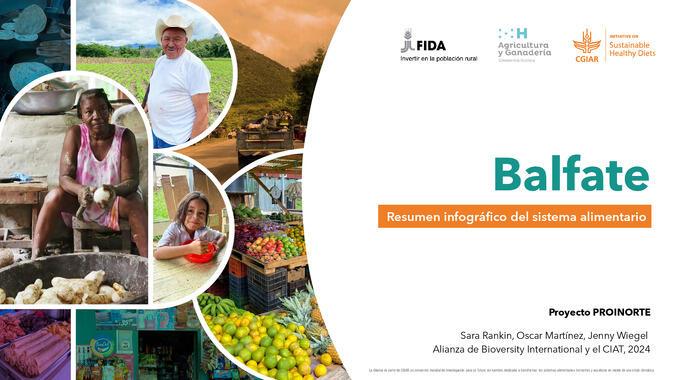
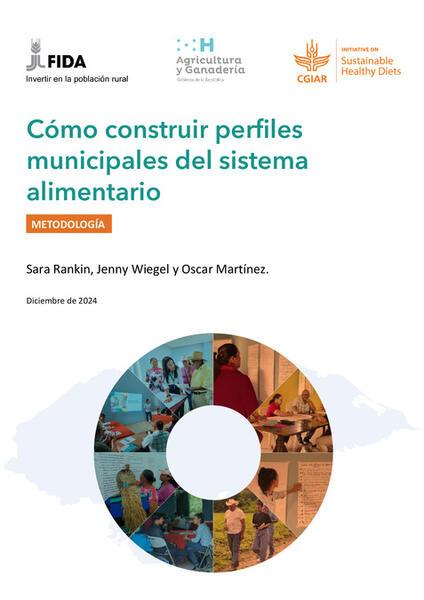
All these resources are primarily intended to serve the SAG team that will build the remaining 20 profiles during 2025 under the PROINORTE project, based on the two prototypes already published.
The Food System Profiles were envisioned from their inception as a tool to inform local action as well as to facilitate learning from other places. Therefore, we are doing everything possible to make it easy for others to replicate. As the number of countries, municipalities, and regions increases, so will the power of the analytical framework to help answer key questions on the development of sustainable food systems in low- and middle-income countries.
«In the field, the profiles have sparked first-ever conversations about "food systems". By visualizing their local food systems — complete with components that many participants had never considered, as well as the interconnections between them — stakeholders suddenly saw a much broader picture. Most key actors previously had a very narrow view of who and what shapes food in their cities; the profiles (including its construction process) expanded their perspective and enriched the dialogue around food, nutrition and other connections.» - Sara Rankin, Senior Research Associate at the Alliance and a facilitator of the construction of food system profiles in Gualaco and Balfate, Honduras.
Ready to transform your local food system? Partner with us and make it happen—Contact us today in your region:
Africa – Céline Termote ([email protected]) | Christine Chege ([email protected])
Americas – Jenny Wiegel ([email protected]) | Sara Rankin ([email protected])
Asia – Tuyen Huynh ([email protected]) | Ricardo Hernández ([email protected])
Global – Mark Lundy ([email protected]) | Chris Béné ([email protected])
The team behind this work:

Brice Even
Research Team leader
Christine Chege
Agri-Nutrition and Food Systems Scientist
Christophe Béné
Principal Scientist - Senior Policy Advisor
Erika Eliana Mosquera Echeverry
Senior Analyst
Harold Armando Achicanoy Estrella
Senior Research Associate
Jenny Wiegel
Americas Lead, Food Environment and Consumer Behavior
Mark Lundy
Director, Food Environment and Consumer Behavior
Osana Bonilla-Findji
Senior Scientist
Pham Thi Mai Huong
Senior Research Associate
Quoc Nguyen
Senior Research Associate
Sara Rankin-Cortázar
Senior Research Associate
Thanh Duong
Research Associate
Tuyen Huynh
Team Lead, Food Environment and Consumer Behavior, AsiaRelated content