Our Strategy: Resilient futures, urgent science for food and land systems transformation
Today’s world needs science that helps leaders and communities make hard choices with confidence. Here's the Alliance Strategy for 2026-2030.
Climate extremes, conflict, economic instability, and widening inequality are reshaping the way governments, businesses, and communities think about food and land systems. At the same time, multilateral institutions are calling for solutions that deliver resilience, climate action, biodiversity gains, and equitable growth—at scale.
Many organizations work on climate, or food, or biodiversity. The Alliance of Bioversity International and CIAT connects all three. We bridge research, policy, and finance to deliver systems-wide food and land solutions that are regenerative, prosperous, and nourishing for all.
We invite you to explore our 2026-30 Strategy and discover how we are uniting science and partnership to deliver measurable impact.

Explore our Strategy
The change we aim to make
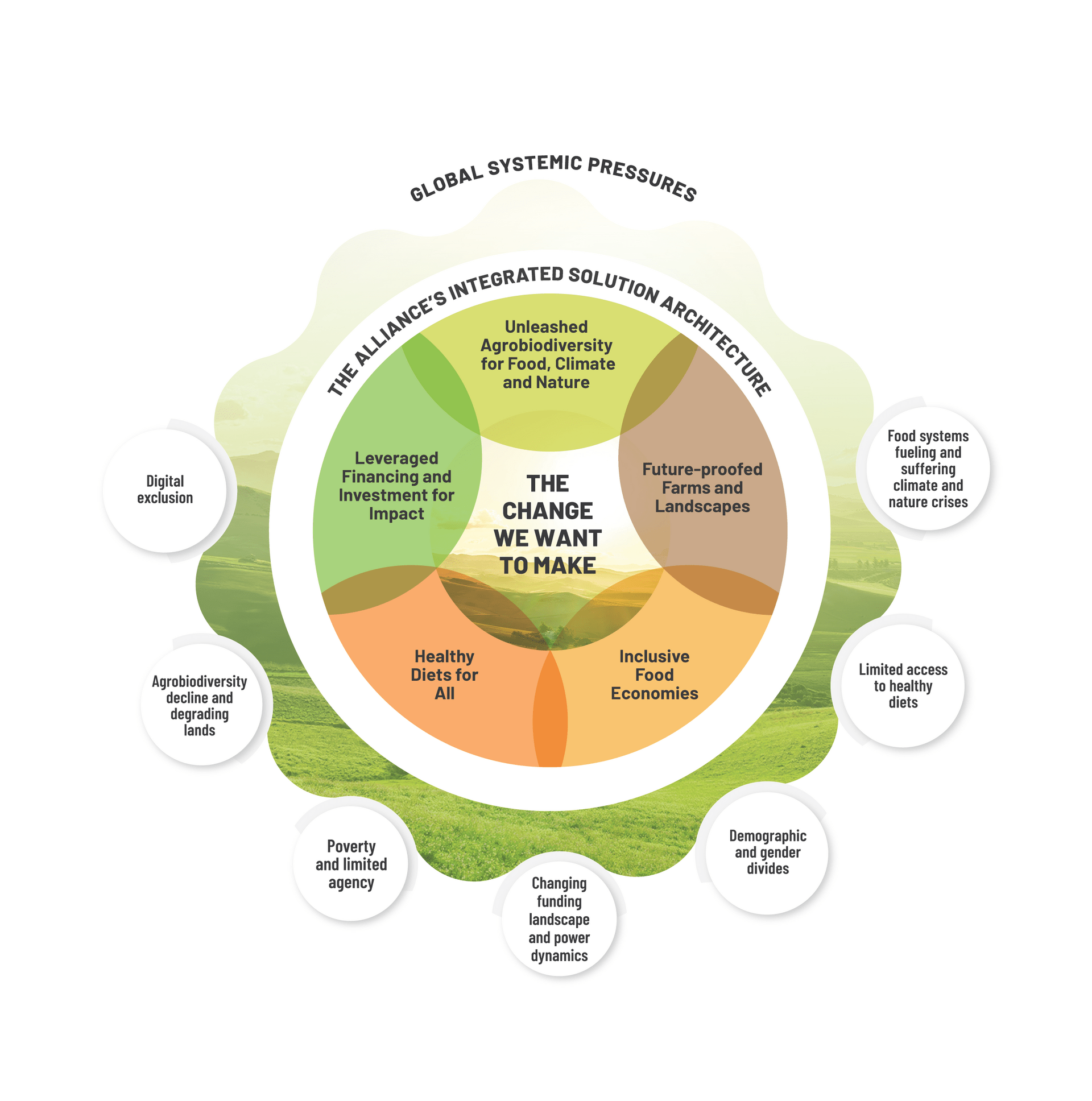
The change we want to make
Global systemic pressures
- Food systems fueling and suffering climate and nature crises
- Intensive monocultures, and the destruction of forests and ecosystems for food production generate the bulk of carbon emissions associated with land use change. In Latin America, 75% of soils show degradation as a result of poor land management.
- Limited access to healthy diets
- More than half of the world’s population struggles to access healthy food options. Food environments, especially in lower and middle-income countries, drive people to eat cheap and unhealthy, ultra-processed foods associated with poor health.
- Demographic and gender divides
- Women, young people, Indigenous Peoples, and marginalized rural communities have significant roles in our food systems (66% of working women in sub-Saharan Africa, 71% in southern Asia), but all too often lack access to critical resources such as land rights, information, and influence.
- Changing funding landscape and power dynamics
- Transforming food and land systems to meet global goals on climate, equity, nutrition, and sustainability requires an estimated USD 300–350 billion every year, but financing faces persistent gaps and rarely reaches the most vulnerable communities.
- Poverty and limited agency
- Food system actors, especially in informal markets, are in a “financial void”. In East Africa, 59% of producers and businesses using agroecological, organic and traditional practices have annual revenues of less than USD 50,000, barring them from further investment and restricting access to resources.
- Agrobiodiversity decline and degrading lands
- 75% of crop genetic diversity has been lost since the 1900s, and only nine crops account for 70% of global food production. This raises vulnerabilities to pests, diseases, and climate shocks.
- Digital exclusion
- Innovations such as artificial intelligence, satellite data, or smartphone technology are not generally designed to reach rural or low-income communities, limiting their access to precision tools, forecast alerts, and market insights.
The alliance's integrated solution architecture
- Unleashed Agrobiodiversity for Food, Climate and Nature
- Resilience strengthened through diversified crops and next-generation breeding.
- Future-proofed Farms and Landscapes
- Nature-positive solutions, digital tools, and climate resilience scaled up across agricultural landscapes.
- Inclusive Food Economies
- Fair, resilient, and circular markets that generate livelihoods and reduce inequality.
- Healthy Diets for All
- Food environments transformed so that nutritious, sustainable diets are accessible even in crisis.
- Leveraged Financing and Investment for Impact
- Public and private capital mobilized to scale innovations where they matter most.
The outcomes we work for
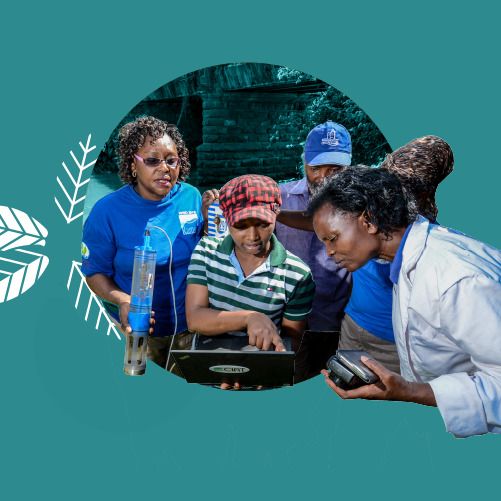
Unleashed agrobiodiversity for climate, food, and nature
Resilience is strengthened through diversified crops and next-generation breeding.
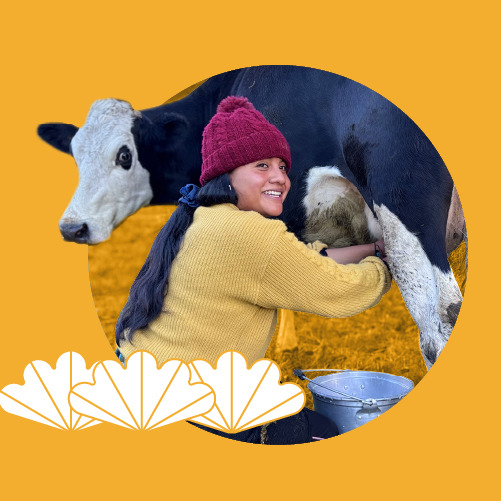
Future-proofed farms and landscapes
Nature-positive solutions, digital tools, and climate resilience scaled up across agricultural landscapes.
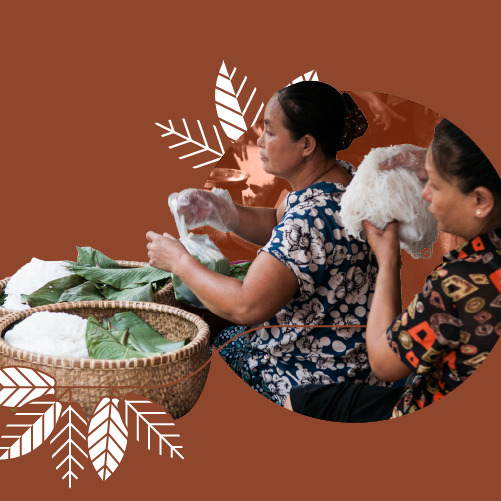
Inclusive food economies
Fair, resilient, and circular markets that generate livelihoods and reduce inequality.
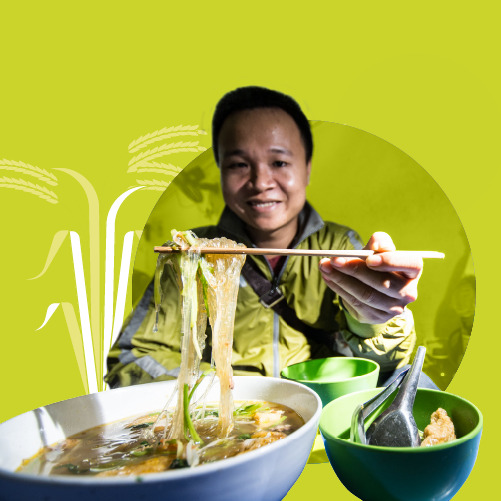
Healthy diets for all
Food environments transformed so that nutritious, sustainable diets are accessible even in crisis.
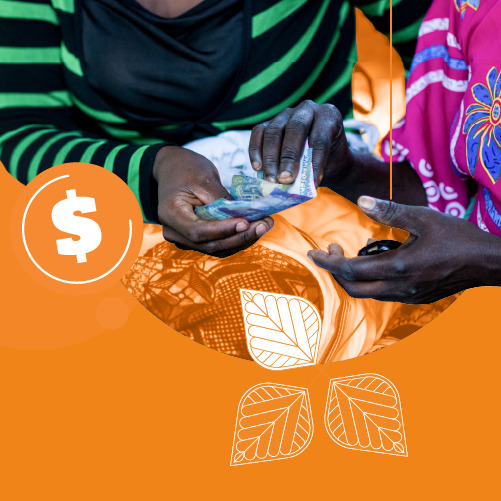
Leveraged financing and investment for impact
Public and private capital mobilized to scale innovations where they matter most.
How we achieve the outcomes
A proven platform, ready for scale
The Alliance strategy builds on more than five decades of global agricultural research, combining the strengths of two leading CGIAR centers, Bioversity International and CIAT. Since we came together in 2020, our science-based innovations have reached 10 million people, improved 6 million hectares of land, and informed 1,900 policies and $280 million in investments for more sustainable food systems.
People reached
Hectares of land improved
Informed policies
Investments (USD)
Fully aligned with global priorities
We help countries, institutions, and communities translate global development commitments into practical solutions to address the climate and biodiversity crisis: from the SDGs, to the Rio Conventions, to National Action Plans.
Connecting what others treat separately
We recognize the deep connections between agriculture, ecosystems, nutrition, markets, and innovation and treat food and land systems as interconnected—from production to consumption, from ecosystems to markets.
Our theory of change
This enables the Alliance to address the root causes of food system challenges, develop solutions that work across sectors and scales, and generate evidence that informs policy, investment, and practice.
We invite you to collaborate with us to:
- scale climate and nature solutions,
- strengthen institutions and public policy,
- accelerate inclusive growth,
- and deliver long-term resilience for communities and ecosystems.

Science in action
Tackling the urgent crises in food and land systems
| CGIAR impact areas | Goals and actions |
|---|---|
| The change we want to make |
|
| What we do |
|
| How we do it |
|
| Foundations for success |
|