The Alliance champions school meals 

The Alliance champions school meals  - Alliance Bioversity International and CIAT

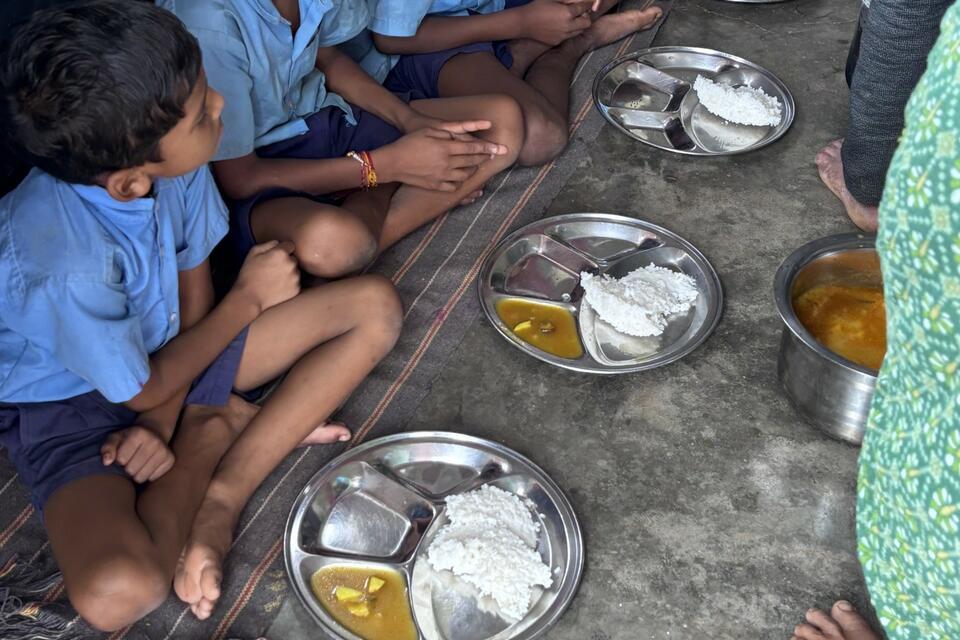
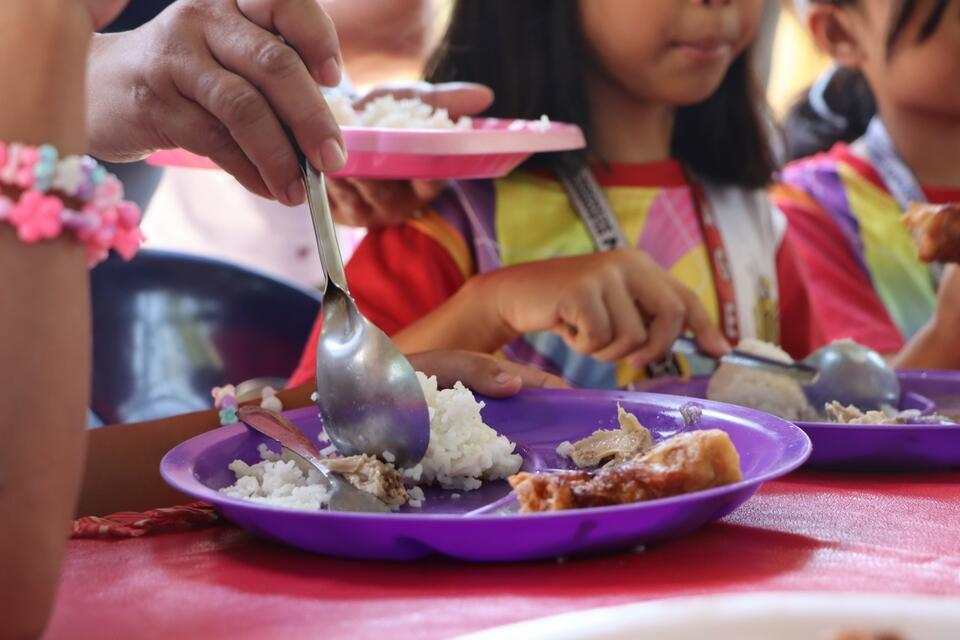
No matter what’s on the menu, whether it’s rice with a side of grilled fish, ugali topped with sautéed kale or pasta in a tomato sauce, one fact holds true: school meals deliver far-reaching benefits. Beyond supporting child health, nutrition, and education, the Alliance of Bioversity International and CIAT recognizes school meals as a powerful tool for advancing climate action, biodiversity conservation, gender & Indigenous Peoples equity, and smallholder farmer livelihoods. School meals have the potential to drive countries toward more sustainable, climate-resilient, and inclusive food systems.

Why school meals?

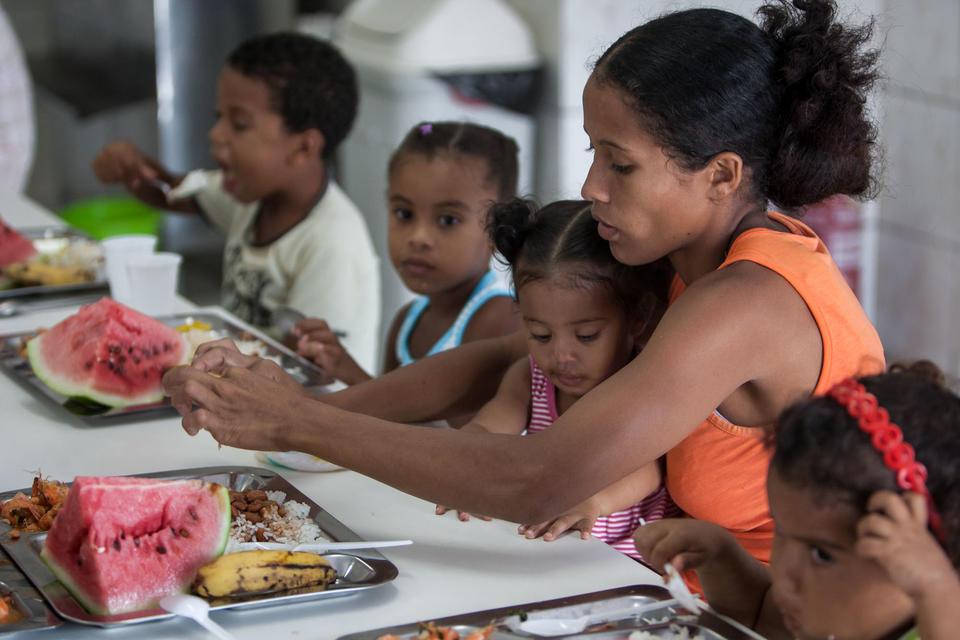
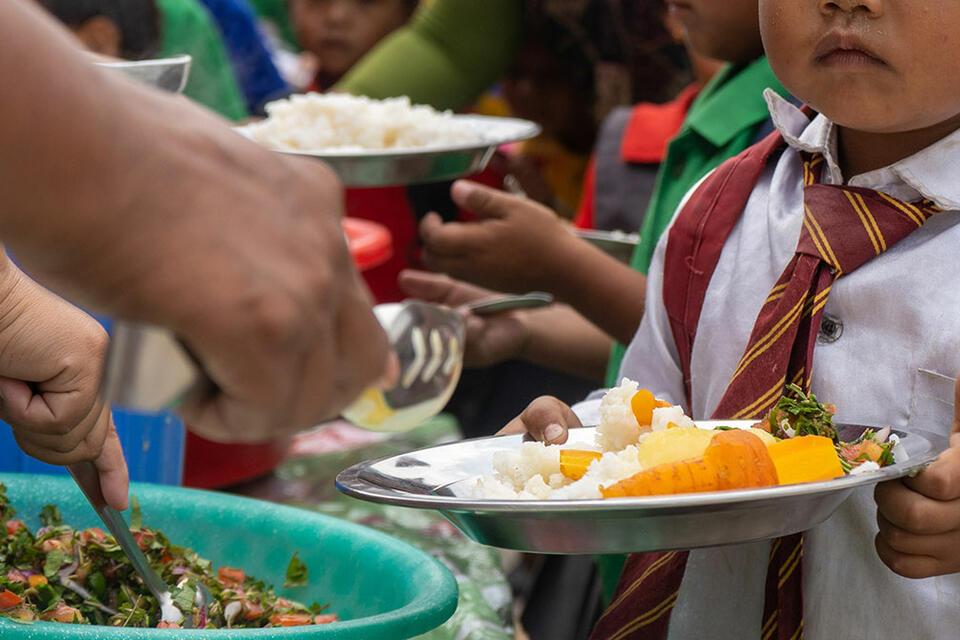
School meals are the world’s largest safety net program providing essential health and nutrition support to 407 million students across the world.

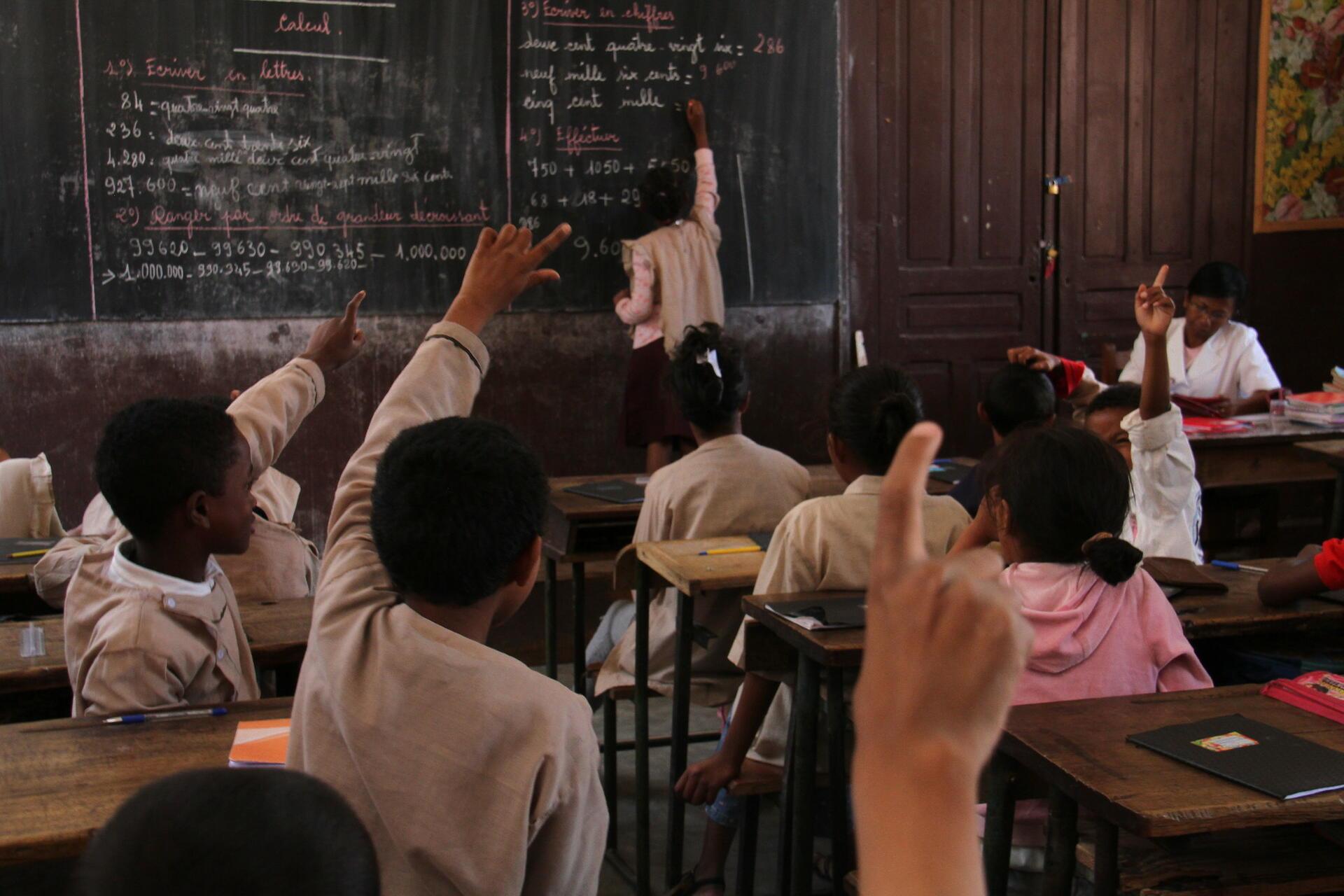
Increased enrollment, improved attendance, and lower dropout rates are some of the key outcomes of school meal programs. By ensuring that both girls and boys receive the nutrition they need to attend school, learn and thrive, these programs support equal opportunities in education helping every child, regardless of gender or background, build a better future.

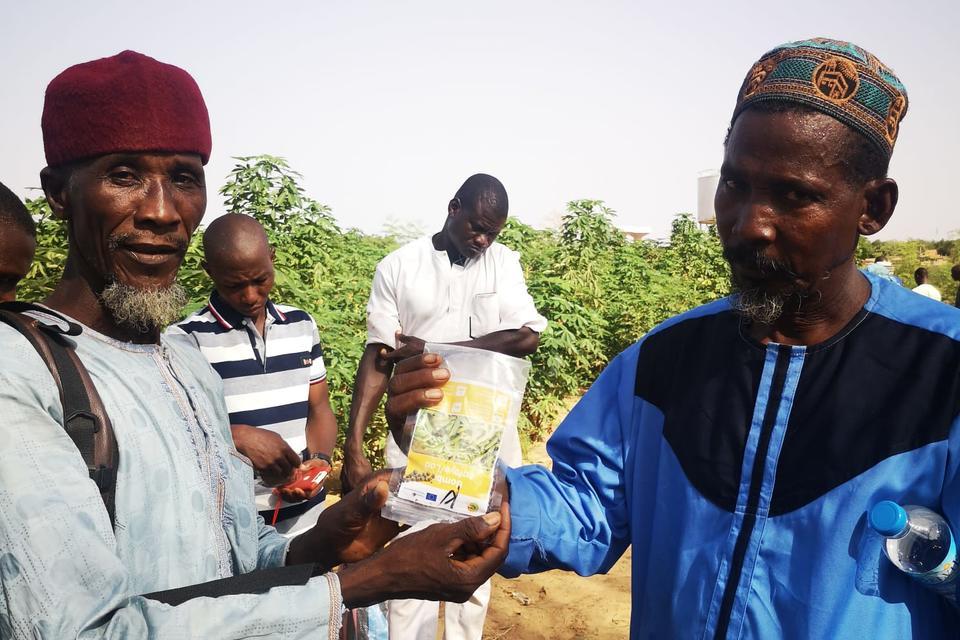
Beyond the classroom, school meals also offer significant social and economic advantages. For example, school food procurement can drive agricultural development, support the livelihoods of smallholder farmers, and foster a deeper connection to local heritage.

Investing in school meal programs proves to be highly cost-efficient, with substantial returns across multiple sectors. For every USD $1 invested in school feeding, 35 $ can be generated impacting sectors such as agriculture, education, health and nutrition, and social protection.

Planet-friendly school meals are defined as programmes delivering equitable and nutritious foods for children, produced in ways that do not pollute or overexploit natural resources and protect biodiversity.Agricultural practices, transport systems, processing mechanisms, and storage methods all play a vital role in determining the environmental and climate impacts of these programmes.

Home Grown School Feeding (HGSF) is defined as a school feeding model that provides safe, diverse, and nutritious food, sourced locally from smallholders to children in schools (FAO and WFP 2018).

The Opportunity: Planet-friendly school meals 

Planet-friendly school meal programs deliver equitable and healthy foods for children, produced in ways that do not pollute or overexploit natural resources and protect biodiversity.

This holistic approach to school meals incorporates diverse, diets, clean energy for cooking, reduced food loss and waste, and comprehensive food education. It also promotes inclusive food procurement practices that create business opportunities for smallholder farmers and other vulnerable producers, including women, youth, and Indigenous Peoples, while prioritizing sustainable farming systems.

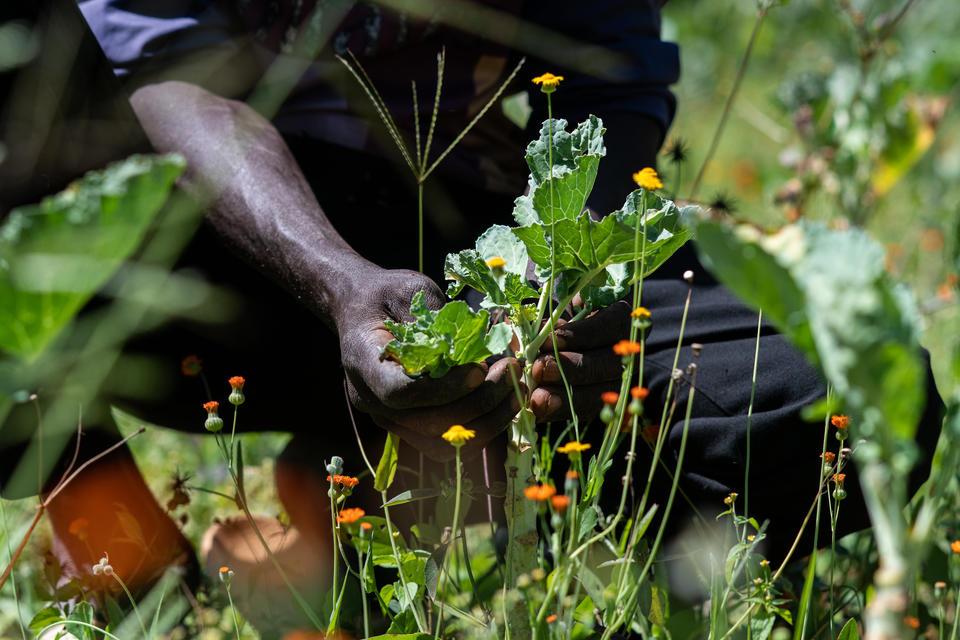
The Alliance Champions School Meals  - Alliance Bioversity International - CIAT - Image 1

The Alliance’s work in school meals and school food environments

Over the past two decades, the Alliance has been committed to advancing a school feeding approach that prioritizes sourcing safe, diverse, and nutritious food locally produced by smallholder farmers and Indigenous Peoples.

In doing so, the Alliance has been recognized for its expertise in:

  • Strengthening agrobiodiversity conservation, promotion and use through schools;
  • Mapping and enhancing the broader school food environment, which includes the spaces and conditions in and around schools where food is available, purchased, or consumed and;
  • Developing evidence-based tools and innovations to inform public procurement policies and improve school meal interventions.

Our work on planet-friendly school meals builds on this expertise, positioning us as strategic technical partners globally.

Ongoing projects

Nourishing minds and soils: Regenerative approaches to school Nutrition 

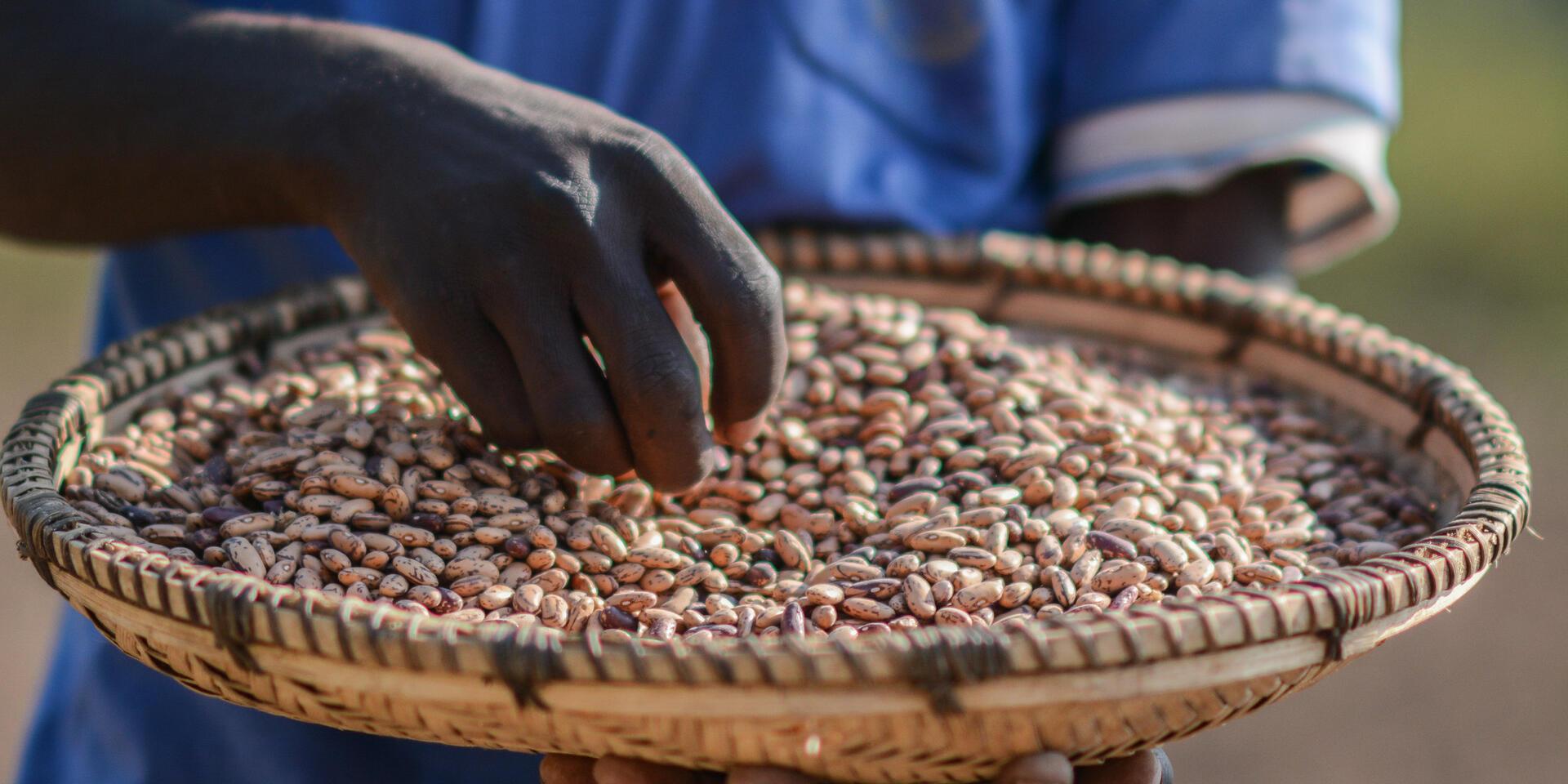
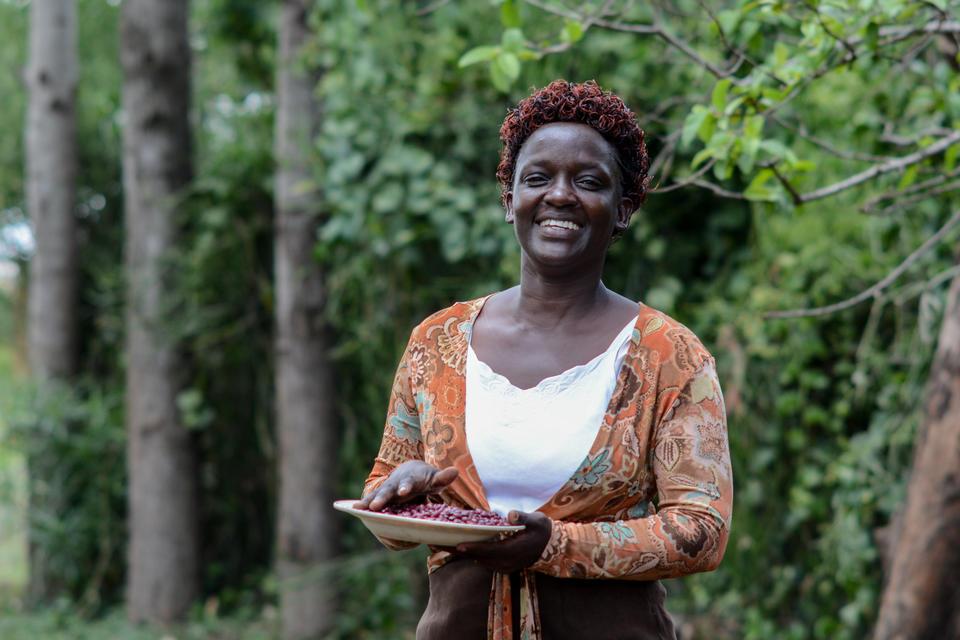
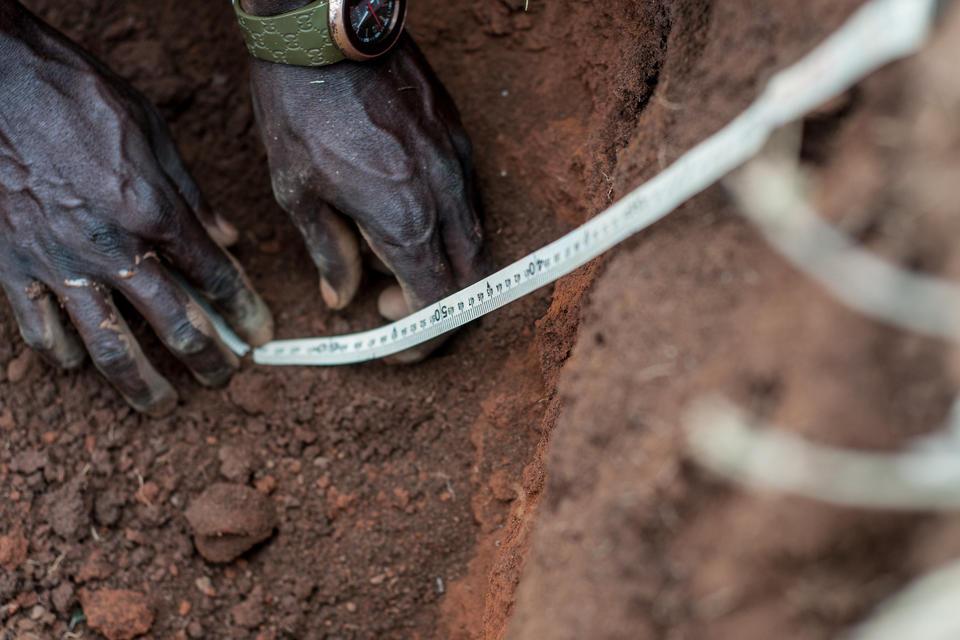
School meal programs reach millions of children every day, often providing their most reliable source of nutritious food. Yet the food systems supplying these programs remain vulnerable to climate variability, soil degradation, and limited nutritional diversity, gaps that undermine their potential to truly nourish the children they serve. In Embu County, Kenya, we are working to change this by linking regenerative agriculture directly to school feeding programs. Together with smallholder farming communities, we are investigating how regenerative practices, affect the productivity and nutritional quality of high-iron Nyota beans, a biofortified staple widely consumed across the region and a key ingredient in school meals.

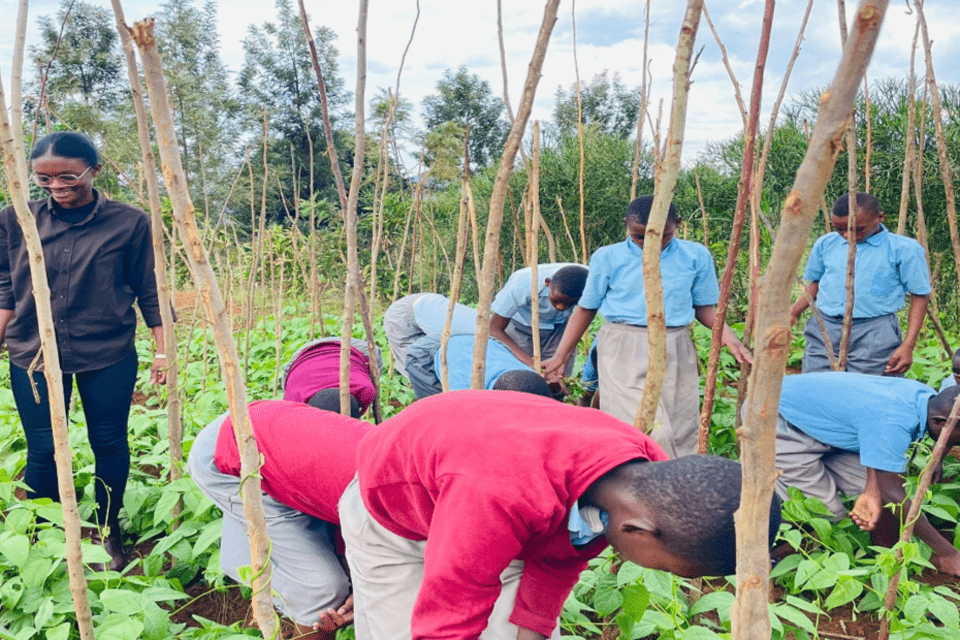
Using standardized nutritional profiling protocols from the Periodic Table of Food Initiative (PTFI), we are generating rigorous, field-based evidence on how farming practices shape the food that ends up on children's food. At the same time, we are working with teachers and students to embed regenerative agriculture into school gardens and curricula, turning schools into active hubs where children learn how the food they eat is grown, why it matters for their health, and how sustainable farming can strengthen their communities. By connecting farmers, schools, and nutritional science, we aim to contribute to school meal programs that are not only more nutritious, but also more resilient, locally rooted, and fit for a changing climate.

Sustainable School Feeding Innovations in Kigali 

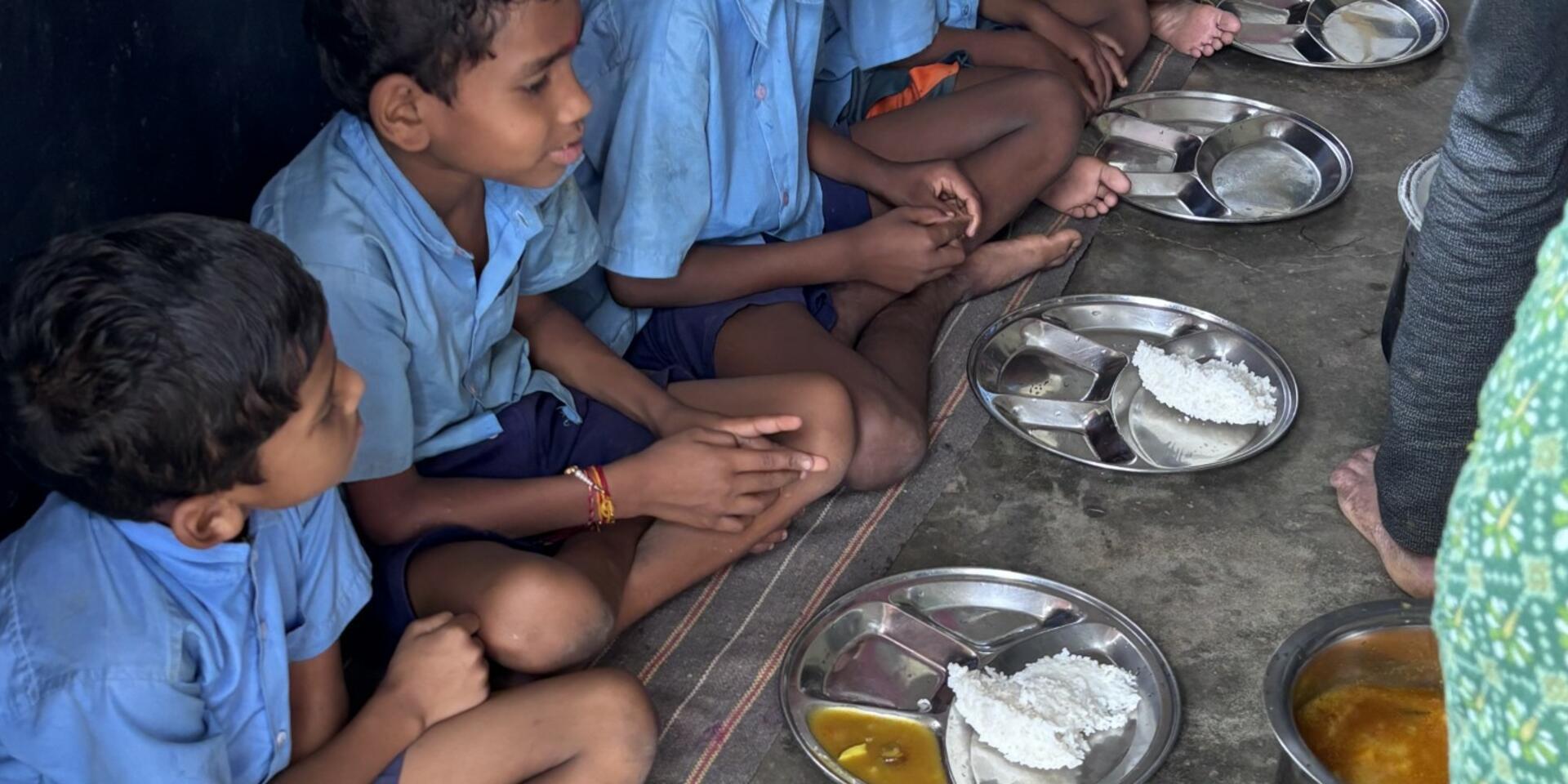
School feeding has an extensive impact on child health, nutrition, academic performance, and future employment opportunities. This is a powerful vehicle to sustainably build Rwanda’s human capital. The Government of Rwanda has reinforced the school feeding program to streamline: (i) increased enrolment and attendance, (ii) improved cognition and quality of learning, (iii) enhanced nutrition by addressing nutritional needs and micronutrient deficiencies, (iv) boost agricultural productivity, (v) promotion of school feeding procurement of food from local farmers.
CGIAR, through the Alliance of Bioversity International and CIAT (The Alliance) in close collaboration with other centers, seeks to support the school feeding program. The Alliance’s intervention will adopt nutrition-sensitive school feeding innovations in Kigali city schools, and communities surrounding the schools. The initiative enhances capacity development for a value-chain-based approach to produce, utilize and supply nutritious foods to schools and other markets.

Highlights from the Alliance’s Work

Agrobiodiversity conservation, promotion and use
School Food Environments  
  • Desk review of school food environment literature, policy and guidelines (Philippines)
  • Analysis of the school food environment in urban and peri-urban areas to design nutrition interventions (Benin)
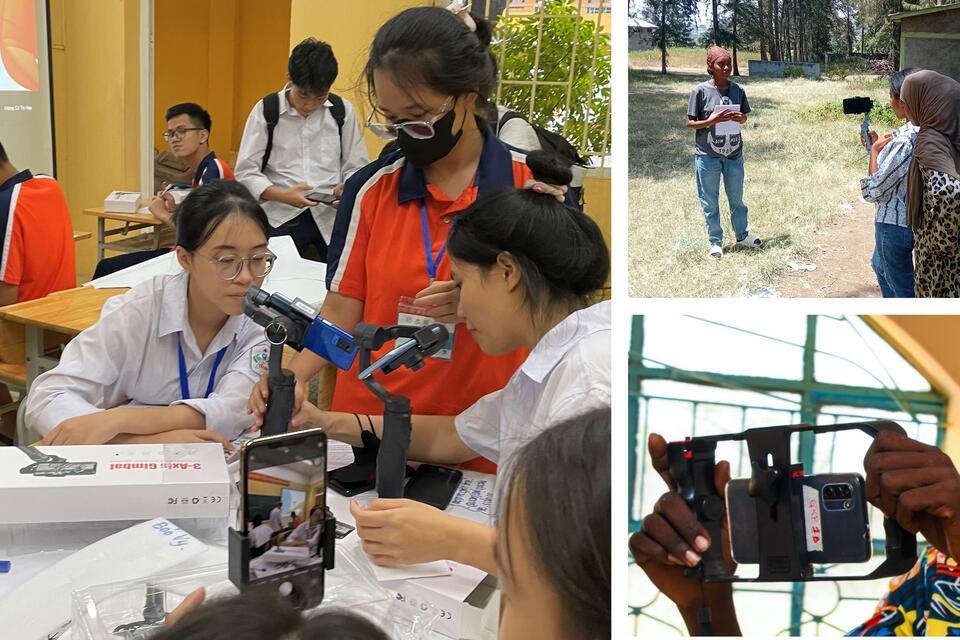
  • Participatory research involving students, teachers and researchers to share community-based practices and roles related to growing, harvesting, collecting, preparing, and consuming food (Kenya)
  • Participatory research involving students, teachers and researchers to co-create community action plans, and co-design food environment interventions to enhance adolescents’ access to and consumption of sustainable healthy diets (Vietnam, Ethiopia and Kenya)
Tools and Innovations 
  • A pilot evaluation tool guiding planet friendly procurement practices and home-grown school feeding (HGSF) approaches (Sub/Saharan Africa)
  • An analytical framework assessing the impact of HGSF approaches across the food system (12 countries in LAC)
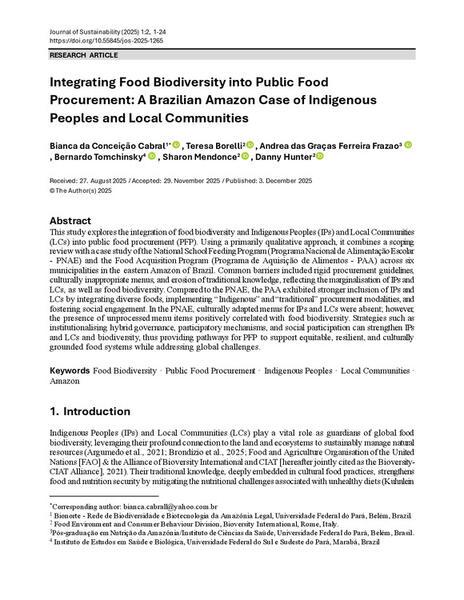
  • The Biodiversity for Food and Nutrition project demonstrating the nutritional value of multiple traditional species and how this evidence can be used to inform policies, promoting their inclusion in school feeding programs (Brazil)

Promoting and facilitating stakeholder engagement

While we engage with a diverse range of stakeholders, local communities- particularly children- are at the heart of the Alliance's school meals work. In partnership with governments, UN agencies, research organizations, NGOs, the private sector, foundations, and international financial institutions, we take action to transform school meals and local food systems. 

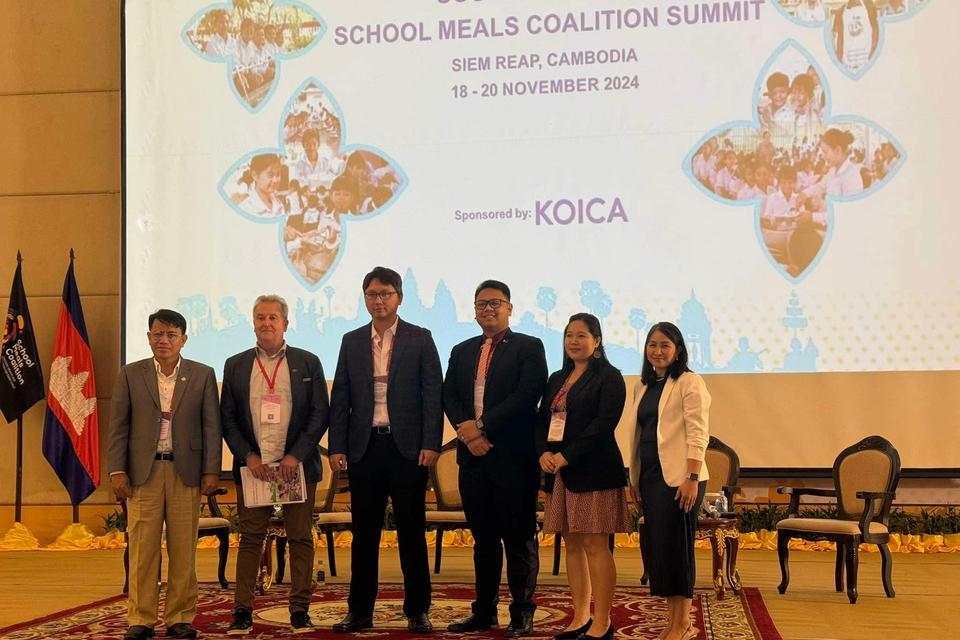
The Alliance was the first CGIAR center to commit to being an organizational partner of the School Meals Coalition  (SMC), launched as one of the most impactful and fruitful initiatives coming out of the 2021 UN Food System Summit. Based on this successful collaboration, the Alliance is a core partner in the Nutrition and Food Systems Community of Practice established by the Research Consortium for School Health and Nutrition, an initiative of the SMC. 

As founding partners of the Pacific School Food Network platform, the Alliance also plays a key role in uniting diverse stakeholders across the region to collaborate and advance the promotion of HGSF approaches. 

The Alliance also supports the greater inclusion of Indigenous Peoples' food systems and traditional knowledge within school feeding programs, backing the Indigenous school meals pillar of the Coalition on Indigenous Peoples’ Food Systems

Our experts

Céline Termote

Senior Scientist - Africa Regional Team leader Food Environment and Consumer Behavior

Jean Claude Rubyogo

Leader, Global Bean Program, and Director, Pan Africa Bean Research Alliance (PABRA)