Sustainable Finance: Investing in climate-smart and inclusive food systems

Sustainable Finance - Alliance Bioversity International – CIAT

Sustainable finance is key to building sustainable and equitable food systems. From connecting investors with small and medium agri-food businesses, preparing farmers and other value chain actors to manage funds and providing investors with evidence-based information to make well-informed decisions, the Alliance leverages its research and networks to bridge the gap between key actors to ensure that small-scale farming businesses reach their full potential and investors connect with local-level innovators, thus accelerating the transition towards more sustainable and inclusive food systems globally.

Bridging science, finance and food systems for impact

Transforming food and land use systems is critical for building climate resilience, social equity, farmers’ well-being and achieving net-zero targets. However, there is a significant funding gap: While $300-350 billion USD is needed annually to reach these objectives, only 1.7% of tracked climate finance reaches small-scale farmers. Less than 3% of global climate finance is invested in agriculture, and just 2% of venture capital goes to women-led agribusinesses.

Public investors such as the Green Climate Fund are stepping in, but their contributions alone are not enough. To drive systemic change, we need blended finance approaches that mobilize private capital from institutional investors and impact-driven funds that aim to invest in environmental and social causes. 

Sustainable finance must be science-driven to ensure that investments have a lasting impact. To ensure that investors have the necessary evidence to plan their work strategically, the Alliance shares its cutting-edge research on climate action, agrobiodiversity, land use systems, agricultural value chains and climate security, supporting investors to make well-informed decisions. The Alliance also co-develops innovative finance solutions, structures risk management frameworks, and provides technical advice to maximize the impact of investment. Furthermore, through robust measurement, reporting, and verification systems, we ensure that investments are transparent, data-driven, and deliver lasting transformative change. 

Specifically, the Alliance plays an enabling role by influencing and connecting seven key aspects of sustainable finance: 


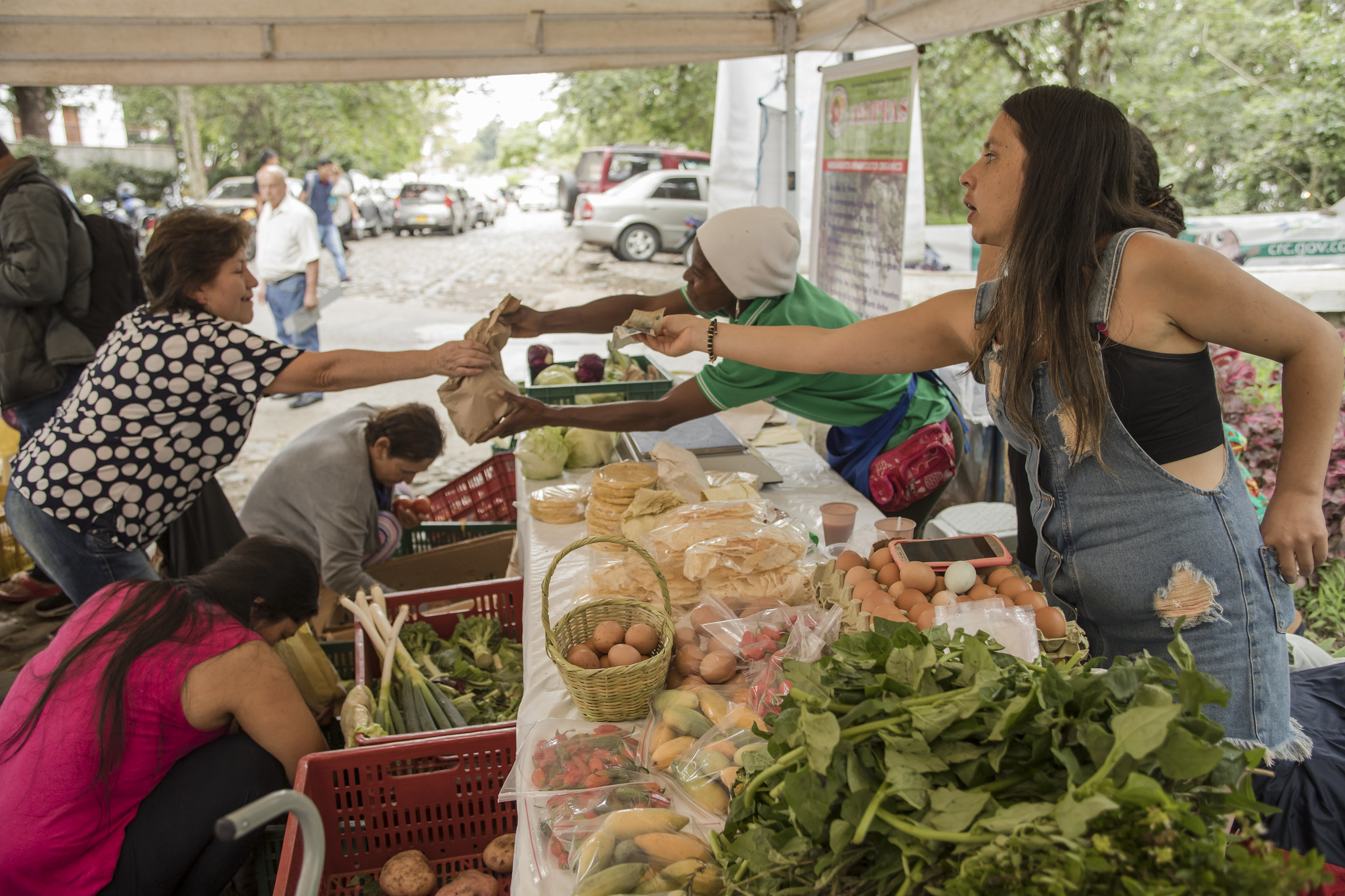
Street vendors in Cali, Colombia. Credit: CIAT/Juan Pablo Marin García 


Co-creating blended finance and impact investment vehicles for food systems transformation


Many investors are increasingly interested in aligning financial returns with social and environmental goals; however, for investors to navigate these relatively new investment areas, they require evidence-based strategies to mitigate risks and optimize impact. Structuring funds to address the unique challenges of each geographical region is complex, making technical expertise essential. 

Through the CGIAR Hub for Sustainable Finance (ImpactSF), the Alliance offers services as a trusted technical partner for investors interested in increasing their portfolio in sustainable food and agriculture investments. We integrate science-based indicators of impact into every stage of an investment vehicle's lifecycle – spanning fund design, pipeline development, screening, due diligence, implementation, post-investment monitoring, and robust monitoring, reporting, and verification (MRV). 

Our work with asset managers has led to the co-creation of flagship investment vehicles that are driving transformational change in food systems. Examples of this work include: 

  • The Climate-Smart Food Systems Fund (CSFS): 
    Co-designed by the Alliance with responsAbility and other CGIAR centers, CSFS is a blended finance investment solution targeting agribusinesses across Asia-Pacific, Latin America and Africa. It provides long-term loans to companies driving innovations in climate-smart agriculture (CSA), reducing food loss and building resilience in food value chains while contributing to climate change mitigation. 
  • The Ag360 Climate Fund:
    Under development, this groundbreaking fund is being co-designed with Big Valley GmbH and Convergence, working with small-scale farms and cooperatives that adopt circular economy principles. By focusing on reducing food loss and waste and scaling the production and use of biochar, the fund addresses key environmental challenges while delivering financial returns.
     
  • FASA – Catalyzing Capital for Agri-small and medium-sized enterprises in Africa:
    Financing for small and medium-sized enterprises (SMEs) in Africa bridges the financing gap for smaller-scale agricultural entrepreneurial initiatives in Africa by blending catalytic and commercial capital. Managed by Investisseurs & Partenaires, FASA channels funds thrugh local investment networks to empower small and medium-sized enterprises, enhance food secuority and build climate-smart agriculture value chains. Through its partnership with ImpactSF, FASA integrates science-based tools to de-risk investment and drive impact across the agricultural sector.
  • Financial Institutions Climate Resilience and Adaptation Fund:
    Developed by ImpactSF and Big Valley GmbH, this fund will provide local banks and financial institutions with the resources to scale their investment in climate-smart agriculture practices. This fund will channel patient debt to 25-30 financial institutions globally, allowing them to offer targeted financing for small-scale farmers adopting climate-resilient practices. By leveraging concessional capital, the fund intends to attract private investment, helping local financial institutions to integrate climate and environmental risks with credit risk, and grow social and environmental impacts from their lending portfolio.
 

Shaping large public investment programs to support sustainable food systems

The Alliance’s knowledge on emerging trends in food security, nutrition, climate change impacts and social contexts across the world allows its research teams to advise public financial institutions and investors (such as the World Bank or the Green Climate Fund) on areas of critical social and environmental importance, identifying where they can make significant contributions. We work with accredited entities, implementing agencies to the United Nations Framework Convention on Climate Change (UNFCCC)’s financial mechanisms, international financial institutions and development finance institutions to co-design investment plans and bankable projects, aligned with countries’ Nationally Determined Contributions (NDCs) under the UNFCCC’s Paris Agreement on climate change, that steer investment towards cutting-edge adaptation and mitigation solutions and use the latest research to inform investments.

Examples of supporting the orientation of investment towards agrifood systems and climate action include: 

  • Assessing national and subnational climate risks and advising on investment plans: To support countries in achieving their NDCs, the Alliance - through the ‘Accelerating Impacts of CGIAR Climate Research in Africa (AICCRA)’ platform - is using its data and research to develop tools that support climate-smart agriculture investments such as the development of climate risk profiles and climate-smart agriculture investment plans. The Alliance is also providing scientific support to UNFCCC’s negotiations on climate change.
  • The Climate Security Programming Dashboard for Climate Finance (CSPDxCF): Developed with CGIAR and partners, CSPDxCF is a tool for conflict-sensitive assessments and tailored guidance for public investors with a mandate to invest in climate-resilient and peace-positive development, offering technical advice to help prioritize investments. 


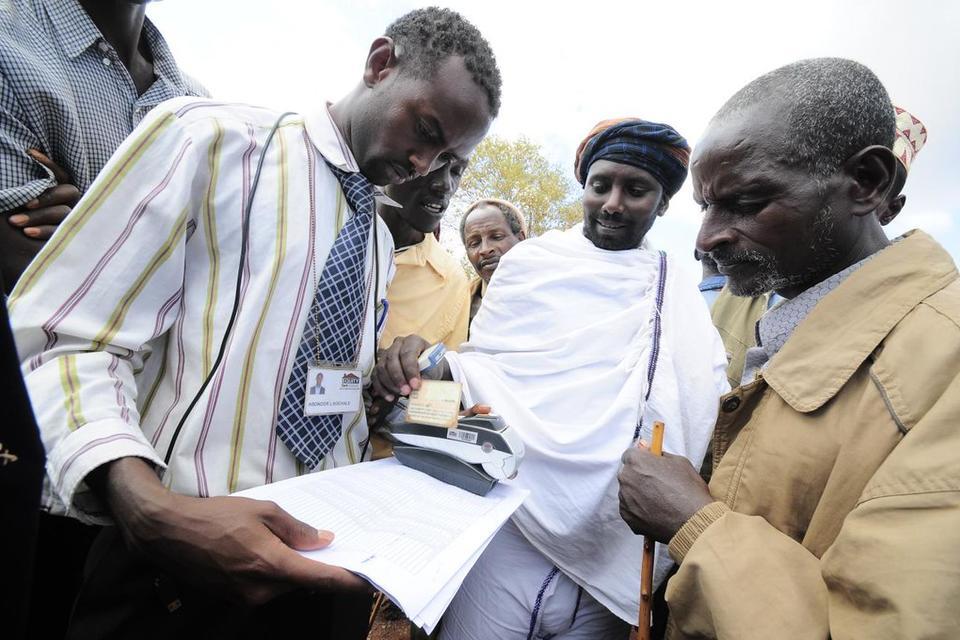
Farmers taking out insurance to recover from prolonged drought in Kenya. Credit: CIAT/Neil Palmer 


Providing data to local banks and financers for informed decision-making

Local banks should be the bridge between investors and agri-small and medium-sized enterprises. However, perceived risk, limited capacity to assess these, and regulatory constraints hold them back. Agriculture’s inherent volatility makes investment in small-scale agribusinesses appear risky, while rigid banking regulations often demand collateral levels that small and medium-sized enterprises cannot meet, resulting in a persistent financing gap that stifles SME growth and causes banks to miss valuable investment opportunities.

At the Alliance, we work to turn this challenge into an opportunity. By leveraging cutting-edge data and analytics, we equip local financial institutions with tools to reassess risk, reduce transaction costs and unlock capital for high-potential agribusinesses. Through smarter risk management solutions, we empower banks to finance climate-smart agriculture, build resilient portfolios and drive sustainable economic growth. Examples of this work include:

  • Delivering precise risk profiles to support loans: Through partnerships with local banks and monetary financial institutions, ImpactSF uses CGIAR-wide research to develop AI-powered solutions such as the ImpactSF Analyzer to support risk assessment for financial institutions. This dashboard combines real-time data on crops, farmer resilience and location-specific conditions to deliver precise risk profiles. For local financial institutions, this means embedding these AI-powered climate and environmental risk insights directly into their lending decisions, thus minimizing lending risks and improving credit portfolio performance. The ImpactSF Analyzer also provides advisory services to financial institutions, for their clients to manage climate risks and report impact generated across their lending portfolio. 
  • Bundling services to increase success and reduce risk: Through the insights generated from tools such as the ImpactSF Analyzer, the Alliance is pioneering the design and implementation of targeted loan products to manage climate risks and maximize social and environmental impacts. These loan products bundle CGIAR research to enable targeted adoption of climate-smart agriculture. These products enable the adoption of climate-smart agriculture practices such as the adoption of drought-tolerant seeds, which significantly enhance farmers' resilience and preparedness for investment. This approach not only reduces risk for bank clients but significantly cuts transaction costs, which encourages more lending to the sector. ImpactSF is rolling out these bundled services in Kenya, Rwanda, Ethiopia, Southeast Asia, and Latin America, with local banks reporting significant improvements in efficiency and portfolio diversity. The Alliance has also developed significative digital climate-linked credit risk scoring tools for micro-finance institutions and agricultural producers in Kenya and Guatemala.
     
  • Development of ‘adaptation taxonomy’: The Alliance’s climate action research team is advancing research on an 'adaptation taxonomy' to integrate climate-sensitive information into credit assessments. By analyzing state-of-the-art climate data and over 30 indicators, the team’s research assesses farmers' climate readiness, identifies risks and informs strategies for climate adaptation to inform banks’ decisions about offering loans; one example of this work is with cattle farmers in Guatemala

Burra Dharani Dhar

Scientist, Data Products and Solutions Lead, CGIAR Hub for Sustainable Finance (ImpactSF)


Preparing small-scale farmers, businesses and scientists for investment

Many owners of agri-small and medium-sized enterprises lack the skills to apply for loans and manage investment that would allow them not just to grow their businesses sustainably. Women and young entrepreneurs may face additional barriers, such as limited assets, networks and restrictive social norms. The Alliance provides technical assistance to smallholder farmers, startups and small businesses with a focus on social equity and the inclusion of women and young people, supporting them in improving their business skills and preparedness to apply for and manage investment. Technical assistance often takes the form of ‘business accelerators’, which provide training on climate-smart agriculture practices, financial literacy marketing and business skills. Examples of Alliance-led business accelerators include: 

  • Gender-Smart Accelerators: This initiative offers tailored support for women-led small and medium-sized enterprises, ensuring equal access to finance, technical know-how and resources. 
  • CGIAR Food Systems Accelerator: This accelerator supports African agribusinesses to adopt sustainable agricultural practices and attract investment for upscaling. 
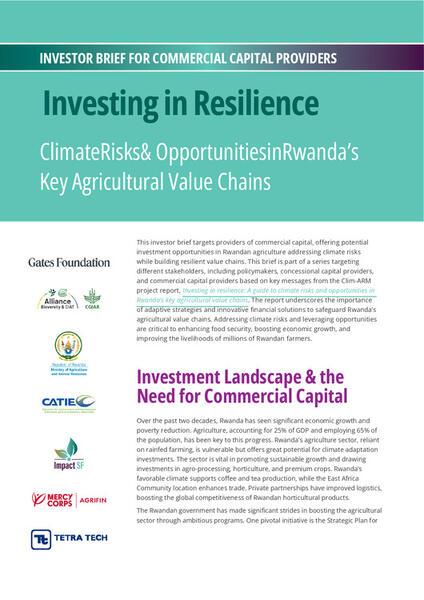
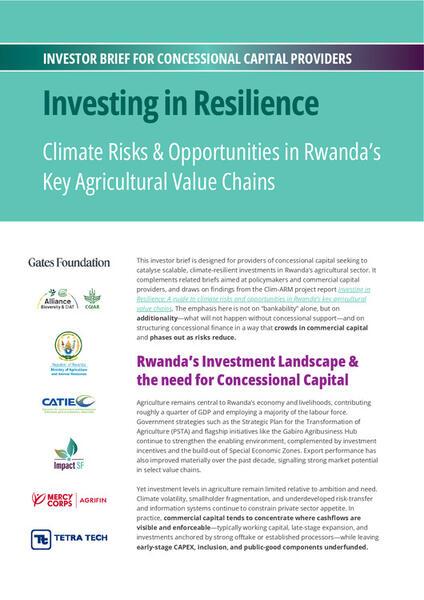
  • Ireme Invest Adaptation Accelerator (Rwanda): Supported by the Bill and Melinda Gates Foundation, this program combines science-driven tools with training for Rwandan businesses to measure risk, enhance impact and access funding. 
  • Business Acceleration for Youth: This Malawi-based accelerator strengthens youth- and women-led enterprises, leveraged grants to attract more than $820,000 USD in additional investment. 
  • Stability-and-Peace Accelerator: This initiative offers tailored solutions for entrepreneurs in fragile regions of Jordan, Kenya and Yemen. 
  • Private Sector Incentives and Investments (PSii): This project drives agroecological transitions in Vietnam, Peru and Ethiopia through business models and digital traceability.
  • Scale for Resilience: This initiative – led by YAPU Solutions, GAWA Capital and the Alliance – aims to improve access to nature-based solutions (NBS) and develop financial mechanisms to support NBS in Latin America and the Caribbean. The initiative brings together more than 70 microfinance institutions, managing more than $4 billion USD in small loans for over 5 million clients, 69% of whom are women. Key components include the Women in Resilience Finance Mentorship Program (2023 and 2025), Resilience Finance Days (2023 and 2024), and a range of knowledge products designed to build the capacity of member organizations and vulnerable communities. 

The Alliance also uses the accelerator model to support innovators who have developed solutions for challenges in agrifood systems to bring their solutions to market. This involves working with researchers and local innovators to transform their scientific solutions into a potential business model for investment and linking them with companies looking for new products. 

Examples include: 

  • Research and Market Pathways (RAMP): This internal accelerator program is led by the CGIAR Accelerate for Impact Platform, equipping Alliance and CGIAR scientists with the skills and support to translate their scientific discoveries into marketable solutions that create impact at scale. 
     
  • Agrifood and Climate-tech Innovation Challenges: These accelerator projects, led by the CGIAR Accelerate for Impact Platform in collaboration with CGIAR centers and public-private partners, connect agricultural innovations with financial opportunities. The Innovation Challenges launch country-level, regional and global competitions to scout and support early-stage agri-tech innovations in areas such as precision agriculture, environmental protection, circular economy and climate resilience. Winning teams advance to the bootcamp and accelerator program phases, where they receive training on business planning and investment readiness, technical assistance from matched CGIAR scientists, networking opportunities and access to finance.  


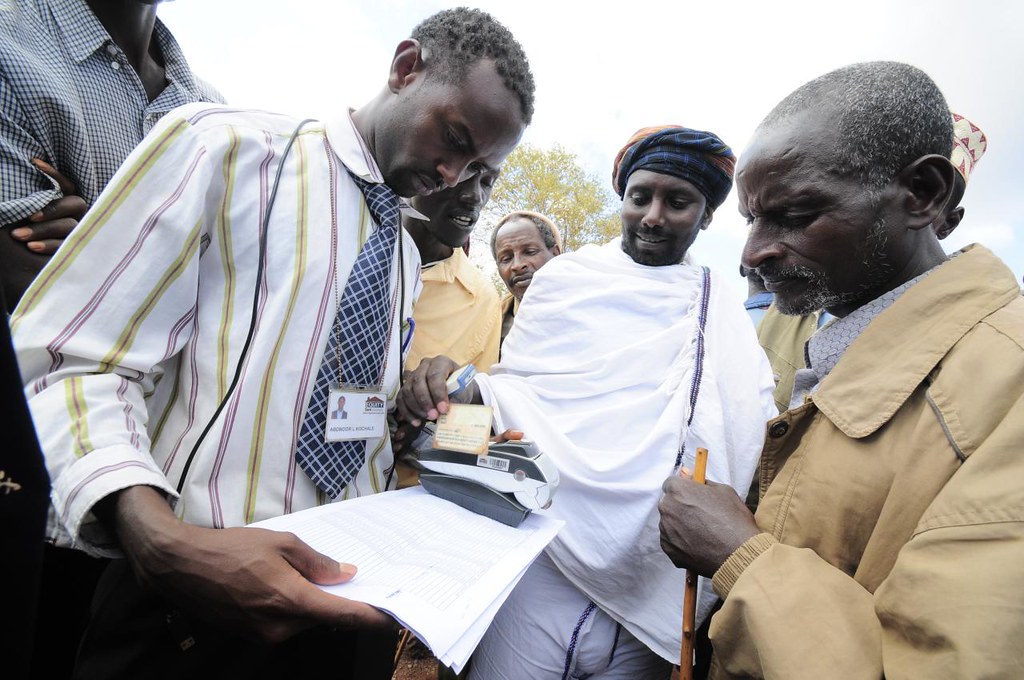
A village meeting in Kenya for farmers to take out livestock insurance to receive their first payout after a prolonged drought. Credit: CIAT/Neil Palmer 

Aggregating small-scale businesses for synergies, visibility and investment

A benefit of accelerator programs is the opportunity to create a local network of interconnected services. Networking small and medium-sized enterprises in agricultural value chains makes them more visible to potential investors and also creates business linkages for mutual support. By using each other’s services - from courier services to seeds, biofertilizers and packaging - small and medium-sized enterprises support each other and create a more resilient entrepreneurial environment. Examples of this aggregating include:

  • Food Systems Accelerator: This competitive CGIAR-led accelerator has made 500 businesses visible to each other and to potential funding partners. Through this process, an ecosystem of mutually supporting businesses has emerged.
     
  • Business Acceleration for Youth: This initiative in Malawi organizes various events including networking for small and medium-sized enterprises at different development stages and events for impact investors to meet them. Through its sector agnostic design, the project has a convening capacity which extends to over 200 start-ups and 60 small and medium-sized enterprises, offering unique opportunities for business networking. 

David Slane

Senior Manager and Chief of Party, Business Acceleration for Youth Project, Country Representative for Malawi
 

Generating innovative methods for monitoring, reporting and verification

Accurate monitoring, reporting, and verification (MRV) is essential for investors to quantify the social and environmental returns on their funds and identify areas needing further technical assistance. Robust, cost-effective MRV methods are particularly critical for outcomes like carbon credits, where payments depend on verified impact. The Alliance leverages cutting-edge research to develop MRV tools that enhance investment in areas such as soil health, forest conservation, greenhouse gas mitigation and biodiversity. The tools are designed to be adaptable across diverse geographies and farming systems. 

Examples of research-based MRV tools include: 

  • Climate-Smart Food System Fund (CSFSF): This fund tracks climate change mitigation, water availability and food loss using science-based metrics. Farmer practices are monitored via biophysical sampling and surveys to identify and scale successful models.
     
  • Hacienda San José Carbon Project: Through improved cattle breeds and forages, this project is estimated to generate 1 million carbon credits annually by 2050, verified under Verra’s carbon standards, ensuring credibility and cost efficiency. 


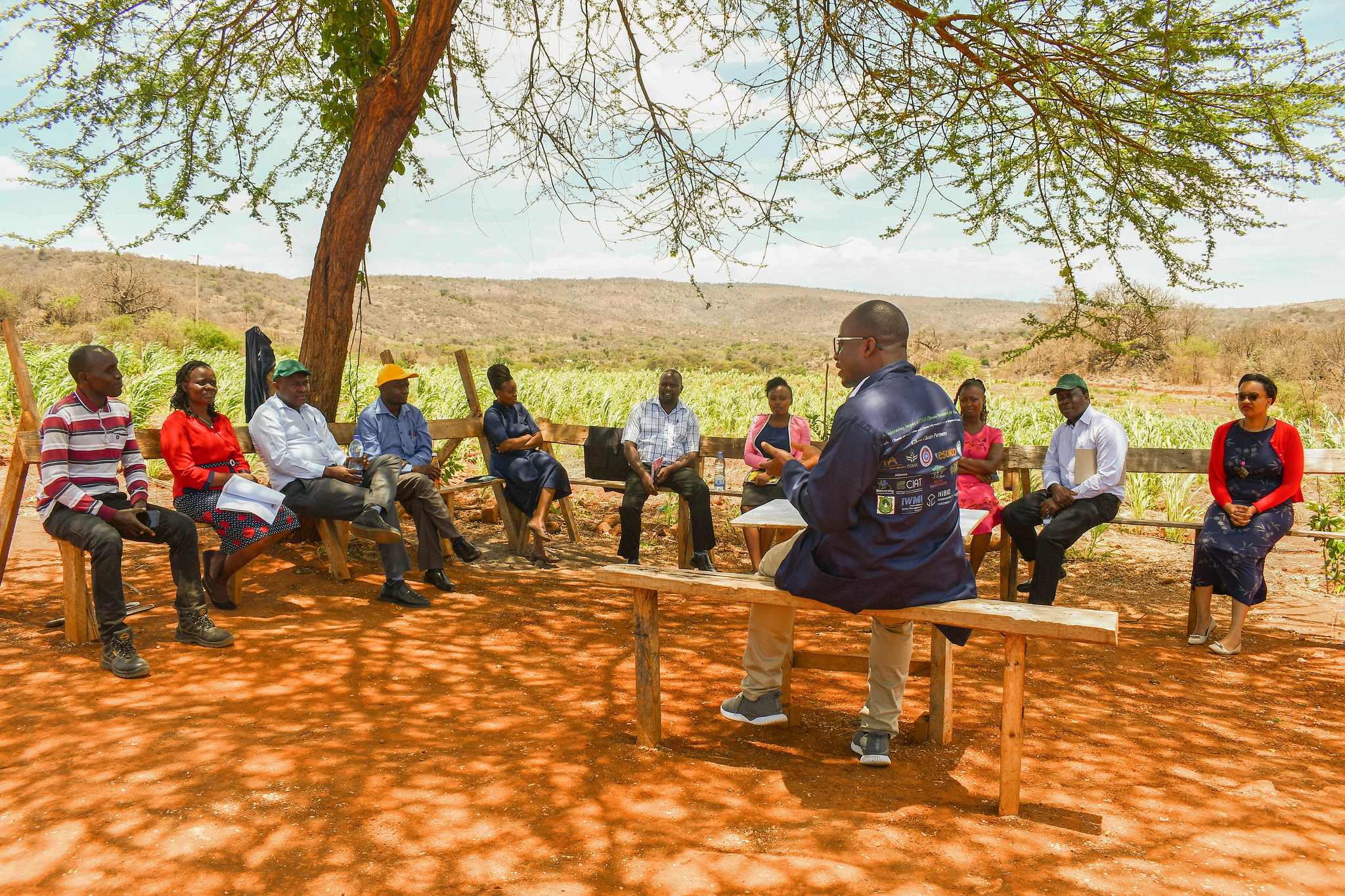
Field visit at a climate-smart agriculture demonstration site in Kenya. Credit: CIAT/Owen Kimani 


Accelerating peace-positive climate investment
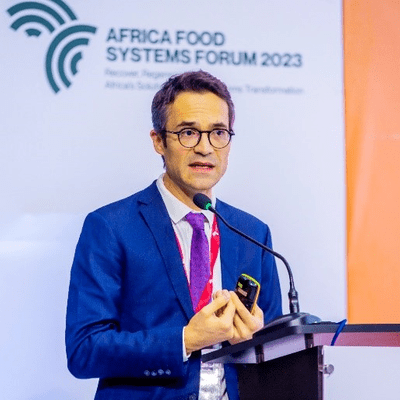
Communities in fragile and conflict-affected settings are disproportionately impacted by climate change, and there is a lack of financial instruments and delivery mechanisms that are sensitive to conflict. Countries facing high climate security risks are more underfunded on a per capita basis compared to more stable regions, and conflict and fragility barriers block access to climate finance and elevate transaction costs. 

Within the Alliance's Climate Action research area, the 'climate security' team explores the intersections of climate finance with peace and security to understand whether the allocation of resources is consistent with the climate security priorities of receiving countries, and if investments in climate-vulnerable and politically fragile contexts integrate both climate action and peacebuilding objectives. The Alliance works with partners to provide independent, cutting-edge scientific research and technical support to develop and execute peace-positive initiatives and enhance conflict-sensitive due diligence procedures.​  

The Alliance conducts research on best practices and challenges, and develops manuals and guidance on peace-positive climate change adaptation and mitigation. One example of this work would include: 

  • Climate Security Programming Dashboard for Climate Finance (CSPDxCF): Developed with CGIAR, this tool offers streamlined risk analyses and guidance tailored to the needs of accredited executing entities operating with international finance institutions and climate funds. Through a 10-minute project design survey, the dashboard generates an automated, conflict-sensitive evaluation, spotlighting potential conflict risks while providing tailored strategies for mitigation.  

CGIAR-wide finance and impact platforms

The Alliance hosts two innovative platforms which power initiatives across CGIAR on sustainable finance investments and innovation.

impact sf

CGIAR Hub for Sustainable Finance (ImpactSF)  

The Alliance hosts and contributes to the CGIAR Hub for Sustainable Finance (ImpactSF). ImpactSF is a key technical partner for sustainable finance actors that integrates science-based KPIs for all areas of investment lifecycles. This includes investment design and screening; pipeline development; due diligence; the implementation of finance; and post-investment monitoring, reporting, and verification (MRV).  
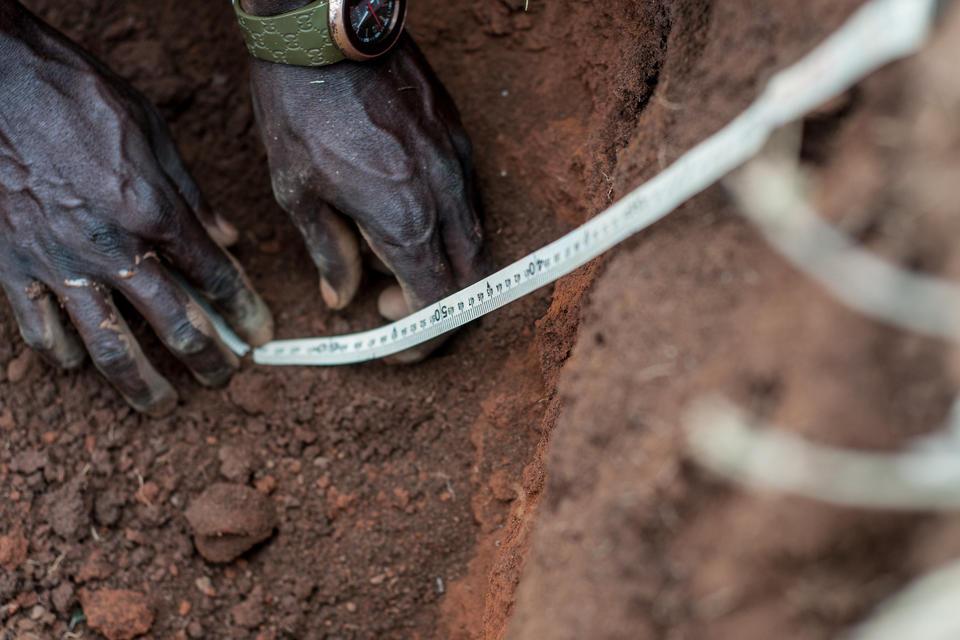
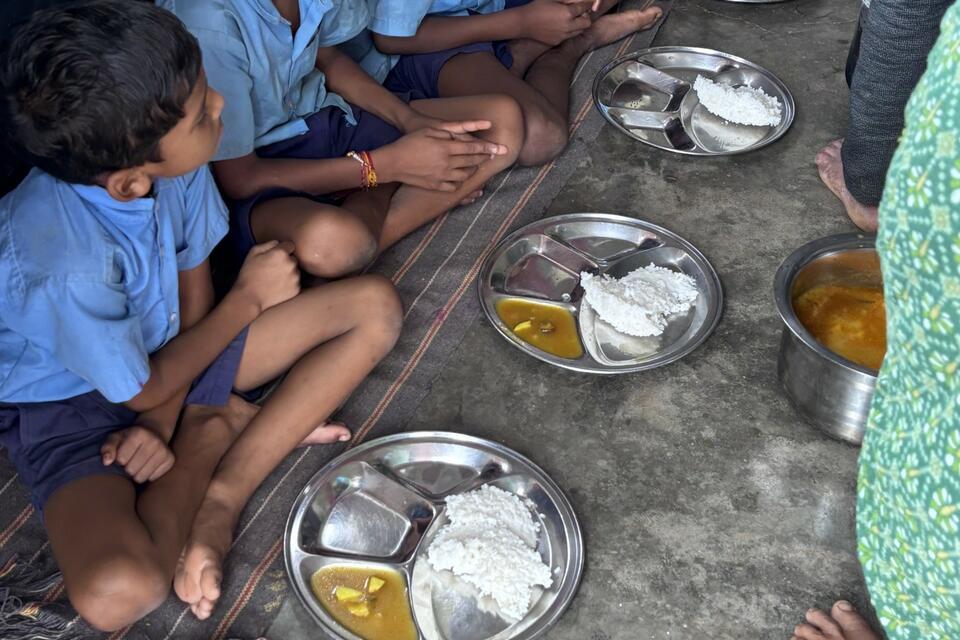
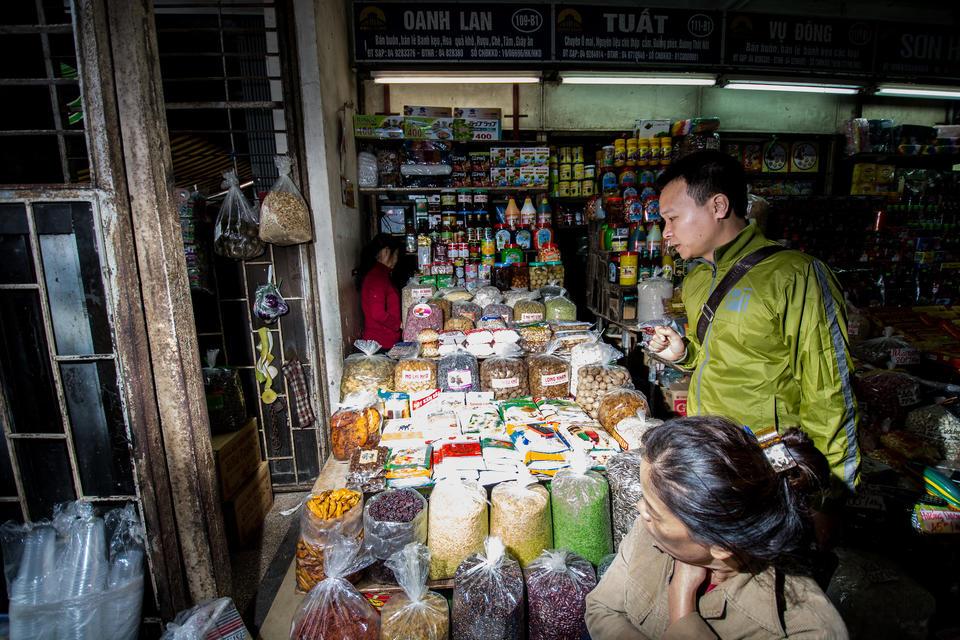
ImpactSF offers multiple data-driven solutions that empower financial institutions and investors to de-risk investments and maximize impact by quantifying climate and environmental variables, accelerating investment in climate-smart and nature-positive food, land and water systems.  

CGIAR Accelerate for Impact Platform (A4IP)   

The CGIAR Accelerate for Impact Platform (A4IP) is an initiative hosted under the Partnerships Unit at the Alliance. The platform is a venture space that leverages CGIAR’s research and innovation to co-design, accelerate and de-risk the development and deployment of science-based solutions for sustainable agriculture and climate action. A4IP develops entrepreneurial models that bridge research products from lab to market, offering business mentorship, technical validation and on-the-ground experimentation with end users to pilot solutions, market opportunities, industry connections and access to finance through acceleration activities, including internal and external scouting for innovations.  
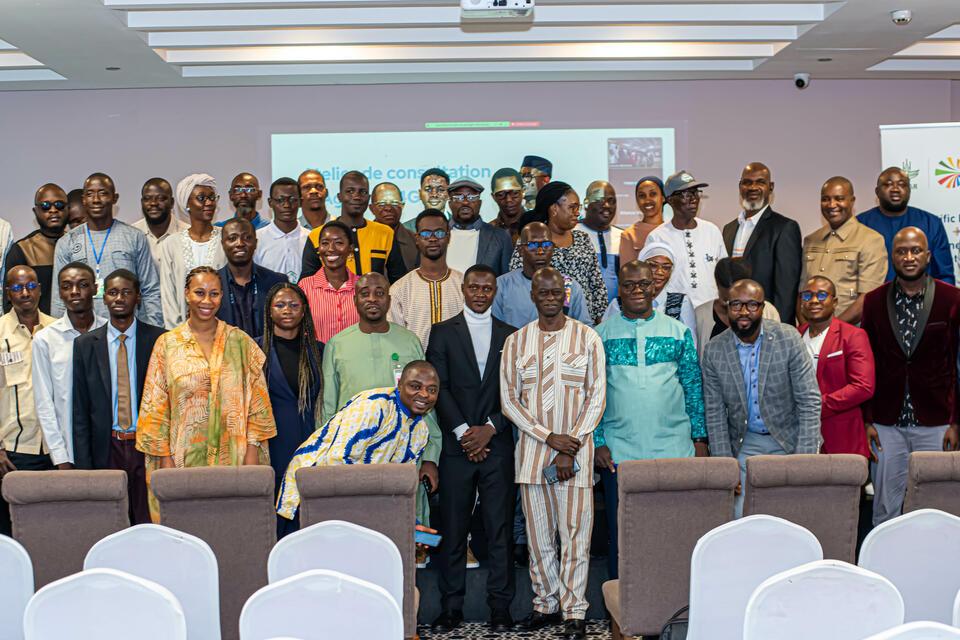
A4IP strengthens its function in the innovation ecosystem by participating in key events such as the World Agri-Tech Innovation Summit, and fostering knowledge exchange through its ‘Venture-Out’ event series and annual flagship events. A4IP also partners with relevant stakeholders to advance global innovation and works to shape international policy through advocacy, briefings and industry reports. The platform plays a catalytic role for entrepreneurial scientists, start-ups and other strategic partners driving innovation in agriculture, food value chains and climate technology, contributing to healthier, equitable and sustainable agrifood systems.