Improving cacao and coffee systems through innovations and partnerships

Improving cacao and coffee systems through innovations and partnerships

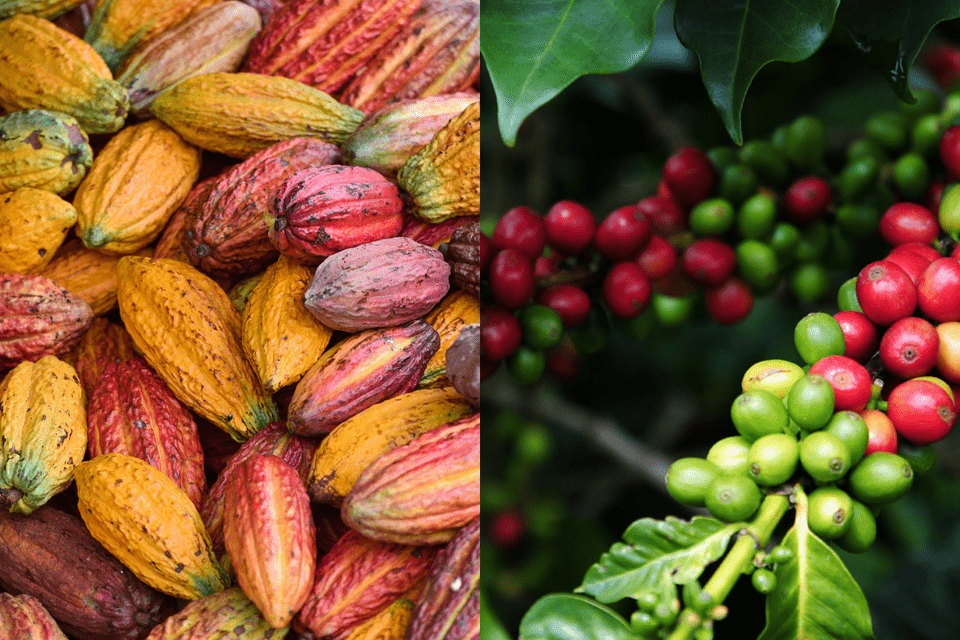
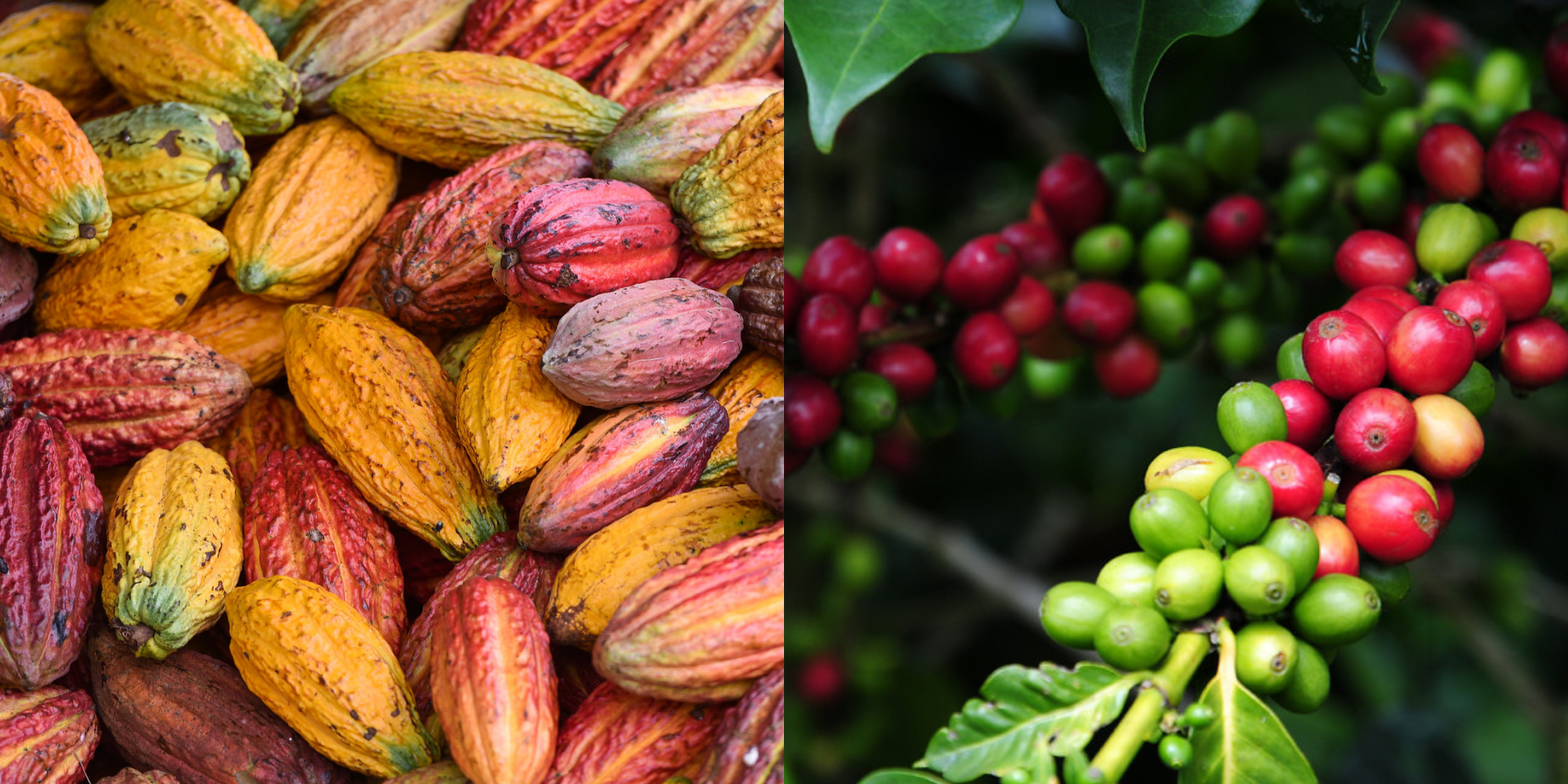
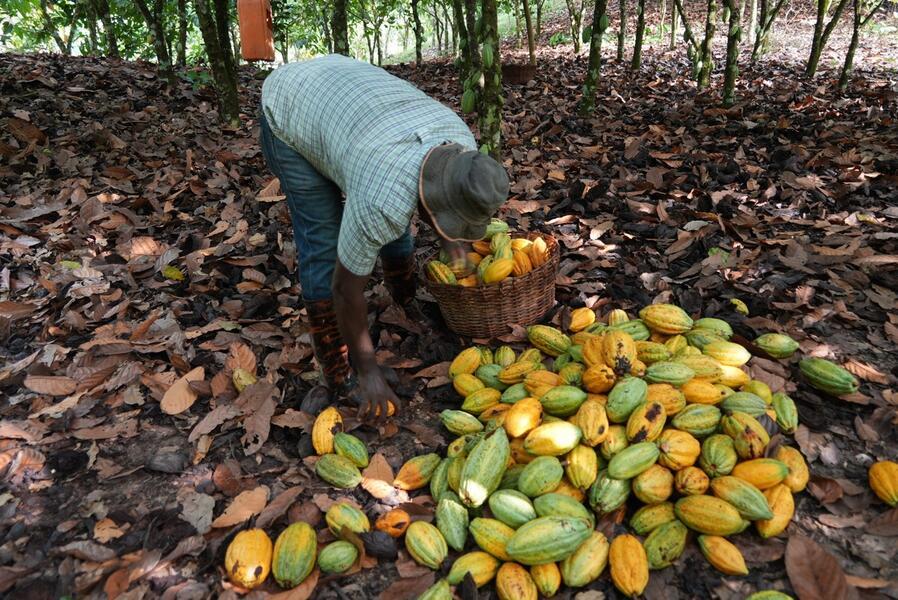
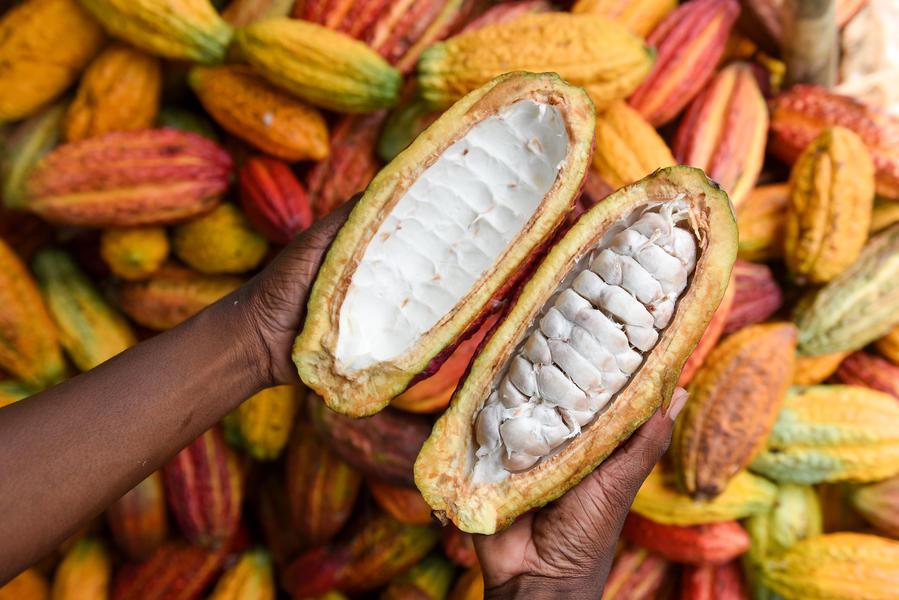
Millions of smallholder farmers around the world depend on cacao and coffee for their livelihoods. Yet they face significant constraints due to climate change, soil degradation, pests and diseases, and inadequate access to planting materials and other farm inputs. They frequently are price-takers, and do not have ready access to market information or finances. Cacao and coffee production continue to be a driver for deforestation. While largely traded as a commodity, there is heightened interest in sustainably produced, differentiated superior quality cacao and coffee that also provide a living income for farmers.
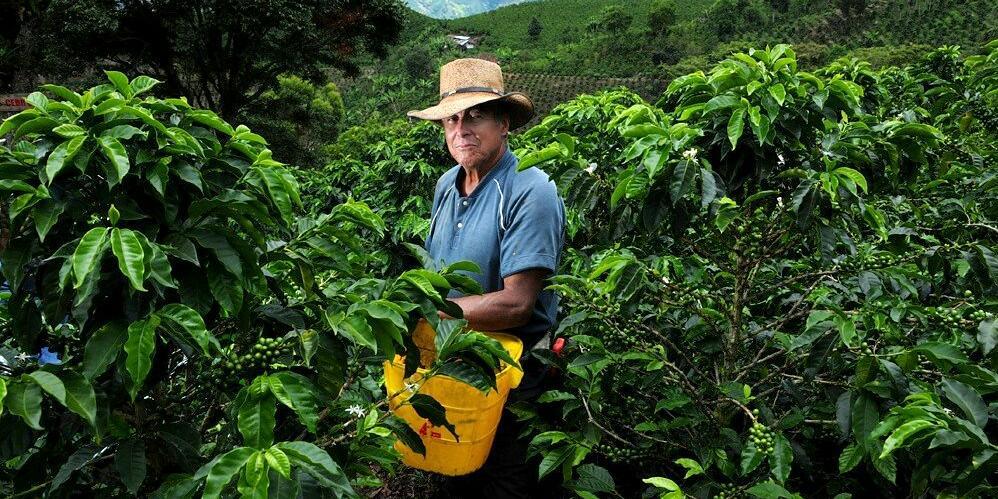
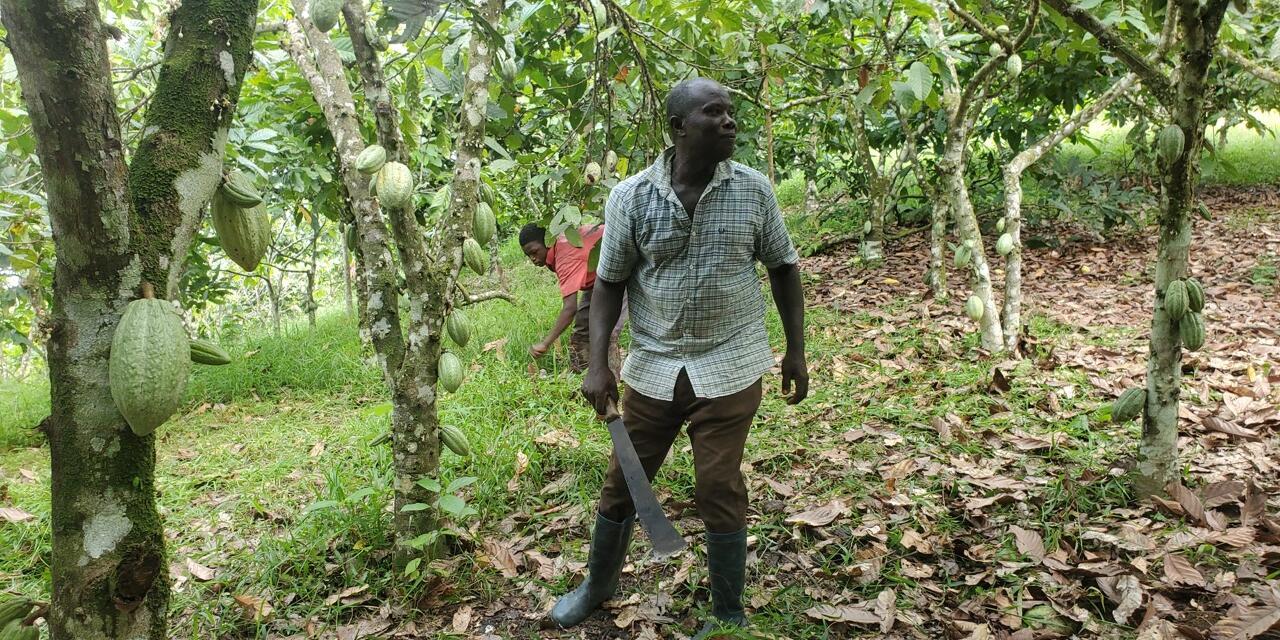
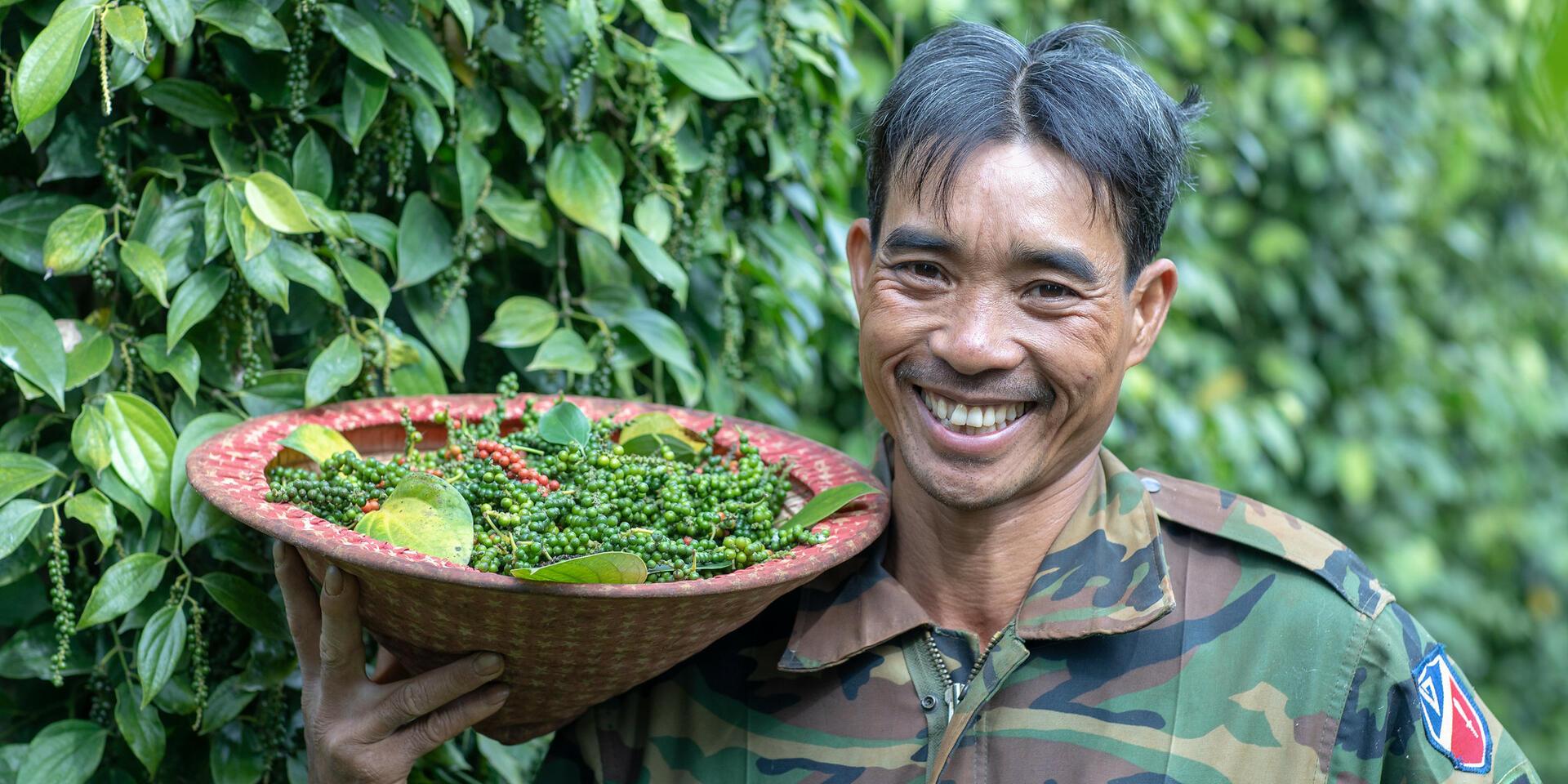
The Alliance, working together with stakeholders across the value chains, are addressing these constraints and opportunities in innovative ways.

From farm through value chains to international standards

For cacao and coffee, the Alliance is making significant contributions in four key areas: 

  • Accessing and conserving genetic diversity 
  • Environmental benefits for farming communities and their landscapes 
  • Productivity, market access, and income and food security benefits for farmers 
  • Quality and sustainability benefits for supply chain actors, industry and consumers 

Through these actionable areas, we have developed and applied a wide range of innovations to mitigate vulnerabilities along the supply chain. This includes extensive research on climate risk management and climate change mitigation, alongside the identification and promotion of climate-smart and regenerative agriculture practices. We also monitor environmental changes and deforestation and address heavy metal contaminants in cacao, while supporting the development of sustainably produced, superior-quality cacao for differentiated markets and helping establish international quality and flavor standards. To strengthen the capacities of key actors in the coffee and cocoa value chains and to support living incomes of producers, we are identifying supportive and incentive mechanisms through scientific research, skills development, digital tools, agricultural advisories and sustainable financing.

Producing locally significant results, working with stakeholder networks

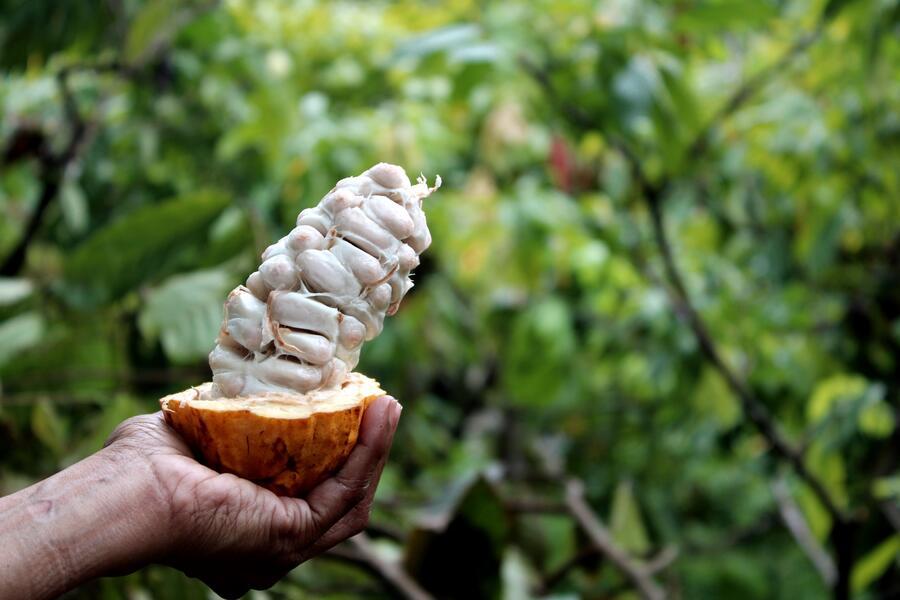
We have made important progress in cacao genetic resources conservation through CacaoNet. This network of key stakeholders has developed a global conservation strategy and initiated priority actions.

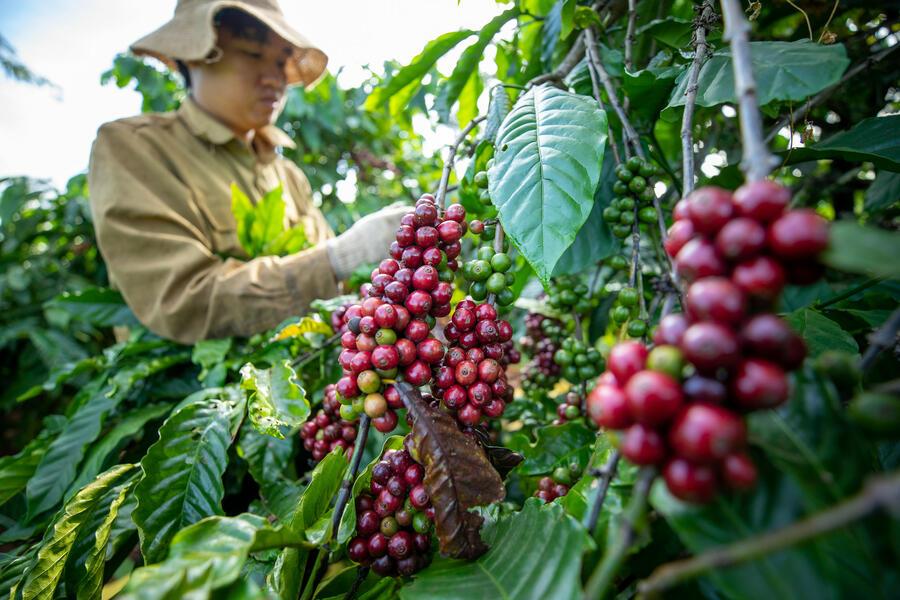
We are able to reach smallholder farmers with locally relevant and timely information about the production of cacao and coffee through local agronomic advisories and packages, use of genetic diversity, and feedback on quality and flavor for improved post-harvest processing.

We are working on regenerative coffee and cocoa farming and provide primary field data on sustainability outcomes and practical guidance to supply chain partners globally, e.g., Regenerative agriculture for low-carbon and resilient coffee farms: A practical guidebook. Version 1.0

In parallel, we are improving food safety and market access by developing ways to monitor and mitigate contaminants like cadmium and other heavy metals in cacao through Clima-LoCA.

We inform variety selection, contextualization of agronomic practices and value chain priority setting informed by climate services (e.g. Aclimatar, CaféClima, crop modelling)

Sample Earth, launched by the Alliance of Bioversity International and CIAT, creates neutral, transparent, locally validated AI-training data that serves as a benchmark for global coffee and cacao brands to independently assess and compare the accuracy of AI land-use and forest maps. This approach shifts incentives toward better, fairer AI for compliance, particularly those used for enforcing the European Union’s new regulation (EUDR). In pilot countries, Sample Earth’s methods have already reduced misclassification error rates to under 10%. particularly those used for enforcing the European Union’s new regulation (EUDR).

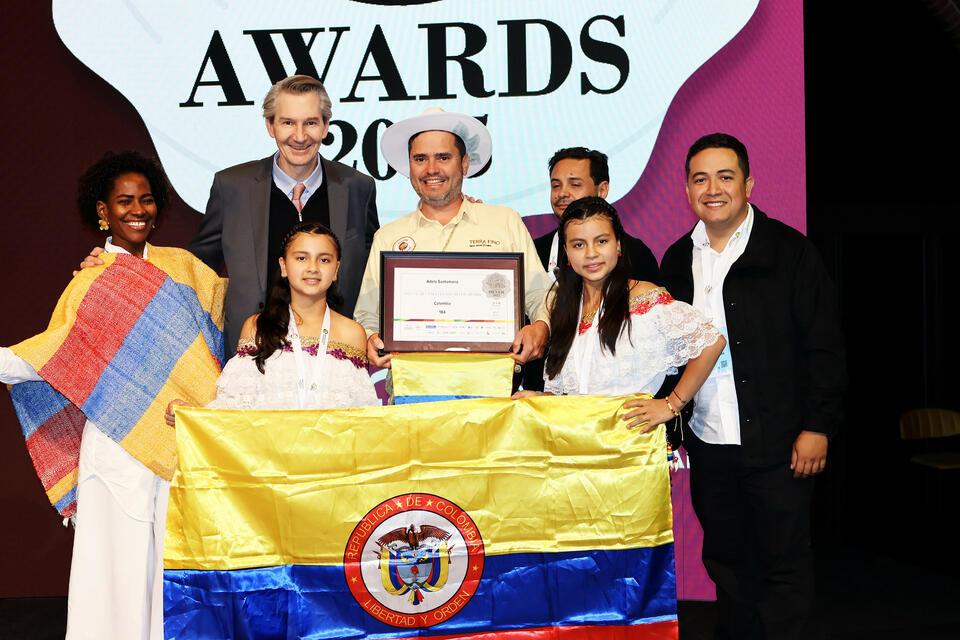
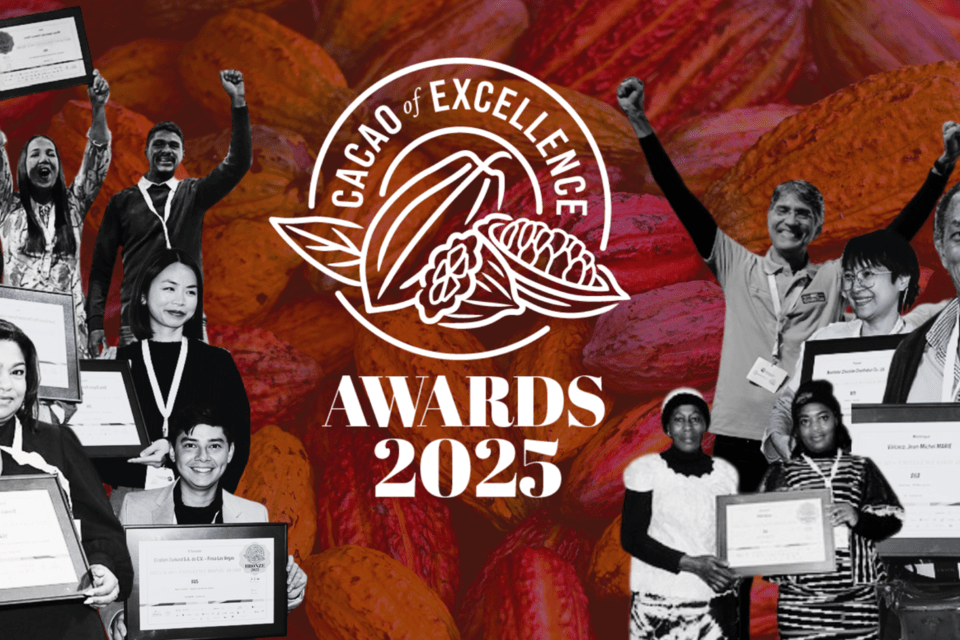
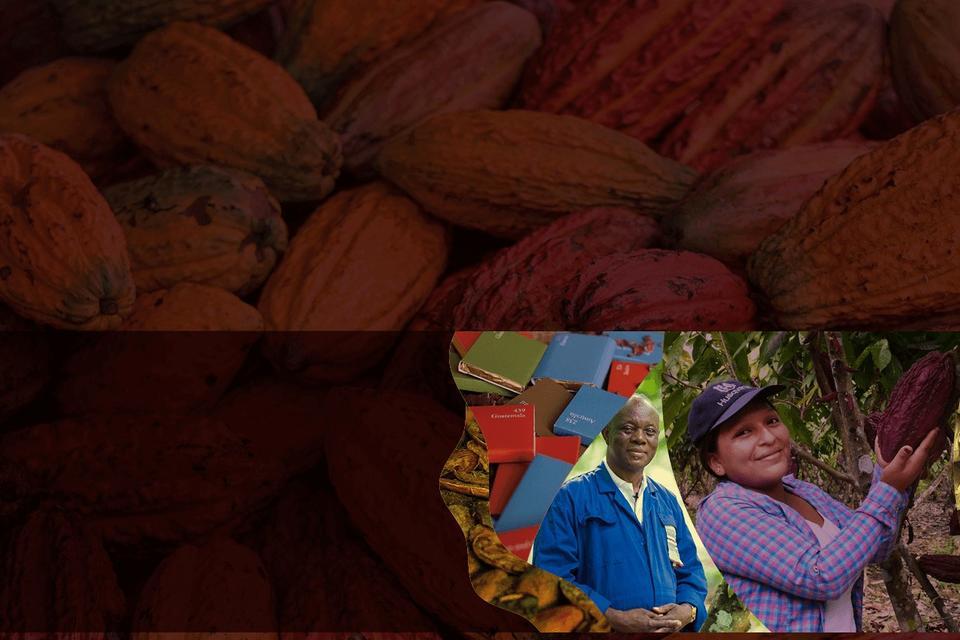
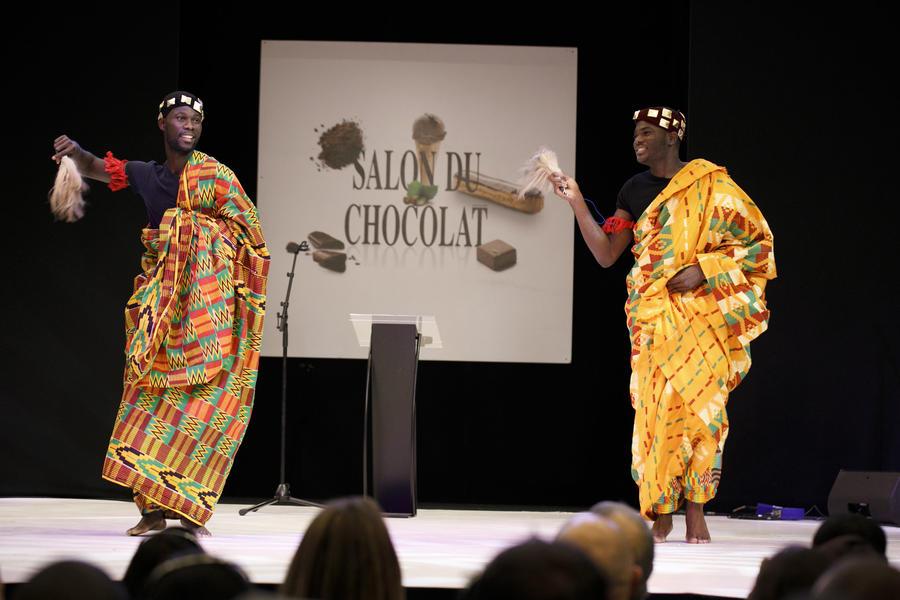
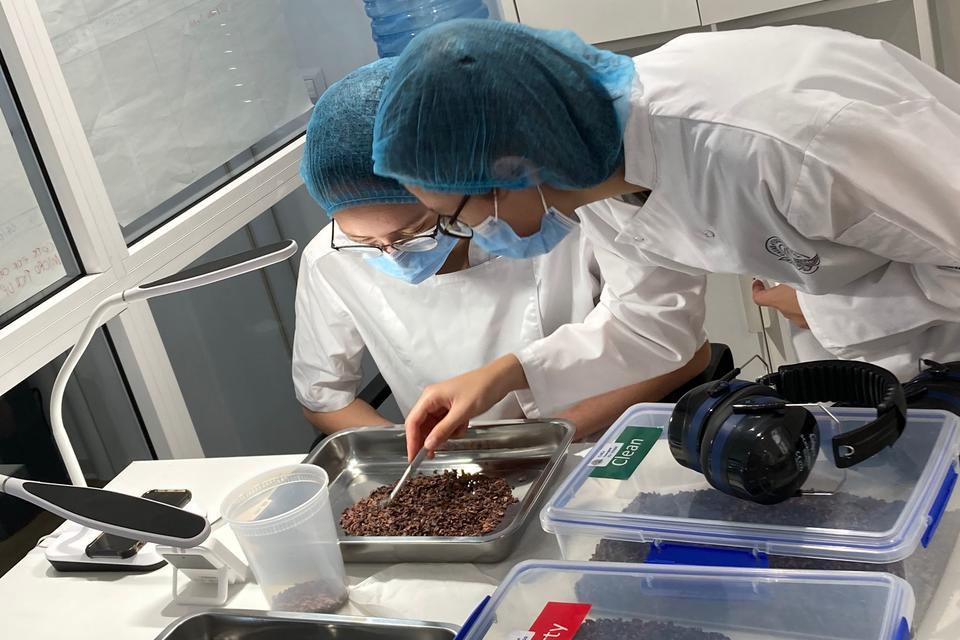
In setting the global stage for cacao, we have been recognizing the work of farmers and celebrating quality, flavor diversity and unique origins in Cacao of Excellence. Cacao of Excellence works with partners worldwide to improve cacao quality and market recognition.

My Farm Trees empowers restoration for resilience and provides a platform to promote tree cover using native trees, and includes documentation, verification and quality control. It uses blockchain to create a transparent link of information from seed collection to tree growth – to improve livelihoods, food security and climate mitigation.

Cacao of Excellence

Cacao of Excellence - Logo - Alliance Bioversity International - CIAT

Cacao of Excellence works across five strategic areas to drive the expansion of superior quality cacao to ensure that a greater share of producers prosper. 

Explore more

Challenges

  • Cacao and coffee are farmed by millions of smallholder farmers around the globe. Environmental challenges like climate change, and pests and diseases and factors related to inadequate access to farming inputs and skills development and volatility of market prices and labour availability, puts intense pressure on these farmers, the majority of whom are not assured of a living income.
  • Being price-takers, smallholders often need additional capacity to understand their value chain and have access to market information.
  • The global demand for cacao and coffee alongside soil degradation and climate related challenges also contribute to deforestation to make way for greater production, rather than improving yields and diversifying on existing agricultural land.
  • Deforestation-free market policies are gaining momentum but undermined by flawed data. Global coffee and cacao brands rely on AI-generated deforestation maps, yet these often misclassify sustainably grown farms as forest, wrongly flagging smallholders as non-compliant. In some countries, up to 80% of farmers are affected, disproportionately excluding them from global markets and threatening livelihoods. Up to 40 million coffee- and cocoa-dependent people, around half of the global producer base, could be impacted.
  • Cacao and coffee, largely traded as commodities, have been gaining interest in differentiated and superior quality, products and markets, based on sustainable practices that meet buyers’ needs ready to offer better prices.
Improving cacao and coffee systems through innovations and partnerships - Image 10
Improving cacao and coffee systems through innovations and partnerships - Image 5

Results

  • By networking across key stakeholders, the Alliance (CacaoNet) has developed a global cacao genetic resources conservation strategy and derived priority actions with partners.
  • Through locally relevant initiatives, the Alliance was able to reach smallholder farmers and provide relevant and timely information about the production of cacao and coffee in various forms: local agronomic advisories, feedback on quality and flavor for improved post-harvest processing, conserving and maximizing use of genetic resources, modeling, and providing packages of adaptation practices.
  • Together with our partner networks, we have made significant strides in understanding and mitigating risks and costs associated with trace metal contaminants (including cadmium and nickel) in cacao (Clima-LoCa).
  • Climate services have been co-developed with diverse stakeholders to address a range of decision-making needs, fostering learning from past experiences to inform risk management for current challenges and future projections.
  • In addition to setting international standards for cacao quality and flavor, we have been recognizing the work of cacao farmers and celebrating quality, flavor diversity and unique origins (Cacao of Excellence).
  • By serving as enablers of responsible and inclusive mapping for deforestation-free compliance, our open geodata helps producer governments and mapmakers with transparent benchmarking and AI training.

Events