Blog 3 school lunches decisions that can benefit future generations
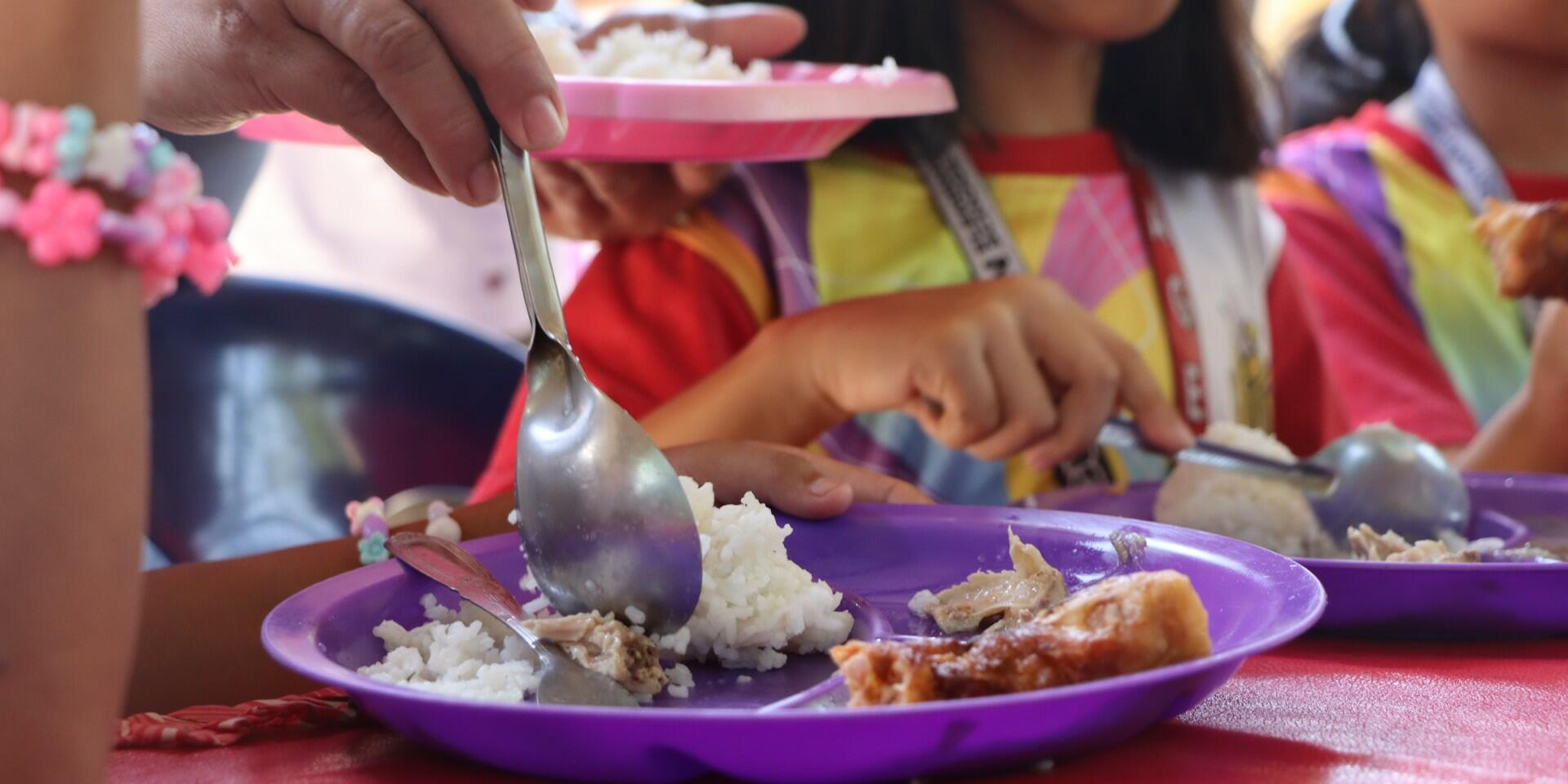

School meals can deliver benefits for health, livelihoods, and the environment. This can be accomplished by procurement decisions that diversify the ingredients, source from nearby, and engage communities and coalitions.
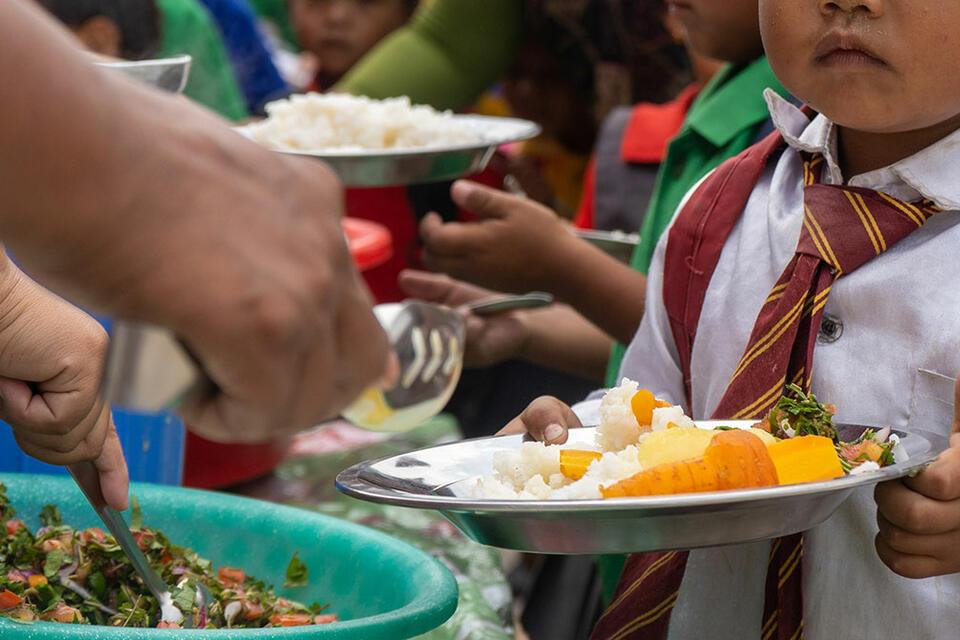
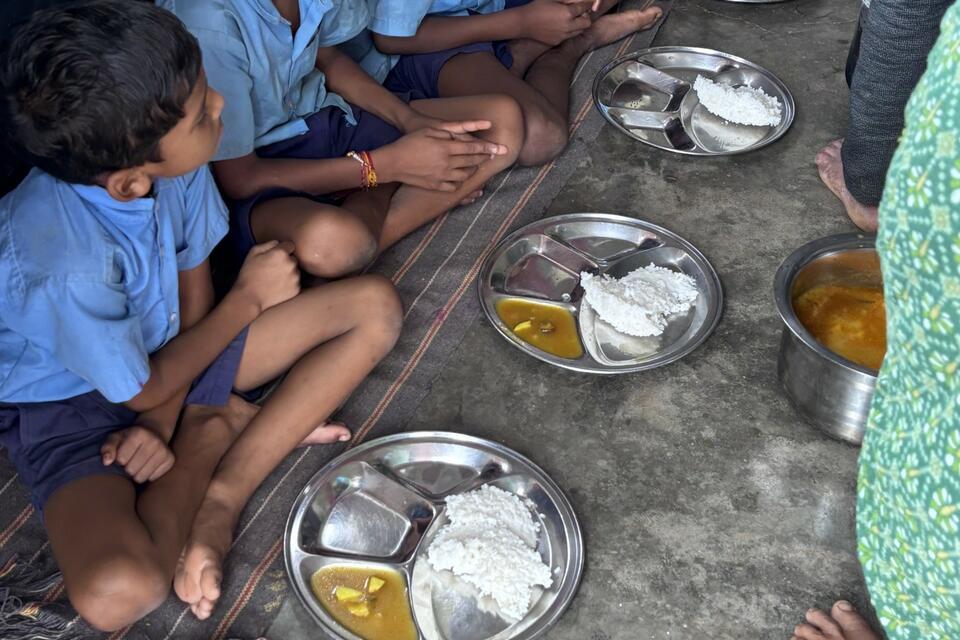
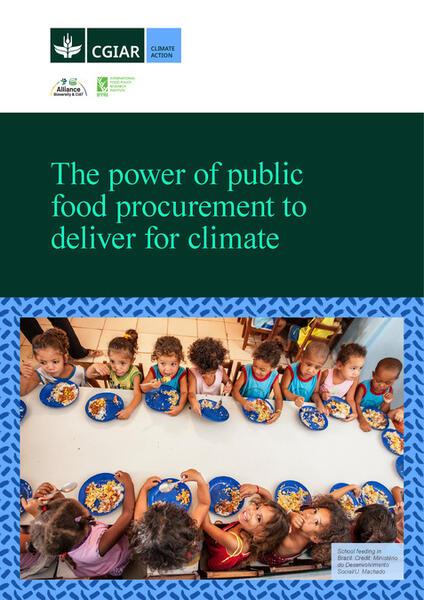
School meals have the power to influence the health and development of 407 million children worldwide. They can also have a ripple effect on local farm production and the environment.
Whether this is a positive or negative effect depends on which foods are chosen to be on the plate each day. These procurement decisions can be made by a government employee, caterer, school administrator, or parent committee. But no matter who is making the decisions, it is a challenging task: in an average week, food prices and transportation logistics must be balanced with ambitious goals like national dietary guidelines. The imperative is to get the best possible meal to school each day... with the lowest price tag. Often this means compromising on meal quality, and opting for reliability.
If governments, schools, and development organizations are serious about making the most of school meals, what do they need to consider? Three decisions can make a big difference:
1. Diversify the ingredients
- Move beyond staples to include nutritious variety: supplementing or switching out common grains like wheat with agrobiodiverse options like amaranth, millet, or sorghum introduces a range of micronutrients critical to child development and health.
- Incorporate nutrient dense neglected and underutilized species (NUS): indigenous grains, legumes, and leafy vegetables are not just adapted to local cuisine, they also generally more resilient to climate changes, low inputs, pests and diseases.
- Rotate menus for seasonality and crop diversity: varied tastes are educational for students and can reduce the environmental footprint when using local, seasonal procurement options.
- Where this has worked: in Nairobi, Kenya, Alliance scientists used School Meal Planner software to incorporate five NUS (African nightshade, spider plant, Bambara groundnut, hyacinth bean, and slender leaf) in students’ meals and meet a 30% threshold for essential macro- and micronutrients such as Vitamin C, Iron, and Magnesium.
2. Source from nearby
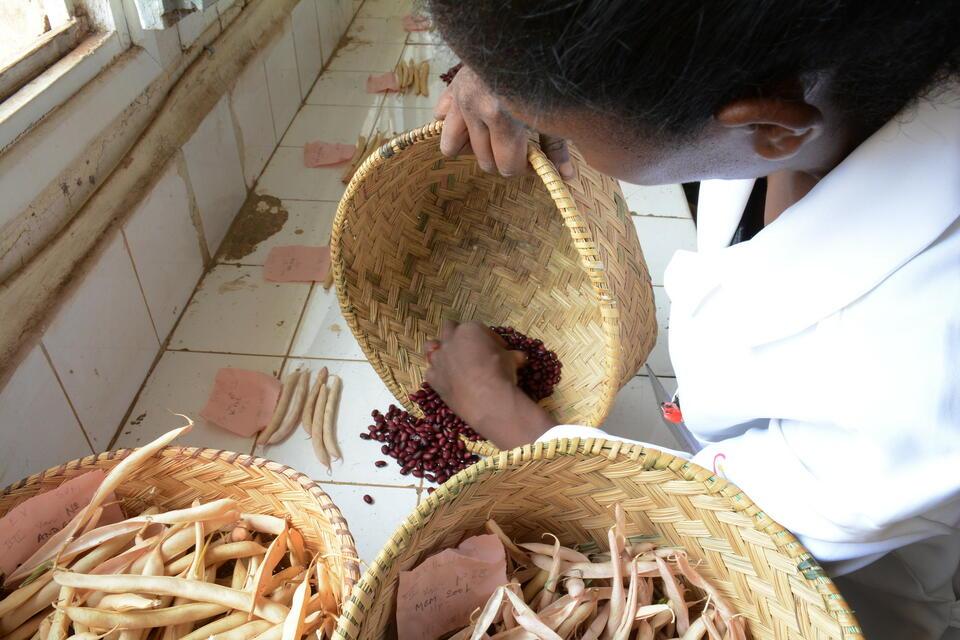
- Contract directly with farmer groups, cooperatives, and small and medium sized enterprises.
- Procure fresher local foods with the Home-Grown School Feeding (HGSF) model. This shortened supply chain connects schools with local producers.
- Simplify tenders to facilitate local procurement arrangements.
- Where this has worked: In Brazil, a landmark national school feeding program (PNAE) mandated that 30% of school meal budgets go towards fresh local produce. This contributed to a 45% reduction in child stunting and had between a 19-36% positive impact for smallholder farmer incomes.
3. Engage community and coalitions
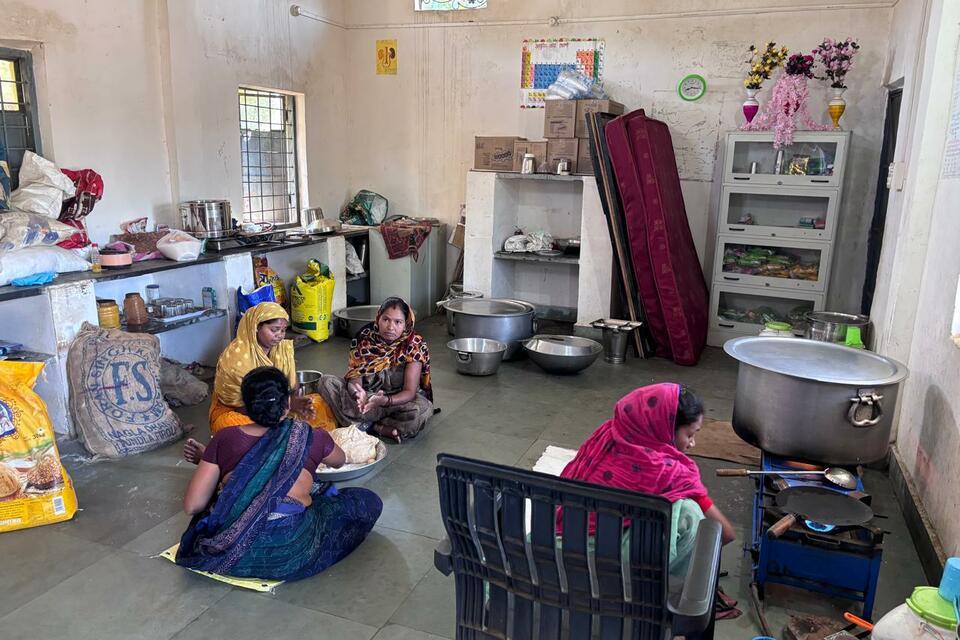
- Involve and empower local community members (women, parents, local cooks, farmers, indigenous peoples) for long-lasting and culturally relevant value chains. For example, making sure that the design phase of the food menu includes also locally available species of traditional foods and follows seasonal food availability.
- Food procurement requirements can provide opportunities for local communities and local farmers to include their traditional foods into the school meals programs.
- Where this has worked: In Madhya Pradesh, India, a survey-based tool supported procurement of nutritious and planet-friendly school food through socially inclusive decision-making processes. The key element of the tool is the merging of agrobiodiversity components and the inclusion of women and socially marginalized groups.
- Coalitions can be powerful platforms to advocate for change and share best practices from one country to another. They can also be used to consolidate evidence and advocate for scaling solutions that work. The School Meals Coalition, hosted by the World Food Program, brings together over 110 countries and 150 partners to invest in and scale up healthy, sustainable meals.
The team

Gina Kennedy
Principal Scientist
Chiara Ferraboschi
Research OfficerInterested to learn more, or partner with us around school meals? Come find us at Rome Nutrition Week. You can register and see our full participation here: