Blog Reimagining school meals through agrobiodiversity in Madhya Pradesh, India
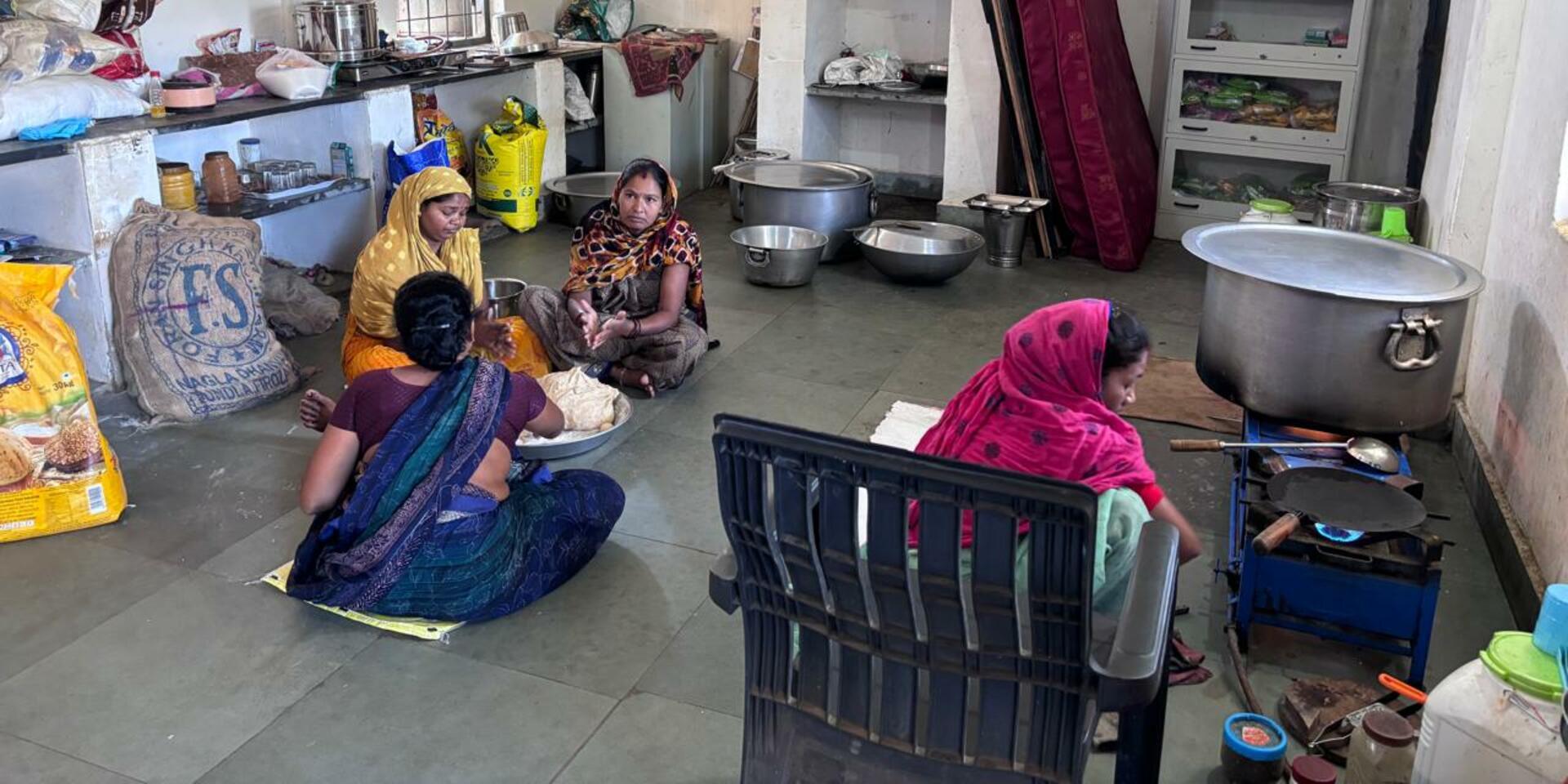

What if school meals nourished children while supporting local livelihoods, empowering communities, and celebrating India’s rich agrobiodiversity?
In Madhya Pradesh, a new effort is exploring pathways to better link local livelihoods, community knowledge, and India’s diverse food heritage with school meal programs. While aiming to enhance nutrition for children, the effort also seeks to reintroduce neglected and underutilized crops into local farming and institutional food systems. Mobilizing Agrobiodiversity in India to Support Integrated Landscape Planning and Planet-Friendly School Meal Programs is not just about diversifying menus, it invites a rethinking of how food, agrobiodiversity, and public procurement can intersect to support more sustainable and contextually rooted food systems.
Why school meals? Why now?
According to a recent report by the Ministry of Women and Child Development, 17% of Indian children are underweight, 36% are stunted, and 6% are wasted highlighting the urgent need for nutrition-sensitive interventions such as school meal programs. In response to the statistics, school feeding programs have thus become an important entry point for addressing undernutrition while also connecting with efforts to build more sustainable food systems.
India’s mid-day meal scheme is the largest school feeding program in the world, reaching over 112 million children every school day. Simultaneously, the country leads in agrobiodiversity conservation through its Biological Diversity Act (2002) and the designation of 47 Biodiversity Heritage Sites. Despite these achievements, a significant disconnect remains between agrobiodiversity and the everyday meals served in schools.
Due to operational constraints and other implementation challenges, school meals rarely reflect India’s agrobiodiversity. Yet, there are clear opportunities to strengthen linkages with local crops and food cultures while improving the nutritional quality of meals. On the production side, smallholder farmers frequently cultivate underutilized crops, but limited integration with institutional food systems reduces incentives to sustain and scale this diversity.
For instance, data from the HOLPA survey, conducted under the CGIAR Agroecology Initiative, underscores the diversity of species (over 30 species and a high varietal diversity) grown across farming systems in the region. The seasonal and land-based cropping patterns are summarized below:
Season–Land Matrix of Crops - HOLPA Survey
|
Land Type |
🌿 Kharif Season |
🍂 Rabi Season |
|
🏡 Homestead Plots |
Maize, Rice, Okra, Black Lentils, Pigeon Pea |
Mustard, Tomato, Gram, Beans |
|
🌊 Lowlands |
Rice (main), Pigeon Pea, Kutki |
Wheat, Beans, Red Lentils |
|
⛰️ Uplands |
Millets (Kutki, Kodu), Rice |
Wheat, Beans, Red Lentils |
Also Grown are:
Brinjal, Leafy Greens, Snake Cucumber, Sponge Gourd, Sesame, Niger, Cowpea, Coriander, Fenugreek, Potato, Turmeric
Additionally, the community has access to various uncultivated traditionally utilized food plants present in the semi-natural areas and commons which are nutritionally dense but underutilized. The edible plants and crop diversity highlights the potential for more agrobiodiverse and locally relevant school meal interventions.
In this line, the effort was born out of the realization that integrating agrobiodiversity into school meals could help address these challenges and can greatly contribute to achieving planet friendly school meals. It could simultaneously boost nutrition, honor cultural preferences, enhance local markets, create fairer market linkages for farmers, conserve native agrobiodiversity and build ecological resilience across rural landscapes.
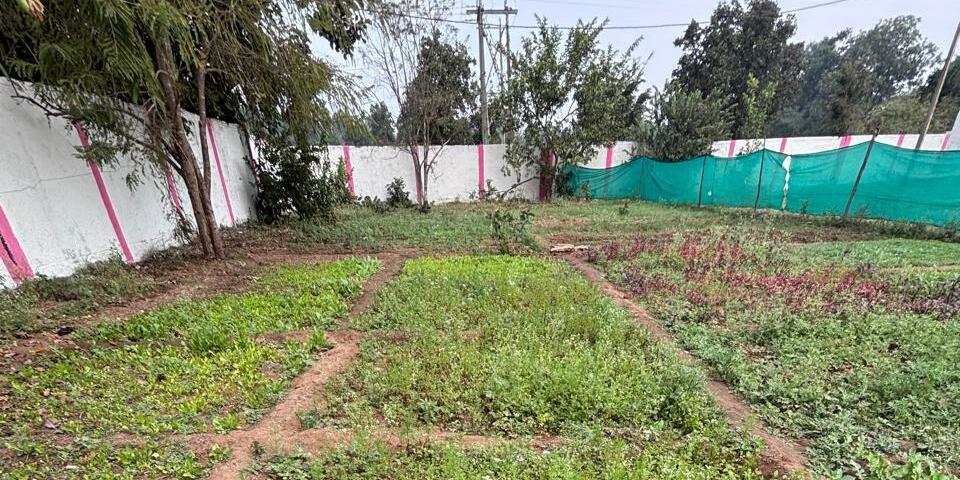
Listening to the field: What school meals look like in practice
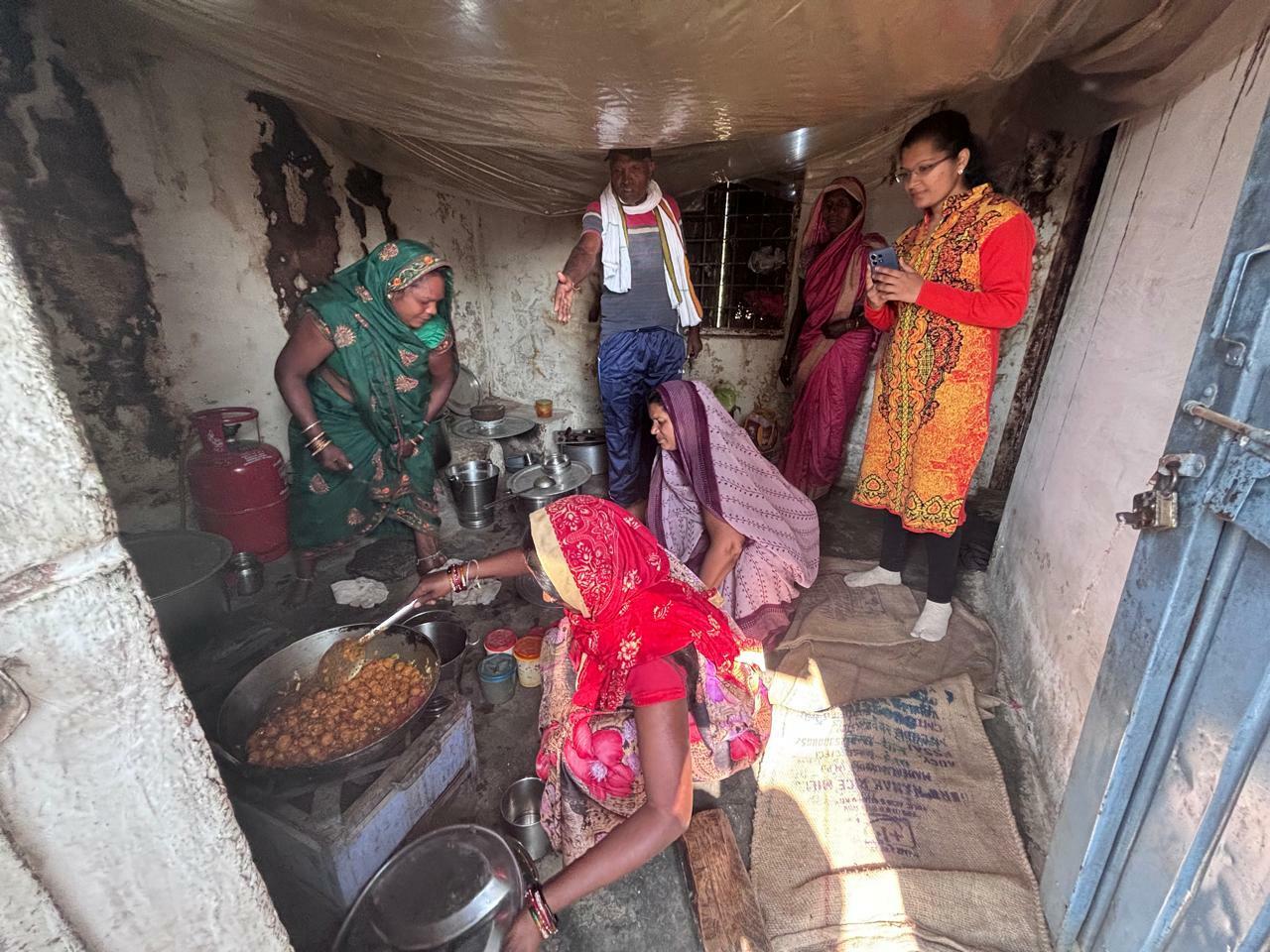
In December 2024, the project team visited schools in two villages in Madhya Pradesh’s Mandla district, an area rich in agrobiodiversity, forest cover, traditional knowledge, and ecological diversity. These visits offered an unfiltered look into how school meals are planned, prepared, and experienced and where the system can improve.
At both sites, children shared a common concern. While the published menus include seasonal vegetables and desserts, a range of challenges and constraints at different levels of the school meal program often lead to significant deviations, leaving children without certain key nutrients. Yet children are not passive recipients; they expressed clear preferences across both sites.
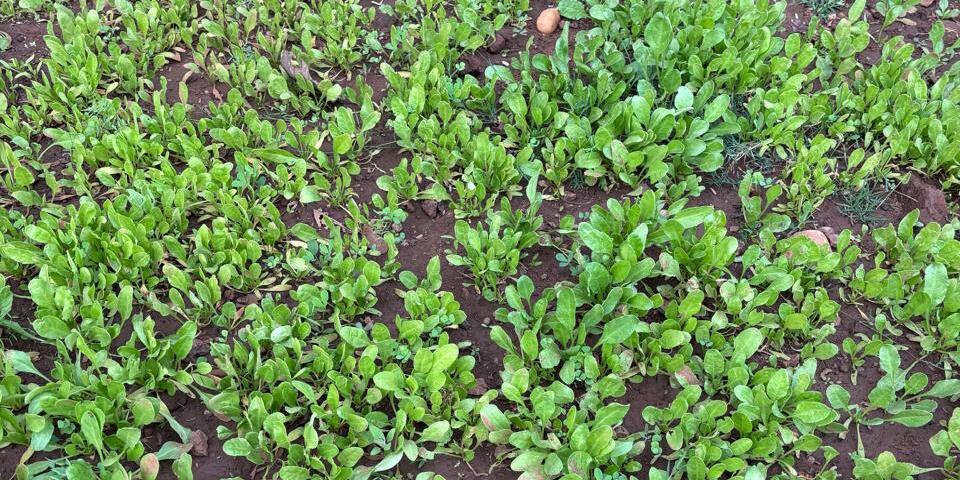
As one girl student explained, “We hope for tasty and colorful meals with spinach, amaranthus, mushrooms, carrots, and chickpea leaves.”
Her words reflected the hopes of many children, who pointed to these locally grown foods that remain rarely included in school kitchens.
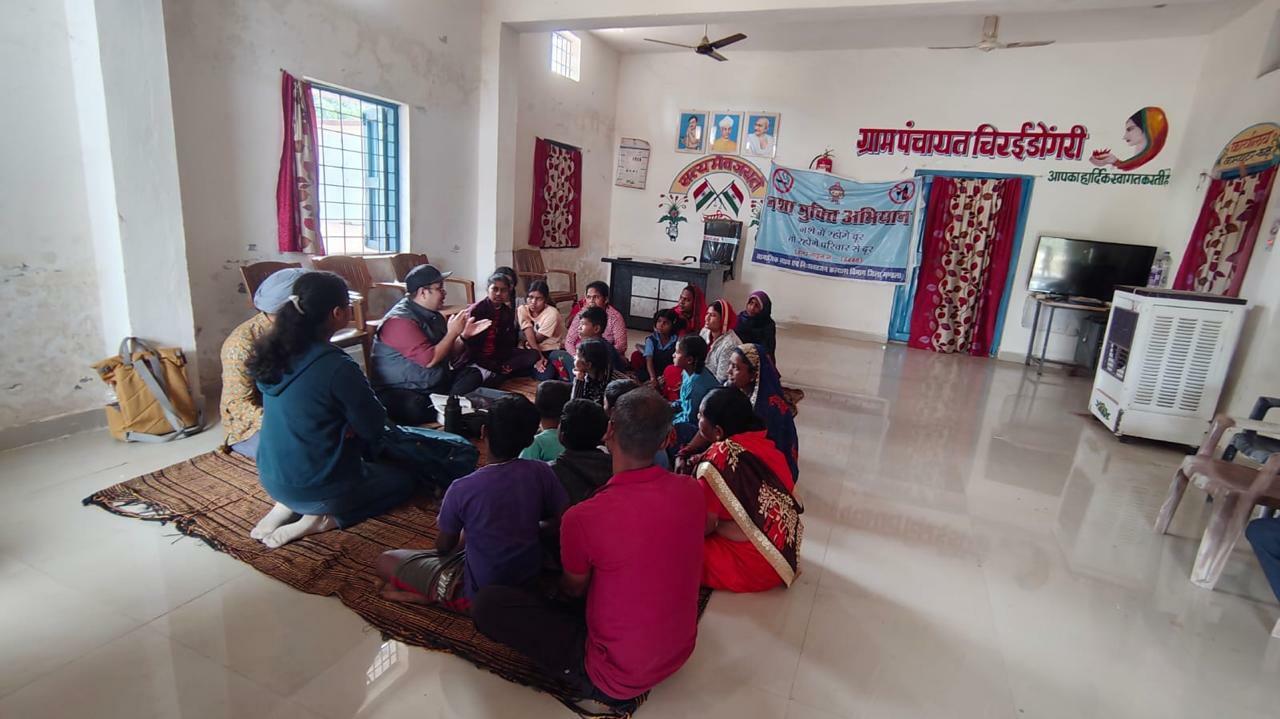
Interactions with parents, school children and farmers.
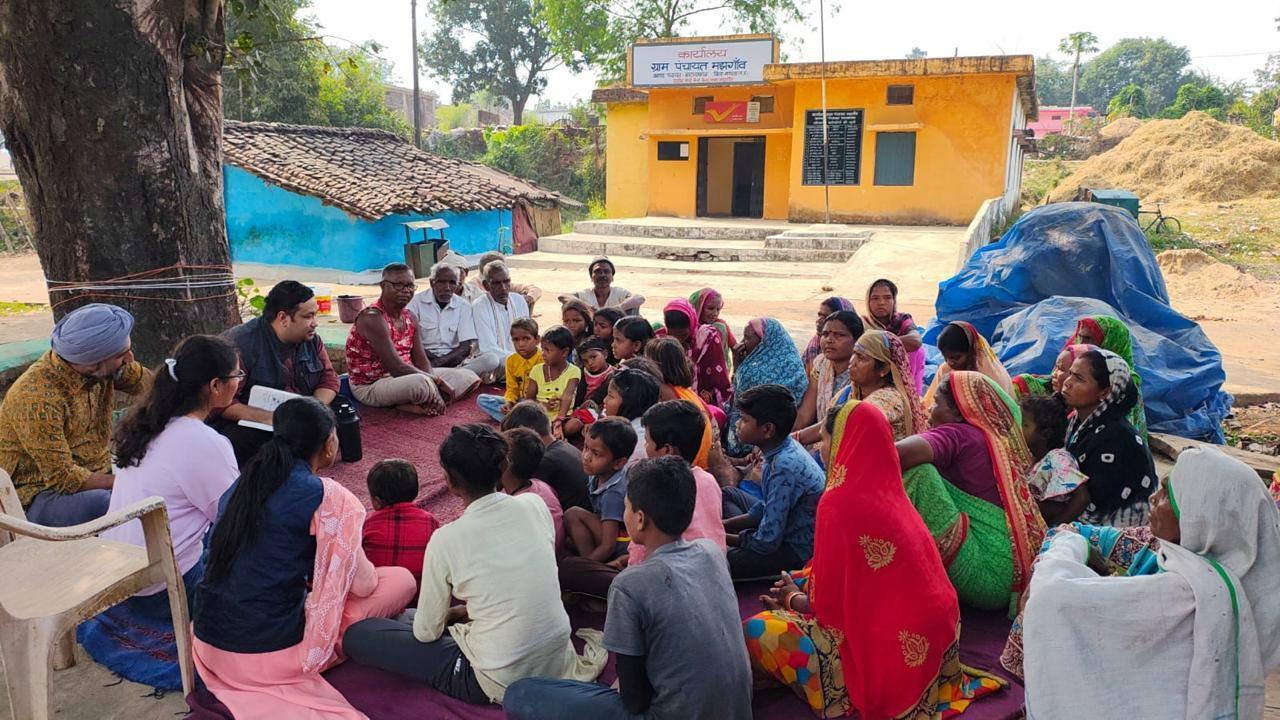
The disconnect extended to farmers as well. While many grow pulses, millets, mustard, and maize, they remain largely excluded from the school feeding procurement system. Currently, the program does not formally engage with local producers, missing an opportunity to incorporate locally available, underutilized crops that could diversify meals and boost the local economy.
Tapping into the potential of these farmers, especially smallholders, as suppliers for school meals could lay the foundation for a more diverse and planet-friendly food model. With the right support, such as advisory services, they could adopt low-input, sustainable practices and contribute directly to school feeding systems that are healthier for children and the planet alike.
From insight to action: A scalable model
Government buy-in and support are central to the success of any such intervention. In Madhya Pradesh, the Department of Panchayat and Rural Development has demonstrated a strong commitment to improving school meals and building stronger links with local food systems. They’re eager to work with partners on new, practical ideas.
The next phase takes this forward by working hand in hand with communities to design interventions that help schools serve meals that are healthier, rooted in local culture, and planet-friendly. In Mandla, local stakeholders, particularly farmers, are joining as co-researchers to document the remarkable food diversity across three school clusters. Alongside this, the team is developing a school meal assessment tool that looks beyond calories and nutrients to also ask: how ready are schools to provide meals that support agrobiodiversity and strengthen rural livelihoods?
This initiative is not only about one district but about building a scalable, community-driven model that connects agrobiodiversity, public procurement, and child nutrition, contributing directly to India’s commitments under the CBD’s Kunming-Montreal Global Biodiversity Framework and aligning with priorities for sustainable agriculture, nutrition, and climate resilience.
If you are interested in supporting this evidence-based, community-led initiative, please contact ABD global team leads Sarah Jones and Natalia Estrada Carmona. This initiative is co-led by the Alliance of Bioversity International and CIAT (supported by the CGIAR Policy Innovations and Multifunctional Landscapes science programs), together with the SHN Research Consortium and Imperial College London. This effort is in close collaboration with the Ashoka Trust for Research in Ecology and the Environment (ATREE), Professional Assistance for Development Action (PRADAN), Foundation of Ecological Security (FES), and the M. S. Swaminathan Research Foundation (MSSRF). It is backed by the School Meals Coalition (SMC) and works in close coordination with the Government of Madhya Pradesh, particularly the Department of Panchayat and Rural Development.
The Alliance Team

Marlène Elias
Director, Gender and Inclusion
Smitha Krishnan
Scientist II
Natalia Estrada Carmona
Scientist – Landscape ecologist
Sarah K. Jones
Scientist