Blog Can we measure Global Mutirão? COP30 can mobilize collective action for climate resilience

This month’s COP30 urges collective action– “Mutirão”- to address the climate crisis. A critical ingredient to bring governments and stakeholders together is a standard set of indicators (the Global Goal on Adaptation) that can drive global and local investment and action. Read on for examples of adaptation progress in Africa.
The Brazilian Presidency of COP30 has introduced a powerful new phrase to the climate vocabulary: Global Mutirão — a call to collective action rooted in solidarity and shared effort. In Brazil, a mutirão is when neighbors roll up their sleeves together to solve a challenge no single person can tackle alone.
It is also a compelling lens for climate adaptation. Because resilience is not built in isolation — it grows from shared knowledge, coordinated investment, and accountability across scales.
As the world gathers in Belém, this spirit meets a critical milestone: the adoption of the Global Goal on Adaptation (GGA) — the first global framework to measure real progress in building resilience. For the Alliance of Bioversity International and CIAT, it is a moment to show how science, policy, and farmer-led action can turn collective ambition into results on the ground.

From ambition to measurement
If the Paris Agreement sets our climate ambition, the GGA defines how we track whether we are delivering it. After years of technical work, negotiators in Belém are expected to endorse around 100 indicators to guide global efforts on adaptation — the first attempt to define what success looks like.
For Lucy Njuguna, climate adaptation specialist at The Alliance and one of the experts shaping these indicators, this is a long-awaited breakthrough:
“We finally have a set of indicators that can guide countries. But adoption is just the first step — now we must operationalize them and secure the finance to act.”

Lucy Njuguna
Postdoctoral FellowThe challenge is enormous. Adaptation remains chronically under-funded: just 0.8% of climate finance reaches small-scale producers, who grow one-third of the world’s food and face the sharpest climate risks. Agriculture remains highly exposed, yet too often overlooked in global finance.
To close this gap, data must guide priorities, financing must follow evidence, and national systems must coordinate collective action — from farmers to ministries to international partners.
That is where the Alliance steps in.

Science that unlocks investment
Adaptation succeeds when evidence meets investment. Two programs led by the Alliance are already helping CGIAR projects, governments, finance institutions and investors turn data into bankable resilience pathways.
AFRICA AGRICULTURE ADAPTATION ATLAS
The Africa Agriculture Adaptation Atlas translates climate and agricultural data into investment-ready intelligence. It links risk to solutions and helps governments, banks, and counties identify high-priority interventions.
In Ghana, Mali, Burkina Faso, and Côte d’Ivoire, the Atlas is informing national adaptation plans. In Senegal, it underpins Climate-Smart Agriculture Investment Plans.
In Tanzania, it strengthened a USD 34 million livestock resilience proposal to the Green Climate Fund. In Kenya, county authorities use Atlas insights to tailor climate strategies to local farming realities.
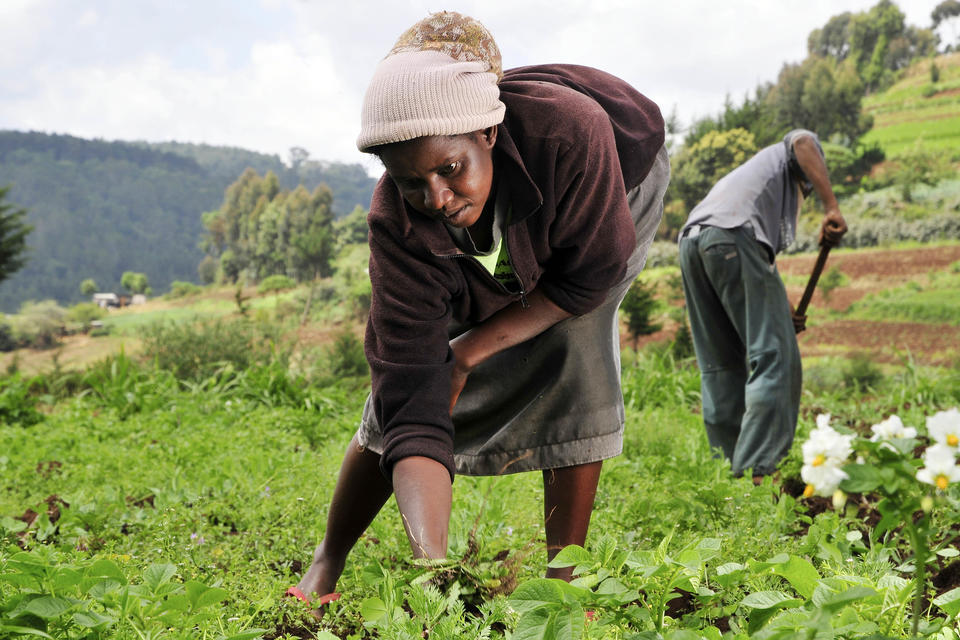

As part of the Accelerating Impacts of CGIAR Climate Research for Africa (AICCRA) project, backed by a USD 100 million World Bank investment, Atlas-generated insights contributed to over nine million farmers gaining access to climate-smart innovations across Africa.

Adaptation Insights
A sister platform, Adaptation Insights, supports governments and investors to plan, cost, and monitor adaptation pathways. Lessons from this work directly informed COP30’s final indicator list — especially those for agriculture and food systems.
For Pedro Chilambe, Research Team Leader at The Alliance, the goal is clear:
“Locally-led adaptation is essential. Local governments must own these processes — and have the support and business models to access finance directly.”
A Mutirão approach to adaptation
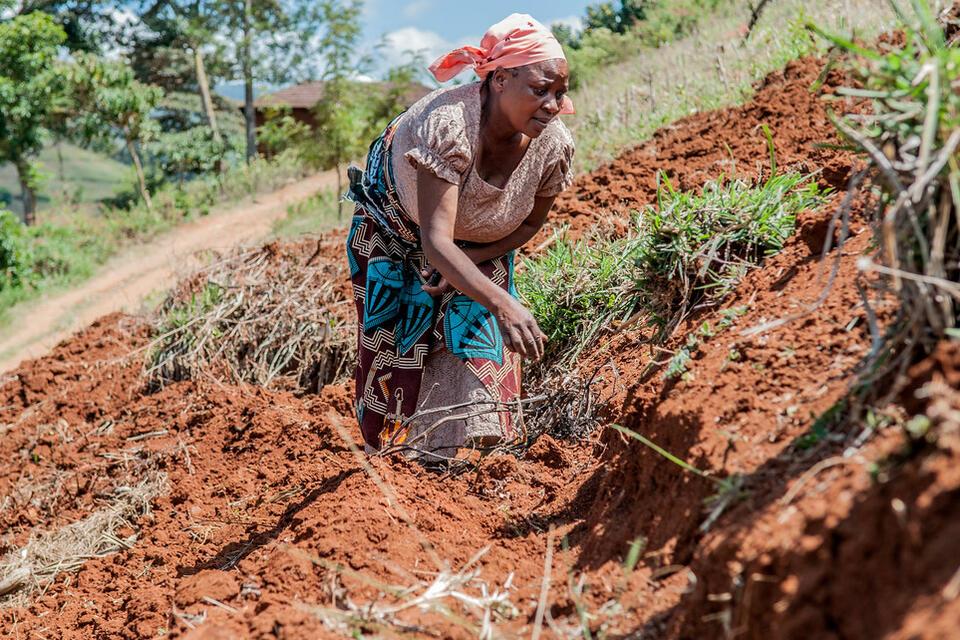
COP30’s Global Mutirão message matters. It shifts the conversation from commitments to collaboration — from isolated initiatives to shared responsibility. Adaptation is a process, not a finish line. It depends on institutions that learn, investments that scale, and communities that lead.
The Alliance and CGIAR are in Belém to ensure food, land, and water systems are central to the GGA — because global targets must translate into farmer-level resilience. And while adaptation is essential, it cannot stand alone:
“Without strong mitigation,” Lucy warns, “adaptation becomes more expensive and less effective.”
Building resilience the Mutirão way
COP30 is more than a negotiation moment. It is an invitation to collective effort — researchers, farmers, policymakers, private sector, and financiers acting shoulder-to-shoulder.
The ingredients are in place:
- A shared framework to track progress
- Science and data that guide investment
- National institutions ready to lead
- Farmers and local actors driving solutions
Now comes the true test: acting together at scale — financing resilience, empowering local leadership, and holding ourselves accountable to results.
Because adaptation is achievable. Resilience is measurable. Finance can be mobilized. But only if we build it like a mutirão — together.