Blog How catalytic capital is empowering Africa’s agri-entrepreneurs
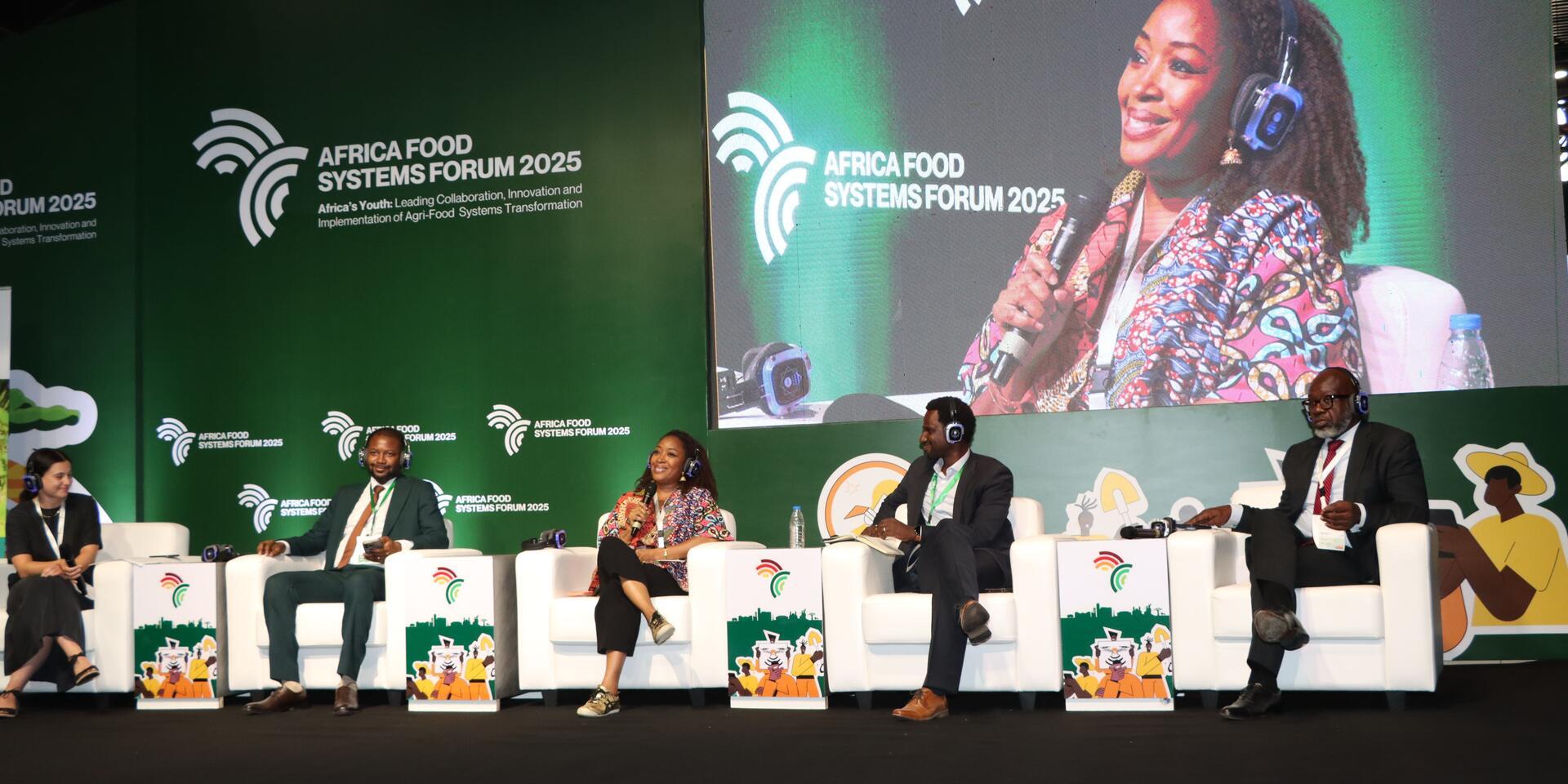

Catalytic capital and technical support can close Africa’s agri-SME financing gap, strengthen resilience, and back young entrepreneurs. At AFSF 2025 in Senegal, ImpactSF and partners showcased the opportunities the FASA Fund presents.
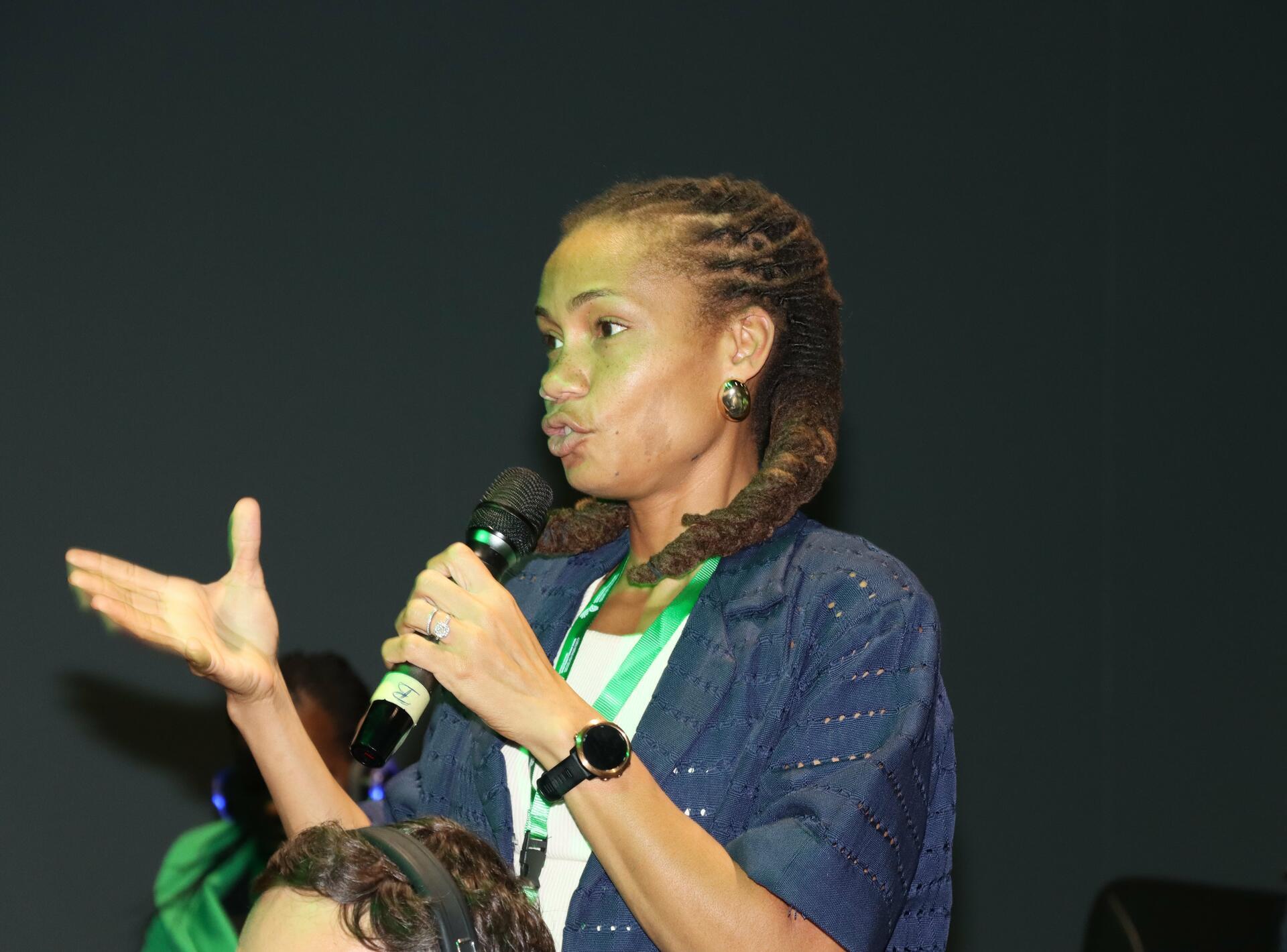
At the 2025 Africa Food Systems Forum in Senegal, ImpactSF brought together policymakers, fund managers, investors, and development partners to discuss how catalytic capital can empower agricultural entrepreneurs. Speakers and panelists explored ways to mobilize investment, de-risk agricultural finance, and support the next generation of agribusiness leaders. The session highlighted the partnerships behind the Financing for Agri-SMEs in Africa (FASA) Fund—bringing together development finance, science, and private investment to unlock capital for Africa’s agricultural small and medium enterprises (agri-SMEs).
The financing gap facing agri-SMEs isn’t just a market challenge—it directly affects food security, jobs, and climate resilience across Africa. By showcasing FASA, the discussion highlighted how innovative finance and partnerships can move from pilot projects to systemic change.
Finance for all
Agriculture is the backbone of livelihoods in Africa and a key driver for reducing poverty. Yet agri-SMEs face a serious financing gap that holds back their progress building sustainable businesses in food, farming, and climate-smart value chains.
Ada Osakwe, Founder and Managing Director of Agrolay Ventures, underscored the scale of the challenge—estimating the financing gap between $100–160 billion, with a particularly wide gap for youth- and women-led agri-SMEs. Drawing from her own journey as both an agri-entrepreneur and an early-stage investor, she showcased ReelFruit, one of Agrolay’s portfolio companies, illustrating the different growth stages an agri-SME goes through before reaching commercial funding. She stressed that catalytic finance must go beyond one-size-fits-all approaches, and be flexible to respond to the realities of diverse agribusinesses. She emphasized that gender-lens financing is not only a market necessity but also a moral imperative, as only 10–15% of SMEs in Africa access finance, compared to just 1% of female-led businesses.
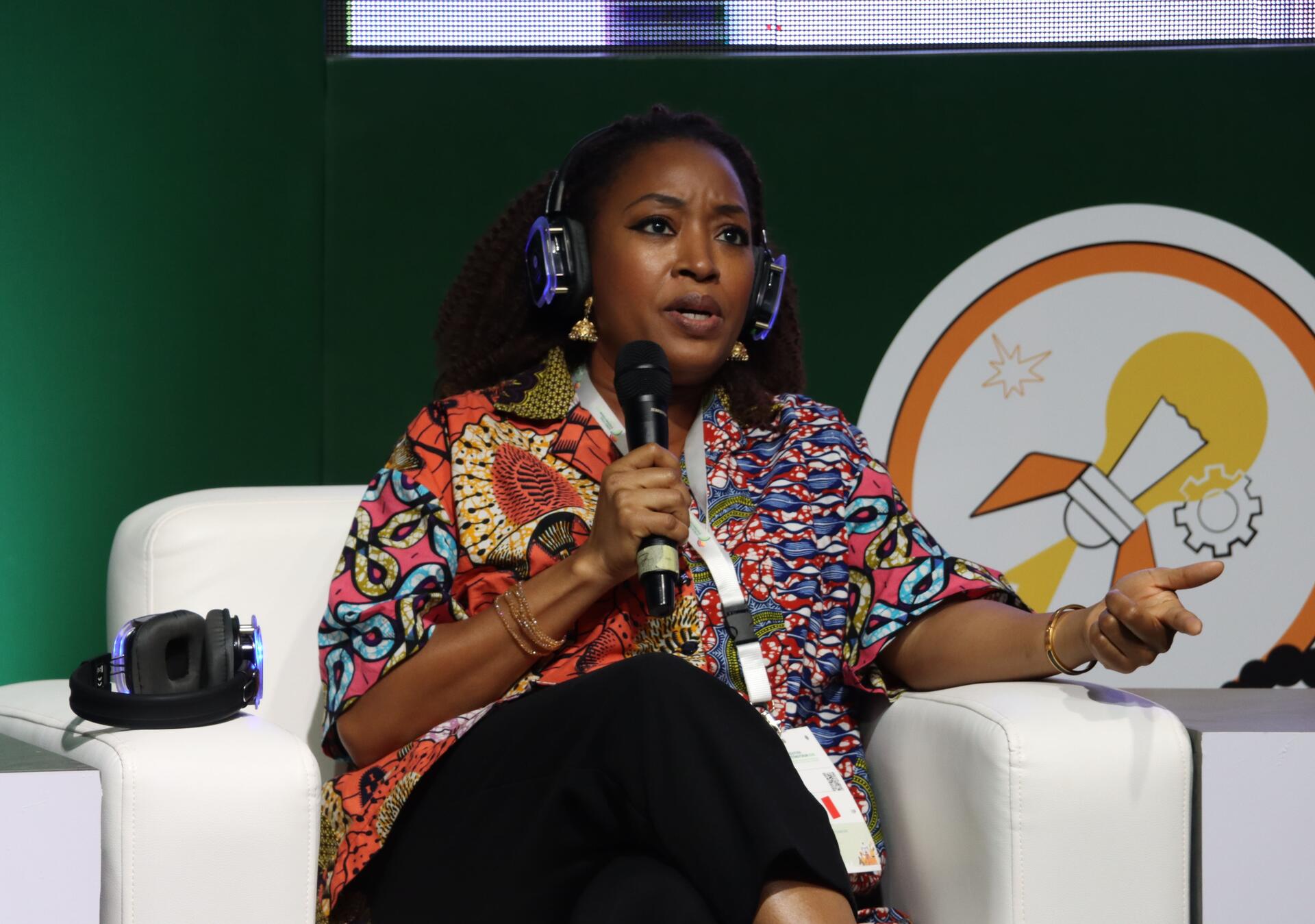
Designed to bolster livelihood resilience and expand opportunities for all, FASA is the only fund-of-funds dedicated to African agri-SMEs. Combining catalytic capital with technical assistance tailored for investment fund managers, this model leverages collaboration between finance, science, and policy expertise.
With anchoring from FASA, investment funds are able to attract more capital to serve larger numbers of agri-SMEs. This dual approach helps derisk investments, attract additional private capital, and ensure resources flow to businesses that deliver climate and social impact.
Practical solutions and innovations
Finance alone is not enough. Robust impact data collection and reporting systems are essential to track progress, attract capital, and reward innovation. Speakers highlighted strategies to overcome persistent challenges in agri-finance, but stressed that these solutions only work when backed by collaborative partnerships across investors, governments, and research organizations.
🤝 Securing strategic funding partners with the right instruments
🚨 Managing climate risks with technical backstopping and innovation
📊 Improving impact measurement to build trust with investors
🎯 Supporting young entrepreneurs through targeted financial and non-financial assistance
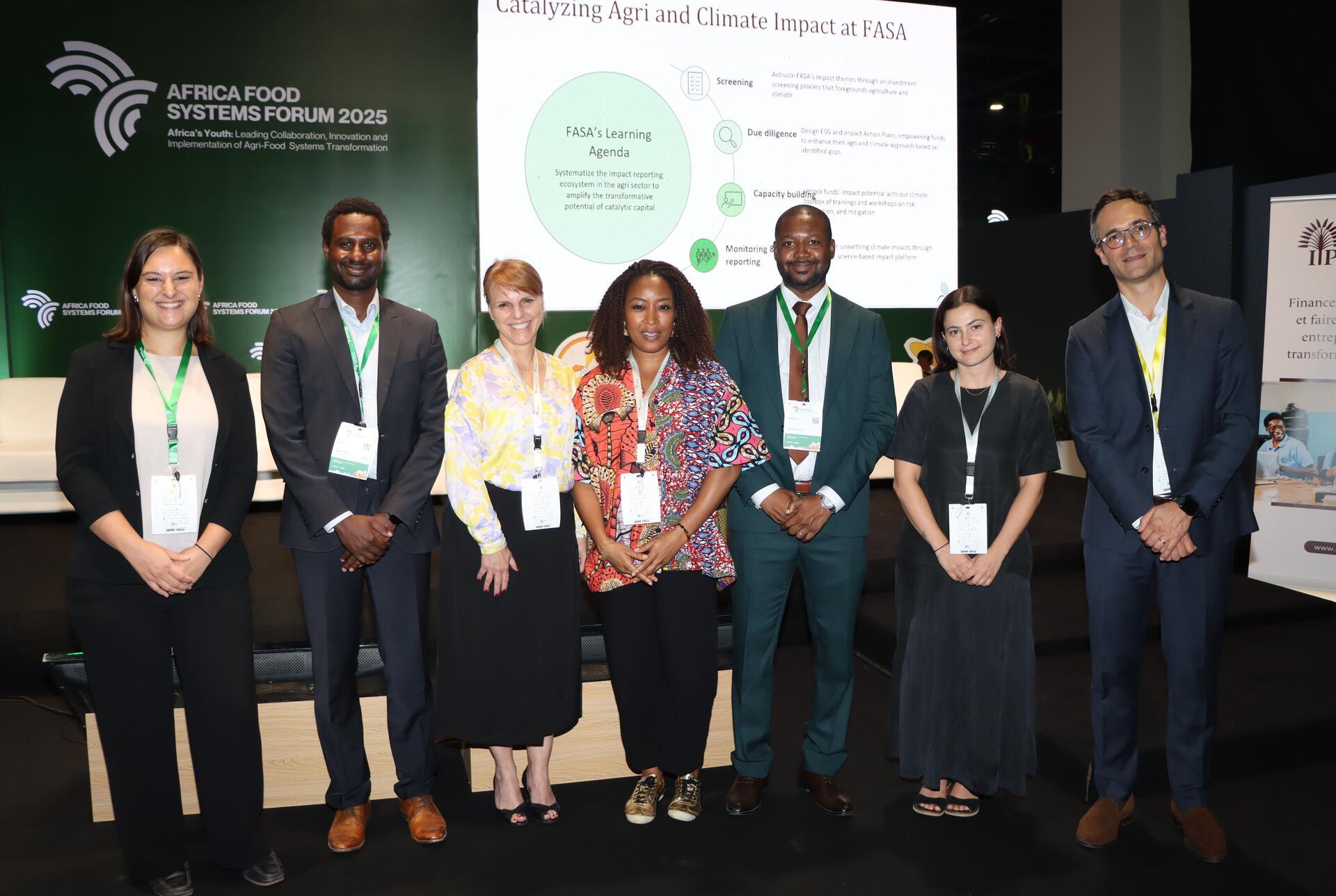
Rouffahi Koabo, Teranga Capital, shared lessons from the E4Y program, which issues recoverable grants through financial institutions to young rural agri-entrepreneurs in the WAMU region. He highlighted that gender and social inclusion must be intentionally embedded in program design to have real impact. To reach women and youth in rural areas, additional outreach is required—and incentives alone are not enough. Financial institutions need strengthened capacities to deploy more capital into the agricultural sector effectively.
Beyond capital, FASA equips funds with climate capacity building and technical assistance to better serve agricultural SMEs, emphasized FASA’s Investment Director, Mamadou Ndao, Investisseurs & Partenaires (I&P). As agricultural and climate partner of FASA, ImpactSF is leveraging on CGIAR science to enhance due diligence as well as climate-readiness for FASA’s investments. He also expanded on FASA’s investment strategy, including ticket sizes and impact themes, and plans for an ambitious roadmap for catalytic capital providers across the agri-finance sector. Importantly, the fund is designed with openness to collaboration, with parallel vehicles and other investors able to co-invest alongside the fund.
Complementary mechanisms are needed—such as concessional funds, market access initiatives, and partnerships with local banks—to mobilize private capital and reach underserved SMEs, particularly women, youth, and rural entrepreneurs. Additionally, finding a balance between grants and equity will also be crucial to avoid crowding out commercial capital.
“I&P powers FASA’s investment engine, while ImpactSF ensures it runs on climate intelligence and science-based reporting. Through FASA’s learning agenda, we are building the evidence and insights investors need to scale capital for African agri-SMEs.” – Godefroy Grosjean, ImpactSF
Building on these strategies, FASA is equipping partner investment vehicles with a climate toolbox, enhanced portfolio resilience, and capacity building alongside capital. ImpactSF plays a central role in this process, embedding science-based approaches into fund operations and ensuring impact reporting remains both rigorous and cost-effective. By developing tools and supporting monitoring and evaluation, ImpactSF helps funds benchmark their performance, build investor confidence, and demonstrate impact at scale.
Beyond fund operations, FASA is advancing a broader learning agenda. Together with I&P, ImpactSF is supporting investment vehicles to strengthen fundraising, reporting, and climate risk management while sharing data and lessons. This collective approach ensures that learnings from FASA extend beyond the fund itself—informing donors, investors, and policymakers on what works for channeling catalytic capital into resilient African food systems.
Catalytic capital for change
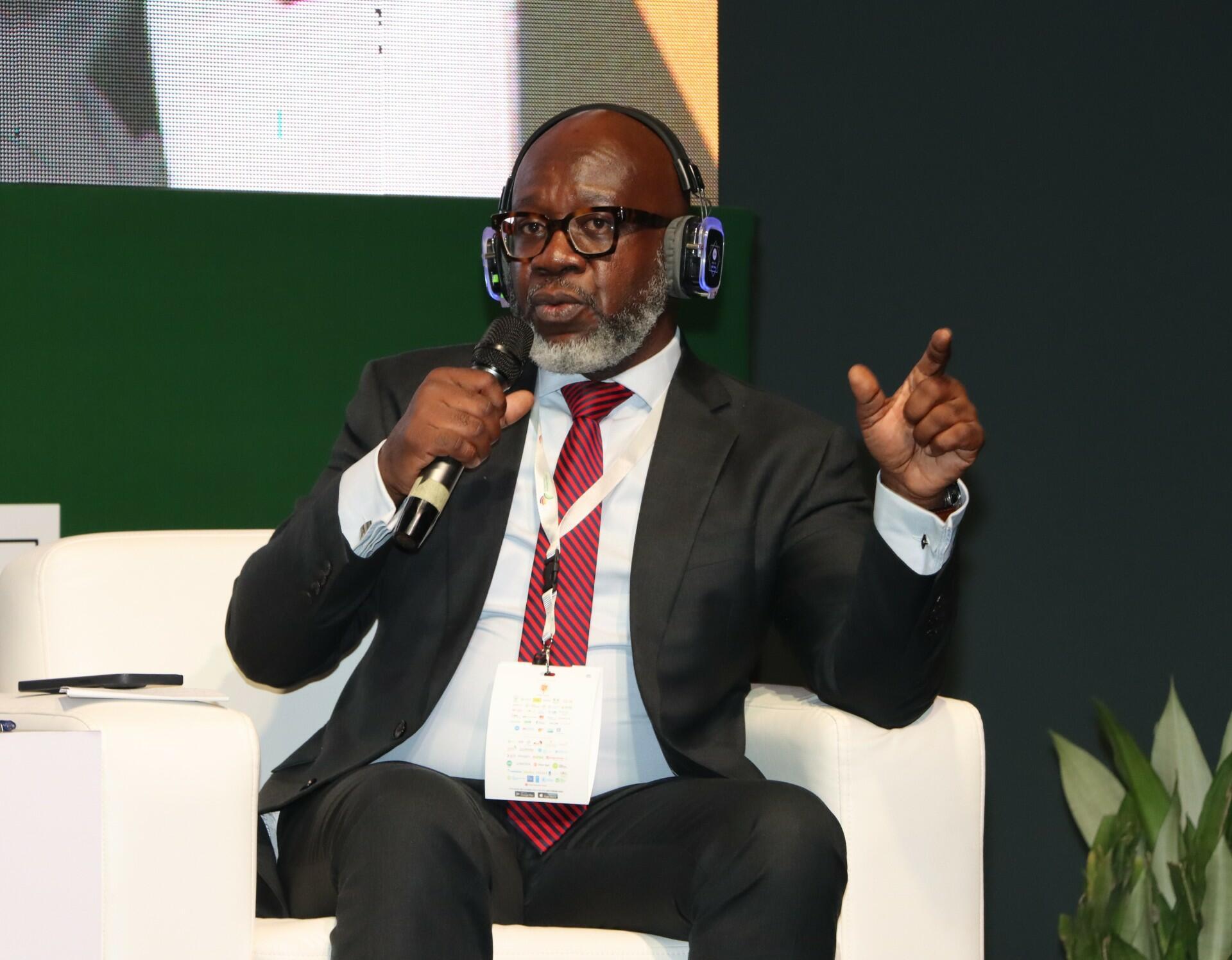
Change is already underway, Richard K. Ofori-Mante of the African Development Bank (AfDB) noted that while AfDB has historically focused on infrastructure, SME lending is now at the forefront of its latest credit facilities. He highlighted the Africa Fertilizer Credit Mechanism, which is helping improve access to agricultural inputs, and emphasized that AfDB is ready to explore synergies with FASA, including potential co-investment opportunities.
By mobilizing funds, building resilience, and ensuring inclusion, catalytic capital is proving to be a game-changer for African agriculture. The AFSF session confirmed that investing in agriculture is fundamental for food security, livelihoods, and climate-smart value chains—and that with the right tools, Africa’s entrepreneurs can lead the way into the future.
“Investment funds make decisions on markets, risks and impact, with its setup, FASA provides the tools to enhance investment decisions for African food systems transformation.” – Sandra Milach, Chief Scientist, CGIAR
The discussions at AFSF 2025 laid the groundwork for deeper collaboration between investors, fund managers, and development partners. The session made clear that catalytic finance is not optional but essential: without it, Africa risks leaving millions of entrepreneurs behind, weakening food security, and missing opportunities for climate-smart growth. The call to action was urgent—mobilize more catalytic capital, strengthen impact data systems, and support young entrepreneurs to transform African agriculture for the next generation.
Four clear priorities emerged for advancing agri-SME finance across Africa:
🔑 Catalytic finance is needed to de-risk investments and provide patient, flexible, and tailored solutions for agri-SMEs.
👩🌾 Women and youth must be included from the outset to achieve meaningful, sustainable, and lasting impact.
🏦 Partnerships with local funds and financial institutions are essential to expand agri-SME access to capital.
🌱 Innovative science-based tools—such as a climate toolbox and cost-effective impact measurement—strengthen resilience and support entrepreneurs.
FASA is anchored in partnerships, with key collaborators including:
- Investisseurs & Partenaires (I&P)
- CGIAR Hub for Sustainable Finance (ImpactSF)
- UK International Development (FCDO)
- Norwegian Ministry of Foreign Affairs
- KOIKA