Blog Can regenerative agriculture transform food systems for people and nature?
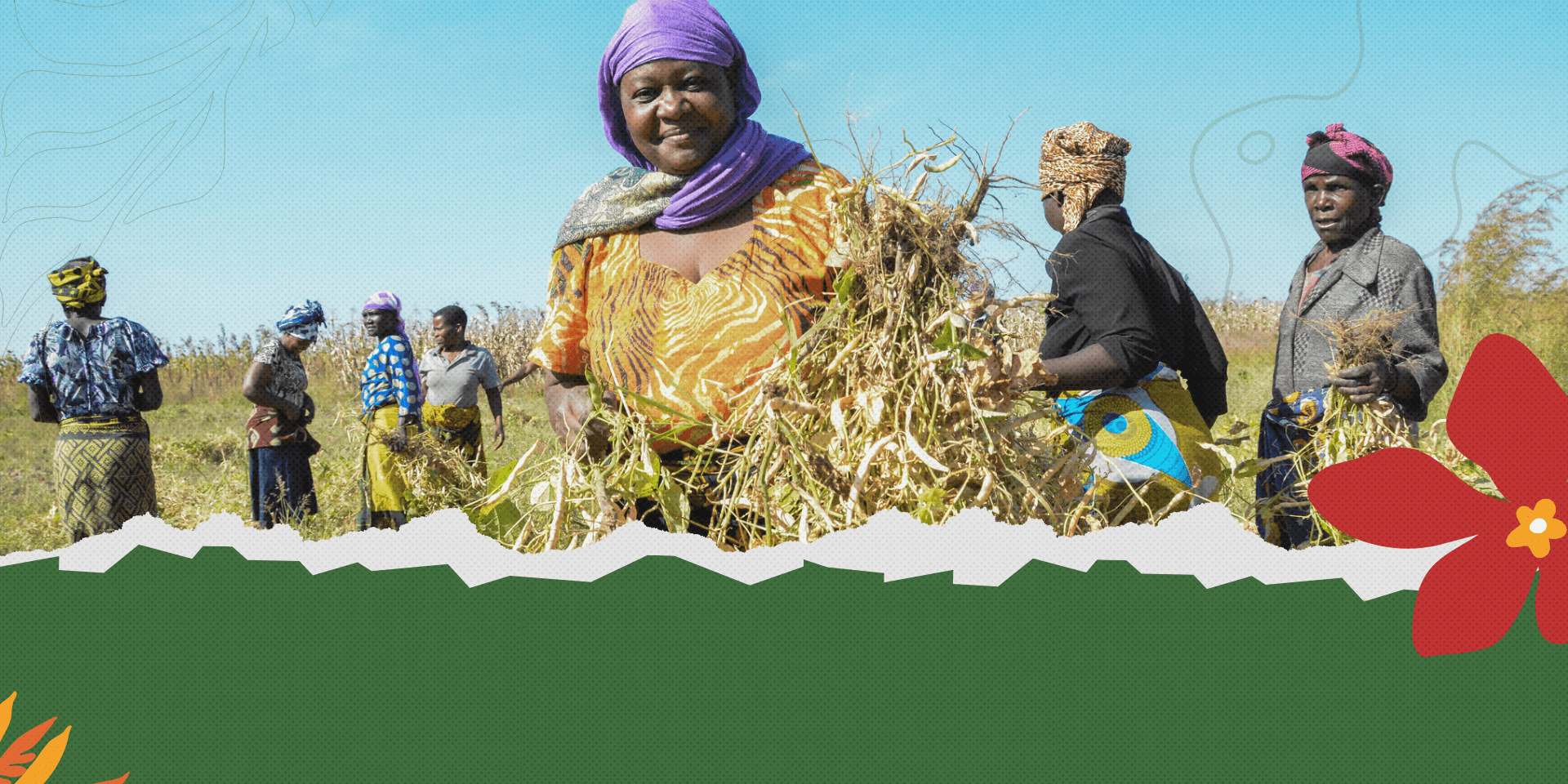

The climate crisis is reshaping the way we live, work, and produce our food. Its consequences extend far beyond rising temperatures thus threatening food security, health, biodiversity, and livelihoods, and demand solutions that bridge sectors and communities. Yet amidst these challenges, a quiet revolution is underway: farmers, local governments, researchers, and communities are finding ways to turn ambition into action, experimenting with nature-positive, climate-resilient approaches that promise healthier landscapes and diets alike.
In Kenya, momentum is building around regenerative agriculture, agroecology, nature-positive approaches, and other environmentally friendly ways of producing nutritious foods. Civil society, researchers, and policymakers are exploring how sustainable food production can simultaneously improve nutrition and protect landscapes. Celine Termote highlights that better cooperation between the agriculture, environment, and health sectors is helping people understand how actions in one sector influence another, showing that systems approaches are essential to achieve resilient, healthy, and just food systems.
This recognition is spreading. More and more countries, provinces, and cities are beginning to see the value of integrated, systems-focused approaches, which is a major shift compared to a decade ago. Yet understanding the need is only the first step. Turning insight into action requires clear frameworks and participatory processes that empower communities.
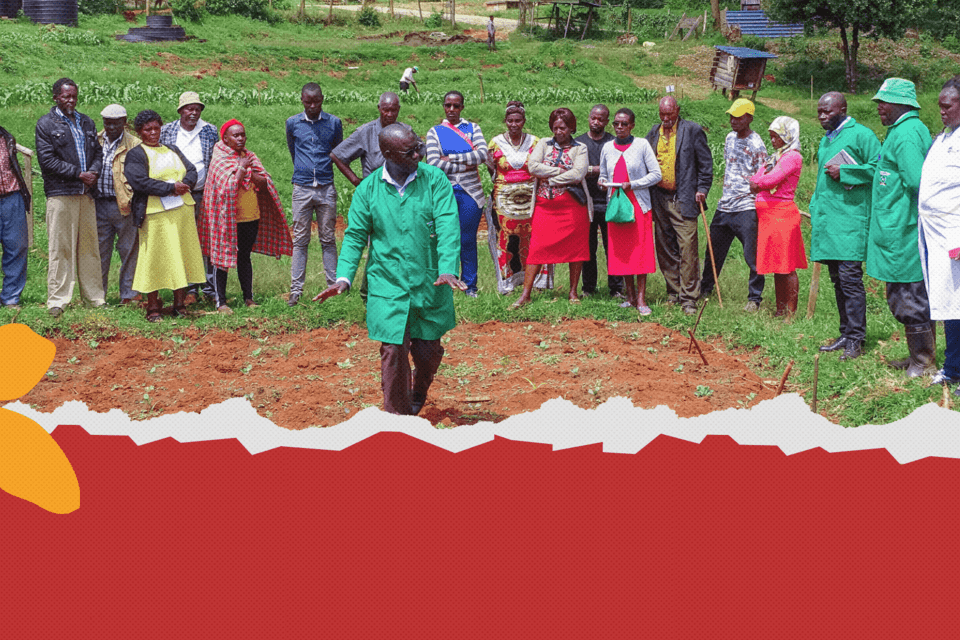
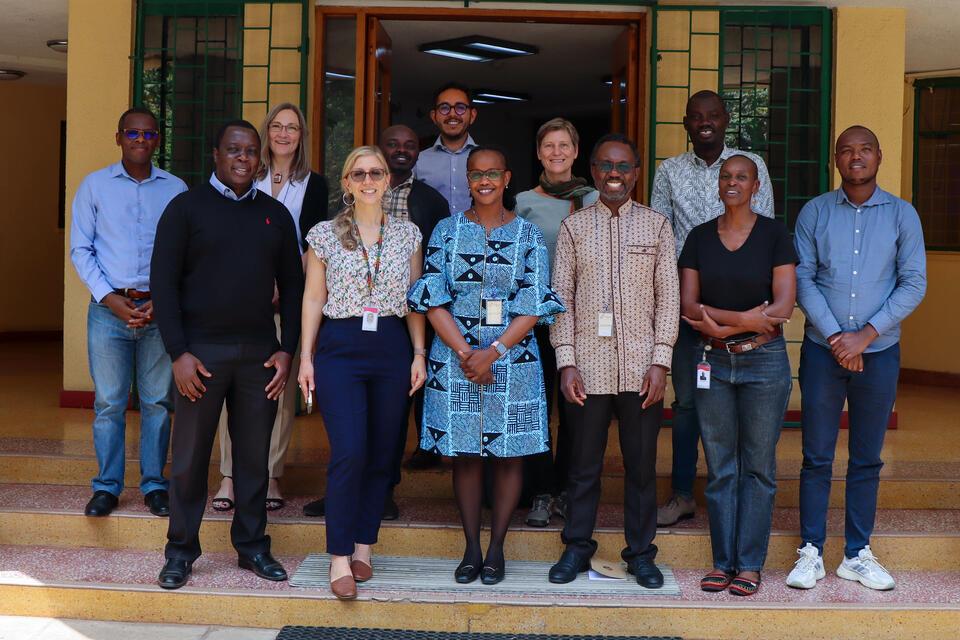
One example is the Agroecology Policy launched by Vihiga County, Kenya, in April 2024, a process the Alliance was privileged to support. The policy is truly multidisciplinary and multisectoral, demonstrating how local governments can integrate climate, biodiversity, and nutrition priorities. Implementation is now the priority, as local communities begin translating policy into practice, generating solutions that are relevant, sustainable, and scalable.
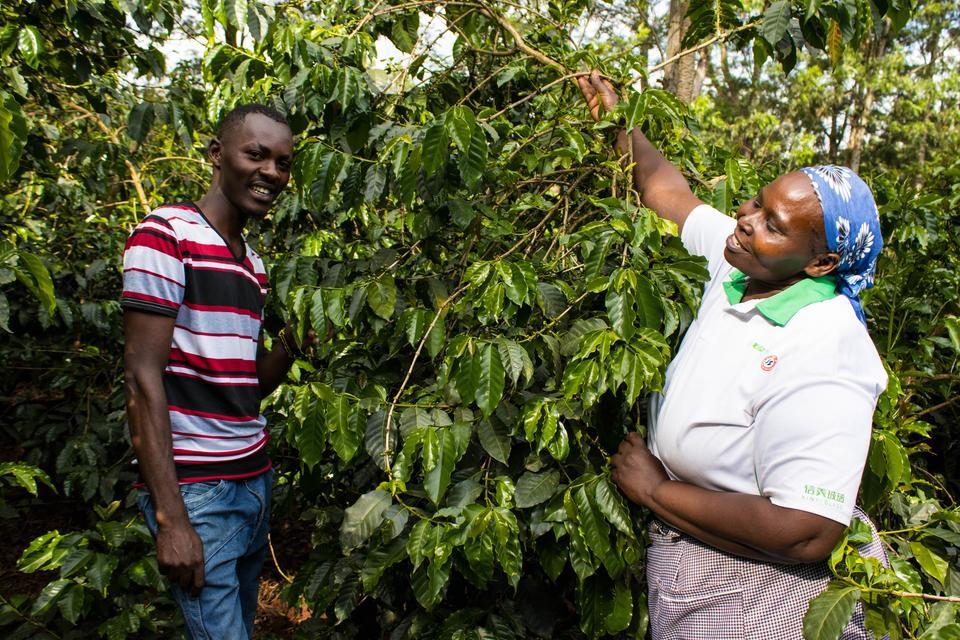
Evidence from the field shows what works. Empowering communities to act through co-creation and participatory approaches has proven benefits: it allows communities to take ownership of initiatives, scaling solutions through peer-to-peer training, lobbying local governments, and organizing themselves around local priorities. These approaches also make it possible to valorize local agrobiodiversity for better diets and nutrition, including integrating indigenous crops into home-grown school feeding programs, while addressing complex challenges such as land degradation, climate vulnerability, and social inequities.
Celine emphasizes the need to rethink assumptions and explore synergies: trade-offs exist, but there are often more opportunities to integrate ecological, social, and nutritional benefits if we are willing to see the world from multiple perspectives, challenge hidden agendas, and design interventions with communities as equal partners. This approach restores dignity to those whose knowledge has been historically overlooked and creates resilient, locally driven solutions that can scale sustainably.

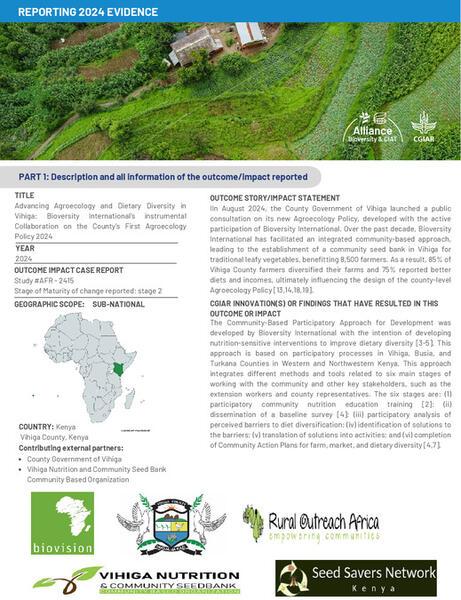


Céline Termote
Senior Scientist - Africa Regional Team leader Food Environment and Consumer Behavior“Once you have a well-organized community, they take care of the scaling, through peer-to-peer training and lobbying their governments for change. Blending scientific with local knowledge and considering communities as equal partners is a must if we are serious about solving the complex, intertwined crises of climate change, land degradation, malnutrition in all its forms, and injustice.” Celine Termote
Looking toward COP30, she stresses that scientists, policymakers, investors, and communities must align knowledge, finance, and action, nurturing continuous dialogue and co-creation.
“COPs are great for visibility, to put topics and evidence on the table, but real change will only happen if we keep nurturing and dialoguing all year long. Climate change, biodiversity loss, and malnutrition in all its forms are not happening in isolation, and our solutions shouldn’t either.”
Through evidence-based tools, local partnerships, and participatory approaches, the Alliance shows that regenerative agriculture is more than a concept. It is a pathway to resilient landscapes, thriving communities, and healthier diets, ready to inform policy, practice, and global action in the lead-up to COP30 and beyond.

Our participation in COP30