Press and News Vihiga County, Kenya, champions sustainable farming with a new agroecology policy


Vihiga County has adopted a new Agroecology Policy, marking a major step towards sustainable food systems through local leadership, farmer participation and science-backed practices, with support from the Alliance of Bioversity International and partners.
Vihiga County has officially launched its Agroecology Policy, achieving a key milestone towards promoting sustainable food systems. As farmers in the county face growing pressure from climate change, declining soil fertility and food insecurity, the new policy provides a structured path to promote sustainable, locally driven solutions.
The development of this policy was a collaborative effort between the County Government and partners led by the Alliance and Participatory Ecological Land Use Management Kenya (PELUM), funded by the Biovision Foundation. Other partners included Seed Savers Network, Intersectoral Forum on Agroecology and Agrobiodiversity (ISFAA), Biogardening Innovations, Rural Outreach Africa, and others.
Time to embrace agroecological practices
Over the years, food production has been decreasing especially in Sub-Saharan Africa, while diseases and pests have been on the rise. The use of synthetic farm inputs has been a key contributor to environmental degradation, with some of these chemicals being linked to non-communicable diseases such as cancer.
“It is time to embrace agroecological practices such as the use of organic manures and biopesticides if we are to contribute to food safety, food security and biodiversity conservation,” said Vihiga Governor H.E. Dr. Wilber Otichillo.
With the new policy in place, the Governor expressed optimism that the county would benefit from healthier soils, richer biodiversity and increased food production, ultimately contributing to a healthier and wealthier population.
Dr. Otichillo also announced that the county is preparing to begin the legislative process for an Agroecology Act, which would provide a legal framework to support the policy.
“We will soon have the Agroecology bill tabled in the Assembly. We are also currently working on the County budget 2025-2026 and will ensure finance will be allocated to agroecology,” he said.
He urged farmers in the county to not only return to traditional methods such as the use of organic manure, but also to explore traditional ingredients including even insects, which are highly nutritious, affordable, and have gradually been replaced by modern foods.
“I look forward to when we will have as many earthworms in the soil as we used to in the olden days. That will be a sign that our soils are alive and healthy,” he added.
Policy implementation is a collective responsibility
Dr. Celine Termote - Africa Lead for the Alliance's Food Environment and Consumer Behavior research area - emphasized the need to focus on policy implementation, especially at the grassroots level, saying it would position Vihiga as a model county in sustainable food systems.
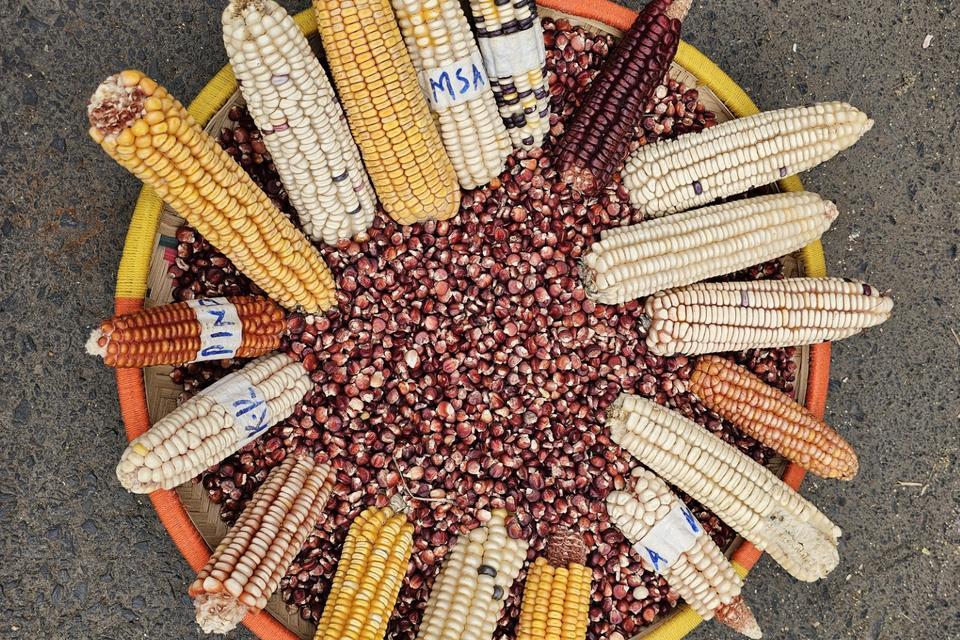
“Implementing this policy will be a collective responsibility, just as its development and launch have been,’’ said Dr. Termote. “Let’s all work together to ensure we not only create awareness but also drive implementation across all levels, because transforming food systems is a shared responsibility.” She also noted that the policy will play a key role in strengthening agroecological practices, including seed saving.
Dr. Carlo Fadda - Agroecology Research Lead at the Alliance - referred to the policy as a great step towards sustainable food systems for Vihiga. He lauded the county’s leadership for recognizing the vital role agroecology plays in improving food and nutrition security, land health, and climate change impacts. “This policy is a reflection of political will in embracing practices that restore ecosystems, empower farming communities and enhance food and seed sovereignty,” he said.
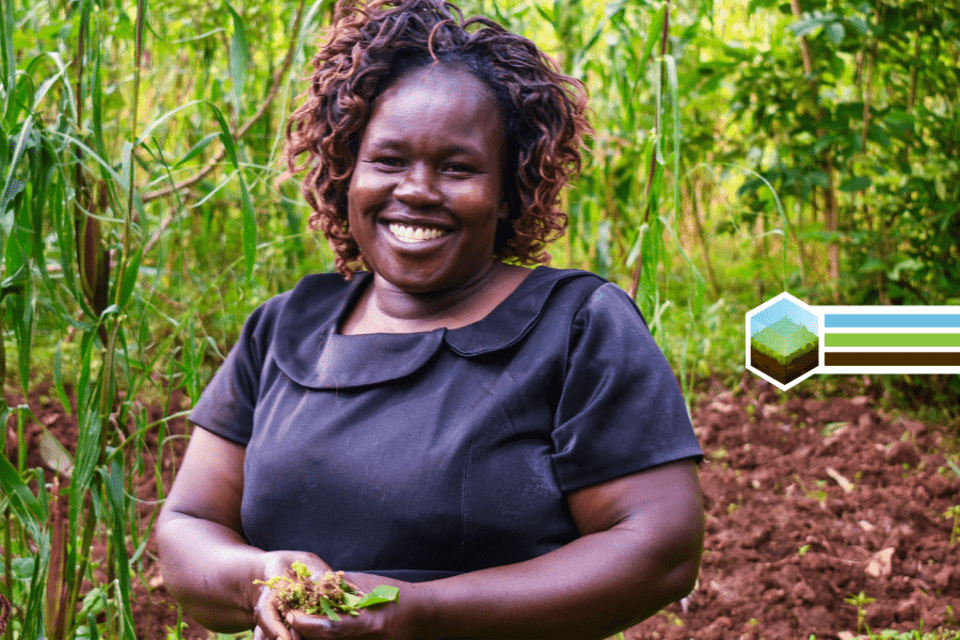
Farmers in Vihiga echoed this sentiment: “As a member of the Vihiga Community Nutrition and Community Seedbank, I am happy that we now have a policy on agroecology and will work toward bringing more farmers on board,” said Mable Lisutsa.
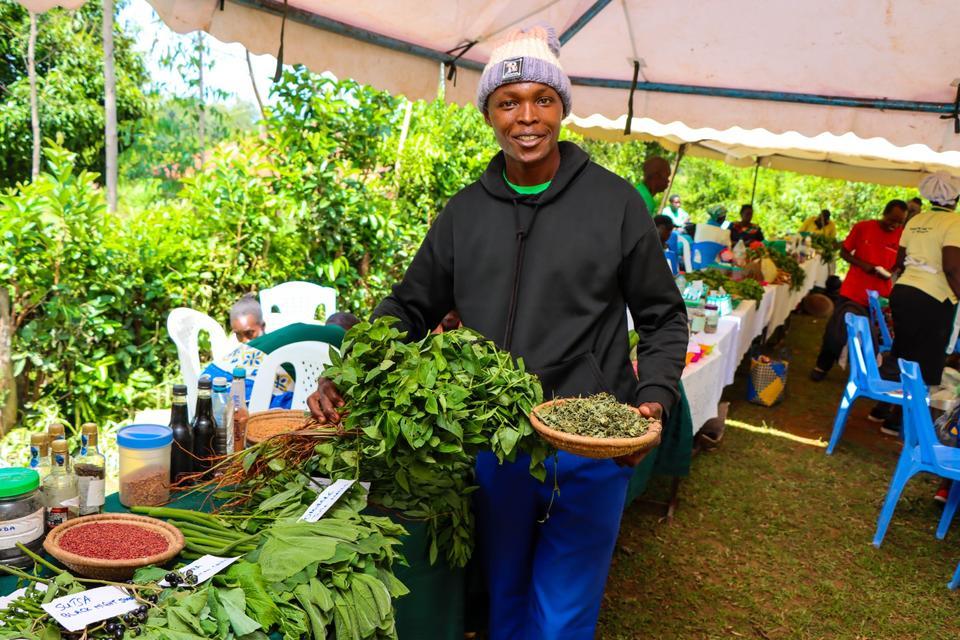
Young farmer Wilson Aswani added that he plans to tap into new opportunities such as composting and produce sales to create employment not only for himself but also for other young people.
Manei Naayu - Head of Programs at PELUM Kenya - called for the integration of agroecological practices into the education system. She noted that the current syllabus heavily promotes conventional farming systems, while agroecology can help address challenges such as waste management through recycling.

Retracing the Journey
As Told by Lillian Aluso, Alliance Research Associate:
In collaboration with the County Government of Vihiga and other partners, the Alliance has co-organized a series of strategic engagements that culminated in the development and launch of the Vihiga County Agroecology Policy, a milestone in promoting sustainable food systems at the county level.
The journey began in 2022 when the Alliance spearheaded a awareness-raising campaign to build awareness and buy-in for agroecology among key county stakeholders. Together with PELUM Kenya and the ISFAA, the sessions brought together actors from agriculture, health, environment and other sectors, as well as grassroots organizations within Vihiga County. This foundational step laid the groundwork for a coordinated and inclusive policy development process whereby relevant stakeholders were mapped and brought on board to constitute the Agroecology Technical Working Group (ATWG).
Recognizing the need to mainstream agroecology into the county’s development agenda, the Alliance organized multi-sectoral workshops that led to the successful integration of agroecological priorities into the County Integrated Development Plan (CIDP) 2023–2027 — a key success that ensured alignment with broader county planning frameworks.
The ATWG, with technical and facilitative support from the Alliance and PELUM Kenya, embarked on an intensive two-year journey to develop the county’s Agroecology Policy. This involved a series of collaborative workshops, drafting sessions and stakeholder engagement and validation, culminating in the policy’s approval by the County Cabinet in February 2025.
Beyond the policy’s content, the Alliance supported the design and production of the final policy document, policy brief and a range of information, education and communication materials such as banners and teardrops. These materials were instrumental in the public launch and awareness efforts.
The Alliance also played a central role in the planning and coordination of the policy launch event, working within a dedicated committee to ensure a successful and impactful launch of the policy. The result is a landmark policy that not only charts a path for sustainable agriculture in Vihiga, but also serves as a model for other counties in Kenya and across the region.
The Alliance remains committed to supporting the implementation of the policy and fostering multi-stakeholder collaboration to ensure that agroecology is not only institutionalized but also thrives on the ground to benefit communities, ecosystems and future generations.