Blog Why Agriculture and Conservation Must Co-Exist

In recent years, the urgency for environmental restoration has intensified as the impacts of climate change on nature and people have become more evident. At the same time, global population growth calls for increased food production. This dual challenge creates a complex scenario: we need more productive agriculture to achieve healthy, accessible, and affordable diets for all, but we also need to increase the percentage of protected land and ecosystems. Therefore, the question is: Can agriculture and conservation coexist?
Stepping Up for Agriculture and Conservation
During the 26th Subsidiary Body on Scientific, Technical, and Technological Advice (SBSTTA-26) meeting in Nairobi, this was the focus of one of the side events led by the Alliance, where representatives from NGOs, governments, international organizations, UN bodies, and other stakeholders agreed on the need to step up efforts to make these two dimensions coexist.
The event’s main goal was to reflect on the means of implementation and pathways to accelerate action for mainstreaming agriculture and food systems in National Biodiversity Strategies and Action Plans (NBSAPs) that address multiple Global Biodiversity Framework (GBF) targets and complementary commitments in international climate and environmental policy instruments.
“Agriculture has been badly affected by poor soils leading to poor production and subsequent increased poverty levels,” says Ms. Evelyne Okoth, a farmer from Nyando, Kisumu, adding, “Soil conservation is the base of good agricultural production.”
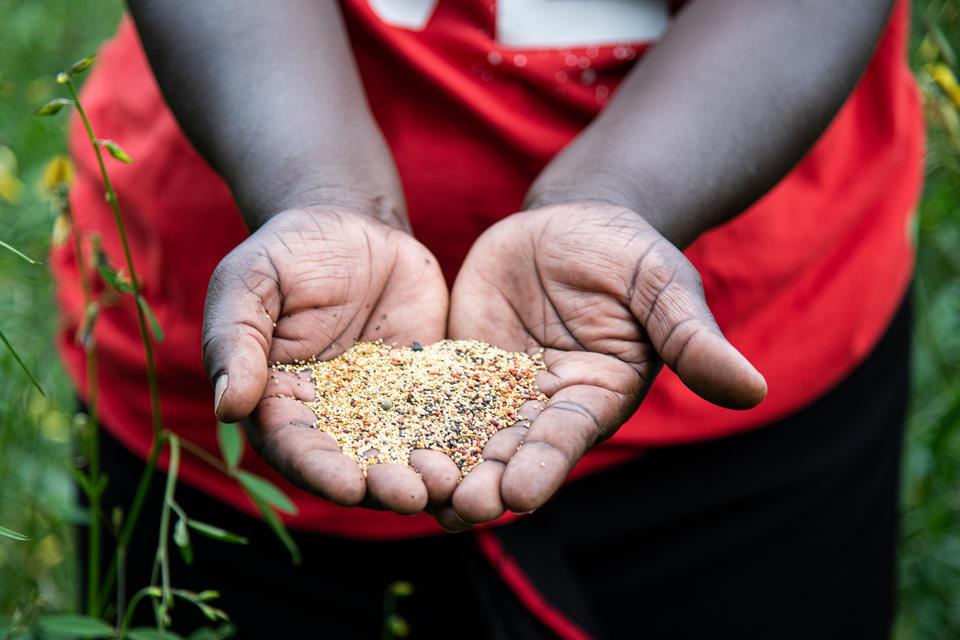
Gradually, she adds, farmers have been losing traditional seeds which had over the years been passed on from one generation to the other. This leaves them with the limited choice of having to buy seeds which limits them to growing only those crops whose seeds can be found in the agro-shops. This compromises diversity.
“Governments need to put the right policies in place to support conservation and allow organic farming to penetrate the market. Organic farmers, especially youth and women, should be supported through subsidized inputs to help them increase yields and income. Unlike our conventional counterparts who often access subsidized fertilizer from the government, organic farmers barely get such support,” says Ms. Okoth.

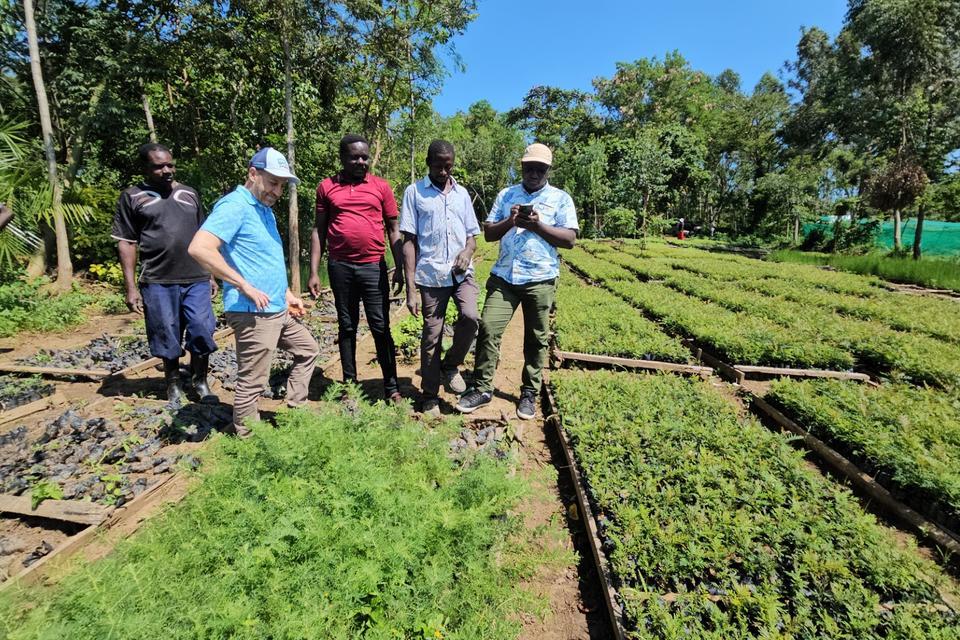
Farmers at Vigulu, Vihiga County prepare a site for permaculture at the Nature + demo farm.
Conventional Agriculture: A Threat to Biodiversity?
Conventional agriculture is the main threat to the loss of biodiversity, according to Seed Savers Network National Coordinator, Mr. Daniel Wanjama. He terms poor policies and laws that promote conventional agriculture as a driver towards the loss of biodiversity, saying that such laws should be reviewed. Instead, he adds, there should be policies that promote farmers-sourced seeds systems. This is especially because farmers are custodians of biodiversity and have indigenous knowledge that would be useful towards conservation.
While the government has conserved seeds at the national seedbank, numerous crops like tubers are conserved on farms.
“This is one of the reasons why farmers should be protected and supported in conserving seeds,” says Mr. Wanjama.
Kenya’s Genetic Resources Research Institute (GeRRI) Director Dr. Desterio Nyamongo, who was among the panelists, stressed the role that human activity has played in accelerating biodiversity loss. He also hailed the Alliance's work on promoting biodiversity through Indigenous seeds such as sorghum, millet, and traditional leafy vegetables, and the partnership with Kenya Agricultural and Livestock Research Organization (KALRO), through which seedbanks have been established in Kisumu and Vihiga counties.
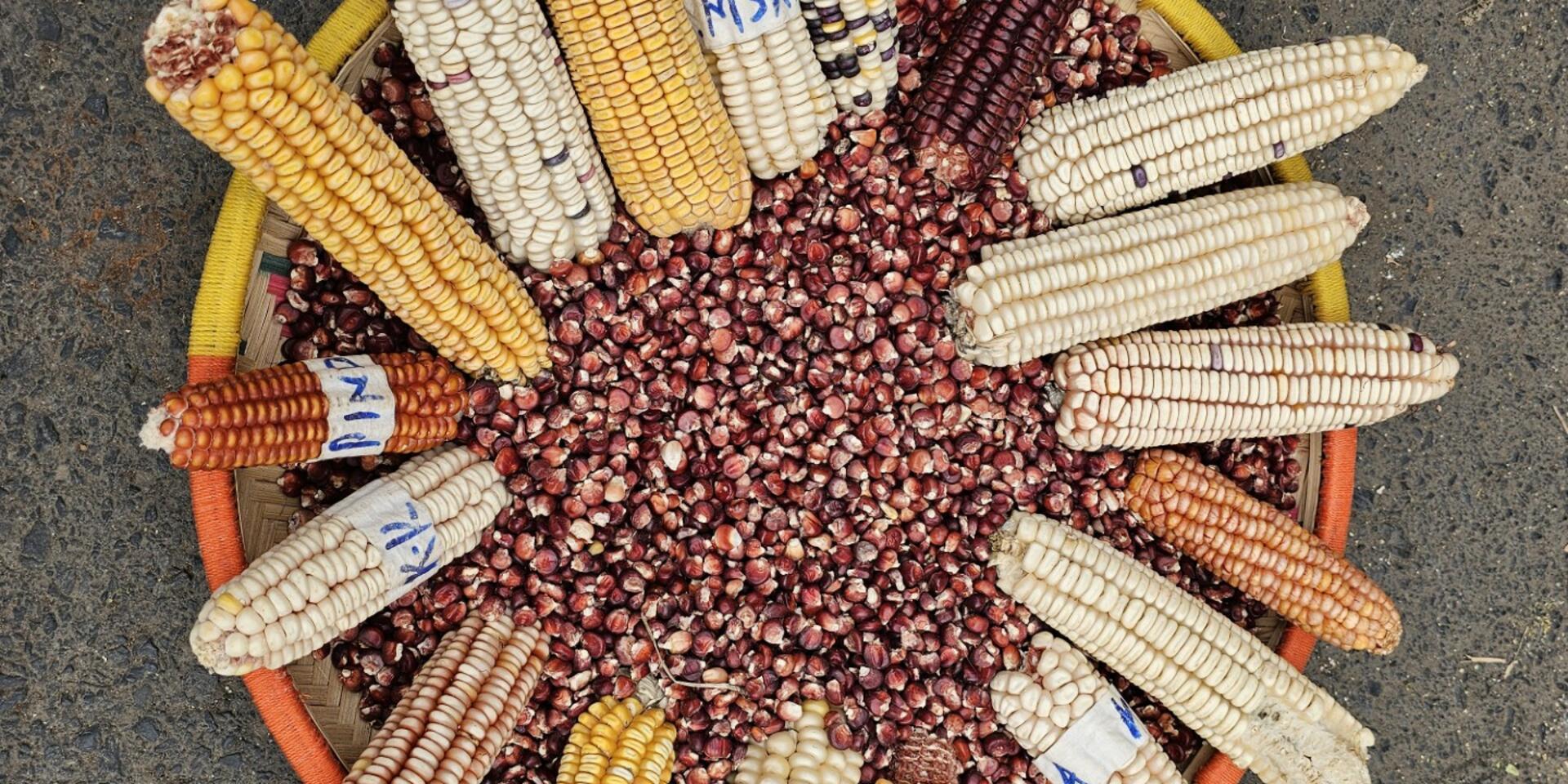
“Through the seedbanks, farmers are now able to access seeds and therefore diversify crops and diets,” noted Dr. Nyamongo, who terms mono-cropping, especially of maize in Kenya, as a key driver of biodiversity loss.
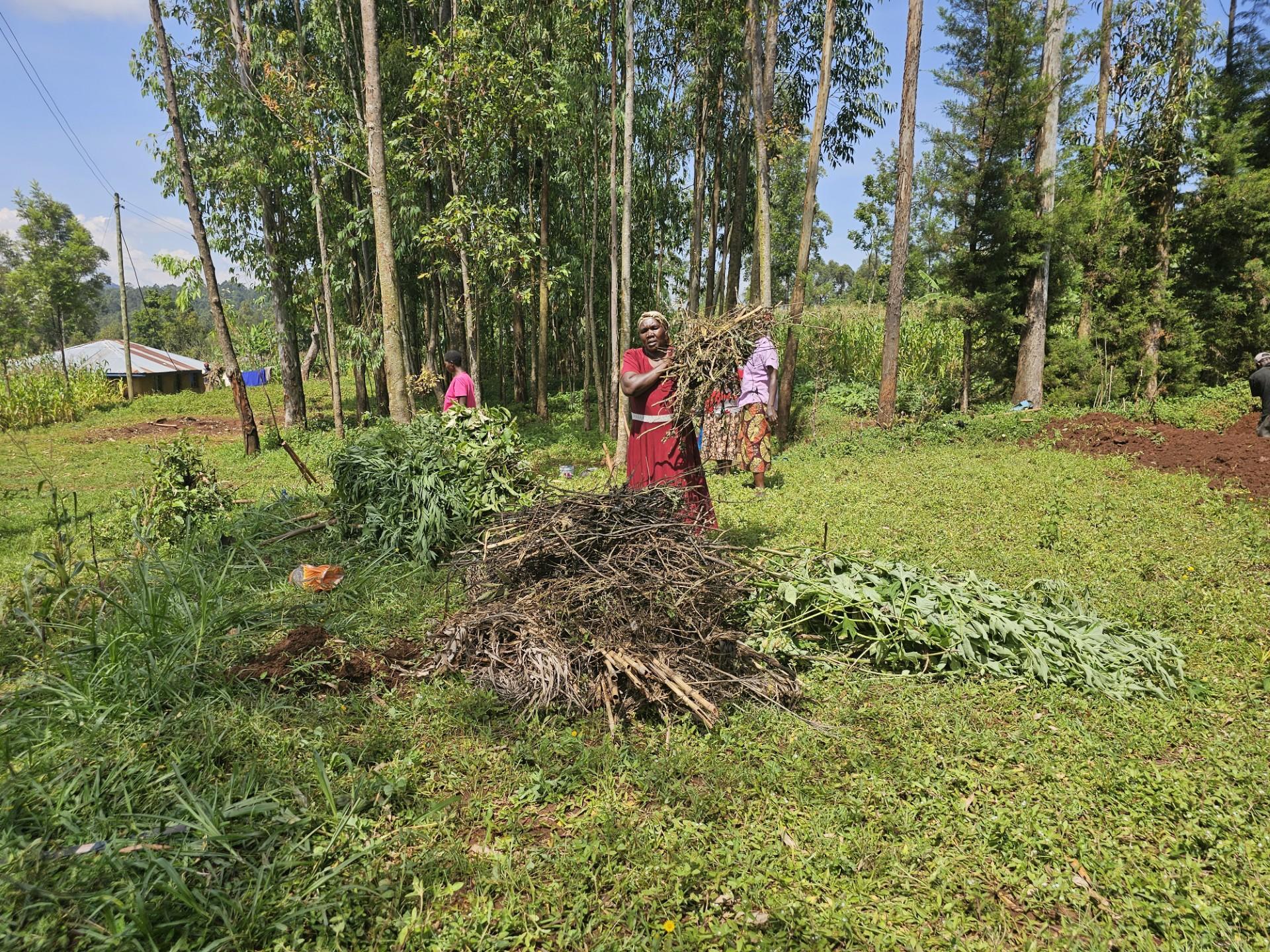
A farmer delivers plant materials as part of preparing a permaculture farm at Nature + demo farm at Vigulu, Vihiga.
Agricultural and Food Systems Depend on Biodiversity
While agriculture and food systems are 100% dependent on biodiversity, the rate of biodiversity loss, especially in recent years, is concerning. The Convention on Biological Diversity (CBD) Acting Executive Secretary, Dr. David Cooper, noted some of the drivers of biodiversity loss as changes in land use, pollution, invasive species, climate change, and unsustainable agricultural systems.
“We cannot have food without biodiversity and the units of biodiversity itself include the crops, land, and livestock and fish and the genetic diversity within them. They are all very important,” says Dr. Cooper.
This calls for a shift from what is often practiced in many farming systems, such as the excessive use of pesticides and other synthetic inputs which destroy biodiversity. Instead, agricultural systems need to be regenerative, circular, and protective of biodiversity.
For the Benefit of Humanity, Agriculture and Conservation Must Work Together

Carlo Fadda
Director, Agrobiodiversity“The transformation that is needed to make it happen is profound and needs to involve all levels of society to engage and ensure that agriculture and nature co-exist,” says Dr. Carlo Fadda, the Leader of the CGIAR Initiative on Nature-Positive Solutions and lead of the Agrobiodiversity research areas at the Alliance of Bioversity CIAT.
Stakeholders, he adds, need to come up with relevant innovations holistically – social, economic, technical, among others. “Farmers need to adopt technologies which are sustainable for the environment, but to do this, they need incentives as a buffer against any loss or costs that they may experience in this transition. Farmers also need to understand the economic benefits of agrobiodiversity.
“Unless farmers and consumers understand this, we will not be able to transform food systems towards more sustainability,” notes Dr. Fadda.
There is a lot of Indigenous knowledge among farmers which can be explored and integrated with scientific research to ensure that both conservation and agriculture not only co-exist but thrive. This calls for inclusive participation of all actors of the food systems, including farmers, researchers, academia, scientists, governments, among others, to work together and ensure sustainable food production systems that are geared towards both food security and biodiversity conservation.