Blog From pledges to practice: How to scale nature-positive agriculture for climate impact at COP30

At COP28, a cross-sector coalition pledged to transition 160 million hectares of land to regenerative agriculture practices by 2030, backed by billions of dollars in investment and a plan to track outcomes on soil health, greenhouse gases (GHG), biodiversity, water and farmer livelihoods. This builds on the COP28 UAE Declaration on Sustainable Agriculture, Resilient Food Systems, and Climate Action, signed by over 130 countries.
This year, COP30 is hosted by Brazil, home to nearly two-thirds of the Amazon biome and the world’s largest beef exporter. As the livestock sector is always 'in the hot seat' regarding GHG emissions, accelerating low-carbon livestock and landscape restoration is essential to bend the curve on emissions and nature loss across the tropics.

How do we turn ambition into action? Nature-positive agriculture is part of the solution.
What does 'nature-positive agriculture' actually mean?
'Nature-positive' is not a slogan. It is a measurable global goal to halt and reverse nature loss by 2030 (from a 2020 baseline) and set ecosystems on a path to recovery so that climate, biodiversity and livelihoods advance together. In practice, that means farm- and landscape-level actions that restore habitat, fix soil carbon, and reduce emissions and pollution while sustaining production and boosting equality.
From a climate lens, the AFOLU (agriculture, forestry and other land use) sector offers some of the highest near-term, cost-effective mitigation options. The IPCC AR6 shows large potential from reducing deforestation, soil carbon gains in croplands and grasslands, agroforestry, and restoration, together delivering several gigatons of CO₂ equivalent mitigation per year at <$100/tCO₂e.
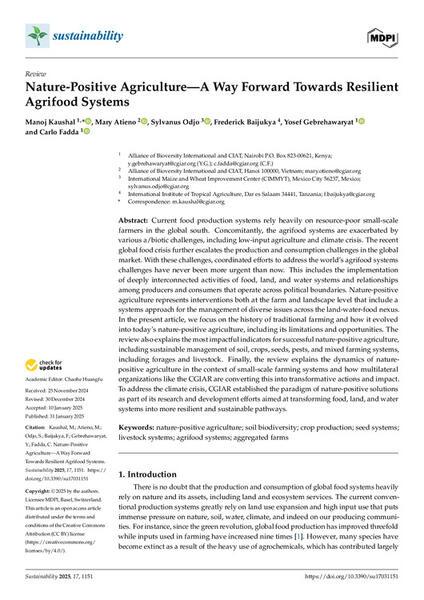

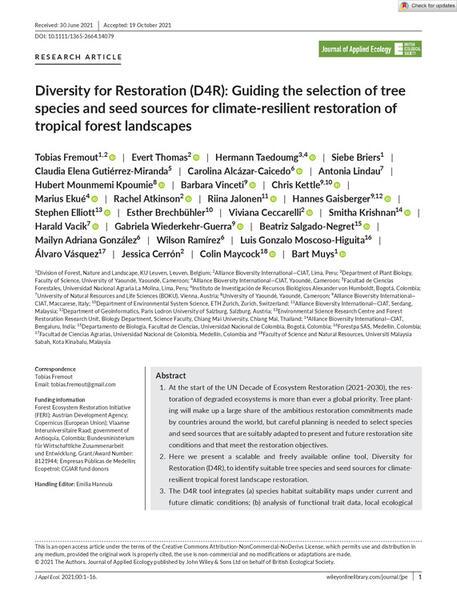
We bring science-based innovations that are already working with farmers, companies and governments, and at the Alliance we have plenty of examples: Diversity for Restoration (D4R) guides functionally diverse species mixes and climate-appropriate seed sources for restoration and tree-crop systems, helping users design climate-resilient agroforestry and restoration portfolios and monitor success.
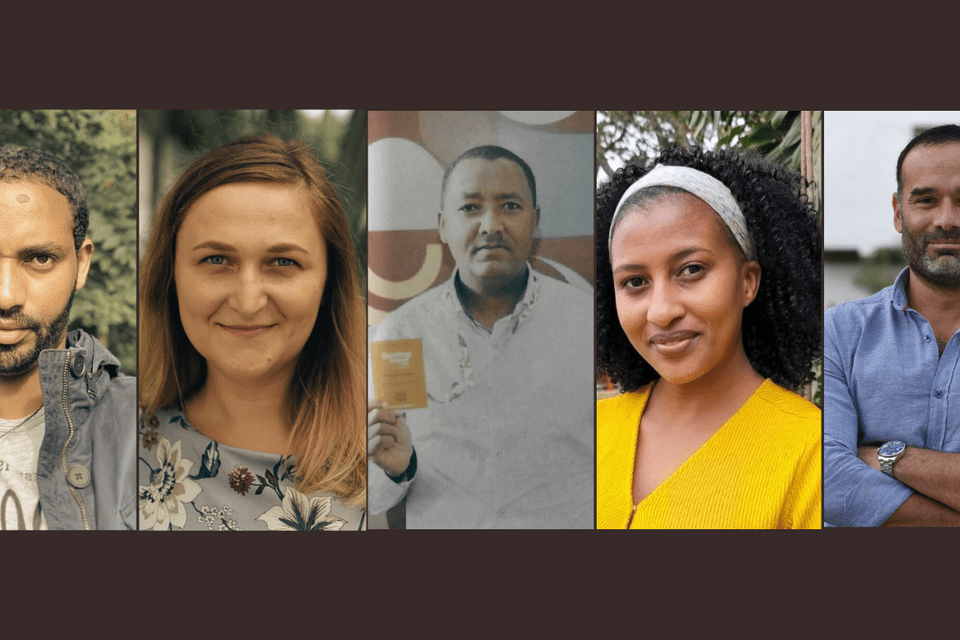
“I find hope in the growing recognition among key stakeholders that integration of biodiversity, climate-resilient crops and trees, and local knowledge are central to restoring landscapes and strengthening of food systems.” Smitha Krishnan, Scientist from the D4R project


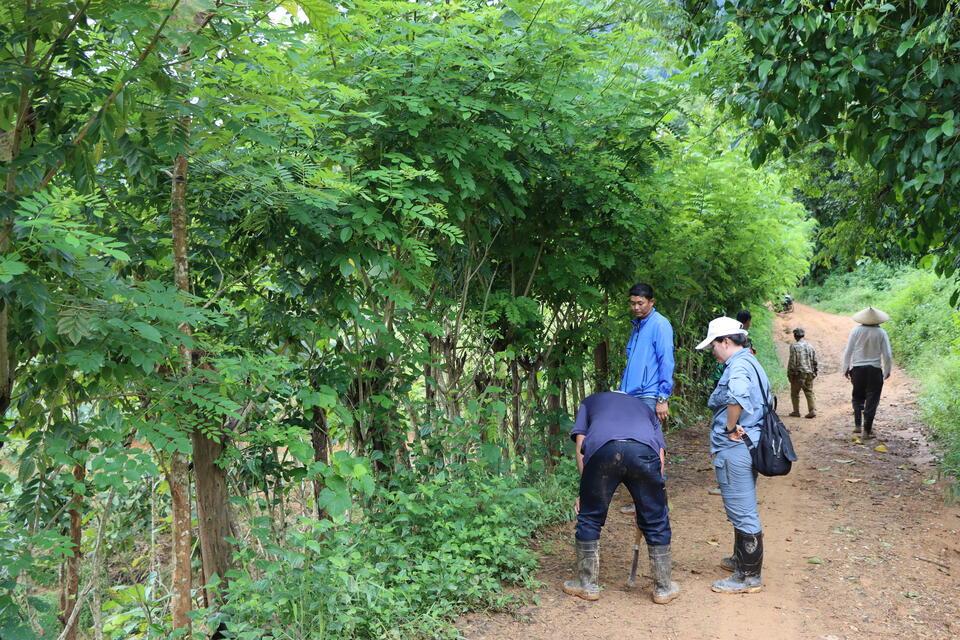
Another example is My Farm Trees: A digital platform that incentivizes farmer- and community-led tree-based restoration using mobile tools and blockchain for transparent seed-to-tree verification. This innovation is already supporting thousands of farmers and has restored over 2,000 hectares across Kenya and Cameroon.

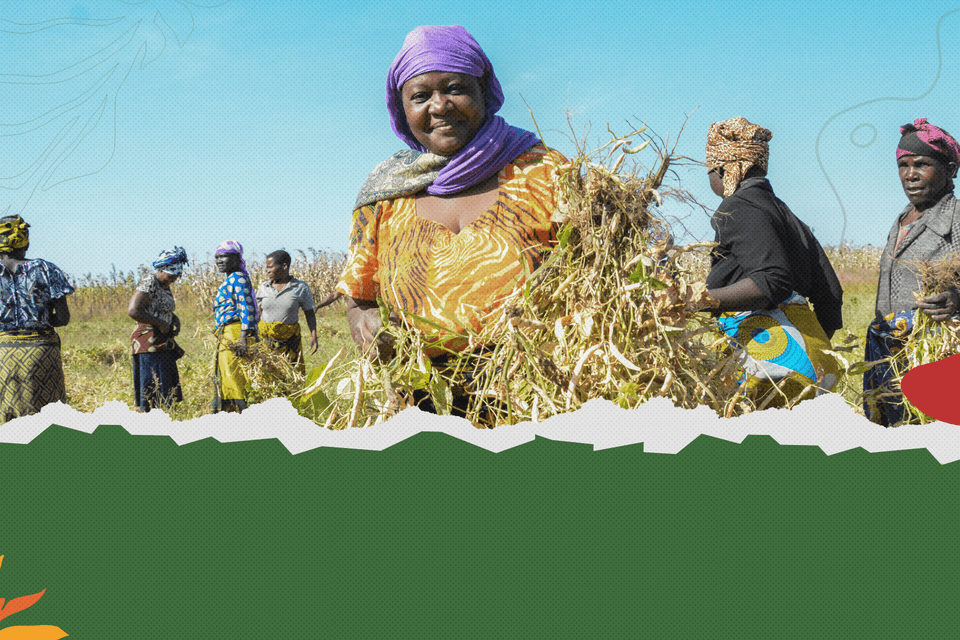
Farmers are always at the center of these innovations. For instance, in Kenya’s Nyando region, a community of farmers is pioneering aggregated farming, waste utilization and community seed banks, turning degraded land into hubs of agroecology and circular economies while conserving 69 bean varieties and other crops to strengthen climate-resilient food systems.
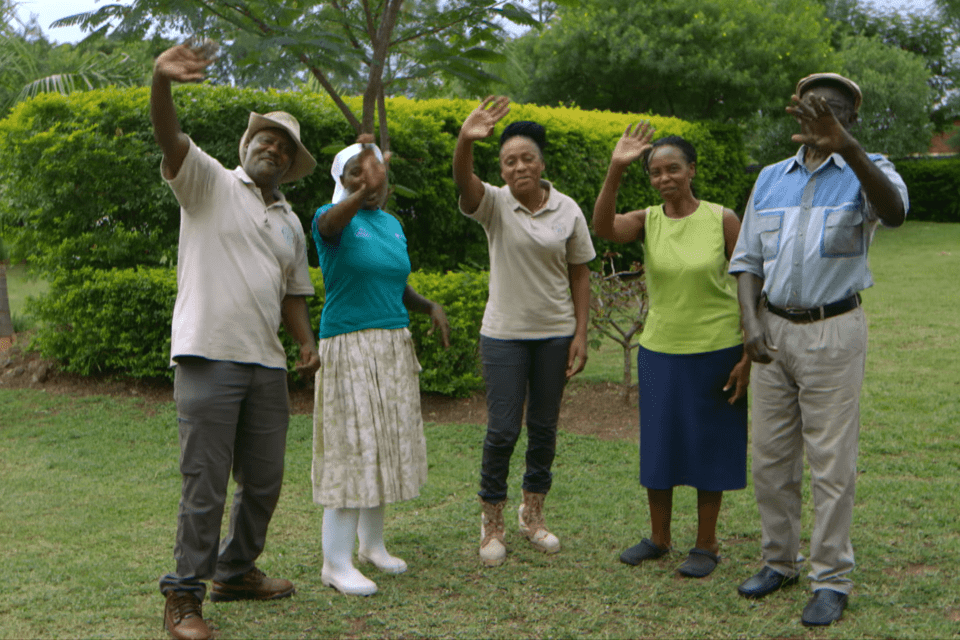
“What truly makes a difference isn’t the next ‘innovation', but rather when science walks barefoot, when it steps into the mud, listens, and learns… The most transformative results come when farmers stop being treated as beneficiaries and start being recognized as co-creators of solutions. We need continuity, courage, and humility. The hardest part isn’t finding solutions; it’s staying long enough to let them take root.” Guillermo Peña, Circular Economy Expert

Guillermo Peña Chipatecua
Research AssociateWhen cattle farming starts to go green
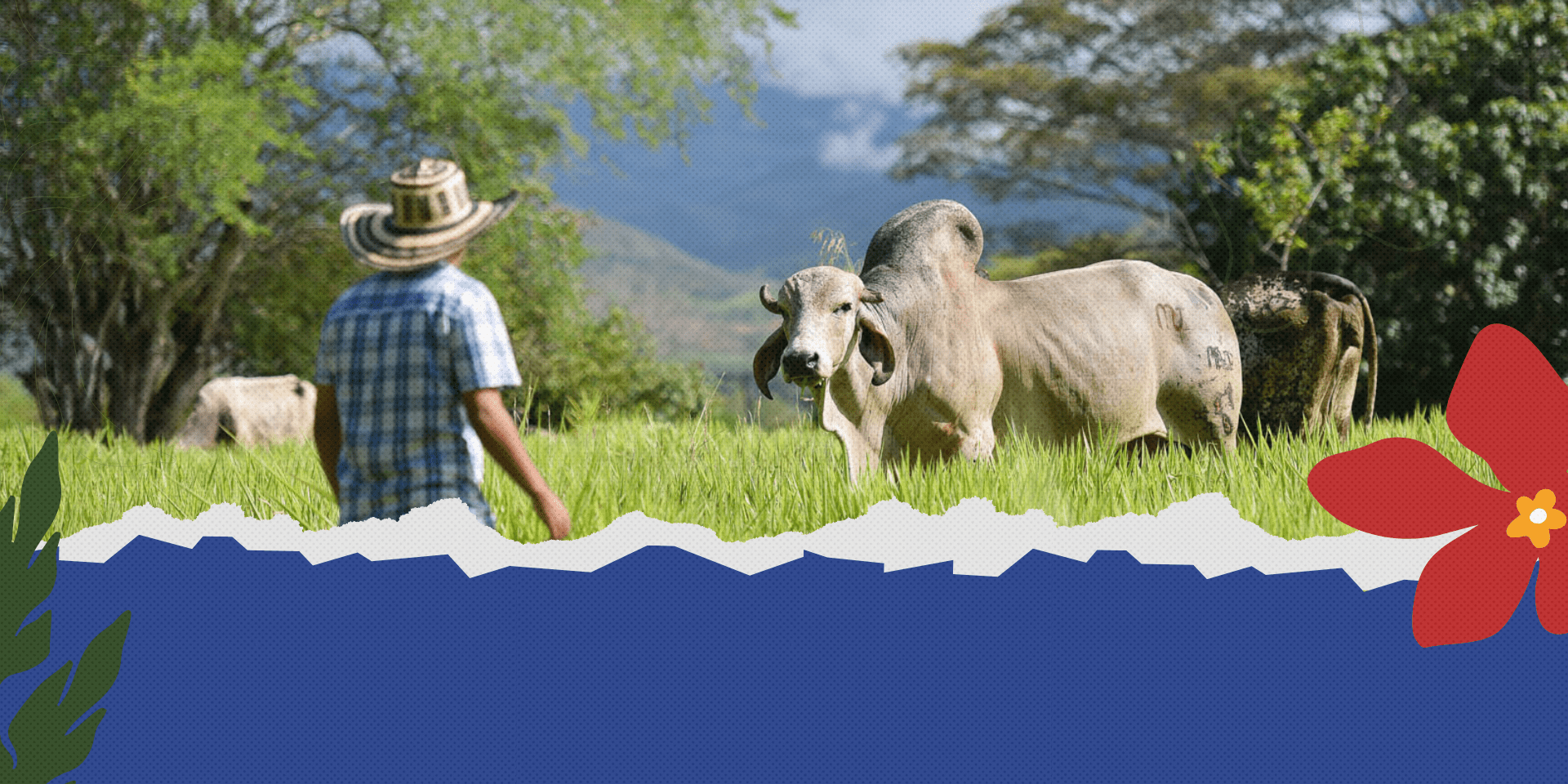
Better forages lower enteric methane per unit of product and increase productivity; integrated crop-tree-livestock systems sequester soil carbon and reduce pressure to clear new land. The Low-Methane Forages project is screening thousands of forage accessions to deliver varieties that reduce methane while boosting yields, moving from lab to field and enabling investable, farmer-ready options.
Furthermore, recent research suggests that as economies grow, cattle farming’s environmental impact can peak and then decline if countries invest in greener practices such as silvopastoral systems and methane-reducing innovations. This shift turns cattle farming from a climate challenge into part of the solution, aligning economic growth with sustainability goals.
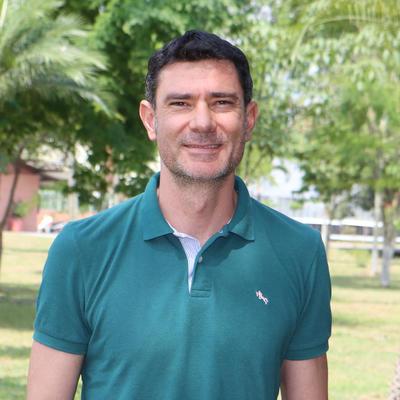
“The use of improved tropical forages is an innovation that has proven benefits: high productivity, drought tolerance, and low methane emissions. In Colombia, for example, these forages have doubled beef yields while reducing emission intensity by up to 50%. Farmers gain more income from the same land, while the planet gains climate resilience.” Jacobo Arango, Tropical Forages Program Leader
Jacobo Arango
Program Leader, Tropical ForagesTransparency for land-use outcomes: near real-time monitoring, reporting and verification
Halting deforestation is the single largest land sector mitigation wedge; credible early warning systems help governments and buyers avoid risk and reward performance, aligning supply chains with NDCs and EU market rules. To support this, Terra-i delivers near real-time alerts of vegetation loss (every 16 days across the tropics), with dashboards for EUDR prescreening, climate and water risk, and farm-level compliance. This provides the Monitoring, Reporting and Verification (MRV) backbone needed for carbon finance, zero-deforestation sourcing and public policy.
Systemic change will not come from isolated projects: it will emerge from “mutirões” of collaboration that weave together farmers, scientists, policymakers, financiers and local communities into shared action. COP30’s Global Mutirão spirit reminds us that climate solutions thrive when knowledge flows both ways, when technology meets tradition, and when incentives align with stewardship. By connecting science-based innovations, community-led restoration, and finance mechanisms that reward outcomes, we can transform pledges into practice: building landscapes that regenerate life, economies that serve people and planet, and resilient food systems for the future we all share.
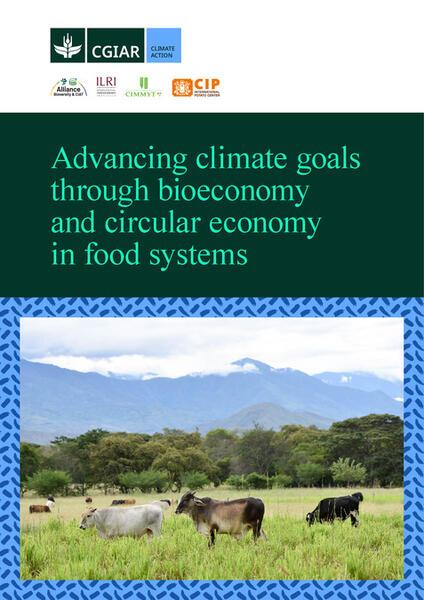
Cover Photo: A couple of youths watch over their cattle at a reservoir, often the last water point during the hottest and driest months of the year in Zorro village, Burkina Faso. Photo by Ollivier Girard/CIFOR

Read the briefs
Our participation in COP30