From the Field Plant, connect, transform: The My Farm Trees model put to the test in the field

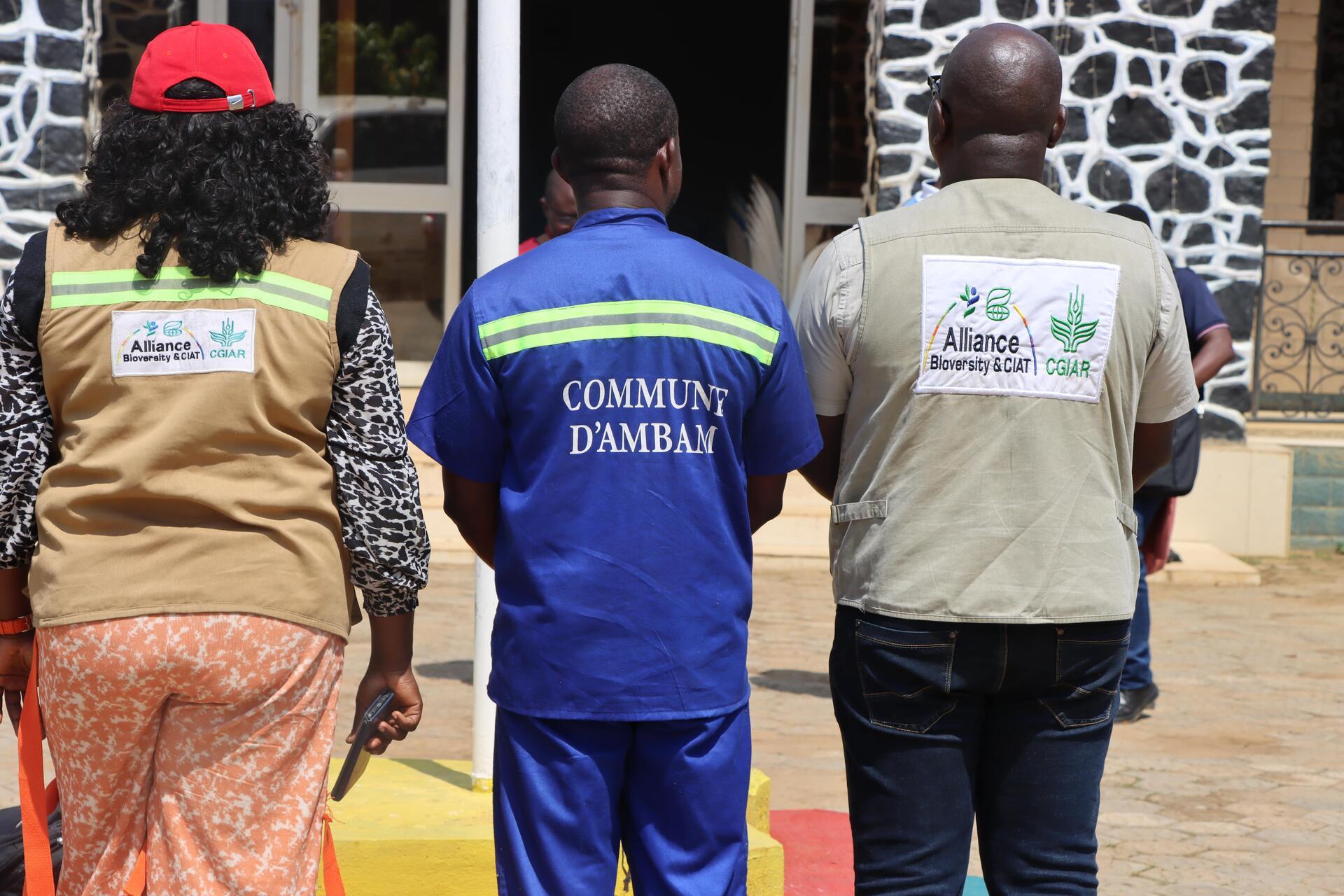
In Cameroon, the My Farm Trees platform brings together farmers, seed collectors, nursery operators, traditional authorities, municipalities, ministries, and international partners to make landscape restoration a driver of local resilience.
Grow Trees. Grow Futures.
Restore landscapes with farmers.
The world is pledging to restore forest landscapes - but empowered farmers and local communities should be centric to that. MyFarmTrees gives smallholder farmers the science, the tools, and the resources to plant the right native trees, and the blockchain technology to prove every single one grew.
 Donate now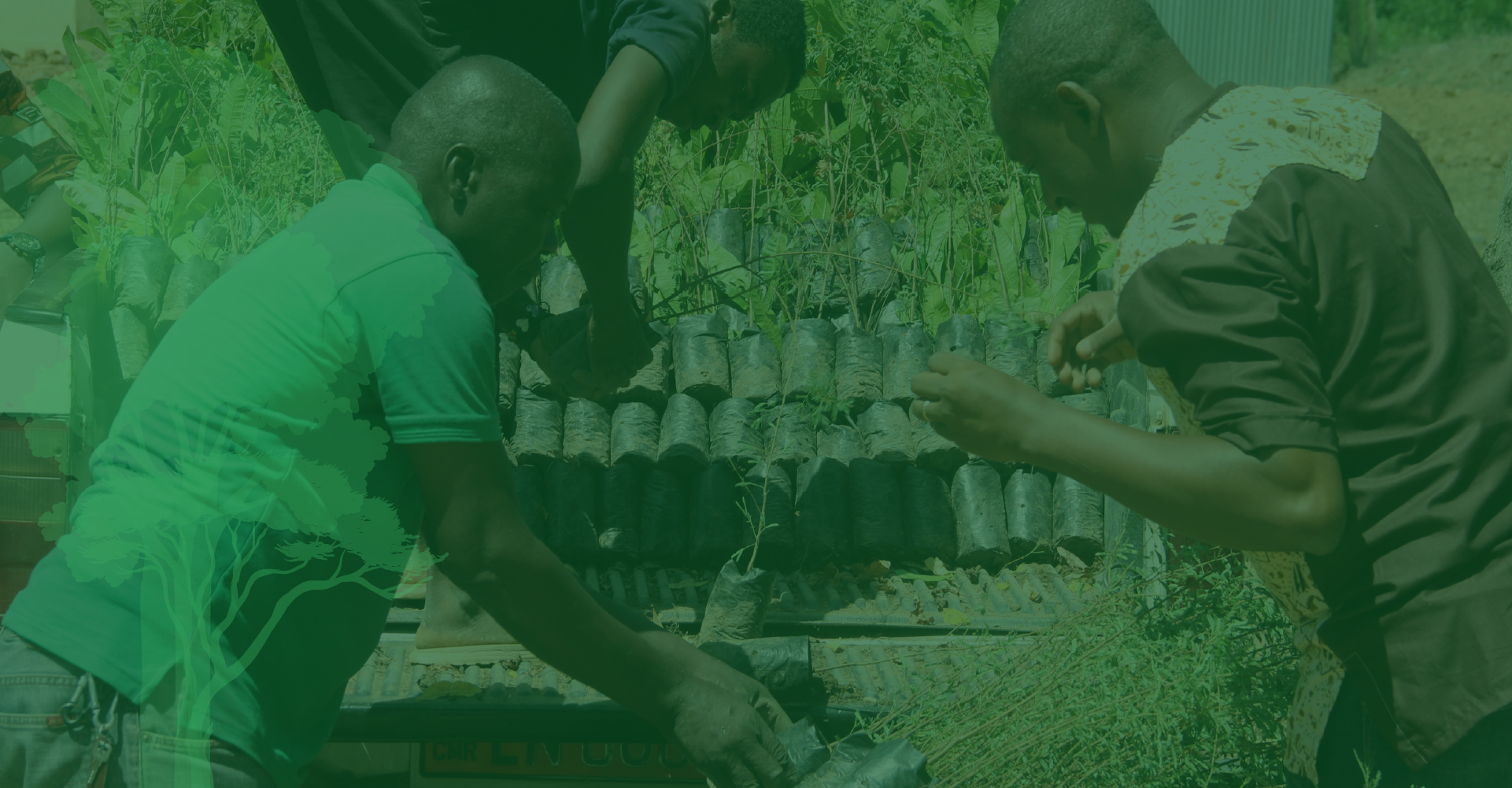
Led by the Alliance of Bioversity International and CIAT, with support from the GEF, IUCN, and the Darwin Initiative, the platform is already active in six of Cameroon’s ten regions—West, Center, South, East, North, and Far North—and supports several thousand families. Its ambition: to combine digital tools with decentralized governance to contribute to Cameroon’s goal of restoring 12 million hectares by 2030, while building local seed value chains and creating new economic opportunities.
12 million hectares to restore: My Farm Trees aligns with Cameroon’s climate priorities
Cameroon has pledged to restore 12 million hectares of degraded landscapes and reduce its greenhouse gas emissions by 35% by 2030, as part of its nationally determined contributions. My Farm Trees directly supports this vision.
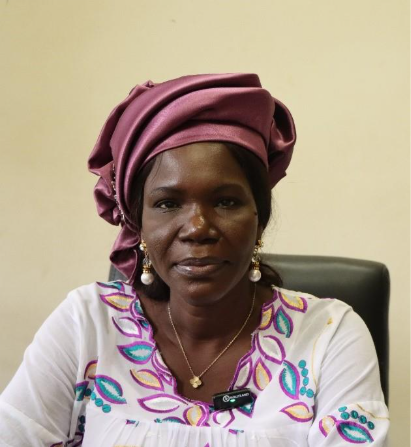
“This project contributes greatly to national objectives,” says Angèle Ziékine Wadou, Deputy Director of Biodiversity and Biosafety at MINEPDED, who sees it as a tool to strengthen community resilience while lowering emissions.
To guide this effort, an inter-ministerial steering committee oversees the project, approving annual work plans, aligning indicators with the national forest inventory, and facilitating the flow of field data into NDC reports.
On the ground, regional delegations issue collection permits, monitor the digital traceability of seeds, and ensure post-planting follow-up. Internationally, data from the platform feeds into IUCN’s The Restoration Initiative and the Restoration Barometer portal.
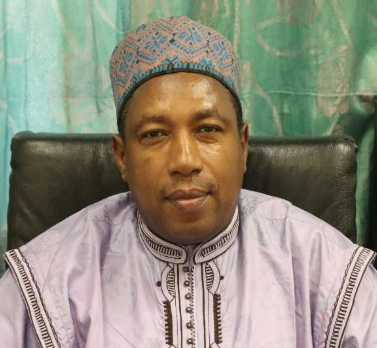
“All GEF-funded projects are fully aligned with national policies,” recalls Dr. Haman Unusa, Technical Advisor at MINEPDED and GEF Operational Focal Point. “My Farm Trees directly rewards communities for their efforts.”
The platform also acts as a modern forestry lab, leveraging real-time data shared with authorities and used to revise plant material standards. My Farm Trees does not reinvent the framework; it accelerates the implementation of an existing strategy, placing rural communities at the heart of the process.
Decentralization in action: Municipalities driving local restoration
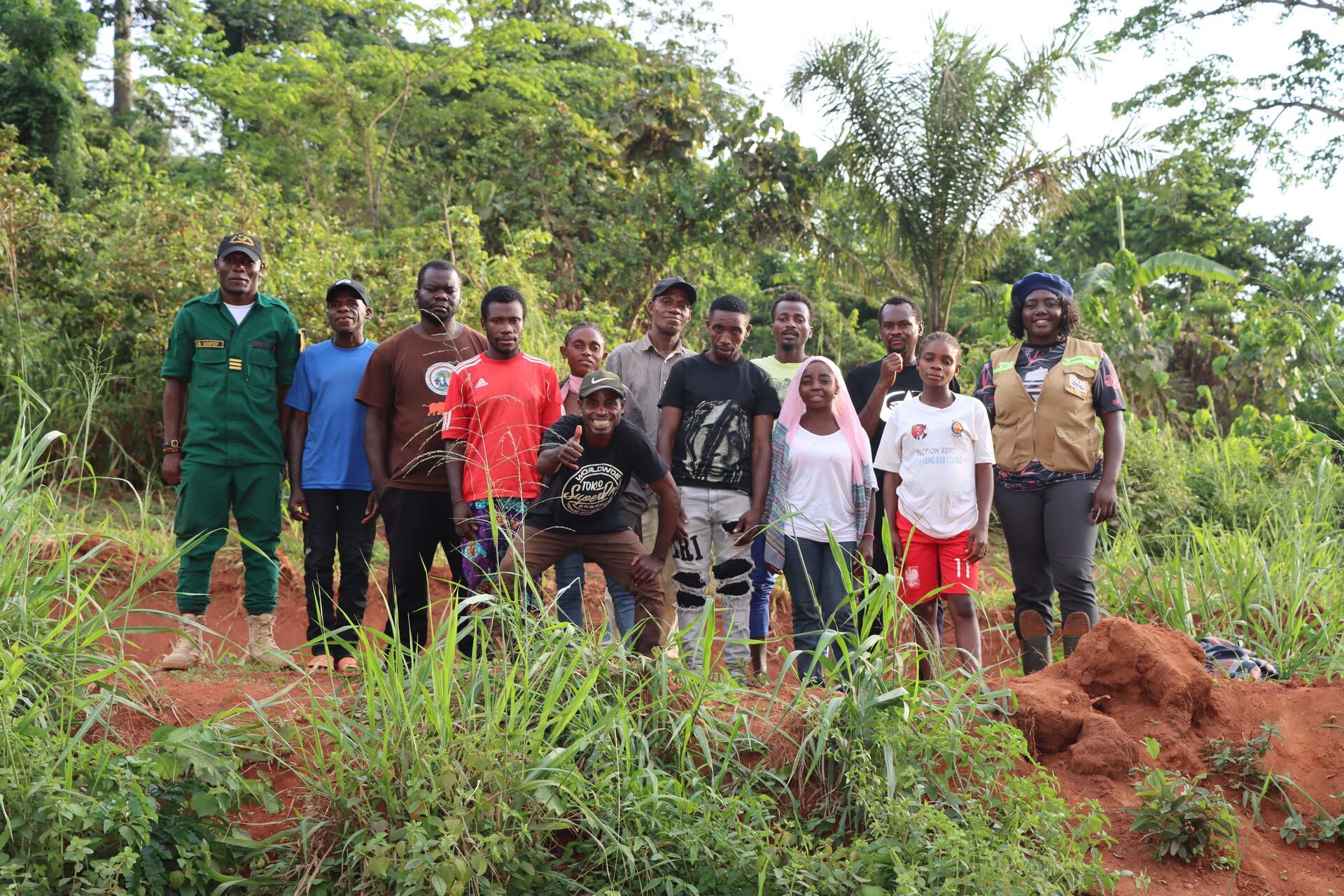
Since the 2019 decentralization law, Cameroonian municipalities have had new powers in communal forest management. My Farm Trees builds on this by working hand-in-hand with local authorities. “We have trained more than 2,100 seed collectors in over 40 municipalities,” explains Dr. Marius Ekué, the project’s scientific coordinator.
This collaboration rests on three pillars:
- Shared governance, through memorandums of understanding defining rules for resource and nursery access;
- Financial engineering, with co-financing of municipal nurseries by FEICOM and the monetization of seedlings in carbon markets;
- Skills transfer, via municipal forestry units providing technical support and land mediation.
Results are emerging: some municipalities have integrated ecological restoration into land-use plans, creating ecological corridors; others are applying for the “Greenest Municipality” national award. Traditional leaders, often custodians of sacred forests, are also actively involved. This local network improves resource access, reduces logistics costs, and ensures better seedling distribution. It minimizes land-use conflicts and strengthens community buy-in.
My Farm Trees thus acts as a catalyst for “green decentralization,” embedding landscape restoration into everyday municipal management.
One app, 2,100 seed collectors, blockchain: Seed traceability enters a new era
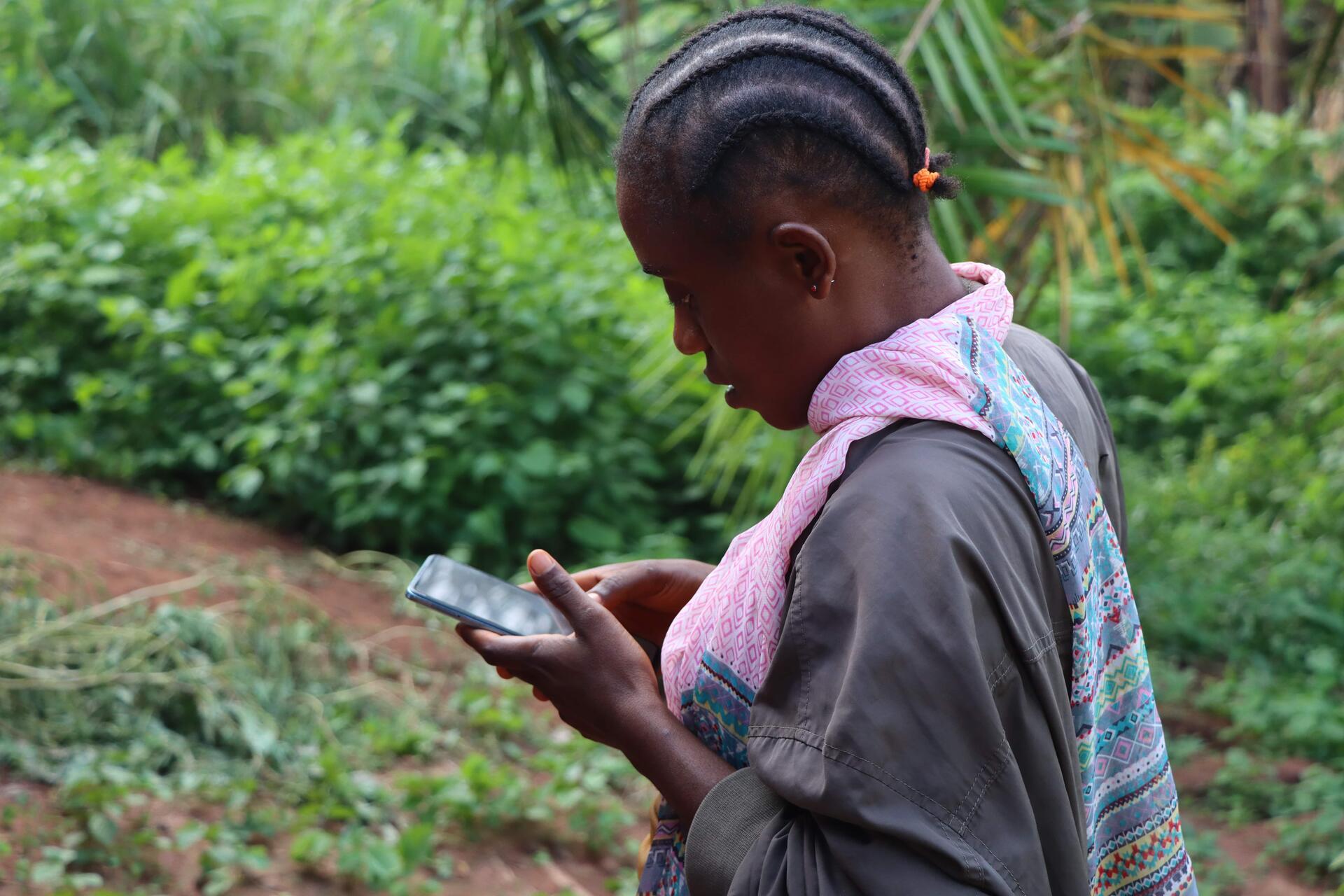
The lack of traceable forest seeds has long hindered restoration efforts. My Farm Trees addresses this through a digital platform with three modules: SeedTrack (geolocation of mother trees and seed documentation), NurseryLink (nursery and seedling management), and TreeTrace (photo-based monitoring of planted trees). All data is blockchain-secured and accessible offline via a lightweight web app.
“We have effectively created a new value chain: villagers collect seeds and sell them, generating extra income,” notes Dr. Ekué. Once a batch is validated by a nursery, the collector is paid via Mobile Money.
The platform tackles persistent issues: unavailability of seeds for certain hard-to-preserve species, low genetic diversity in nursery plants, lack of traceability. It also streamlines communication between actors: nursery operators validate seed quality, farmers receive weather alerts and watering reminders, and aggregated data supports research.
For the ministry, this digitalization is strategic. “It allows us to mobilize more funding and guarantee partners more reliable information,” says Dr. Unusa. By connecting all stakeholders, the platform encourages best practices and boosts transparency in seed and seedling flows.
When forest restoration creates opportunities for producers
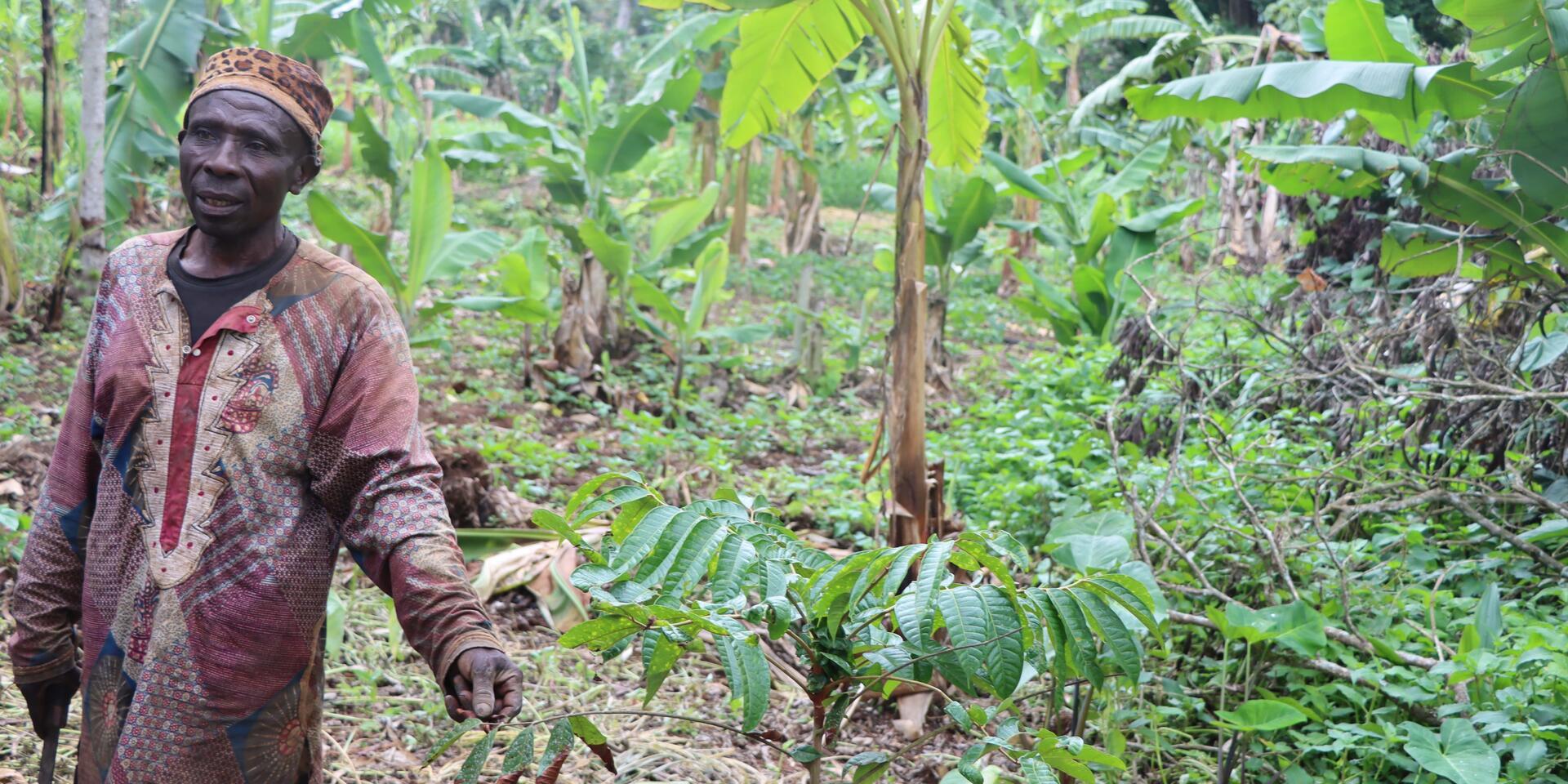
In many target villages, fields contained few useful tree species. My Farm Trees has introduced locally chosen species—fruit trees, medicinal plants, and non-timber forest products such as Prunus africana. “The approach is integrated: communities choose the species, learn how to preserve and protect them,” says Ms Ziékine Wadou.
These trees improve soil fertility, create microclimates favorable to farming, and generate income. Dr. Unusa notes tangible livelihood improvements, notably through the sale of fruits and NTFPs.
The project also reaches younger generations: 110 primary schools have received seedlings chosen by pupils and parents, the number per school depending on available space. In Nkoemvone, a small school introduced 31 local species, tended by student brigades. For the ministry, school engagement is key to sustainability.
Challenges remain, especially in Sahelian areas where watering is a major constraint. “The challenge is access to water and mobilizing funds to scale up,” stresses Dr. Unusa. A second phase is planned: expanding to 30 more municipalities, installing solar dryers and community oil presses, and launching a “My Farm Trees Certified Seeds” label. This label, backed by the Agricultural Research Institute for Development, could strengthen seed traceability while enhancing the competitiveness of local nurseries.
My Farm Trees shows that well-designed restoration can combine local development, climate adaptation, and sustainability. Scaling up will now be decisive.