From the Field 'Les Experts du Cameroun': How a community nursery took flight with My Farm Trees

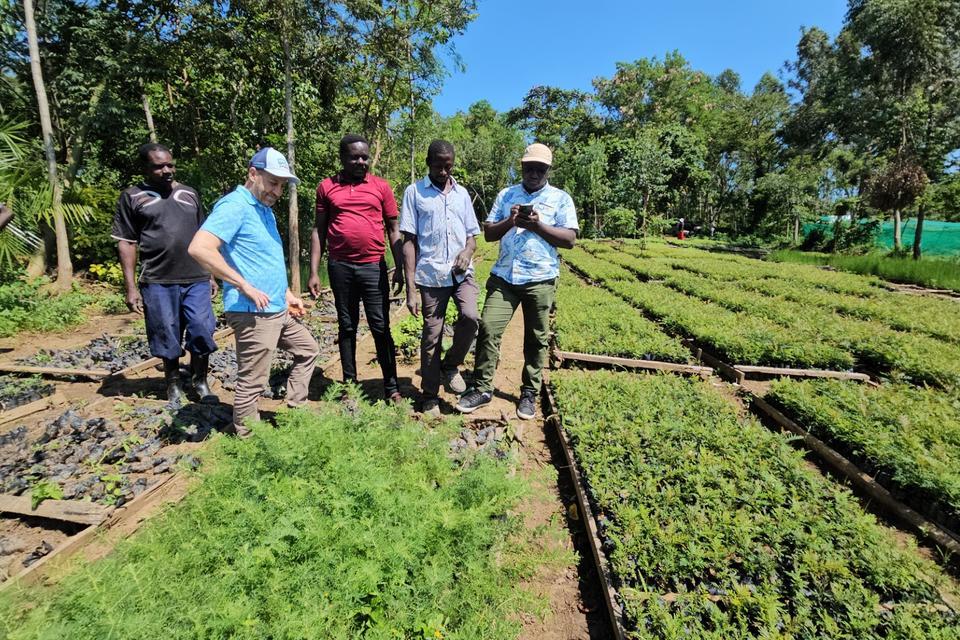
In the small town of Nanga-Eboko, located in the Haute-Sanaga department at the heart of Cameroon’s Centre Region, a 42-member association called “Les Experts du Cameroun” has grown from a modest tree nursery into a regional model. Boosted by the digital My Farm Trees project, their journey highlights how technical training, digital traceability, and cooperative spirit can tangibly impact landscape restoration and local livelihoods.
Grow Trees. Grow Futures.
Restore landscapes with farmers.
The world is pledging to restore forest landscapes - but empowered farmers and local communities should be centric to that. MyFarmTrees gives smallholder farmers the science, the tools, and the resources to plant the right native trees, and the blockchain technology to prove every single one grew.
 Donate now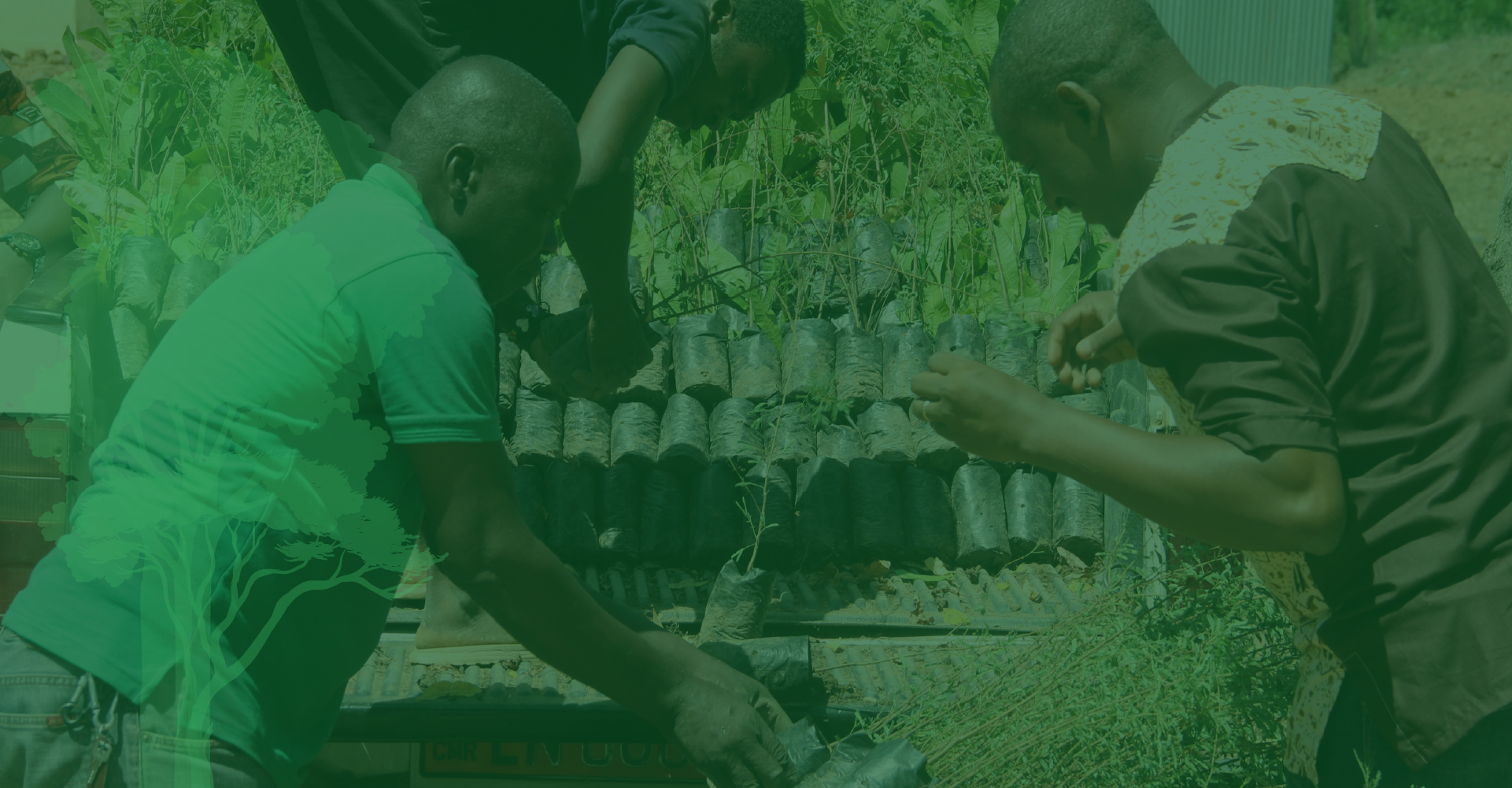
2016–2023: From grassroots collective to model nursery
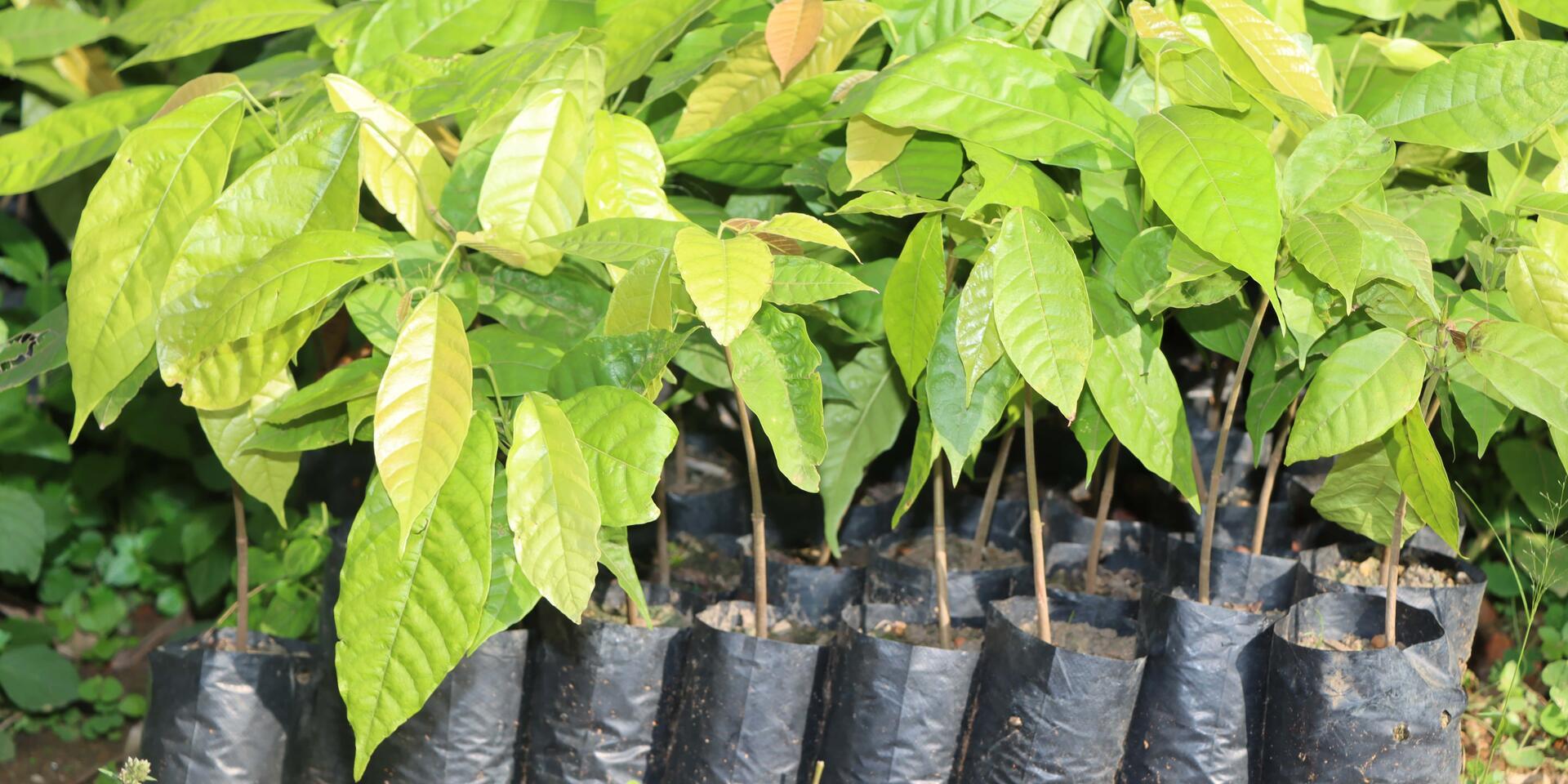
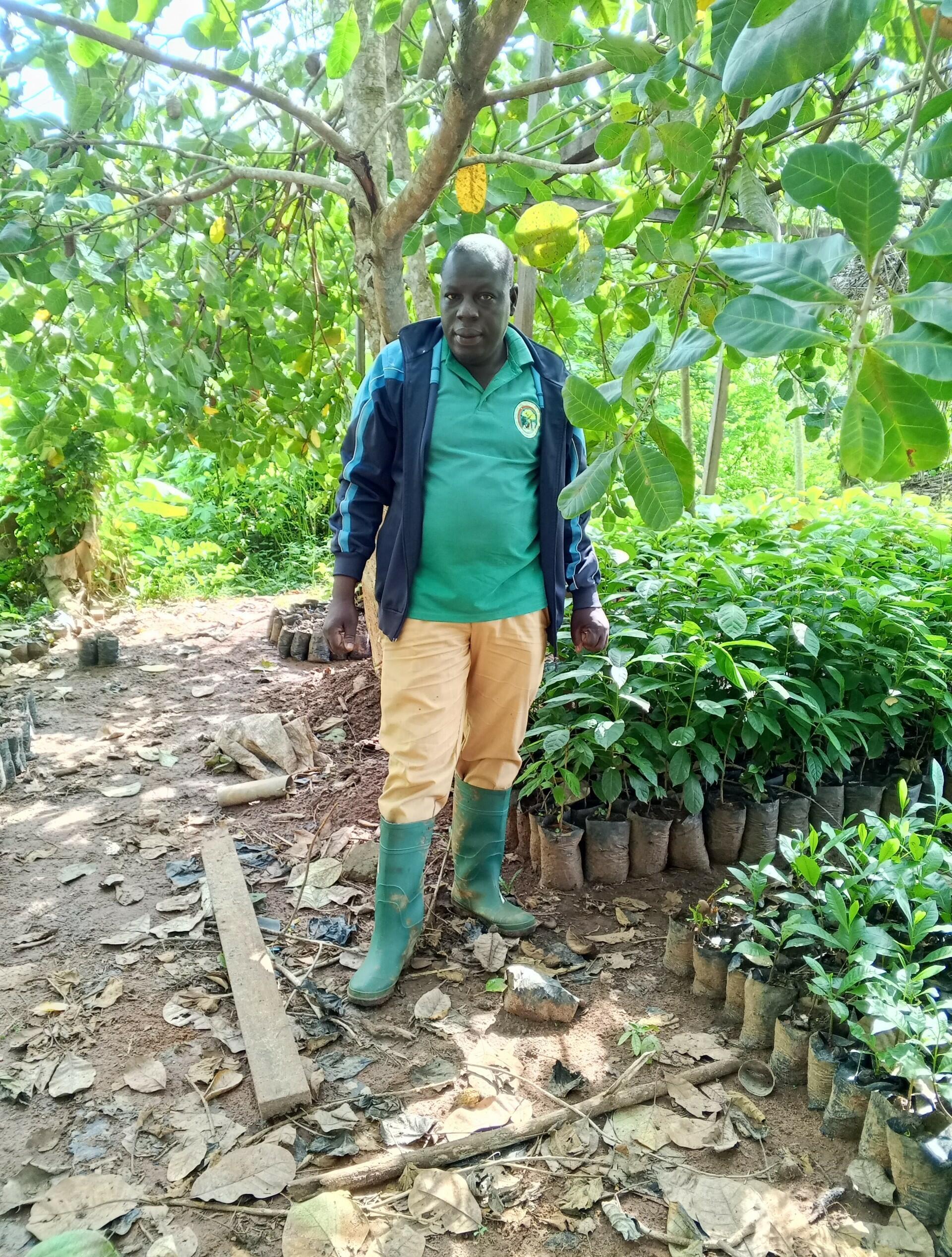
When Mr. Oumar, a water, forestry, and wildlife engineer, and his colleagues founded the association “Les Experts du Cameroun” in 2016, their initial goal was to protect and promote local forest tree species — such as bubinga, iroko, and white or red doussie — which were threatened by unregulated exploitation. Based in Nanga-Eboko, their nursery also produces fruit trees (mango, avocado, citrus) and a few sought-after ornamental plants. As for funding? It mainly comes from internal contributions and seasonal plant sales: between 3,000 and 4,000 units per year — just enough to cover the cost of standard reforestation campaigns.
Everything changed in 2023 when a municipal meeting brought together nursery growers and seed collectors around My Farm Trees, a digital platform that informs native tree restoration efforts. Oumar, who attended “initially as a collector,” invited the trainers to “take a look” at his nursery. The meticulous seed collection logs, detailed labeling, and species diversity immediately impressed the project team. The association was officially brought on board as a My Farm Trees partner, both for seed collection and seedling production, all documented through the My Farm Trees digital tools.
This selection brought three major benefits: access to free training (on native tree seed collection and conservation, dormancy breaking, and vegetative propagation), guaranteed markets for the seedlings, and integration into a digital traceability system that lends credibility to the “Experts” in the eyes of donors and clients. This external recognition energized the group: board meetings validated an expansion plan, paper records were aligned with My Farm Trees requirements, and women—already active in the association’s governance—took on increased responsibilities in organizing seed collection rounds.
In just a few months, the community-based structure became more professional. Oumar, still acting as treasurer, also became the "Project Manager" in charge of fulfilling My Farm Trees orders. Motivated by their new visibility, the members ramped up awareness campaigns in nearby villages, laying the foundation for a model nursery capable of contributing to the country’s broader landscape restoration ambitions.
My Farm Trees: Targeted training sparks a production surge
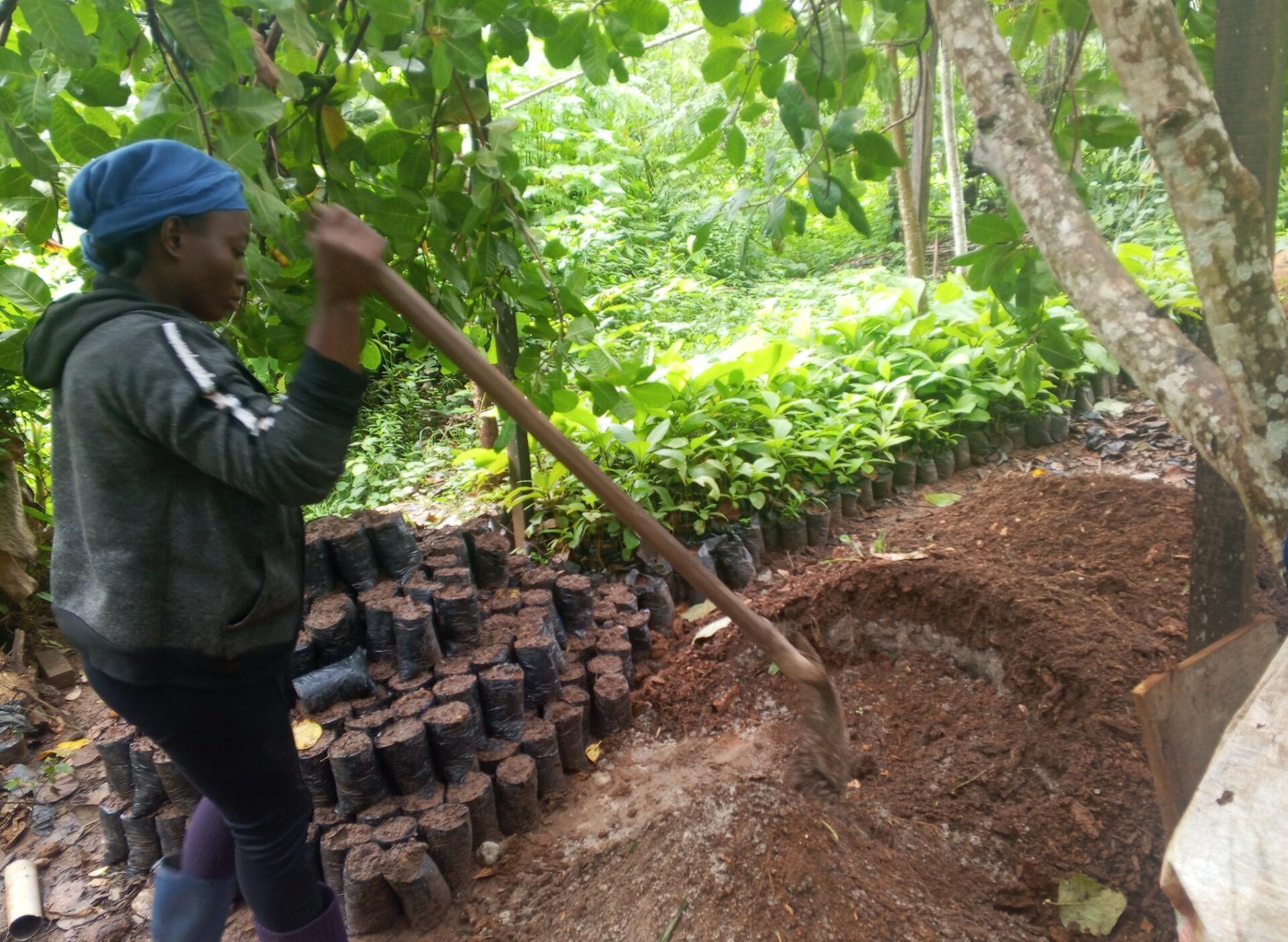
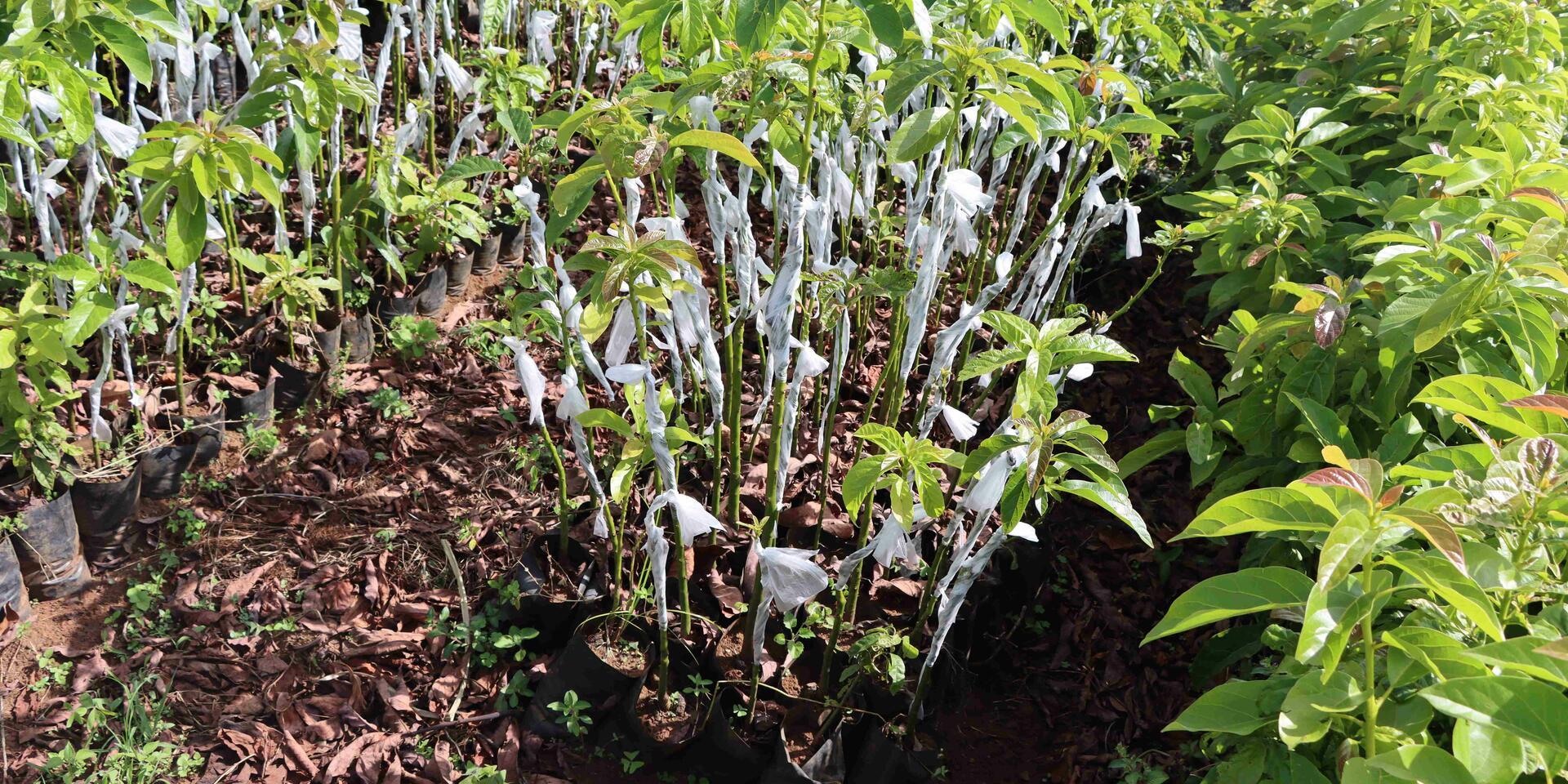
Entering the My Farm Trees ecosystem first means a transfer of skills. In Nanga-Eboko, Oumar learns how to mix seed lots from the same species while assigning them different QR codes; in Yaoundé, he improves his vegetative propagation techniques — “We managed to do air-layering on plum trees, which gives good yields” — and discovers dormancy-breaking protocols for species with unpredictable germination. Collectors receive a precise calendar for seed harvesting periods: no more unproductive or spoiled seeds.
At the same time, the association adopts the My Farm Trees Collector and My Farm Trees Nursery apps. In the field, teams scan QR codes and geolocate mother trees; back at the nursery, they sync data as soon as the connection allows, bypassing power outages by filling out paper forms. This hybrid system ensures data reliability and registers each seed bag into the platform’s database — a key element for transparency with the Alliance of Bioversity International and CIAT.
The effects are swift: production jumps from 4,000 to over 20,000 seedlings in a single season. “Just last year, we produced more than 20,000 seedlings,” Oumar proudly notes. The range of species expands: Siamese cassia (Cassia siamea), African plum (Dacryodes edulis), young avocado trees (Persea americana) propagated through air-layering, and even Allanblackia (Allanblackia floribunda), long avoided due to the lack of adapted germination techniques. Thanks to sustained demand from MyFarmTrees, the nursery now operates year-round, providing steady employment for several young nursery workers.
Governance follows suit: each micro-project (new germination beds, shade structures, irrigation pond) goes through an executive board vote before funds are released. Collection and germination records are meticulously archived, facilitating My Farm Trees audits. Les Experts du Cameroun have thus become a vital link in the certified seedling supply chain, proving that a rural association can rival commercial nurseries when expertise meets opportunity.
More than a nursery: A local economic engine and solidarity hub
The production boom is reflected in the accounts: over three million CFA francs in profit from the last season, according to Oumar. Part of this income is used to expand the nursery: additional seedling tables, a solar pump to secure irrigation during the dry season, and shade structures to protect young plants. Another portion supports economic diversification: the association is testing a food kiosk, selling local drinks and breakfasts to travelers on the national road, and has invested in four hectares of cocoa, plantain, and banana — all cultivated through agroforestry under the canopy of forest species.
The social dimension is also key. The association’s bylaws include a solidarity fund: in the event of family needs (wedding, illness, bereavement), financial support is provided from the profits. The eight women members hold key positions — treasurer, vice president, project manager — a symbol of inclusive governance. This redistribution strengthens the sense of belonging and cohesion around the nursery.
The impact extends beyond the 42 members. The seedlings provided contribute to the restoration of sacred forests in western Cameroon; cassia and plum trees are used as live fences on nearby farms, improving soil fertility and biodiversity. Each seedling registered in the app is traceable, offering donors proof that it is indeed growing in the field.
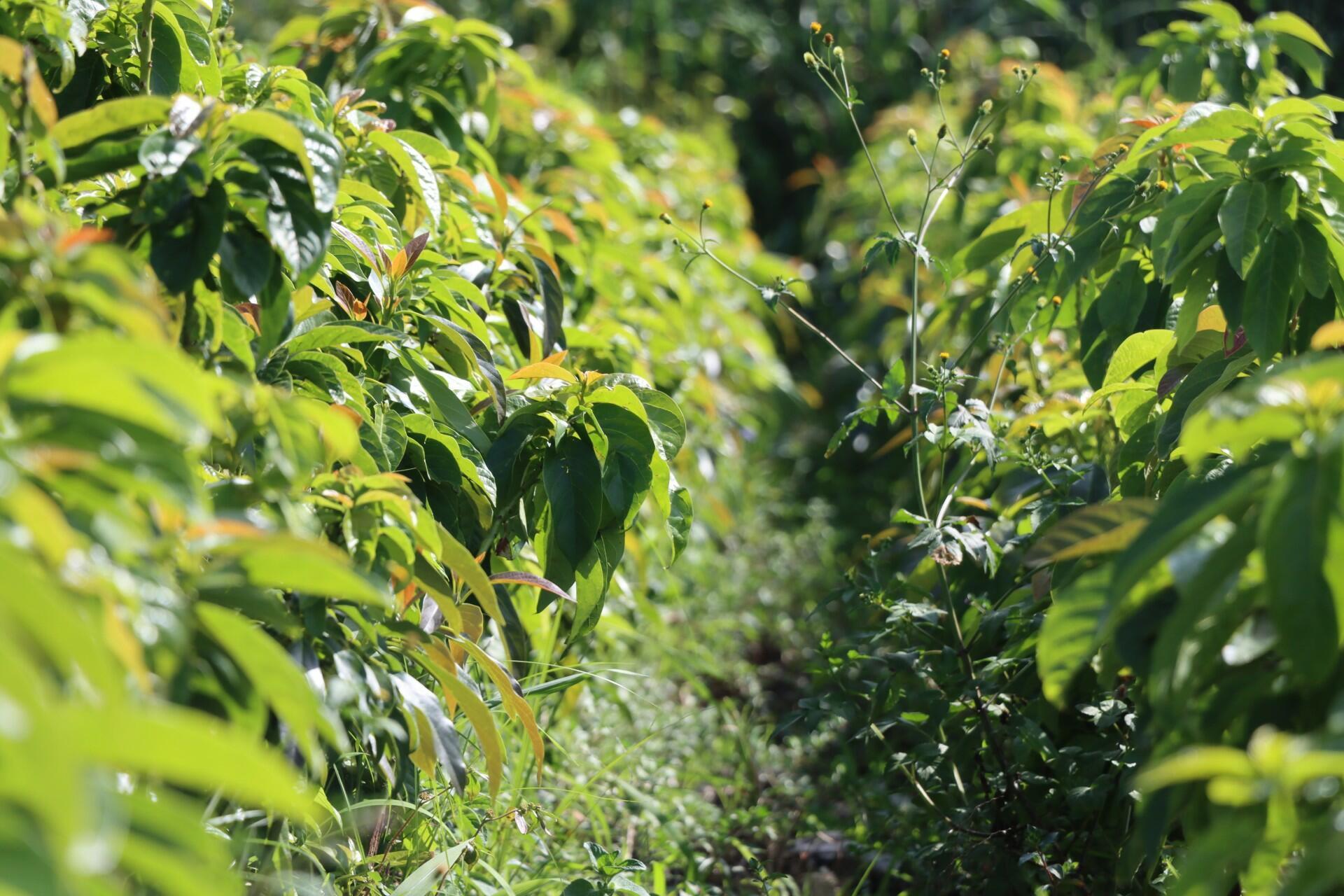
By promoting the tree + food crop combination, “Les Experts” demonstrate that landscape restoration can be profitable, reduce climate vulnerability, and create jobs. Oumar already sees a difference in his plots: “Where there are trees, the cocoa and plantain plants handle the heat better.” This observation is shared by neighbors, who now come for advice and young plants — creating a virtuous cycle of good practice diffusion.
Trees as life support: Oumar’s advocacy for scaling up My Farm Trees
“Trees are a source of oxygen, a biological lab,” Oumar often says during awareness campaigns. For him, three factors explain My Farm Trees’ success:
- Climate relevance: pairing crops with soil-enriching trees reduces drought effects and improves yields.
- Economic incentives: guaranteed buyers and payments based on seedling survival convince youth that restoration can become a viable profession.
- Ongoing training and intuitive digital tools: once learned, scanning a QR code or generating a lot becomes second nature—professionalizing the whole sector.
Challenges remain. Power outages and unstable mobile networks are common. The team adapts by using battery backups and field-ready paper forms. Land tenure is another issue; the association works with traditional authorities to secure reforested plots.
Oumar now advocates for broader deployment: “This project shouldn’t be limited to a few strategic zones—Cameroon’s 360 districts all need these tools.”
His message to young nursery operators is clear: “Don’t give up. The trees we’re planting in our fields are protecting us.” He already envisions next steps: expanding species, creating satellite nurseries run by women’s groups, and even accessing voluntary carbon markets to reward ecosystem services.
The story of Les Experts du Cameroun is more than the tale of a successful nursery—it’s proof that digital tools participatory science, and grassroots organization can transform local actors into champions of restoration. In Nanga-Eboko, each scanned QR code, each delivered seedling, and each preserved seed contributes to a resilient landscape—and offers an inspiring model for other African regions seeking tangible solutions to climate change.