From the Field How Kenyan farmers are shaping a resilient future
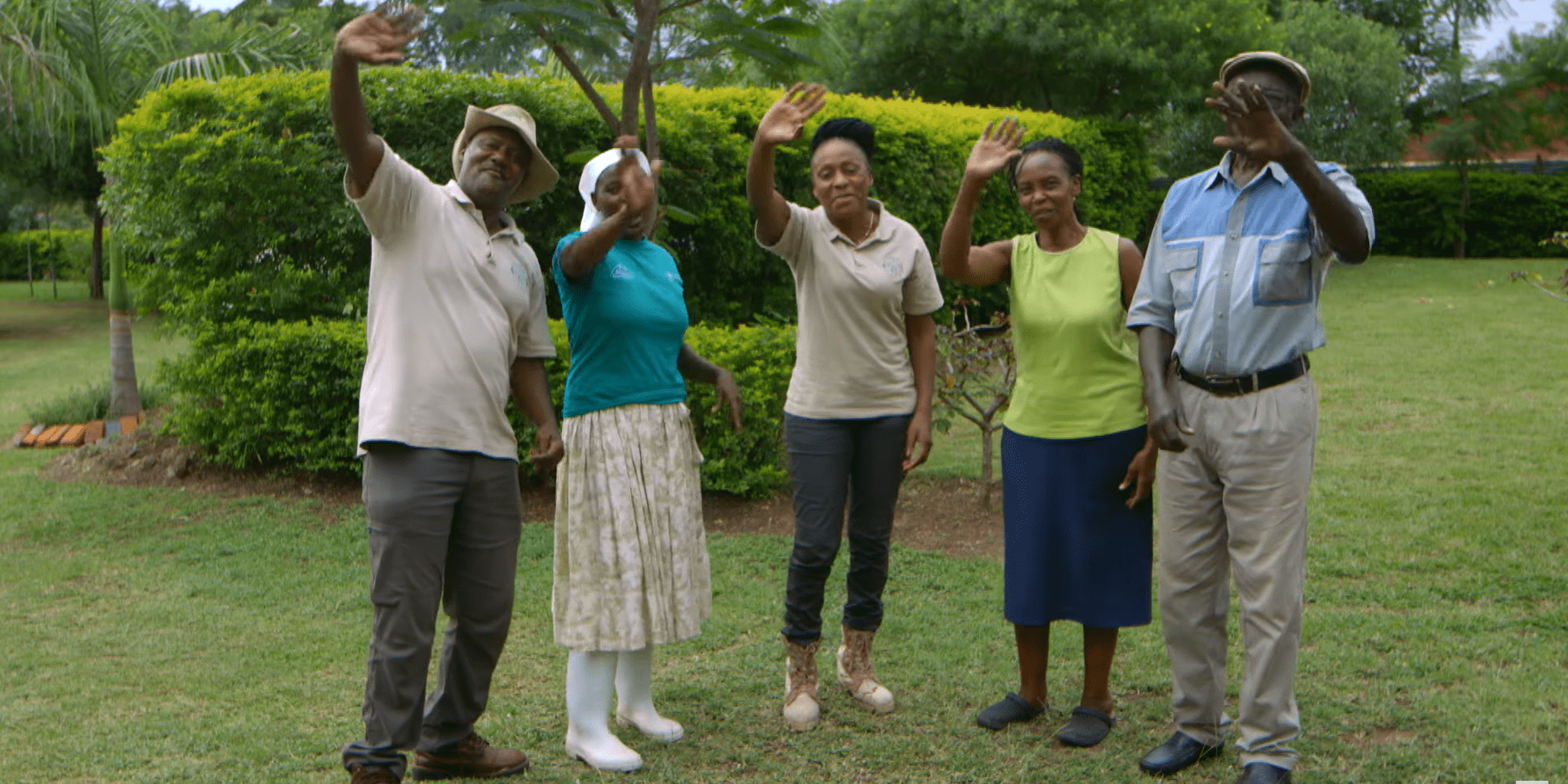

As featured on the popular Kenyan TV show Shamba Shape Up, this is the story of a group of farmers in Nyando, Kisumu County, are transforming fragmented farms into thriving hubs of innovation—and conserving the seeds of tomorrow.
A land once forgotten
For decades, the plains of Nyando told a story of hardship. The soil was exhausted, the rains unpredictable, and the land lay idle or left only for grazing for over 30 years. Farmers tried to grow maize, but floods stagnate on topsoil during the rainy season creating water logging, and in the dry months, the earth cracked under the sun. Families abandoned their land and impacted their livelihood.
But today, something remarkable is happening.
The power of coming together
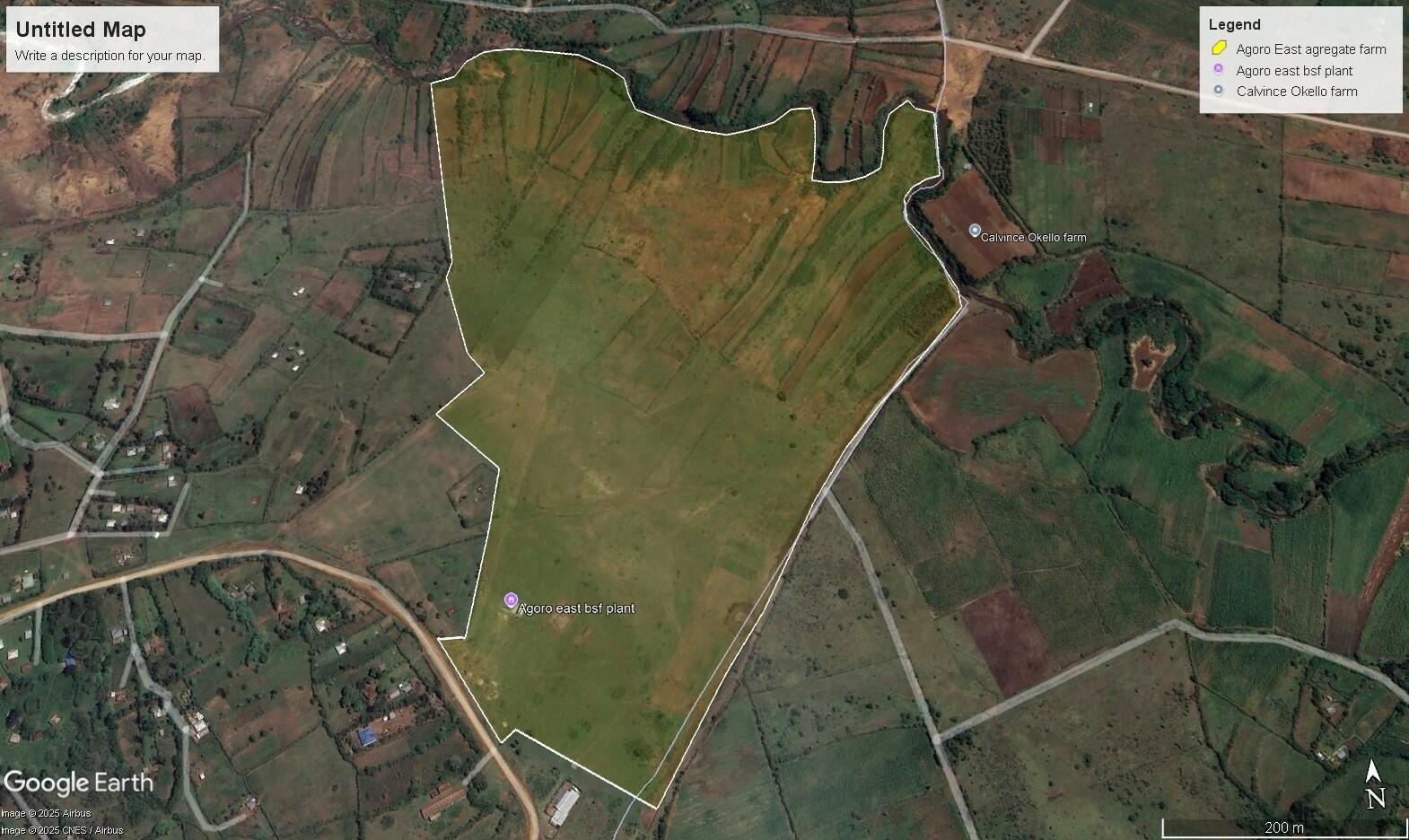
Satellite view of Agoro aggregated farm, Kenya. Source: Google Earth
In one of the aggregated farm, Agoro East, eighty-three farmers have joined forces to pioneer a bold idea: aggregated farming. Instead of working in isolation on tiny, unproductive plots, they have pooled their land (52 acres in total) and their knowledge to create a single, thriving farm.
With support from the Alliance of Bioversity International and CIAT, the community has turned degraded land into a center of excellence for nature-positive agriculture. The farm is a living example of agroecology in action, where diversity and circularity drive resilience.
Finger millet, sorghum, beans, root crops, and vegetables now grow side by side. Fishponds shimmer under the sun, , and livestock graze on fodder that doubles as organic fertilizer. Even insects play a role: a Black Soldier Fly unit produces larvae for poultry and fish feed, while their frass enriches the soil. Nothing goes to waste—every output becomes an input in a circular economy that sustains itself.
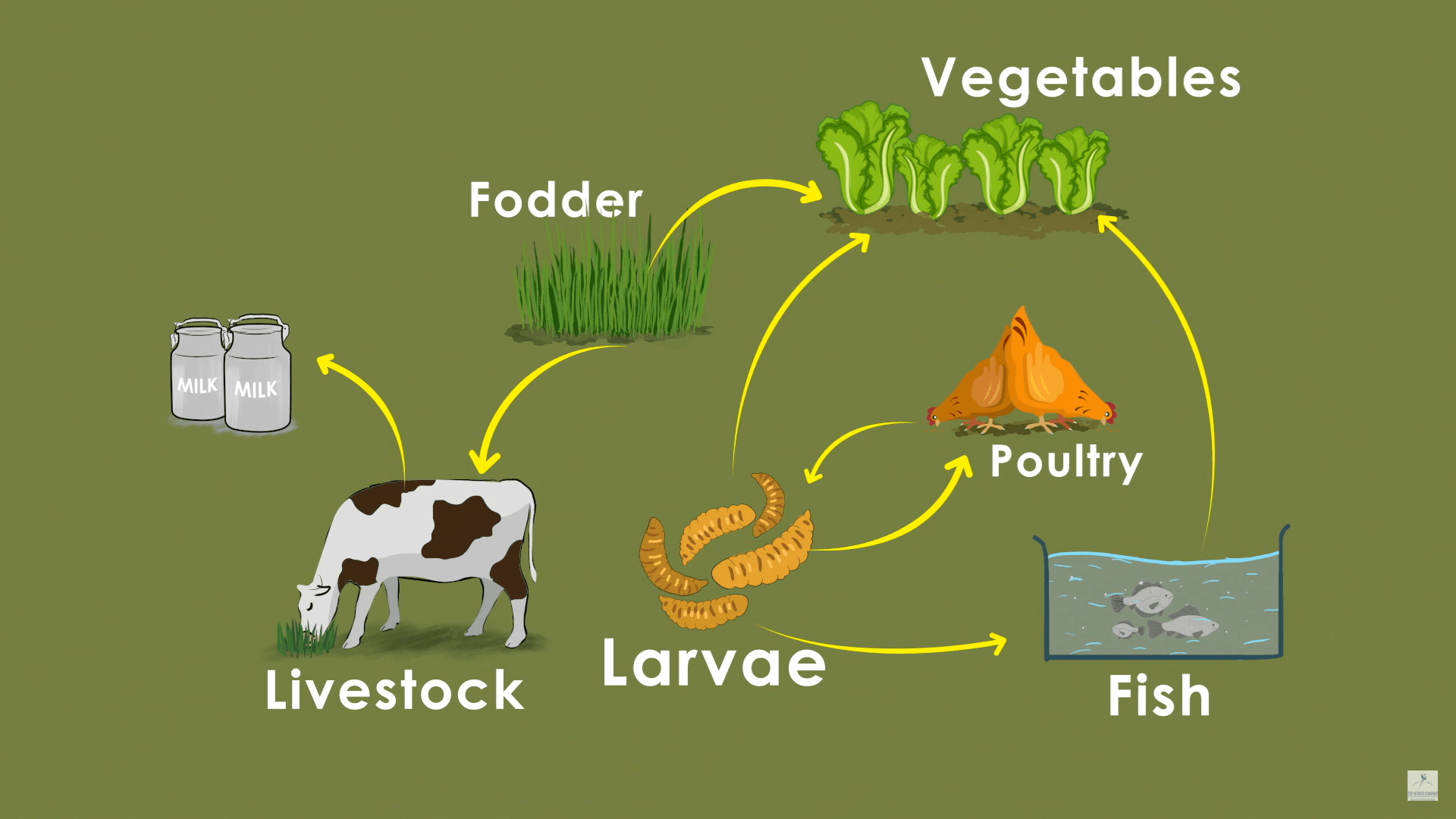
Example of the circular economy model of the Aggregated Farm.
Source: Shamba Shape Up screenshot.
Farmers have organized themselves into cooperatives to collectively manage and market their produce. The cooperative brings together 108 farmers, including some who are not formal members of the aggregated farms but still benefit from its infrastructure. Through the cooperative, they aggregate produce for collective marketing, access credit facilities, and receive extension services.
Seeds of hope: Conserving biodiversity for generations
Behind this transformation lies a simple truth: it all begins with a seed. And in Nyando, resilience starts with preserving diversity. That’s where the Kabudi Agoro Community Seedbank comes in: a woman owned and led community seedbank, and a place where tradition meets innovation, and where the future of food security is safeguarded, one seed at a time.
"Before the seedbank, I would travel far, even to riverbanks, just to find the right maize variety," recalls Njeri Ouma, farmer from Nyando. "Today, I get everything here."
The seedbank operates like a financial institution, but instead of money, it stores life. Farmers borrow seeds and return them with interest: one kilo of beans borrowed, two kilos returned. This ensures sustainability and keeps indigenous varieties alive.
Eight years ago, drought, pests, and lack of access to quality seeds left farmers vulnerable. Long-season varieties no longer matched the changing climate. So, the community, with partners’ support, sourced seeds from national gene banks in Kenya, Uganda, and Tanzania. Through participatory trials, farmers selected varieties best suited to their soils and climate.
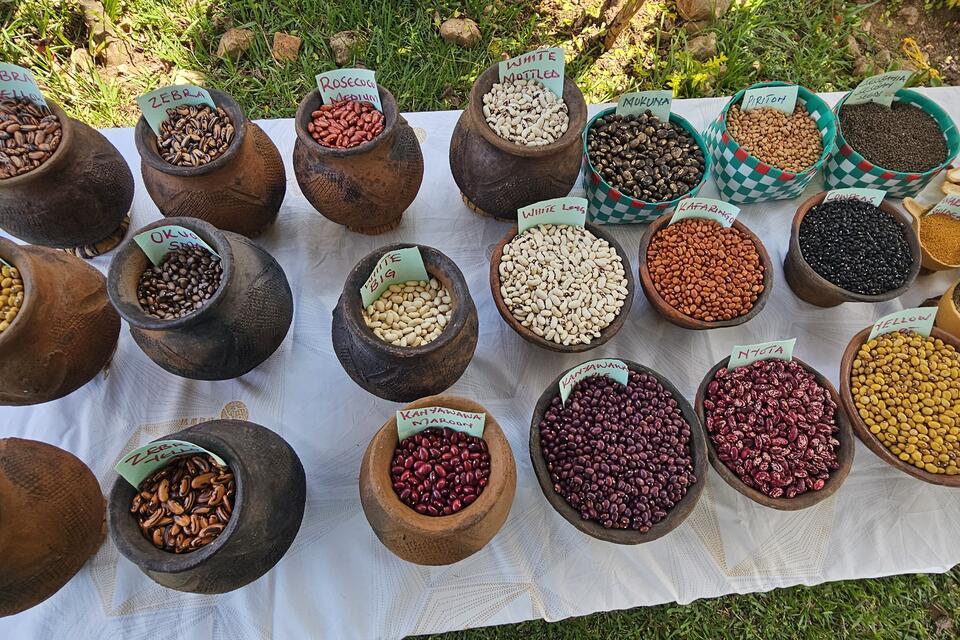
Today, the seedbank holds a treasure trove:
- 69 varieties of beans
- 18 varieties of sorghum
- 8 varieties of maize
- 15 African leafy vegetables
- 7 varieties of finger millet
- 5 varieties of groundnuts
- and tree seeds
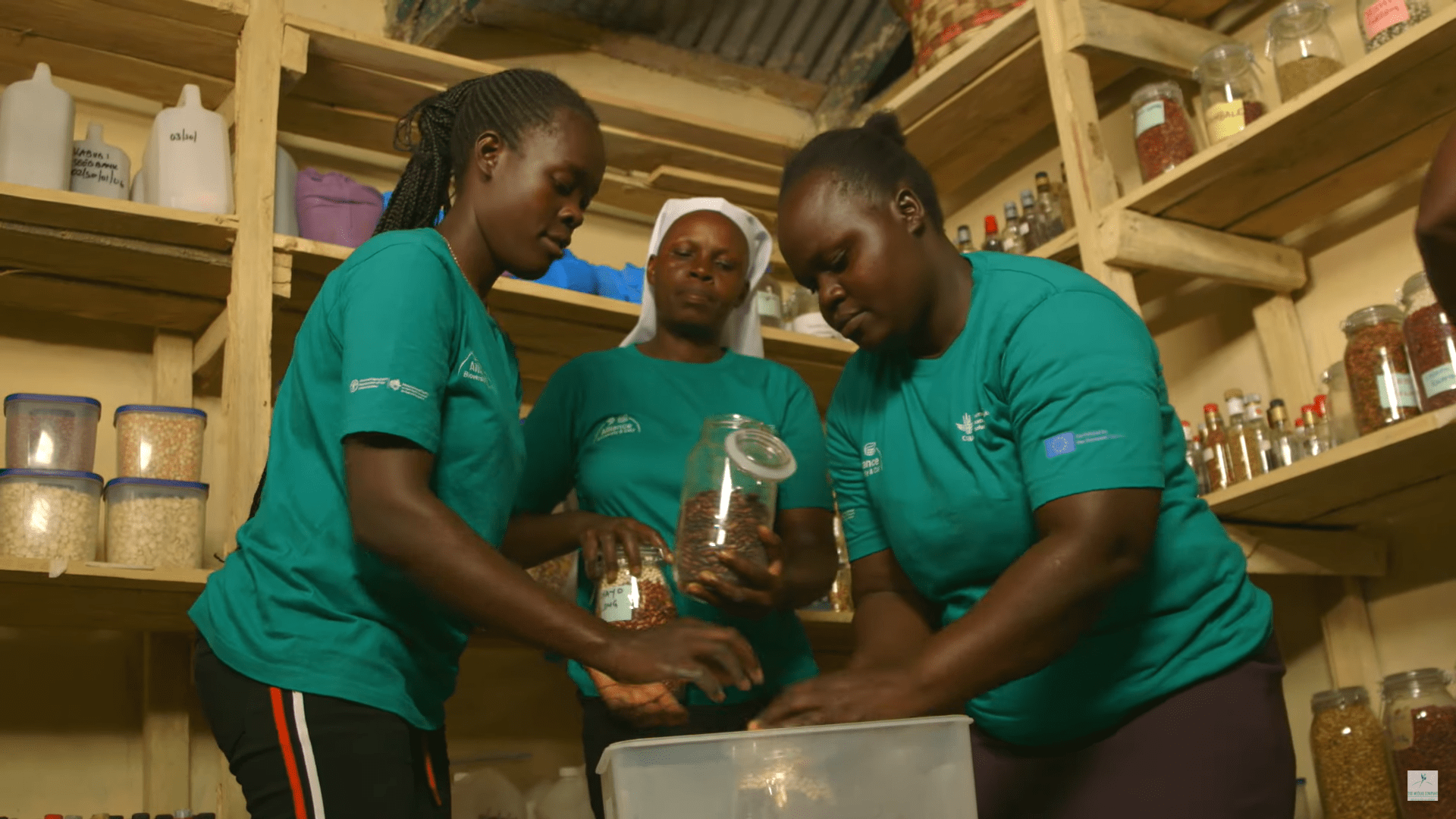
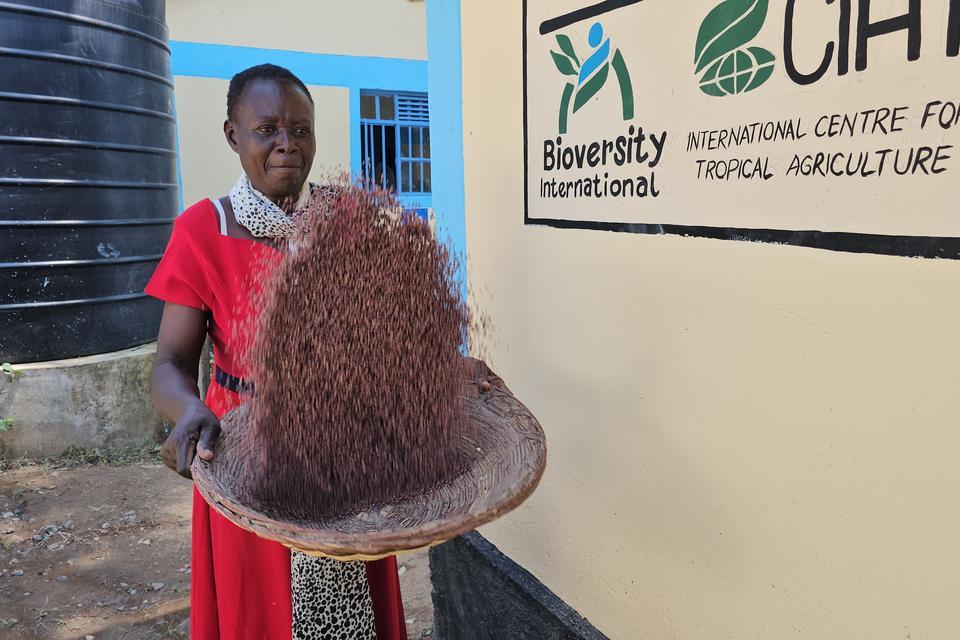
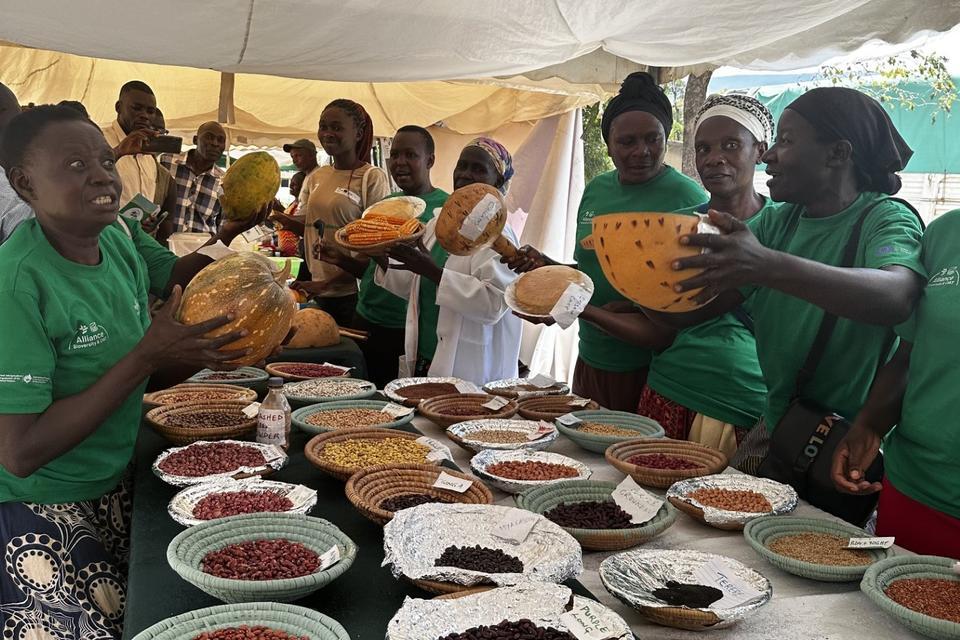
Farmers are managers and custodians of their own community seedbanks. Source: Shamba Shape Up.
Custodian farmers safeguard varieties in their own fields, creating a living backup system. For extra security, duplicates are stored at the national genebank—the Genetic Resources Research Institute of Kenya Agricultural Livestock and Research Organization (GeRRI–KALRO).
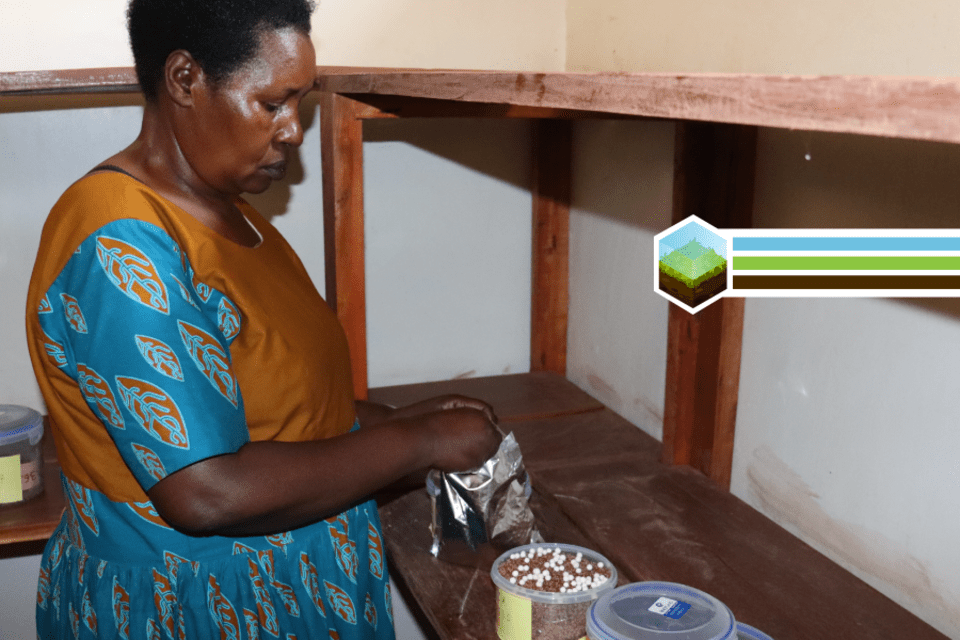
And the seedbank is not just about storage: it’s about conservation through use. Seeds are transformed into value-added products: composite flours for babies and adults, and dried vegetables that extend nutrition beyond the harvest season. Traditional preservation methods, like mixing seeds with ash or chili powder, blend with modern techniques like moisture meters and zeolite beads to keep seeds viable for years.
"If you’re not using it, you can’t conserve it." Dr. Gloria Otieno, Alliance Scientist
And that principle is shaping a future where farmers don’t just survive: they thrive, with seeds that are adapted, diverse, and deeply rooted in their heritage.
A model for the future
This integrated approach, aggregated farming powered by community seedbanks, is more than a local success story. It’s a blueprint for food security, climate resilience, and sustainable livelihoods across Africa. Moreover, the aggregated farms promises to be a center of excellence for nature positive and agroecology practices in the region.
Watch the whole episode
Aggregated Farms and Community seed banks are implemented in Kenya by the CGIAR Initiative on Nature-Positive Solutions, and the Alliance of Bioversity International and CIAT, with the support of Kenya Agricultural and Livestock Research Organization (KARLO), the International Water Management Institute (IWMI), and the International Center for Agricultural Research in the Dry Areas (ICARDA)
The Team
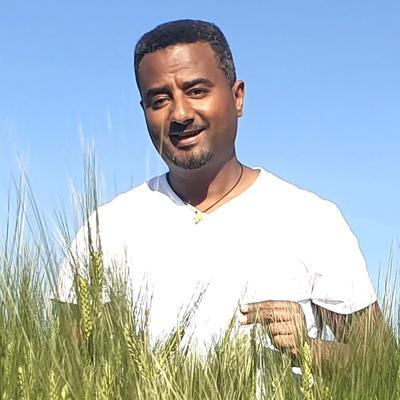
Yosef Gebrehawaryat Kidane
Senior Scientist - Biodiversity for food and agriculture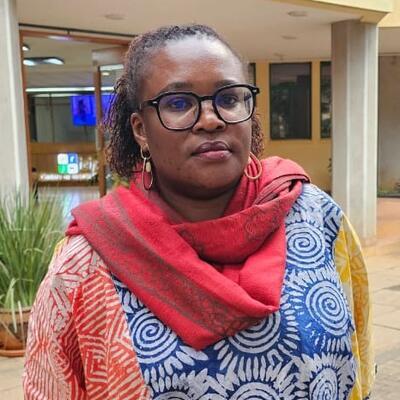
Gloria Otieno
Scientist II
José Luis Urrea-Benítez
Communications SpecialistFurther reading