From the Field Strengthening climate-resilient food systems through co-learning and innovation: A stakeholder visit to aggregated farms and community seed banks in Kisumu County, Kenya
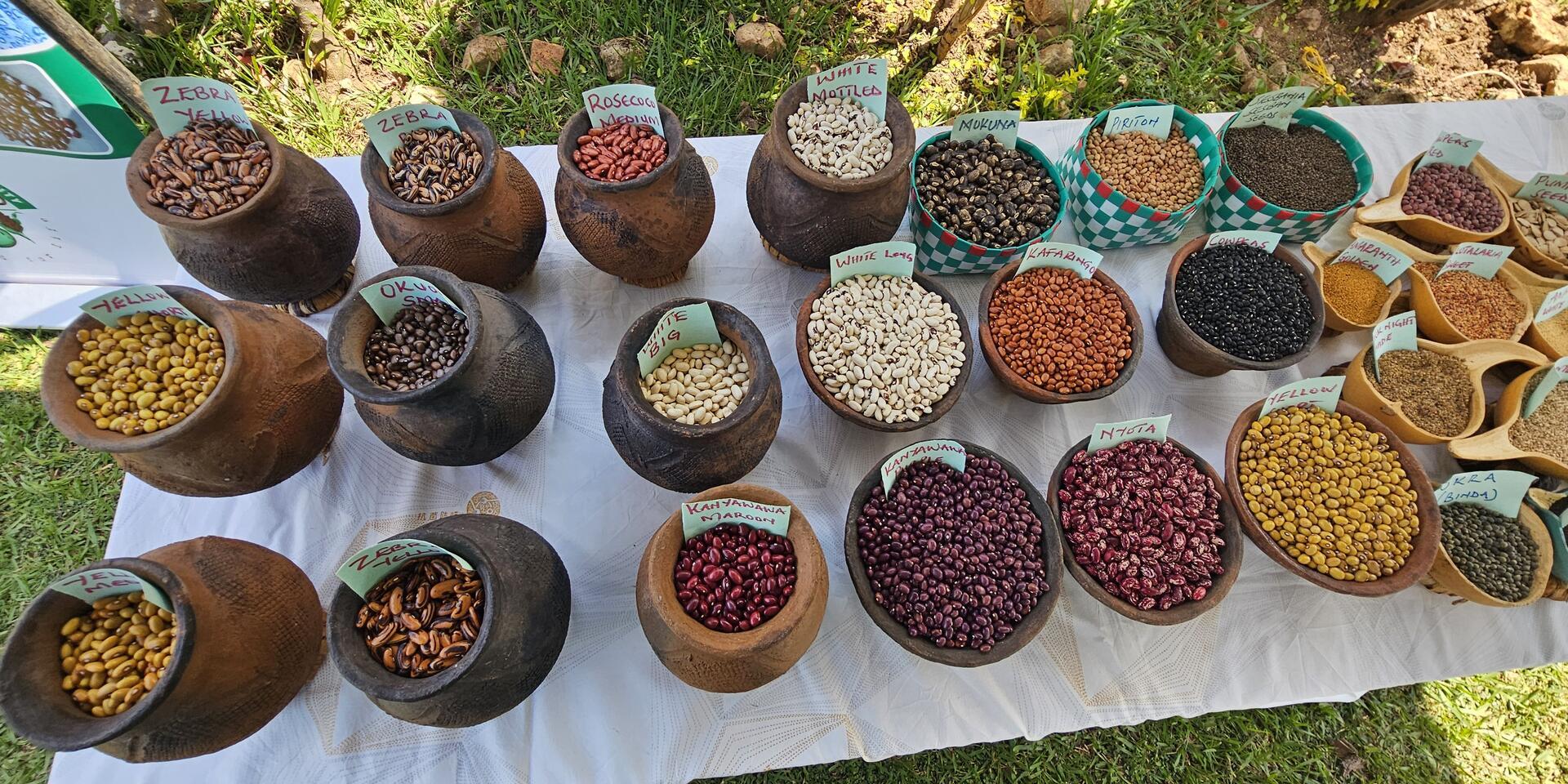

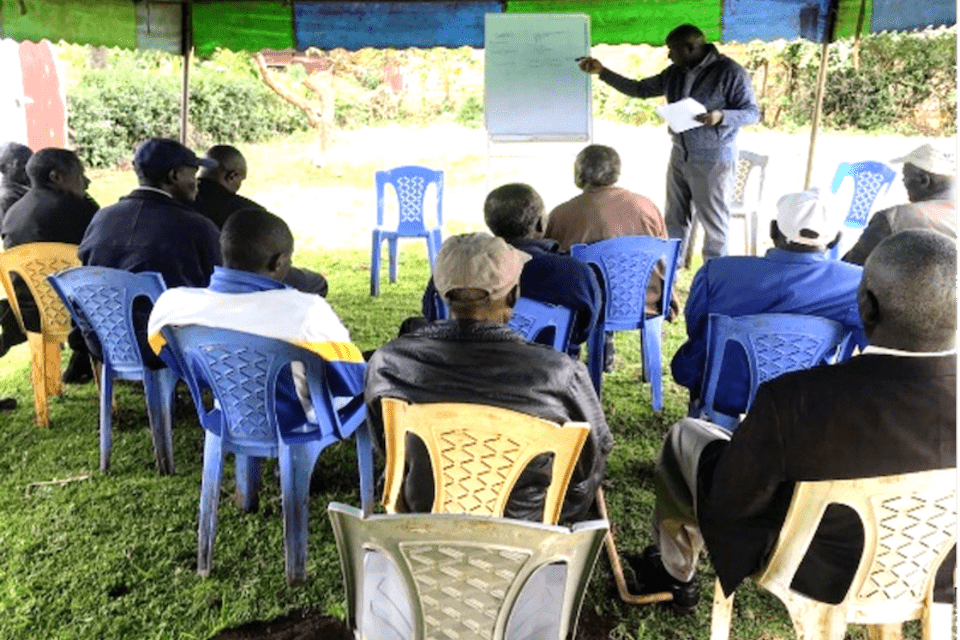
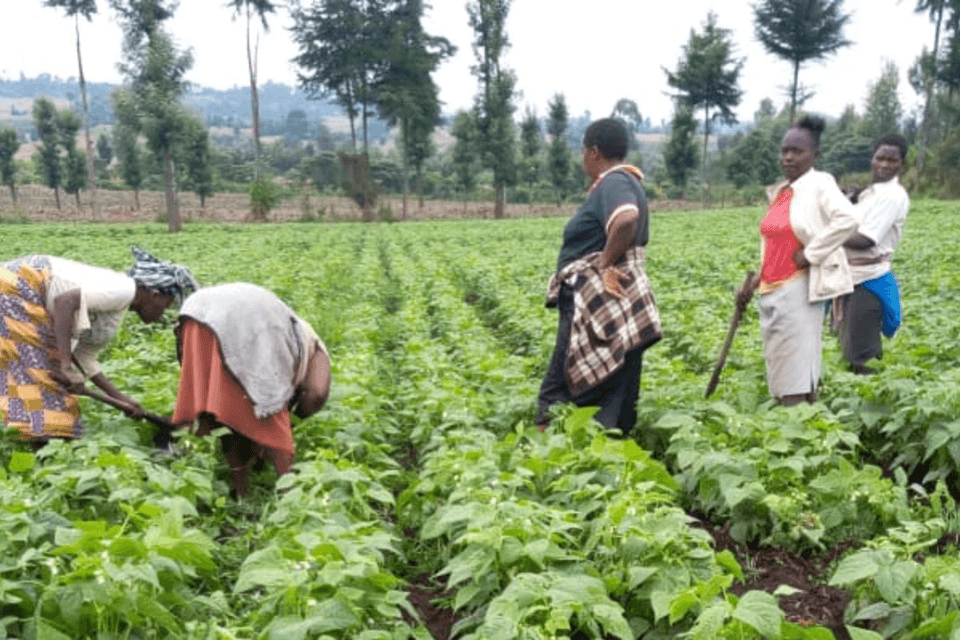
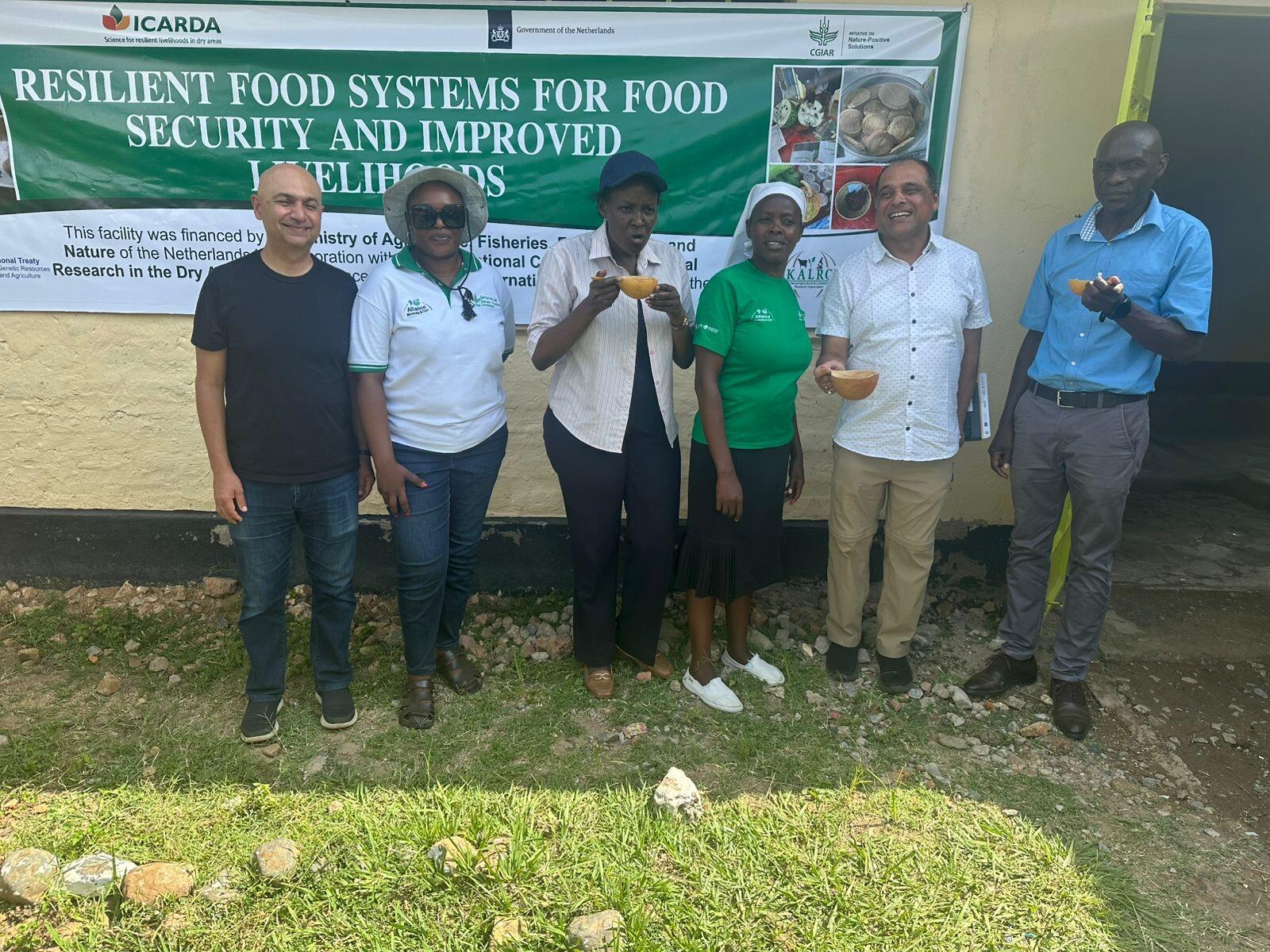
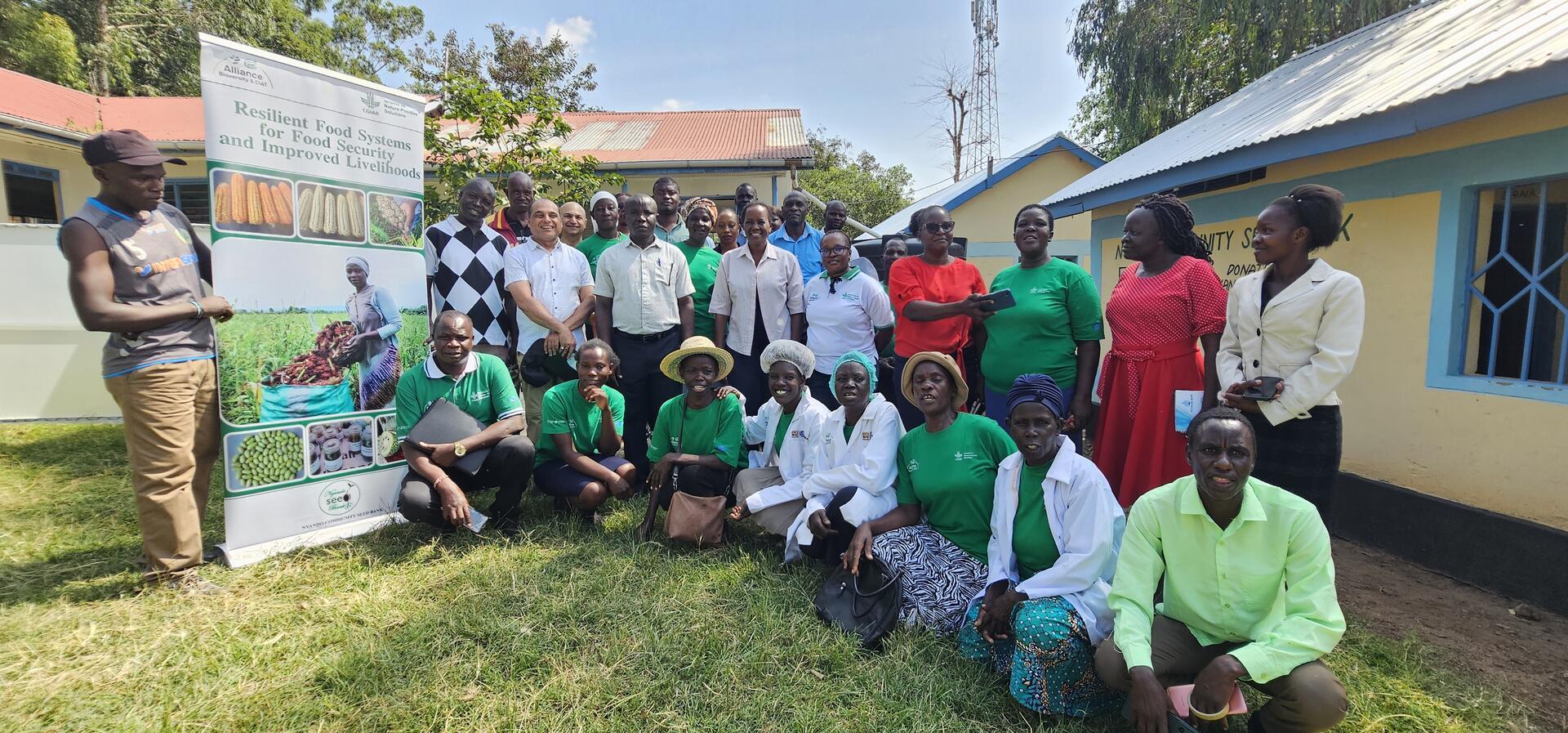
In June 2025, a multi-stakeholder field visit was conducted to assess and enhance the role of aggregated farms and community seed banks in promoting climate-resilient agriculture in Kisumu County, Kenya. The visit, organized under the Biodiversity for Resilient Ecosystems in Agricultural Landscapes (B-REAL) project, was led by the Alliance of Bioversity International and CIAT in collaboration with Kisumu County Government and representatives from the Coady Institute, Canada. The delegation visited the Agoro East and Jimo East Aggregated Farms and the Nyando and Kabudi Agoro Community seedbanks.
This engagement served as a co-learning platform to evaluate locally embedded models of climate adaptation, biodiversity conservation, and sustainable livelihoods, while exploring mechanisms to scale them through institutional and policy support.
Advancing subnational climate action through institutional partnerships
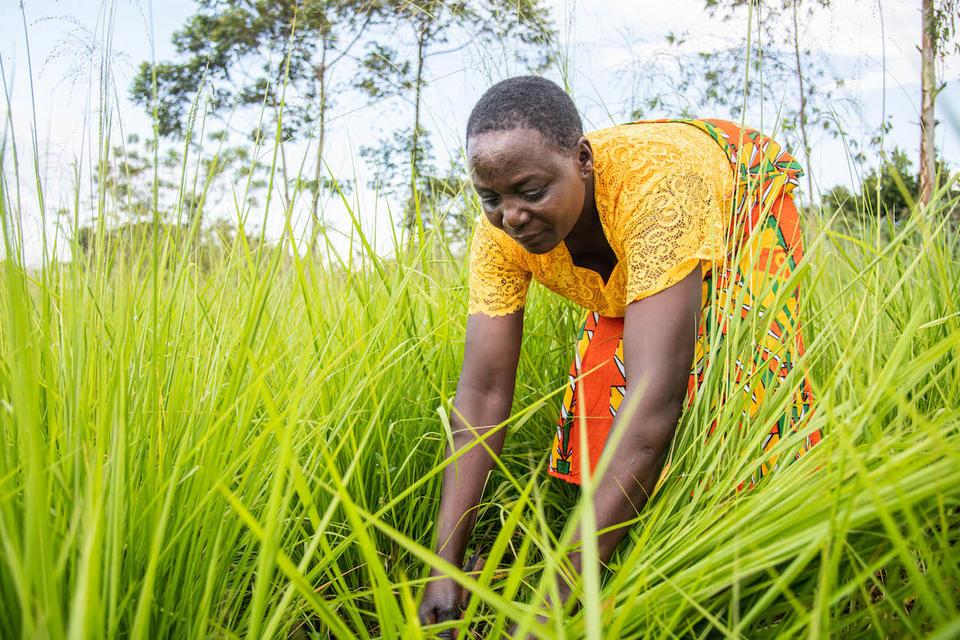
The Kisumu County Government, represented by the County Executive Committee Member (CECM) for Water, Environment, Natural resources and Climate Change, Ms. Judith Oluoch, emphasized the county’s commitment to fostering inclusive and innovative approaches to climate-resilient agriculture. A particular focus was placed on the role of women in climate adaptation and household food security, reinforcing gender-responsive policy priorities.
The CECM recognized the importance of community-based agricultural innovations facilitated by The Alliance, emphasizing their potential to serve as demonstration hubs for knowledge exchange and replication across Kisumu County and neighboring regions.
The initiative has fostered cross-sectoral collaboration, engaging multiple county departments including Agriculture, Fisheries, Livestock Development, and Irrigation; Lands, Physical Planning, Housing and Urban Development; Water, Environment, Natural Resources and Climate Change; Trade and Cooperatives Development; Education, Technical Training and Innovation Services; and Gender, Youth and Social Services—reflecting a holistic, multi-departmental approach to sustainable food systems development.
Integrating global perspectives into local innovation ecosystems
Delegates from the Coady Institute provided insights into global community-led models of resilience-building, emphasizing the importance of context-specific adaptation and south-south learning exchanges. The representatives identified strong alignment between the locally driven initiatives in Kisumu and international best practices in climate-resilient farming, particularly those emphasizing farmer agency, participatory research, and cooperative and social enterprise models.
The visit highlighted the importance of mutual knowledge exchange, where global expertise is informed by local innovation, thereby fostering equitable and adaptive learning networks.
Farms and seed banks as knowledge and innovation hubs
The aggregated farms and community seed banks were recognized not only as production units but also as critical nodes for farmer training, agrobiodiversity conservation, and experiential learning. Participants proposed strengthening partnerships with Technical and Vocational Education and Training (TVET) institutions to formalize these learning pathways, particularly targeting youth and women.
The initiative builds on the co-creation model championed by the B-REAL project and previously implemented through the CGIAR’s Nature-Positive Solutions Initiative. This approach centers farmer leadership, participatory decision-making, and integrated ecosystem management.
Strategic partnerships for food security, peace, and resilience
Dr. Gloria Otieno, Genetic Resources and Food Security Policy Specialist at the Alliance, reiterated the strategic importance of aligning community-level actions with regional and global food systems transformation goals. She underscored that the initiative addresses not only food and nutrition security, but also the broader dimensions of social cohesion and peacebuilding in the face of climate stressors.
Community leaders expressed optimism regarding the long-term economic and ecological outcomes of the initiative. According to Philip Atieno, Chairperson of the Agoro East Aggregated Farm, the project is contributing to transformative change and presents opportunities for scaling through collaborative investment and knowledge partnerships.
Coordinated multi-stakeholder engagement
The visit underscored the importance of coordinated multi-stakeholder engagement in developing climate-resilient, inclusive, and sustainable agri-food systems. By leveraging aggregated farms and community seed banks as platforms for innovation and capacity building, the B-REAL project exemplifies a holistic approach to rural transformation rooted in biodiversity, equity, and locally adapted knowledge.
Community members expressed optimism that the initiative would not only transform their land, but also economic status. “We are gradually witnessing transformation of this place and we are patiently envisioning the future when we will realize economic empowerment through this initiative,” said Philip Atieno, Chairperson, Agoro East Aggregated Farm.
He called on more partners to come on board saying the communities were not only open to partnership, but also knowledge exchange for transformative agriculture and food systems.
Pap Kadundo gears up for nature-positive agriculture in Kisumu
Early July, a delegation from the County Government of Kisumu, led by the CECM for Water, Environment, Climate Change, and Natural Resources, joined scientists from the Alliance, headed by Dr. Gloria and accompanied by Mr. Willis Atie, in a visit to the Pap Kadundo facility in Seme Sub-County. Initially established as a Biotechnology and Innovation Centre, the facility is currently managed by the Awach River Central Water Resource Users Association, comprising 69 members engaged in tree seedling production for riverbank rehabilitation and catchment protection. The visit aimed to explore ways of transforming the facility into a hub for nature-positive innovations, including the establishment of a community seed bank and various agribusiness ventures.
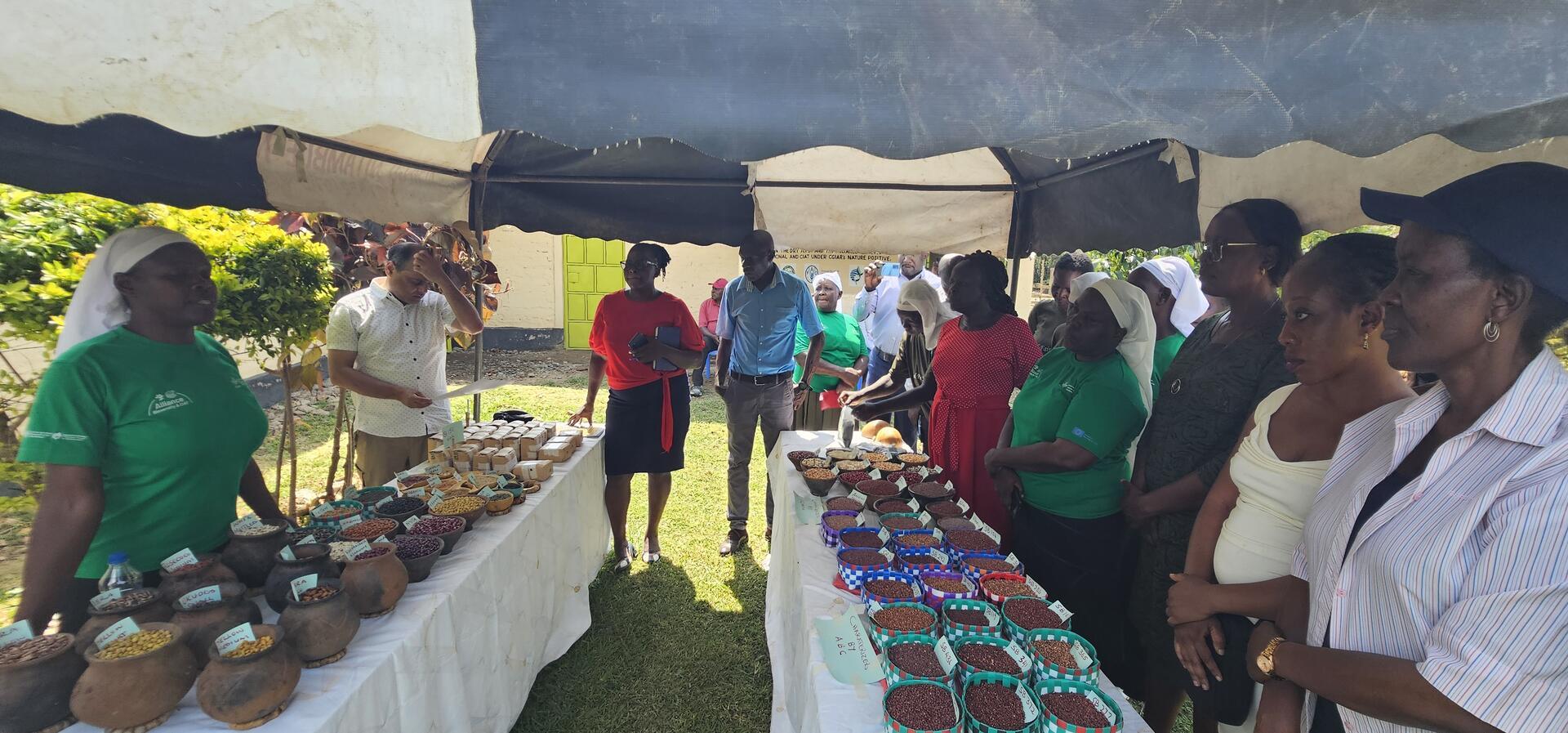
The County Government expressed interest in collaborating with the Alliance to repurpose existing infrastructure at the facility into a new community seedbank. Other plans include for participatory evaluation of indigenous crop varieties and promotion of agroforestry through community tree nurseries, particularly targeting women and youth. Community leaders were urged to increase women's participation in seedbanking and nursery management while ensuring that the facility remains clean and vibrant.
Key focus areas of the project include identifying suitable areas for implementing nature-positive techniques and strategizing around the gaps observed during the visit. Preparations are underway to align activities with the anticipated October–December (OND) rainfall season, especially by promoting drought-tolerant, high-value crops such as sorghum and millets. Plans are also in place for land preparation, renovation of existing structures, fence reinforcement, and riverbank protection to enhance sustainability and resilience of the local ecosystem.