From the Field Developing regenerative agriculture pathways for cassava in Vietnam
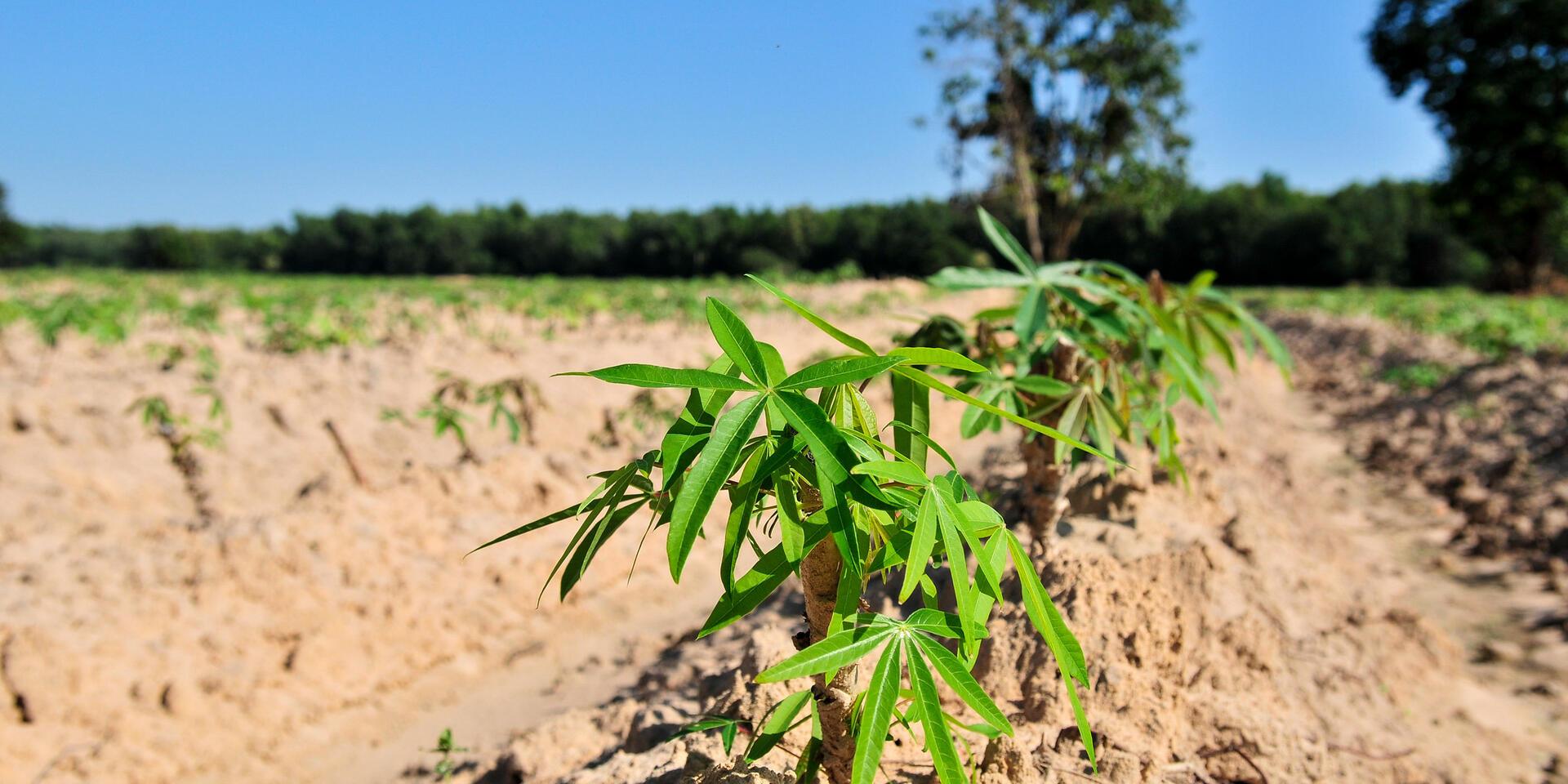

In the uplands of Vietnam, fields of cassava stretch toward the horizon. They are part of a farming tradition that feeds millions and powers one of the country's most important export industries. Yet, these landscapes are also on the frontline of environmental change. Rain falls harder and less predictably. Soils lose their richness. Biodiversity thins. Farmers work the same land their parents once tended, but under conditions that are more fragile and uncertain.
This is where regenerative agriculture offers hope. It is not simply a set of farming techniques, but a way of rebuilding the land’s ability to nourish and protect itself. It is about giving soil back its structure, restoring the invisible life beneath the surface, and creating farms that can thrive in an unpredictable climate.
Alliance- Led Innovation for Sustainable Cassava Systems
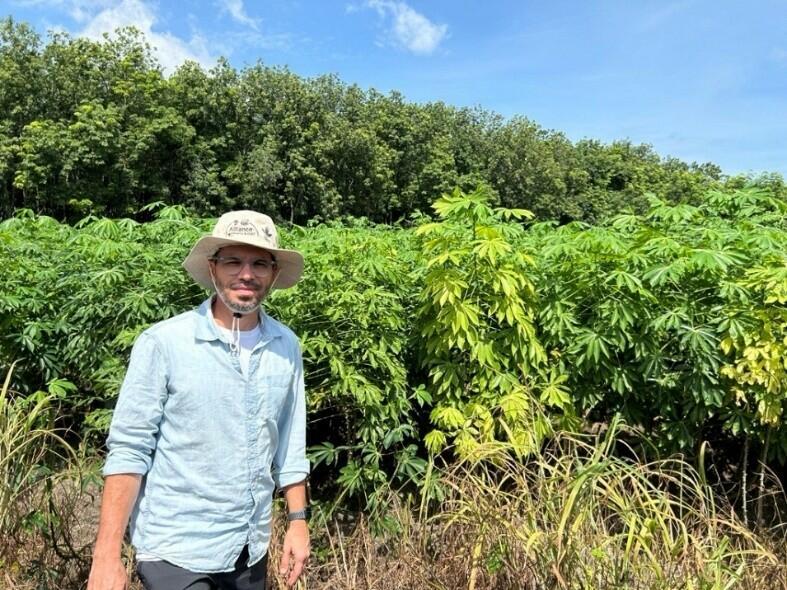
At the Alliance of Bioversity and CIAT, scientists, agronomists and policy specialists are coming together with a shared goal: to reimagine how cassava is grown in Vietnam. Their work is part of the Vietnam Cassava Project, an ambitious initiative that blends regenerative practices with digital monitoring tools, climate adaptation strategies, and carbon accounting.
“The goal is broader than increasing yields or reducing emissions. It involves rethinking agriculture’s role in addressing the climate crisis, positioning it as part of the solution” says Dr. Ciniro Costa Jr., scientist at the Alliance Bioversity and CIAT.
Soil as a climate solution
Healthy soil is at the heart of regenerative agriculture. It is built through simple yet powerful practices: composting to return nutrients, intercropping to add diversity, cover crops to shield and feed the ground, and reduced tillage to preserve the carbon and microbial life stored within.
In a cassava field, a layer of cover crops can protect the soil from heavy seasonal rains, keeping water where it is needed instead of allowing it to wash away. Rows of intercrops can help reduce pests while restoring nutrients to the soil. Composting can return valuable nutrients from harvest back into the ground. Together, these methods create healthy, living soil that can store carbon for many years.
The Rodale Institute estimates that if regenerative agriculture were adopted worldwide, it could store more carbon each year that the world currently emits. For farmers in Vietnam, this means their land could be both a source of income and a climate solution.
VietNam Cassava Project: a blueprint for sustainable agriculture
The VietNam Cassava Project, funded by the Japan International Cooperation Agency, is taking these ideas from theory to practice. It combines regenerative farming with digital technologies that monitor climate impacts and track soil health. It also explores the potential of carbon markets, where farmers who store more carbon in their fields could earn additional income.
Why cassava matters in Vietnam
Cassava is more than a crop. It is a cornerstone of rural livelihoods and a driver of the national economy. Vietnam is the second largest exporter in the world, shipping over 2.4 million tons in 2023.
But cassava is grown mainly in upland areas where soils are easily eroded and nutrients quickly depleted. These conditions present challenges but also offer a valuable opportunity to test regenerative methods that protect the land while maintaining strong yields.
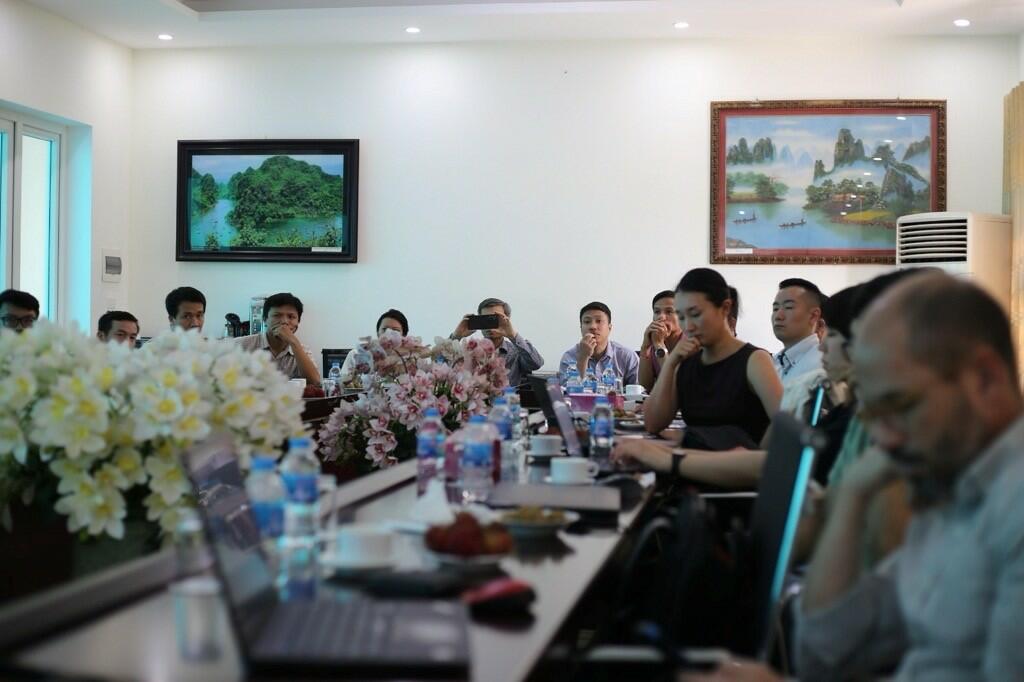
“Vietnam’s cassava sector faces urgent challenges, but it also holds great potential. Regenerative practices can unlock both resilience and opportunity in these landscapes” says Dr. Ciniro Costa Jr.
Alliance expertise driving implementation
A team from the multifunctional landscapes research area at the Alliance is actively supporting the implementation of the project. Their work combines research with collaboration at the community level to promote the adoption of practices. The team examines how regenerative farming affects carbon dynamics, while also implementing MRV systems for emissions and carbon sequestration and evaluating the feasibility of connecting these efforts to carbon markets. In parallel, they explore incentive systems that could support the wider adoption of these practices by farmers.
Government engagement for agricultural transformation
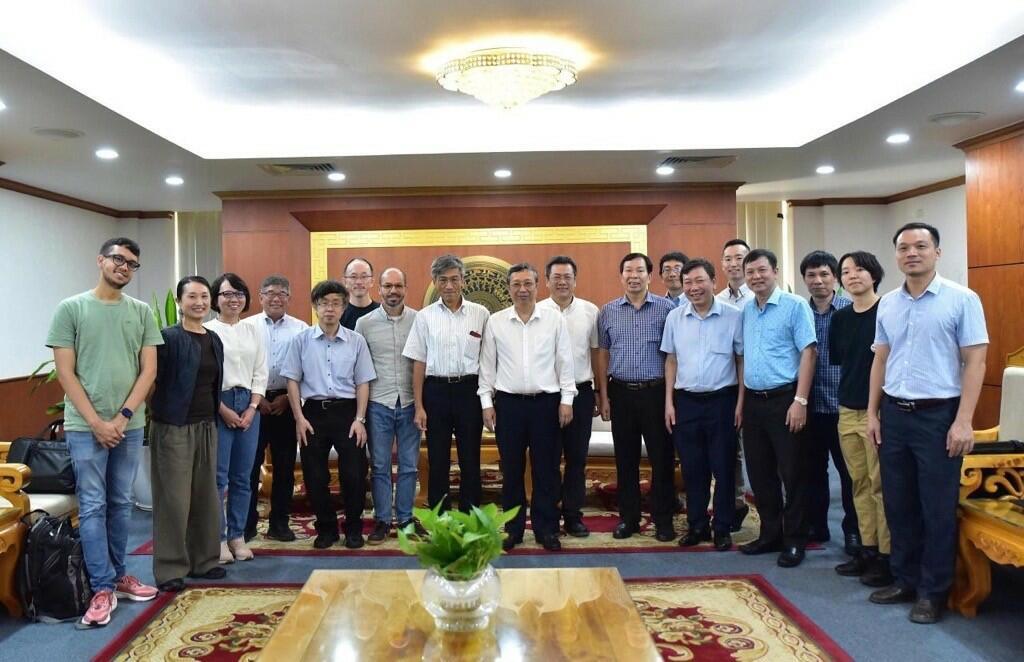
The project officially launched with a visit to Vietnam’s Ministry of Agriculture and Rural Development. The team met with Deputy Minister Mr. Hoan Trung, marking the start of a multi-actor collaboration to strengthen cassava resilience. With over two million tons produced annually, cassava is a national priority with important implications for food security and export.
During the meeting discussions centered on increasing productivity while preserving natural resources and unlocking the carbon potential of improved practices.
“What we see in Vietnam is a government committed to transformation. Cassava can be a flagship crop for showing how climate-smart agriculture works in practice” says Dr. Ciniro Costa Jr.
Local action supporting global climate goal
This initiative contributes to both national and global climate goals. It supports land management, carbon reduction and the improvement of farmer livelihoods in a sector under pressure. For the Alliance, this work reflects a long-standing commitment to co-developing sustainable food systems with local partners.
“At the Alliance, we are committed to turning evidence into action. This project reflects how partnerships can drive meaningful transformation in cassava systems” says Dr. Ciniro Costa Jr.

Ciniro Costa Junior
ScientistThis note was developed as part of the CGIAR Science Programs: Climate Action.