Neglected and Underutilized No More
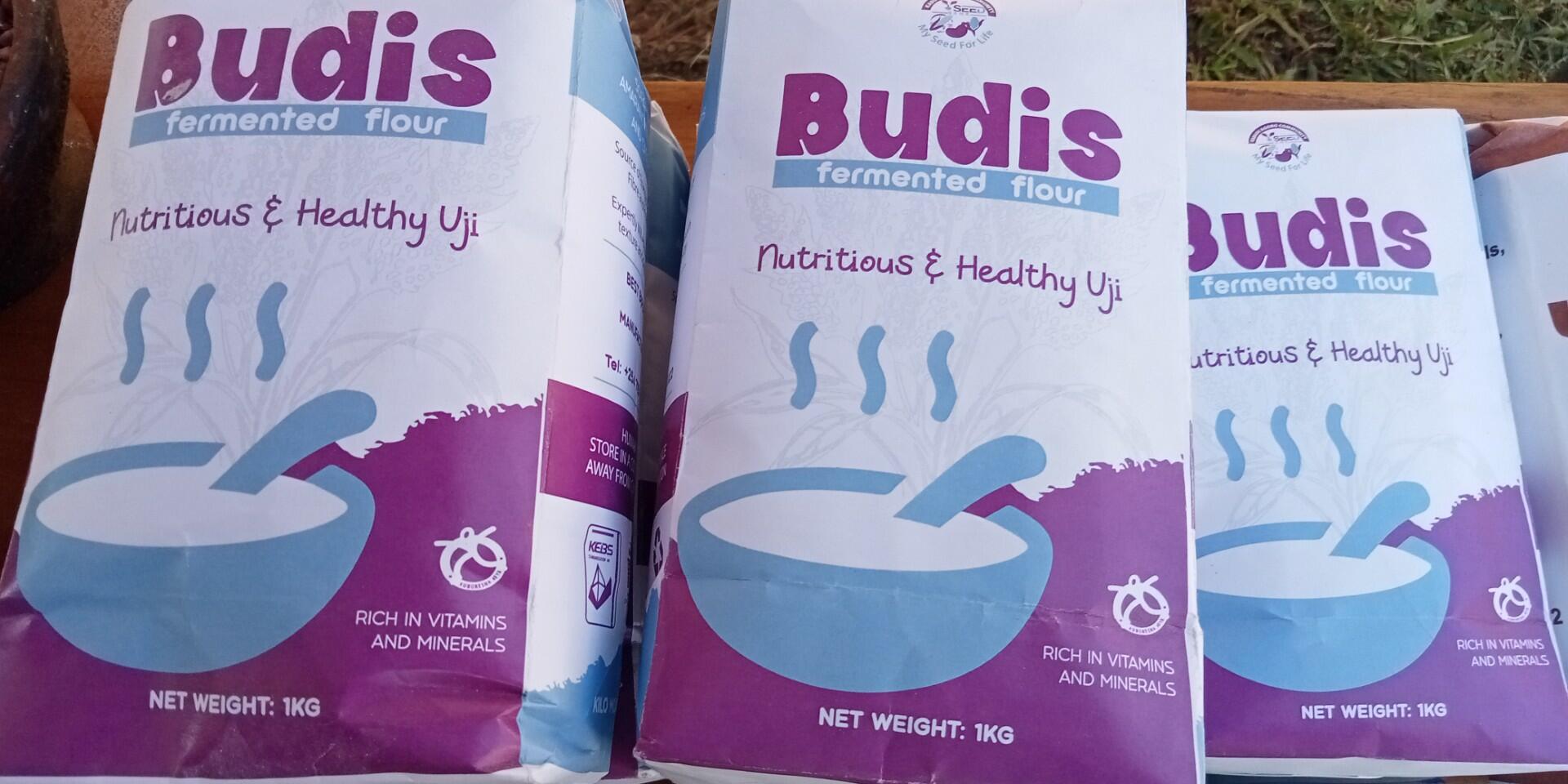
Four country teams in Kenya, Zambia, Uganda and Zimbabwe advanced the value chain development of locally prioritized neglected and underutilized species. As a result, community seed bank farmers who manage these crops improved their production, nutrition and income.
Project Name (full): Development of value chains for priority neglected and underutilized species in Kenya, Uganda, Zambia and Zimbabwe
Start and end date: 2023-2025
Region, countries: Africa, Kenya, Uganda, Zambia, Zimbabwe
Funders: The Ministry of Agriculture, Nature and Food Quality of the Kingdom of the Netherlands
Partners: Seed Savers Network - Kenya, Ministry of Agriculture -Zambia Agricultural Research Institute, Community Technology Development Organisation -Zimbabwe, National Agricultural Research Organisation-Plant Genetic Resources Centre - Uganda
Brief description
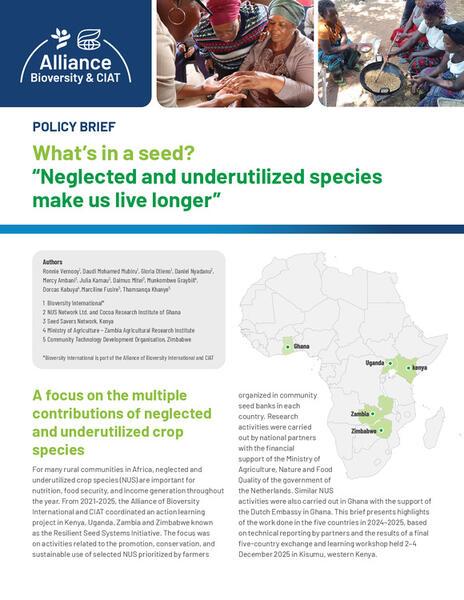
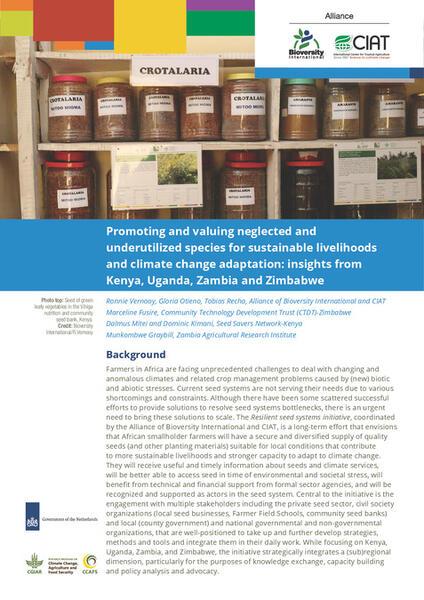
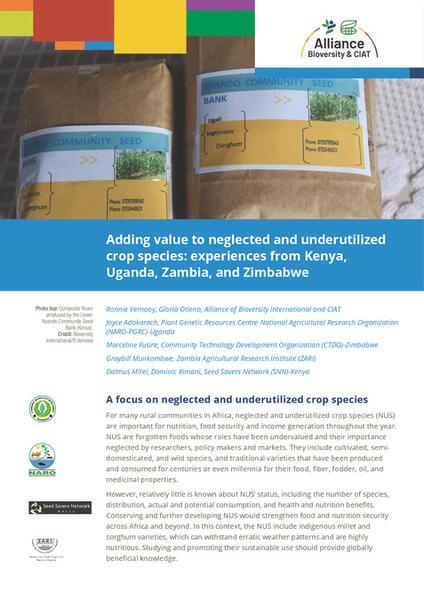
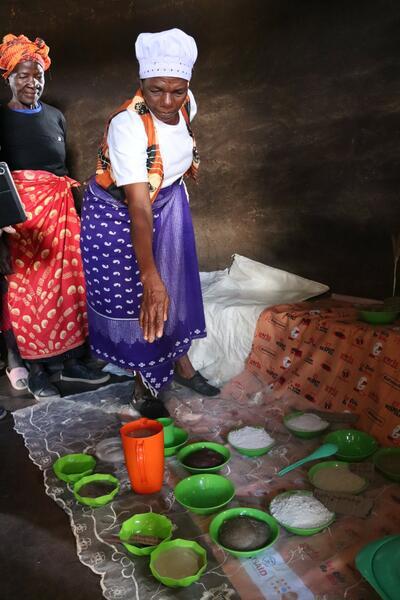
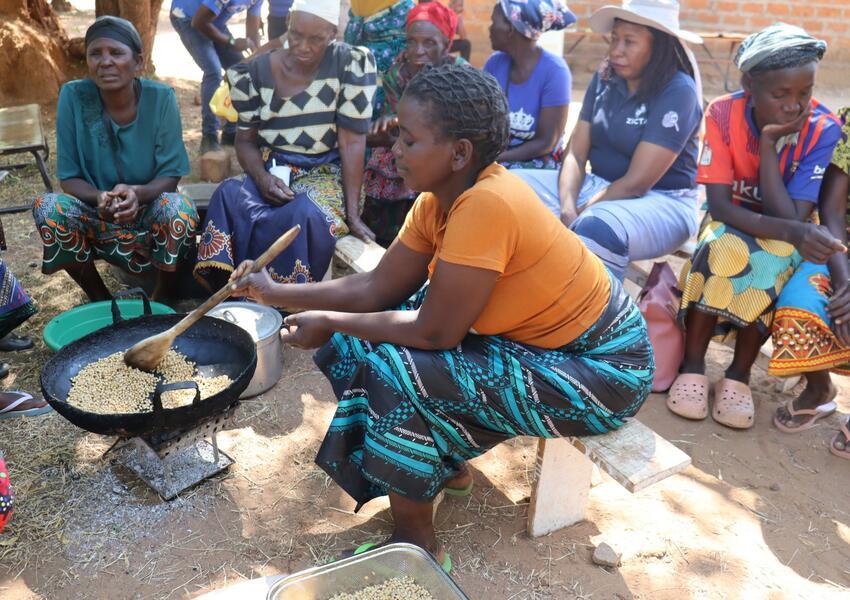
During the project, four country teams in Kenya, Zambia, Uganda and Zimbabwe gained valuable experience and significantly advanced the value chain development of locally identified priority neglected and underutilized species (NUS) in each site (two sites in Kenya, two sites in Uganda, one in Zambia, two sites in Zimbabwe). The focus has been on the production of novel and nutritious composite flours mixing amaranth, cassava, millets, yellow (instead of white) maize, and sorghum, for particular consumer groups, e.g. adults, adults with diabetes, and babies. In Kenya, a second category of NUS were African leafy vegetables, for which a novel value addition process was developed for the sale of dried vegetables. The composite flours are offering a good alternative to the maize-only based flour, which is a staple food in Kenya, Zambia and Zimbabwe, used for the preparation of porridge and “ugali” (mush or pap). This novel composite flour product development is taking place in the context of maize production suffering from the impact of climate change across East and Southern Africa. Community seed banks in the four countries championed the activities which improved farmers’ livelihoods. As farmers said: “Now we have enough food, and money in our pockets”.
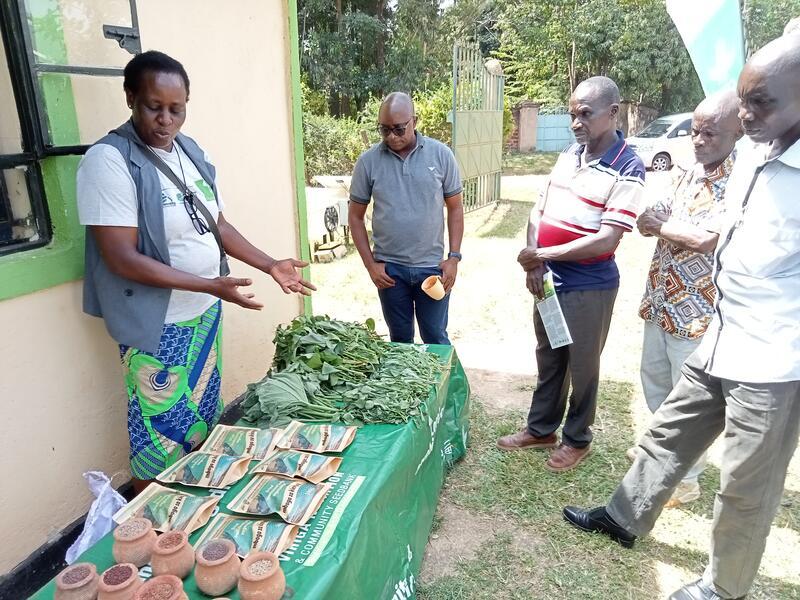
ALF Vihiga. Photo credit: Bioversity International/R.Vernooy.
Zimbabwe display for millet and sorghum products. Photo credit: Bioversity International/R. Vernooy
Zambia: preparing the composite flour. Photo credit: Bioversity International/R.Vernooy.
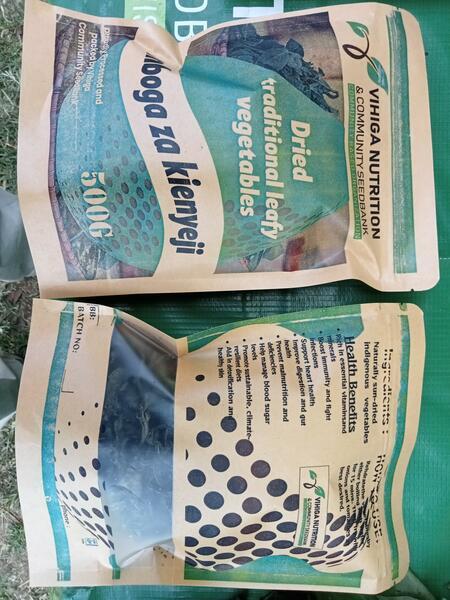
ALF Vihiga. Photo credit: Bioversity International/R.Vernooy.
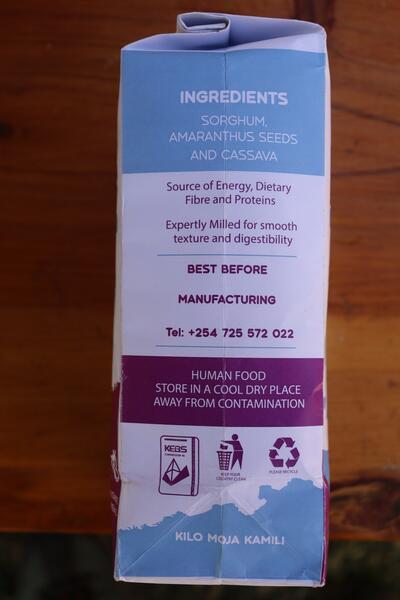
BUDIS composite flour ingredients. Photo credit: Bioversity International/R.Vernooy.

Nyantonzi healthy porridge. Photo credit: Bioversity International/R.Vernooy.
Key activities
- Establishment of NUS producer groups
- Establishment of NUS seed producer groups
- Capacity development for the maintenance of NUS cultivar integrity
- Training farmers in seed quality control, enterprise development, product development and promotion and food handling
- Assessment of equipment and infrastructure needs for running a seed business
- NUS product development, evaluation and adjustment
- Obtaining certification for NUS value addition and marketing
- Creating awareness on the importance of NUS and NUS products through various media
- Engaging with local and national NUS-related policy developments
Other Project member: Daudi Mubiru - [email protected]
Relevant blogs, stories, news coverage
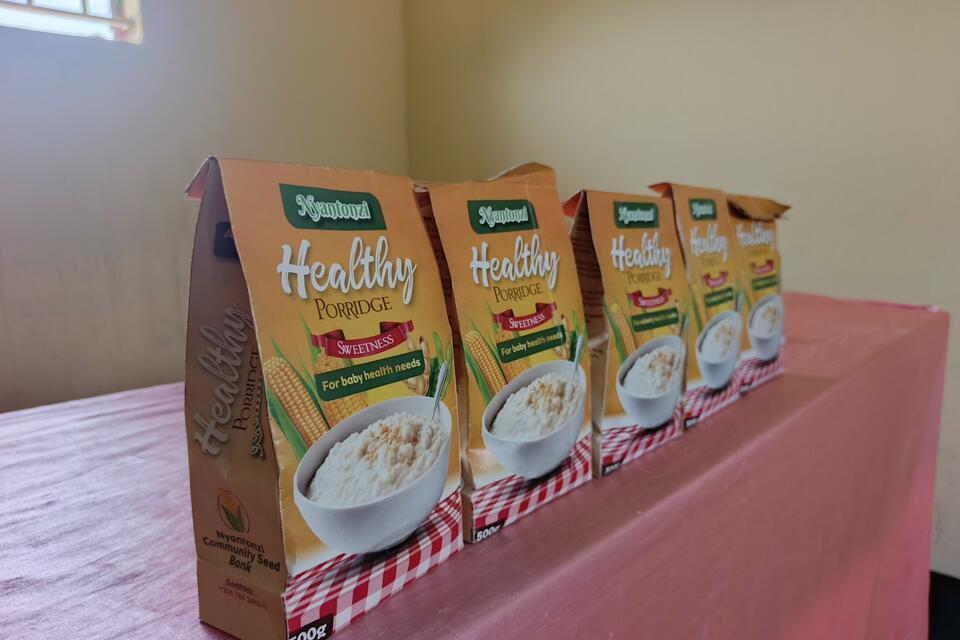
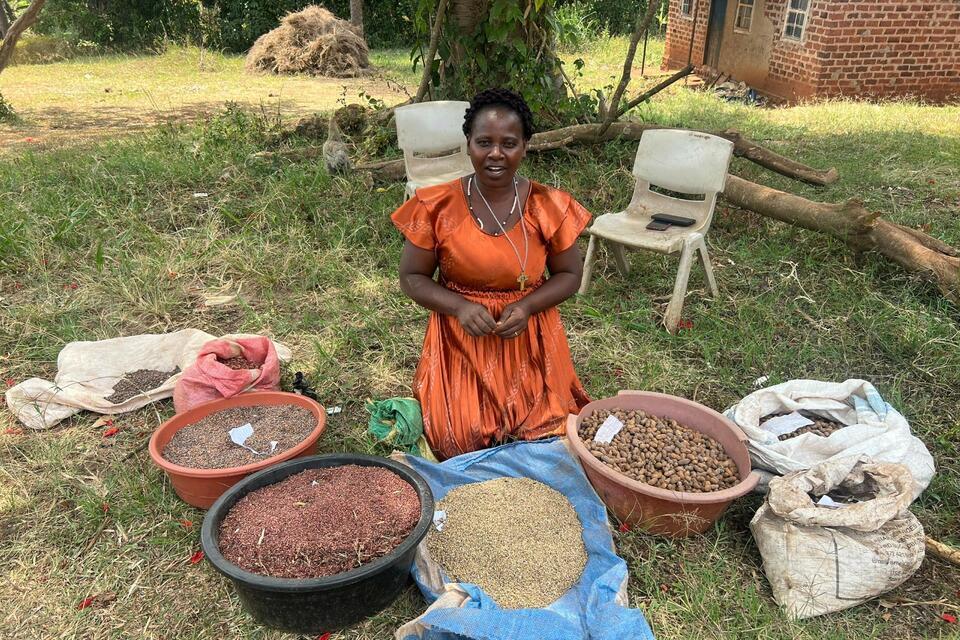
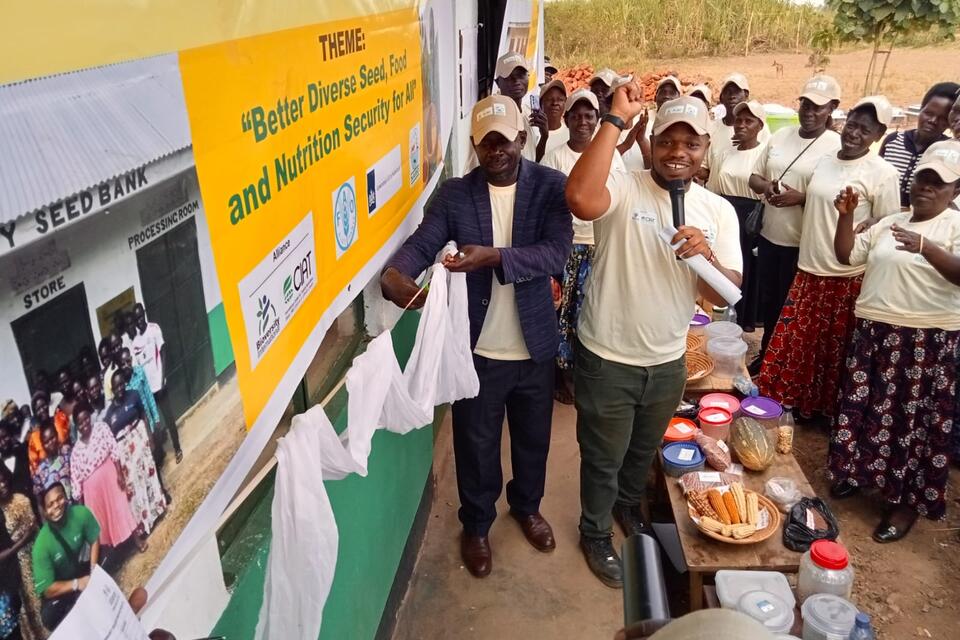
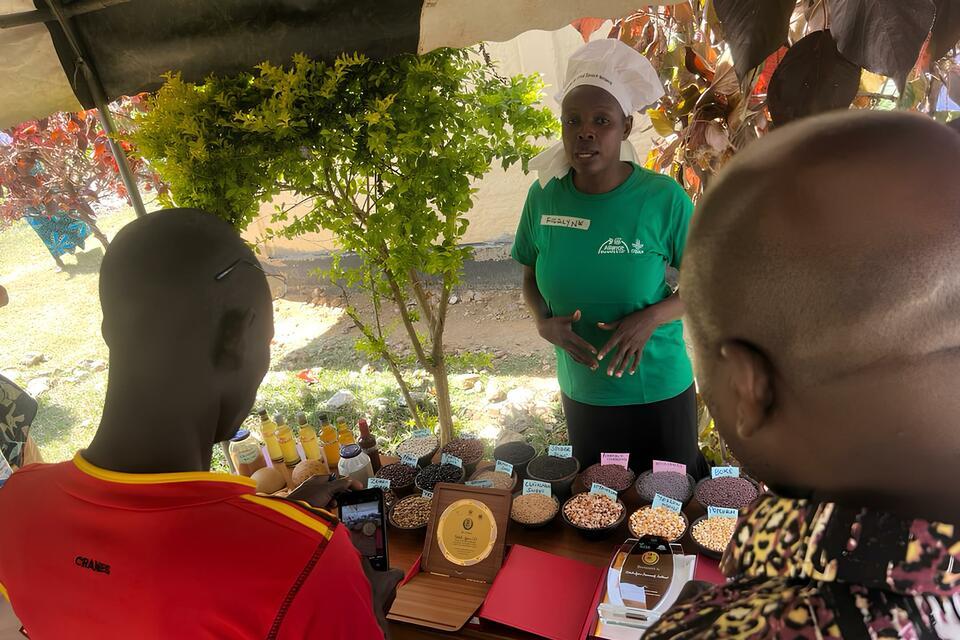
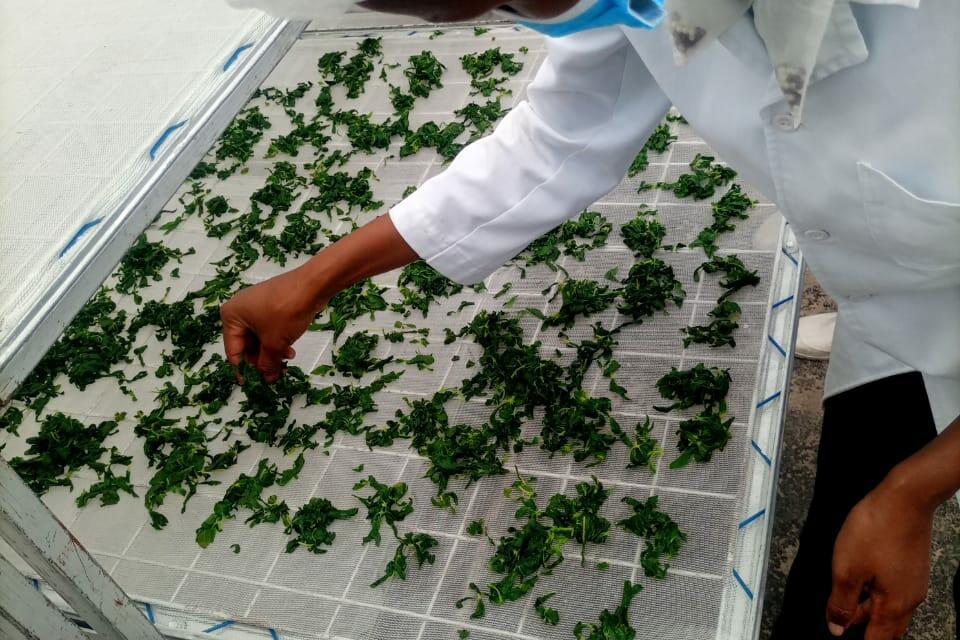
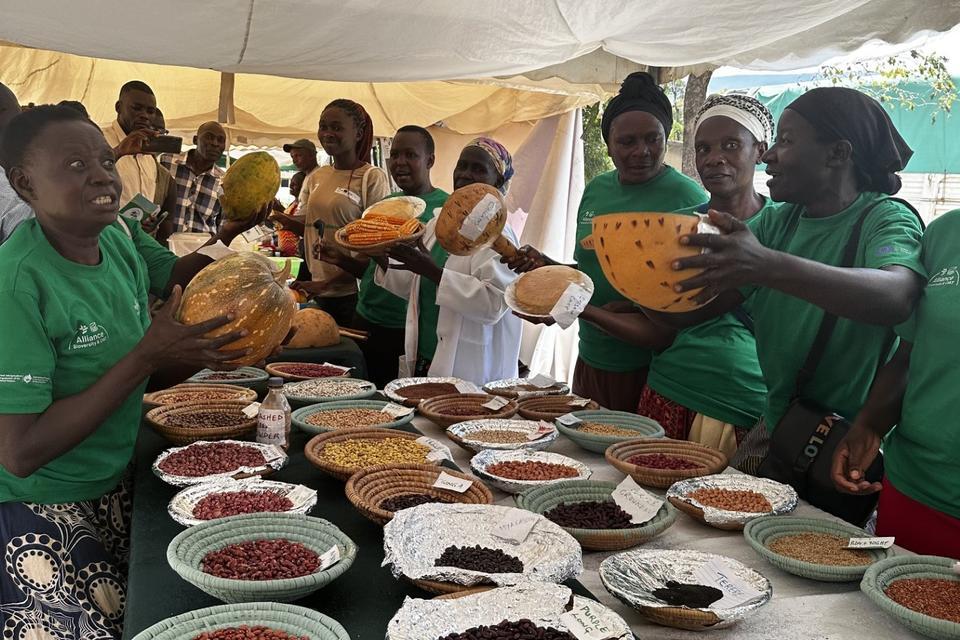
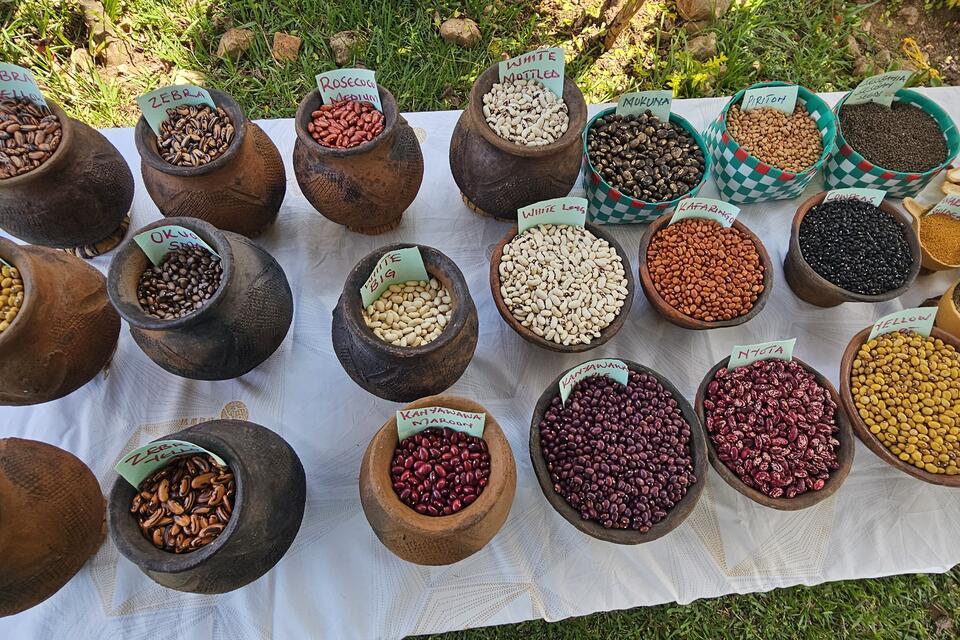
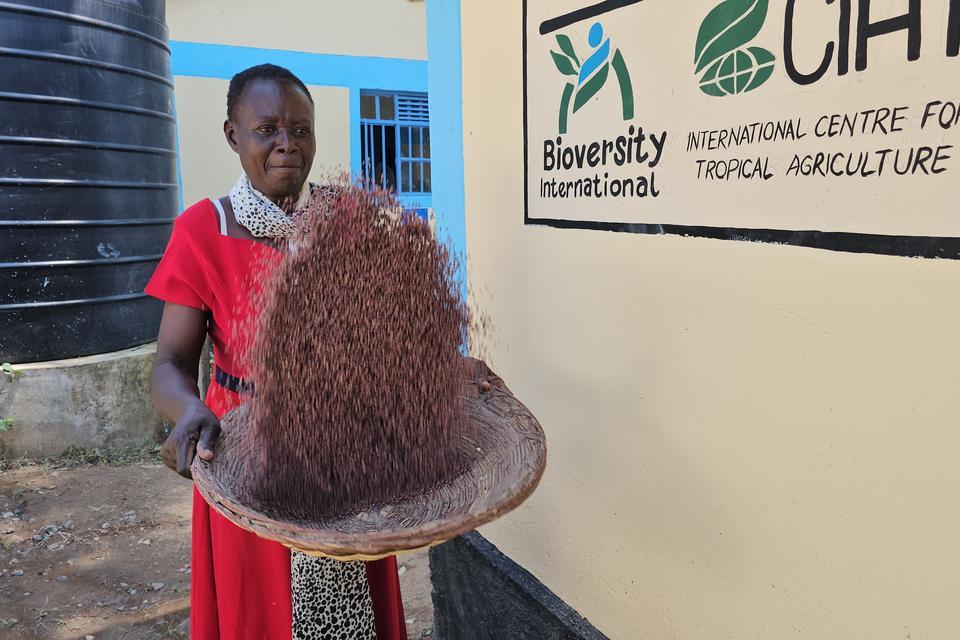
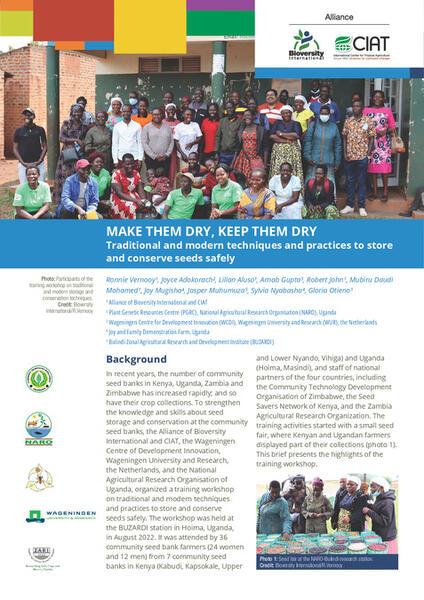
Cover Image: Budis. Photo credit: Bioversity International/R.Vernooy.
Project leaders

Ronnie Vernooy
Senior Scientist, Genetic Resources and Seed PoliciesProject members

Gloria Otieno
Scientist IIPublications