From the Field Sustaining seed banks through value addition: Launching the Nyantonzi Community Seed Bank in Uganda

Uganda’s new Nyantonzi Community Seed Bank combines conservation with business, empowering farmers to safeguard traditional crops while processing them into profitable, nutritious products to build climate resilience and sustainable livelihoods.
In Africa, where indigenous crop varieties are increasingly vulnerable, Community Seed Banks (CSBs) have emerged as a crucial safeguard for agricultural biodiversity. These institutions have provided smallholder farmers with access to seeds that are well-adapted to local environments and cultural practices. This access point improves food security and sustains agricultural biodiversity for future generations.
Since 2018, the Alliance has partnered with national and international organizations to found two CSBs in western Uganda: Hoima Community Seed Bank (2018) and Nyantonzi Community Seed Bank (2024). So far, their collections include 90 varieties of beans, finger millet, sorghum, maize, groundnut and traditional leafy vegetables (TLVs).
Despite this good result, the CSBs continue to face obstacles to become sustainable. One challenge is to develop a viable business model that allows them to generate income while achieving their conservational goals. Another challenge is the lack of access to modern seed processing and storage technology which has had a detrimental effect on the quality of the seeds.
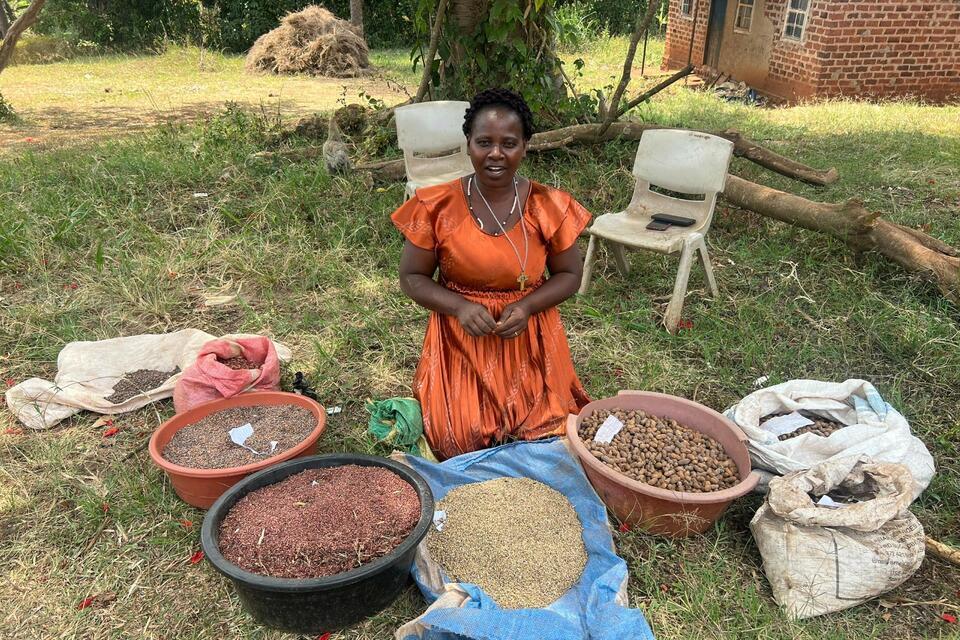
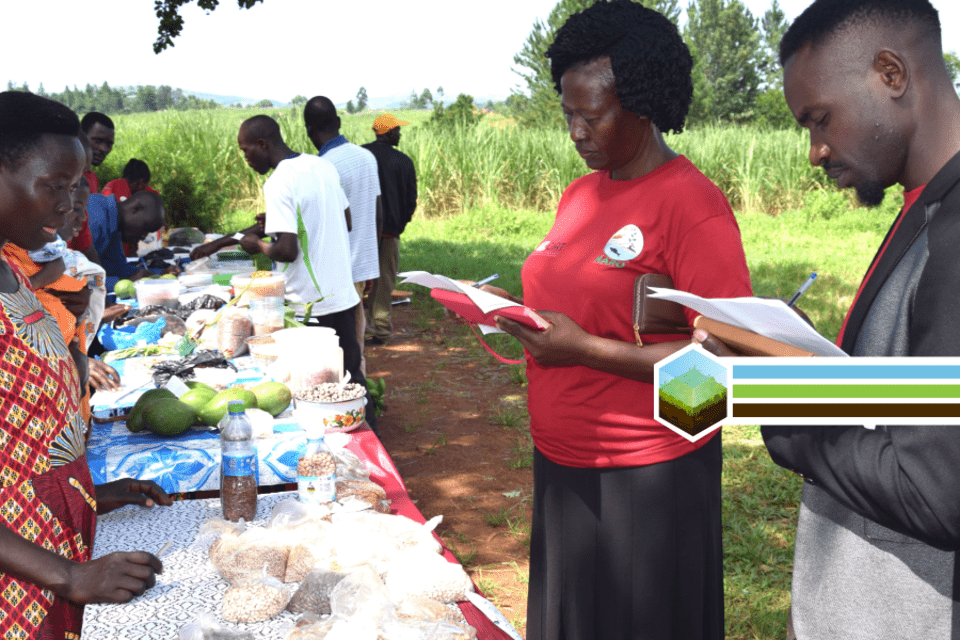
Farmers from Nyantonzi Community displaying diversity of beans, sorghum, maize and traditional leafy vegetables during the launch of Nyantonzi Community Seed Bank. Photo credit: Alliance of Bioversity International & CIAT / R. Vernooy.
A hub for enterprise based on diversity
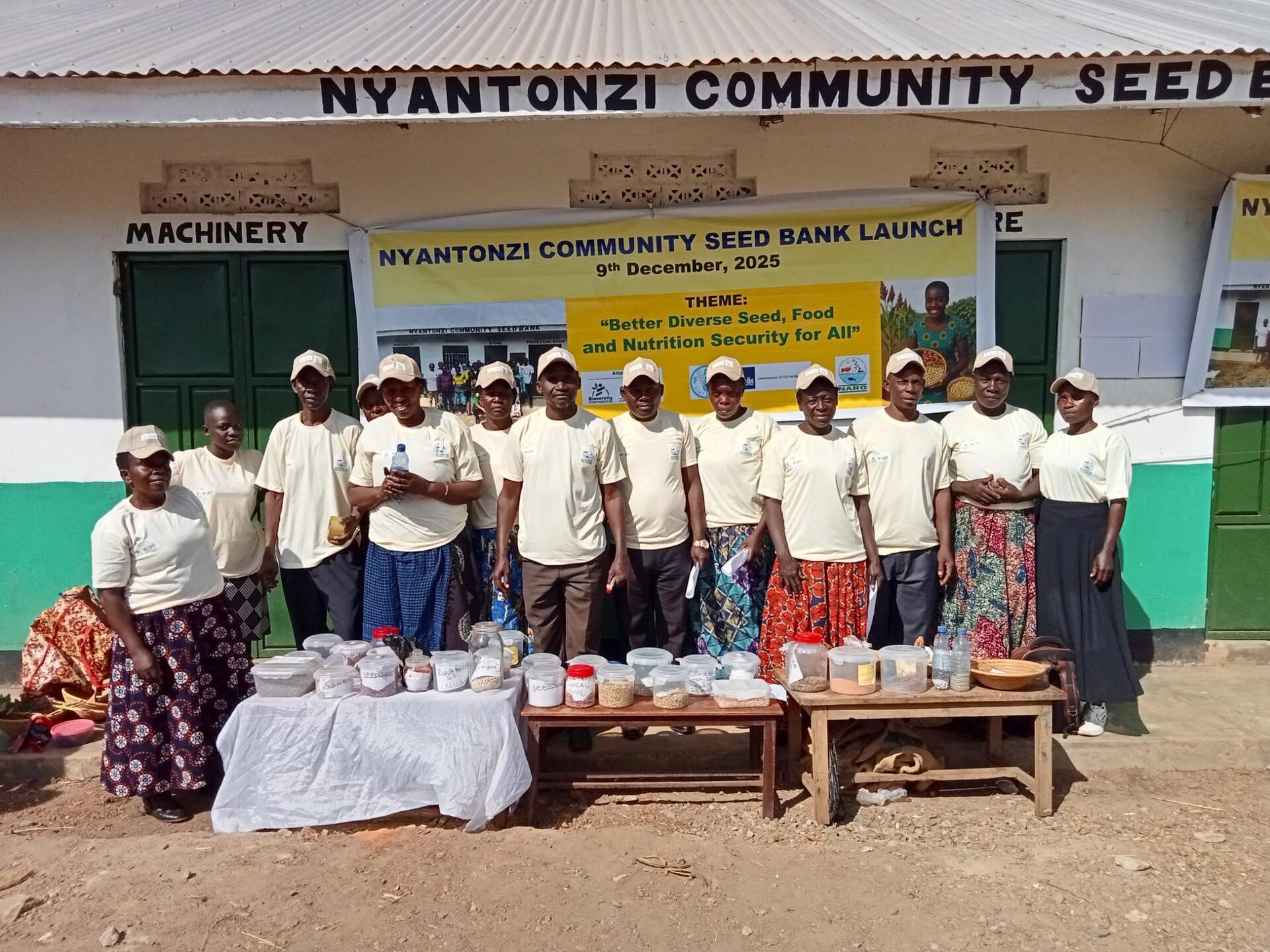
Farmers from Hoima Community Seed Bank display their diversity of beans, sorghum, maize and traditional leafy vegetables during the launch of Nyantonzi. Photo credit: Alliance of Bioversity International & CIAT / R. Vernooy.
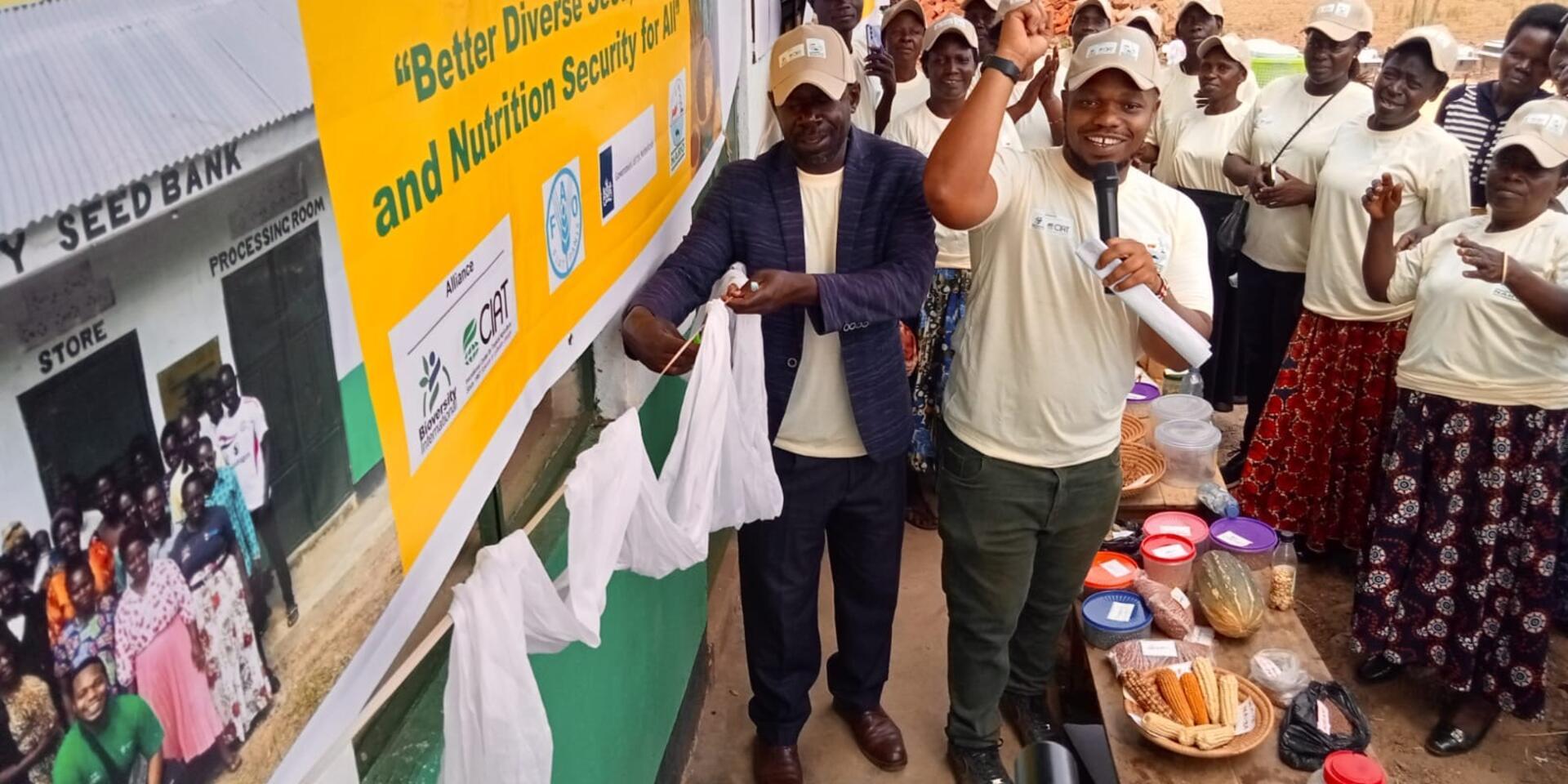
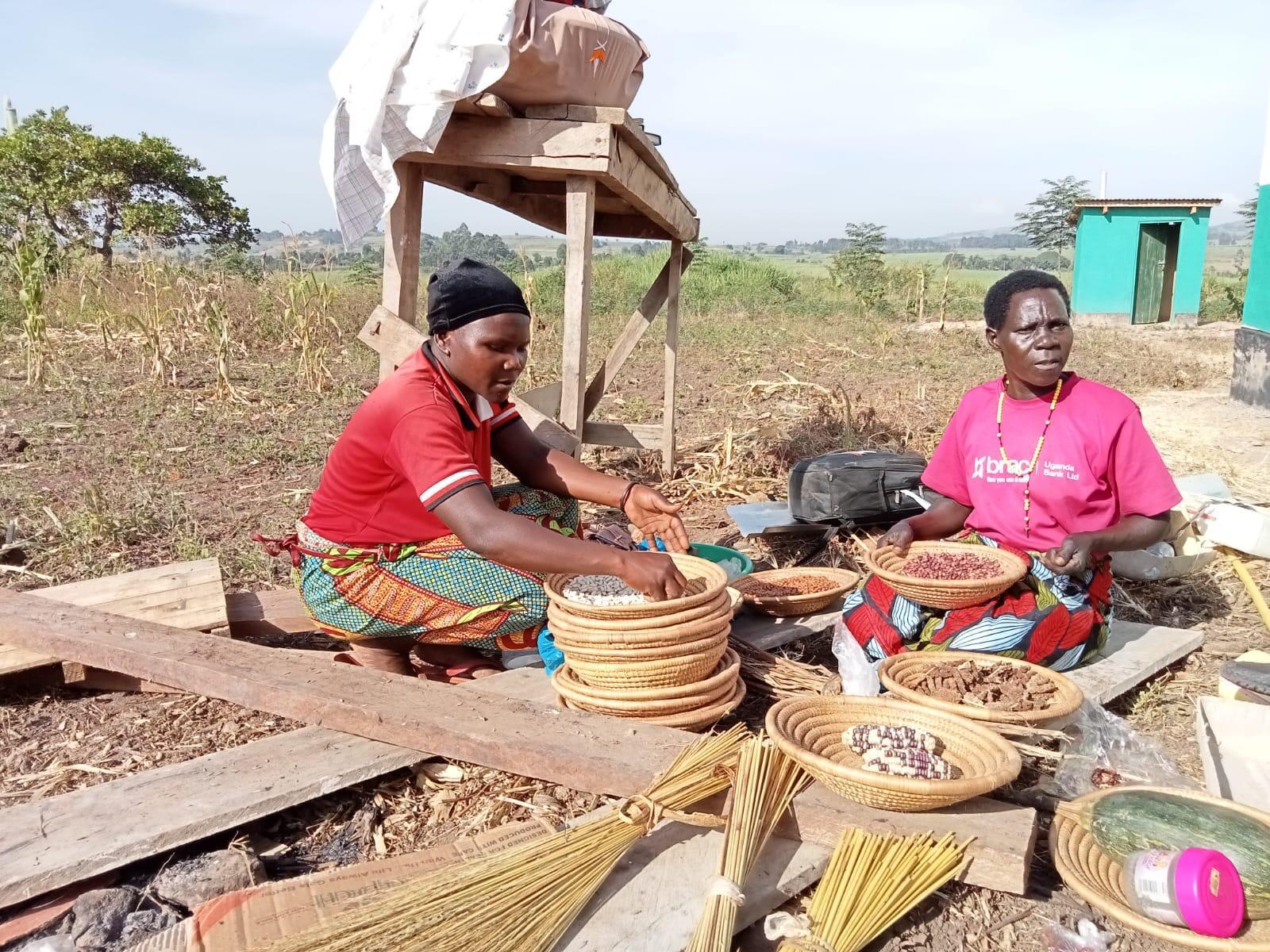
To address these challenges, the Alliance supported the two CSBs with training and technical support, culminating on 9 December 2025 in the launch of a new processing facility in Masindi for the Nyantonzi CSB. At the event, farmers from both CSBs proudly showcased a diverse range of indigenous seeds for different crops alongside nutritious, homemade composite flour for porridge (for adults and babies) that they learnt to make during a value-addition training that was carried out in partnership with Community Food Basket International (CFBI). This exhibit served as a concrete example of the living treasure that the seed bank aims to safeguard. Mr. Jadri Bosco, the chairperson of the newly constructed Nyantonzi Community Seed Bank, acknowledged that this this facility is a cornerstone for generating income and enhancing community livelihoods. The new facility is supported by the Ministry of Agriculture, Nature and Food Quality of the Kingdom of the Netherlands and the Benefit Sharing Fund (BSF) of the International Treaty on Plant Genetic Resource Centre for Food and Agriculture (ITPGRFA). The launch was attended by officials from key national and local institutions, including the National Agricultural Research Organization - Plant Genetic Resources Center (NARO-PGRC), Bulindi Zonal Agricultural Research and Development Institute (BUZARDI), Parish Development Model (PDM), and Masindi District Local Government (LG).
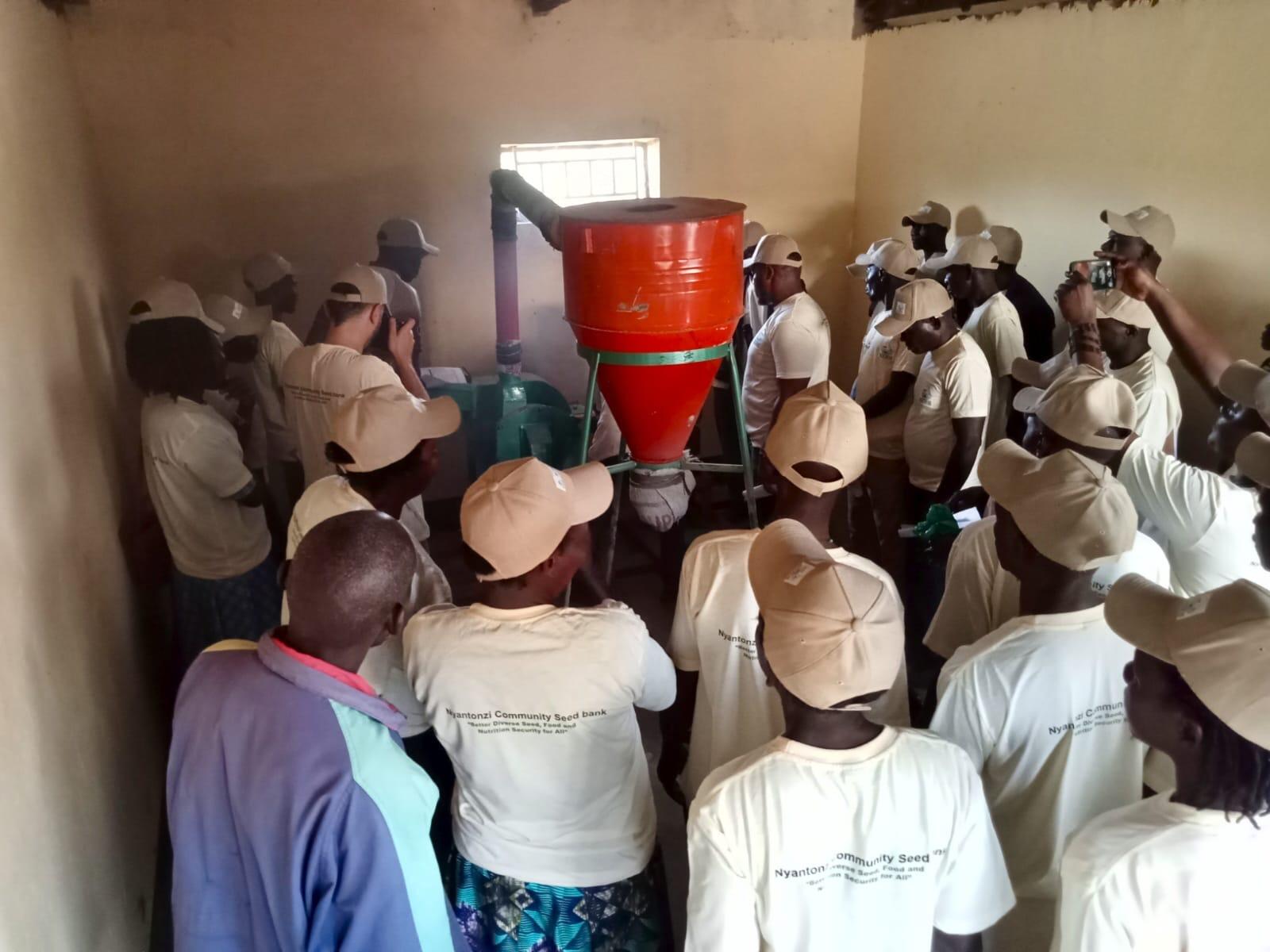
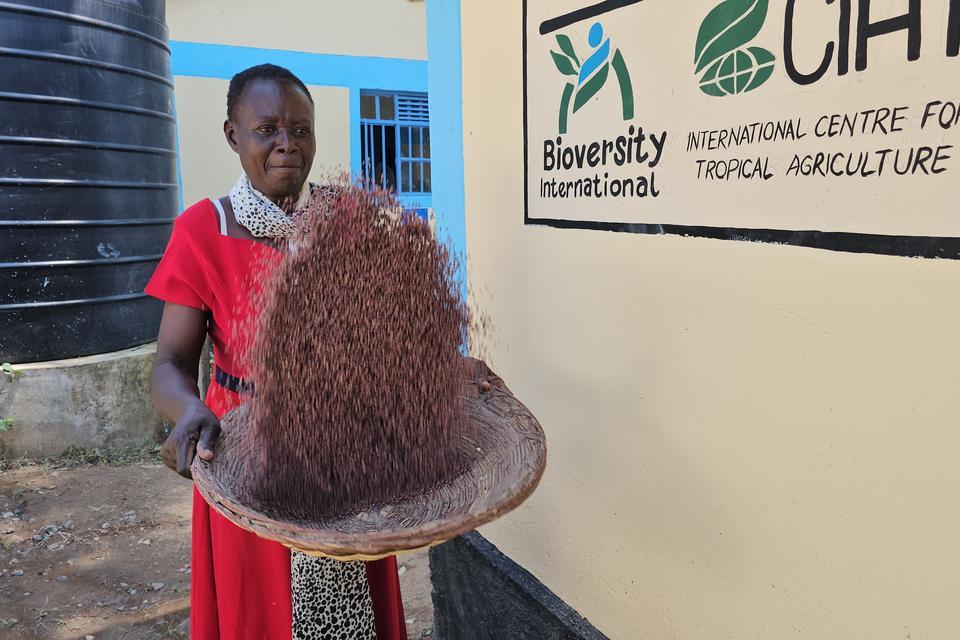
Farmers witnessed a live demonstration of the new milling machine that turned seeds into composite flour. Photo credit: Alliance of Bioversity International & CIAT/R. Vernooy
The farmers witnessed a live demonstration of the new equipment that will turn seeds into value: the milling machine, moisture meter, and weighing scale. This machinery is the key to transitioning from simply saving seeds to creating value-added products, such as finger millet and sorghum composite flour. The excitement was palpable; farmers left not just with a new building but with the tangible means to process, improve, and market their harvests. The launch ceremony opening words of Joyce Adokorach of NARO-PGRC captured it eloquently:
“This seed bank facility is not only a building. It is a living library. A place where each seed tells a story of our heritage and holds a promise for future generations. It is our responsibility to protect these seeds, multiply them, and pass them on. With your care, this will become a centre of learning, innovation, and pride for the whole community.”