From the Field Towards sustainability: Training on value addition and composite flour processing for community seed banks

Farmers from western Kenya’s community seed banks trained at the Kenya Industrial Research and Development Institute (KIRDI) on composite flour and dried vegetables to boost nutrition, strengthen incomes, and ensure seed bank sustainability.
To empower smallholder farmers and enhance local food processing capacity in western Kenya, a dynamic training workshop on value addition through composite flour processing and dried vegetables was held at the Kenya Industrial Research and Development Institute (KIRDI) in October 2024. This initiative brought together 16 farmers from Nyando Community Seed Bank, Vihiga Community Seedbank and Kabudi-Agoro Women’s seed bank to learn how to transform locally grown crops into high-value, market-ready products.
Last year, community seed banks in Kisumu and Vihiga were supported with the construction of food processing units and provision of equipment, including flour roller mills, threshers and solar dryers. This intervention was initiated in response to sustainability challenges faced by the seed banks, aiming to enhance their viability through value addition and improved income-generating opportunities. This initiative aims to transform selected neglected and underutilized crop species (NUS) into market-ready products, enhancing their economic value. By enabling value addition at the community level, the intervention seeks to improve the incomes and livelihoods of seed bank members while strengthening the long-term sustainability of seed banks themselves.
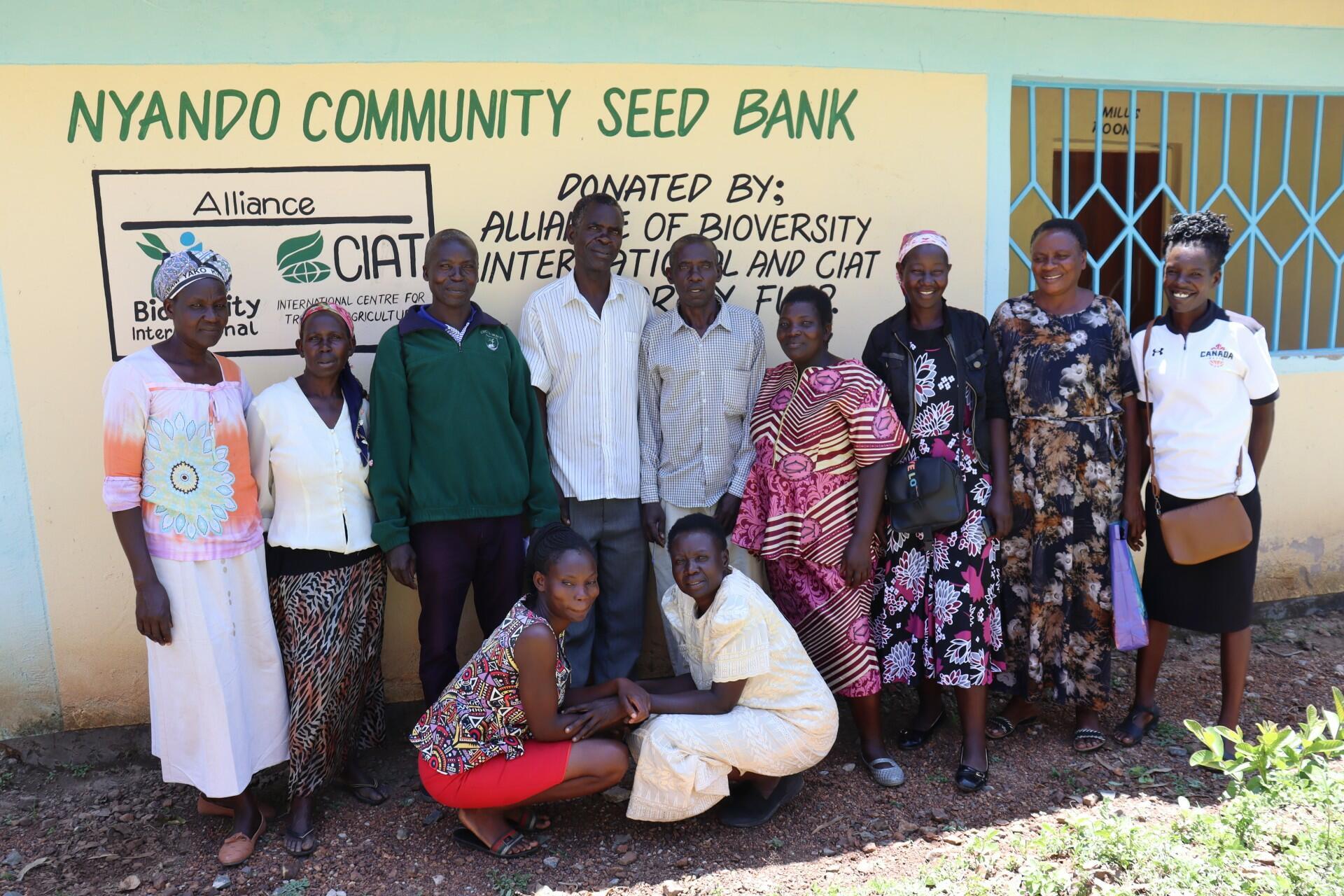
Nyando community seed bank members. Credit: R. Vernooy
In a move to empower smallholder farmers and enhance local food processing capacity, a dynamic training workshop on value addition through composite flour processing and dried vegetables was recently held at the Kenya Industrial Research and Development Institute (KIRDI) in October 2024. This initiative brought together 16 farmers from Nyando Community Seed Bank, Vihiga Community Seedbank and Kabudi-Agoro Women’s seed bank for hands-on learning in transforming locally grown crops into high-value, market-ready products. The training was sponsored through projects on Neglected and Under-utilized crops funded by the Netherlands Ministry of Agriculture, Fisheries, Food Security and Nature, and the International Treaty for Plant Genetic Resources for Food and Agriculture.
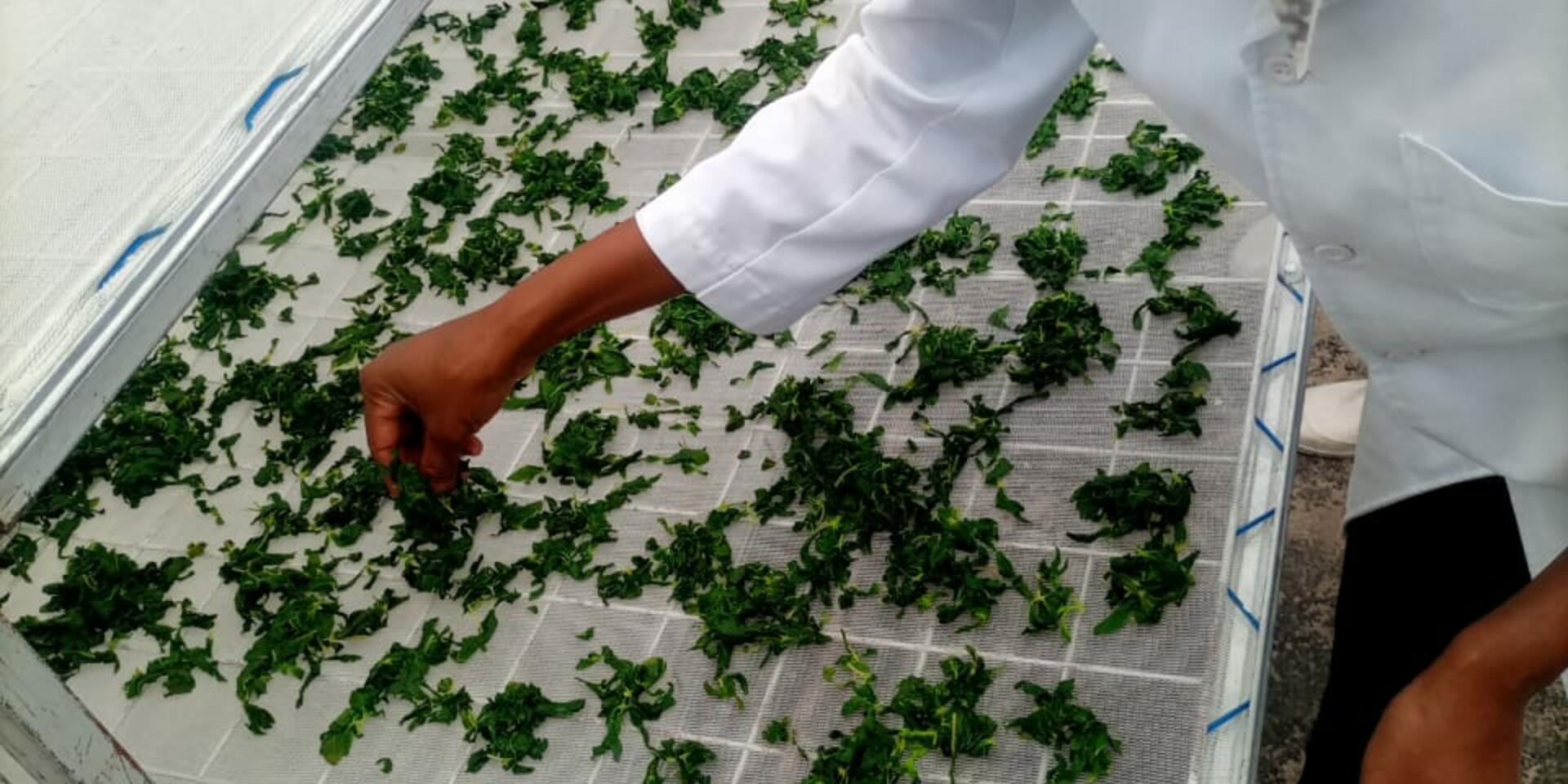
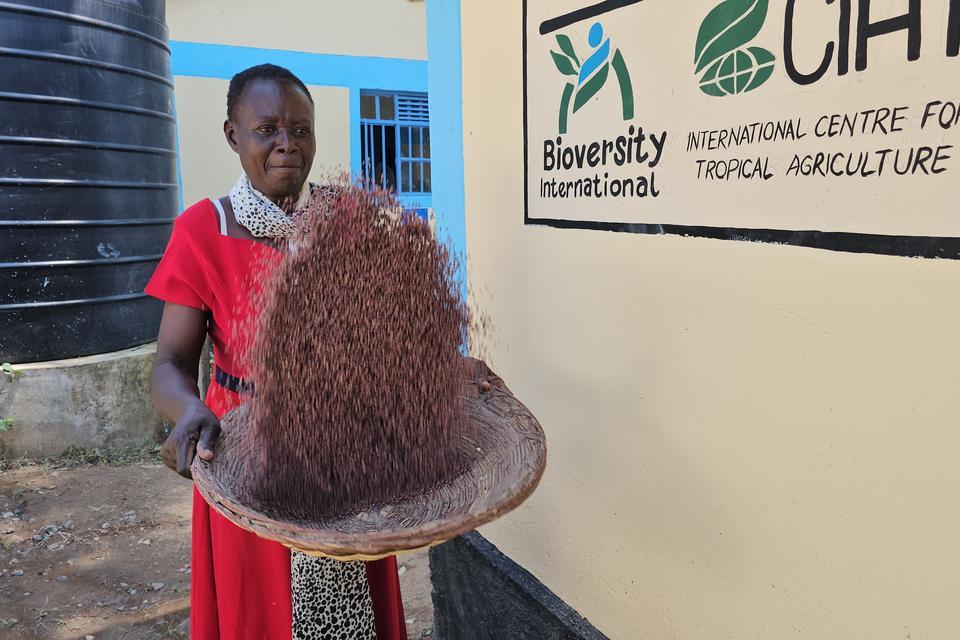
The training focused on the formulation and production of composite flours, nutritious blends made from indigenous and underutilized crops such as millet, sorghum, cassava, sweet potato, amaranth, traditional colored maize, pumpkins and legumes. These flours are increasingly recognized for their health benefits, climate resilience, and market potential, offering a sustainable alternative to conventional maize or wheat-based products. Farmers were also trained in drying traditional leafy vegetables for sale.
Why composite flour matters
With rising concerns over food and nutrition insecurity, especially in rural communities, composite flour offers a practical solution. It supports diet diversification, reduces post-harvest losses, and creates new income opportunities for farming households. By combining different locally available crops, farmers can create products that are rich in proteins, fiber, iron, and other essential nutrients, particularly important for vulnerable populations such as children and pregnant women. The groups have created a variety of innovative composite flour blends, including combinations such as finger millet–amaranth–cassava and sorghum–cassava–maize, with added proportions of pumpkin or sweet potato. These formulations are tailored to meet the nutritional needs of different population segments, including infants, women, and men, with specific blends developed for energy and strength enhancement.
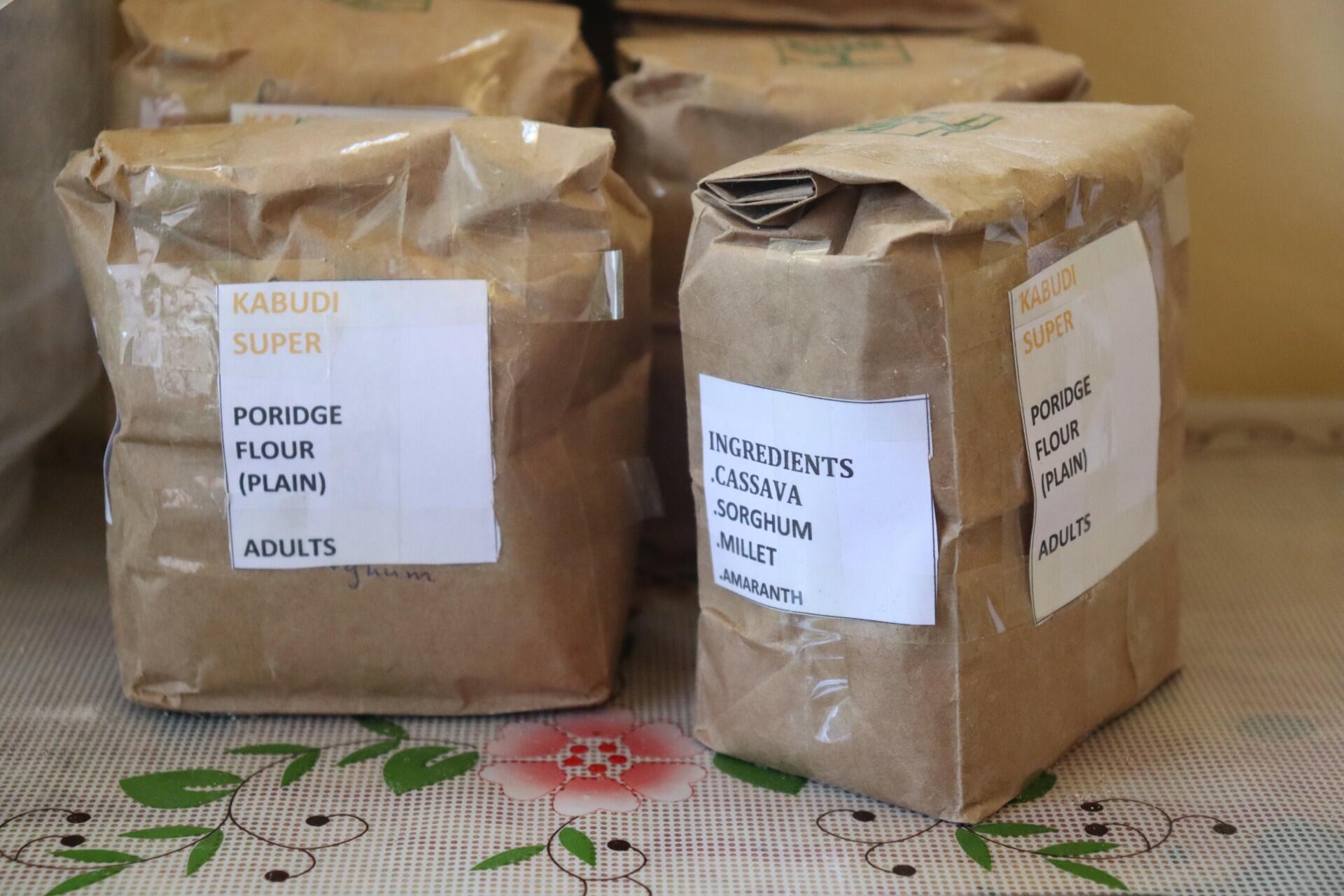
New composite flour, artisanal (photo: R. Vernooy)

Professional packing (courtesy: Seed Savers Network)
Hands-on skills for farmers
The training at KIRDI was not just theoretical. Farmers participated in practical sessions on:
- Selecting and cleaning raw materials
- Processing and blending techniques
- Hygiene and safety standards in food processing
- Packaging, labeling, and shelf-life extension
KIRDI’s experienced food technologists guided participants through each stage of the value chain, helping them understand not only how to process flour, but how to think entrepreneurially about their products.
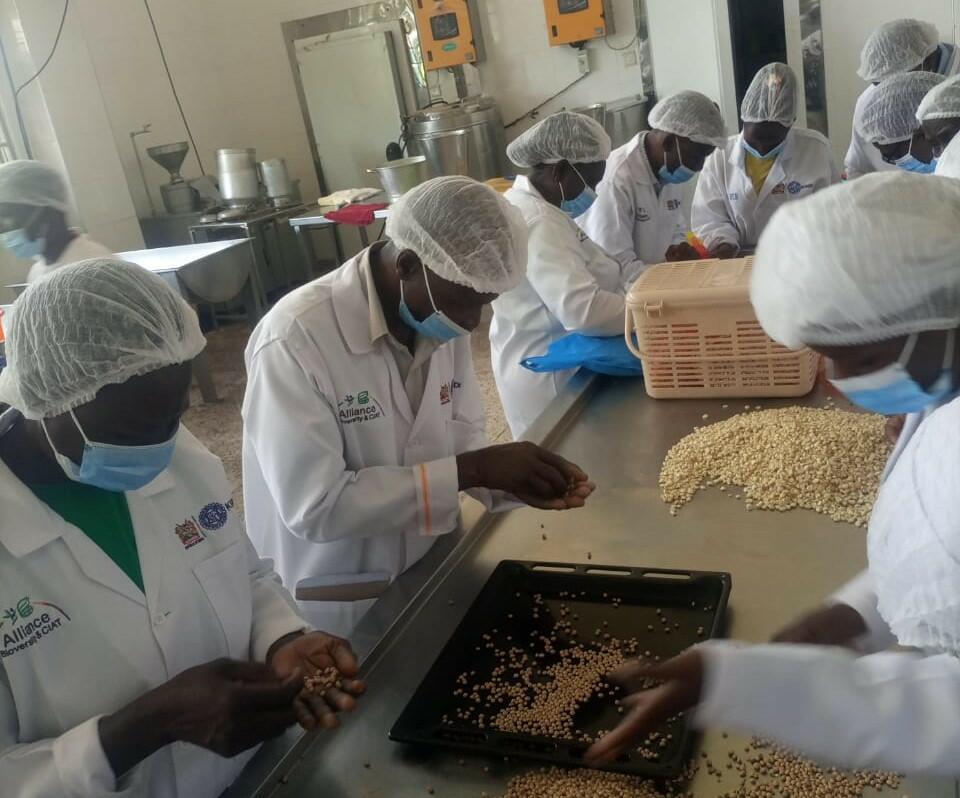
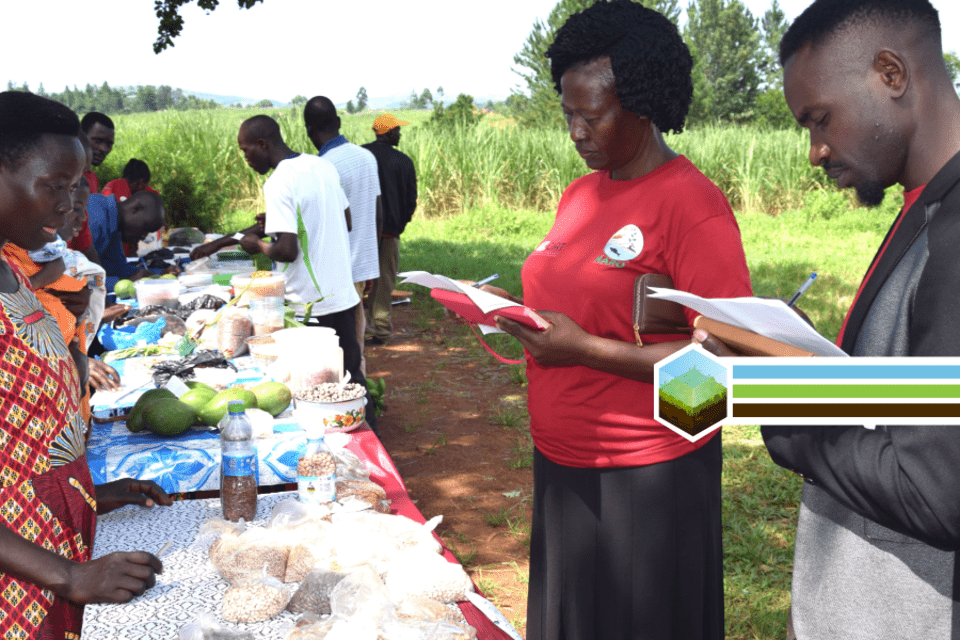
Training session at KIRDI. Credit: Seed Savers Network
Creating local agro-enterprises
One of the key goals of the training was to support farmers in transitioning from subsistence agriculture to agro-enterprise development. For this strategy, farmers registered their cooperatives where they will aggregate produce from seedbank members and also from neighboring farms for further value addition. By adding value to their raw produce, farmers can access new markets, increase their profit margins, and contribute to local economies. In addition, participants were introduced to licensing procedures and quality assurance guidelines, equipping them with tools to formalize and scale their businesses.
A platform for innovation and collaboration
This initiative, supported by KIRDI’s mandate to promote industrial research and technology transfer, reflects the growing importance of linking agriculture and industry. It also aligns with national goals of supporting agribusiness incubation, nutrition improvement, and youth and women empowerment in the food system.
Farmers left the training not just with new skills, but with renewed confidence and ambition to innovate in their communities. As one of the participants, Evalyn Okoth, put it, "Now I see the potential of my crops beyond the farm. I can feed my family and build a business at the same time."
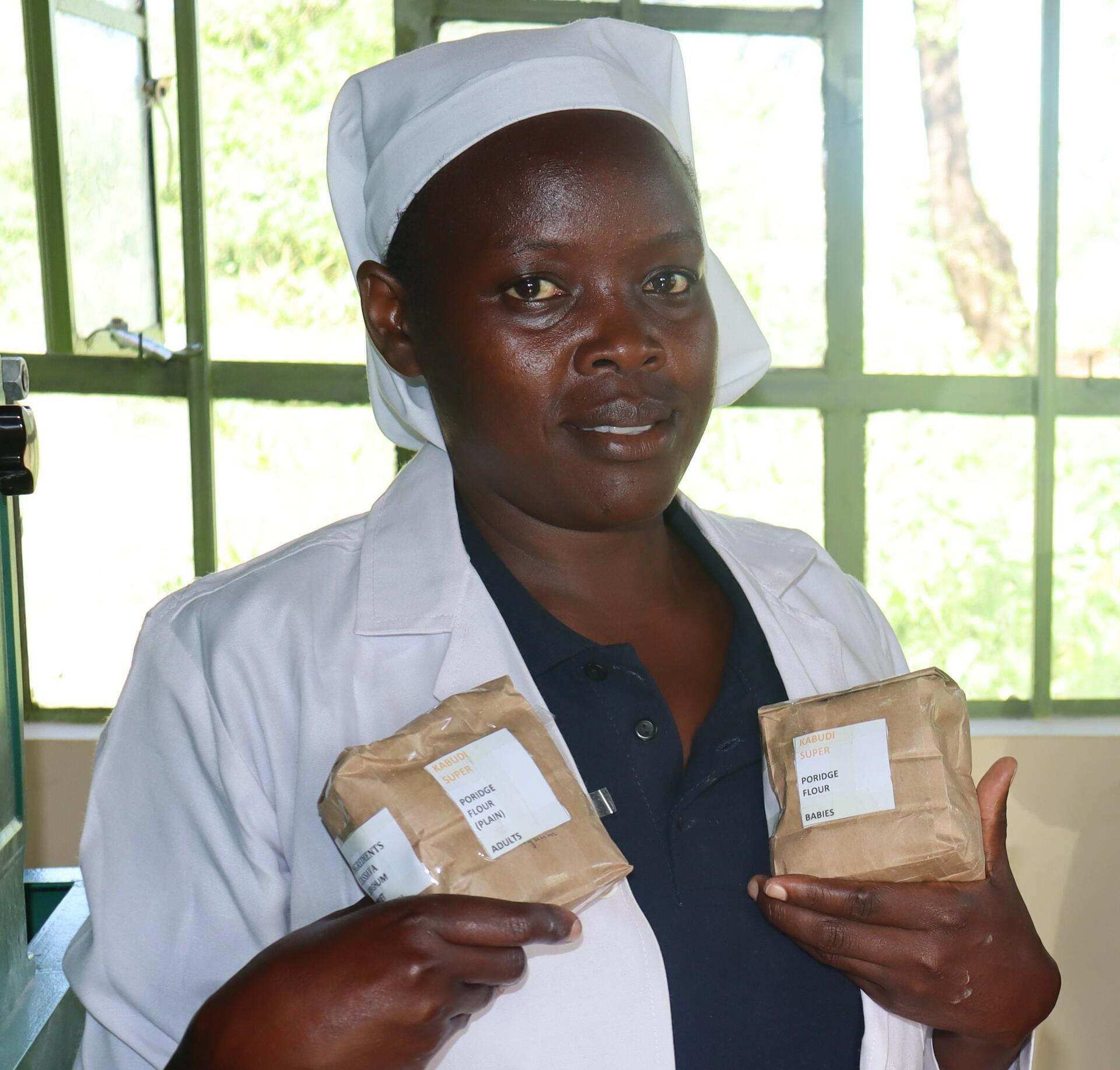
Evalyn Okoth
Looking ahead
The next steps for the seed banks following the training include undergoing inspection of their processing units by the Kenya Bureau of Standards (KEBS). Currently, the seed banks are actively engaged in testing and profiling the nutritional composition of their various composite flour innovations. In parallel, they are developing packaging designs tailored to each product and initiating efforts to market their flours to broader consumer segments for subsequent KEBS certification.
With growing interest in indigenous crops and sustainable diets, composite flour processing offers a promising pathway for rural transformation. Continued collaboration between research institutes like KIRDI, farmer groups, and government agencies will be critical in scaling up value addition and promoting inclusive agri-food systems in Kenya and beyond.
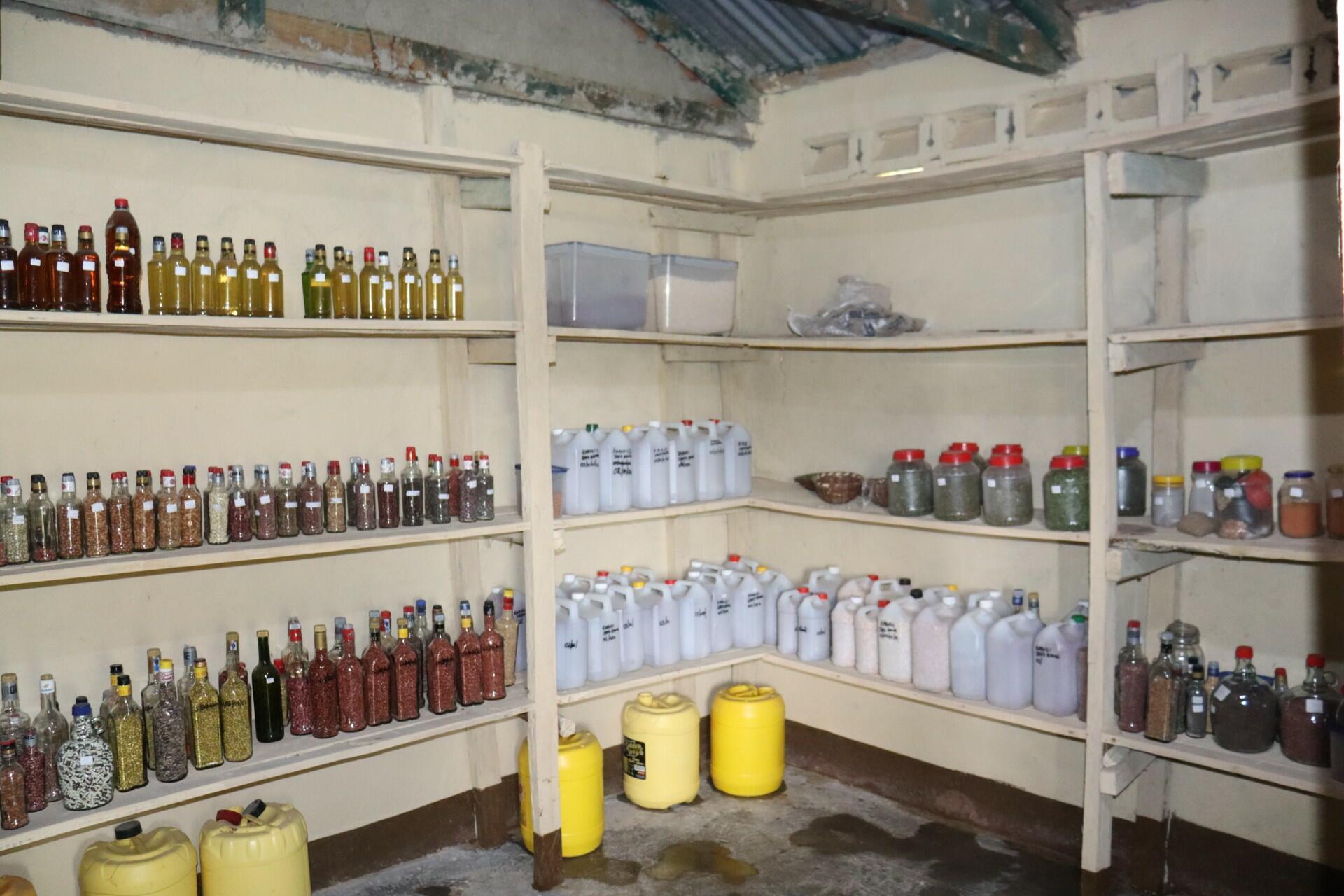
Kabudi-Agoro community seed bank. Credit: R. Vernooy
Cover photo: Training session at KIRDI. Credit: Seed Savers Network
The team

Ronnie Vernooy
Senior Scientist, Genetic Resources and Seed Policies