
2025 Annual Report Science + Collaboration = Scalable Impact
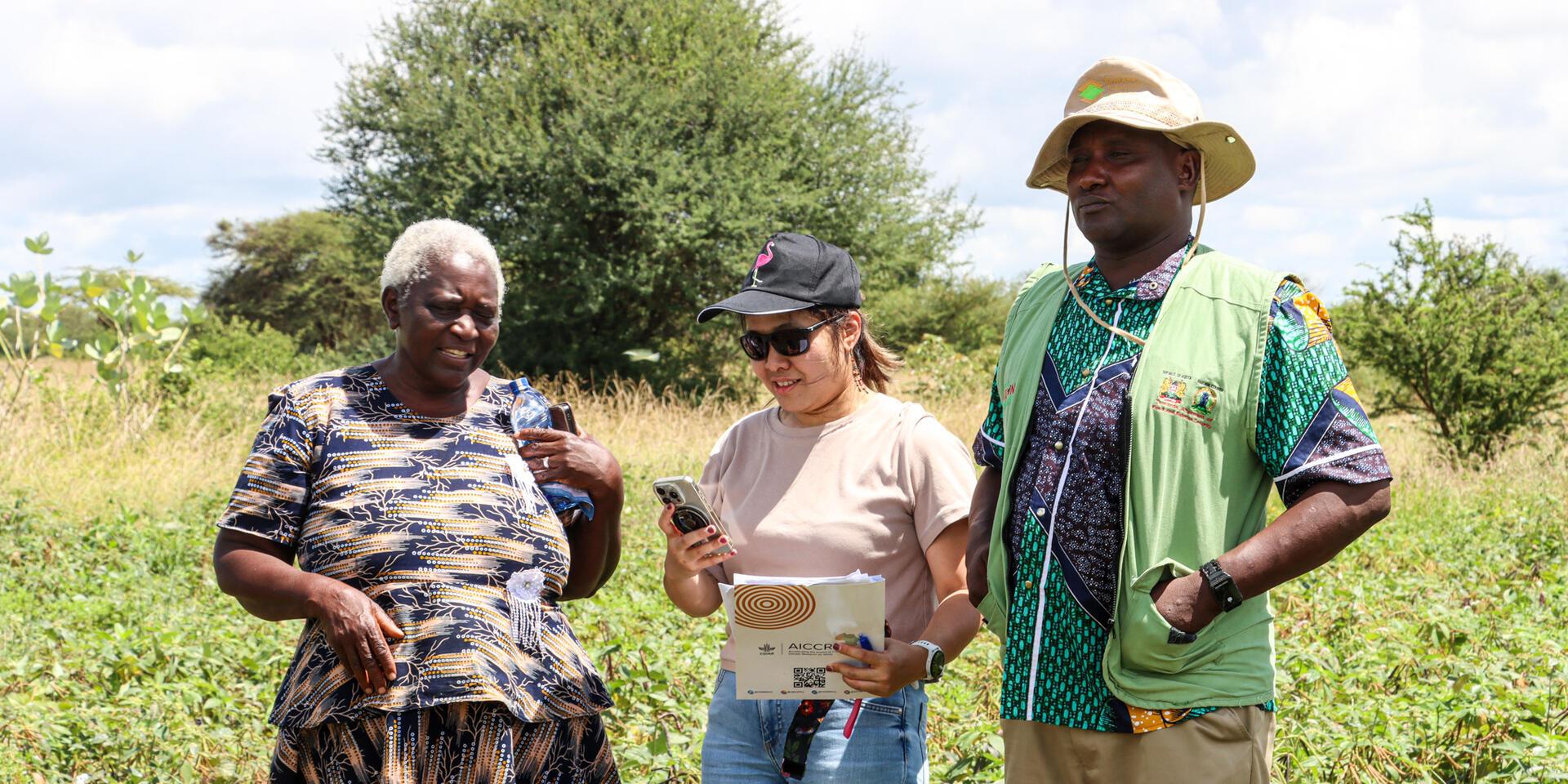
In 2020, the Alliance of Bioversity International and CIAT came into being at a moment of converging urgency. The world was grappling with a global pandemic, accelerating climate disruption, and deepening inequalities in access to food, land and opportunity.
These challenges were not new, but their intensity, and the speed at which they were compounding, demanded a different response: one that was more integrated, more collaborative, and more deliberate in translating scientific knowledge into real-world impact.
Today, the challenges have not diminished. But neither has our evidence of what is possible, when science is put into action through the right partners.
The impact of our first 5 years as the Alliance
People directly reached
Hectares of land under improved management
Investments informed (USD)
Policies, legal documents, strategies, and strategic plans influenced
These numbers sum up five years of hard work to ensure that the Alliance's science does not stop with a journal article or conference presentation. They reflect the shared dedication of hundreds of researchers and partners across Africa, Asia, and the Americas, and the communities whose lives and livelihoods have changed as a result.
In this year’s Annual Report, we invite you to explore how our collaborative approach, one that spans geographies, sectors, and communities, can deliver more impact, even in the face of conflict, economic turmoil, and an ever shifting landscape for sustainable development.
We start with science
Generating or building on evidence is the foundation of everything we do. In 2025, the Alliance produced 1,855 research outputs, including 330 peer-reviewed journal articles and 377 policy and research briefs. This body of science encompassing crop improvement, agrobiodiversity, climate adaptation, food systems, and beyond is designed to travel: from the lab and the field to the policy setters, the supply chain, smallholder farms, and ultimately, the food on consumers’ plates.
The sections that follow trace how that evidence delivers results: in nationally applied research that detects emerging crop disease threats before they become crises; in global congresses that translate scientific consensus into policy commitments; in open-access digital tools that steer billions of dollars of private sector investment toward climate-resilient agriculture.
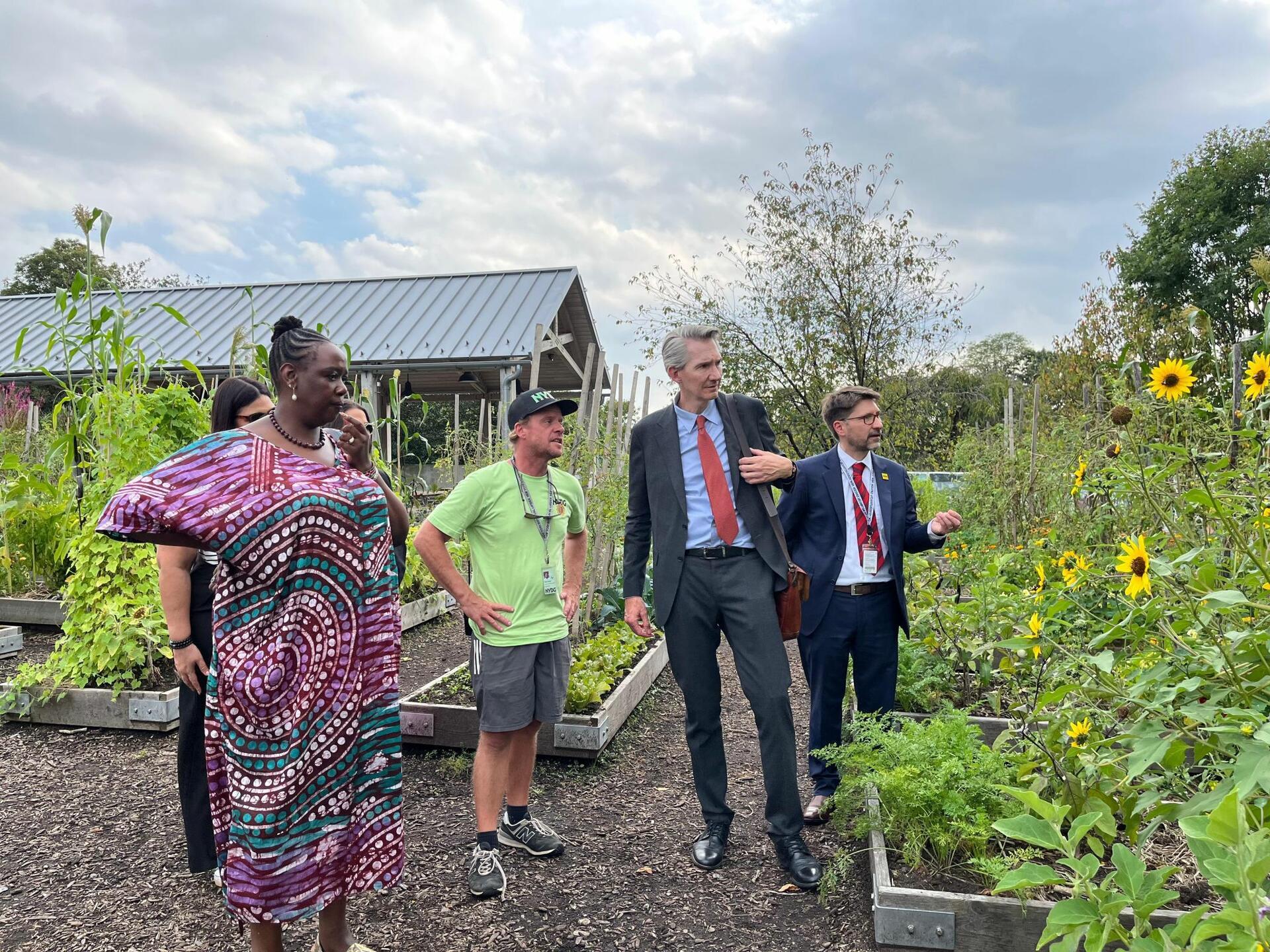
We continue through collaboration
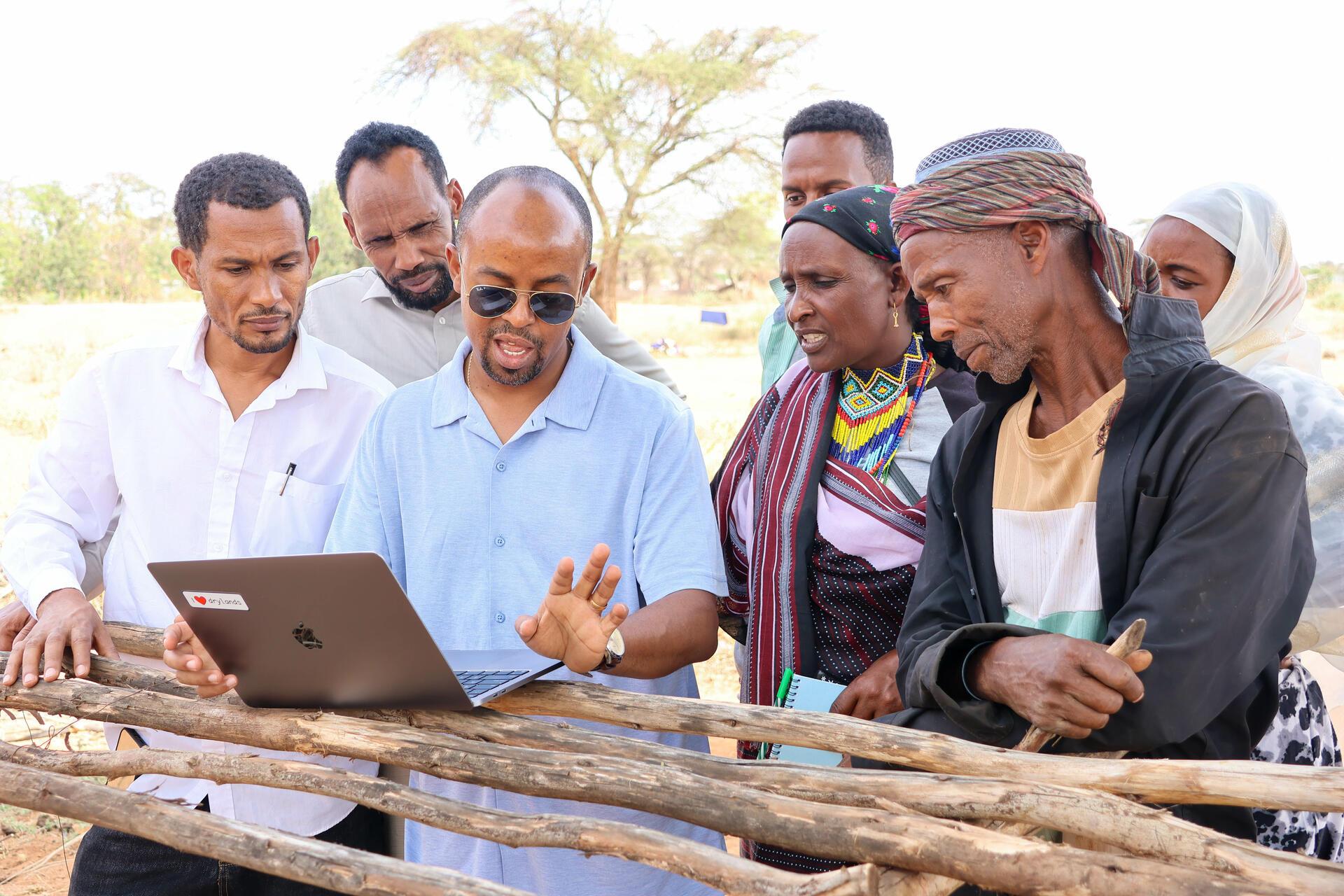
The Alliance's partner agreements have grown steadily and significantly - from 508 in 2023 to 728 in 2025 - reflecting a deliberate expansion beyond the CGIAR network toward national research institutes, governments, civil society, academia, and, increasingly, the private sector. Each partnership brings together expertise and conviction that durable food system change requires more actors who need to be better connected across the production to consumption continuum.
The funding and development landscape is shifting, and we are shifting with it. Blended finance - the strategic combination of philanthropic, public, and private capital - is now essential to scaling climate adaptation, building sustainable supply chains, and cultivating regenerative agriculture at the pace a healthy, equitably prosperous future demands.
Digital transformation and agri-tech venture capital are opening new channels to connect research with implementation at scale. And a new generation of coalitions - Nexus Action, RAIZ, TERRA, and The Global Carbon Harvest Coalition, and the Alliance of Champions for Food Systems Transformation - embodies the spirit of coordinated, cross-sectoral action that food and land system challenges require.
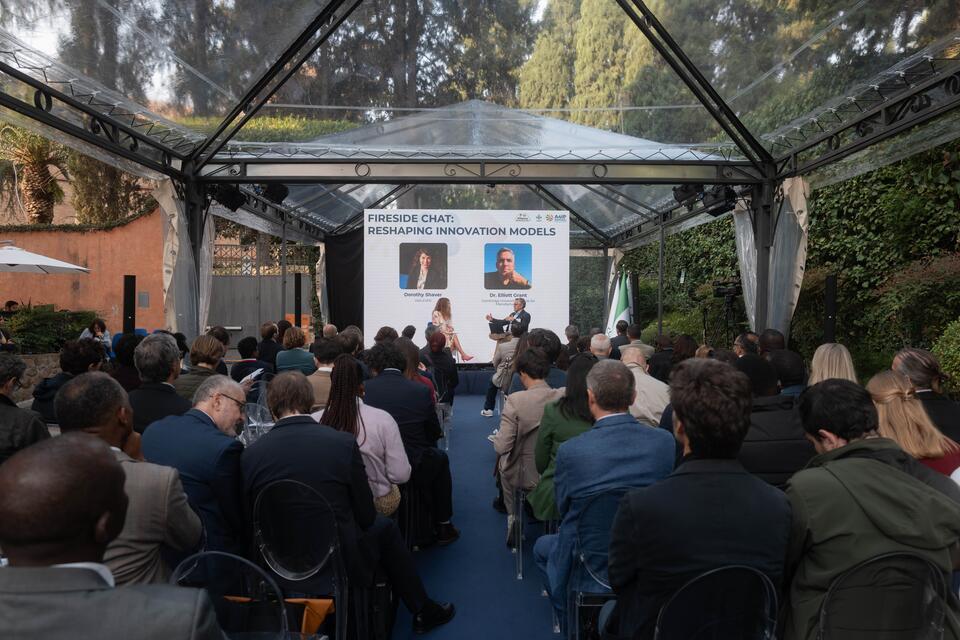
Where we came together in 2025: A short timeline
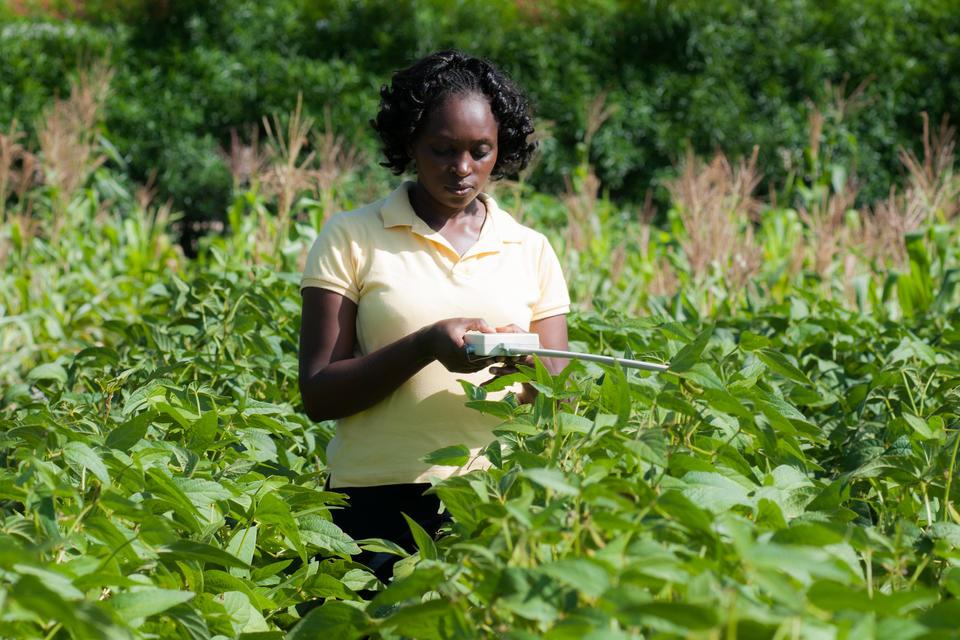

What comes next
Looking ahead to 2026, the Alliance will roll out a refreshed strategic framework that builds on this foundation: connecting the knowledge and experience of our first five years with a future-facing approach to scale cutting-edge research directly into communities, policies, and institutions. As funding patterns shift, so too must the way science-based organizations engage with partners. The private sector plays an increasingly central role not just as a funder, but as a co-developer and implementer of innovation. Longstanding relationships with national research institutes, government ministries, and development partners remain essential, and we are investing in those relationships as deliberately as ever.
We also must stay focused on farmers, market operators, and communities around the world, especially as in 2026 we recognize the International Year of the Woman Farmer. Any changes must include and benefit the people who are at the heart of our food and land systems.
The world needs applied science, scalable tools, and collaborations that link research, policy, finance, and private-sector action. This report is evidence that such combinations are already delivering.

Juan Lucas Restrepo
Director General, and Trustee, Bioversity International UK/USA
Marcela Quintero
Associate Director General, Research Strategy, and Innovation
Julia Marton-Lefèvre
Chair, Alliance Board of TrusteesExplore our Collaborations
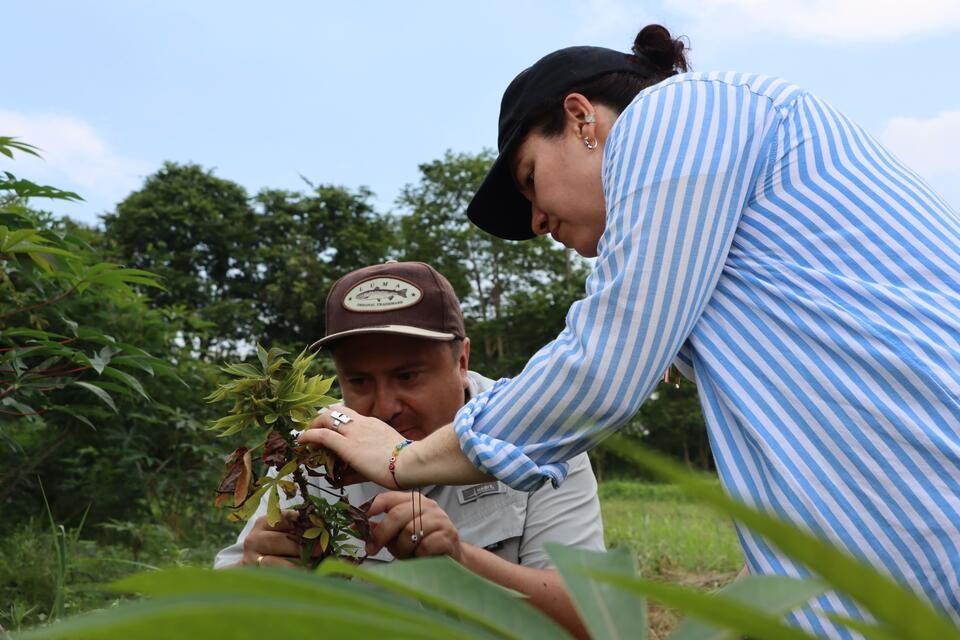
Countries join forces against cassava witches’ broom disease
A devastating crop disease has reached Latin America. We collaborated with national researchers to trace its roots, and slow its spread.
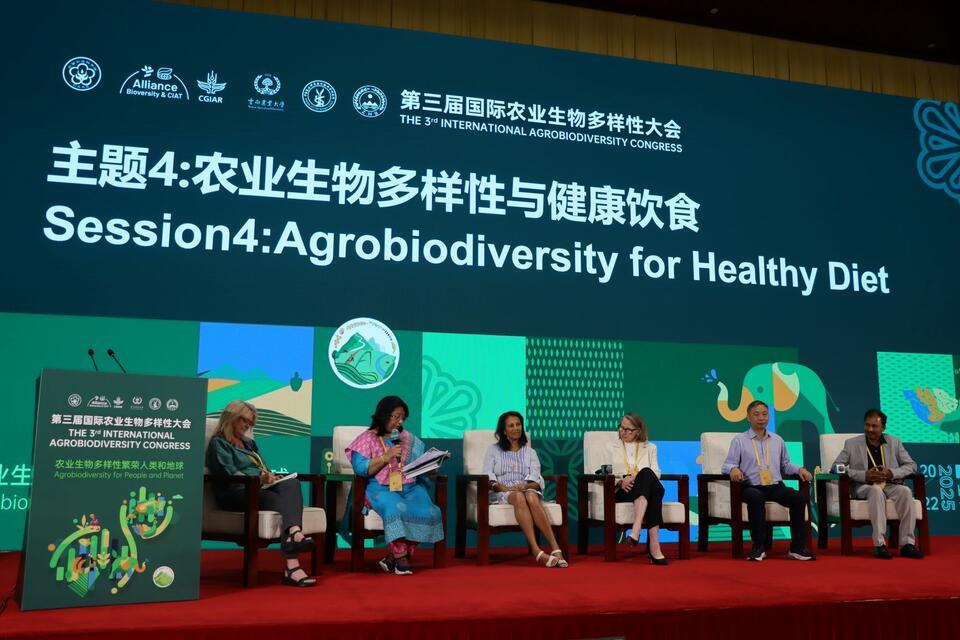
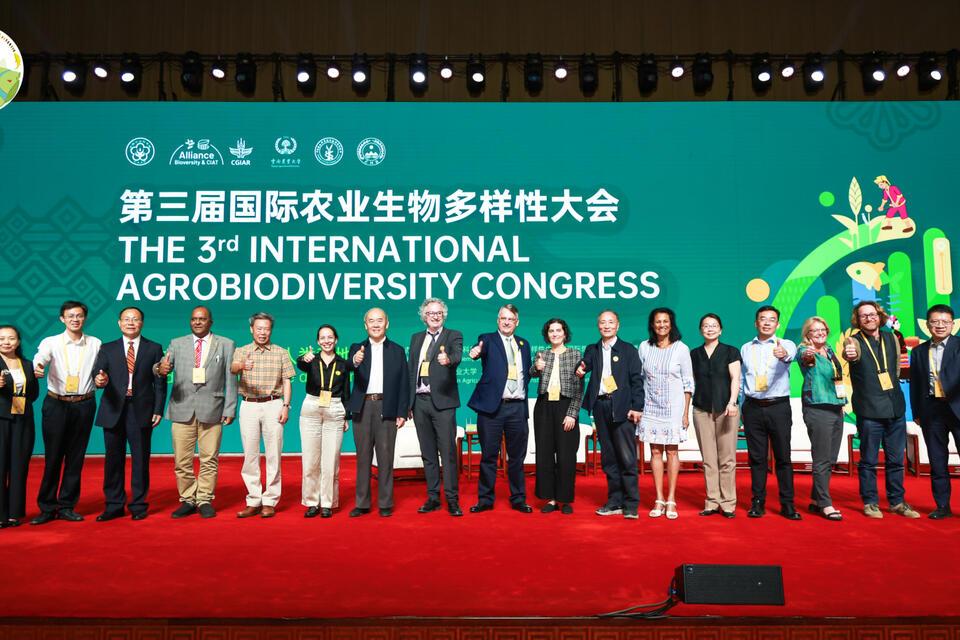
International Agrobiodiversity Congress unites experts from around the world
We welcomed 800 experts from 60 countries to Kunming. The Manifesto they produced lays the foundation for informed policies, from China to Dakar.
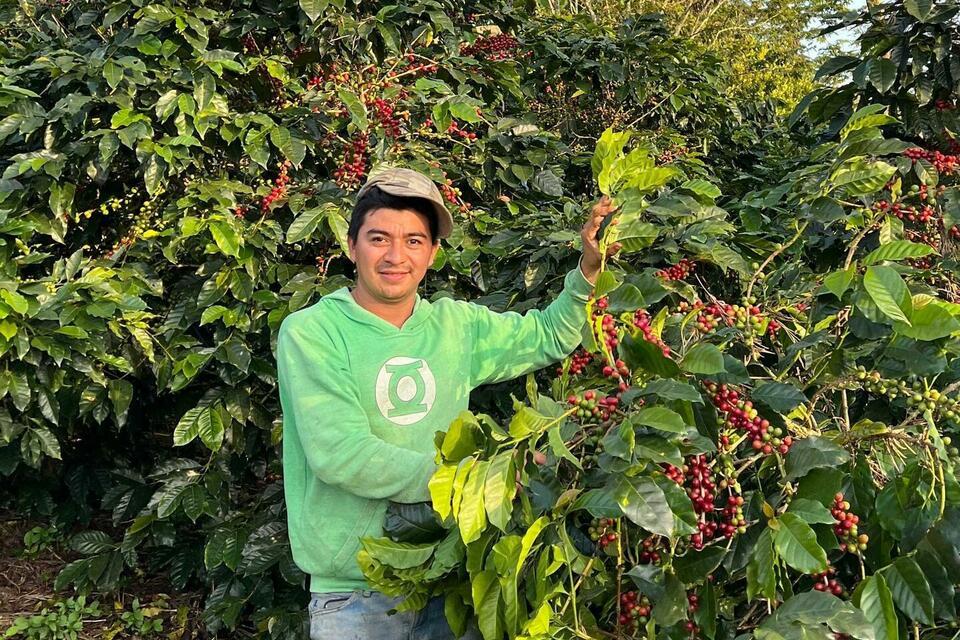
Climate Resilience Platform guides food industry sourcing
The world's food supply chains were built for a stable climate that no longer exists. We partnered with the food industry to identify exactly where the risk is, and make investments to keep food flowing.
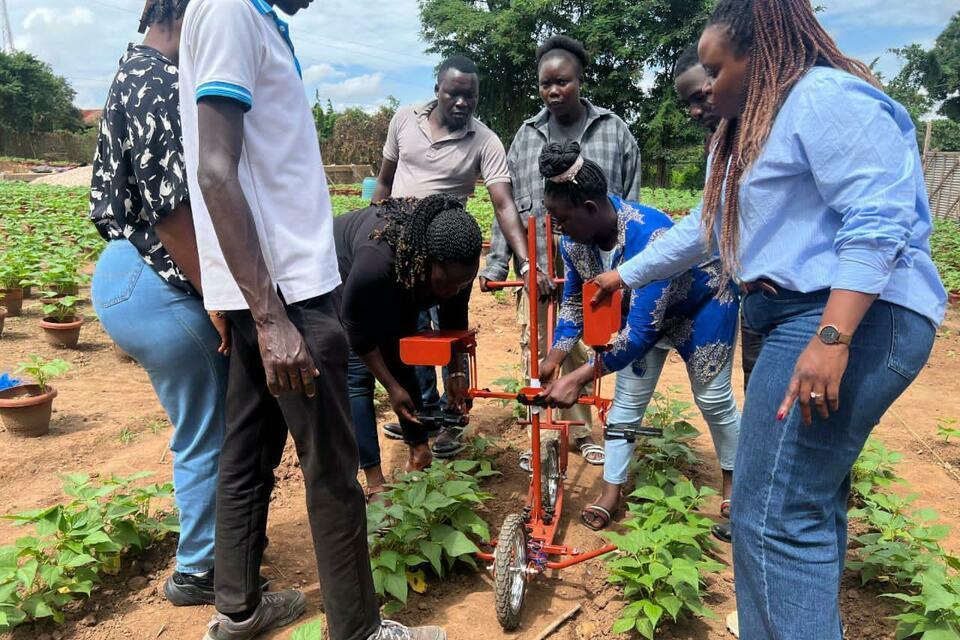
Artificial intelligence meets agriculture
Smartphones can survey crops and listen to farmers. This is AI designed for the hands of breeders, extension workers, and farmers.
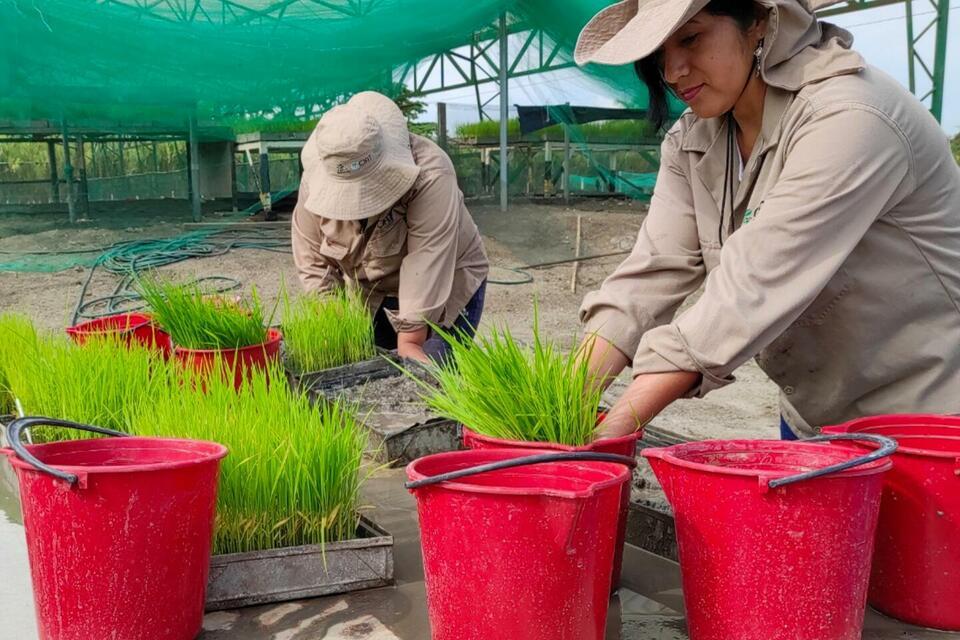
Regenerative agriculture starts with regenerative crops
New forage grasses keep Kenyan livestock fed through drought. Hybrid rice boosts harvests in Colombia. Regenerative agriculture starts in the breeding plots.
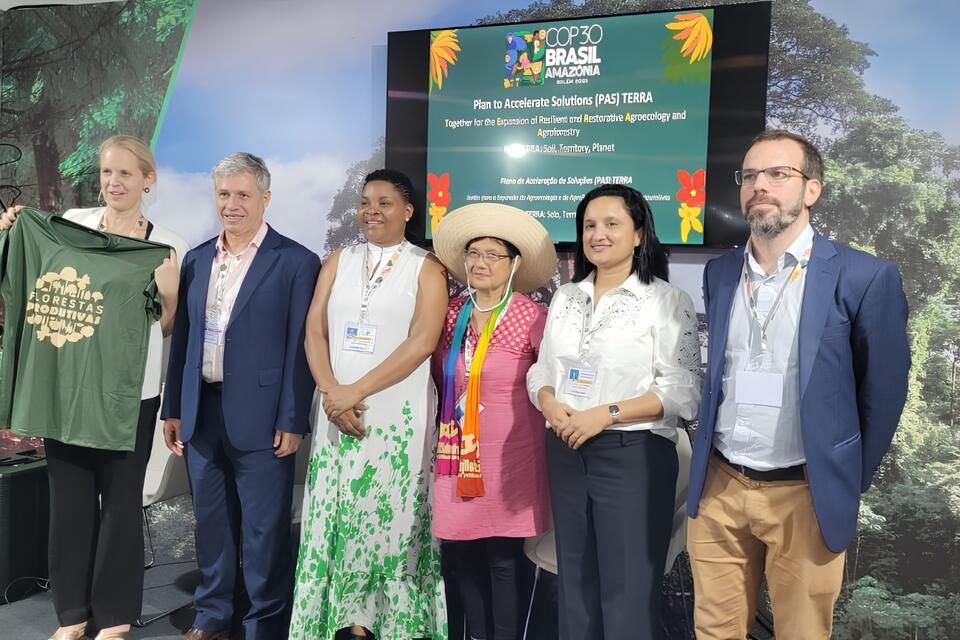
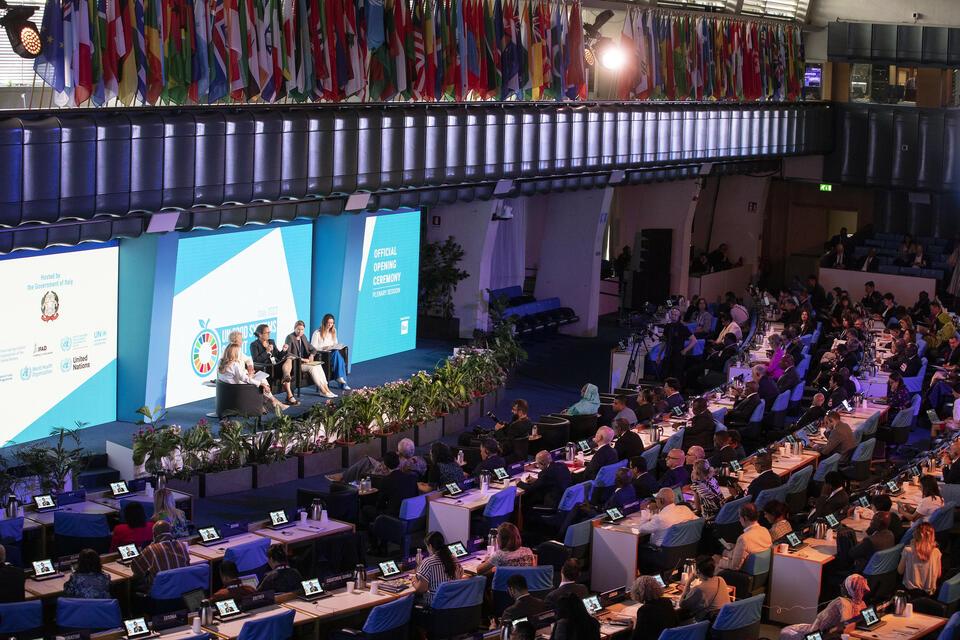
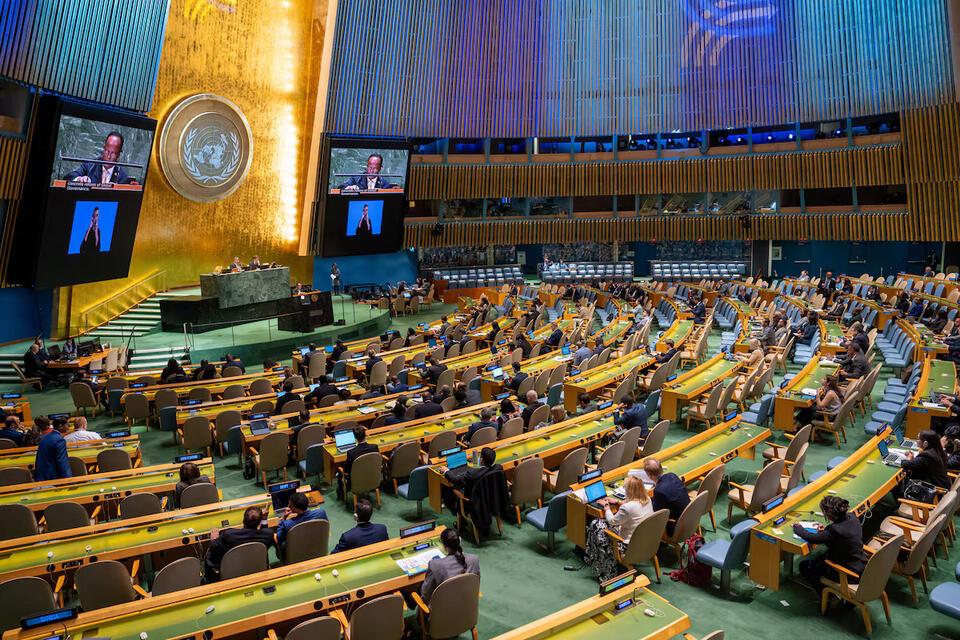
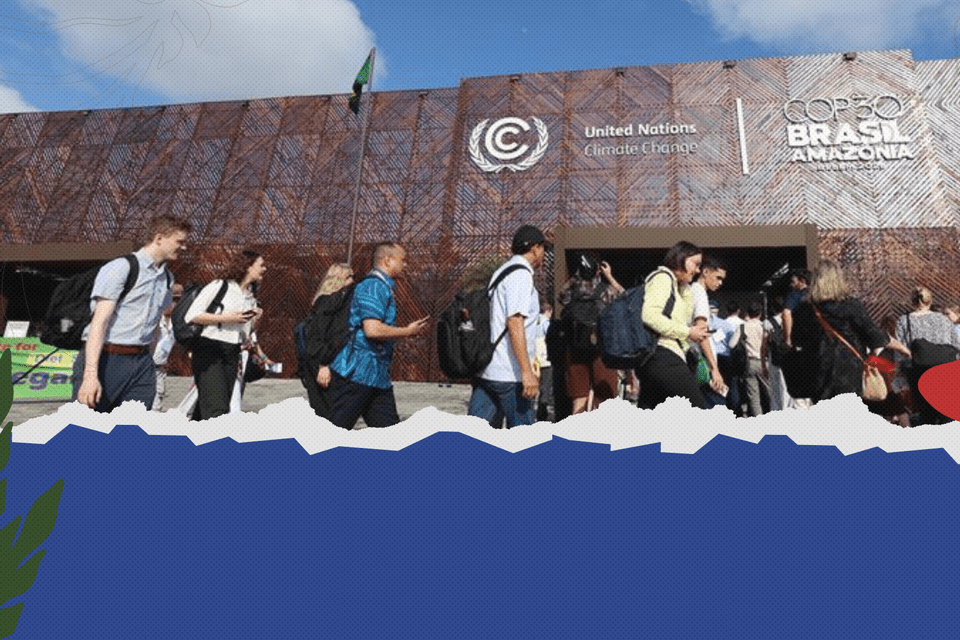
New coalitions spur food systems policy into action
Global reports don't change food systems, but coalitions do. From the EAT-Lancet Report to COP30, we connected countries and stakeholders for effective advocacy, implementation, and science uptake.