
2025 Annual Report Climate Resilience Platform guides food industry sourcing
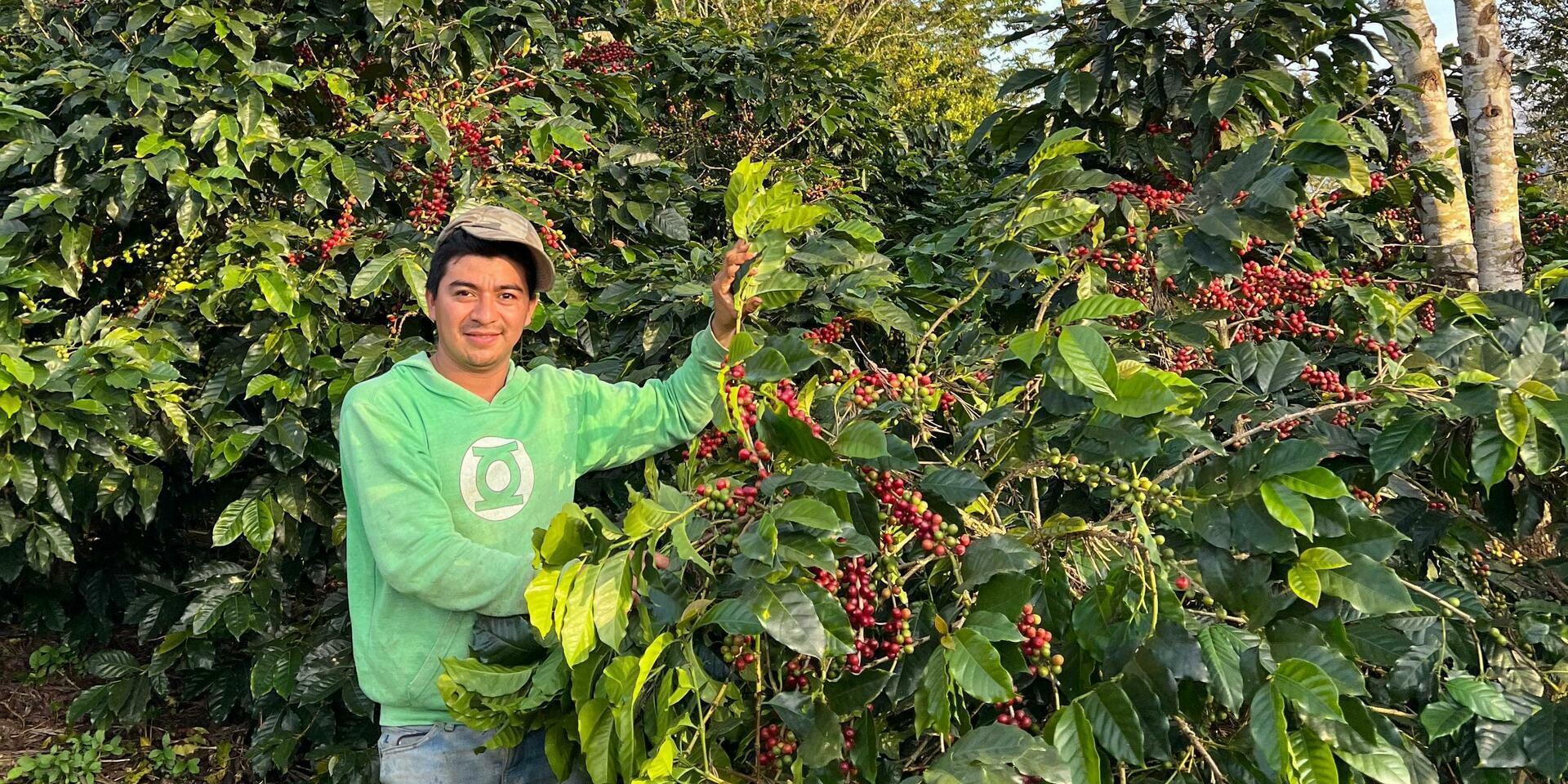
The world's food supply chains were built for a stable climate that no longer exists. The Alliance is working with the private sector to change how the food industry plans for what's coming: turning climate science into sustainable investment decisions.
When a procurement manager at a global food company asks where climate change will hit their supply chain hardest, they need answers grounded in rigorous science, expressed in the language of business risk. That is what our Climate Resilience Platform (CRP) is designed to deliver.
First developed in 2023 in partnership with PepsiCo, the CRP is a free, open-source tool that combines crop-specific yield modelling with climate hazard data— drought, flood, heat, frost— to generate actionable projections for agricultural supply chains. It maps likely yield impacts under both "do nothing" and "resilient" scenarios across 9 major commodity crops and 50 countries, giving sustainability and procurement teams the intelligence they need to invest ahead of climate risk, rather than respond to it. Fast Company recognized the platform as one of its "Next Big Things in Tech" in food and agriculture.
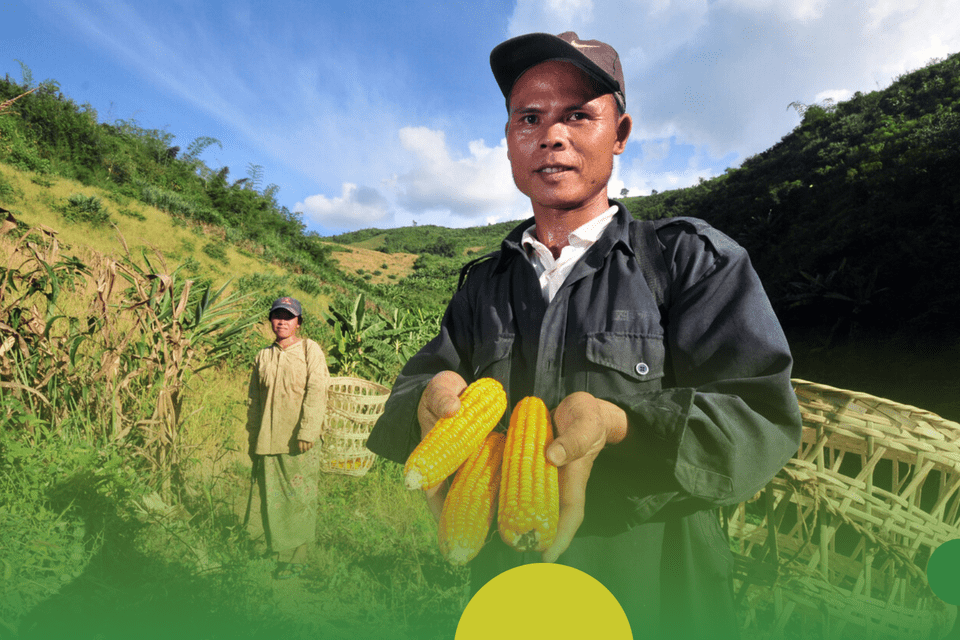
Early Results: Reduced Risk
The results already achieved illustrate what this kind of evidence can unlock. Four years after a pilot implementation in Thailand, CRP analysis showed that potato farmers in the region would face severe pressure under unchanged practices and it quantified that risk in terms that the food industry could act on. These findings helped secure a US$3 million, three-year partnership jointly funded by PepsiCo Thailand and GIZ to prioritize investments in soil health and drip irrigation. Three thousand farmers adopted climate-resilient practices as a result, cutting greenhouse gas emissions by 20% per tonne and increasing net farmer income by more than 15%.
Farmers
Adopted climate-resilient practices in Thailand.
GHG Emissions
Per tonne of potato.
farmer income
Net farmer income increase.
Investment (USD)
Secured via CRP evidence.
Expanding to more crops and collaborators
In September 2025, the Alliance and PepsiCo launched CRP 2.0 — a major update expanding the platform's capabilities and reach, made possible through PepsiCo's continued leadership and a US$1 million co-funding contribution from the Foundation for Food and Agriculture Research (FFAR). This new version adds quantification of climate risk and opportunity in explicit investment terms, enhanced tools for landscape-level collaboration between organizations, and two new crops— rice and cotton— brought in through the platform's newest partners, Olam Agri and Bonsucro.
"Climate change is one of the greatest challenges facing agriculture, and the need to innovate for resilience keeps on increasing. Our collaboration will help extend the reach of this open-access tool to key crops such as rice and cotton, helping create long-term value for supply chains and secure livelihoods for farmers in some of the most climate-vulnerable regions." - Laurence Jassogne, Head of Nature and Climate Solutions, Olam Agri
What the growing roster of partners— PepsiCo, Olam Agri, Bonsucro, FFAR, and others— signals is a shift in how the food industry relates to agricultural science. The CRP is not restricted to those who can afford it: it is open-access, open-source, and designed to enable collective action across supply chains. The Alliance's role is to ensure that the science underpinning it remains rigorous, current, and connected to the realities of farmers in climate-vulnerable regions.
Looking ahead, the platform aims to support the resilience of at least 9 million hectares of agricultural land and integrate 500,000 livelihoods into sustainable sourcing plans — targets that reflect both the scale of the challenge and the ambition of this partnership model.
Read the press release
More sustainable supply chains: cacao and coffee
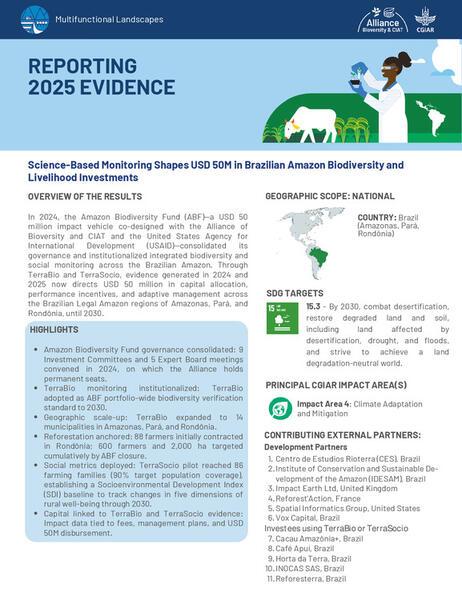
In 2025, we also reached the end of the EU Desira project, which was pivotal for the cacao sector in Peru, Ecuador and Colombia, as its aim was to produce the science and practices required to secure access to markets for small cacao farmers. By creating scientific recommendations and credible information about cadmium content and absorption in cacao, the project enabled farmers and countries to adapt to and comply with food safety regulations for this crop in the EU market.
A critical aspect of this work was our partnership with governments and national organizations, along with gene editing work (CRISPR) as a promising breakthrough for safer cacao.
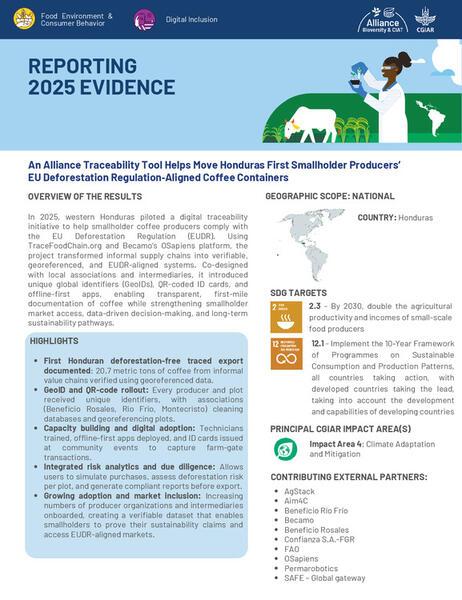
Additionally, the Alliance has developed systems to help farmers comply with EUDR regulations, creating traceability and monitoring, reporting and verification (MRV) systems to demonstrate the origin of deforestation-free coffee from Honduras, culminating in the country’s first certified shipment last fall. This work continues in 2026, as we help reduce risk of exclusion of smallholder coffee and cacao farmers from deforestation-free supply chains through evaluation and ranking of the most accurate and unbiased deforestation compliance maps using Sample Earth. Likewise with cacao, we are collaborating with the Italian government on sustainable cacao in West Africa.

Explore more of our 2025 impact on sustainable supply chains
Global cocoa and coffee
Production covered by climate projection data (ACLIMATAR).
Investments Informed (USD)
For Amazon biodiversity fund.
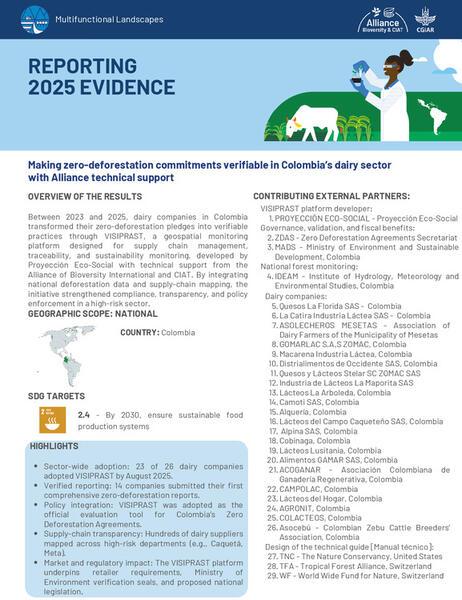
Colombian dairy companies
Adopted sustainability monitoring platform.
Metric tons of coffee
Verified to meet EU deforestation-free standards.
Explore our Collaborations
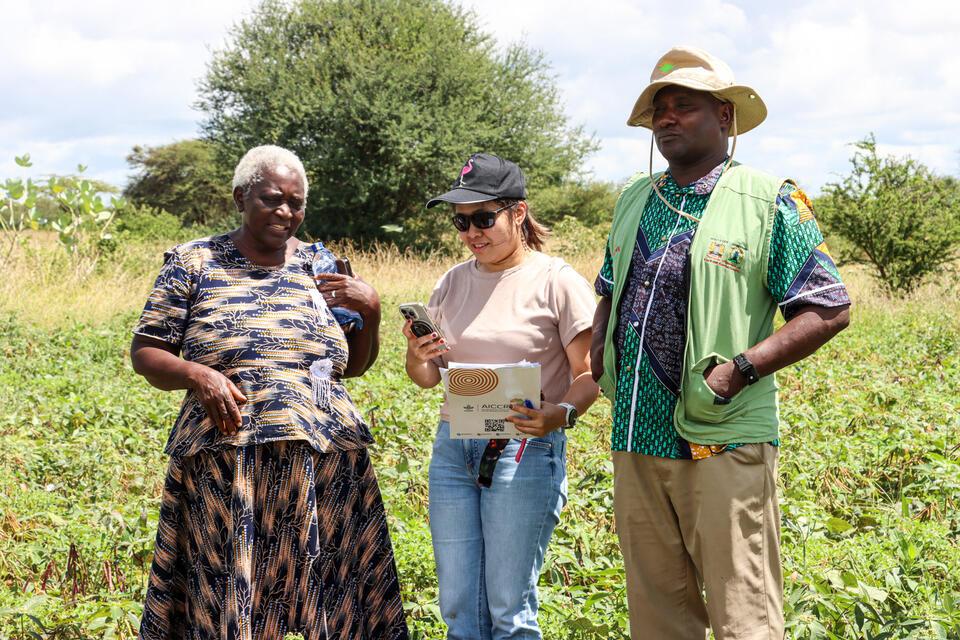
Science + Collaboration = Scalable Impact
Will food and land systems be a solution to the world's pressing challenges... or remain part of the problem? The science to tip that balance exists. But it requires partnerships to turn into action.
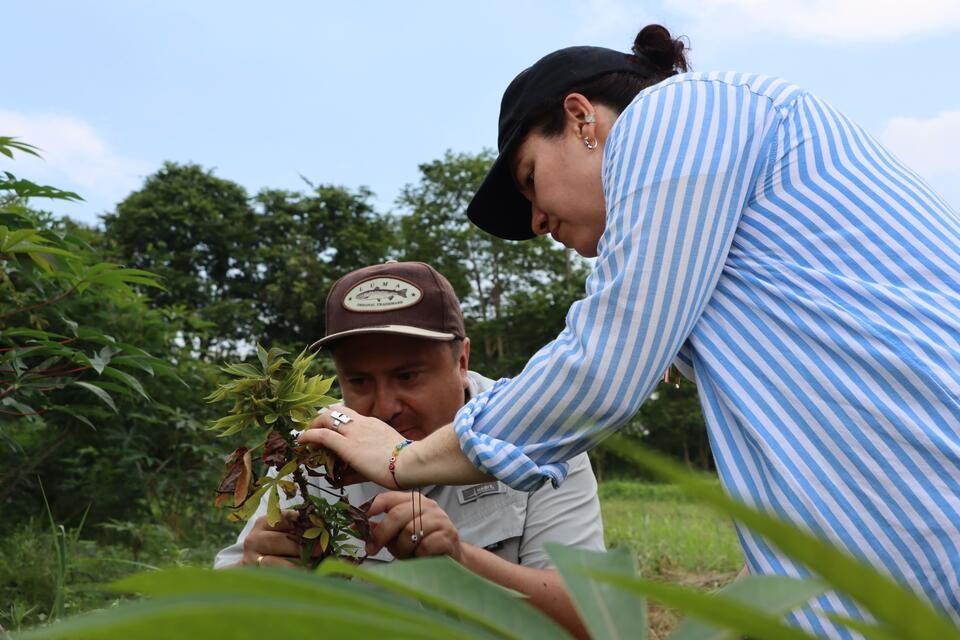
Countries join forces against cassava witches’ broom disease
A devastating crop disease has reached Latin America. We collaborated with national researchers to trace its roots, and slow its spread.
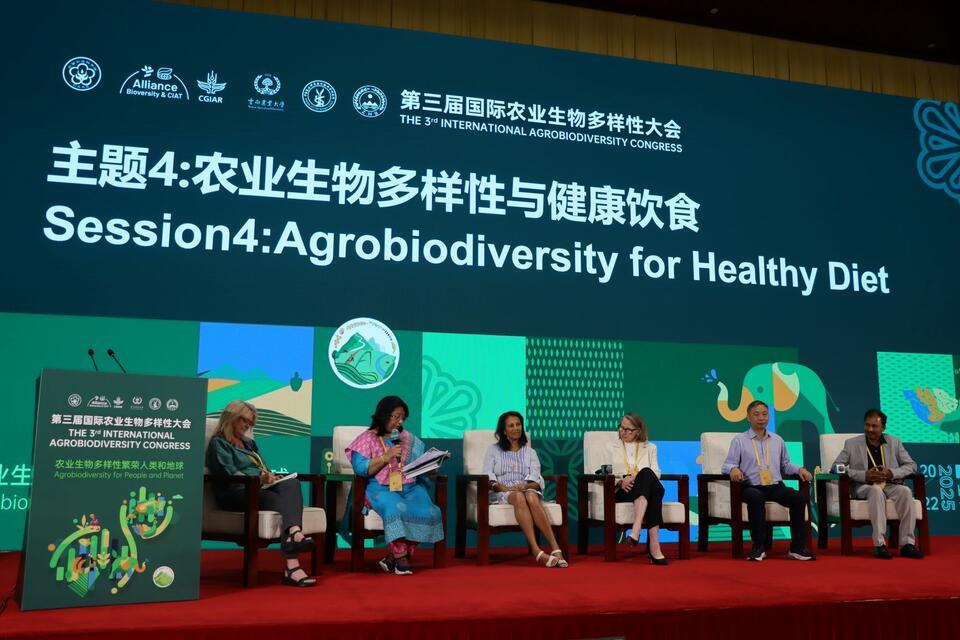
International Agrobiodiversity Congress unites experts from around the world
We welcomed 800 experts from 60 countries to Kunming. The Manifesto they produced lays the foundation for informed policies, from China to Dakar.
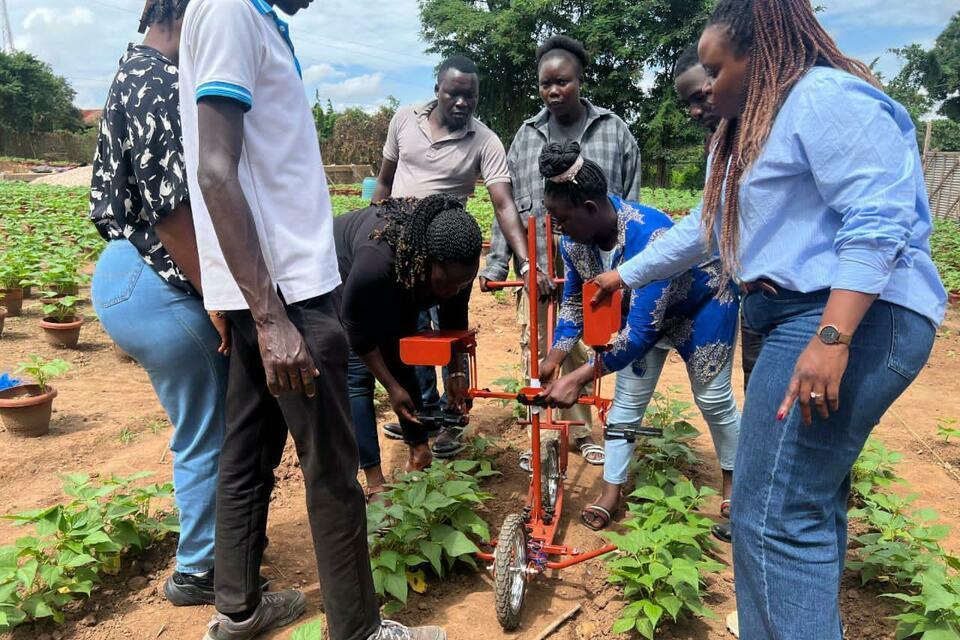
Artificial intelligence meets agriculture
Smartphones can survey crops and listen to farmers. This is AI designed for the hands of breeders, extension workers, and farmers.
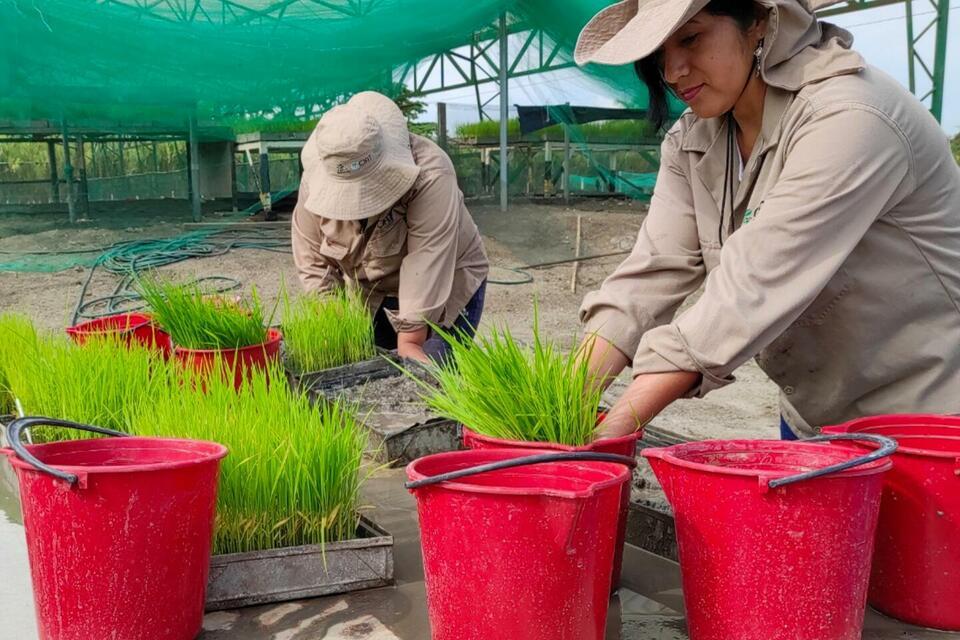
Regenerative agriculture starts with regenerative crops
New forage grasses keep Kenyan livestock fed through drought. Hybrid rice boosts harvests in Colombia. Regenerative agriculture starts in the breeding plots.

New coalitions spur food systems policy into action
Global reports don't change food systems, but coalitions do. From the EAT-Lancet Report to COP30, we connected countries and stakeholders for effective advocacy, implementation, and science uptake.