
2025 Annual Report Artificial intelligence meets agriculture
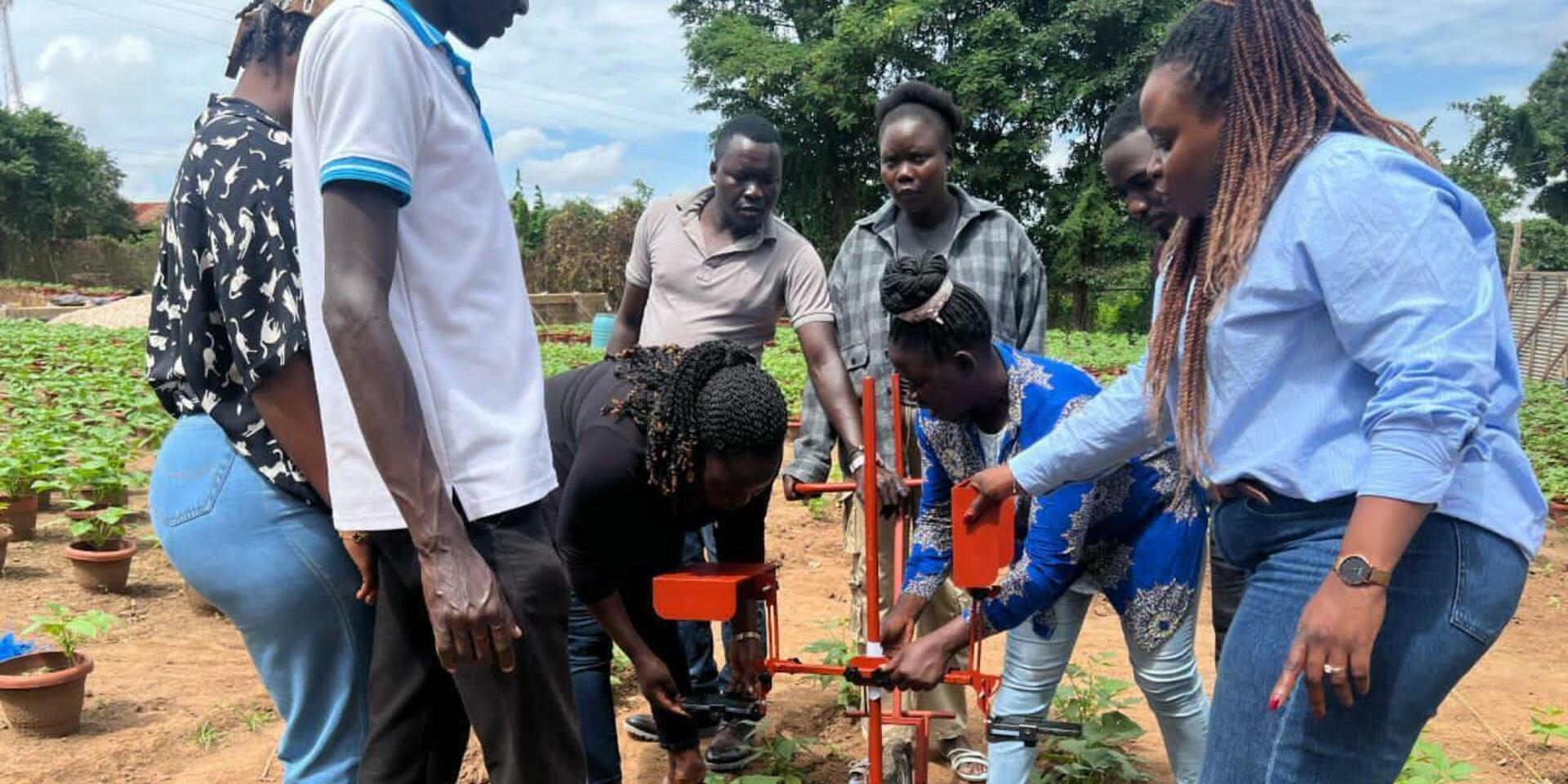
Artificial intelligence is transforming industries worldwide, but most of it isn't designed for a smallholder farmer in Uganda with a patchy internet connection. The Alliance is changing that by building farmer-first tools that apply AI to accelerated crop breeding, detecting disease in real time, and listening literally to what farmers need.
Artificial intelligence is reshaping agriculture, but its full potential will only be realized if it powers tools designed for and with the people who grow our planet’s food. This human-centered design principle guides the Alliance's approach to digital innovation: AI designed to fit the hands of breeders, extension workers, and farmers in the field — particularly in Africa, where the gap between research capability and practical application has historically been widest, and where the stakes of getting it right are highest.
In 2025, a suite of interconnected tools developed by Alliance scientists, supported by global partners including the Gates Foundation and Google, moved from the research phase into deployable products.
“Beyond the chatbots and productivity tools that have dominated public attention, AI is extending the reach of cutting-edge science and helping scientists globally tackle some of the greatest challenges facing their communities… In food security, we’re developing plant phenotyping foundation models to help accelerate the development of new climate-resilient seeds.” - James Manyika, SVP for Research, Labs, Technology & Society at Google-Alphabet, commenting in Fortune
Seeing the crop: AI-powered phenotyping
Traditional crop evaluation is slow, labor-intensive, and dependent on expert estimators who cannot be everywhere at once. Pheno-i changes that equation. By converting drone and field images into trait-level data at scale— screening thousands of lines for plot quality, disease response, growth, and yield— Pheno-i allows breeders to compress selection cycles that once took seasons into days.
Supported by a Google-funded initiative, the Alliance is training breeders to use Pheno-i and develop their own AI models, building analytical capacity across the network. Connected to the CGIAR Fairgrounds platform, this gives breeders access to interoperable, AI-ready datasets: accelerating genetic gains through collaboration as much as through computation.
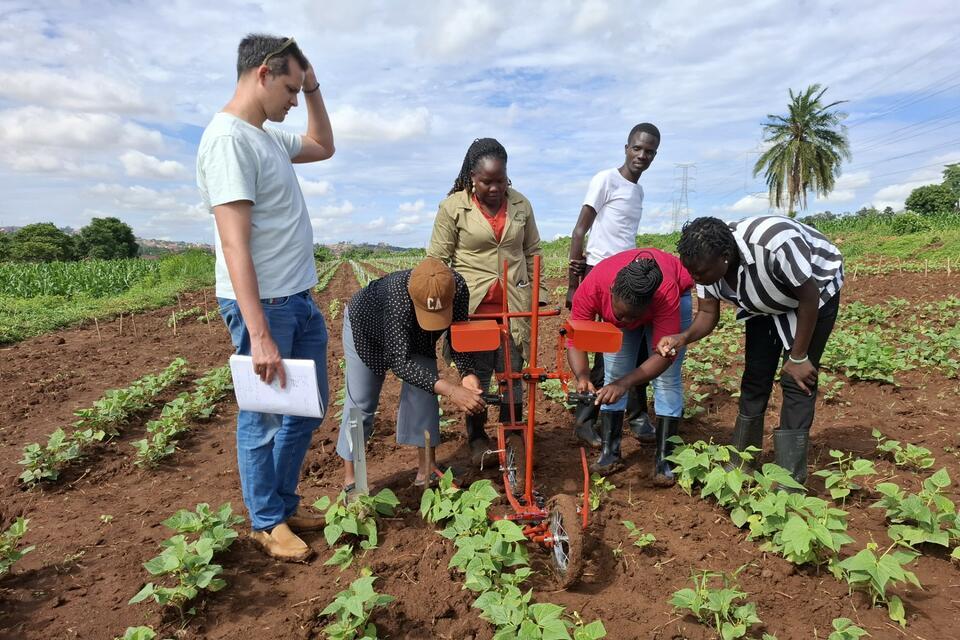
At the field level, the Artemis project— four years of research and development supported by the Gates Foundation— has produced Ona (Swahili for "to see"): a smartphone-based computer vision tool that allows researchers to image entire breeding plots in under 30 seconds. Used alongside Bruno, its companion field tool, Ona delivers same-day data that outperforms traditional human estimation in precision and accuracy. Ona is now scaling as the primary smartphone phenotyping tool across CGIAR — putting rigorous crop measurement in the pocket of anyone with a phone.
Listening to the farmer: voice, language, and on-farm intelligence
Phenotyping captures what a plant looks like. But understanding what a farmer needs requires a different kind of listening.
The NDIZI project— also Gates Foundation-supported— has developed Sikia (Swahili for "to listen"): a tool that uses automatic speech recognition and vision-language models to capture conversational and visual data directly from the farm, processing it through large language models to extract insights into farmer preferences and in-season plant performance. Having developed performant models for Swahili, the team is now expanding into other languages (Chichewa, Amharic, Hausa, Wolof, Yoruba) and building towards offline, on-device deployment for areas without internet connectivity — a design choice that keeps the technology grounded in the realities of the farmers it is meant to serve.
“We need AI that listens, literally and metaphorically. Because the real innovation isn’t the algorithm. It’s what happens when a farmer’s voice shapes the science.” -Jacob van Etten, Director of Digital Inclusion at the Alliance, speaking at CGIAR Science Week
Tricot— a citizen science methodology for inclusive on-farm crop testing — has likewise been transforming how breeders gather preference data at scale, by placing the evaluation of new varieties directly in the hands of farming communities. Our 1000FARMS project has worked across Ethiopia, Ghana, Uganda, and beyond to scale the use of tricot and the ClimMob platform among national research systems, universities, and CGIAR breeders.
The approach generates context-specific preference data that laboratory trials cannot, and is changing how breeders think about the late stages of variety development.
"We are in the process of developing improved varieties of common beans. Usually when we are in the late stages before we release the varieties officially, we have to test them on-farm with farmers. We opted to use tricot because we wanted to have a better understanding of the degree to which the farmers appreciated these varieties.” - NARO bean breeder, Uganda (collected during an anonymous interview)
An analysis started in July 2025 confirmed tricot’s growing momentum: especially in Ghana and Uganda, the Alliance's work, combined with CGIAR and Gates Foundation-funded breeding programs, has demonstrably increased awareness, skills, and adoption for national breeders. For example in Ethiopia, respondents indicated a high 90% trust in tricot over other on-farm methods. Likewise, uptake has catalyzed collaborations with farmer organizations, public extension services, and seed system partners. The analysis also points to where more work is needed: in Ethiopia and Haiti, building institutional relationships that allow tricot to take root remains a priority.
Disease detection at scale: hope through Tumaini
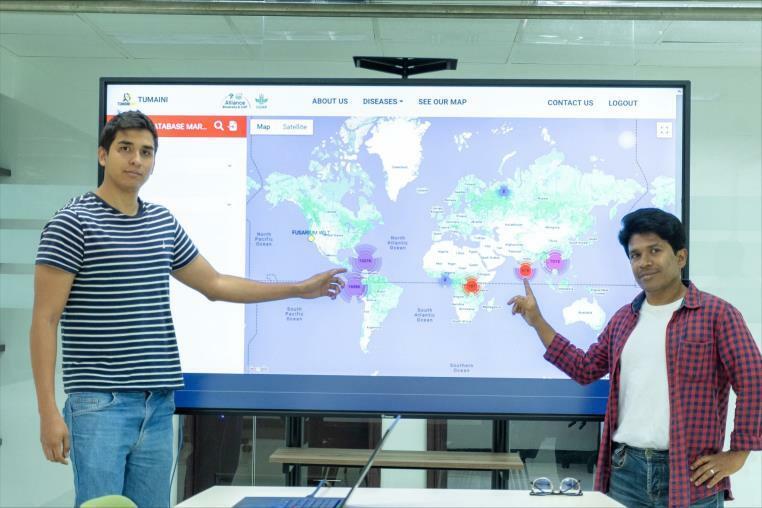
For farmers dealing with crop disease, speed of diagnosis can mean the difference between a manageable outbreak and a lost harvest. The Tumaini app aims to do this for key crops such as banana and, most recently, beans. It has already been widely adopted among PABRA breeders and is now integrated into the Beans for Women project — with real-time disease detection and crop health assessment made possible directly from a smartphone. An open-source dashboard has mapped more than 100,000 GPS-referenced banana disease observations across 17 countries. In eastern Uganda, extension workers and lead farmers have been trained in the technology, embedding digital literacy into the agricultural communities that need it most. Interest is now extending beyond Africa: partners in Southeast Asia have requested localized language support (such as Malay) to adapt Tumaini to banana and other crops (with plans including expansion to coffee and cacao)— a signal of the platform's scalability and of the Alliance's growing role as a provider of agricultural AI infrastructure.
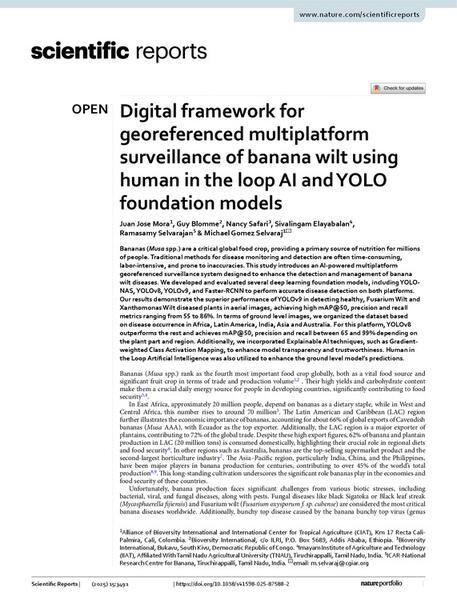
Also in 2025, Alliance scientist Michael Selvaraj introduced “Tumaini Air” at the FAO World Banana Forum, highlighting how drone-sourced data can map fields and support precise plant protection, while noting the role of partners in global adoption. He was further invited to share his experience developing the tool with the American Association for the Advancement of Science (AAAS), an international forum that serves as a breeding ground for scientific collaboration.
“Phenotyping and phenomics are the most exciting and energetic emerging fields that I have been a part of, in no small part because most practitioners come from many different backgrounds,” - Seth Murray, professor at Texas A&M University, speaking at the 2025 AAAS Meeting.
Towards Tatu: a framework for lasting impact
Pheno-i, Ona, Sikia, Tricot, and Tumaini are outlasting the lifespan of a typical research project: they are products for breeders and farmers to use, adapt, and improve. To support this evolution, the Alliance is developing Tatu (Swahili for "three"): an operational framework that represents the convergence of people, AI, and plants, and provides the enabling environment to turn future research into enduring, high-impact products. Tatu is the bridge between innovation and the sustained delivery of tools that work for farmers for years to come.
Explore more of our 2025 impact in digital tools
Plots per day
Measured by AI phenotyping technology, doubling data collection speed from 500 plots per day.
Agribusinesses piloted AI diagnostic tools
To reduce climate risk for honey, poultry inputs, rice, solar irrigation, and soybean value chains.

Lennart Woltering
Sustainable Innovation and Transformation lead
Michael Gomez Selvaraj
Leader, Digital Agriculture PlatformExplore our Collaborations
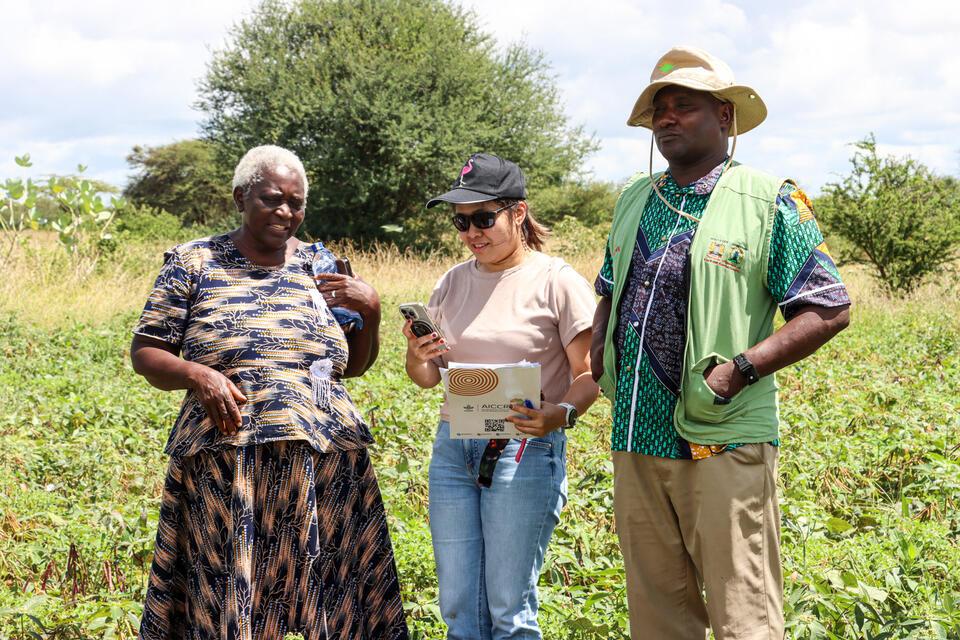
Science + Collaboration = Scalable Impact
Will food and land systems be a solution to the world's pressing challenges... or remain part of the problem? The science to tip that balance exists. But it requires partnerships to turn into action.
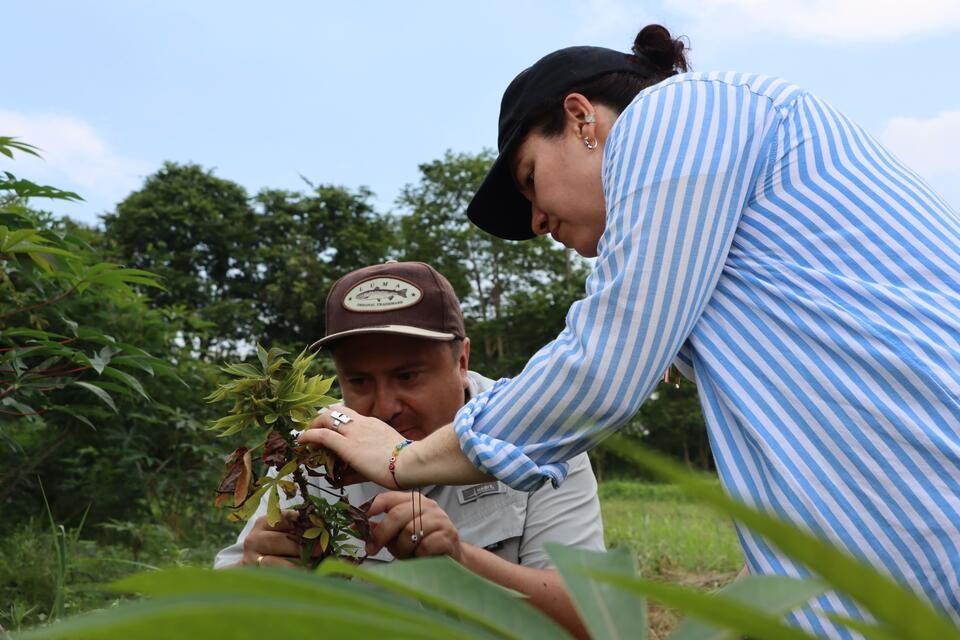
Countries join forces against cassava witches’ broom disease
A devastating crop disease has reached Latin America. We collaborated with national researchers to trace its roots, and slow its spread.
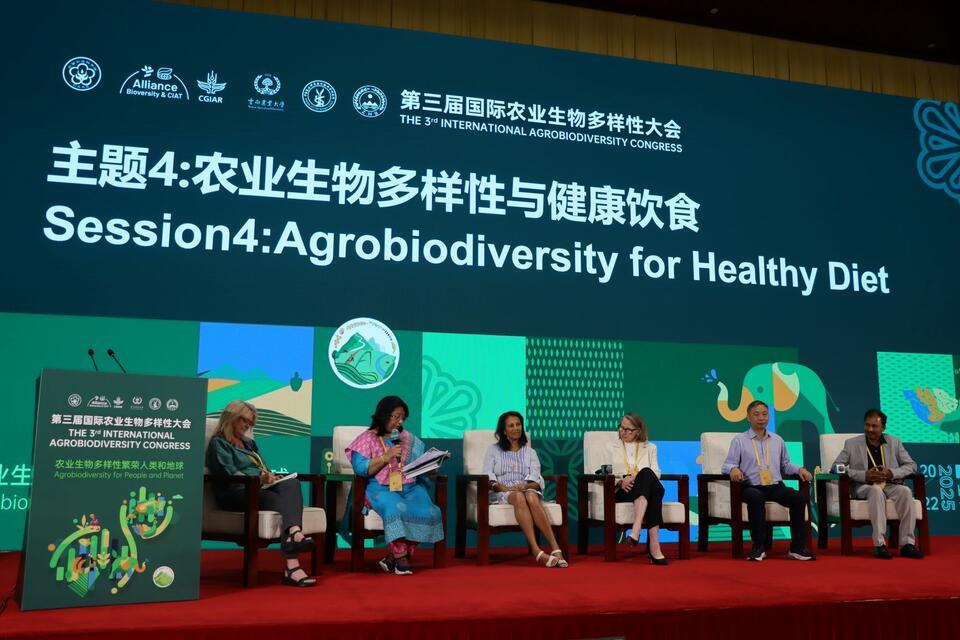
International Agrobiodiversity Congress unites experts from around the world
We welcomed 800 experts from 60 countries to Kunming. The Manifesto they produced lays the foundation for informed policies, from China to Dakar.
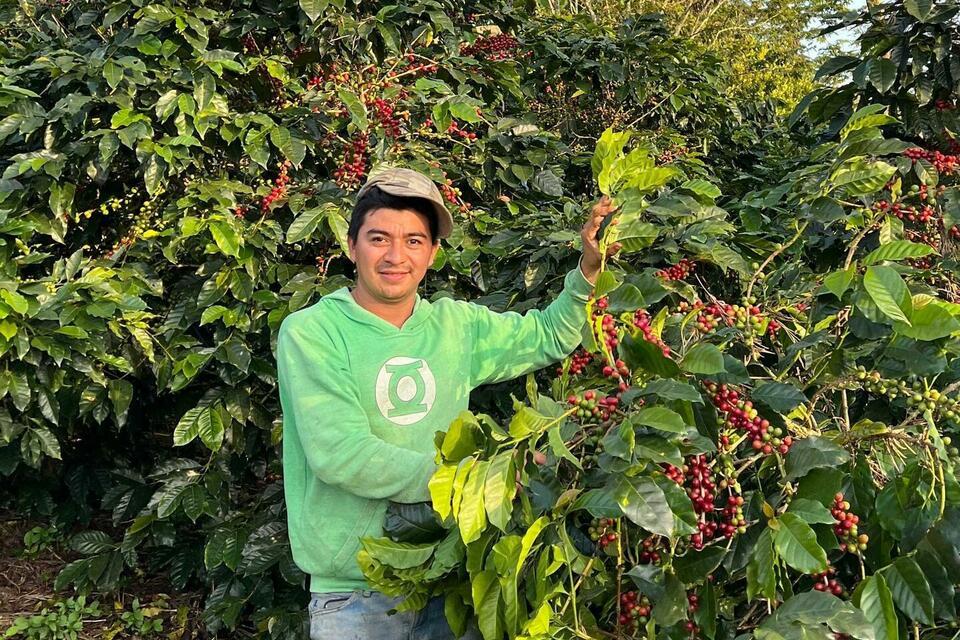
Climate Resilience Platform guides food industry sourcing
The world's food supply chains were built for a stable climate that no longer exists. We partnered with the food industry to identify exactly where the risk is, and make investments to keep food flowing.
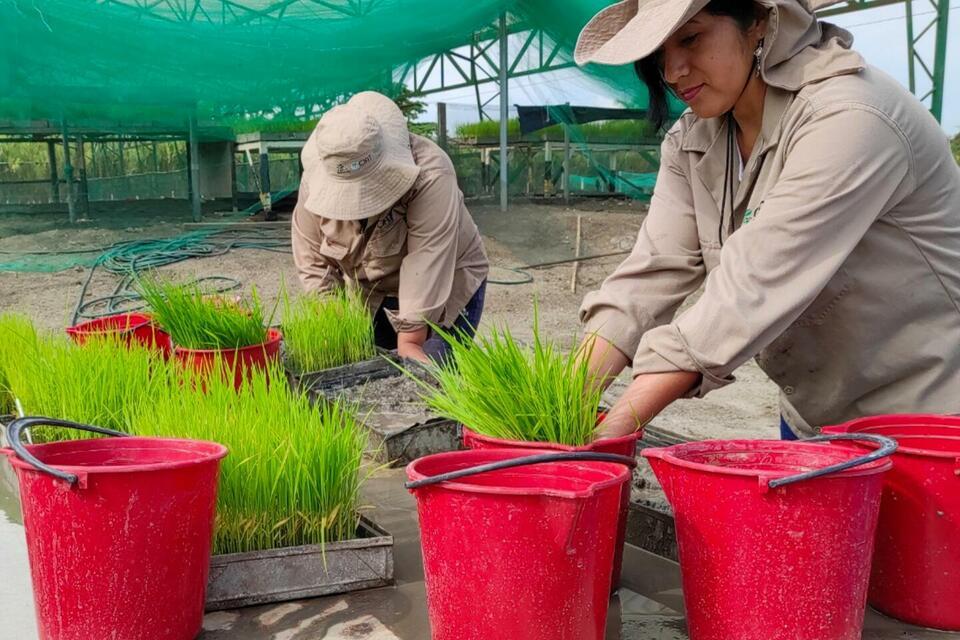
Regenerative agriculture starts with regenerative crops
New forage grasses keep Kenyan livestock fed through drought. Hybrid rice boosts harvests in Colombia. Regenerative agriculture starts in the breeding plots.
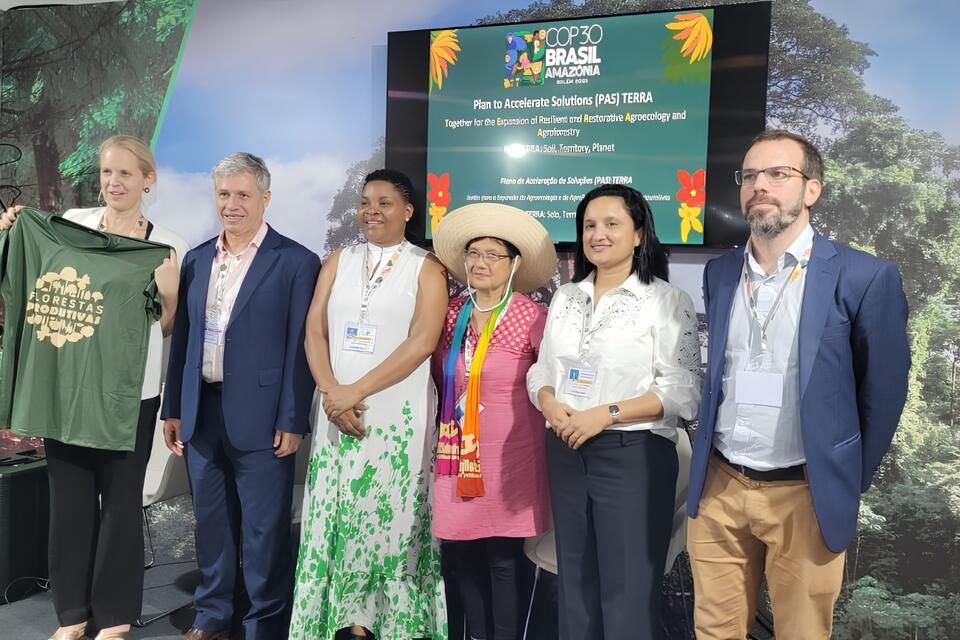
New coalitions spur food systems policy into action
Global reports don't change food systems, but coalitions do. From the EAT-Lancet Report to COP30, we connected countries and stakeholders for effective advocacy, implementation, and science uptake.