Blog Meet Bruno: The AI robot revolutionizing bean breeding in Uganda

To breed resilient, productive, and nutritious bean varieties, accurate, efficient, and cost-effective data collection is essential. Traditionally, breeding programs depended heavily on human observation, sometimes supported by mobile data collection apps. But, manual phenotyping is time consuming, labor intensive, prone to error, and slows down selection cycles and drives up costs of breeding.
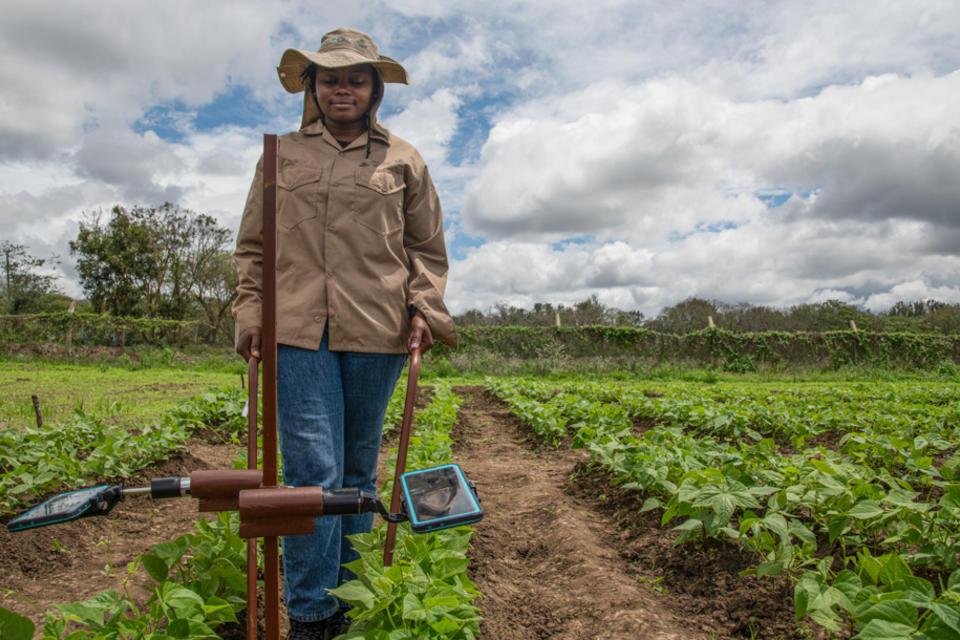
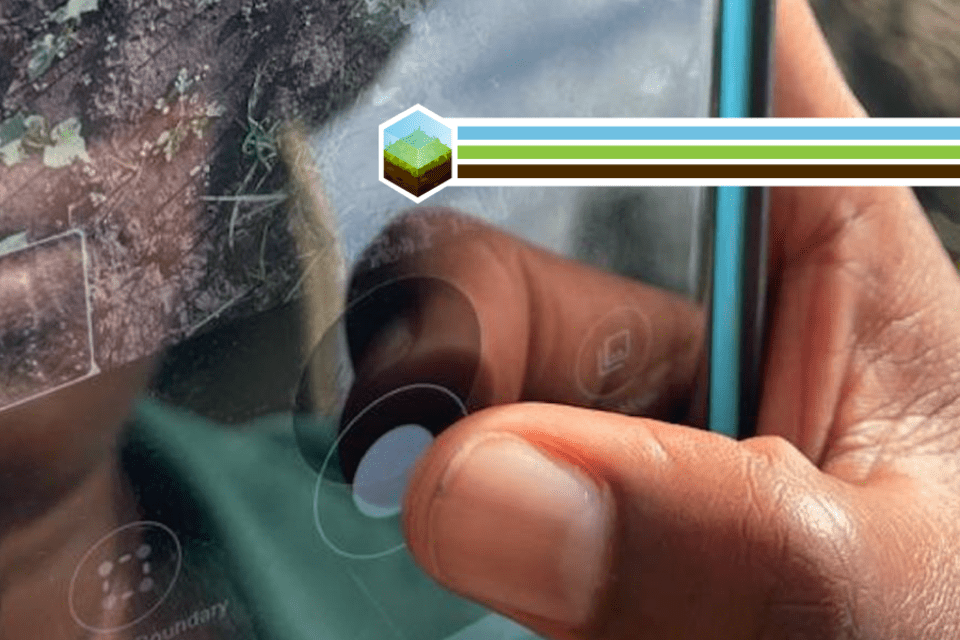
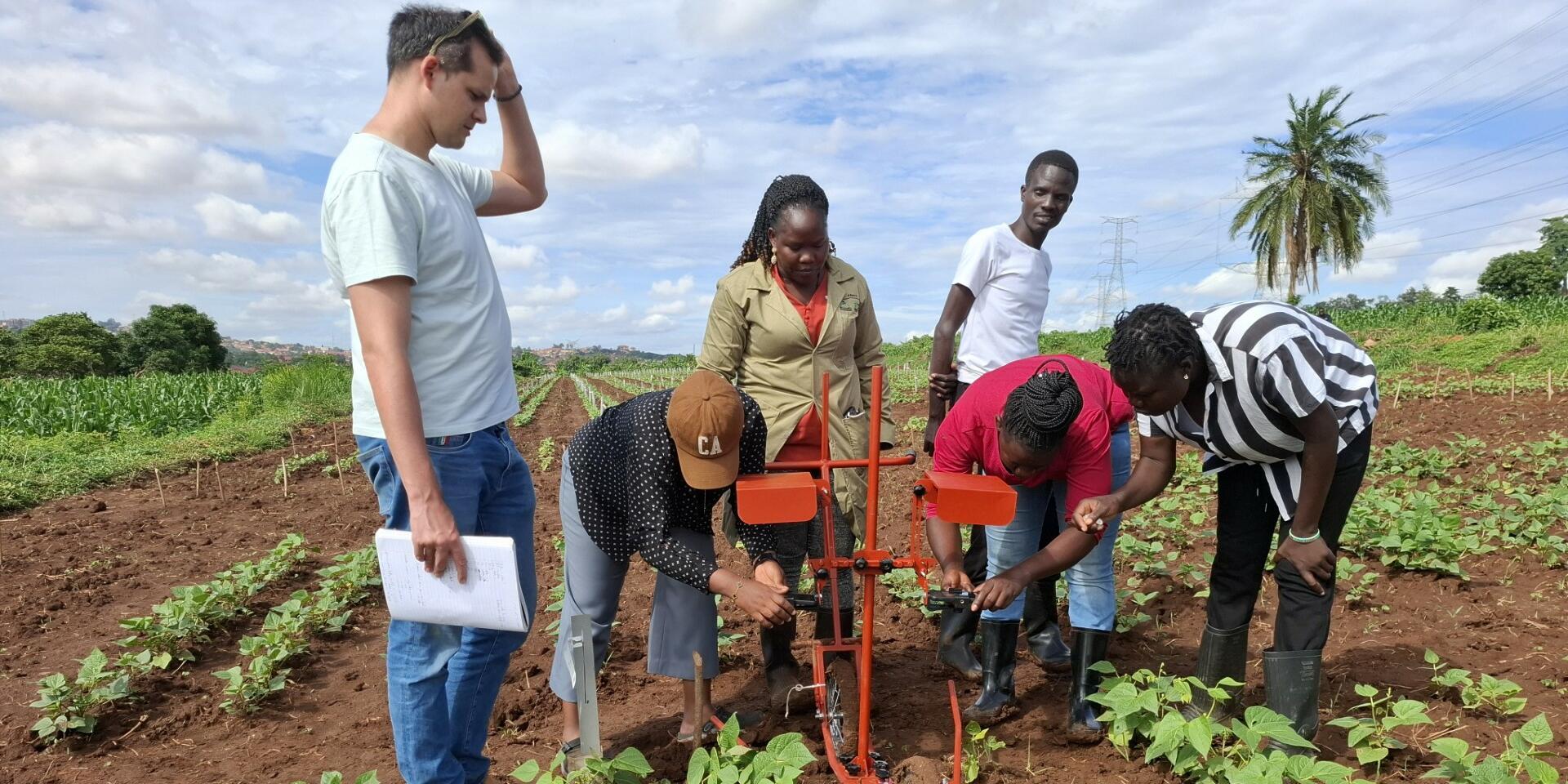
In early 2025, researchers at the Alliance Bioversity International and CIAT's Uganda office began field testing an innovative phenotyping robot named Bruno, which automates the phenotyping process into a fully digital workflow. It uses standard Android smartphones with the custom ONA data collection app. Bruno is moved through experimental plots while its cameras take detailed images. These images are uploaded to a secure cloud database, analyzed using artificial intelligence (AI) models, and breeders can access quantified phenotypic data, such as plant stand counts, flower emergence, and pod counts.
By harnessing robotics and artificial intelligence, Bruno delivers faster plot assessments and more reliable measurements. It reduces data collection time by at least 70%, reduces labor costs, and eliminates human errors that occur when thousands of plants require phenotyping.
In addition to the above traits, Bruno can also be trained to capture traits such as flower/pod/leaf color, canopy architecture, disease severity symptoms as well as pest damage, expanding its utility across different growth stages.
“This technology is a game-changer,” said Roy Odama, bean breeder at the Alliance's Uganda office. Further, it accelerates our breeding cycle while significantly reducing the risk of errors”.
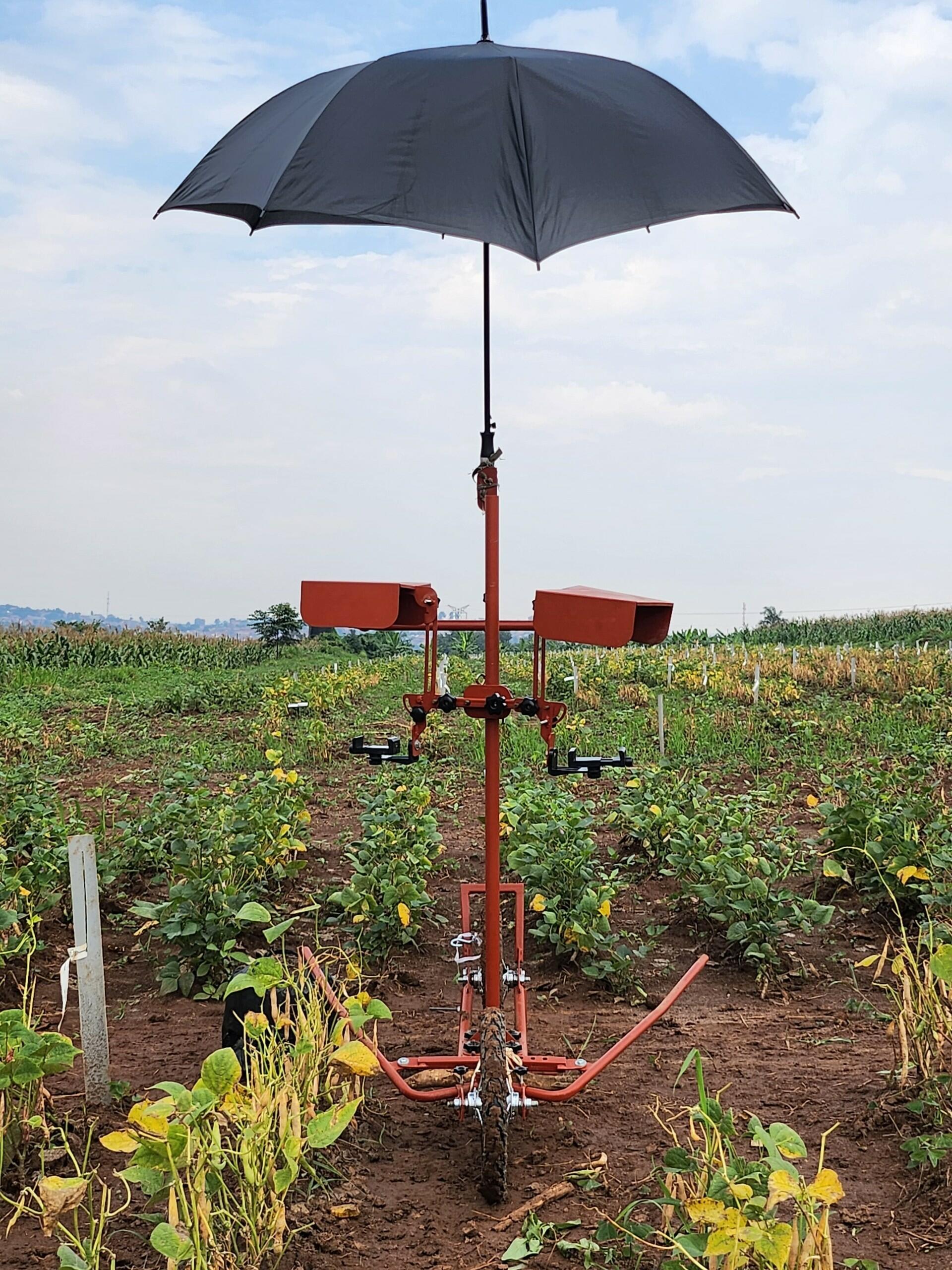
BRUNO in action during yield data collection.

Bruno was developed by the Alliance's team based at the Arusha office in Tanzania under the ARTEMIS project funded by the Bill & Melinda Gates Foundation. Built using readily available tools, the robot offers a low-cost, scalable alternative to drones and industrial imaging platforms. It was deployed exclusively for prototype testing in the Bean Breeding Program at the Alliance Uganda office, where it was used for data collection in the experimental field.
Bruno’s adaptability to Uganda’s non-flat terrain has also proven its relevance for diverse African farming systems.
“Seeing Bruno - which was initially developed in the flatlands of Arusha - perform well in Uganda’s hilly fields shows its potential for wide-scale deployment in the whole African continent,” said Beverly Agesa, Scientist at Alliance, Arusha. “I was equally impressed with the creativity and energy of the Ugandan team implementing this."
The deployment of Bruno in the Alliance's Ugandan bean breeding program has shown faster acquisition of data and significant reductions in labor costs needed for cost effective variety development. This success is largely due to continuous hands-on training and technical support from the Alliance Arusha team, delivered through a structured, phased program aimed at strengthening local capacity in digital phenotyping.
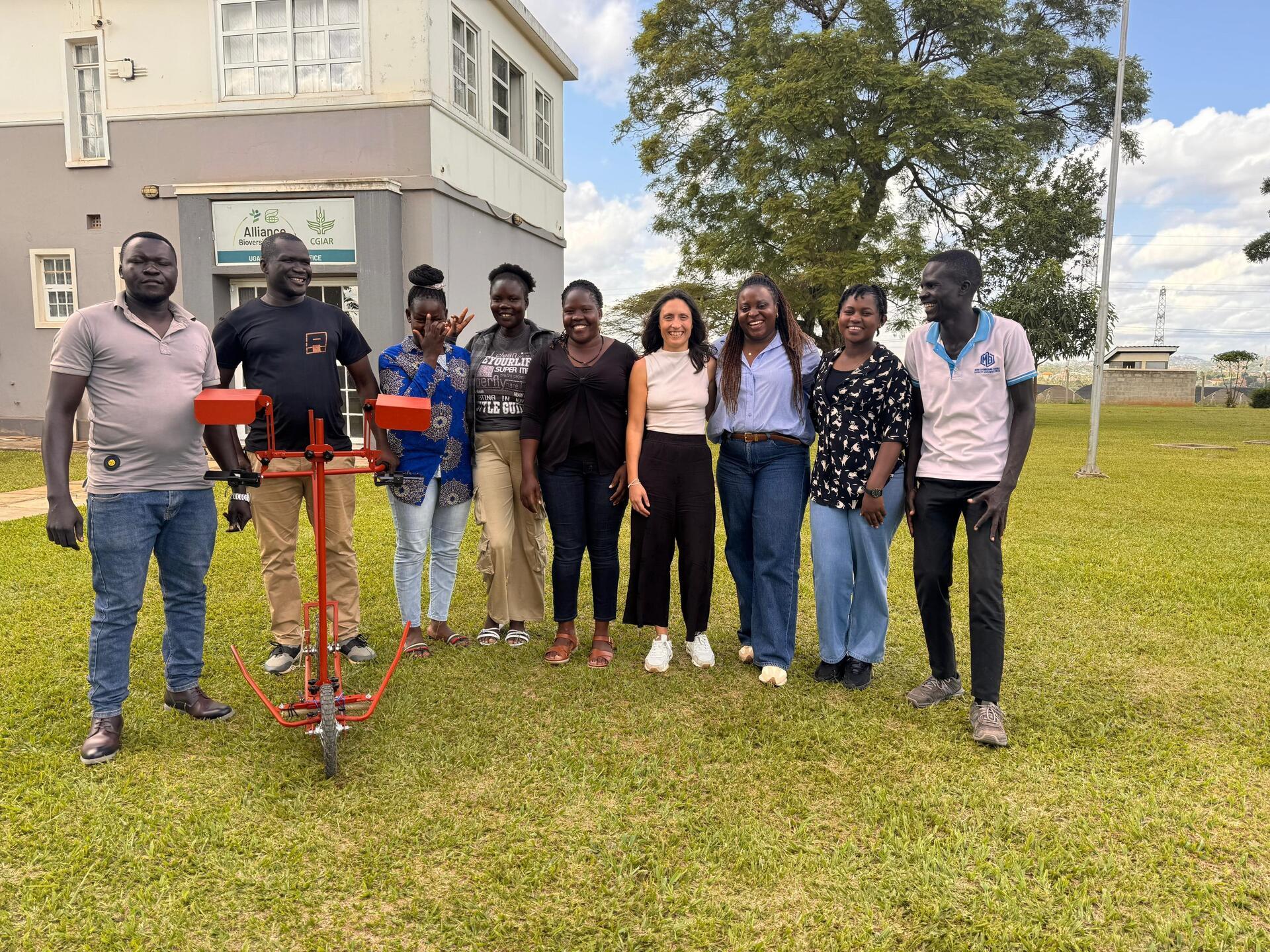
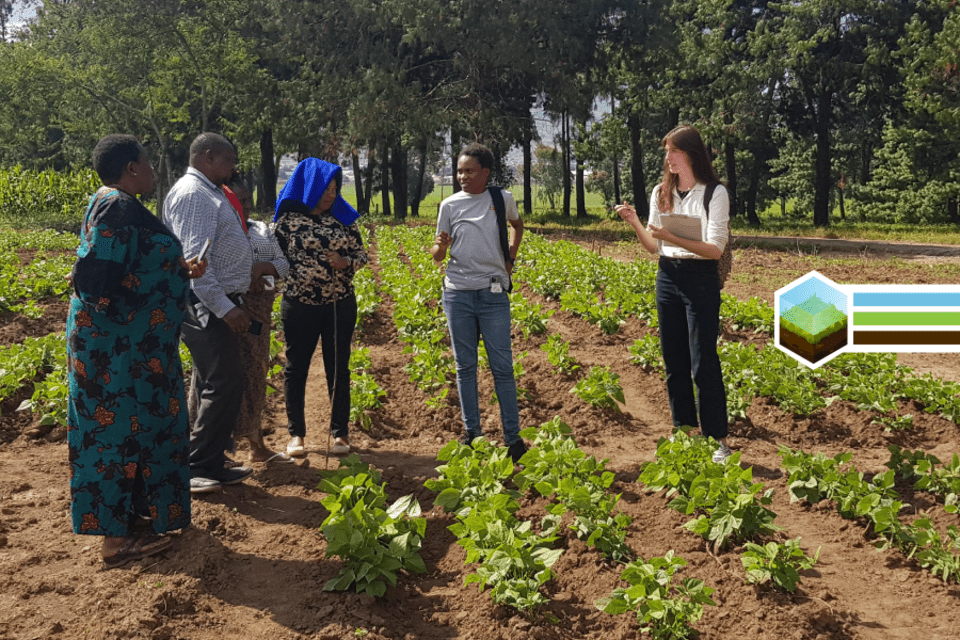
Training teams from Arusha and Kampala collaborate to build the capacity to use AI in breeding.
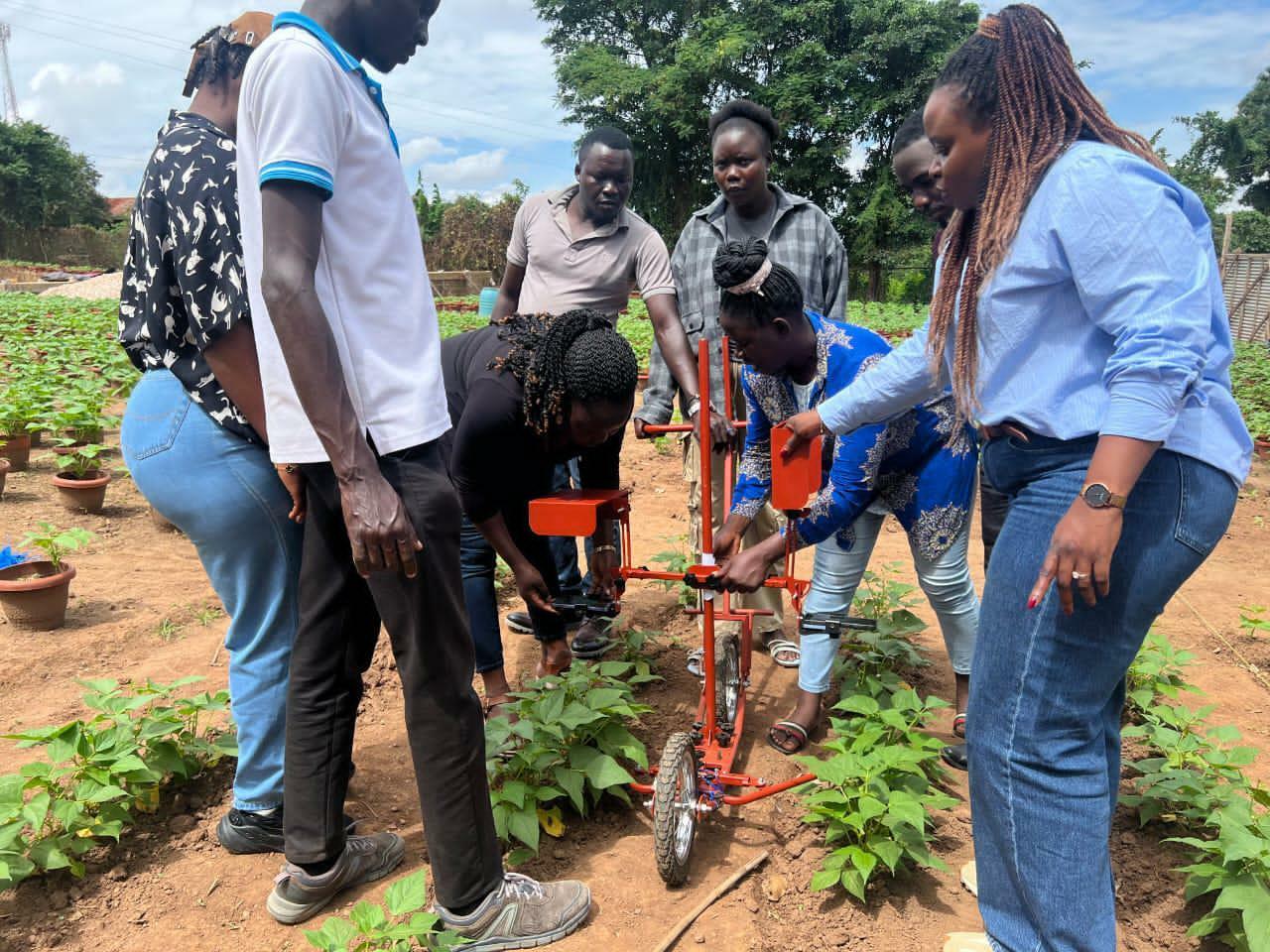
The roll out of the Bruno-ONA artificial intelligence for phenotyping technology to the Alliance, Uganda is a testament to effective regional collaboration. The training program has not only transferred knowledge, but also empowered local staff to independently lead the next phases of Bruno’s deployment.
The Bigger Picture: Science driving food security
This integration of robotics and AI into field phenotyping points the way to the future of crop breeding in Africa. Faster and more precise selection of promising bean lines will shorten breeding cycles. For donors and partners, Bruno is a proof of scalable innovation. For plant breeders, it unlocks a new era of data driven precision. And for millions of smallholder farmers, it promises bean varieties that are better adapted to changing climates and more productive on the farm.