
2025 Annual Report Countries join forces against cassava witches’ broom disease
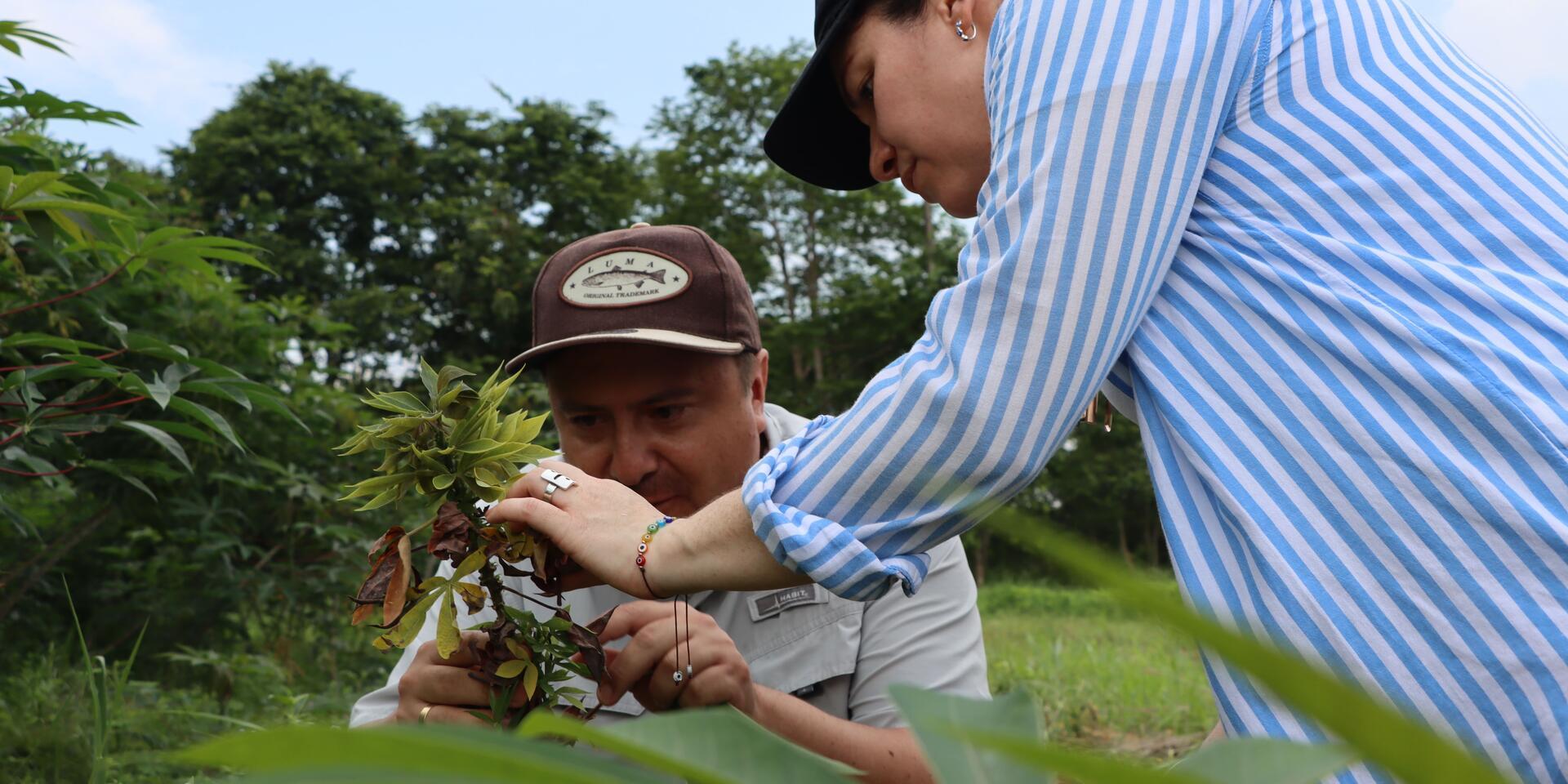
A devastating crop disease has reached Latin America. We collaborated with national researchers from the Philippines to Brazil in order to trace its roots and slow its spread.
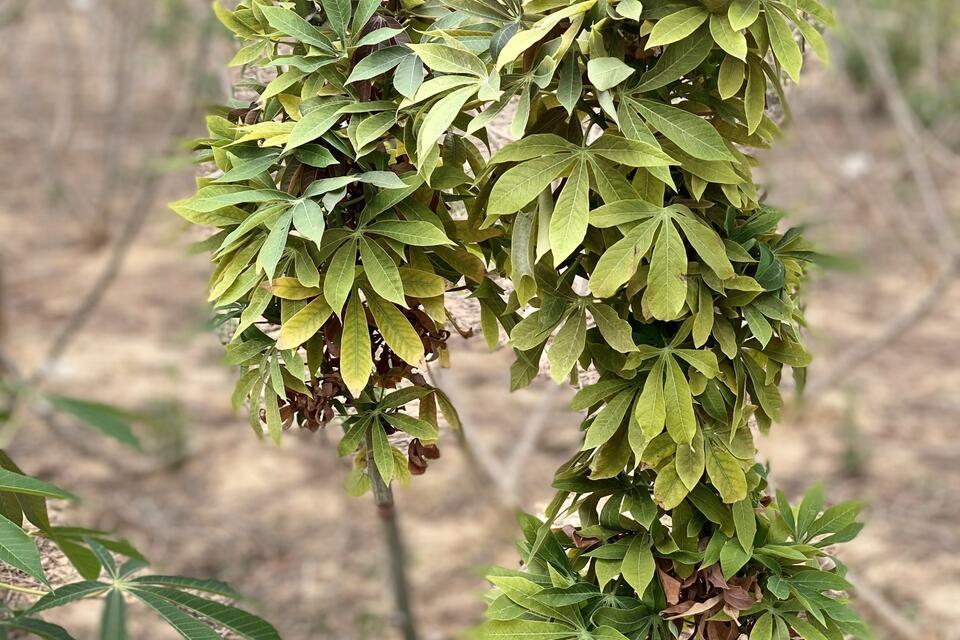
In the cassava fields of French Guiana, farmers reach under suspiciously immature leaves and dig up withered, unsellable roots. The culprit is a plant fungus that is devastating yields and crippling the staple crop critical for at least 500 million people. This is cassava witches' broom disease (CWBD): a disease that has been poorly understood across much of the crop's global growing range. But this is changing.
Uncovering the root cause: a fastidious fungus
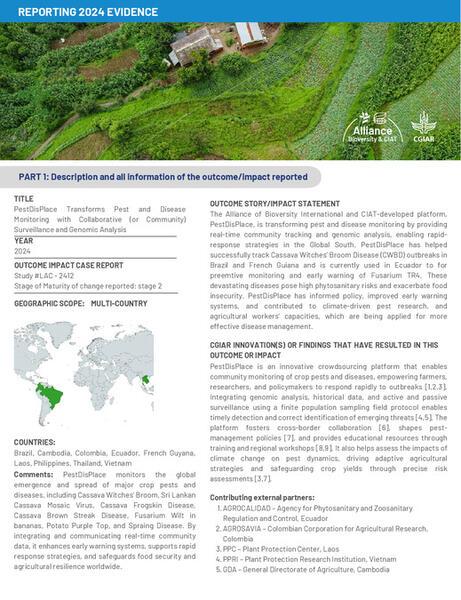
Over the last few years, Alliance researchers working alongside national partners have confirmed the causal agent CWBD in Laos: the fungus Ceratobasidium theobromae, not a bacteria as was commonly believed before. The discovery, made by the Alliance’s Crop Protection team working at our pathology lab outside of Vientiane hosted by the Lao National Agriculture and Forestry Research Institute (NAFRI), drew on advanced DNA metagenomic analyses and diagnostic tools also used to diagnose COVID-19, and implemented through longstanding regional research networks.
Nanopore technology explained at our lab in Laos, at the outset of this discovery.
In spring 2024, in communication with France’s ANSES and Fredon in French Guyana and Embrapa, Brazil's federal agricultural research corporation, Alliance researchers used similar tools to confirm the presence of CWBD in South America. Soon after, we established a close collaboration project with Embrapa and launched a rapid-response plan to mitigate the spread of disease.
“We are facing an emergency. Cassava is an everyday food in Brazil. If producers, particularly many women and Indigenous communities, don’t have cassava roots, they won’t have anything to eat or anything to make money from.” - Paulo Melo, researcher at Embrapa’s International Relations Office
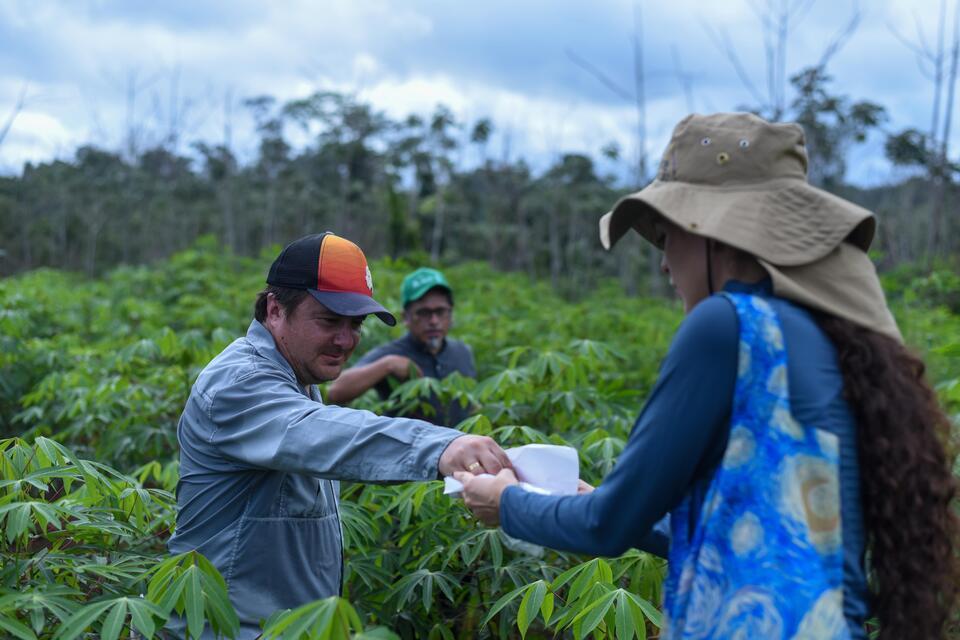

Global knowledge exchange to protect harvests
How to prevent the further spread of the cassava witches' broom disease, especially in Latin America where humid conditions feed the fungus? As infected plants are collected and burned, researchers have been adapting the molecular diagnostic tools used in Asia, so that agricultural extension agents and farmers can also recognize the initial signs in Latin American fields (all protocols developed and validated by the team are freely available via our monitoring platform PestDisPlace).
Partners are eager to show that the disease is not a localized concern, but a threat requiring coordinated international response, enabled by a south–south knowledge exchange. The diagnostic and breeding capacity developed through collaboration between researchers in Colombia and Laos is being extended further through networks such as the International Society for Tropical Root Crops (ISTRC), wherever cassava is a dietary staple for hundreds of millions of smallholder farming households.
The work has been widely covered, in Portuguese by the Sao Paolo Research Foundation (FAPESP) and also internationally, for example, by Mongabay. This story traces the disease's path from Southeast Asia to its first documented description in the Americas: encompassing both the global reach of the threat and the global reach of our response.
As farmers report new incidences of cassava witches’ broom disease, the fight against the fungus continues.
Sharing Clean Seeds
A critical resource is the collection of 6,000 diverse cassava varieties held at the Alliance’s Future Seeds genebank. Amongst the samples, collected with other research partners like Empraba, may be the answer to the disease: out of about 300 cassava varieties tested so far, the Alliance’s cassava breeders have found multiple varieties that display resistance to witches’ broom in Southeast Asia. It is hoped that this will extend to resistance in other regions as well.
“It’s hard to understate the importance of the cassava germplasm collections. These form the genetic backbone for breeding new varieties and finding and understanding natural resistance to disease. It’s critical that material facing threats from witches’ broom is collected, screened for disease, and quickly transported to in vitro storage facilities for research.” - Jonathan Newby, the Alliance’s cassava research team leader
Manuals we produced to facilitate the multiplication of clean planting material
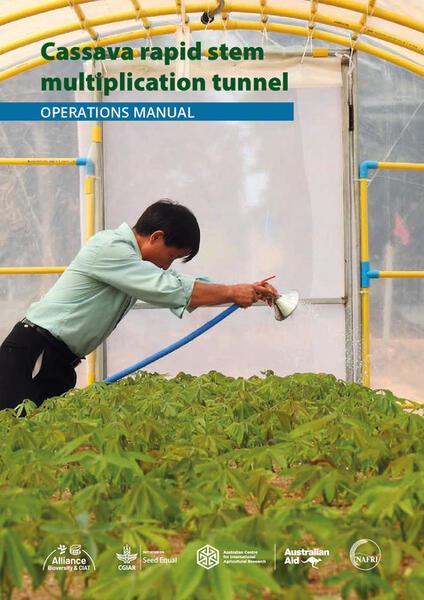
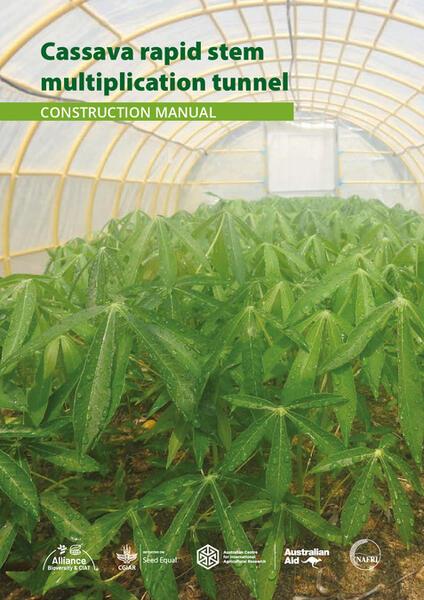
This model, in which national research institutes, plant breeders, government agencies and the private sector work in concert, guided by Alliance science, reflects a core principle of the Alliance's approach: that durable solutions to crop disease require not just technical knowledge, but shared capacity and institutional relationships built over time. Breeders now have access to characterized germplasm with known resistance profiles. Governments have early warning frameworks they did not previously possess. And farmers, whose livelihoods depend on every viable harvest, have partners working urgently on their behalf.
Read more about Cassava Witches’ Broom Disease
Explore more of our 2025 impact in country-level science uptake
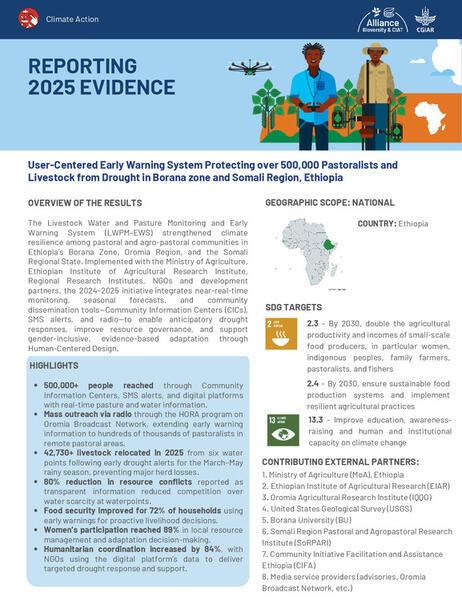
Livestock relocated
Thanks to drought alerts, reducing food insecurity and resource conflict.
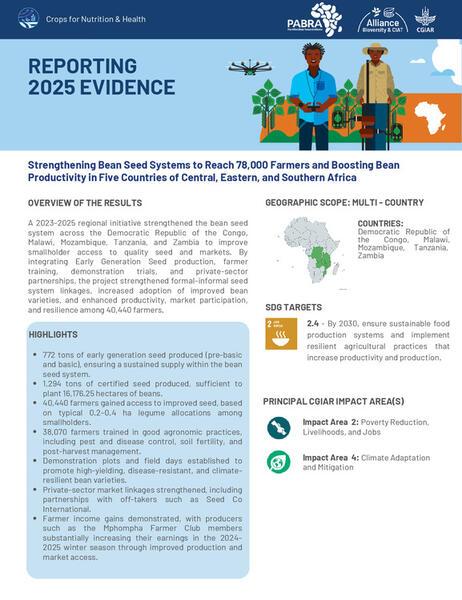
African farmers
Gained access to improved bean seeds for improved livelihoods.
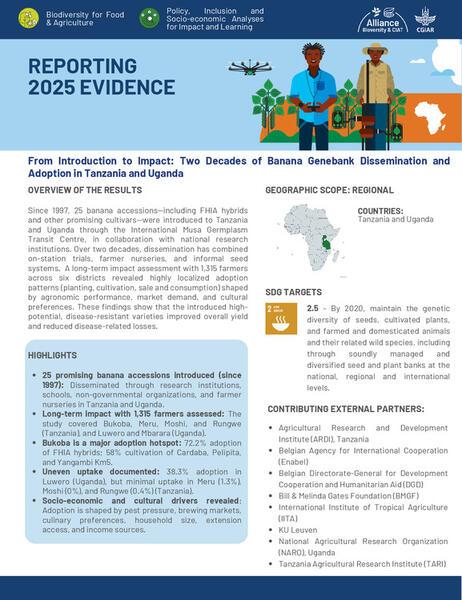
Banana varieties
Have gone from the Alliance’s Musa genebank to farmers’ fields.
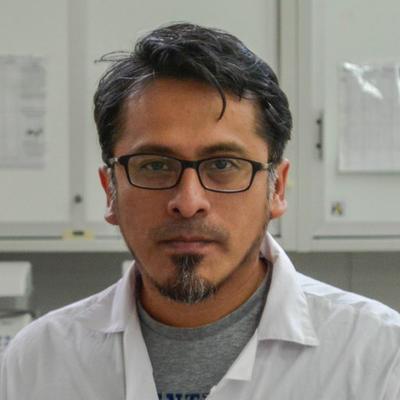
Wilmer Cuellar
Senior Scientist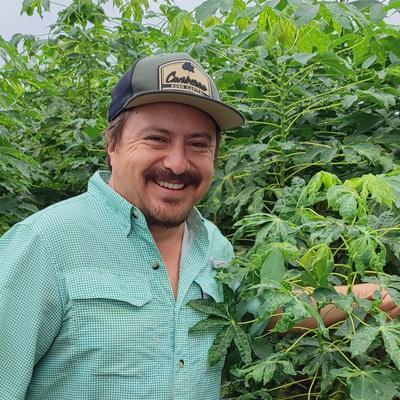
Juan Manuel Pardo García
Senior Research Associate
Alejandra Gil-Ordóñez
Research Associate
Jonathan Newby
Program Leader, CassavaExplore our collaborations
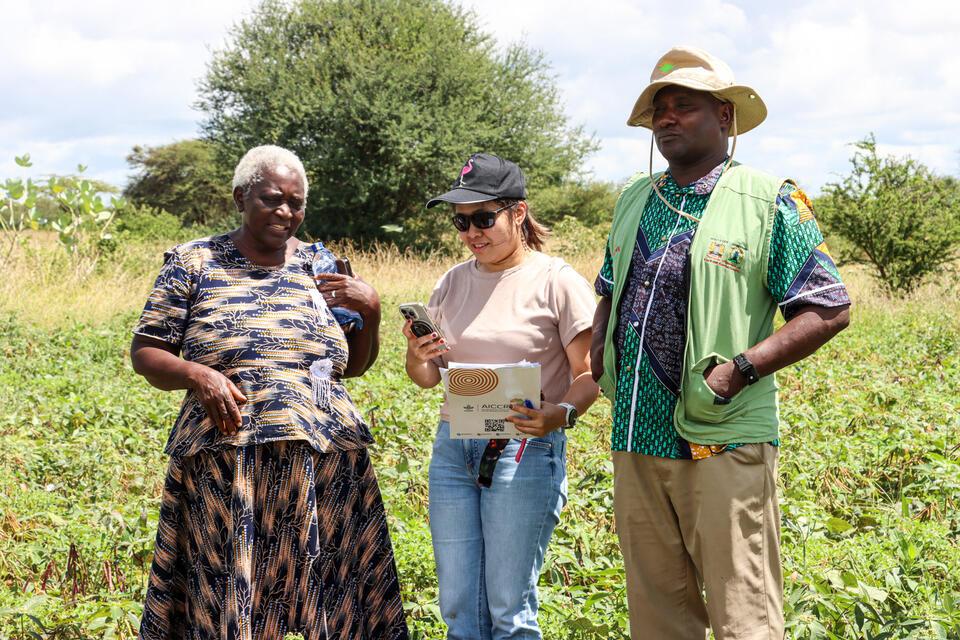
Science + Collaboration = Scalable Impact
Will food and land systems be a solution to the world's pressing challenges... or remain part of the problem? The science to tip that balance exists. But it requires partnerships to turn into action.
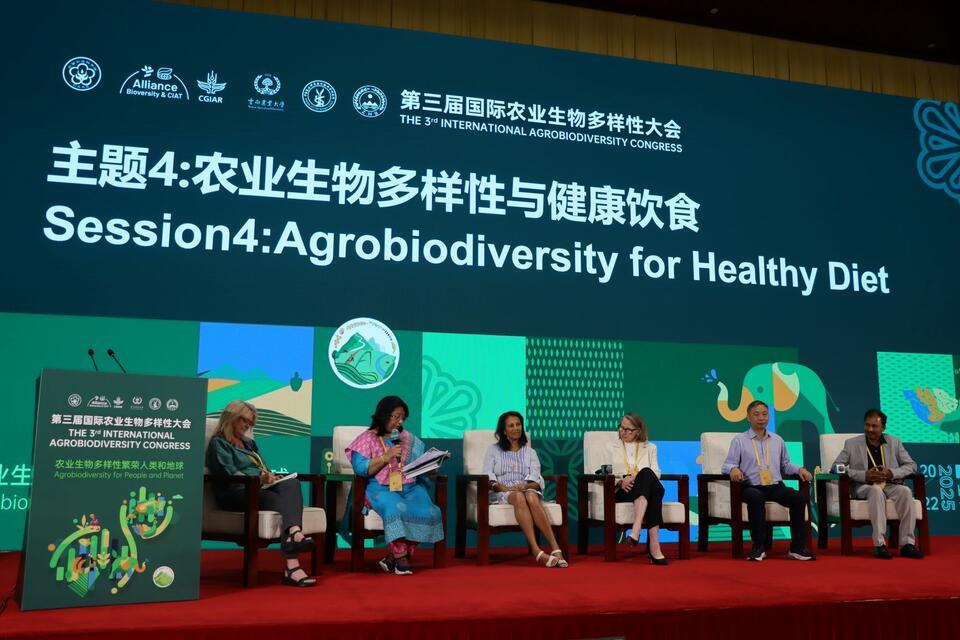
International Agrobiodiversity Congress unites experts from around the world
We welcomed 800 experts from 60 countries to Kunming. The Manifesto they produced lays the foundation for informed policies, from China to Dakar.
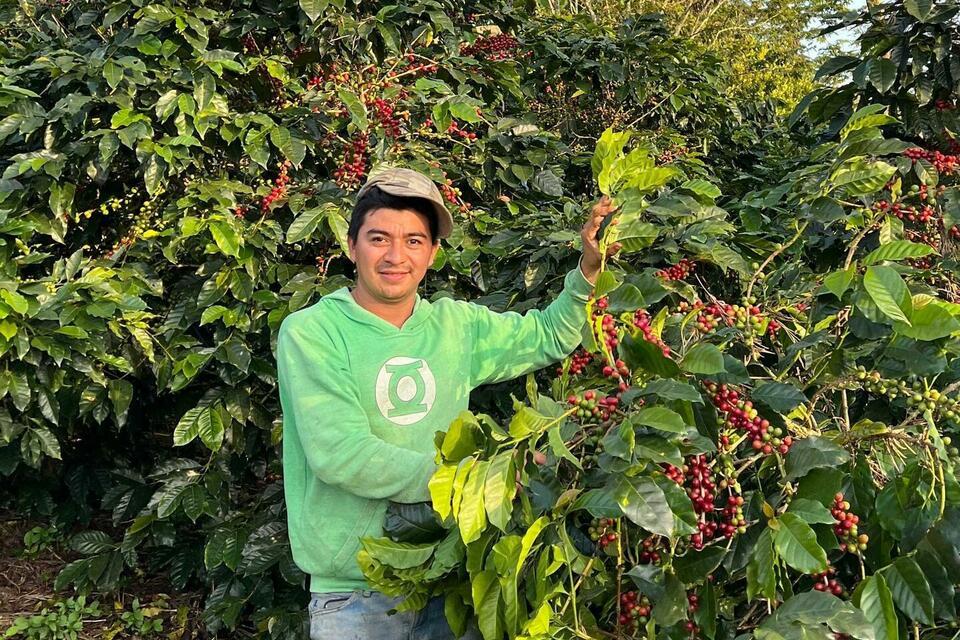
Climate Resilience Platform guides food industry sourcing
The world's food supply chains were built for a stable climate that no longer exists. We partnered with the food industry to identify exactly where the risk is, and make investments to keep food flowing.
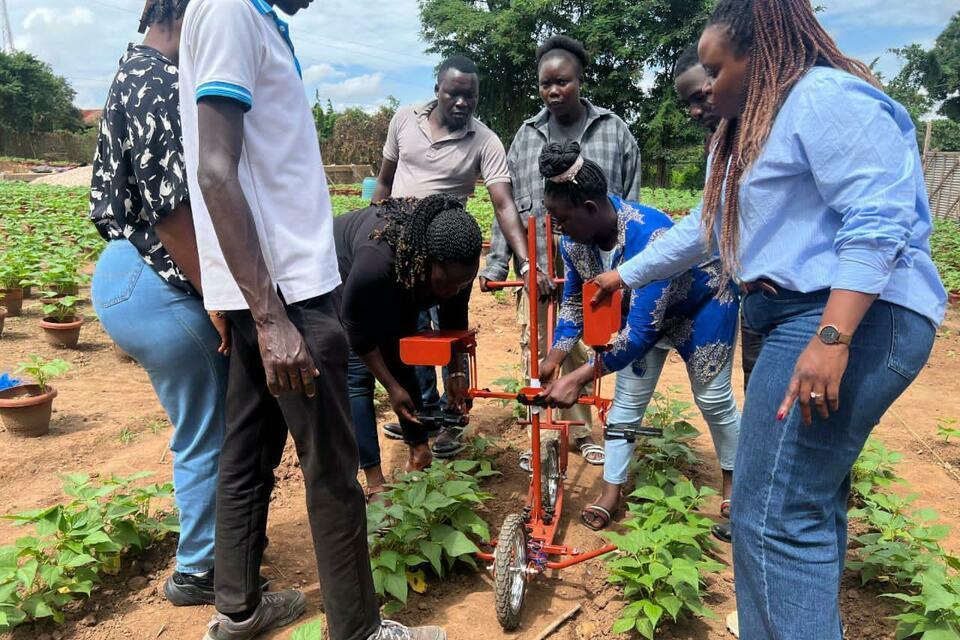
Artificial intelligence meets agriculture
Smartphones can survey crops and listen to farmers. This is AI designed for the hands of breeders, extension workers, and farmers.
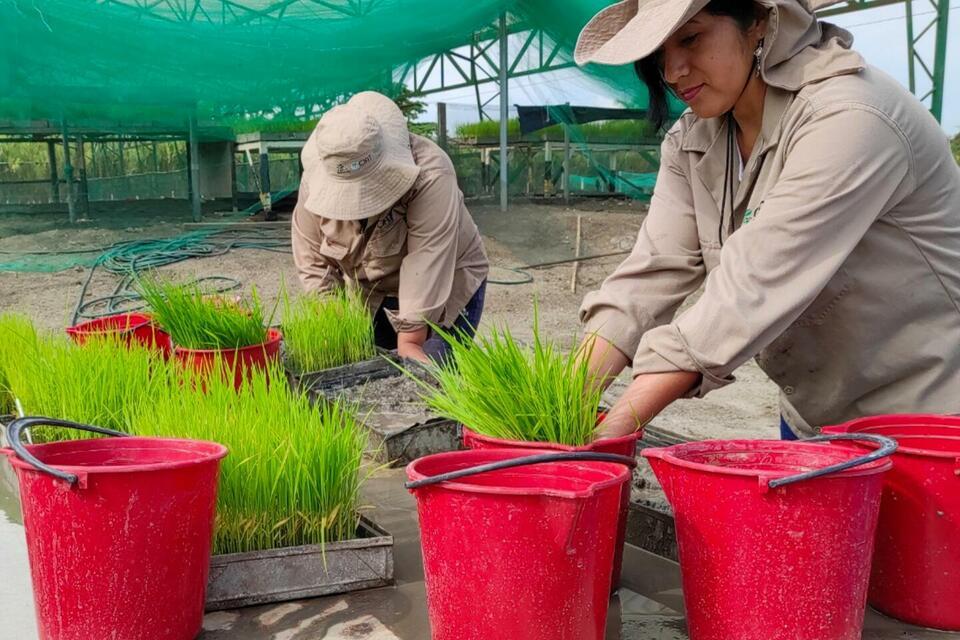
Regenerative agriculture starts with regenerative crops
New forage grasses keep Kenyan livestock fed through drought. Hybrid rice boosts harvests in Colombia. Regenerative agriculture starts in the breeding plots.

New coalitions spur food systems policy into action
Global reports don't change food systems, but coalitions do. From the EAT-Lancet Report to COP30, we connected countries and stakeholders for effective advocacy, implementation, and science uptake.