Blog Embrapa and the Alliance: Strengthening impactful scientific collaboration

Collaboration between research institutions is essential to addressing the complex challenges facing agriculture, the environment, and biodiversity in Latin America. In this context, the joint efforts of the Brazilian Agricultural Research Corporation (Embrapa) and the Alliance of Bioversity International and CIAT represent a successful example of scientific cooperation with impact that transcends borders.
For over five decades, both organizations have cultivated a strong relationship grounded in shared interests, technical complementarity, and a mutual commitment to advancing more sustainable, resilient, and inclusive agri-food systems.
Today, the relationship between Embrapa and the Alliance enters a new phase. A joint technical workshop was held to identify priority areas for scientific exchange within the framework of the General Collaboration Agreement, —reaffirms mutual commitment and lays the foundation for a more ambitious cooperation, with clear scientific priorities, stronger institutional alignment, and a results-oriented approach that promises high impact for Brazil and the region.
Two institutions, one shared vision
Embrapa is recognized as one of the world’s leading agricultural research institutions. Founded in 1973, it has spearheaded the development of an agricultural model that has enabled Brazil to become one of the world’s largest food producers and a pioneer in agricultural research in Latin America. Its network includes 43 research units across the country, covering areas such as genetic resources, biotechnology, and the latest innovations in digital agriculture.
As for the Alliance, present in more than 70 countries, it provides scientific solutions to address the global crises of malnutrition, climate change, biodiversity loss, and environmental degradation. With a strong presence in Latin America and the Caribbean, the Alliance collaborates with various partners to transform food systems and landscapes, promoting sustainability and social equity.
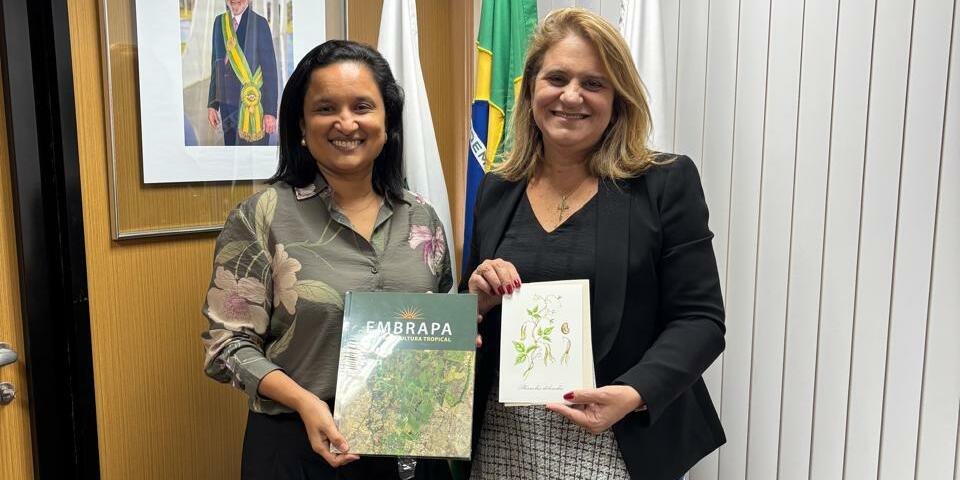
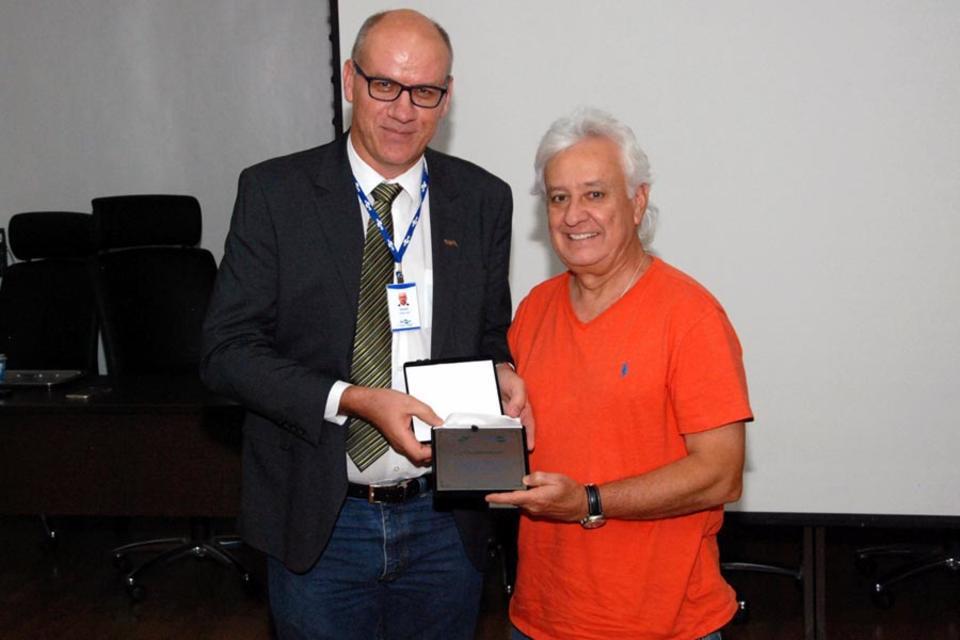
Maya Rajasekharan, Managing Director for the Americas at the Alliance, recently met with Silvia Massruhá, president of Embrapa, in Brasilia.
“Brazil is a global leader in tropical agriculture, and Embrapa is a scientific powerhouse. For the Alliance, working with Embrapa is not only strategic but also an opportunity to generate joint solutions that benefit the entire region,” said Maya Rajasekharan, Managing Director for the Americas at the Alliance.
Over the past 50 years, Embrapa and the Alliance (through CIAT) have collaborated in key areas such as the genetic improvement of rice, beans, and cassava; biotechnology; the development of biofortified crops; and the training of scientists in Latin America.
The existing general cooperation agreement between the two organizations has enabled the efficient channeling of resources and efforts. One recent development is the collaborative work on cassava witches' broom disease (CWBD), which poses a serious threat to cassava production in the region. This joint research aims to improve diagnosis, understand the disease dynamics, and develop resistant cassava varieties, as well as scalable disease management strategies that contribute to protecting a crop essential for food security in Latin America.
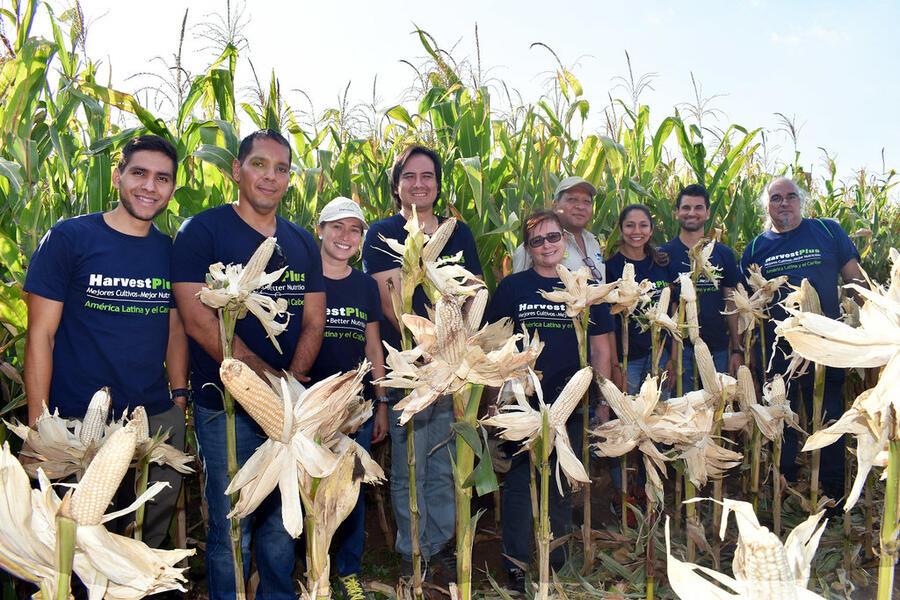
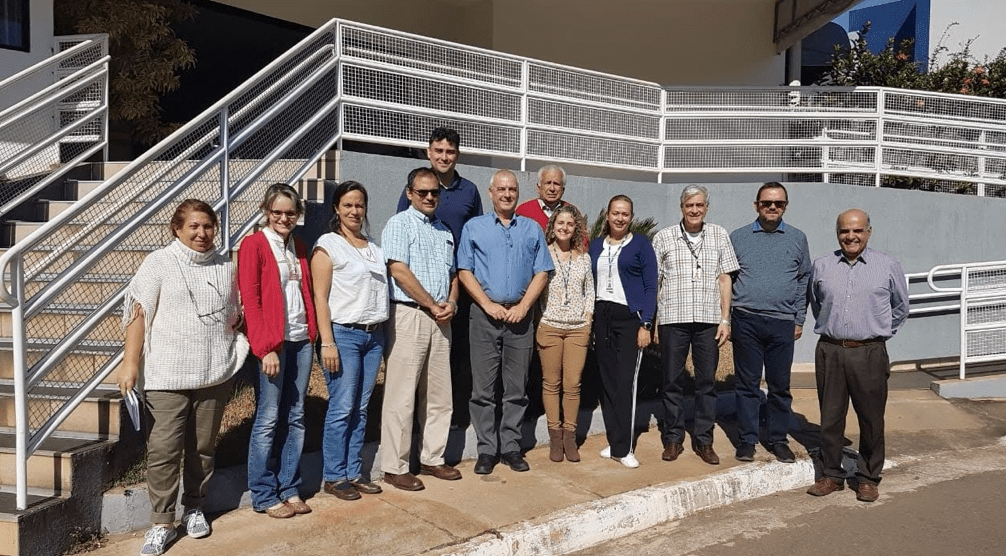
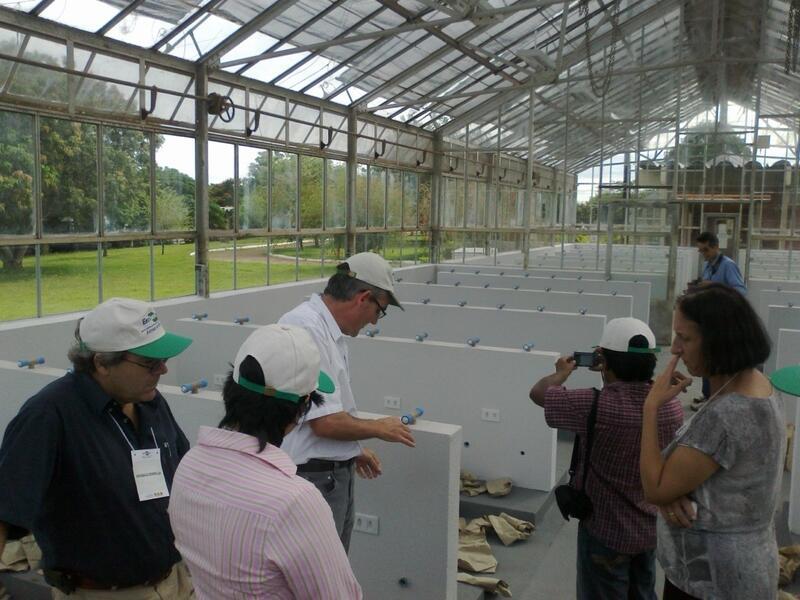
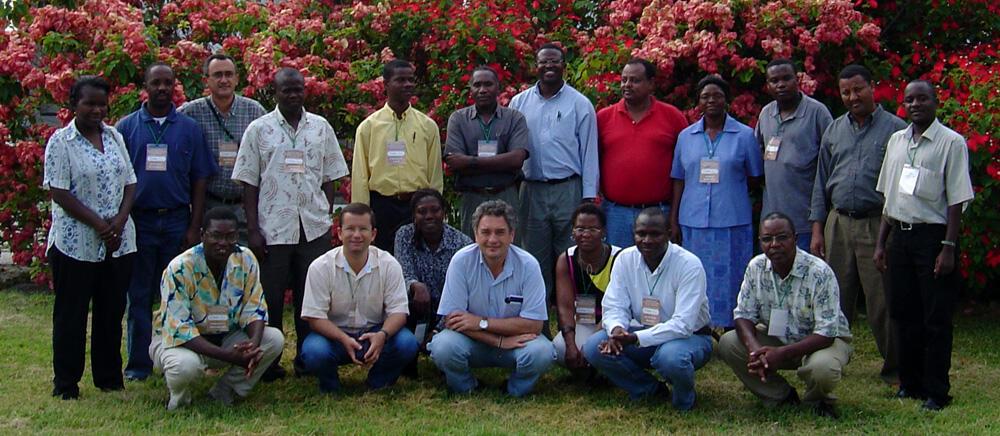
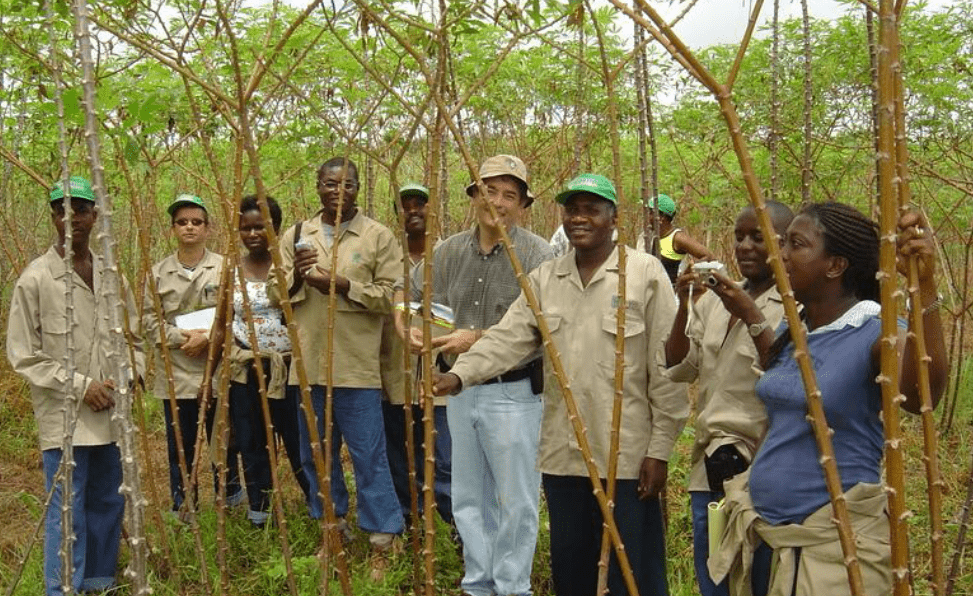
Workshops, training courses, joint events, and technical visits to Alliance and Embrapa stations have been a fundamental part of a long history of shared work within the framework of numerous collaborative projects.
Setting new priorities
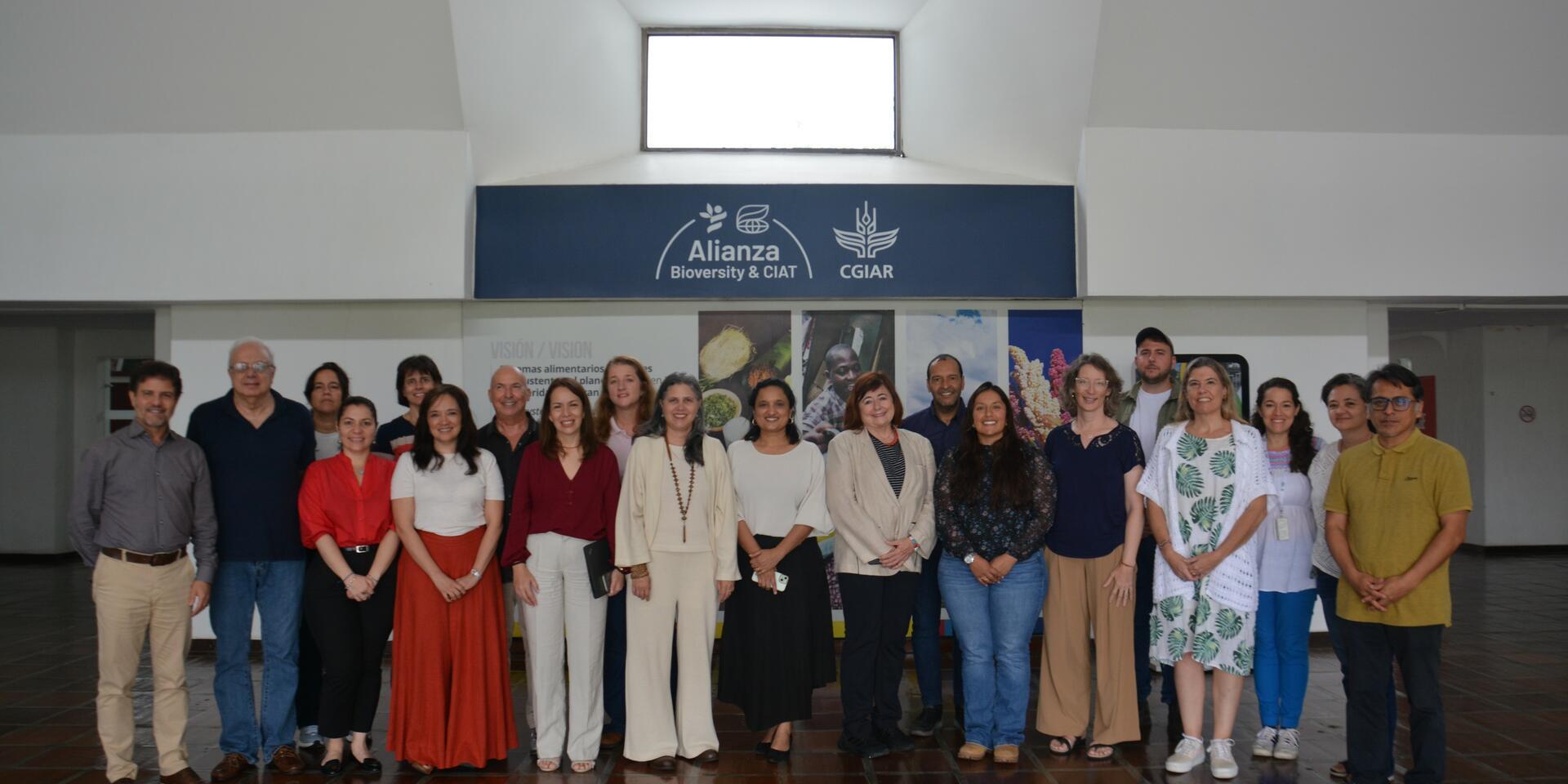
Between June 3 and 5, the Alliance welcomed a team of researchers from Embrapa to its campus in Palmira for a joint workshop aimed at strengthening technical exchange and establishing new priorities for cooperation.
The teams addressed priority issues such as the genetic improvement of strategic crops, pest monitoring, the use of digital tools and artificial intelligence in agriculture, health and recovery of degraded soils and pastures, bio-inputs, biofortification, healthy diets, and consumer behavior, among others.
“This workshop was truly inspiring. We made a great effort to showcase the work led by both Embrapa and the Alliance, highlighting the enormous potential we have when we collaborate. It is time to resume the strong collaboration we had in the past, because working together will not only strengthen Latin America but also promote exemplary South-South cooperation, with positive impacts in regions such as Africa and Southeast Asia,” said Marilia Nuti, Embrapa researcher and focal point for collaboration with the Alliance.
In her role, Jane Simoni, researcher at Embrapa’s Office of International Relations, emphasized that “the most valuable aspect of this workshop was connecting past experiences with a future vision for agriculture and food systems. We started from key areas — genetic improvement, digital agriculture, soil science, and bio-inputs — which we consider concrete opportunities to advance rapidly, but we already see that these can be expanded. Our goal is clear: for researchers to come together, collaborate, and shape solid projects that generate impact.”
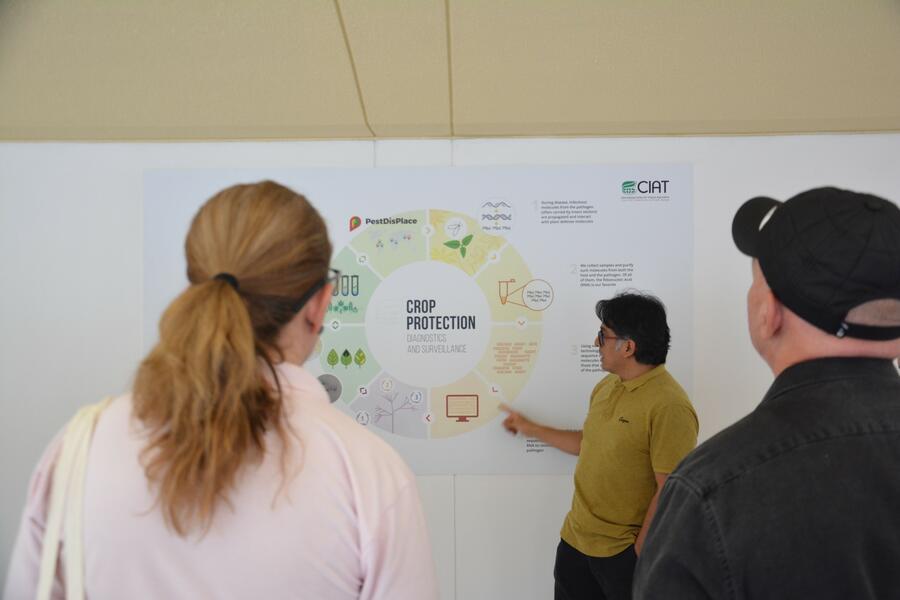
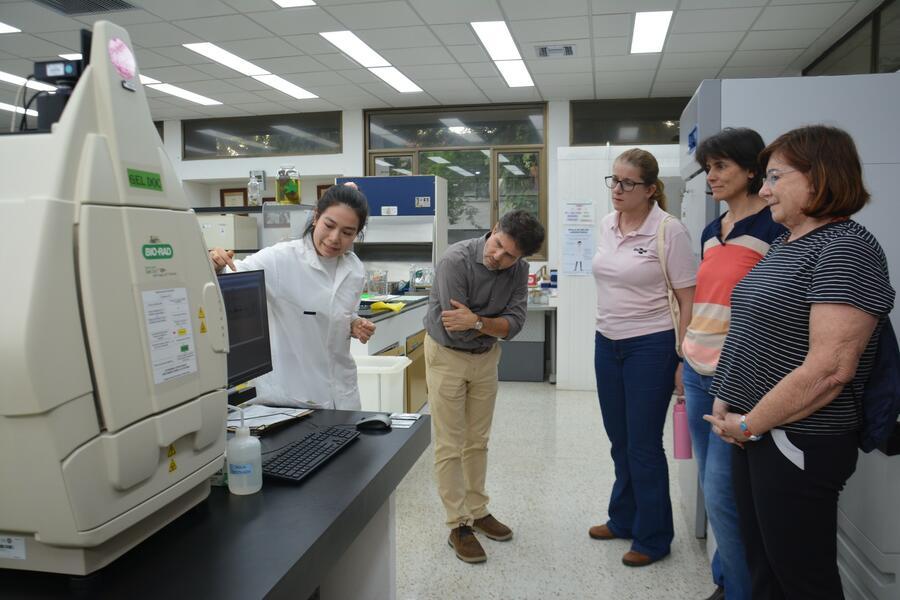
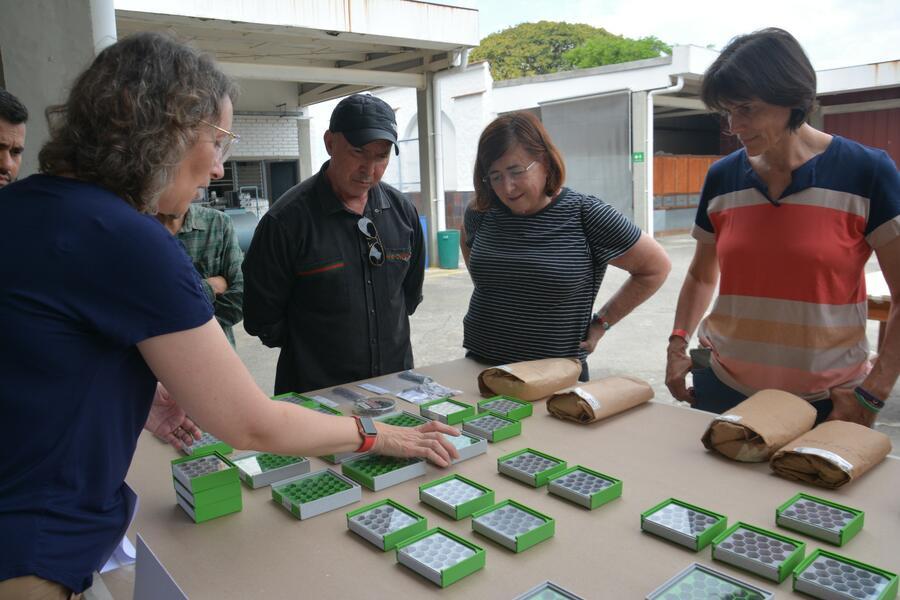
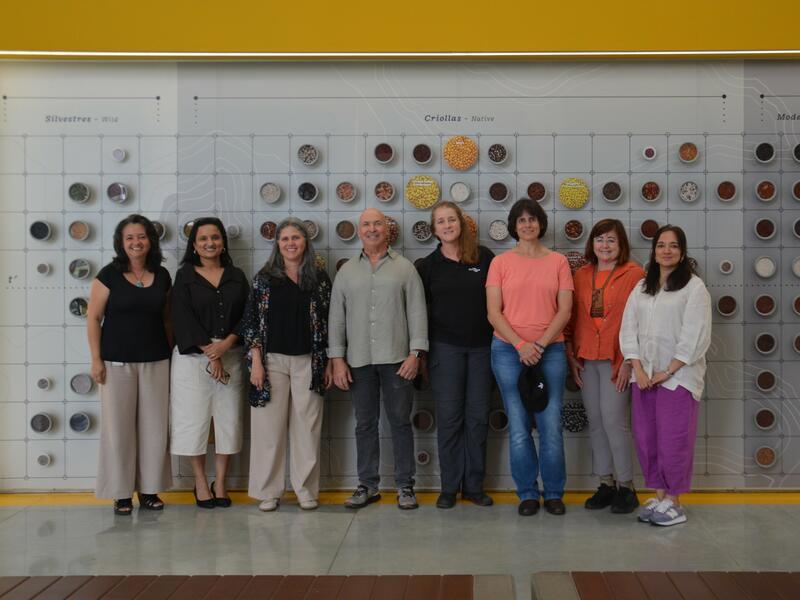
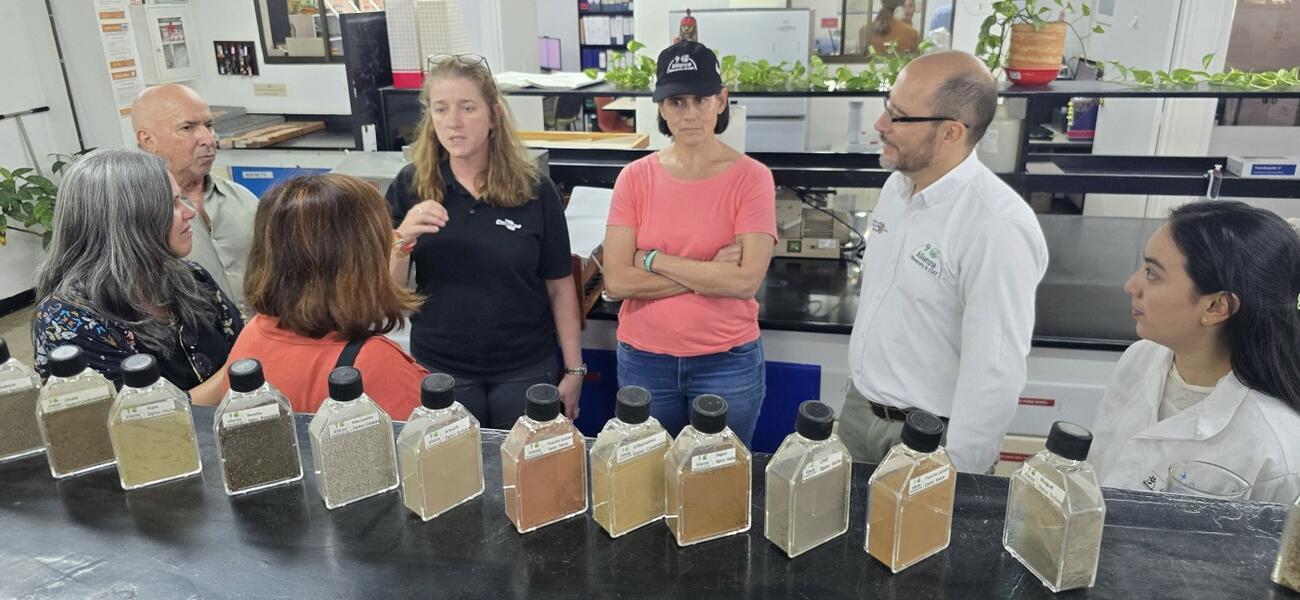
The Alliance hosted a team of Embrapa researchers at its Palmira campus to strengthen technical exchanges and outline new cooperation priorities.
Looking Towards COP30
In a context where the challenges of climate change demand concrete decisions, Embrapa and the Alliance are already making progress in identifying priority areas that could be projected towards COP30, to be held next November in Belém do Pará, Brazil.
“COP30 will be a strategic opportunity for Latin America and the Caribbean to raise their voice on the global climate agenda, based on science adapted to the regional context. Embrapa and the Alliance, with their combined experience and technical presence in the region, are well-positioned to connect knowledge and decision-making, accelerate climate action, and promote sustainable and inclusive solutions that transform agri-food systems from the ground up,” said Maya Rajasekharan.