Witches’ Broom Disease in Cassava
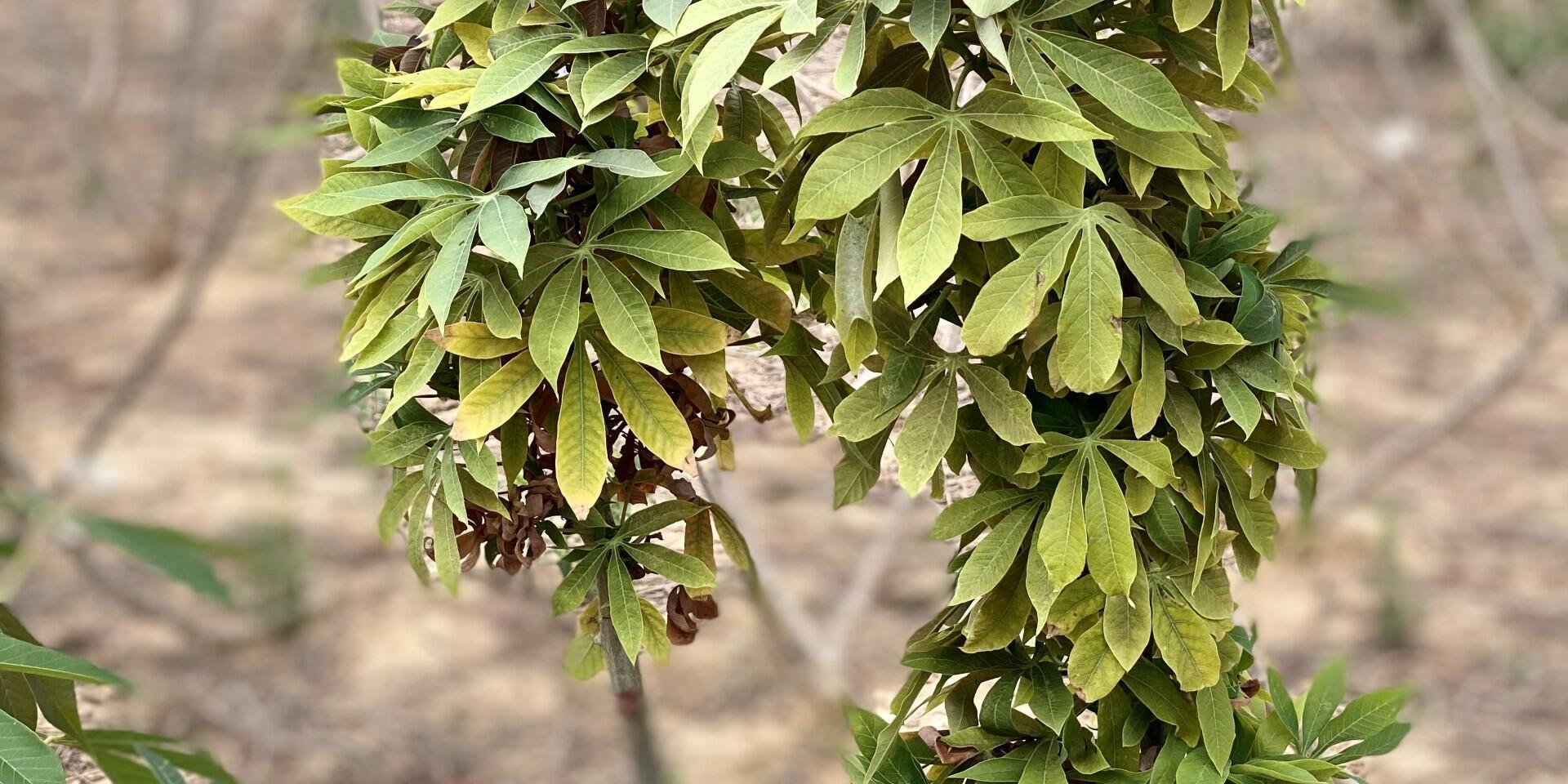
Cassava Witches’ Broom Disease (CWBD) is a rapidly spreading fungal infection that disrupts the cassava plant’s growth by attacking its vascular system, leading to dense shoot proliferation, stunted development, and reduced root formation. As yields drop sharply, farmers face significant income losses and greater production risks, which in turn threaten household resilience and local food supply. At scale, the disease undermines cassava’s role as a key staple crop, creating broader food security challenges across affected regions.
What is Cassava Witches’ Broom Disease?
CWBD is caused by Ceratobasidium (syn. Rhizoctonia) theobromae: a little-understood fungus. The fungus belongs to a group known as 'fastidious fungi'—difficult to isolate, identify and grow in vitro. It infects cassava plants, causing leaf proliferation, reduced petiole size, and vascular necrosis, which results in severe deformities, stunted growth (formation of ‘brooms’), and root yield loss.
Our efforts to understand and combat Cassava Witches’ Broom Disease
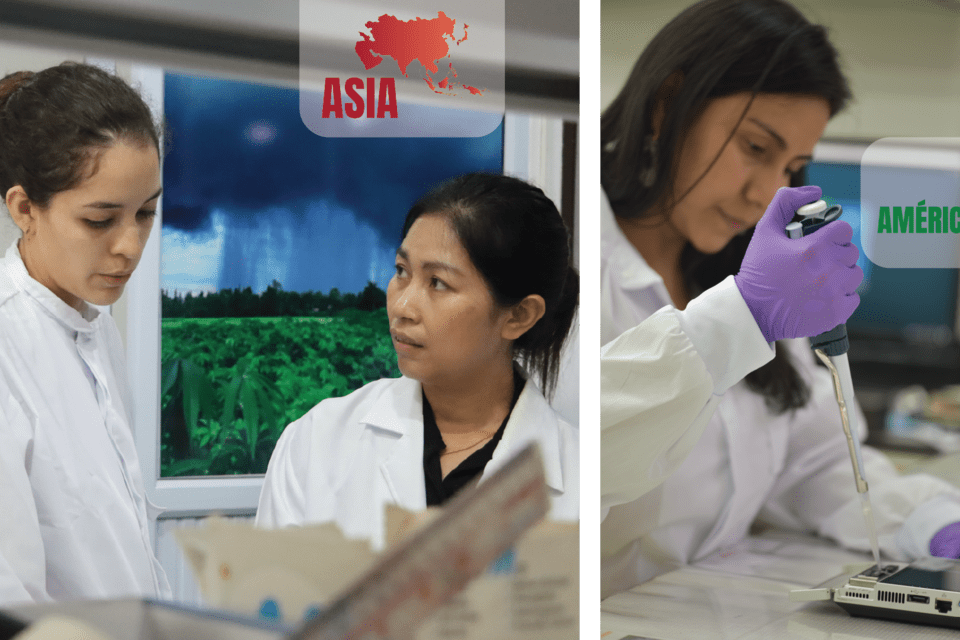
With our global expertise in food and crop systems, the Alliance employs a multi-pronged approach towards pest and disease management including breeding, seed systems, diagnostic, and surveillance in cassava. In Laos, our molecular laboratory backs groundbreaking work on characterizing highly infectious transboundary cassava pathogens in the region using globally accepted protocols. Testing of mother plants and planting materials ensure that both existing elite and new disease-resistant varieties are quickly multiplied and distributed through Future Stems.
Launched in 2021, Future Stems is the first tunnel-based rapid multiplication system in Asia. The facility enables stem multipliers and farmers to protect the cassava industry and safeguard smallholder livelihoods against cassava witches broom disease and cassava mosaic disease.
How Witches’ Broom Disease affects cassava plants
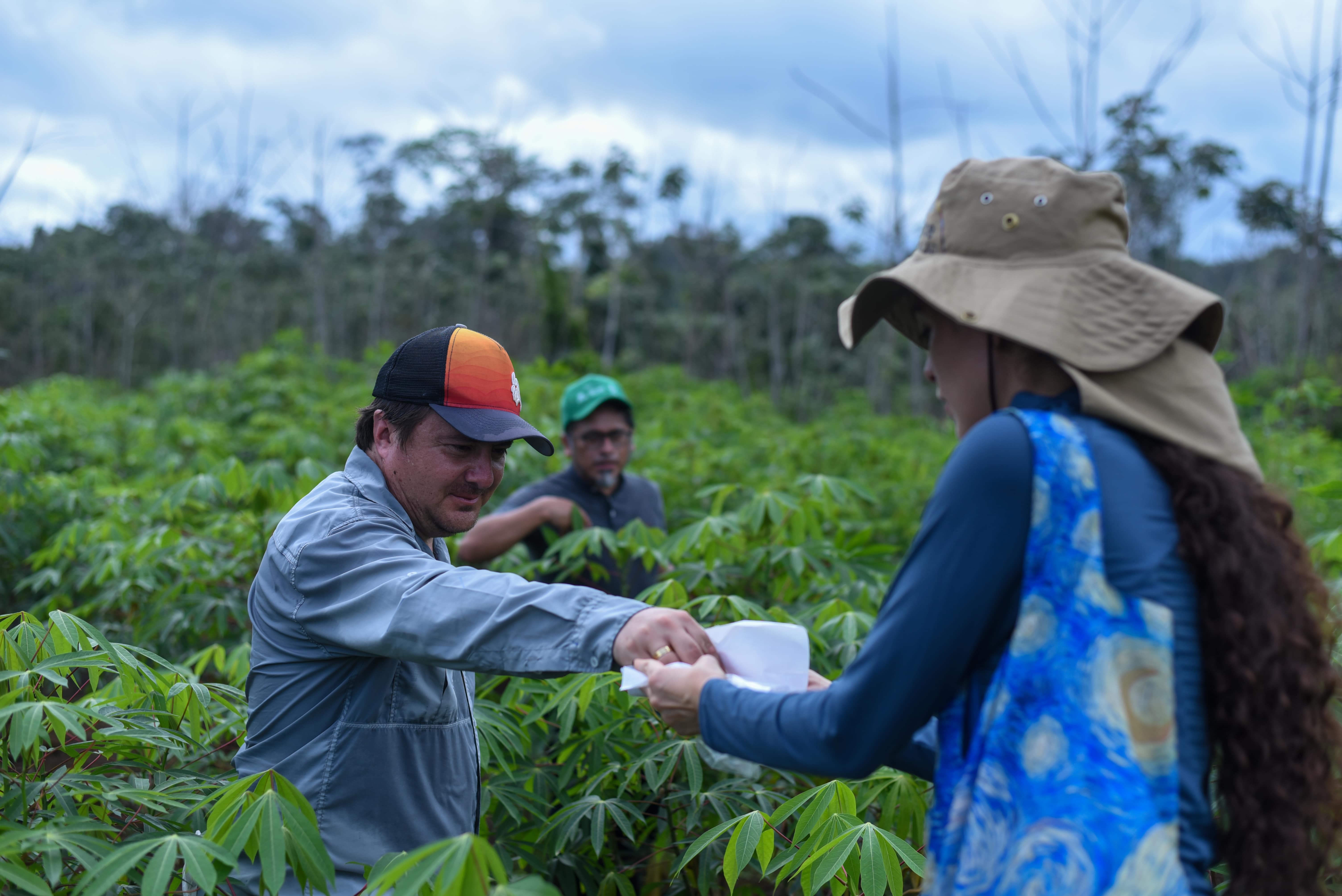
CWBD is a fungal pathogen that has been wreaking havoc across Southeast Asia for over a decade, and was also detected in South America in 2023. The disease attacks cassava’s vascular system, disrupting normal growth and development. CWBD:
- is caused by Ceratobasidium theobromae, transmitted through infected planting material (stakes) and wind-borne spores
- thrives (produces spores) in humid tropical conditions, such as the Amazon Basin
- given the right climate conditions, infection rates can reach 90% of cassava fields in one crop cycle
- can induce localized symptoms (brooms) along the cassava stem, with potential cross-host infection risk to cocoa, avocado, and cupuaçú.
While it remains unclear as to how exactly the pathogen reached French Guiana, climate-change induced shifts in rainfall patterns and unsustainable and conventional agricultural practices have enabled increased spore production among cassava stem cuttings. The unpredictable climate crisis exacerbates fungi’s ability to thrive and adapt in higher temperatures alongside heavier and longer rains that fuel the fast spread of fungal spores in affected cassava crops.
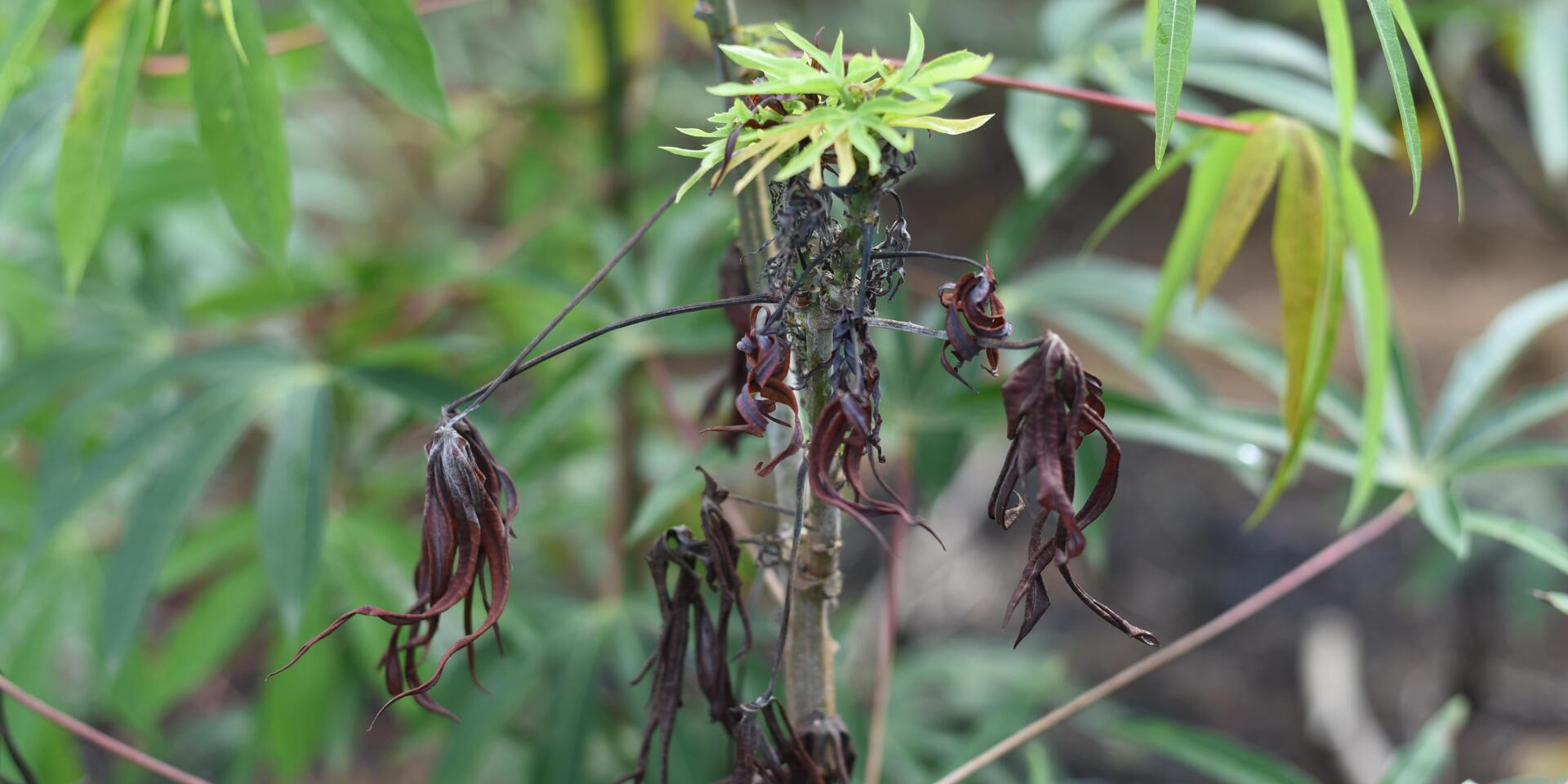
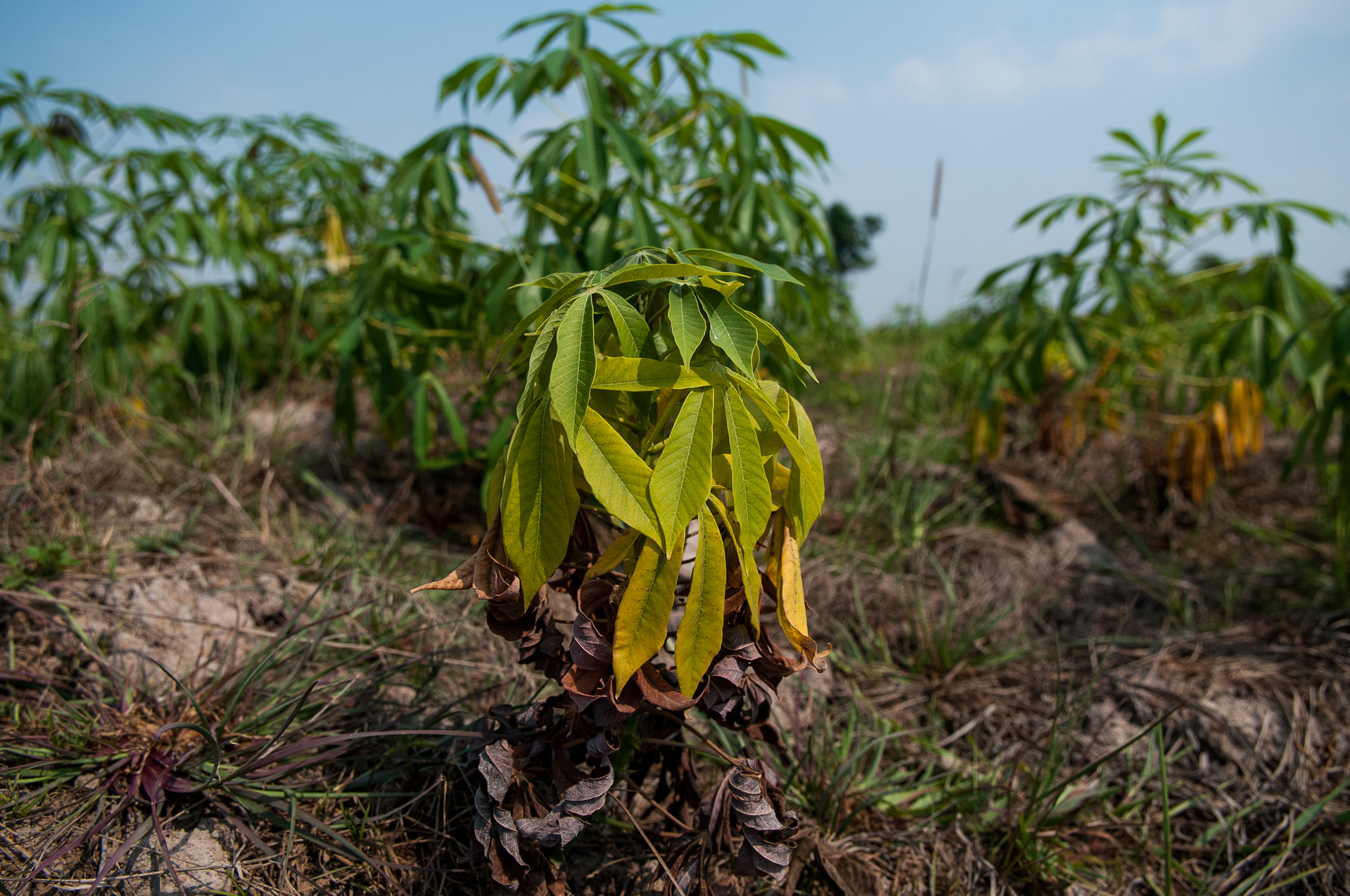
Detailed view of cassava leaves affected by CWBD. Credit: Ramirez Elizabeth
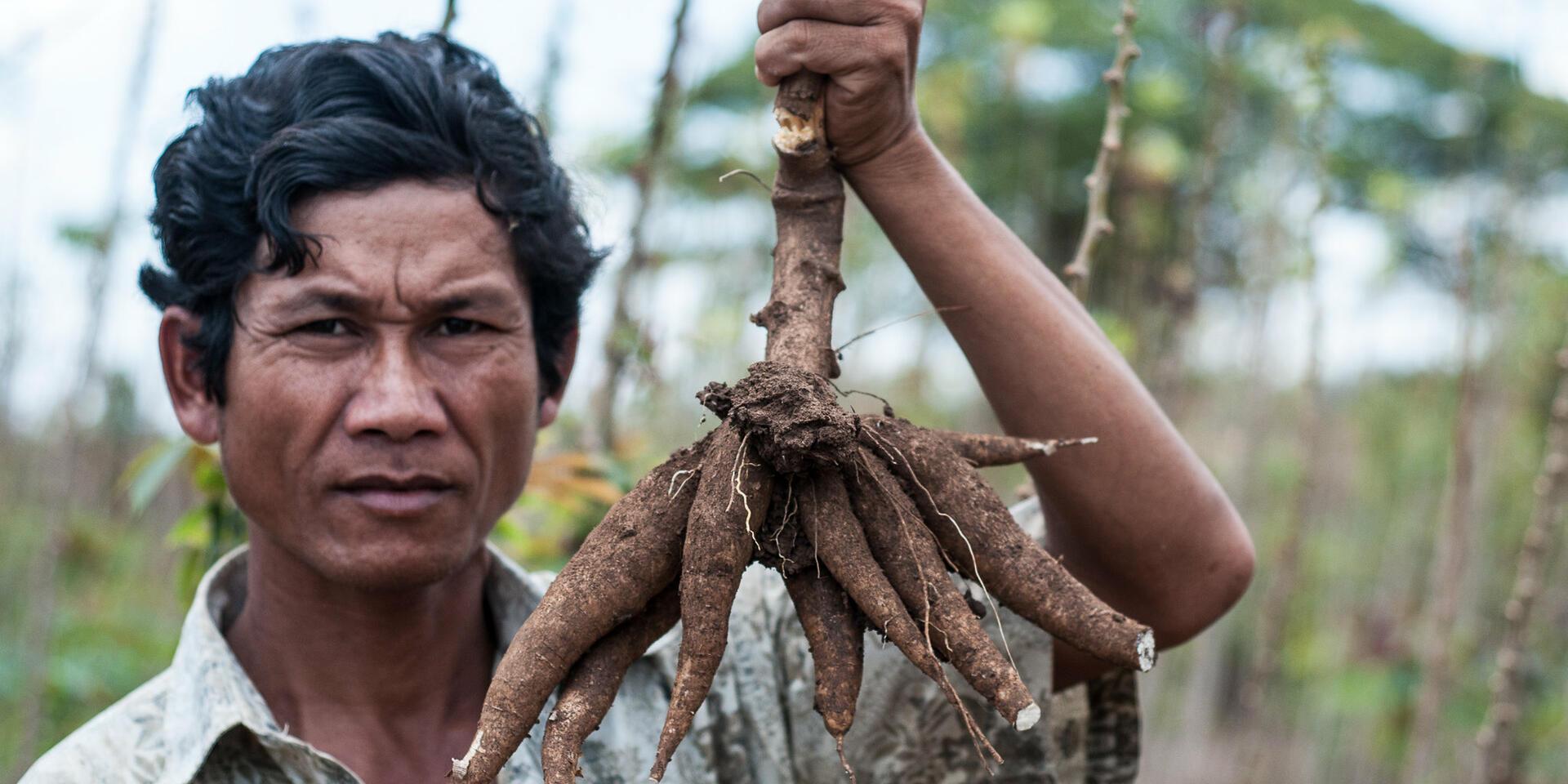
Farmer with small cassava roots due to disease. Photo Credit: CIAT/GeorginaSmith
Identifying Witches’ Broom Disease in cassava plants
CWBD can be visually identified by its characteristic “witches’ broom” leaf growth and plant deformities, including:
- abnormal proliferation of weak short petioles ('broom-like' appearance),
- leaves that appear yellowish and deformed
- reduced storage root development,
- Vascular necrosis of affected stems,
It's important to note that cassava plants remain viable for planting even when infected (latent infections).
Where Cassava Witches’ Broom Disease occurs
The effects on yields and livelihoods
Cassava plays a critical role in the global food systems. Across the globe, about 800 million people rely on this hardy root crop as a source of carbohydrates, particularly in the tropics.
Detecting Cassava Witches’ Broom Disease in the field and lab
Detection requires combined field observation and molecular analysis.
- Field identification: based on visible deformities and growth abnormalities (‘brooms’).
- Lab confirmation: molecular tools (DNA-based) for Ceratobasidium (syn. Rhizoctonia) theobromae detection developed by CIAT, targeting the housekeeping gene CAMK.
- Current challenges: asymptomatic planting material can still carry the pathogen. This is called a latency period. The diversity of the pathogen remains little known. Soil transmission of infectious fungus is yet to be confirmed. There is no inoculation protocol available (Koch’s postulates experiments are underway in Laos).
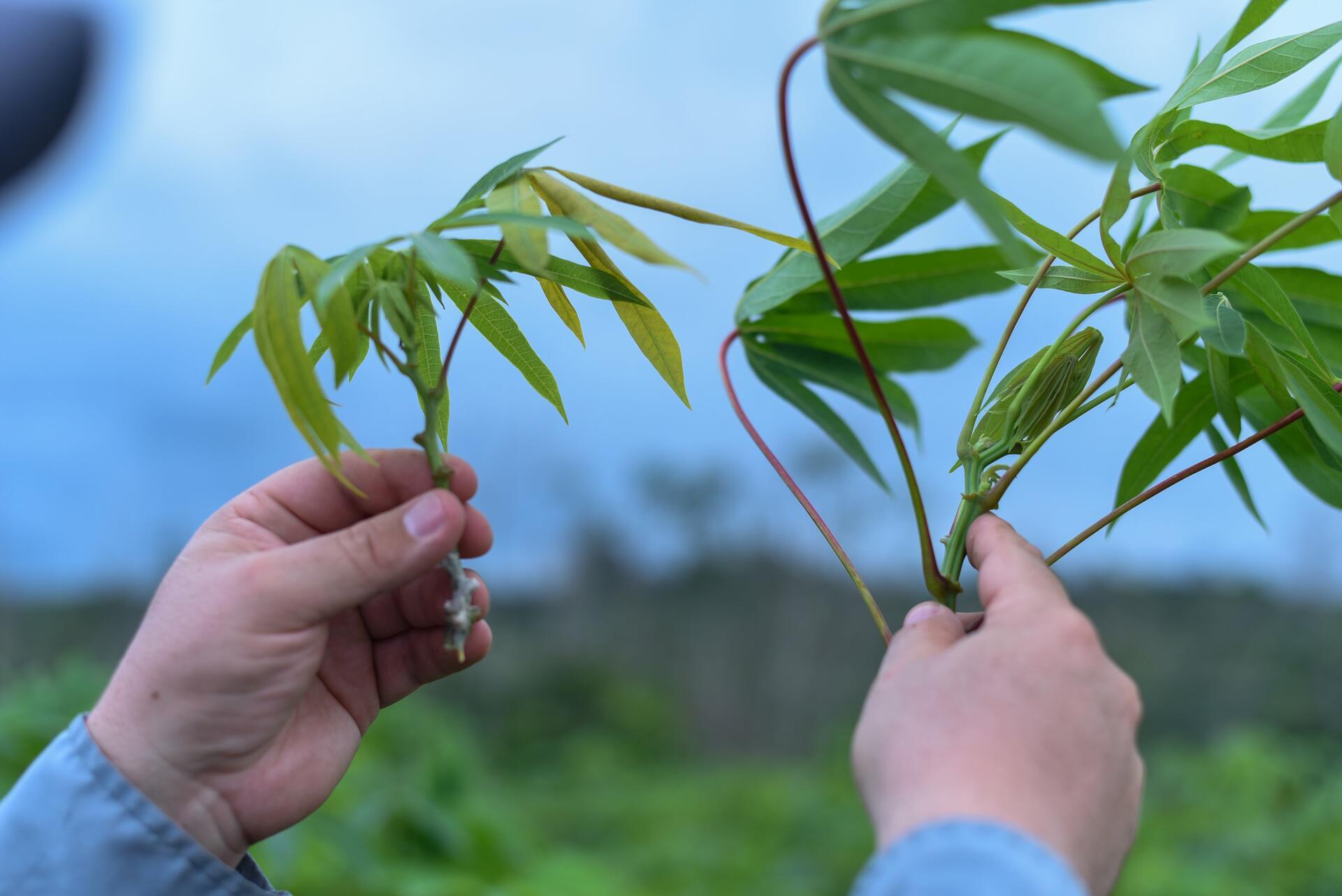
Comparison of healthy (right) and diseased (left) cassava plants. Photo Credit: Ramirez Elizabeth
Strategies to reduce Cassava Witches’ Broom Disease
Short-term strategies focus on exclusion, containment and eradication; and long-term strategies include identifying genetic resistance, breeding for resistance, characterizing the pathogenicity mechanisms of the fungus and the virulence of newly found pathogen isolates. Activities include:
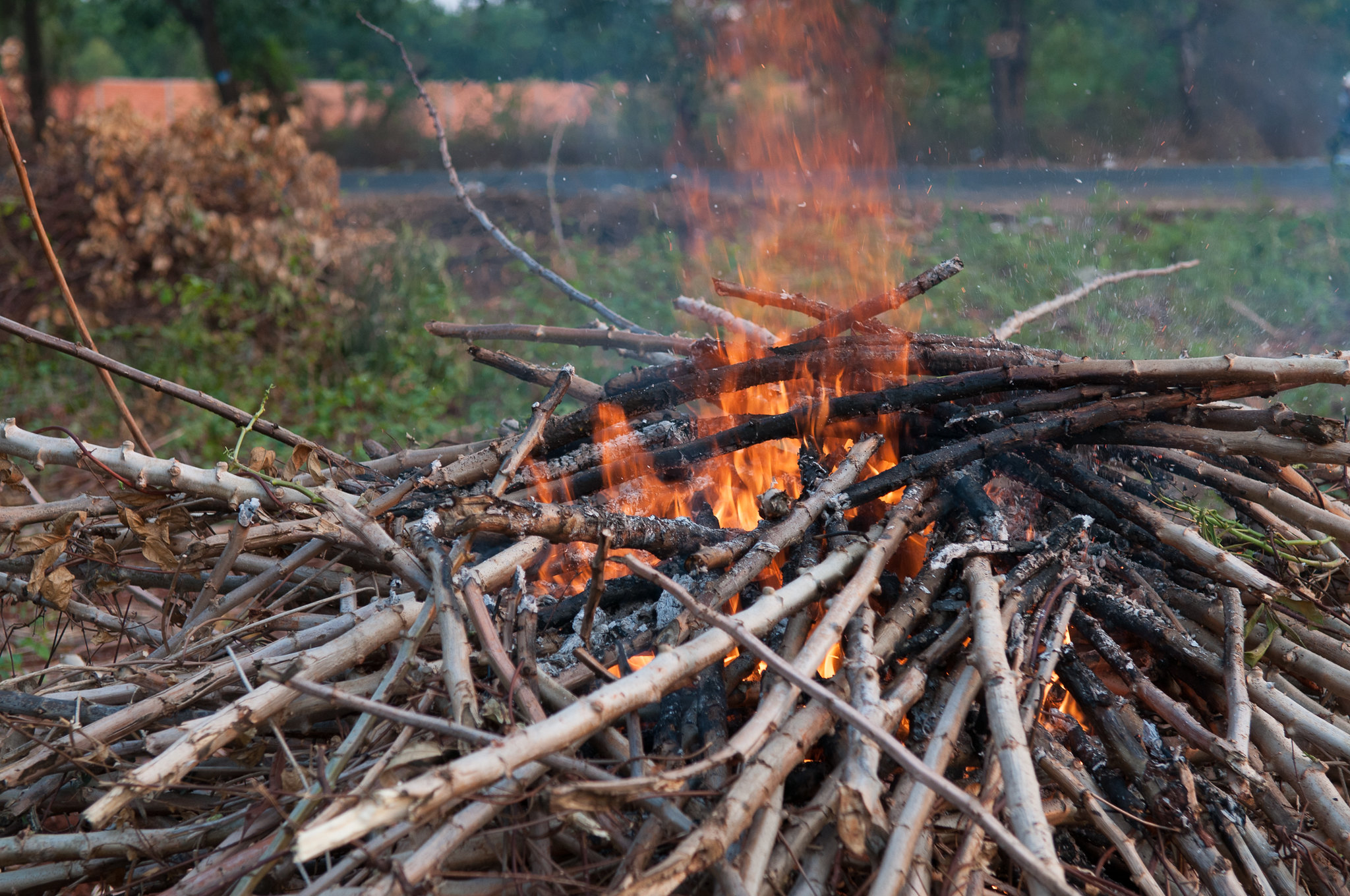
- collect and burn infected plants;
- restrict exchange of cassava stakes from diseased-affected areas to avoid transmission;
- map and monitor outbreak regions;
- collect, identify and preserve local germplasm for breeding;
- develop resistant cassava lines using genetic resources from the Alliance's Future Seeds gene bank;
- strengthen international research collaboration for long-term management.
Explore more about addressing the rapid emergence of Cassava Witches Broom Disease in Laos
Researchers working on Cassava Witches’ Broom Disease

Jonathan Newby
Program Leader, Cassava
Wilmer Cuellar
Senior Scientist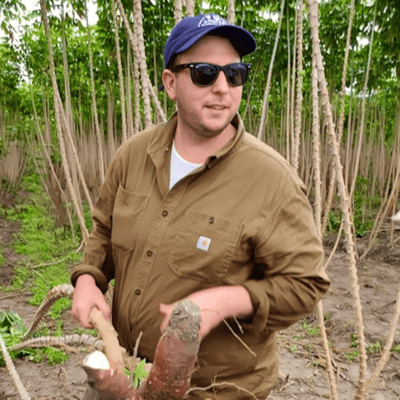
Sean Fenstemaker
Scientist I, Global Cassava Breeding Lead
Juan Manuel Pardo García
Senior Research Associate
Alejandra Gil-Ordóñez
Research Associate
Related publications