
2025 Annual Report International Agrobiodiversity Congress unites experts from around the world
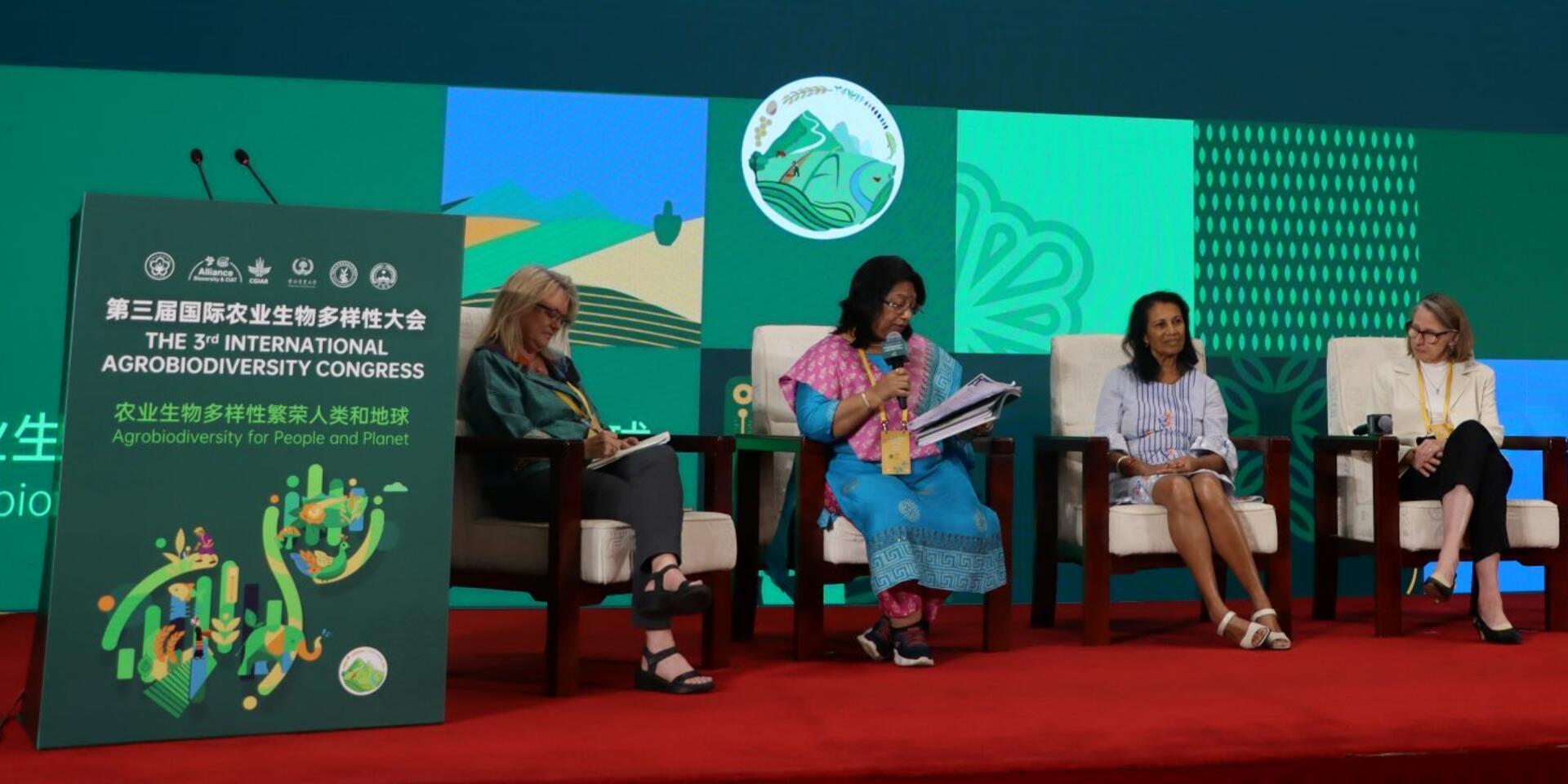
Kunming is a hotspot for agrobiodiversity, both on plates and in policy commitments. We convened specialists there to gather scientific knowledge and produce a Manifesto that lays the foundation for informed policies, from China to Dakar.
The numbers tell a narrowing story. Three commodity staples- rice, maize, and wheat- provide two-thirds of the calories consumed globally, while just 12 plant species and five animal species account for approximately 75% of the world's food supply. This narrowing of the global diet has massive implications for environmental and human health.
But in places like Kunming, in China’s Yunnan Province, agrobiodiversity continues to flourish. Nicknamed “The city of eternal spring”, Kunming is a hotspot for cultural and ecological diversity. Amongst its 15,000 plant varieties are delicacies like wild mushrooms and fiddlehead ferns, contributing to a vibrant culinary scene that unites sustainable gastronomy and cultural heritage. Kunming is also elevating agrobiodiversity from the dinner table to the global policy space, acting as the site of the UN Convention on Biodiversity’s COP15, in which participating countries adopted the landmark Kunming-Montreal Global Biodiversity Framework to halt and reverse biodiversity loss, with special provisions for equitable benefit sharing of plant genetic resources.
It is therefore no coincidence that Kunming became the gathering place for more than 800 scientists, policymakers, farmers, and practitioners from 60 countries, for the third International Agrobiodiversity Congress, a conference co-organized by the Alliance of Bioversity International and CIAT and the Chinese Academy of Agricultural Sciences (CAAS). With the theme "Agrobiodiversity for People and Planet", this May gathering represented a decade of momentum: from the Congress's founding in India in 2016, through its second iteration in Italy in 2021, to this landmark edition in China. The Congress brought together experts to discuss the most recent trends in agrobiodiversity, and opportunities as food systems face increasing challenges.
“We use agrobiodiversity to breed new varieties of plant and animal to improve productivity, to develop characteristic agricultural products for meeting the different needs, and establish the value chain from the field to the table for increasing farmers' income. Under the challenge of current climate change and environmental deterioration, agrobiodiversity can play a greater role by not only providing genes resistant to different biotic and abiotic stresses, but also contributing to nature-based solutions for resilient agricultural production system.” - Liu Xu, Academician, Co-chair of International Scientific Committee of the 3rd International Agrobiodiversity Congress, CAAS, China.
"If we use agrobiodiversity to close the gaps in terms of food insecurity, malnutrition, and economic development, then we can also contribute to achieving development goals. There are plenty of opportunities to build more prosperity in the countryside if we use better and more agrobiodiversity." - Marcela Quintero, Associate Director General for Research, Alliance of Bioversity International and CIAT
Across six thematic areas — economic growth, climate resilience, environmental health, healthy diets, gender and social inclusion, and conservation — there was a consistent message: protecting and expanding agrobiodiversity demands inclusive, people-centered policies.
Indigenous and local communities, long the primary stewards of crop and genetic diversity, must be placed at the center of research, policy, and market-access frameworks. The Congress also underscored the urgency of the moment: both the Kunming-Montreal Global Biodiversity Framework and the 2030 Sustainable Development Goals have just five years remaining on the clock.
As co-convener and co-author of the Congress's scientific program, the Alliance shaped the agenda and ensured that its outputs would carry beyond Kunming.
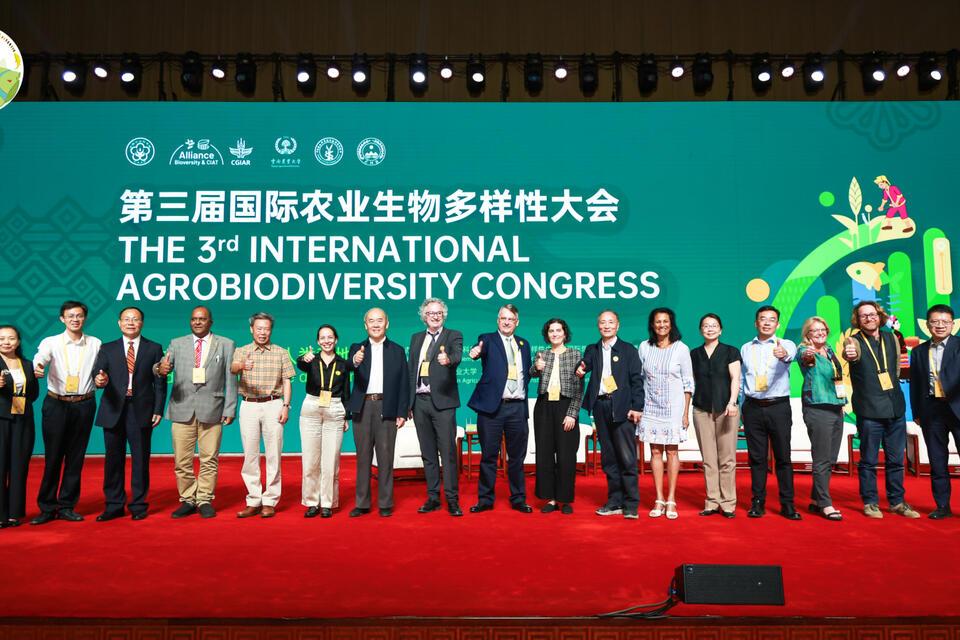

The Kunming Manifesto
On 3 September 2025, at the Africa Food Systems Forum Summit in Dakar, Senegal, the Kunming Manifesto was formally launched before a new audience: African policymakers, agrifood system actors, and development partners for whom the stakes of food system transformation are most immediate. The Manifesto — the principal output of the Congress — synthesizes the global agrobiodiversity debate into actionable recommendations and regional case studies, demonstrating that a coordinated, multistakeholder approach can deliver measurable nutritional, environmental, and economic benefits.
"If we're going to transform the global food system, we need to encourage biodiversity on our plate and bring underutilized crops back to the farmers' field and on our tables— not only at international forums." - Carlo Fadda, Research Director for Biodiversity for Food and Agriculture, Alliance of Bioversity International and CIAT; co-author and co-chair of the Congress's Scientific Committee
The Manifesto now charts the course for the next five years, calling for agrobiodiversity to be integrated into the Rio Conventions on climate, biodiversity, and desertification, and for a reorientation of agricultural subsidies toward nature-positive food systems. The Alliance's convening of the Congress, its co-authorship of the Manifesto, and its role in bringing that document to Africa underscore the importance of rigorous, peer-validated scientific knowledge as the essential ingredient for enduring food and land system change.

Community Seed Banks exemplify local to global solutions
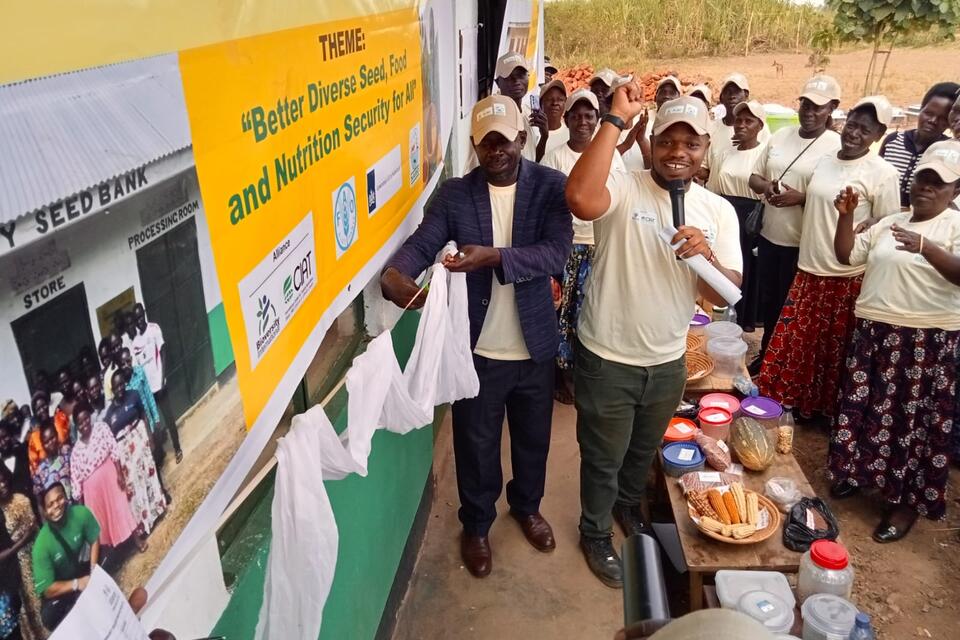
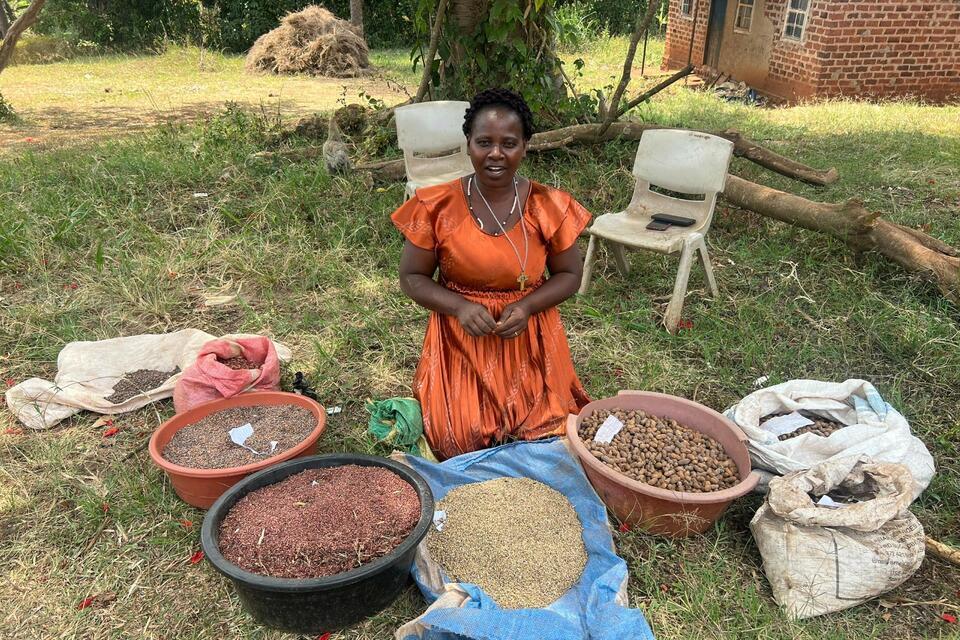
Among the evidence the Manifesto draws on is Alliance-supported work in Kenya and Uganda, where community seed banks, established since 2010, provided more than 10,000 people with sustained seed security, access to more diverse and nutritious foods, and nearly US$100,000 in sales of seeds and products derived from agrobiodiversity and native tree species. Meanwhile in Ethiopia, we observed the stabilizing potential of seedbanks in times of crisis and instability.
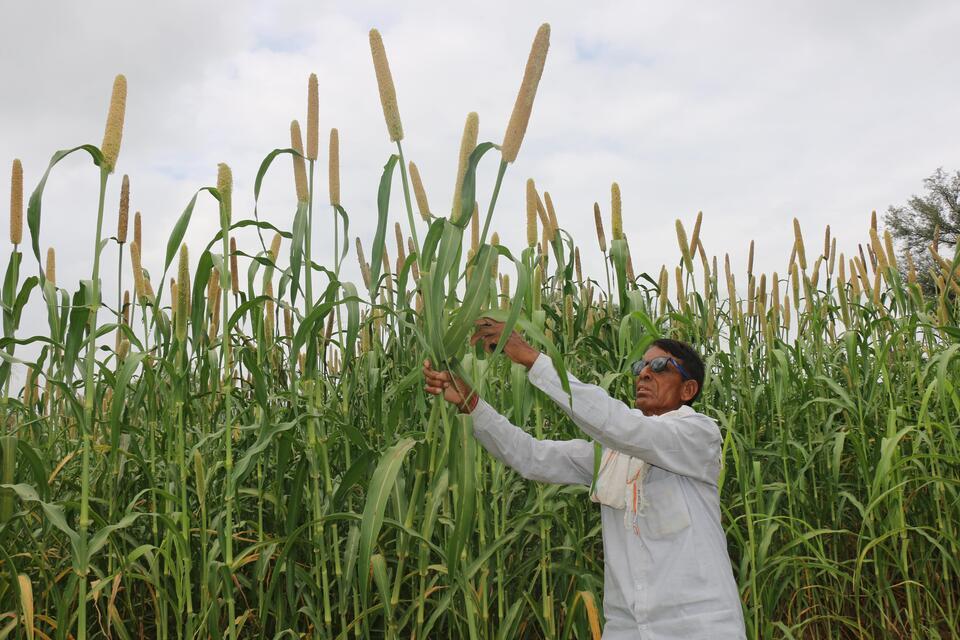
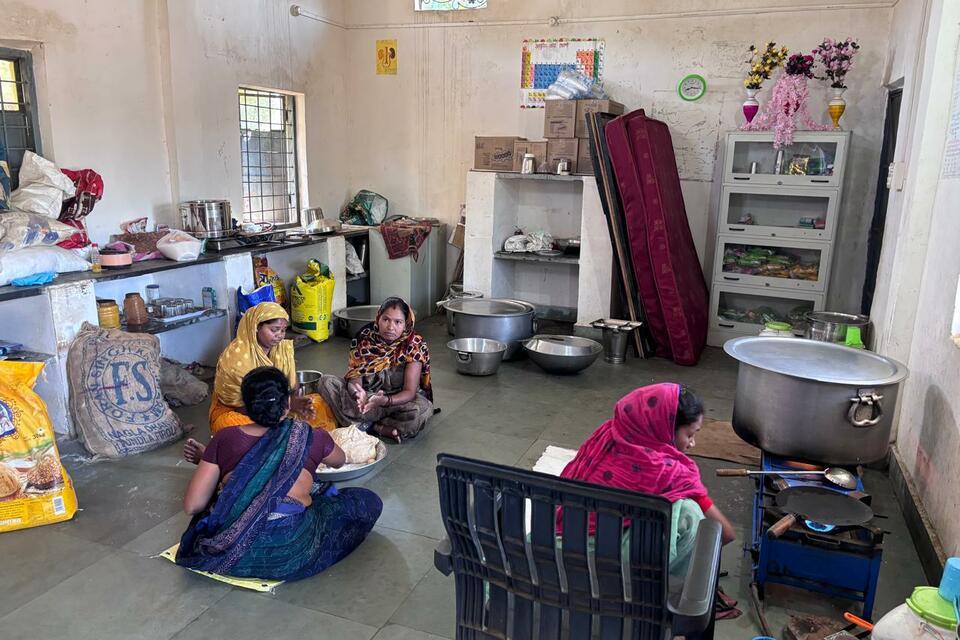
Likewise in India, community seed banks integrate nutrition and livelihoods while conserving and using traditional crop varieties. At least 300 promising native varieties met local farmers’ diverse needs for climate resilience, enhanced nutrition, and improved livelihoods. This agrobiodiversity can also be mainstreamed through school meals to deliver benefits for both local farmers and schoolchildren.

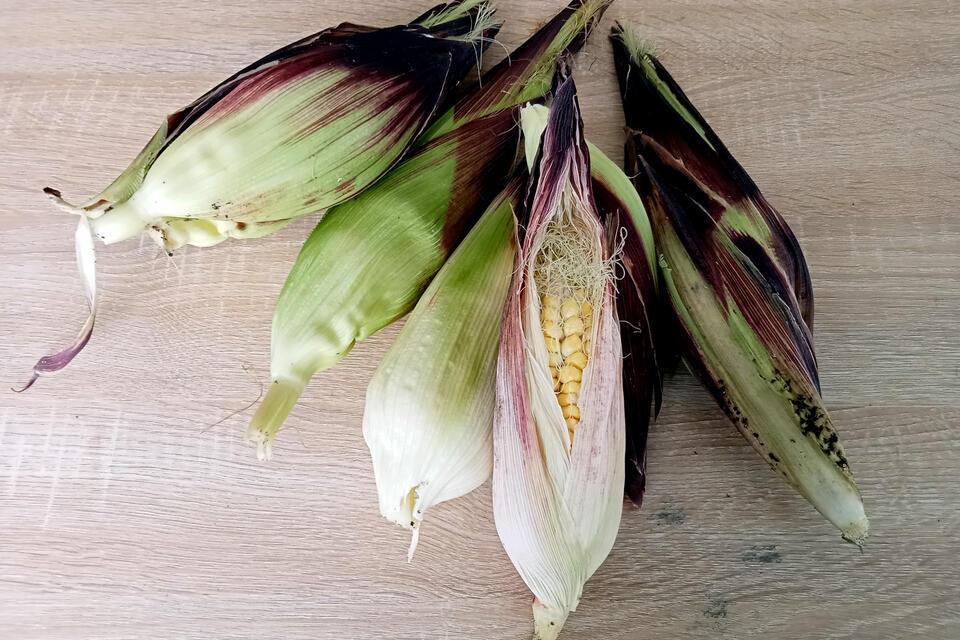
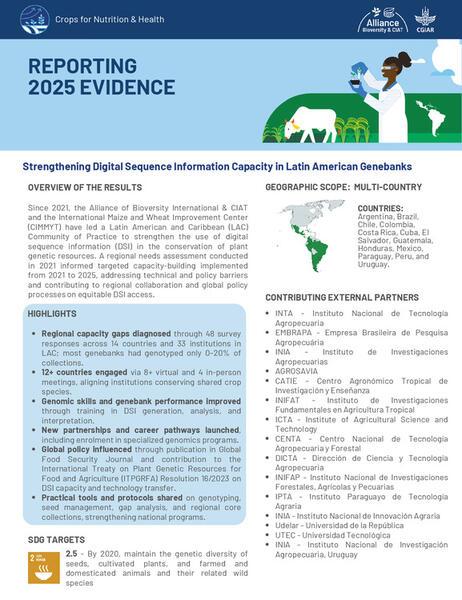
Finally, in Colombia, our “Biodiversity for resilient ecosystems in agricultural landscapes” (BREAL) Project – which also has sites in Peru and Kenya - has assessed the potential of crop varieties contained in agrobiodiversity zones, characterizing examples like Andean lupin, which can be processed into vegetable milk. Our seedbank collaborations in Colombia have been extensively covered by media outlets including EFE and El Tiempo.

This kind of scalable science- beginning in communities and returning to them- has valuable lessons at the global policy table.
Explore more of our 2025 impact in agrobiodiversity conservation and knowledge-sharing
Countries
Genebank capacity boosted by a community of conservation specialists.
Farmers reached
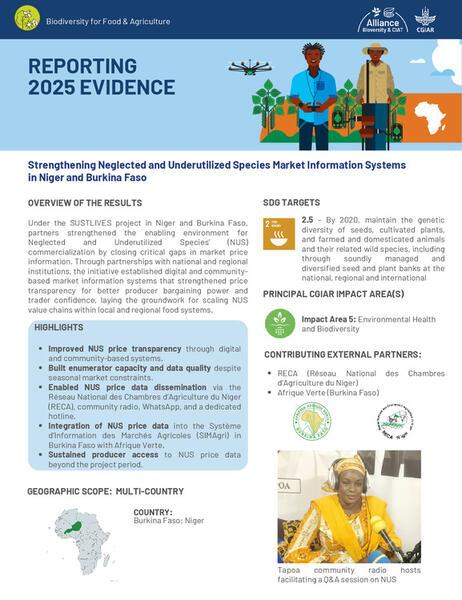
With price information from our SUSTLIVES project, helping bring neglected and underutilized crops to market.

Carlo Fadda
Director, Agrobiodiversity
Stephan Weise
Managing Director, Asia
Keyu Bai
Scientist II, Country Representive for East AsiaExplore our Collaborations
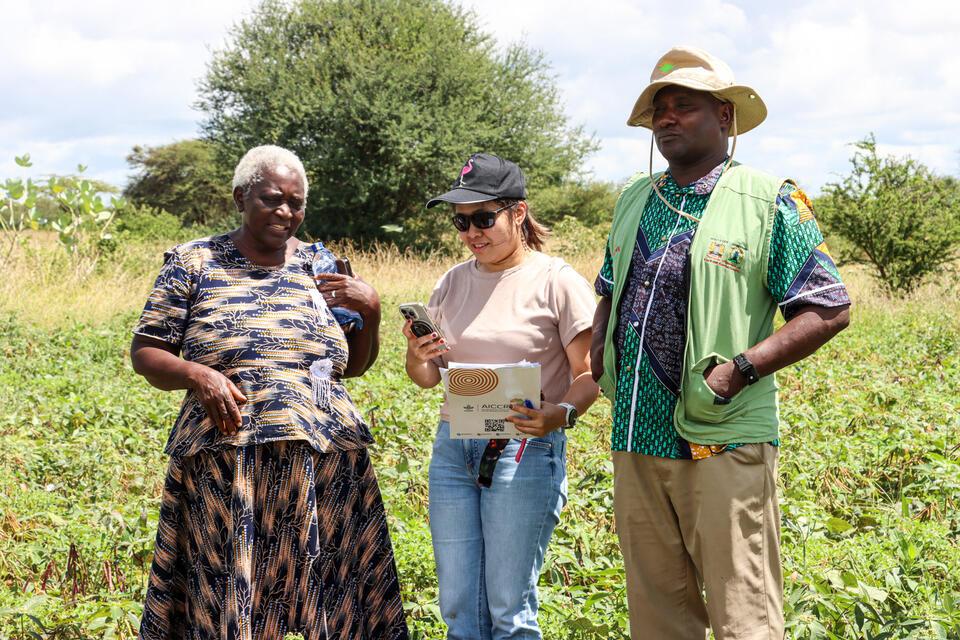
Science + Collaboration = Scalable Impact
Will food and land systems be a solution to the world's pressing challenges... or remain part of the problem? The science to tip that balance exists. But it requires partnerships to turn into action.
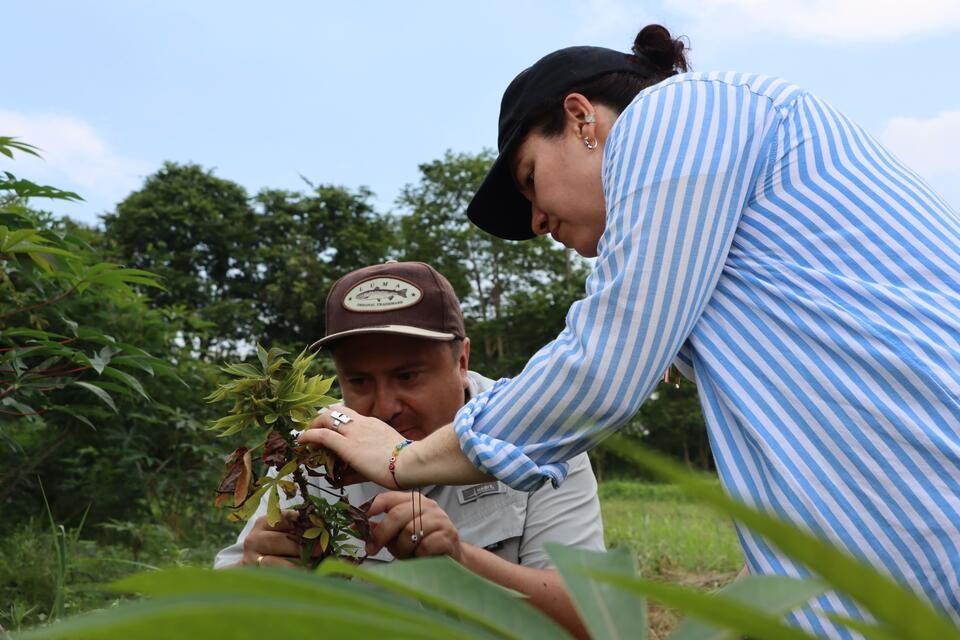
Countries join forces against cassava witches’ broom disease
A devastating crop disease has reached Latin America. We collaborated with national researchers to trace its roots, and slow its spread.
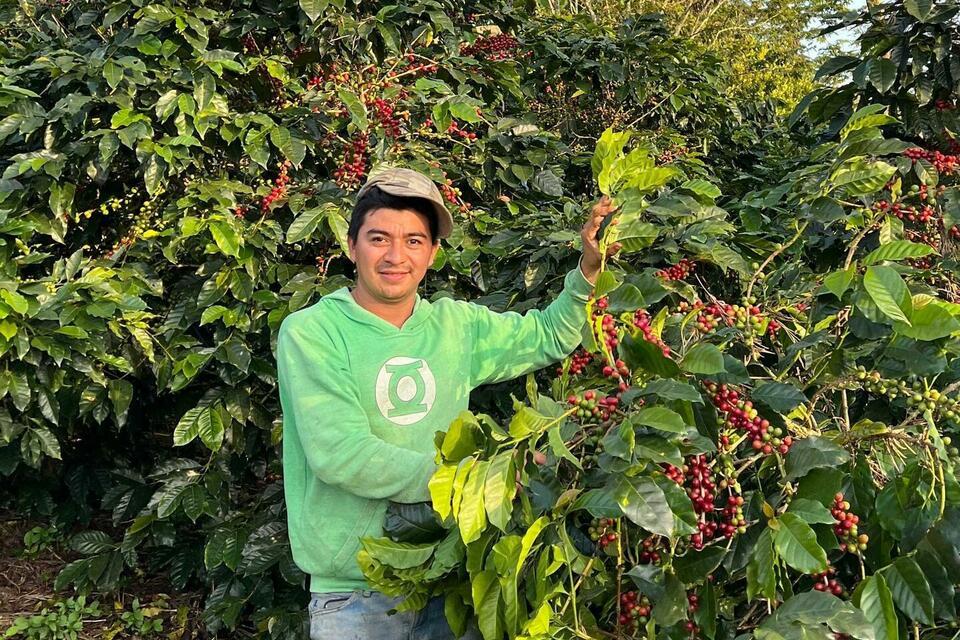
Climate Resilience Platform guides food industry sourcing
The world's food supply chains were built for a stable climate that no longer exists. We partnered with the food industry to identify exactly where the risk is, and make investments to keep food flowing.
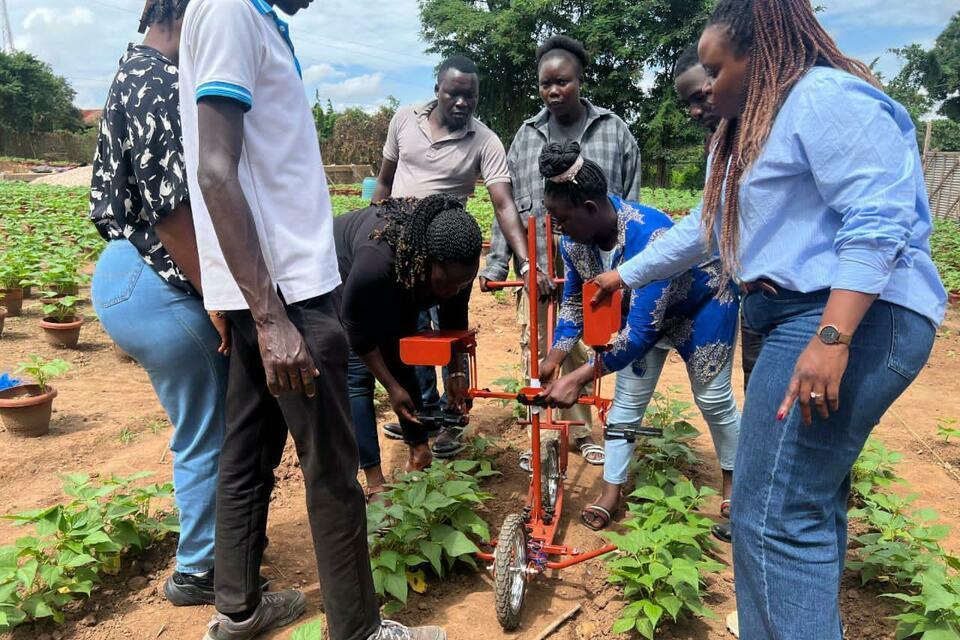
Artificial intelligence meets agriculture
Smartphones can survey crops and listen to farmers. This is AI designed for the hands of breeders, extension workers, and farmers.
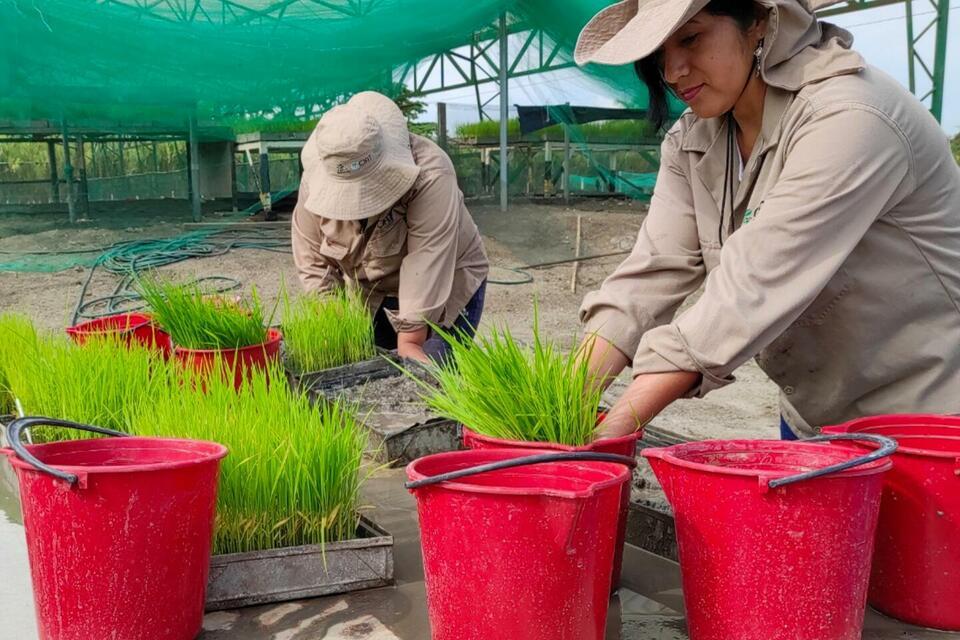
Regenerative agriculture starts with regenerative crops
New forage grasses keep Kenyan livestock fed through drought. Hybrid rice boosts harvests in Colombia. Regenerative agriculture starts in the breeding plots.
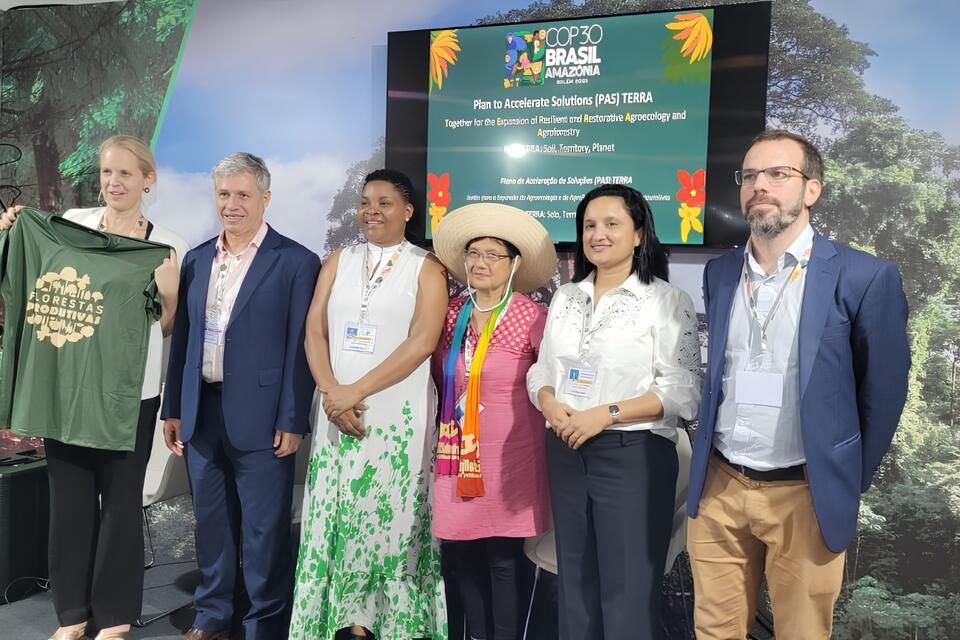
New coalitions spur food systems policy into action
Global reports don't change food systems, but coalitions do. From the EAT-Lancet Report to COP30, we connected countries and stakeholders for effective advocacy, implementation, and science uptake.