Blog From numbers to policy in Asia: How the Agrobiodiversity Index unveils opportunities to achieve sustainable development

China is well positioned to conserve underutilized crops, according to the findings of the Agrobiodiversity Index. Significant progress has been made throughout the years that involve supporting local seed systems, in-situ conservation, and access and benefit sharing – providing evidence to create robust policies and strategies.
Balancing development while conserving rich biodiversity resources is a challenge faced by many countries around the world, particularly in areas of accelerated urban development such as China. Growing urban populations require more housing and improved transportation. This is pushing governments to give up important agriculture and forest land to accommodate these demands and other needs. This development causes a rapid decline in natural resources available to sustain and improve agroecosystem health.
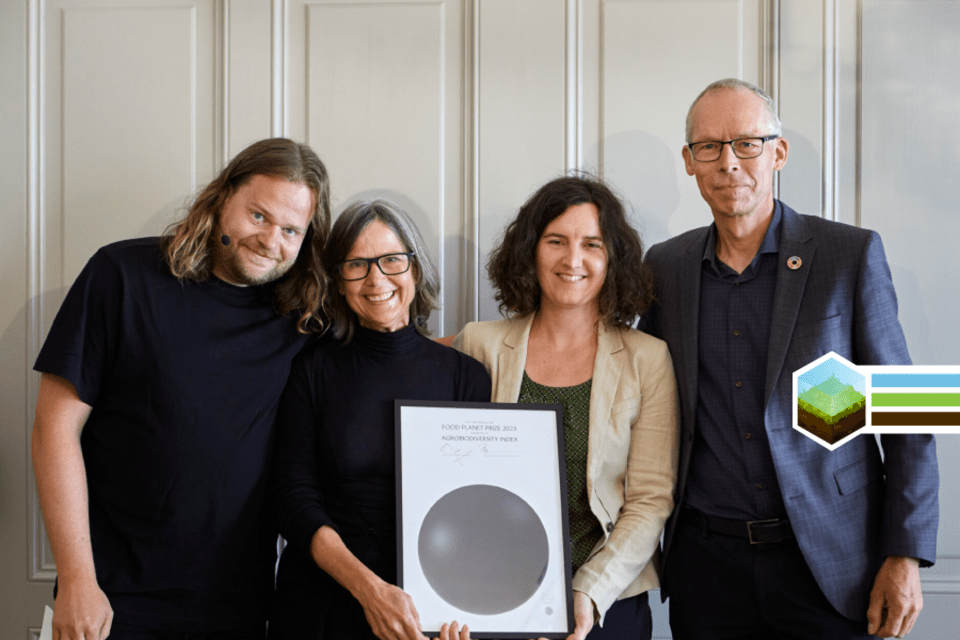
The Alliance of Bioversity International and CIAT’s Agrobiodiversity Index, winner of the 2023 Food Planet Prize, is helping countries define next steps for policy development to better manage trade-offs for sustainable economic development that encompass urban development and environmental conservation. The index provides insight as to how policies can impact the supply and value chain contributing to the sustainable use of local agrobiodiversity. This is essential in not just preserving environmental health but also improving overall health and nutrition as well as protecting smallholder livelihoods.
Linking habitats, crops, and biodiversity outcomes
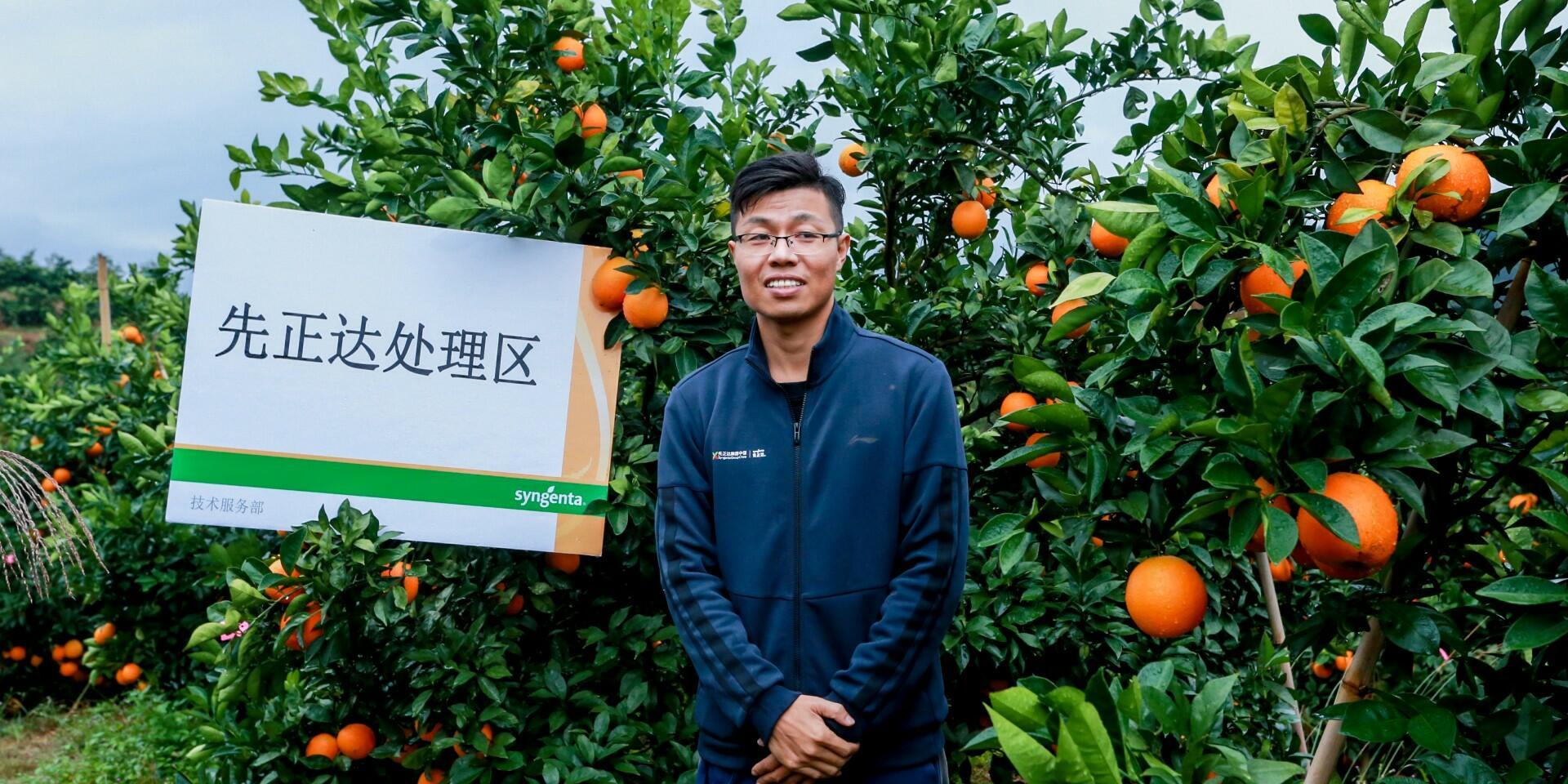
In 2022, the Alliance, Institute of Crop Sciences of the Chinese Academy of Agricultural Sciences (CAAS) and Syngenta Group China came together to work on the project, Agricultural Biodiversity Index and Agricultural Sustainable Development – Citrus Diversified Production Technology Demonstration that aims to optimize citrus conservation efforts through sustainable utilization. An important cash crop for farmers in China, citrus has a long history of cultivation of more than 4,000 years. China exports almost a third of the world’s citrus supplies making it more important to conserve wild and cultivated citrus varieties in the country.
Aligning research activities in citrus production and biodiversity conservation helps achieve better biodiversity outcomes and improved guidelines for promoting diversified production technologies and operations. Results of this work will contribute to the overall biodiversity and sustainability goals of China.
In another study published in 2024, the Alliance assessed overall ecosystem health of the Beijing-Tianjun-Hebei region of China to articulate the impacts of rapid urbanization to ecosystem health, within and among city peripheries. Landscape changes to accommodate the needs of Beijing, China’s capital, led to a continuous downward trend over the last 40 years, which resulted to biodiversity loss and sharp decline in average species richness of the region.
Understanding the complex factors impacting ecosystem health and boosting biodiversity outcomes can identify gaps where policies and programs can be most effective in terms of achieving biodiversity and sustainable development targets. “Understanding environments and ecosystems can greatly help us develop policies that provide pathways to navigate a constantly changing world,” says Keyu Bai, Alliance Scientist and Country Representative to China. According to Bai, matching research results against the Agrobiodiversity Index criteria helps unveil gaps where countries such as China can boost investments to achieve sustainable outcomes.

Keyu Bai
Scientist II, Country Representive for East Asia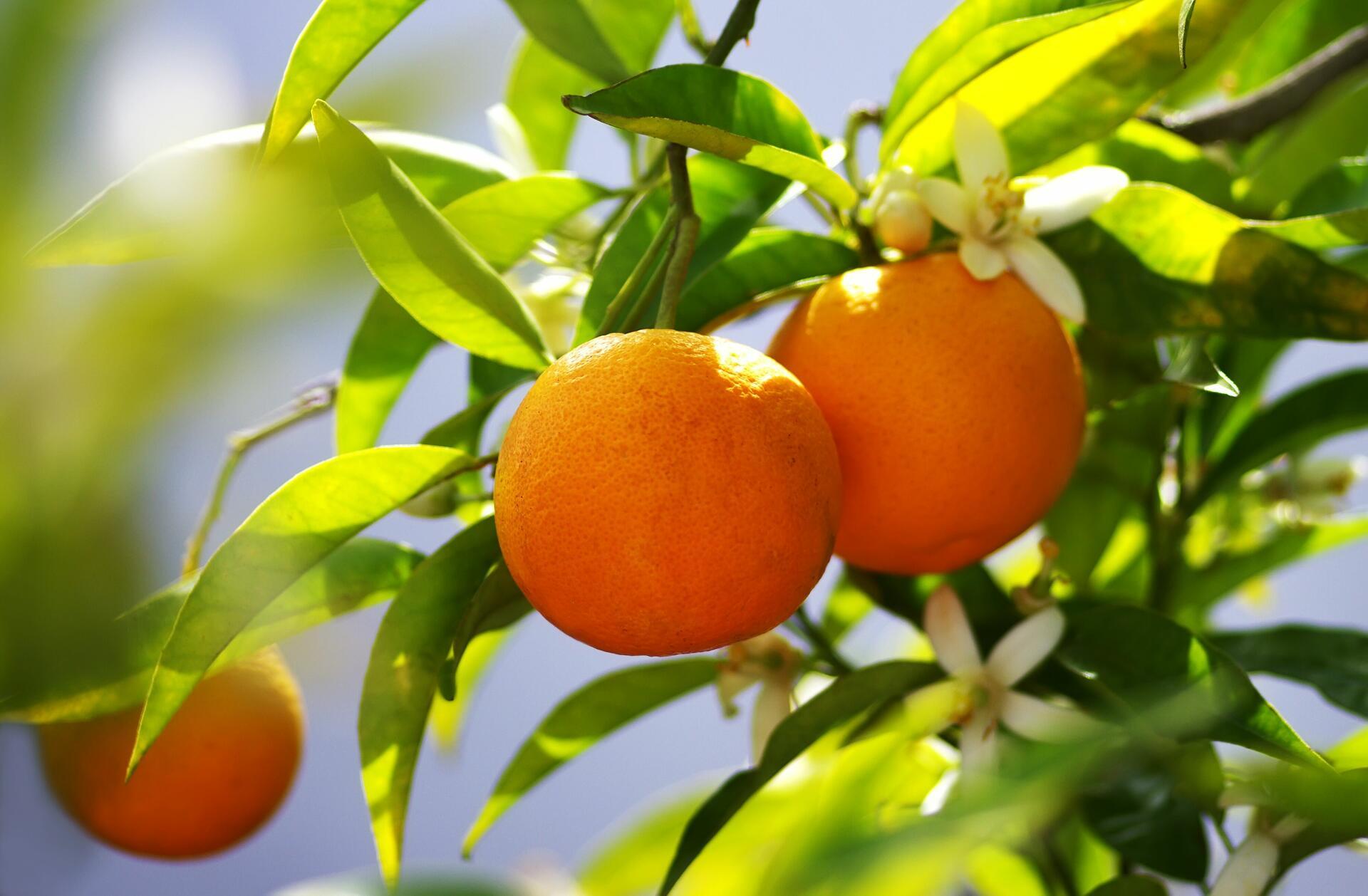
Bunch of orange fruits on a branch.
Nature supporting communities
The pilot trials for the citrus diversification project showed great promise in improving orchard biodiversity and soil biodiversity compared to conventional orchards. This meant that changing planting practices—such as combining organic fertilizers and precision pest and disease control with diversified production and ecological management measures—not only improves fruit quality, but can also have an impact on farmers’ livelihoods, while achieving environmental conservation and restoration targets.
Following the release of the China country profile using the Agrobiodiversity Index, government priorities have shifted to integrate biodiversity conservation better in mid- and long-term plans at various levels. “The Agrobiodiversity Index gives us the opportunity to focus on interventions that can be scaled up and provide evidence that support both sustainable growth for China,” says Zongwen Zhang, Honorary Research Fellow at the Alliance. “It helped shape improved practices in cropping rotations; collecting, documenting, and conserving local crops; and overall improve the use of local biodiversity that meets consumer needs and improve farmers’ livelihoods.”
The Alliance continues to co-develop innovations by collaborating with key national partners such as CAAS, the private sector such as Syngenta, and citrus growers in the areas of Ganzhou, Juangxi, and Renshou, Sichuan. Outcomes of this work supports policy development and frameworks to address climate impacts and achieve food security.