Blog Living in harmony calls for inclusive agrobiodiversity policies
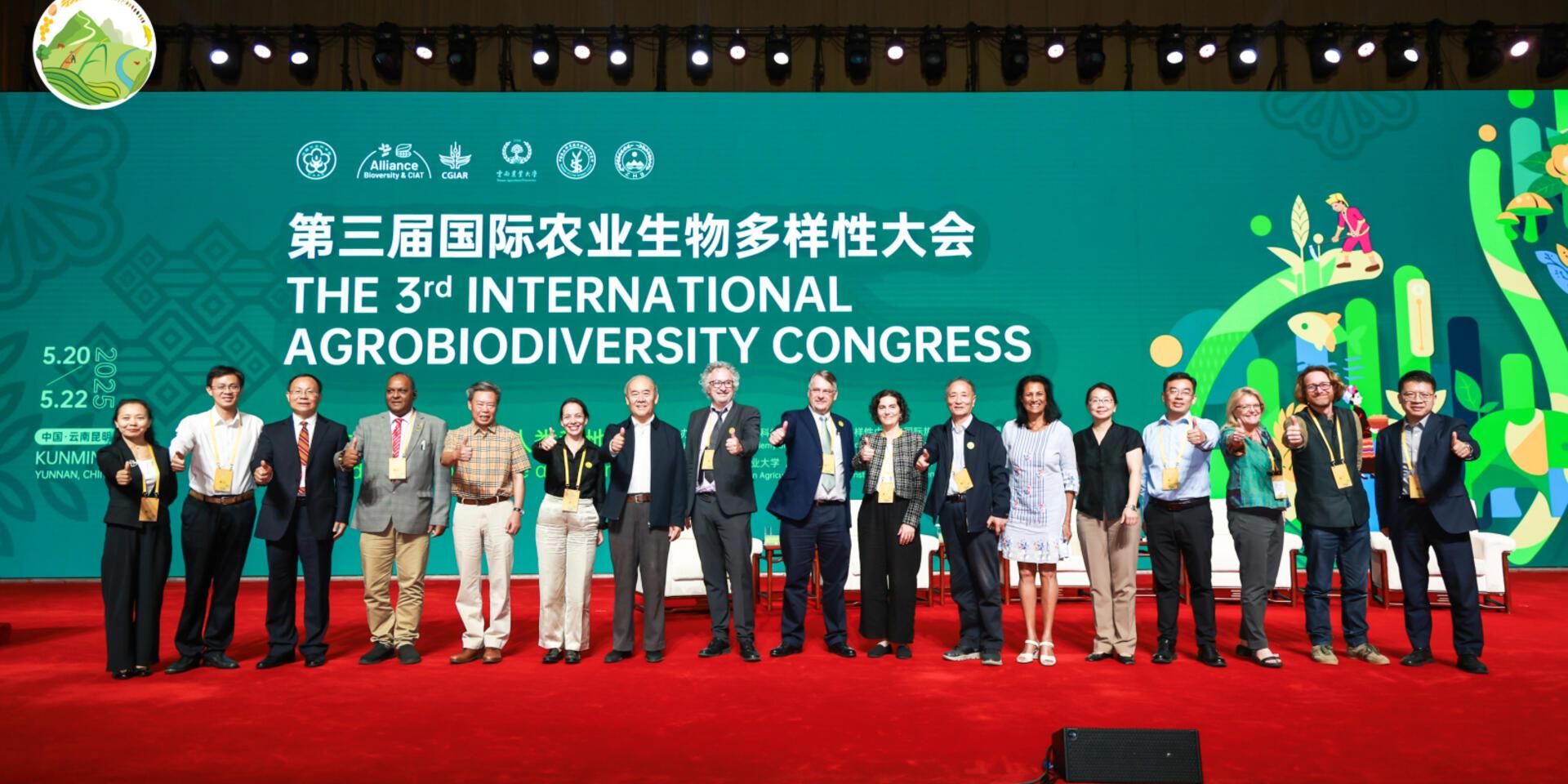

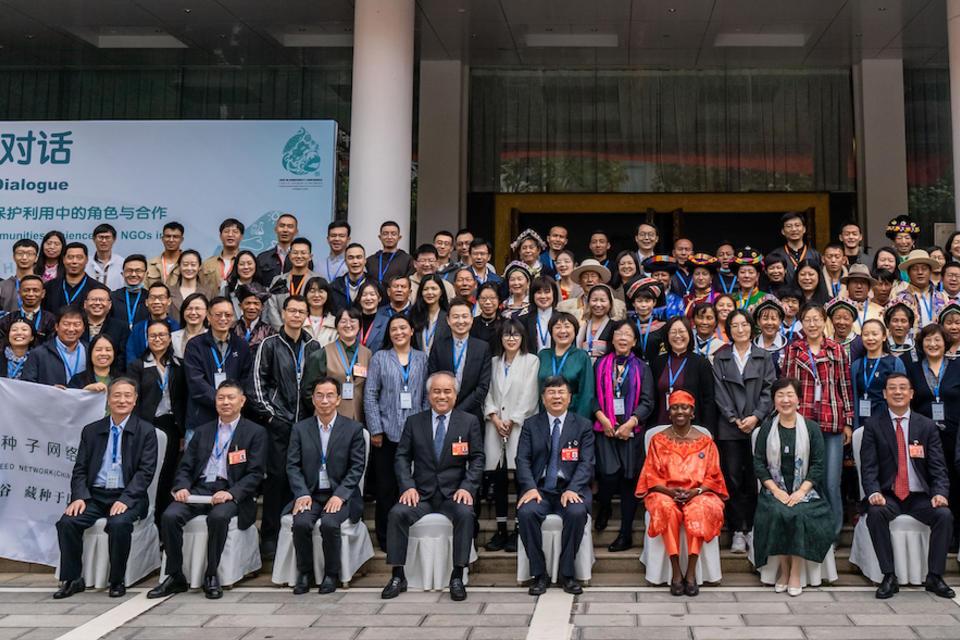
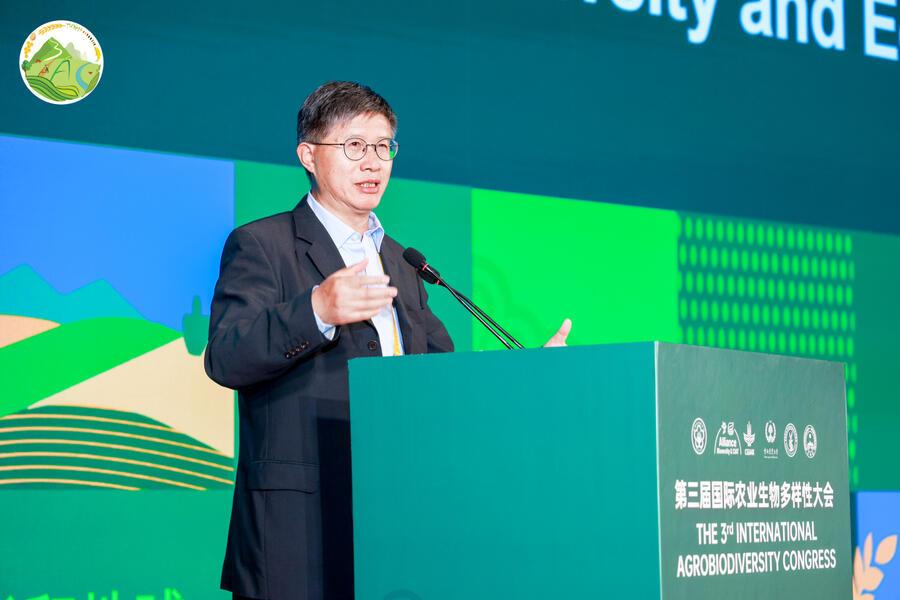
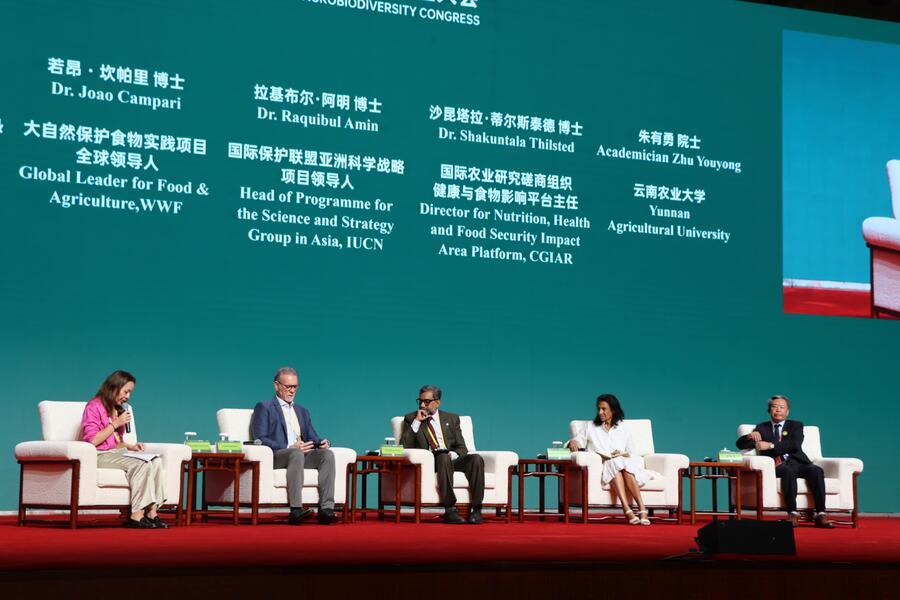
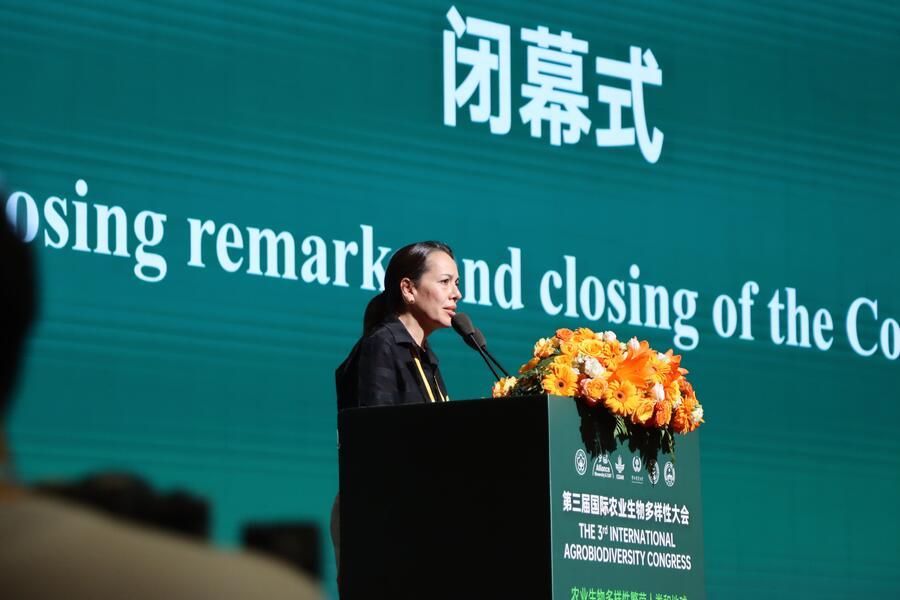
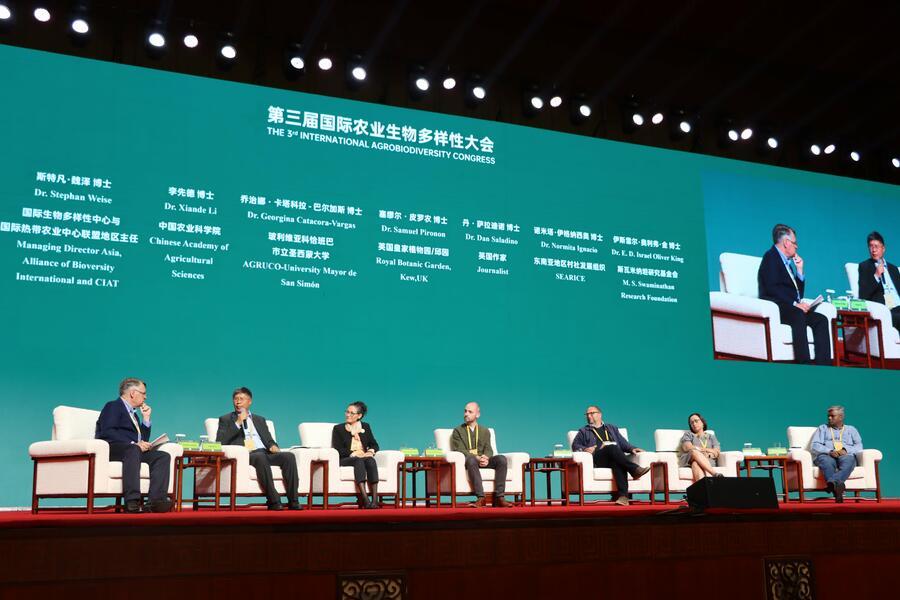
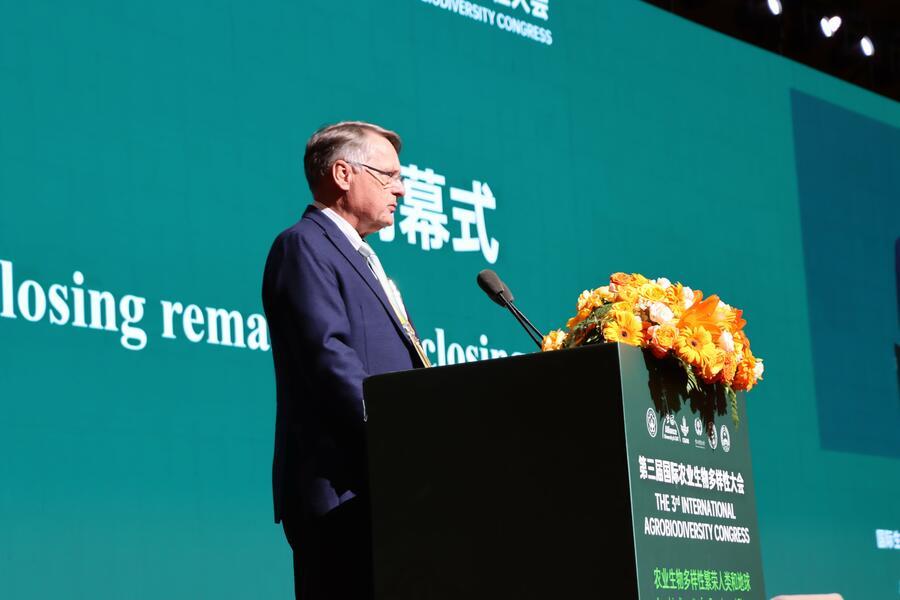
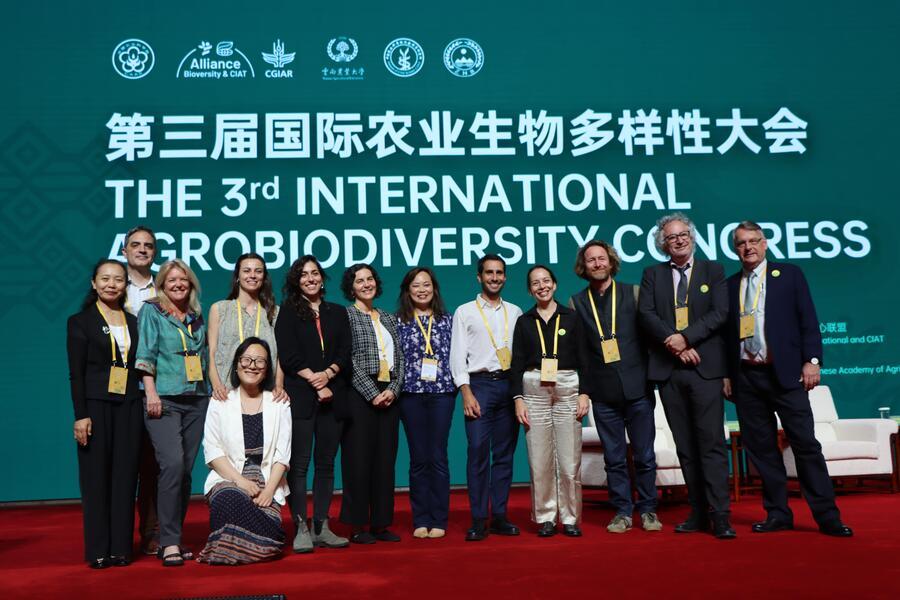
KUNMING, Yunnan— Coinciding with the International Day for Biological Diversity, a global community of scholars and experts, convened by the Alliance of Bioversity International and CIAT and the Chinese Academy of Agricultural Sciences (CAAS), shared innovative solutions on the sustainable use and conservation of agrobiodiversity. The three-day event, themed “Agrobiodiversity for People and Planet”, was co-organized with the Yunnan Agriculture University (YAU) and the Provincial Government of Yunnan.
Agrobiodiversity at the crossroads of our food systems
For the world’s eight billion people, only 12 plants and five animal species account for about 75% of the global food supply. It is a paradox that despite the world’s abundant agrobiodiversity, most nations are increasingly dependent on only three staple crops—rice, wheat, maize—to meet basic calorie and protein needs.
Warning signs point to fast-approaching ecological and social tipping points—thresholds that could trigger irreversible damage with grave consequences for global food security. For the agrobiodiversity community, this serves as a call to action: we must accelerate efforts diversifying food systems, to close hunger and malnutrition gaps amid the dual crises of climate and nature.
Coinciding with this year’s observance of World Bee Day and Biodiversity Day, the Alliance of Bioversity International and CIAT and the Chinese Academy of Agricultural Sciences (CAAS) led the international community in heeding the call—and stepping up with concrete actions, one goal at a time.
Mobilizing an International Agrobiodiversity Community
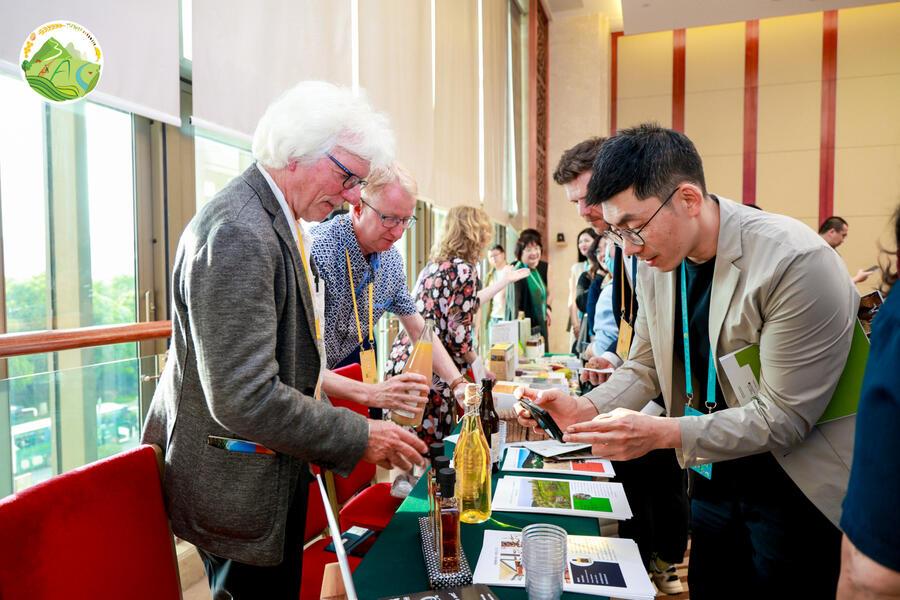
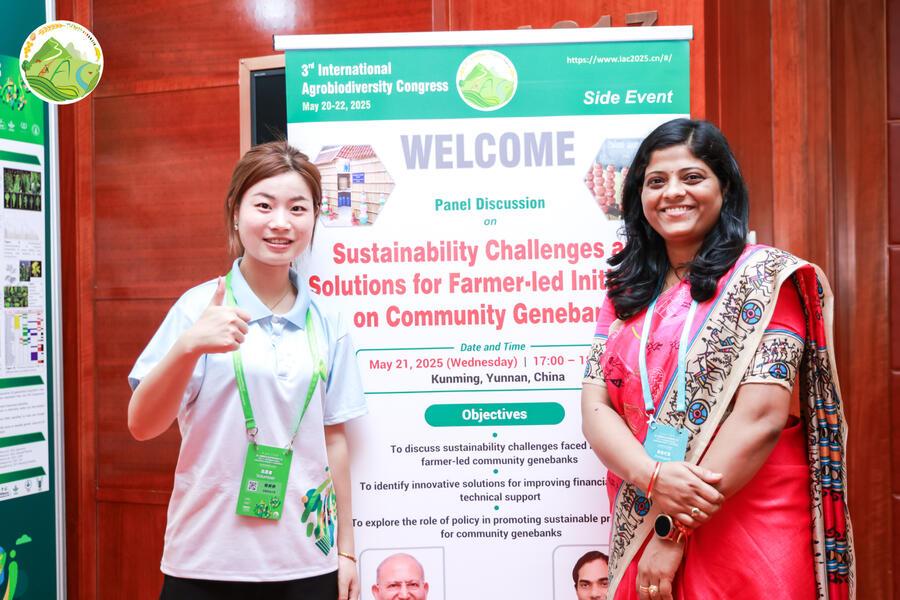
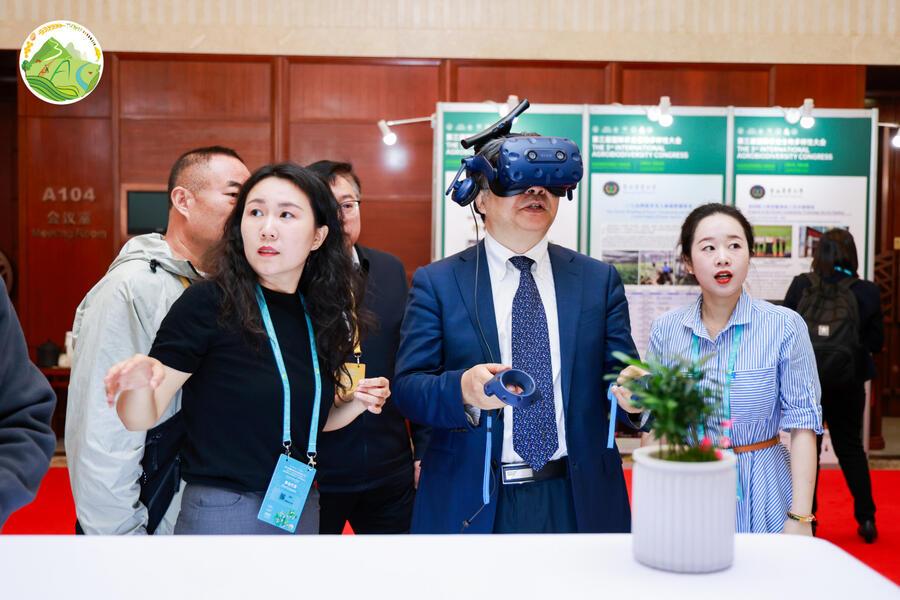
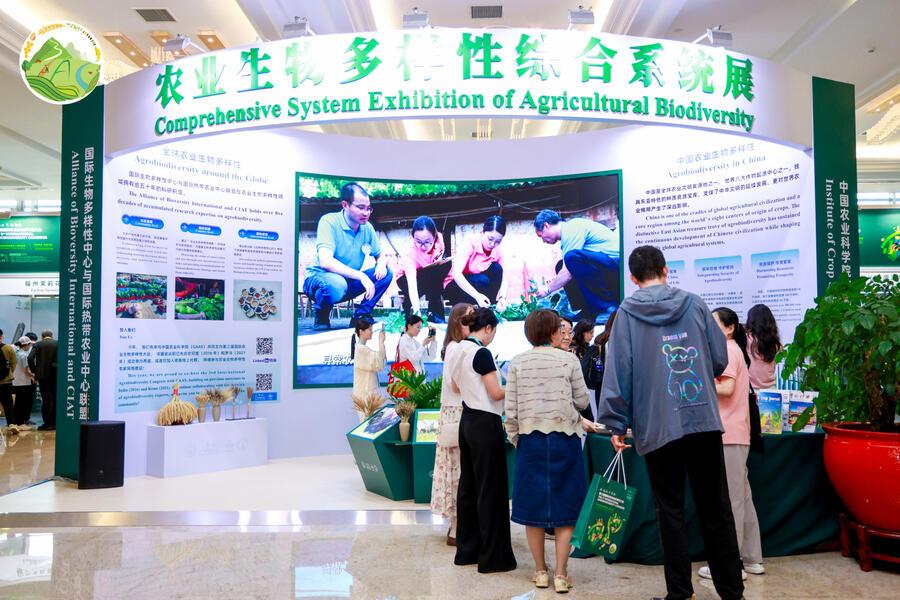
Reversing the threats to crop and genetic resources extinction is the central theme of the International Agrobiodiversity Congress. In its third iteration, more than 800 experts and scholars from 60 different countries convened in Yunnan Province’s Spring City of Kunming to set out urgently needed commitments and mobilize stakeholders toward context-specific solutions to achieve food and nutrition security and climate-resilient food systems.
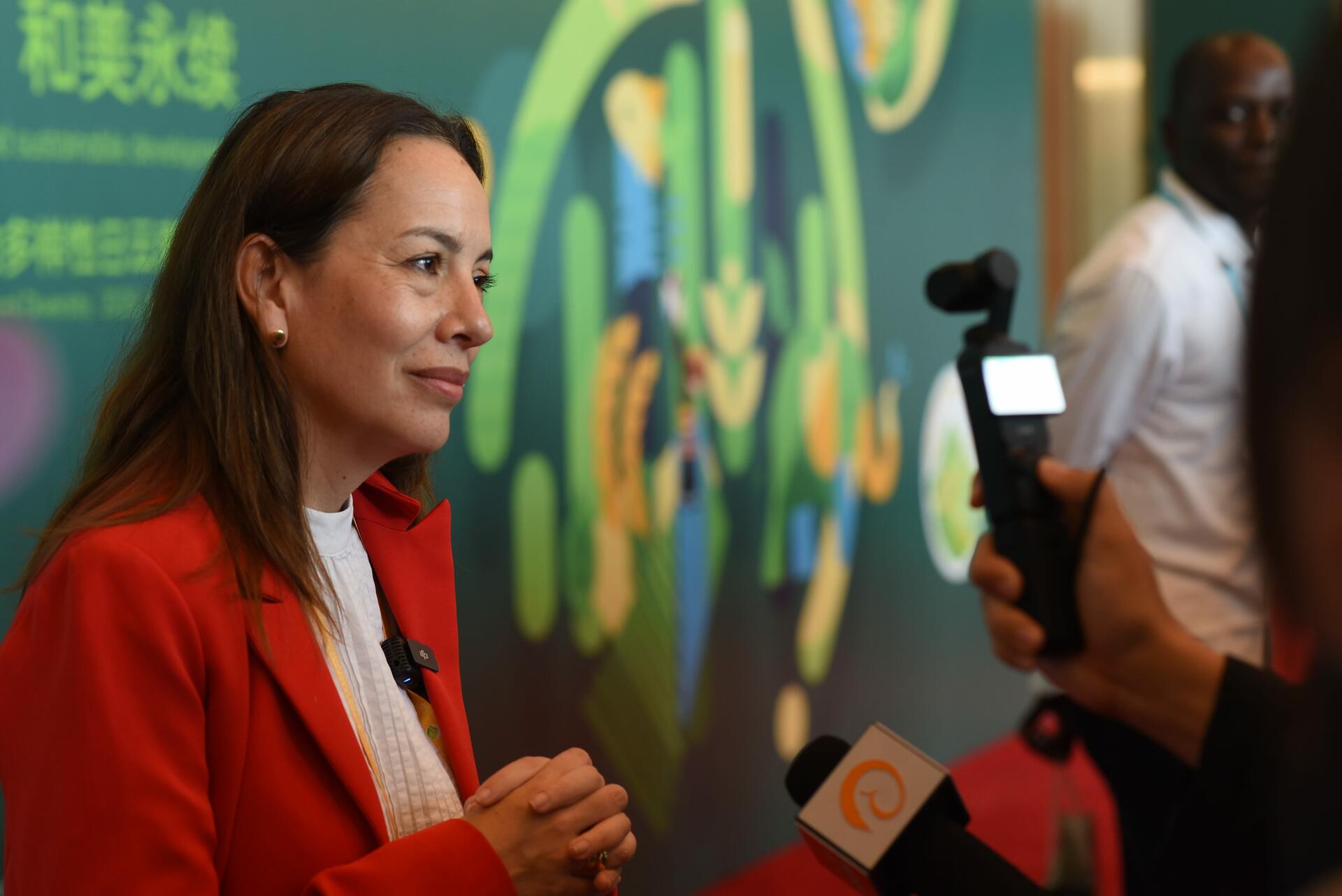
“If we use agrobiodiversity to close the gaps in terms of food insecurity, malnutrition, and economic development, then we can also contribute to achieving development goals. We are very interested in elevating the importance of using agrobiodiversity to create new means of livelihoods and economic models for our smallholders,” said Marcela Quintero, Associate Director General at the Alliance.
She pointed out the need to increase awareness of collective actions especially in ensuring that food systems are diverse both in production and consumer diets. “There are plenty of opportunities to build more prosperity in the countryside if we use better and more agrobiodiversity.”
China, one of the world’s eight Vavilov centers of origin, is a fitting choice for this year’s Congress as it is home to high genetic diversity in at least 136 endemic plants. Yunnan province alone, spanning lofty mountains to tropical rainforests, holds over half of China’s plant species, 70% of its animal and fungal species, and more than 80% of its vegetation types.
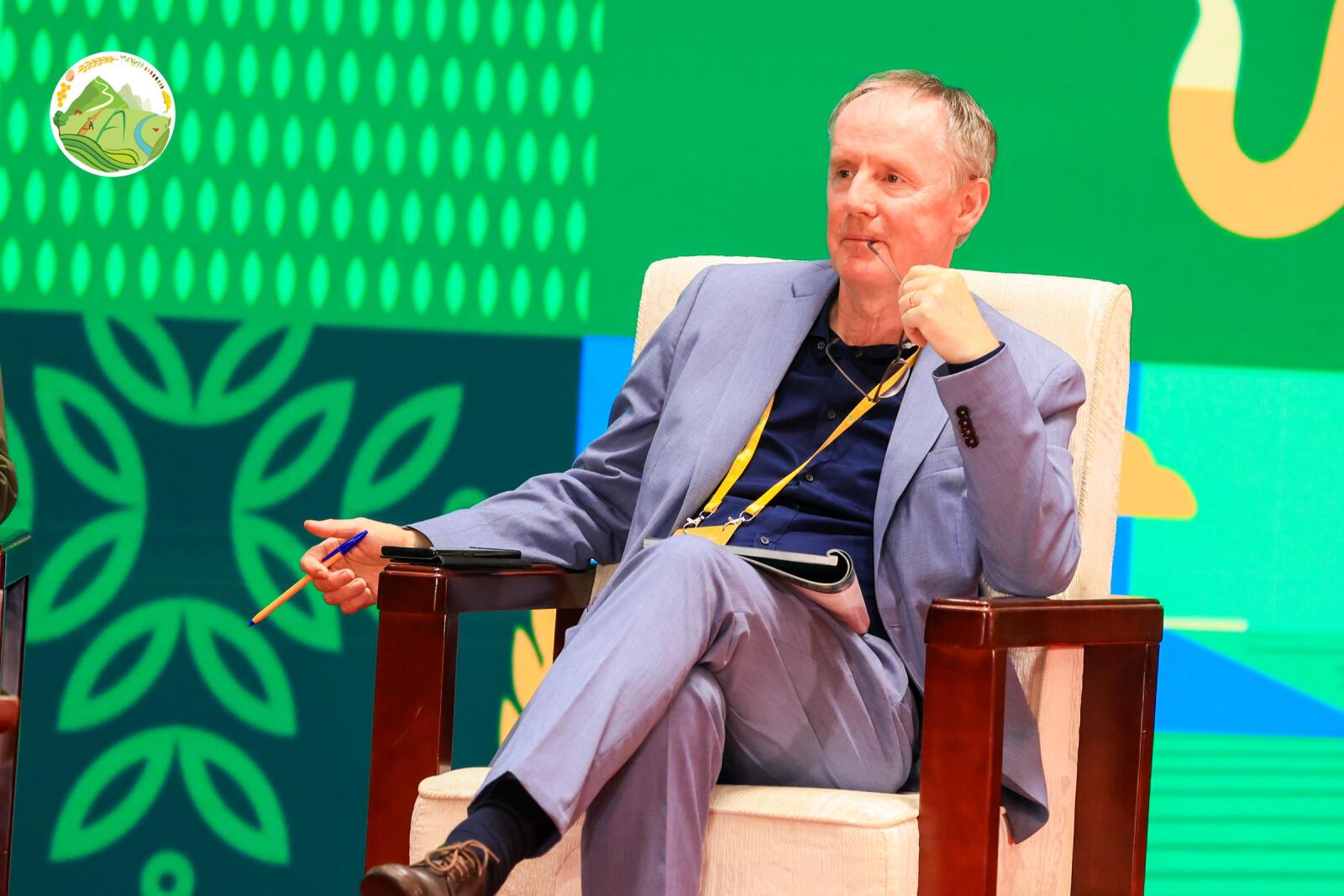
But the world’s biodiversity faces an emergency. Probably even worse than climate change, says Francois Stepman, expert from the Global Forum on Agricultural Research and Innovation.
With most funding still channelled into three staple crops, the May 20–22 Congress was a timely platform to rethink research priorities—spotlighting neglected and underutilized species as critical resources to diversify both diets and nutrition for all people.
Stepman emphasized: “Once we lose varieties of both plants and animals, it’s irreversible. You can still have climate negotiations, but you cannot negotiate with the diversity of this planet.”
People, Planet...and Policies
Since its inception in India in 2016 and its second iteration hosted by Italy in 2021, the Congress has shifted its focus from strengthening the conservation and use of agrobiodiversity to amplifying the intricate relationship of crop and genetic resources to people and planet. Across six key themes—economic growth, climate change mitigation, environmental health, healthy diets, gender and social inclusion, and conservation and management—one message echoed through the halls: sustaining agrobiodiversity demands inclusive, people-centered policies.
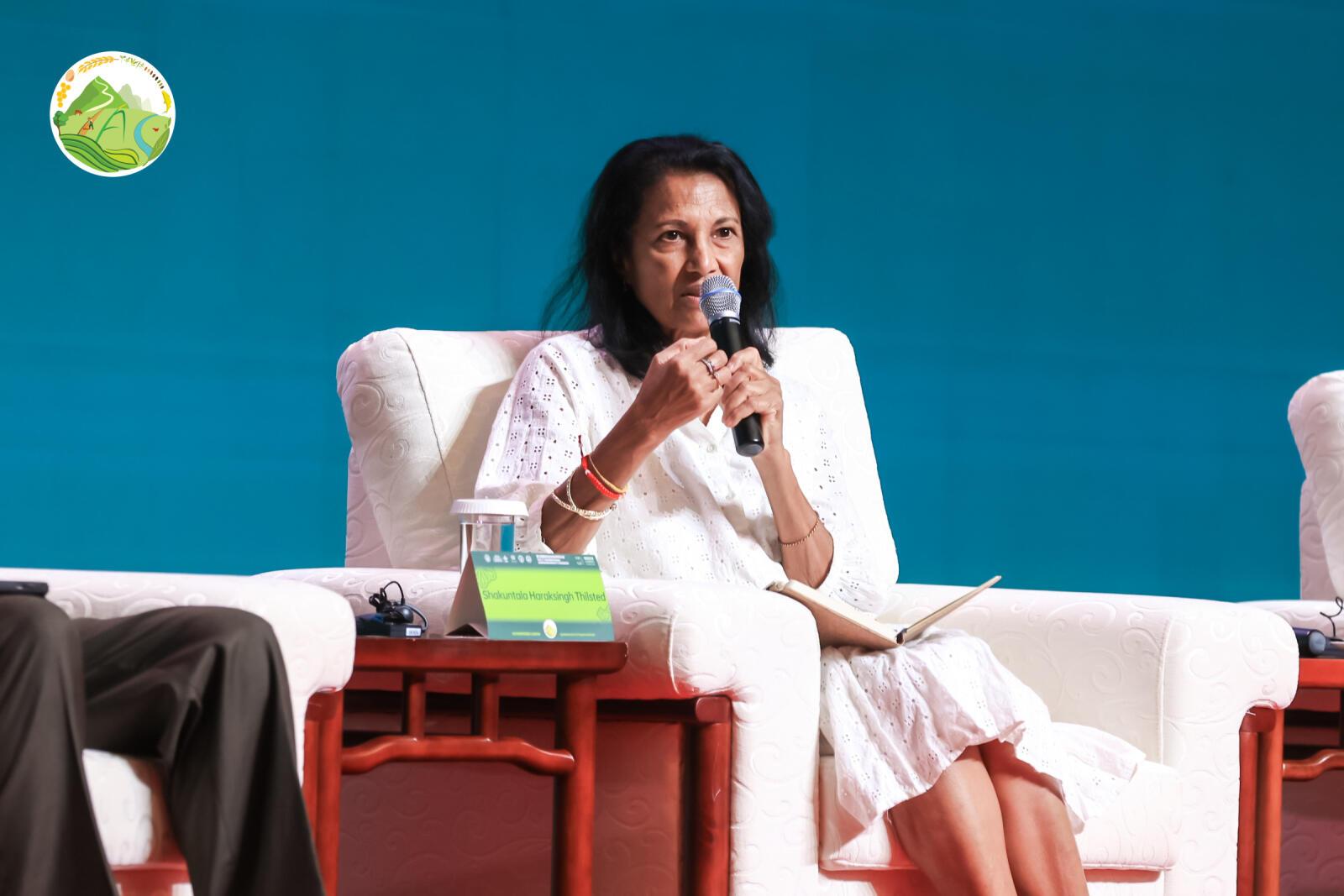
“If we start with people, that gives us a strong entry point for defining solutions because solutions are complex. People are the stewards of the planet, the land, and all the diversity we have,” CGIAR’s Director for Nutrition, Health, and Food Security Impact Area Platform Shakuntala Thilsted said.
The 2021 World Food Prize winner underscored a people-centered approach to help bring the voices of those on the margins to the center, echoing this year’s theme of putting people at the heart of the global research for development agenda. Without social and political considerations at the heart of collective efforts, protecting and using diversity in all its forms is at greater risk.
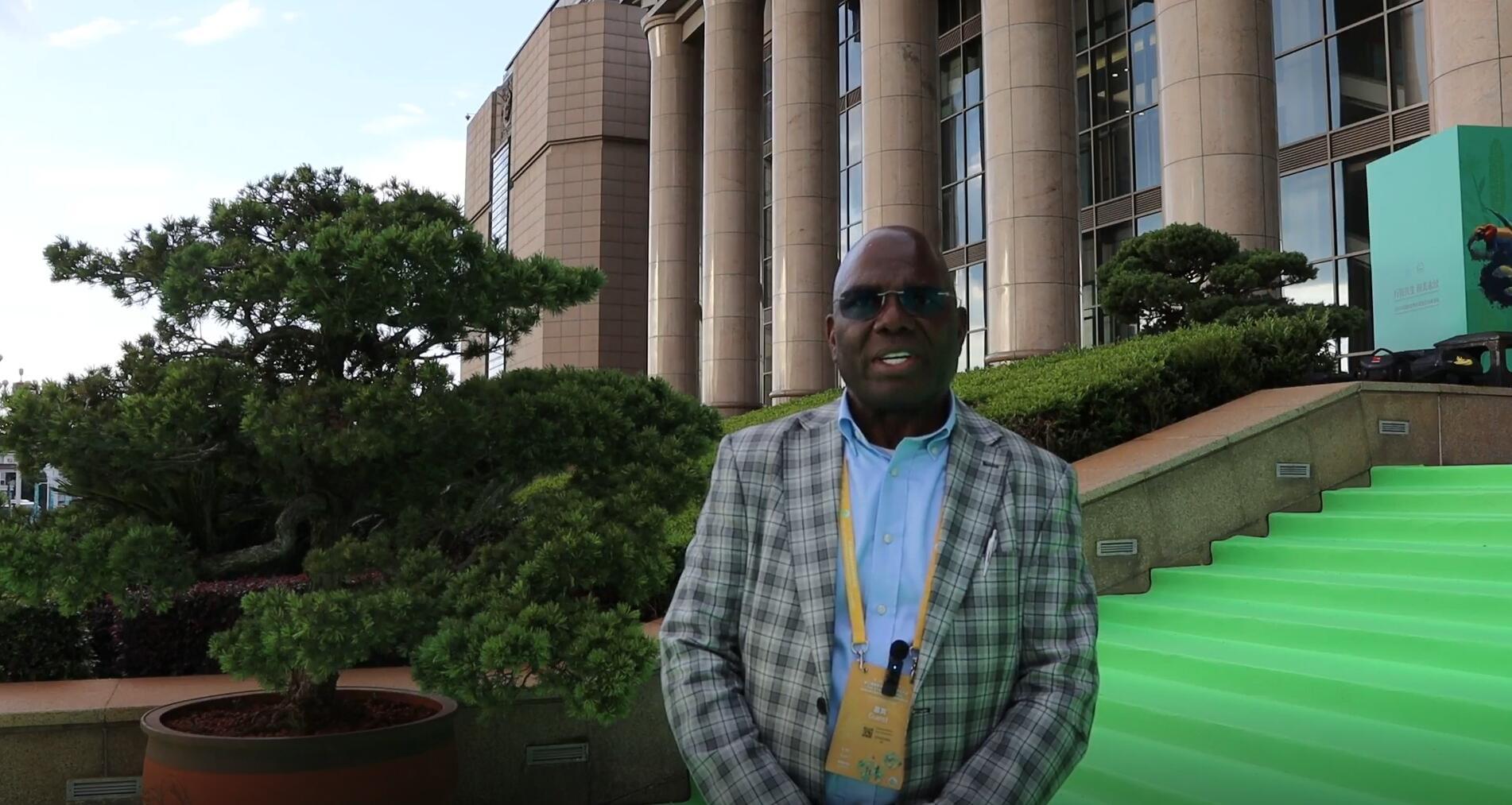
“We want the community to put farmers at the center of agrobiodiversity discussions—recognizing them as key stakeholders in agrobiodiversity and agroecology,” Babafemi Oyewole, CEO of the Pan-African Farmer’s Organization, said. He added that African farmers continue to face low productivity and bear the brunt of climate change impacts, often without safety nets like crop insurance or social protection to help them withstand these shocks.
“This way, we can support them with the right policies, financial resources, and ensure they truly benefit from these conversations.”
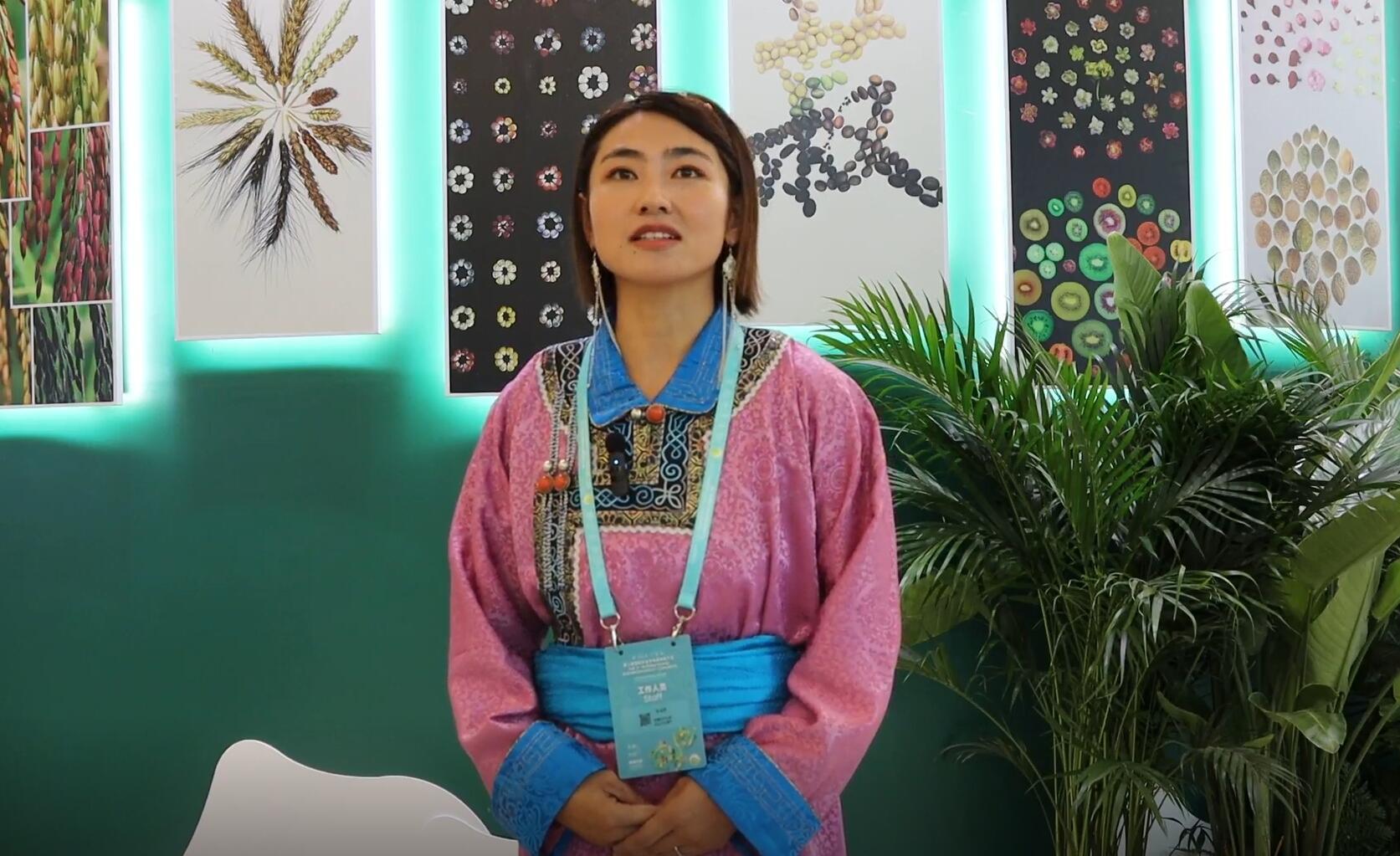
For Wenting Feng, the Congress has inspired indigenous representatives like her to collaborate with local governments in advancing solutions to protect nomadic systems in Mongolia. With this initiative, she hopes to not only promote their culture on a large scale but also become a global model for nomadic herding.
Feng’s Ar Horqin ethnic community in the Inner Mongolia Autonomous Region is one of the globally important agricultural heritage systems (GIAHS). It stands as living proof that sustainable herding on fragile lands can unite biodiversity, tradition, and local prosperity. As CAAS Professor Li Xiande puts it, the grassland nomadic system exemplifies a model of harmony between people, culture, and nature.
Kunming Manifesto
The Congress couldn’t have come at a better time—or in a more symbolic place: the birthplace of the Kunming-Montreal Global Biodiversity Framework (KMBGF). Through a series of deep, interactive sessions unpacking innovative solutions to complex challenges in conserving and using crop and genetic resources, the outcomes of the Congress now feed directly into the Kunming Manifesto—fueling momentum to accelerate the KMBGF and 2030 sustainable development goals, both with just five years left on the clock.
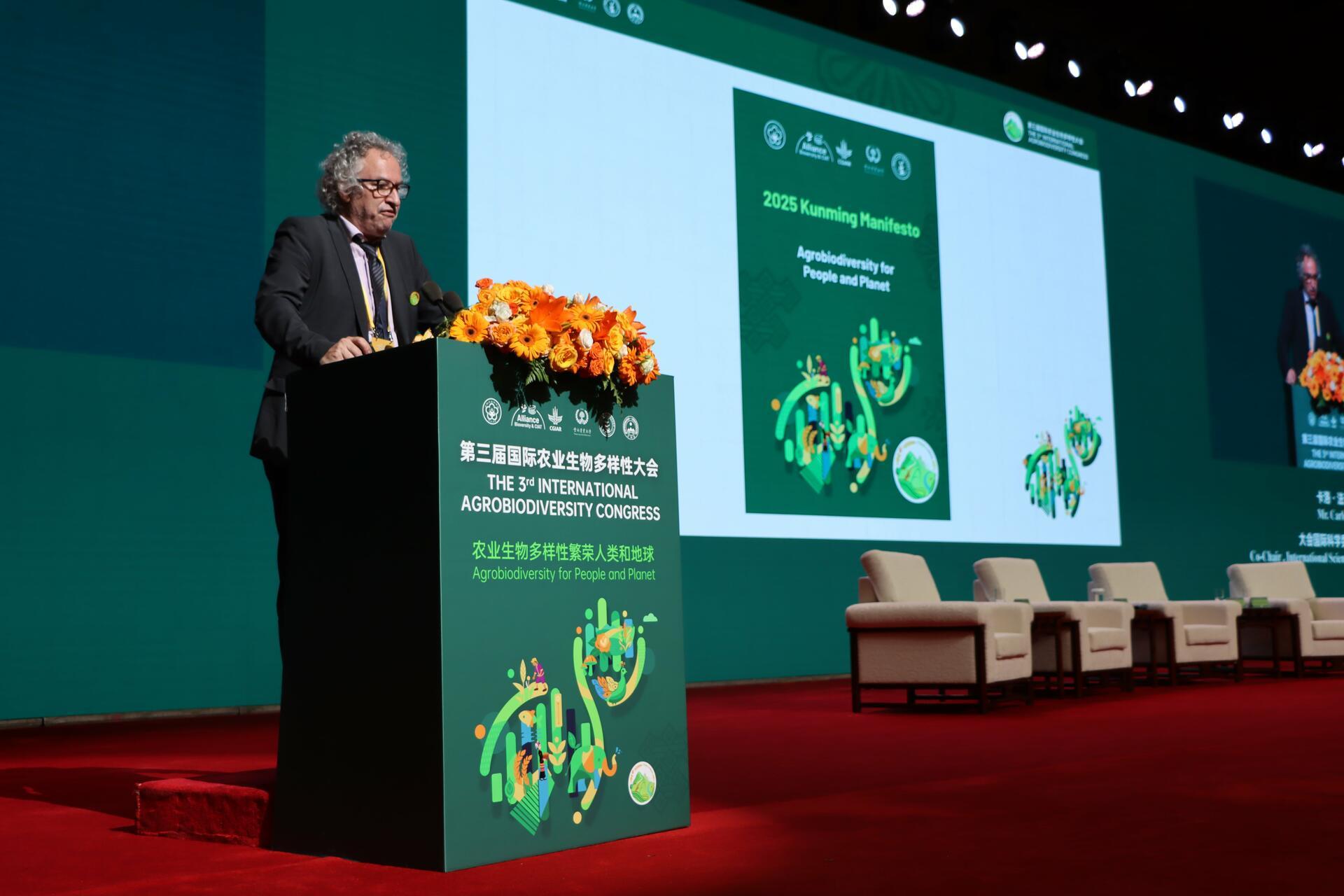
“We can make it! There’s real momentum now and a growing understanding that we can change the system if we work together,” said Carlo Fadda, Agrobiodiversity Research Director at the Alliance and Chair of the Congress’ Scientific Committee. “If we build a strong network and maintain connections among the diverse stakeholders gathered here, we can create the pressure needed to shift the status quo and make food systems more nature-positive and sustainable.”
From lab to land, the Kunming Manifesto will amplify tangible change by showcasing real stories of successful integrated approaches from science, policymakers, farmers and practitioners, and the private sector. This declaration, guiding the next five years, weaves agrobiodiversity, nutrition, climate resilience, and economic sustainability across regions worldwide.
Read the Manifesto here
The Agrobiodiversity Community continues to grow
Be part of the story—share your experiences through the International Agrobiodiversity Congress!
The Team
Marcela Quintero
Associate Director General, Research Strategy, and Innovation
Carlo Fadda
Director, Agrobiodiversity
Stephan Weise
Managing Director, AsiaRead more about agrobiodiversity