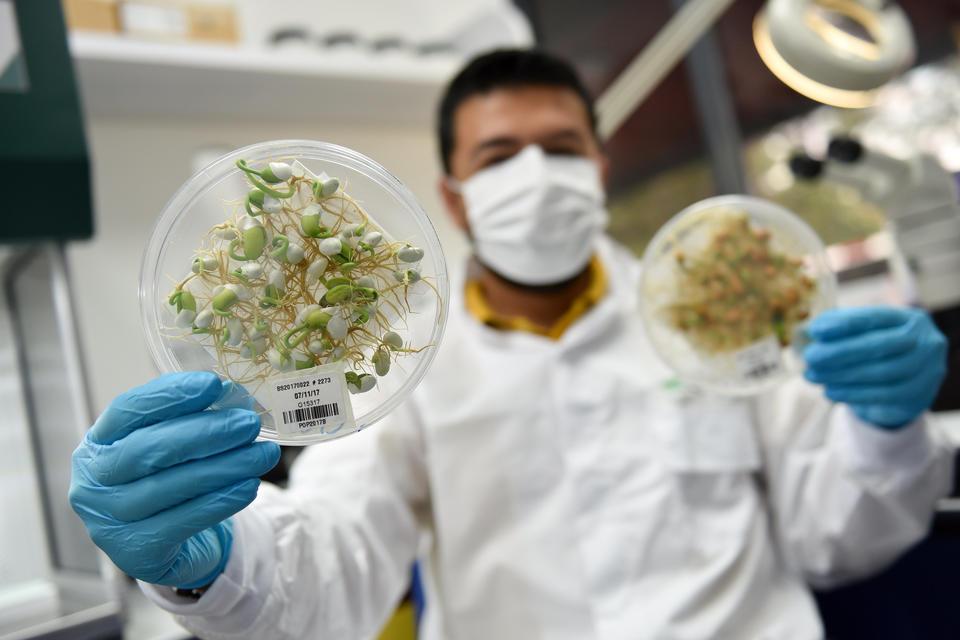
Our Work on the Convention on Biological Diversity (CBD)
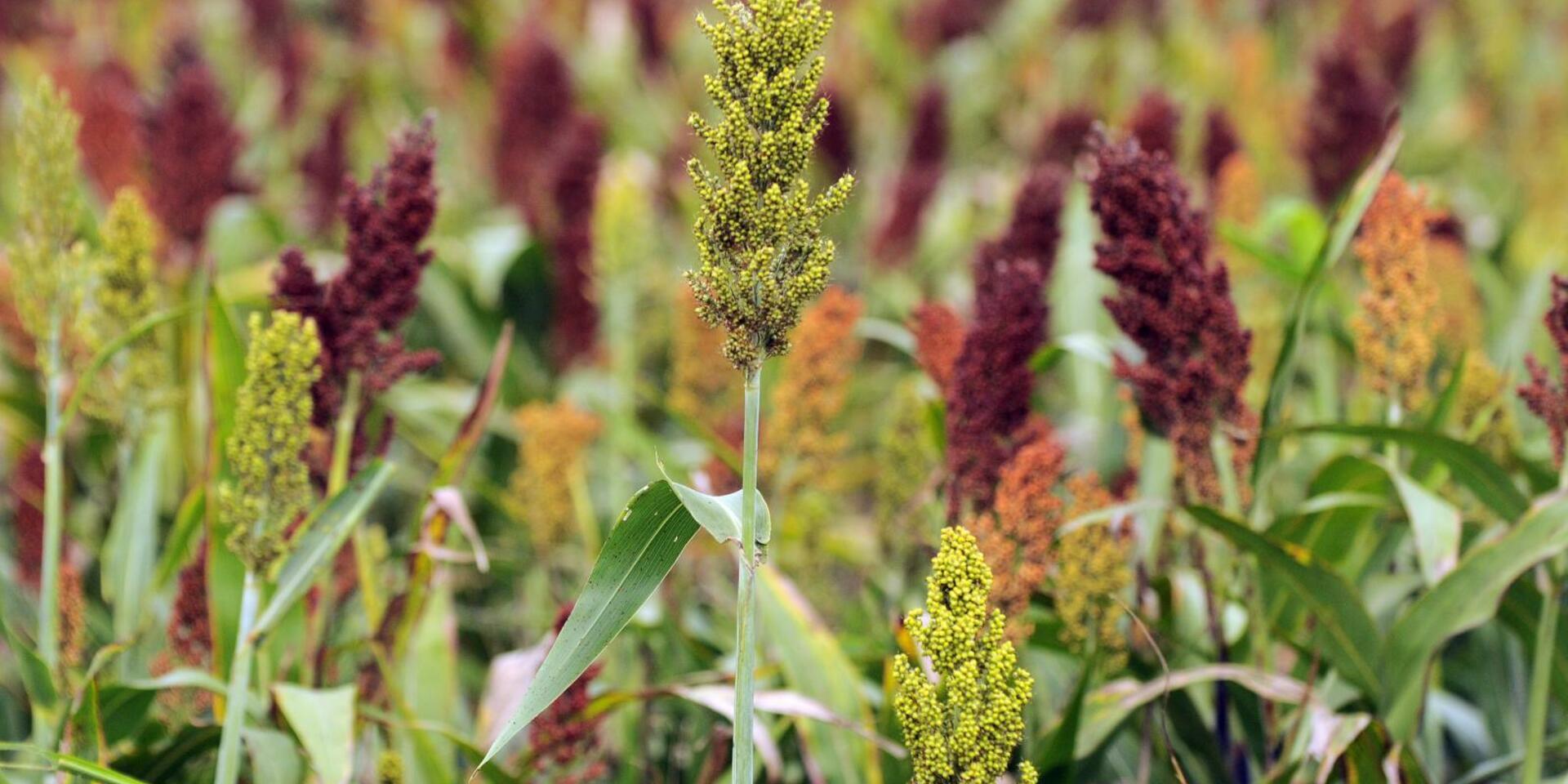
Safeguarding the wealth of life on our planet requires collective action. While governments worldwide have committed to this critical task by implementing policies to protect ecosystems and endangered species, this alone is not enough. Research organizations play a crucial role in increasing our understanding of biodiversity and providing science-based strategies that will pave the way for a more biodiverse and resilient future where humans and nature coexist.
What is the Convention on Biological Diversity?
The United Nations' Convention on Biological Diversity (CBD) is a legally binding treaty that was adopted during the Earth Summit in Rio de Janeiro in 1992, alongside the United Nations Framework Convention on Climate Change (UNFCCC) and the Convention to Combat Desertification (UNCCD) - collectively known as the 'Three Rio Conventions'.
CBD is one of the most crucial agreements for the preservation of biodiversity, recognizing the need to use resources in a way that contributes to long-term preservation of biological diversity.
The Convention has three main goals:

Conservation of biological diversity

Sustainable use of the components of biological diversity

Fair and equitable sharing of the benefits arising out of the utilization of genetic resources
Our contributions
The Alliance, previously as Bioversity International and CIAT, has long been involved in negotiations, initiatives, and projects under the Convention on Biological Diversity, including the design and monitoring of the Global Strategy for Plant Conservation and the Thematic Programme on Agricultural Biodiversity, and the negotiation and implementation of the Nagoya Protocol on Access and Benefit Sharing.
The Alliance is proud to also be an active member of the Biodiversity Experts Group of the Government of Colombia. Our commitment extends globally, providing support to the CBD and its Parties throughout the Kunming-Montreal Global Biodiversity Framework (GBF) negotiation process.
The Kunming-Montreal Global Biodiversity Framework
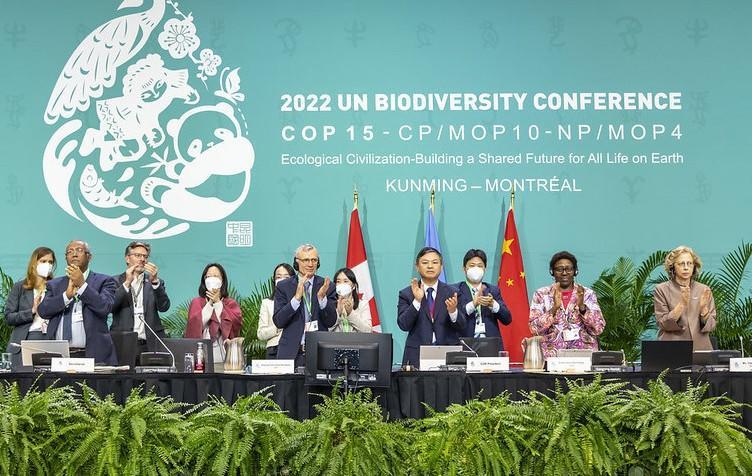
The Conferences of the Parties (COP) to the Convention bring together all governments (and regional organizations) that have ratified the treaty.
The 15th meeting of the Conference of the Parties (COP15) saw the adoption of a new set of international goals for biodiversity called the Kunming-Montreal Global Biodiversity Framework (GBF).
This historic framework, which supports the achievement of the Sustainable Development Goals and builds on the Convention’s previous Strategic Plans, sets out an ambitious plan to achieve the global vision of sustainable resource management by 2050.
All Parties who signed committed to setting national targets, demonstrating their progress towards meeting the goals and updating their National Biodiversity Strategy and Action Plans (NBSAPs).
With scientific and technical backstopping of CGIAR and other partners, for the first time, the Convention on Biological Diversity (GBF) has included a clear reference to the role of domesticated species diversity at the population level (Target 4), the role of agroecological approaches for the sustainable use of biodiversity in agriculture (Target 10), and has included means to monitor progress (Agrobiodiversity Index). The main users of the GBF are the member parties of the Convention on Biological Diversity.
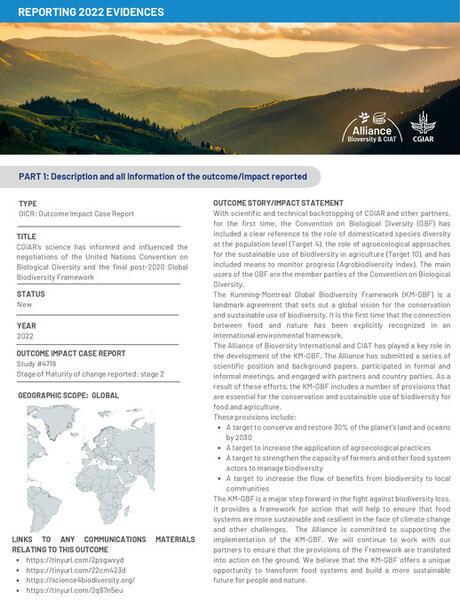
The Alliance represents CGIAR in two CBD Informal Advisory Groups: one on technical and scientific cooperation and another on benefit-sharing from the use of digital sequence information on genetic resources.
Access and Benefit Sharing
The Alliance - with the support of the CGIAR Initiative on Genebanks - coordinates CGIAR's engagement in CBD's discussions on access and use of genetic resources and the sharing of benefits from their use.
Over the past 10 years, discussions have focused on two key issues: 1. defining goals, targets and indicators for the fair sharing of benefits from using genetic resources, and 2. addressing the sharing of benefits from the use of digital sequence information (DSI) on genetic resources.
In 2022, the Conference of the Parties to the CBD created a multilateral mechanism for the benefit sharing of DSI as part of the Global Biodiversity Framework, launching a two-year negotiation process.
What is Digital Sequence Information?
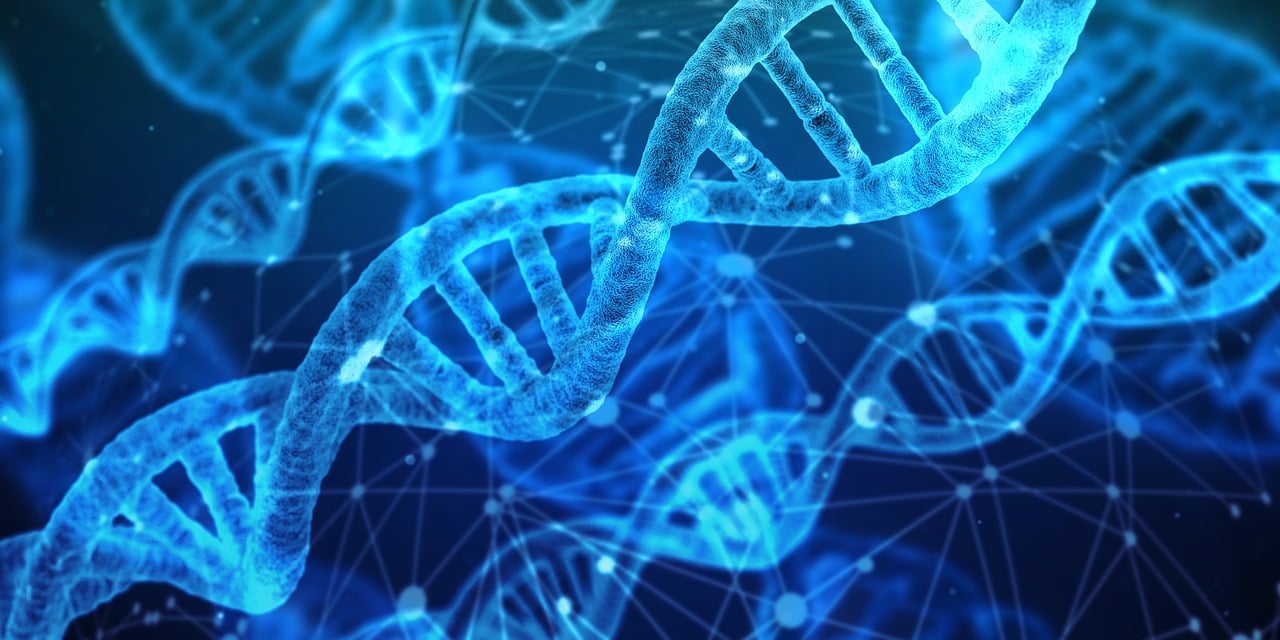
Digital sequence Information (DSI) is genomic information obtained from physical materials. Stored in databases, DSI is rapidly changing the way genetic resources are used in agricultural research and development.
For example, CGIAR genebanks use DSI to assess the genetic diversity of their collections, and to help identify traits and breed materials that are well-adapted to different soils and climatic conditions.
Our Role in Policymaking
The Policy Group of the CGIAR Genebanks Initiative brings together relevant experiences, information and data from across CGIAR centers to inform decision-making in relation to DSI. CGIAR submissions call for devising and implementing benefit-sharing options that:
- support the continued generation and use of DSI for the development of new agricultural solutions in developing countries,
- do not imply high transaction costs, and
- recognize and work harmoniously with other benefit-sharing systems created under different international fora.
Journal articles, submissions to international fora and event presentations on this highly technical and controversial matter can be found here.
Our Efforts to Share DSI
Data governance and management are also part of the discussions on benefit sharing regarding DSI. CGIAR contributions to these discussions have focused on ensuring that the collections administered by CGIAR centers and their derived DSI are publicly accessible. CGIAR submissions and statements request that users of plant genetic resources from centers' collections do not claim any intellectual property or other rights that limit the access to and use of these resources for food and agriculture, its genetic parts or components and derived DSI.
Climate and Biodiversity
Biodiversity conservation and climate change are closely connected. Rising temperatures, changing precipitation patterns and extreme weather events threaten biodiversity worldwide, directly affecting the health of ecosystems and species' ability to thrive.
This underscores the urgency of protecting and restoring biodiversity to preserve natural heritage and enhance ecosystems' resilience in the face of climate change.
Why COP16 is important for biodiversity and climate
Integrating science and policy amplifies our impact, supports more informed decisions, drives innovation, and fosters coherent global cooperation. By embracing this synergy, we can create a future where nature thrives and humanity prospers.
Our Experts
Our Experts
Advocacy and engagement

Chiara Villani
Manager, Partnerships and Stakeholder EngagementNegotiations
Biodiversity and health

Gina Kennedy
Principal Scientist
Sharon Mendonce
Research AssociateOur Experts
DSI
Michael Halewood
Genetic Resources and Seed Systems Policies Team LeaderGender

Marlène Elias
Director, Gender and InclusionAgrobiodiversity
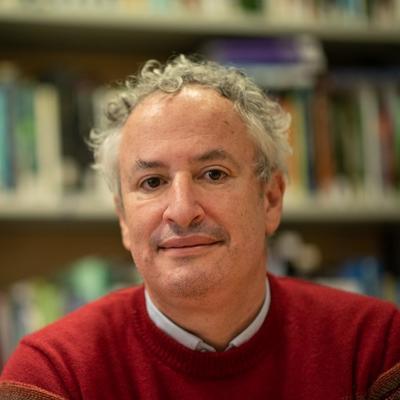
Carlo Fadda
Director, AgrobiodiversityCBD
Biodiversity and climate

Deissy Martínez-Barón
Regional Lead, Climate Action in Latin America and the CaribbeanBiodiversity and soil

Lulseged Tamene Desta
Director, Multifunctional LandscapePeace with nature

Augusto Castro-Nunez
Senior Scientist Low-Emissions Food SystemsExplore More about Agrobiodiversity