Impact story From twenty to bounty: Indian farmers harvest gains from conserved traditional varieties
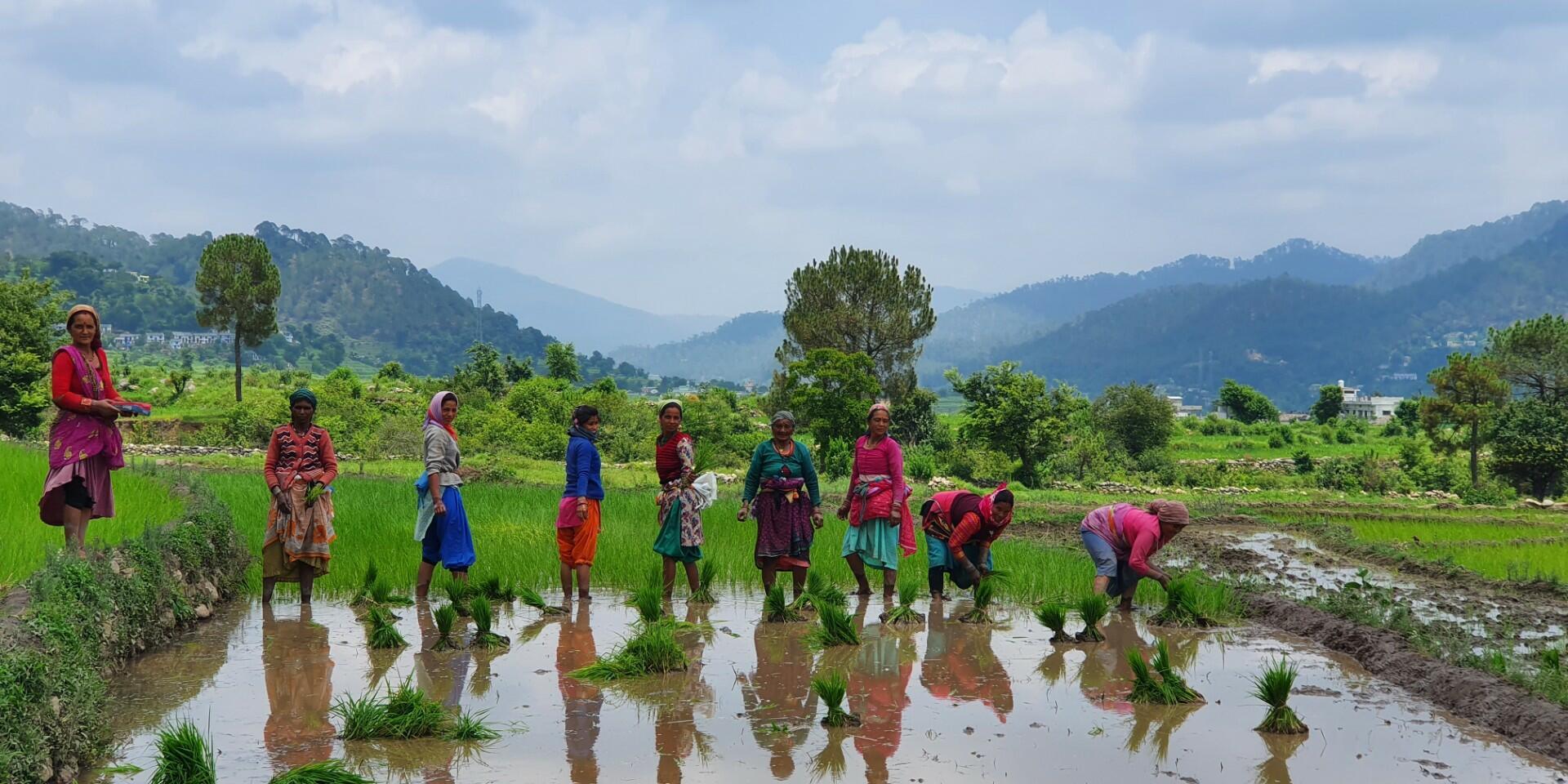

At the heart of South Asia lies one of the world’s centers of crop diversity. Where 60% is dominated by agriculture, India’s sprawling landscapes nurture a rich variety of many legumes, tubers, vegetables, fruits, and spices. This wealth in crop and genetic resources proves that the farm-to-table sector remains the lifeblood of a largely rural population.
While the Indian government has successfully turned to grains to achieve food sufficiency, the world’s most populous nation is still grappling with interconnected crises of climate change, environmental degradation, and malnutrition—threats that not only undermine India’s agri-food systems but also deny smallholder farmers of equitable access to production resources and market opportunities.
If India’s Agrobiodiversity Index is any indication, the country needs to leverage the seemingly untapped potential of its rich species diversity, both in supply and production, to accelerate the shift towards climate-resilient food systems.
Four regions, Hundred varieties
For seven years, the Alliance of Bioversity International and CIAT collaborated with the United Nations Environment Programme (UNEP) and the Indian Council of Agricultural Research (ICAR) to mainstream the conservation, management, and use of traditional crop varieties in four regions: Western Himalayas, Western Arid and Semi-Arid Region, Central Plateau Region, and the Northeastern Region of the Eastern Himalayas.
Twenty priority food crops—including rice, maize, kidney bean, pearl millet, chickpea, pigeon pea, sesame, mustard, and cumin—were selected for testing across the four zones. Using a crowdsourcing approach, experts facilitated participatory varietal selection of over 5,000 new varieties, capacitating farmers to trial innovative technologies and crop types directly on their own farms.
Following extensive testing, Senior Scientist and Alliance India Representative Jai Rana shared that at least 300 promising native varieties met local farmers’ diverse needs for climate resilience, enhanced nutrition, and improved livelihoods.
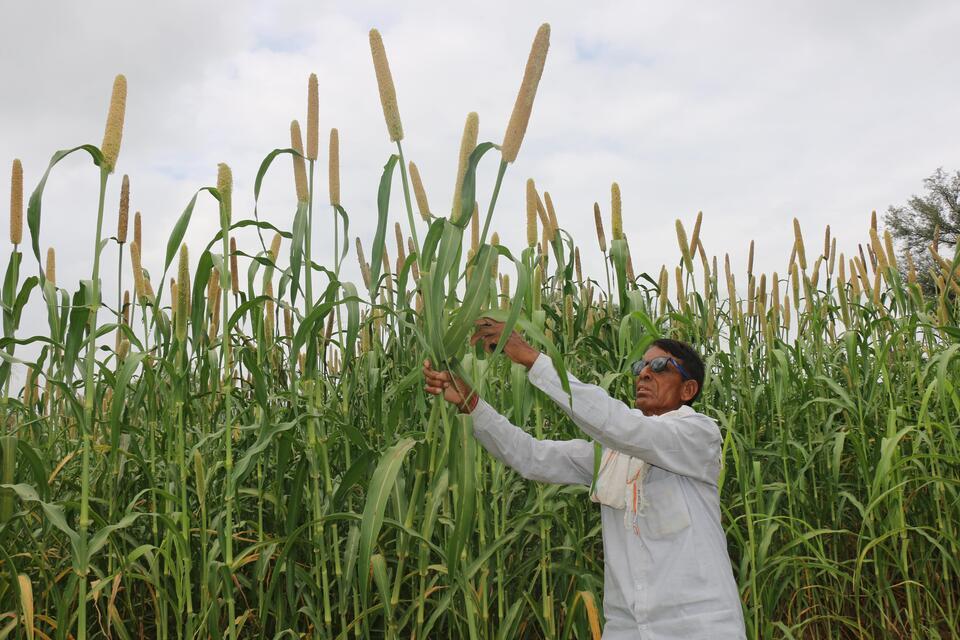
“I got traditional Desi seed varieties. In growing this crop, we only used goat and cow dung manure as fertilizers. As a result, we had a good harvest,” recounted Chain Singh, a farmer from Rajasthan in the India’s Western Arid region. The sustainable farming approach helps enhance soil health, resulting in reduced input costs while boosting crop yields.
“We also sold this in the market at a good price. Getting a good price made all the villagers very happy,” he added.
WATCH: Alliance led the mainstreaming of agrobiodiversity in India
Integrated approach
With funding from the Global Environment Facility, the Alliance-led initiative charted a bold path linking farmers to markets through an integrated whole-of-value chain approach. Over the years, the project set off ripples of change improving livelihoods and capacity sharing among farming communities.
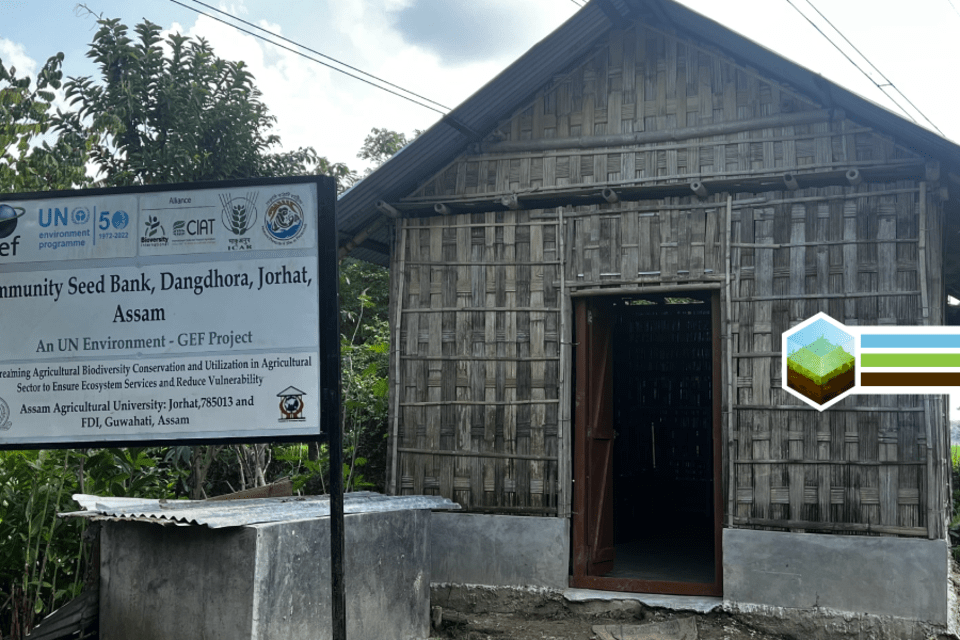
In isolated areas with limited access to resources and modern technologies, Alliance experts and partners strengthened informal seed systems to safeguard local plant biodiversity and establish a viable seed supply for sustainable farming. Between 2016 and 2023, the project institutionalized community seedbanks to generate wider genetic diversity, plant sustainability, and self-sufficiency.
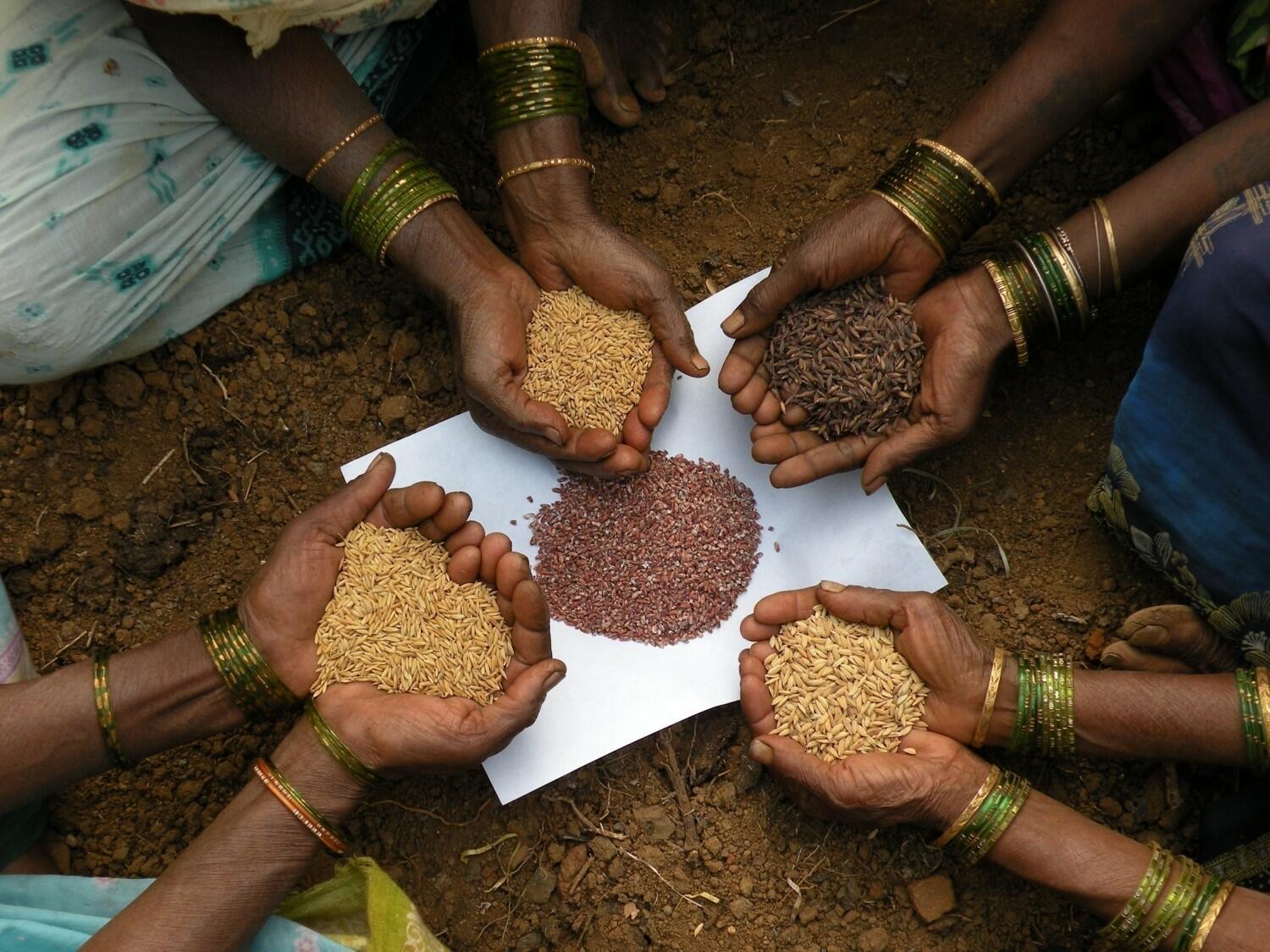
Farmers in over 50 community seed banks were trained to harvest, treat, store and multiply seeds that are of better quality than those already available in the local market.
Meanwhile, more than 2,000 local farmers were equipped with various marketing concepts such as branding, trademark, labeling, and nutrition information. As a result, 359 farmers varieties were submitted for registration with India’s Protection of Plant Variety and Farmers' Rights Authority.
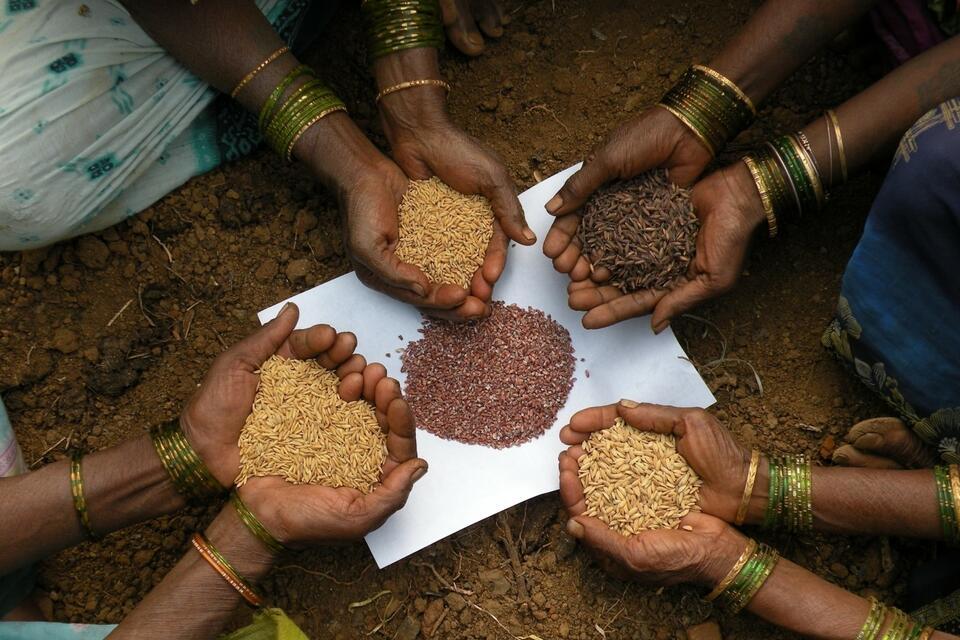
Native rice varieties, Nagri Dubraj and Jeera Phool of Chhattisgarh were honored with Geographical Indications, highlighting their unique regional significance.
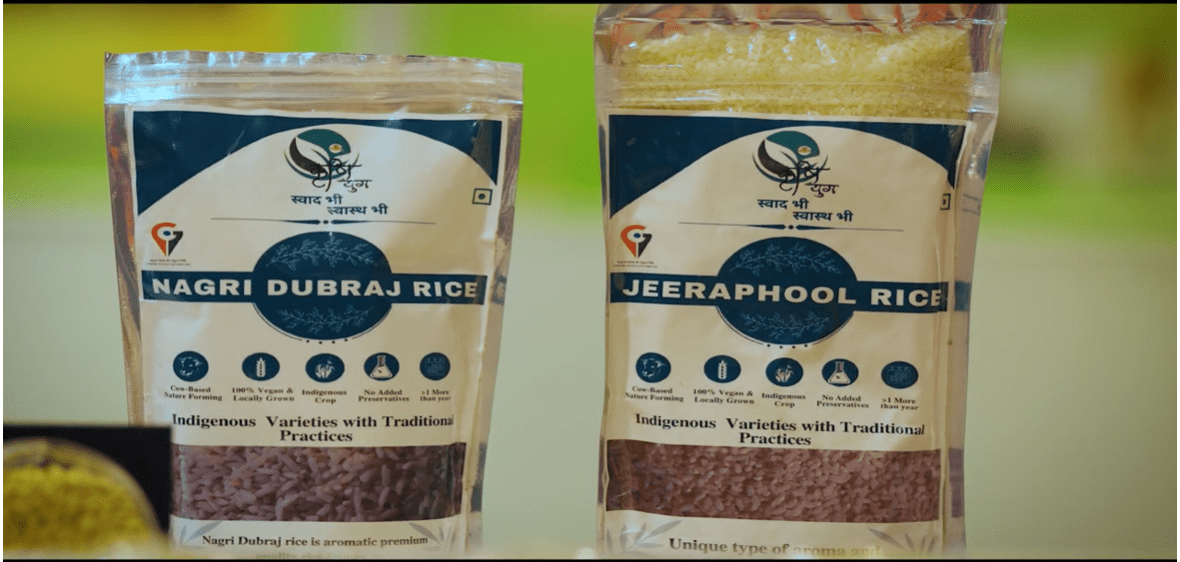
Photo of Nagri Dubraj and Jeera Phool
Agrobiodiversity for healthy diets
“In the past, farmers were growing a wide range of traditional varieties. But after the Green Revolution, government policies shifted to promote high-yielding crops,” said Dr. Prem Mathur, former Alliance Representative for Central and South Asia.
“As a result, farmers began adopting these varieties for better yields and higher income, which eventually led to the gradual loss of traditional crop diversity from farmers’ fields.”
Beyond securing sustainable livelihoods, Dr. Mathur noted that the pioneering project in India aimed to preserve traditional varieties as a pathway to advance sustainable healthy diets. While national policies have long championed local food diversity, the country is still working to move beyond staples like legumes and whole grains in ensuring healthy diets.
In ensuring the uptake of over 1,000 nutritionally profiled varieties, the Alliance and ICAR developed recipe manuals and launched food festivals to showcase unique local dishes geared towards advancing healthier eating habits while preserving food heritage.
The future is agrobiodiversity
India’s inclusion as a biodiversity hotspot, experts say, should inspire continued efforts as one solution stands clear: harness the potential of agrobiodiversity not only brings economic and nutritional benefits but also preserves local traditions.
At present over 100,000 farmers are now growing diverse native crops across 200,000 hectares in India, bolstering climate adaptation, nutritional outcomes, and livelihoods. Dr. Rana anticipates that successful farmer-centered initiatives like this will set a model for the future that can strengthen context-specific policies and amplify the benefits of agrobiodiversity from India to the rest of the world.
The Team

Jai Rana
Senior Scientist and Country Representative for India