From the Field Neglected and underutilized species in research and extension, yet highly valuable to the world: discoveries from the Cumbal Indigenous Reserve, Colombia

In the Cumbal Indigenous Reserve, located in the Nariño department in southern Colombia, there is an impressive diversity of cultivated and wild trees and plants, including many neglected and underutilized species. However, this diversity is fragile. In one or more of the villages, certain species and varieties have already disappeared. The Alliance and its partners are developing several strategies to address this challenge.
Do you know?
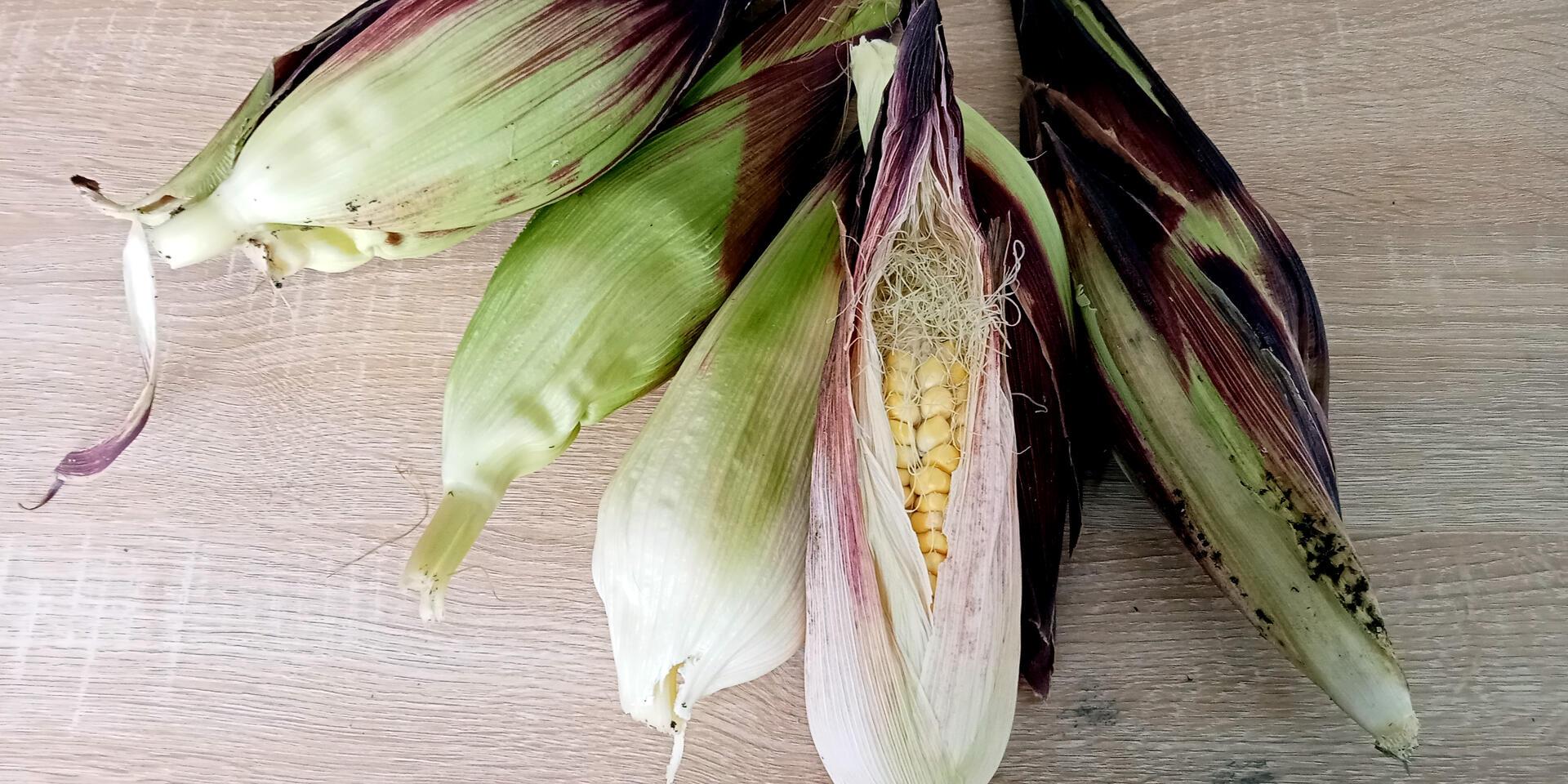
Do you know white arracha, alpargata bean, capio maize, ratona potato, or black quinoa? Have you heard of arrayán, cedrón, íwilan, or pumamake? Or perhaps chilacuán, comfrey, mortiño, or tauso?
For thousands of years, Indigenous farming communities across Latin America have preserved so-called neglected and underutilized species as part of their local food systems. These species (mentioned above), both cultivated and wild, play important roles in food and nutrition, as well as in forage and medicinal uses. They are also part of sociocultural traditions and contribute to income generation. Their current available diversity can be attributed largely to the conservation and sustainable use efforts of Latin American peoples.
However, these species are increasingly displaced due to population growth, expansion of land devoted to staple and cash crops, cattle ranching, and declining populations of pollinators and dispersers (Photo 1). Other aggravating factors include the lack of availability of high-quality seeds, the migration of younger generations to cities, changes in food preferences and habits, and insufficient attention to research, extension, education, and policies related to these species.
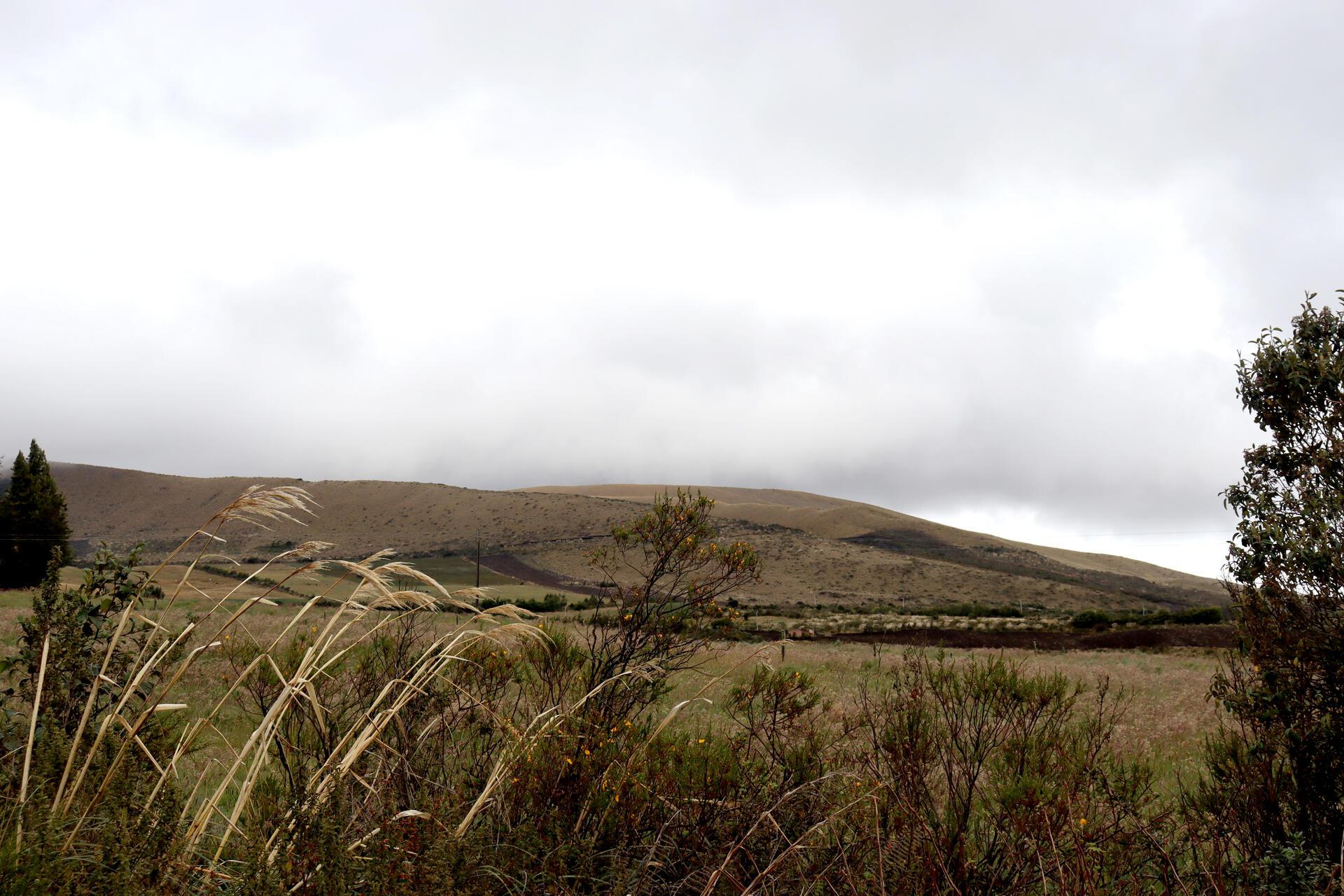
Photo 1: Much of the highland area of the Cumbal Indigenous Reserve has been converted from páramo to pastureland. Photo: Bioversity/R. Vernooy.
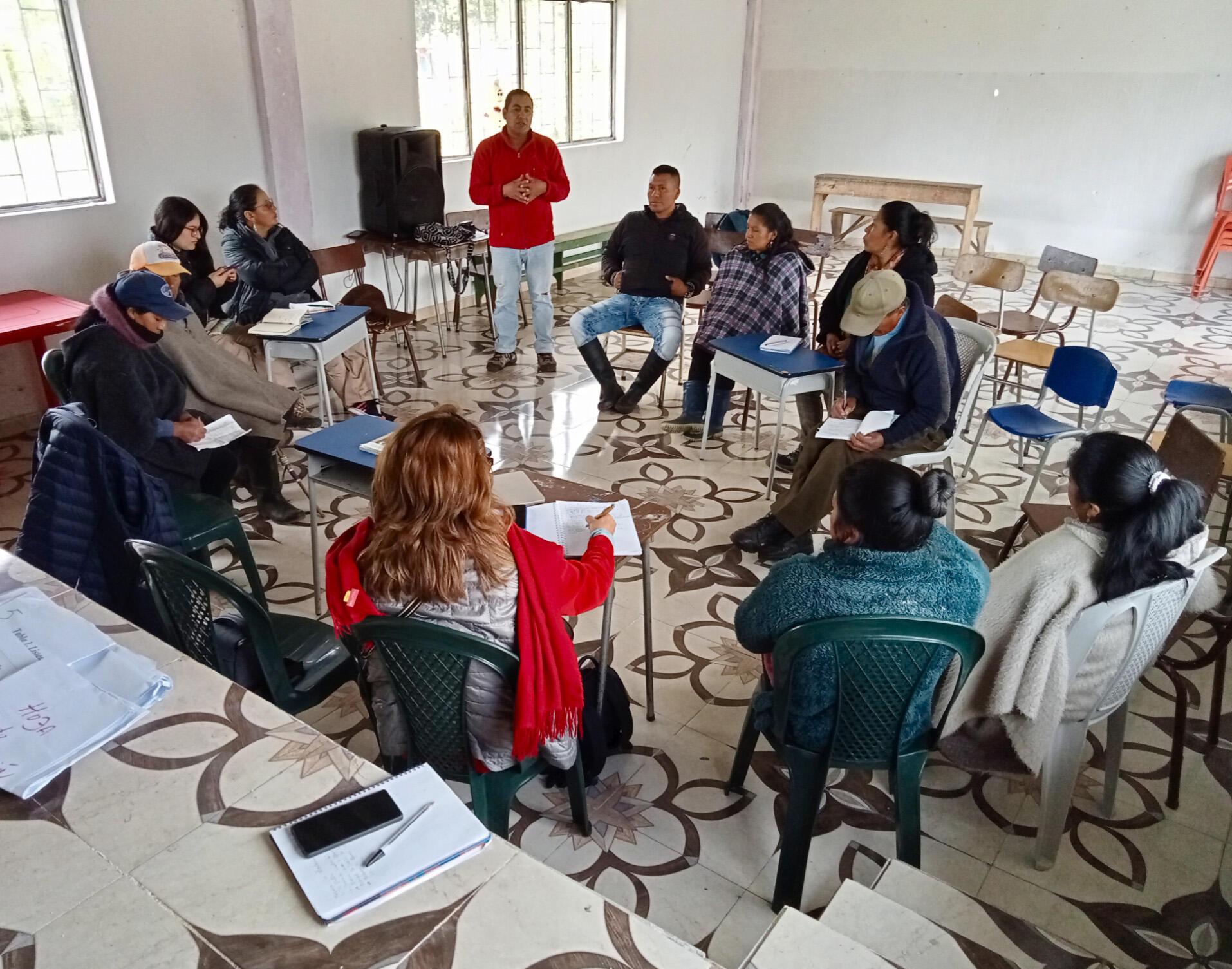
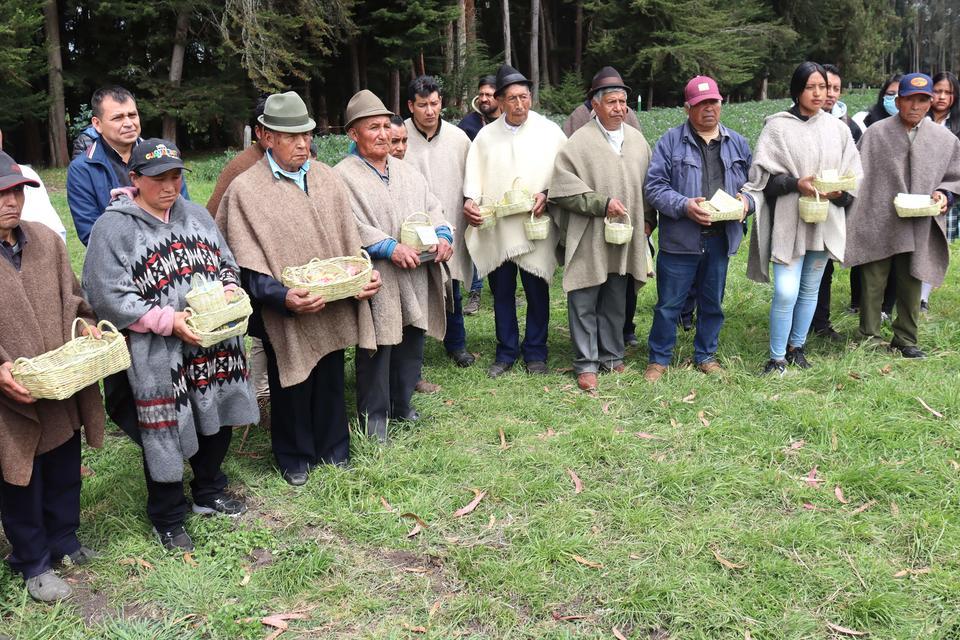
Photo 2: Gathering in La Boyera, Las Playas sector. Photo: Bioversity/R. Vernooy.
In August and September 2025, a diagnostic study of neglected and underutilized species was conducted in the Cumbal Indigenous Reserve, located in the Nariño department in southern Colombia. This assessment is part of the project “Biodiversity for resilient ecosystems in agricultural landscapes,” implemented by the Alliance Bioversity & CIAT together with international and national partners in Colombia, Kenya, and Peru, with financial support from the Government of Canada.
The methods included visits to rural communities, field observations, and consultations with farmers, teachers, students, and other local stakeholders (Photo 2). During these gatherings, participants identified and characterized the uses of neglected and underutilized species, assessed their current local distribution, and evaluated their multiple current and potential values, including their adaptive, commercial, and nutritional potential.
Impressive but fragile diversity
Across the entire Reserve, 18 crops plus 12 vegetables used as food have been identified, most of which are grown in small plots primarily for household consumption, reflecting very localized agroecological conditions. For example, in the higher (colder) areas, fewer food species are cultivated, while in the lower (warmer) zones, a greater diversity of species is grown. In addition, about 30 species of trees, shrubs, and fruit plants, both cultivated and wild, were identified, though present in limited quantities, along with around 90 species of aromatic and medicinal plants (Photo 3).
Most families maintain several of these species in their shagra (an ancestral cultivation system native to the region) or harvest them from the wild (Photo 4). Throughout the Reserve, many wild species were identified that are harvested for their multiple uses and are of great importance for the culture, nutrition, and health of the population. Among these wild species are some originally introduced by colonizers that later “escaped” from cultivated fields into the surrounding environment. In the higher areas, fewer wild species are found compared to the lower zones, but there they are purely wild and native (such as mortiño and piñuela).
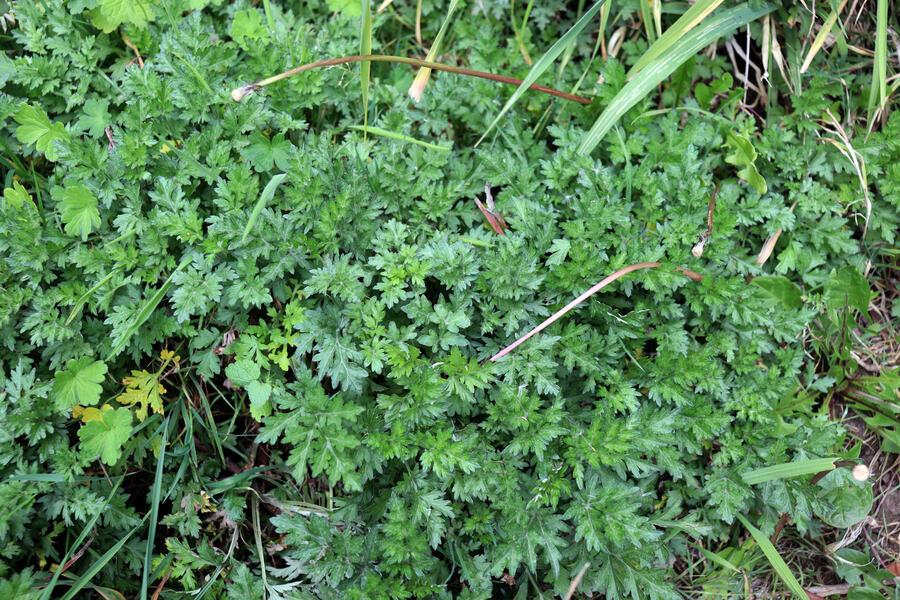
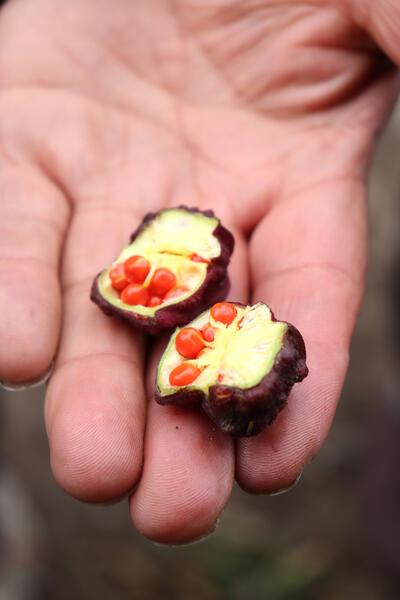
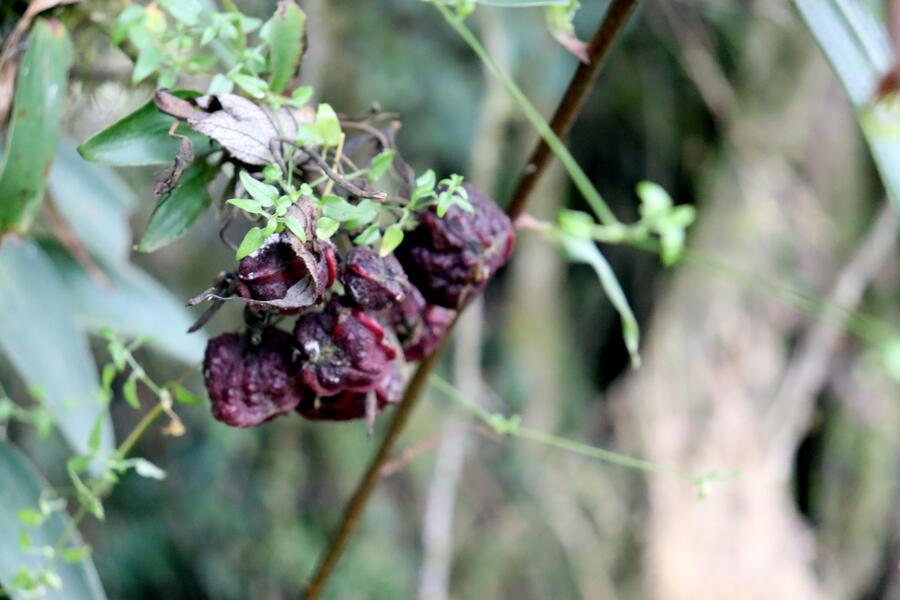
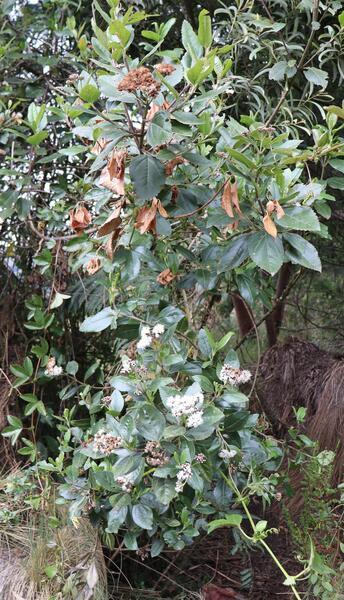
Photo 3: Wild plant species.
A. Wormwood (Artemesia absinthium).
B. Achiote de vieja and its fruit (Bixa orellana).
C. Andean blackberry (Rubus robustus).
D. Chilca (Baccharis latifolia), common English name Baccharis (broom).
Photo credits: Bioversity/R. Vernooy
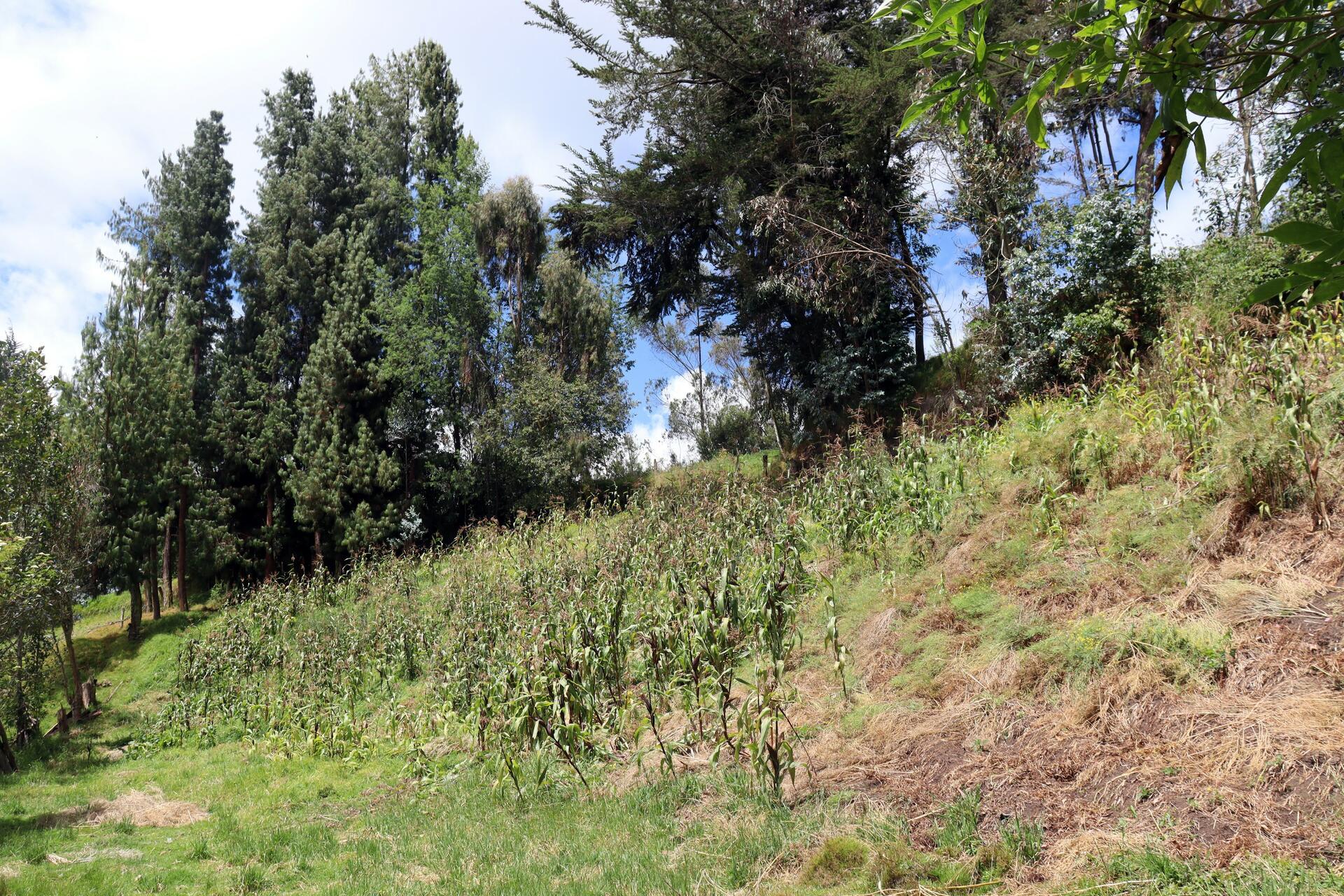
Photo 4: Shagra in La Boyera village, Cumbal Indigenous Reserve, Colombia. Photo: Bioversity/R. Vernooy.
With an impressive but fragile diversity. In one or more of the villages, several species and varieties have been found to have disappeared, namely majúa, maize, carriza potato, black potato, red potato, white quinoa, common quinoa, black quinoa, purple quinoa, barley, and wheat. During community meetings, participants expressed concern over this loss, calling for the recovery and reintroduction of these species and, in the case of commercial crops, the reopening of their markets.
Community seed banks nodes
During the meetings, discussions went beyond identifying and characterizing the uses of neglected and underutilized species to also include their conservation and sustainable use. A topic of great interest was the development of sustainable value chains, for instance, niche markets, direct sales to consumers, marketing to the agrotourism sector, and direct supply to schools and educational institutions. Teachers interviewed at schools in Cumbal expressed strong interest in diversifying and improving school meal menus. As one teacher remarked, “Why not introduce quinoa instead of eating pasta?”
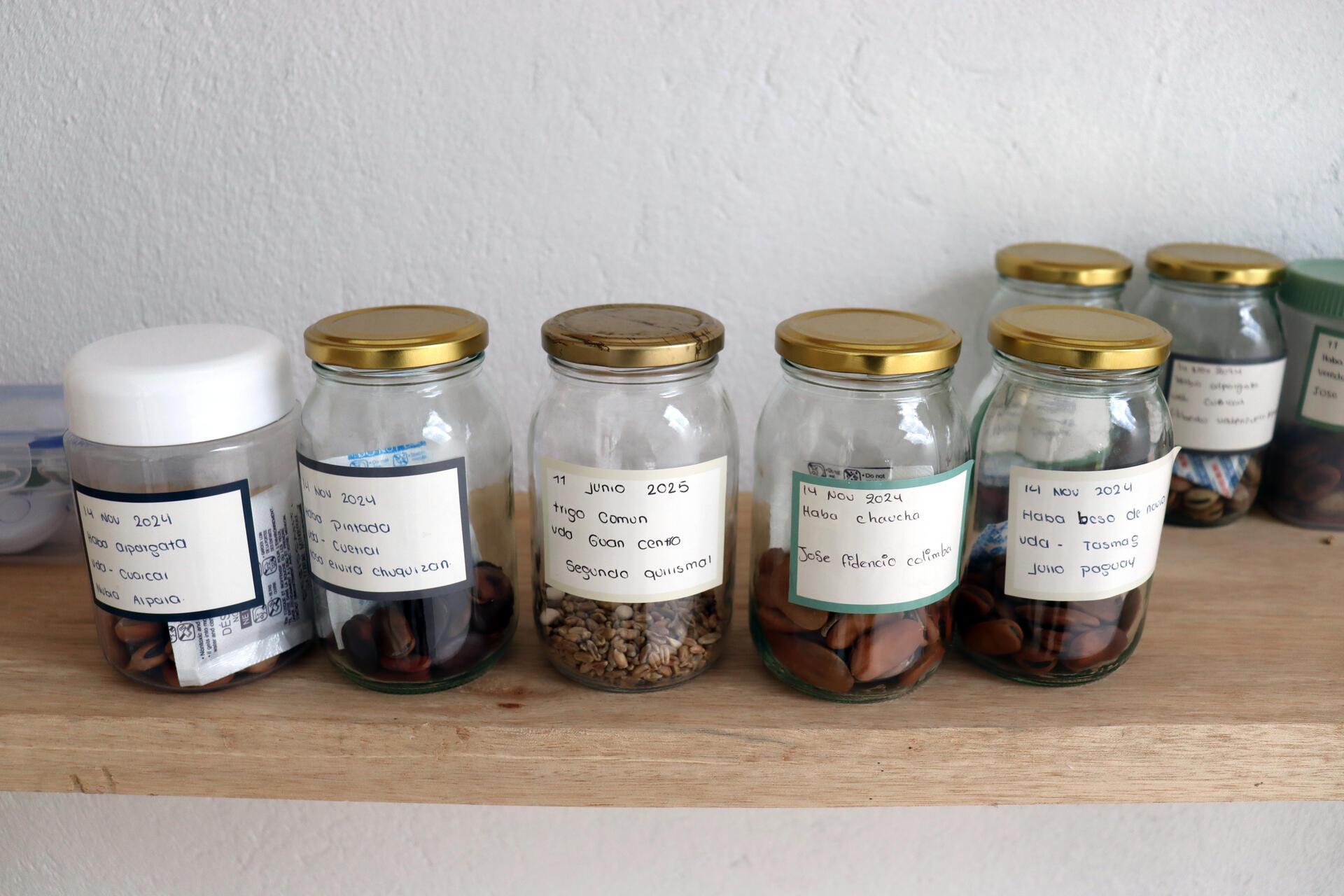
Photo 5: Germplasm stored in the "Yar Pue Cumbe" Community Seed Bank in Cumbal, Colombia. Photo: Bioversity/R. Vernooy.
During the meetings, participants discussed a concrete proposal for establishing community seed bank nodes throughout the Reserve. These small community seed banks will be linked to the existing Community Seed Bank at the Instituto Educativo Técnico Agropecuario Indígena Cumbe (Cumbe Institute), located in La Boyera village, in the urban area of Cumbal (Photo 5). This Community Seed Bank, named Yar Pue Cumbe, serves the entire Reserve and will play a coordinating role. The nodes will receive technical and organizational support from the Institute, gradually forming a regional network of community seed banks. The neglected and underutilized species from the Reserve will certainly occupy a central place in this effort.
Next steps
The diagnostic results will be used to guide seed collection for the Yar Pue Cumbe Seed Bank and the establishment of school gardens at the community seed bank nodes. They will also guide the ReSCA (Rewards for Agrobiodiversity Conservation Services) contests, aimed at recovering some of the lost crops and varieties, as well as the upcoming culinary competitions to be held in the territory. In this way, the recovery and use of neglected and underutilized species are being promoted in an integrated manner.