Blog Can CRISPR make the cut? How the ‘genetic scissors’ reframe gene editing for food security


Many of us have accidentally eaten a bitter almond: an unpleasant surprise that today is an exception to the rule. Thousands of years ago, a ‘spontaneous genetic mutation’ ‘switched off’ almond tree's production of amygdalin: the cyanide-releasing compound present in bitter almonds.
This ‘switching off’ (or ‘on’) of genetic pathways has occurred forever as part of natural evolution. These natural mutations have led to many improvements, including more resilient wheat and rice varieties with stronger stems, and over time, these tastier and more productive varieties have become the most widely adopted.
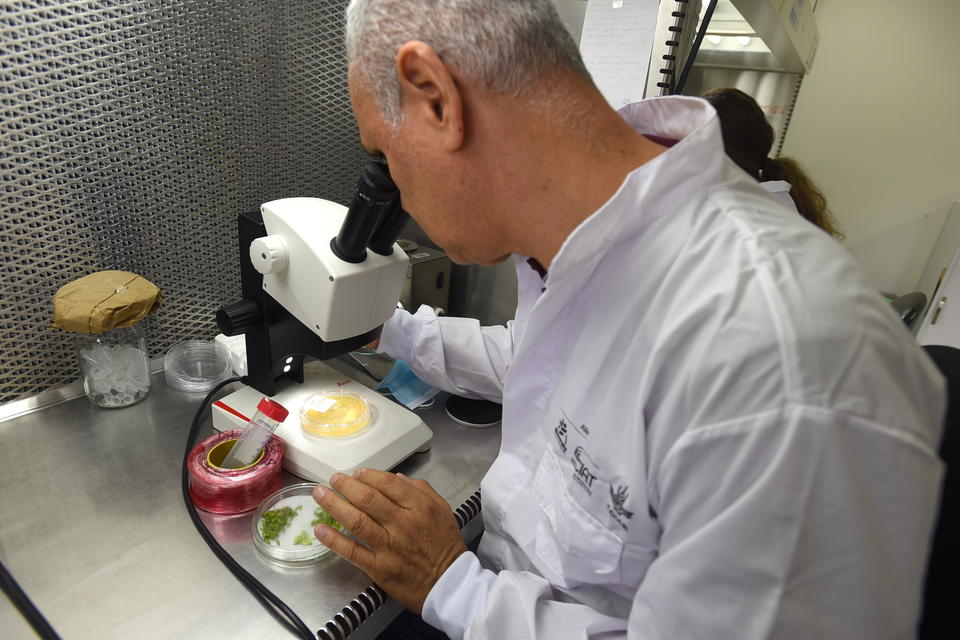
Yet, what if this ‘switch’ in a crop genome could be turned on and off intentionally, targeting genes that determine productivity, nutrition, disease resistance, and other key factors for food security? This is the potential of CRISPR gene editing technology. Unlike ‘transgenic’ genetically modified organisms (GMOs), whereby genetic material from a different variety or species is introduced into an organism’s DNA, with CRISPR, scientists can insert a sample of a species’ DNA under a microscope, and use CRISPR to activate (or, more commonly, deactivate) existing pathways, making a precise, targeted improvement to a crop's characteristics.
CRISPR - often referred to as ‘genetic scissors’ - was discovered in 2012, and, proven to be the world’s fastest and most precise gene editing technology, its creators were awarded the 2020 Nobel Prize in Chemistry. Since then, its potential to contribute to global food security has become the focus of many scientists’ attention. To date, CRISPR has proven capable of doubling the productivity of rice, deactivating the absorption of toxic heavy metals, and is under exploration to increase crops’ nutrient density, overcome crop diseases and adapt to harsher climates.
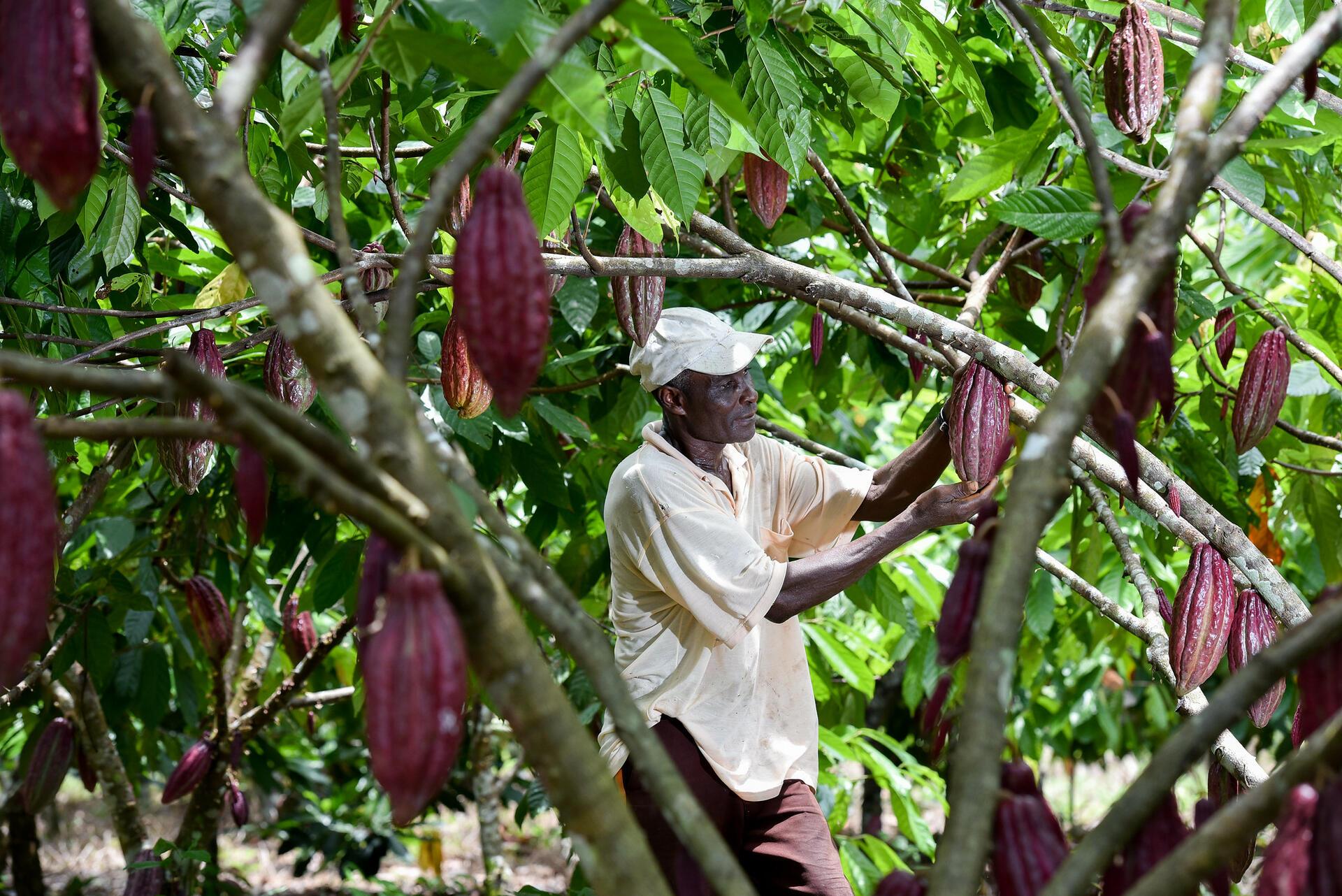
Cacao producer in Colombia inspects his crops. Credit: CIAT/Neil Palmer
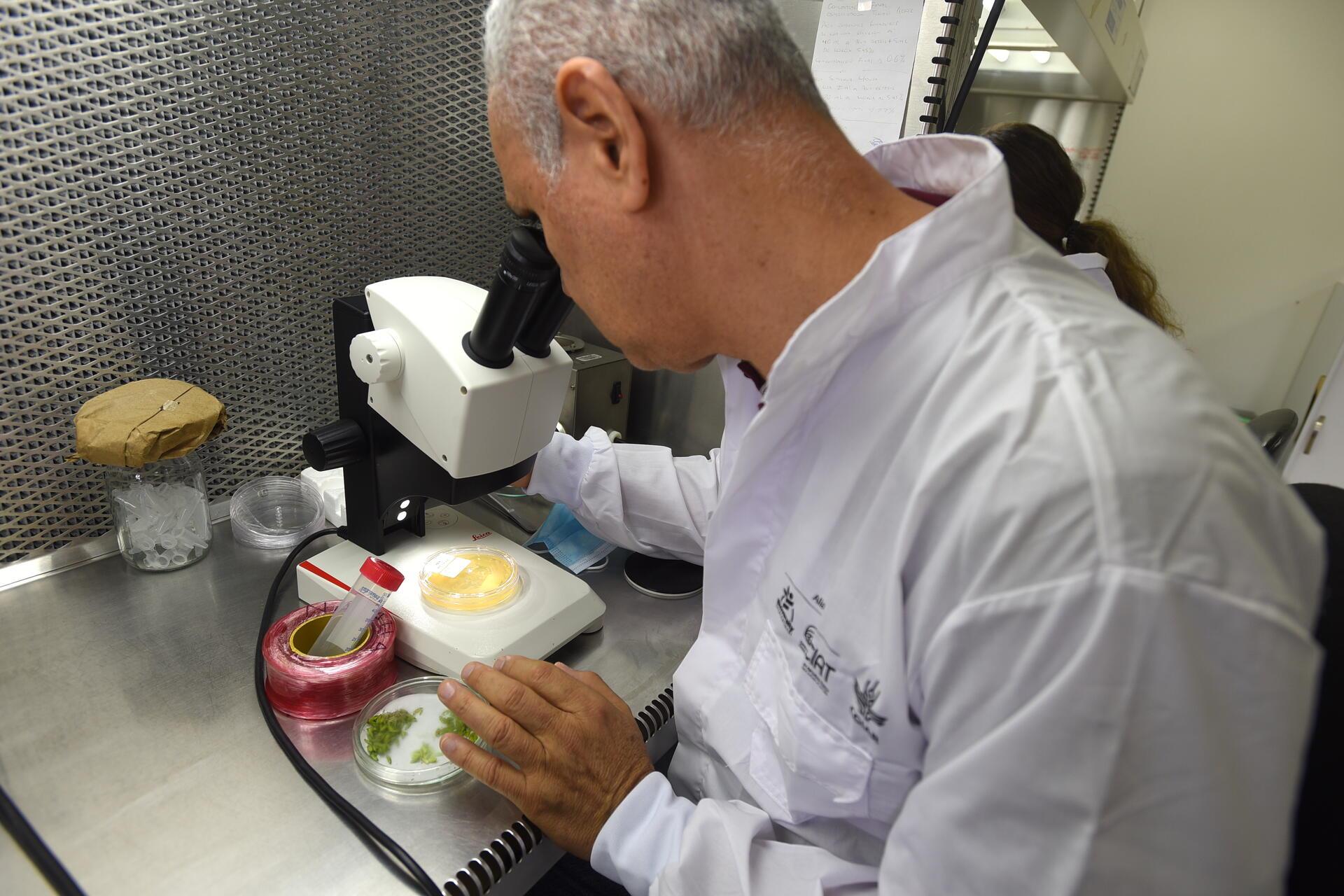
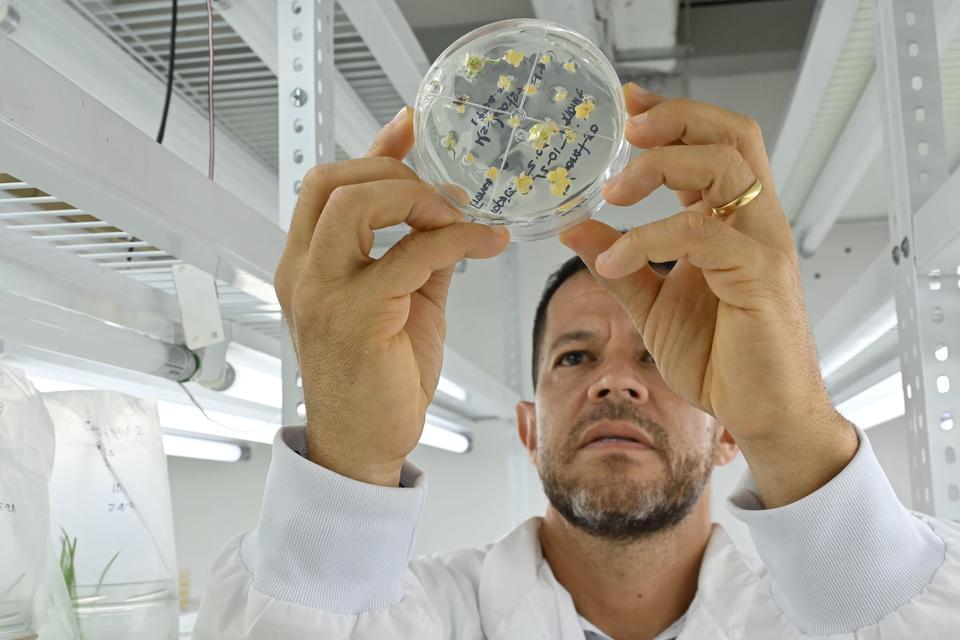
Paul Chavarriaga (Leader of the Alliance's Gene Editing Program) analyzes lab samples. Credit: E. Ramirez
Saving chocolate: Flicking the genetic switch for safe cacao
Unknown to many chocolate lovers, cacao – the base ingredient – faces a challenge that threatens food safety and livelihoods: The absorption of cadmium from the soil. Cadmium is a heavy metal absorbed by plants’ roots, associated with increased cancer risk, kidney disfunction and even musculoskeletal damage. In recent years, chemical fertilizers, industrial waste, and even natural disasters have increased cadmium density in soils, and crops’ absorption presents a public health risk. Rather than waiting for an uncertain spontaneous evolution of cadmium-resistant cacao to protect consumer health and the livelihoods of cacao farmers – many of whose products are being blocked by the EU’s 2019 regulation on cadmium content – Alliance researchers are identifying the genome in cacao crops’ DNA responsible for mineral absorption, ready to 'switch off’ this gene to reduce cadmium absorption to levels that are safe for human consumption.
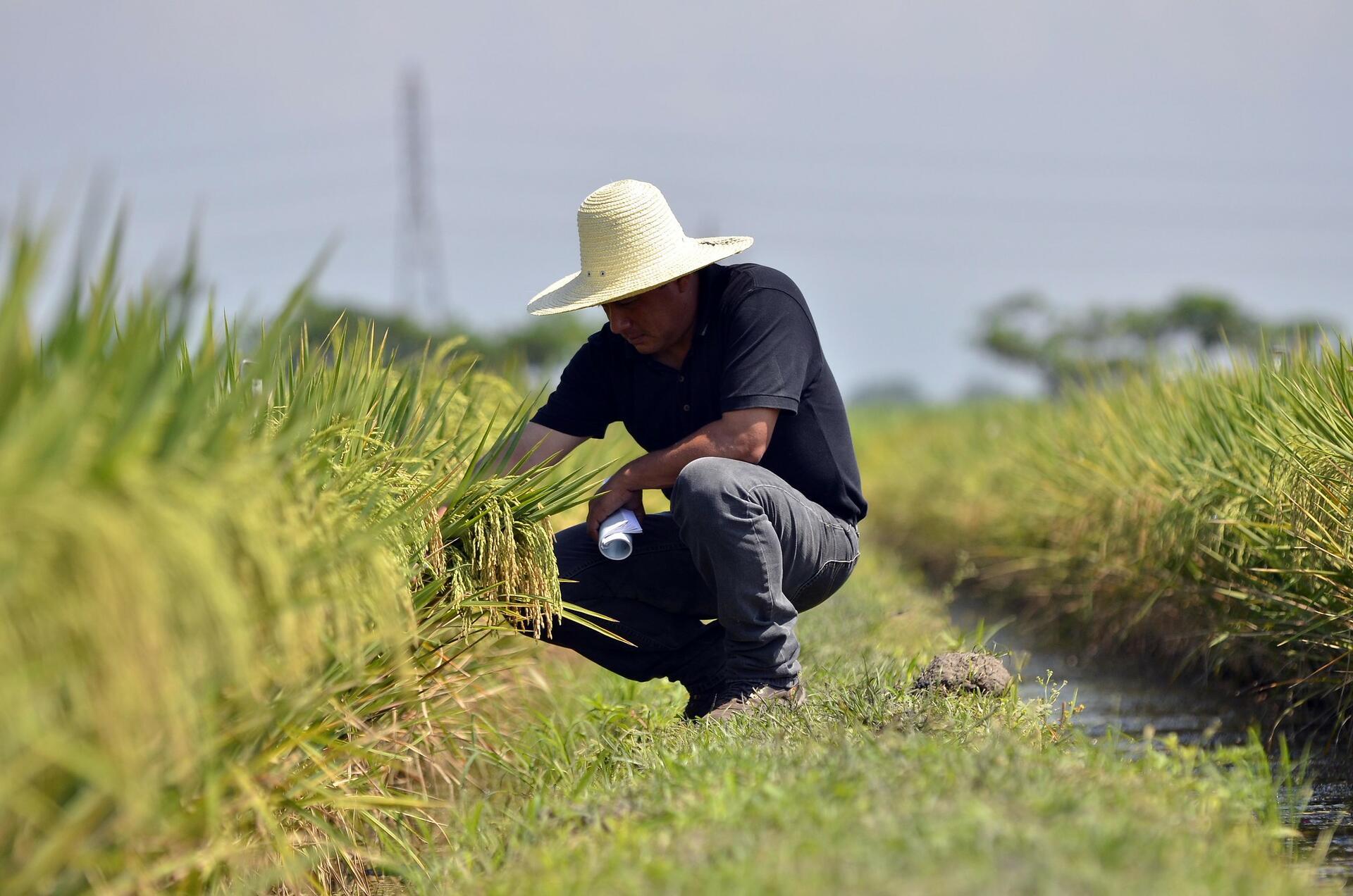
A researcher monitors the growth of an improved high-yielding rice variety. Credit: CIAT/Neil Palmer
Doubling the production of the world’s most consumed crop
In a significant step towards increased food production, Alliance scientists discovered that by “deleting two nucleotides in the gn1a gene of rice cultivar Llanura 11”, the number of rice grains grown per plant significantly increased, potentially doubling the total rice yield grown on the same land area. At a time when food availability must increase to feed a growing global population, this breakthrough indicates that embracing CRISPR-edited crops may be key to achieving global goals towards zero hunger.
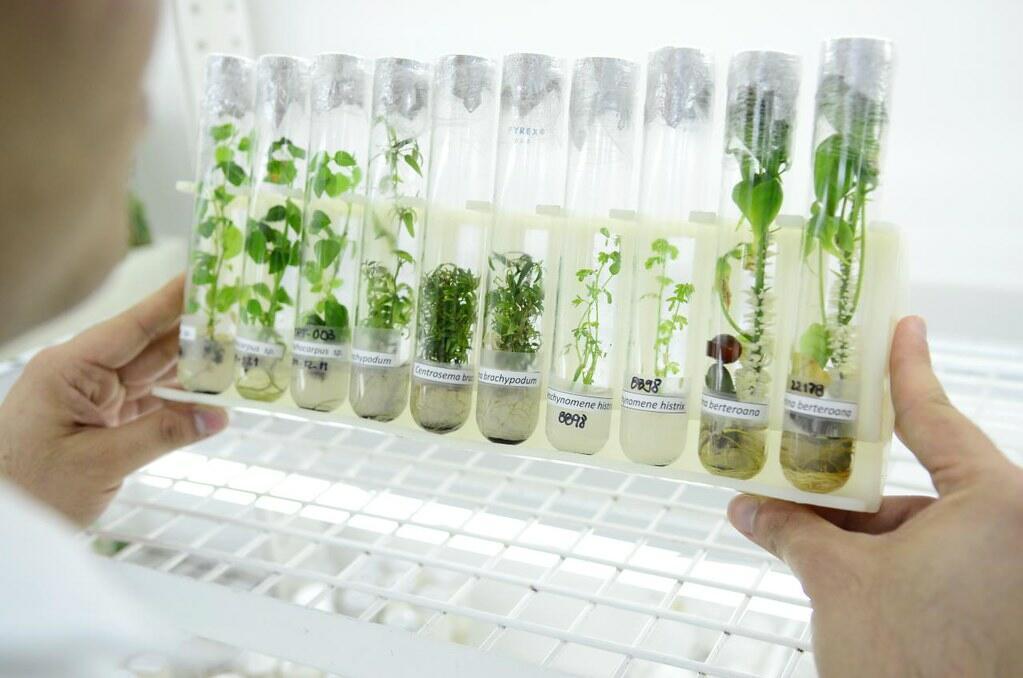
Diverse varieties of tropical forages conserved at the Alliance gene bank in Cali, Colombia. Credit: CIAT/Neil Palmer
Food quantity – and quality
‘Food security’ goes beyond the abundant availability of foods, encompassing consumers’ access to "safe and nutritious food that meets their dietary needs and food preferences for an active and healthy life”, meaning that increasing the availability of staple foods such as rice is only one piece of the puzzle towards global food security. Many people suffer from micronutrient deficiencies despite consuming sufficient calories, referred to as ‘hidden hunger’. Here too, CRISPR could play a role, as early-stage research has identified genetic pathways that could boost vitamin A content in rice, increase antioxidants in tomatoes, and even alter starch composition for healthier carbohydrates, allowing CRISPR to contribute to broader aspects of food security, including food quality.
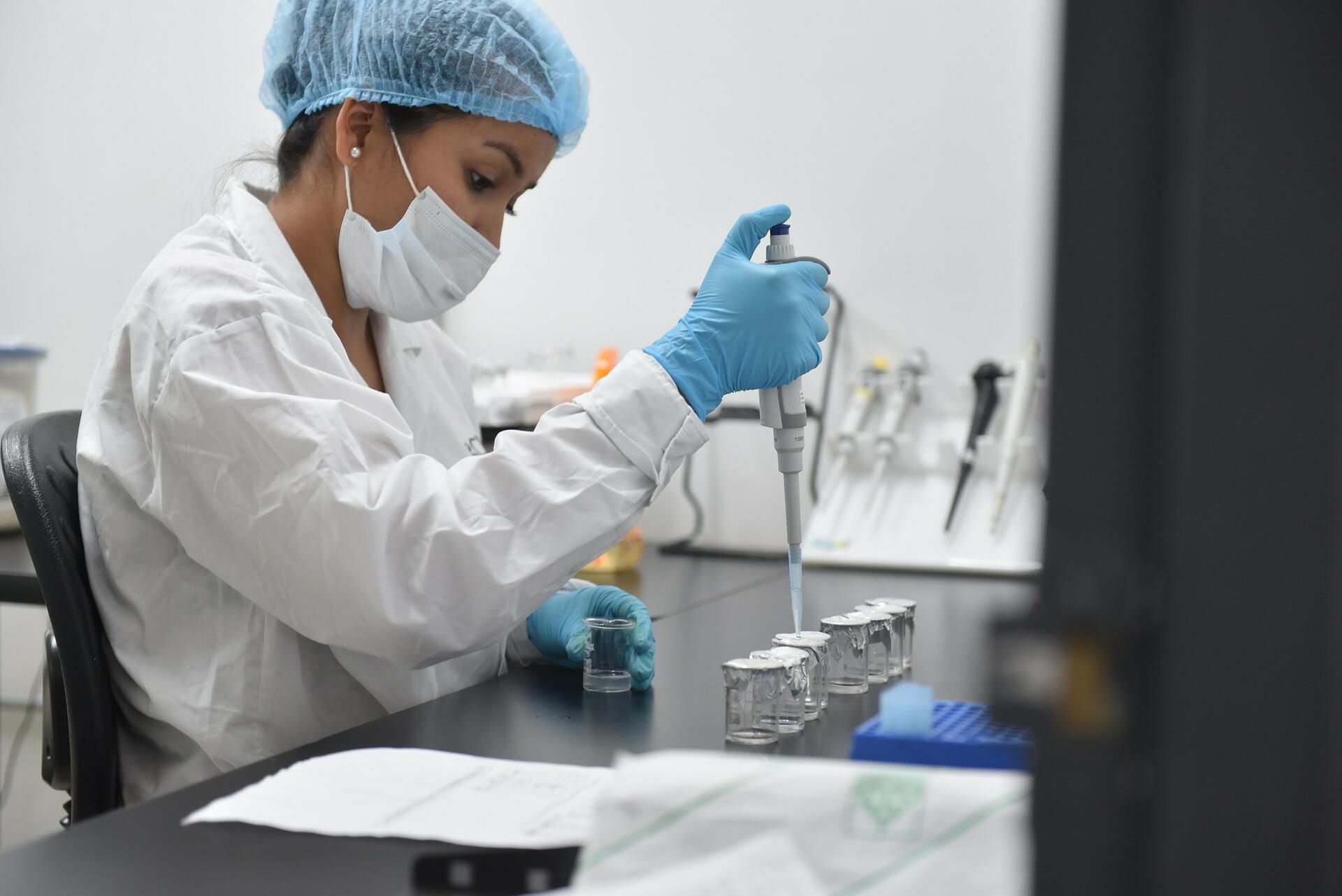
An Alliance researcher carries out a safety test on modified crops. Credit: CIAT/Neil Palmer
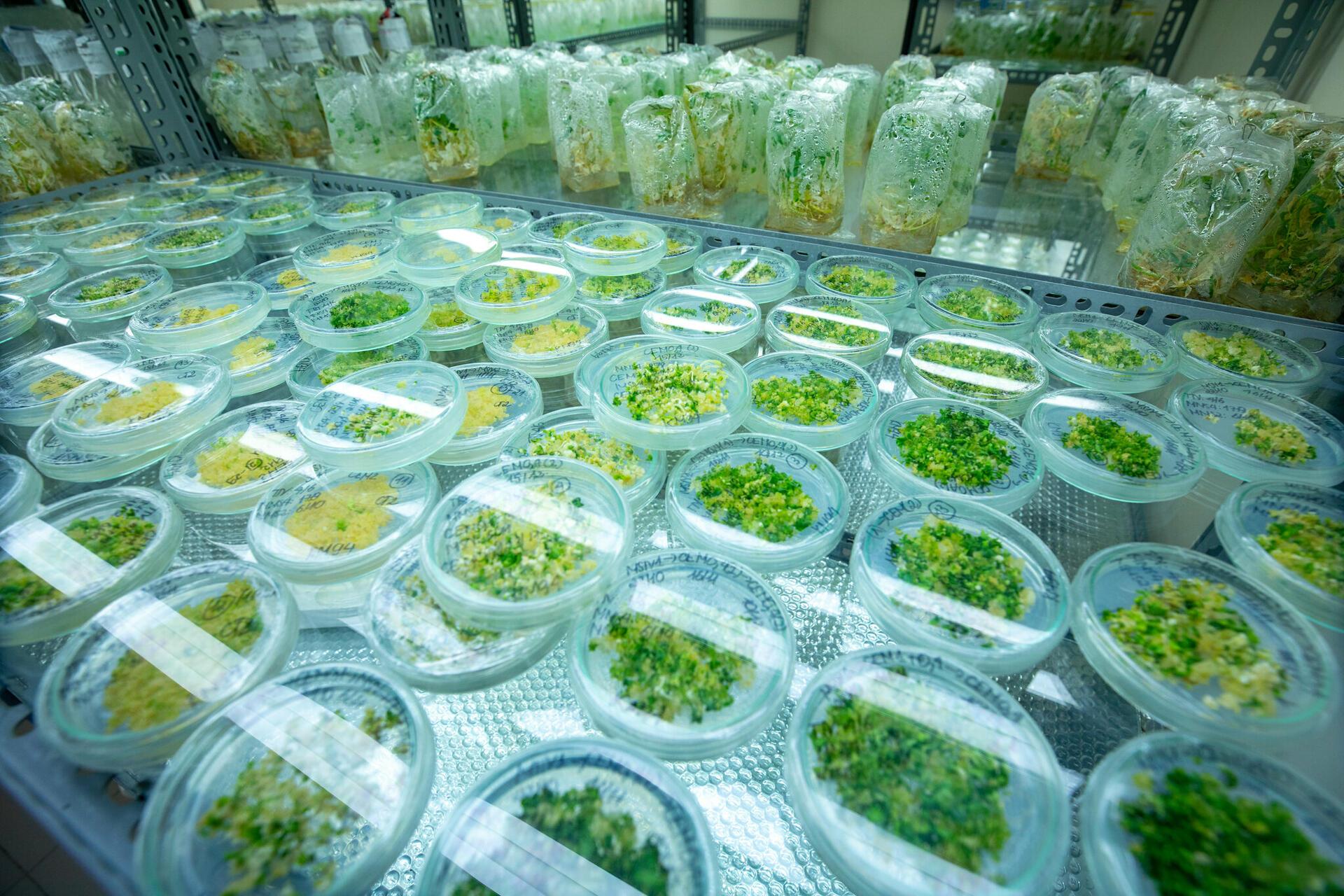
Petri dishes with samples of improved, disease-resistant cassava varieties. Credit: CIAT/Trong Chinh
Post-harvest challenges: Aligning breakthroughs, consumers and regulation
Despite the proven potential of CRISPR-edited crops to improve agricultural productivity and human health, most CRISPR-edited crops are still far from reaching farmers’ fields and consumers’ plates, with obstacles including consumer hesitancy and strict regulation.
In terms of consumer interest, although CRISPR gene editing and genetic modification are different processes (gene editing being the acceleration of crop improvement by activating or deactivating existing traits, and genetic modification being the insertion of foreign DNA into an organism), past controversy related to the patenting of GMOs and their unknown impacts for human and environmental health make the concept of gene editing unattractive to many consumers. However, recent studies show that when consumers are informed of the difference between these two processes, the “perceived naturalness” and "novelty" of CRISPR gene editing increases consumer acceptance. These results suggest that when provided with information distinguishing the different types of ‘crop improvement’ and the valuable contributions of these new varieties to food security, consumer receptiveness increases. When asked about his aspirations as a leader in CRISPR technology, Paul Chavarriaga – Leader of the Alliance’s Gene Editing Platform – highlighted the need to create global public awareness campaigns, gaining public support for CRISPR-edited crops to provide sufficient, safe food for all.
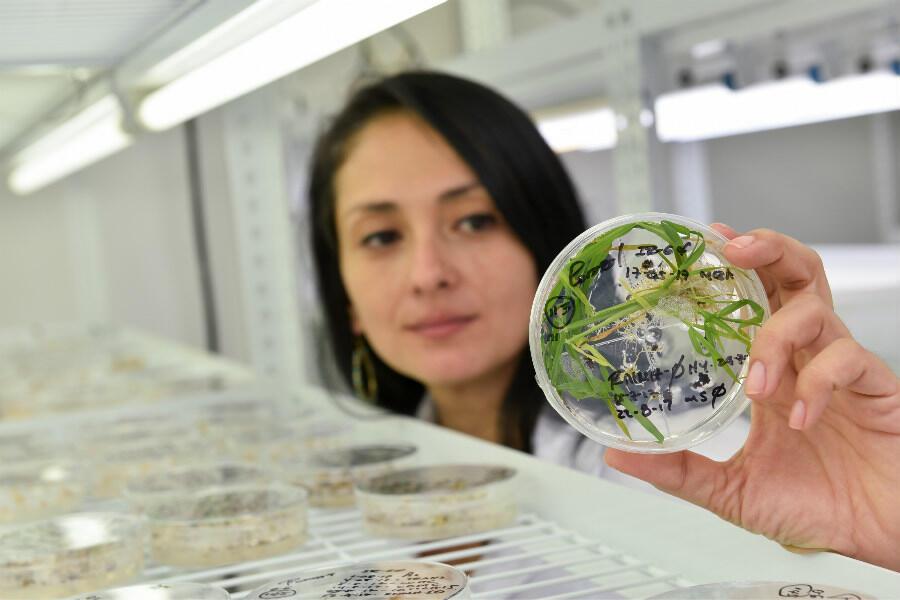
Alliance researcher holds a petri dish with germinating rice seeds in a study to develop disease-resistant varieties. Credit: CIAT/Neil Palmer
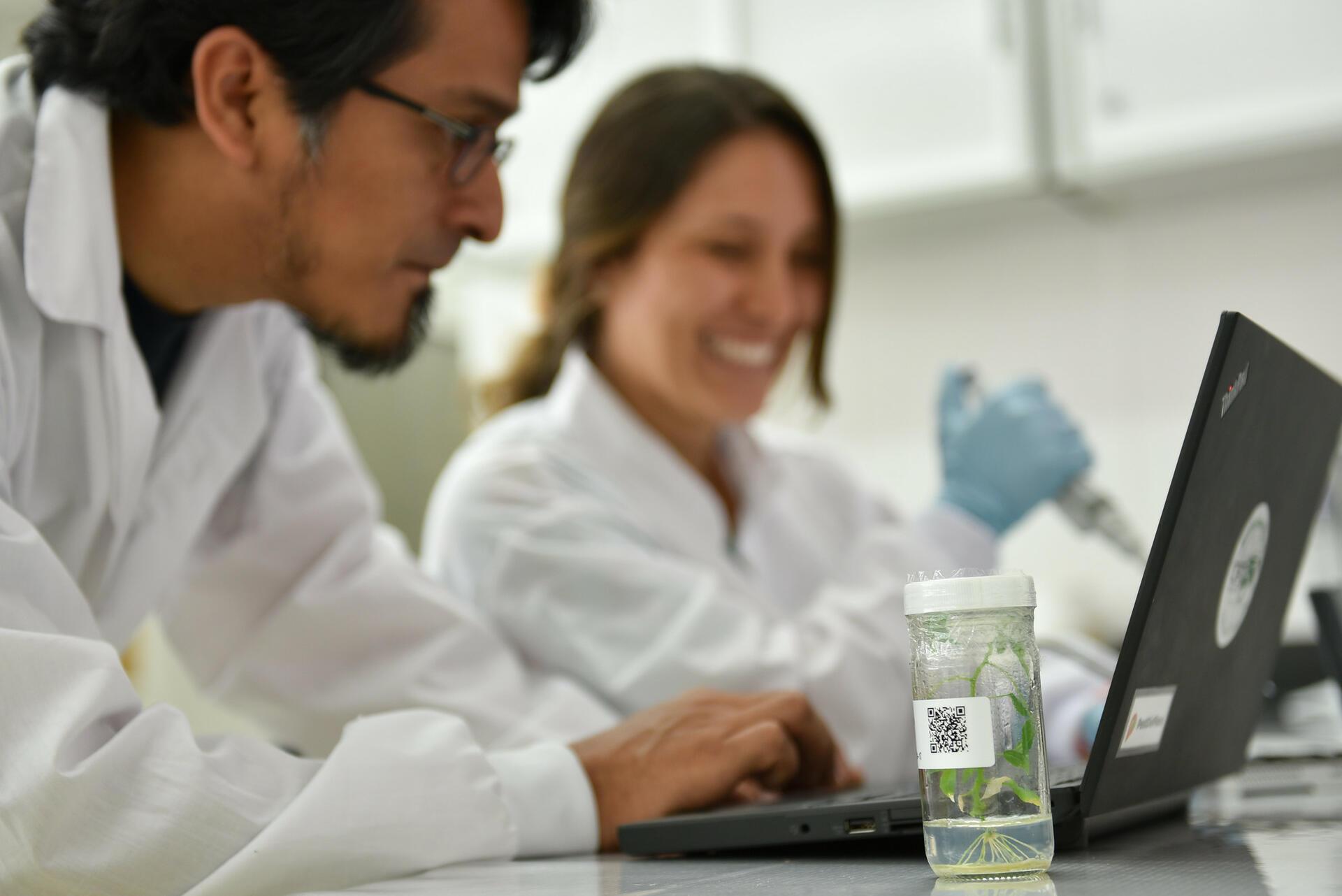
Alliance researchers analyze lab results. Credit: CIAT/Neil Palmer
A further challenge to the commercialization of CRISPR-edited crops is the legal approval to grow these varieties. Although GMO crops are widely produced globally – grown on an estimated 209 million hectares of land; with the USA, Brazil and Argentina as the leading countries; and soybean, maize and cotton as the leading crops – very few CRISPR-edited crops are commercially available, and because CRISPR is a newer technology, there is still a lack of agreed criteria for its approval by regulators. Paul Chavarriaga explained that while several Latin American countries have already classified CRISPR-edited varieties as conventional crops (including rice, maize and banana varieties), other countries and regulation authorities (such as the European Commission) classify CRISPR-edited crops as GMOs, meaning that their approval is blocked by costly and time-consuming processes of authorization. Yet, many scientists and industry associations have raised concerns about the lack of distinction between GMOs and CRISPR-edited crops, and in 2023, the European Commission proposed a regulation for “plants obtained by certain new genomic techniques”, which, if approved, would increase the chances of commercializing CRISPR-edited crops.
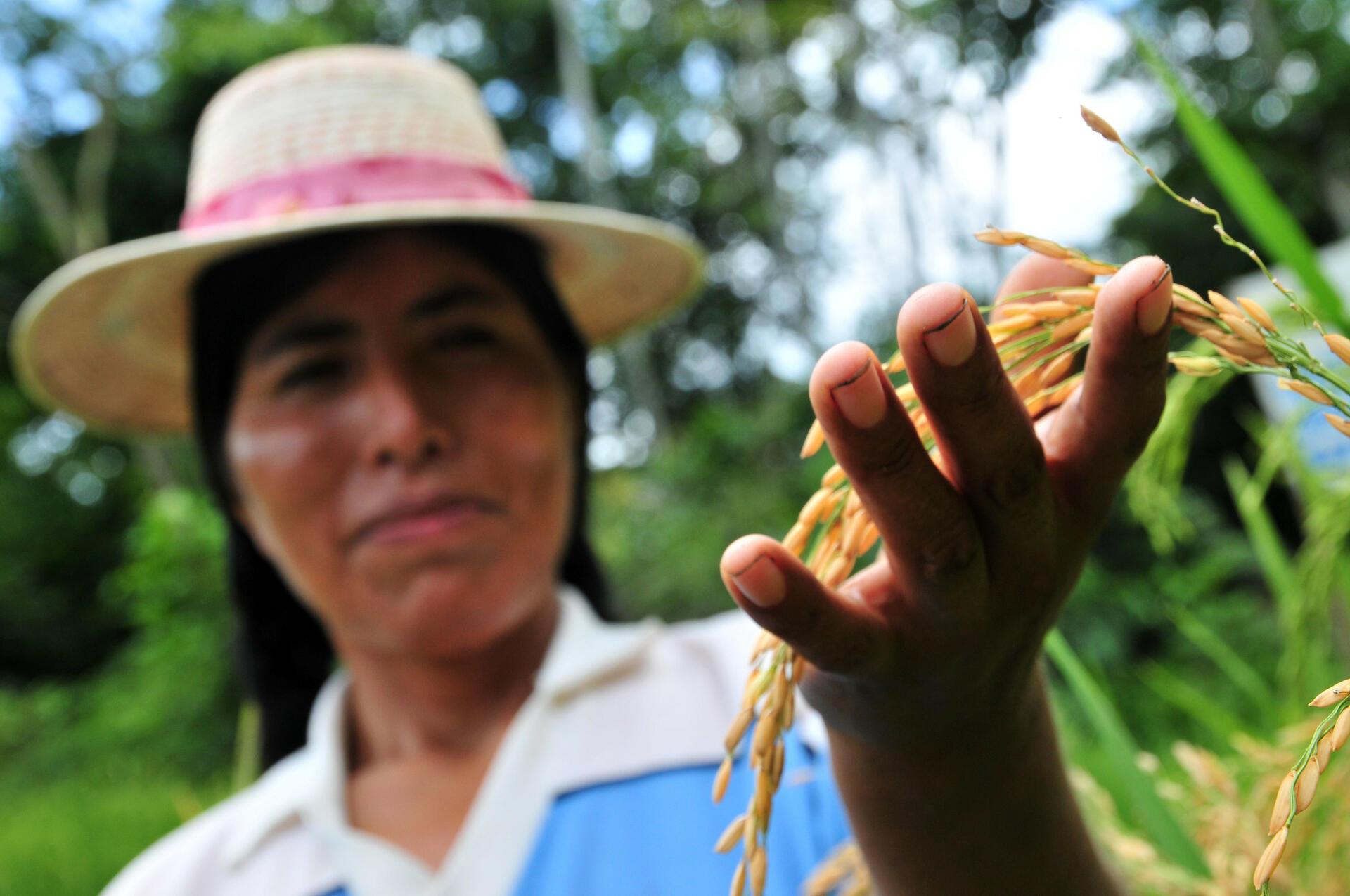
A rice farmer in Bolivia observes her harvest. Credit: CIAT/Neil Palmer
From crop evolution to targeted crop improvement: Fulfilling the promise of CRISPR’s ‘genetic scissors’
As the sweet, creamy flavor of today’s commercial almonds tell us, genetic mutation has always driven agriculture’s natural evolution. Today, in the face of increasing food insecurity, climate change and environmental degradation, action is needed to create higher-yielding and more resilient production systems, and CRISPR’s unparalleled precision in improving crops’ productivity, safety and nutrition positions it as a key tool in aligning food systems transformation with environmental and human needs. Although challenges remain in consumer readiness and regulatory frameworks, as the role of technology grows in all areas of modern life, gene editing using CRISPR’s ‘genetic scissors’ may yet play an important role in finally achieving the global goal of zero hunger, redefining the food systems of the future.