Blog What’s next after COP30: Building coalitions will ensure Global Mutirão delivers climate action

 In the face of complex challenges, the Alliance finds hope in coalitions established at COP30: three initiatives to boost resilient landscapes and measure carbon removal. Countries’ continued commitments and climate-smart investments offer a model to inspire further food systems transformation.
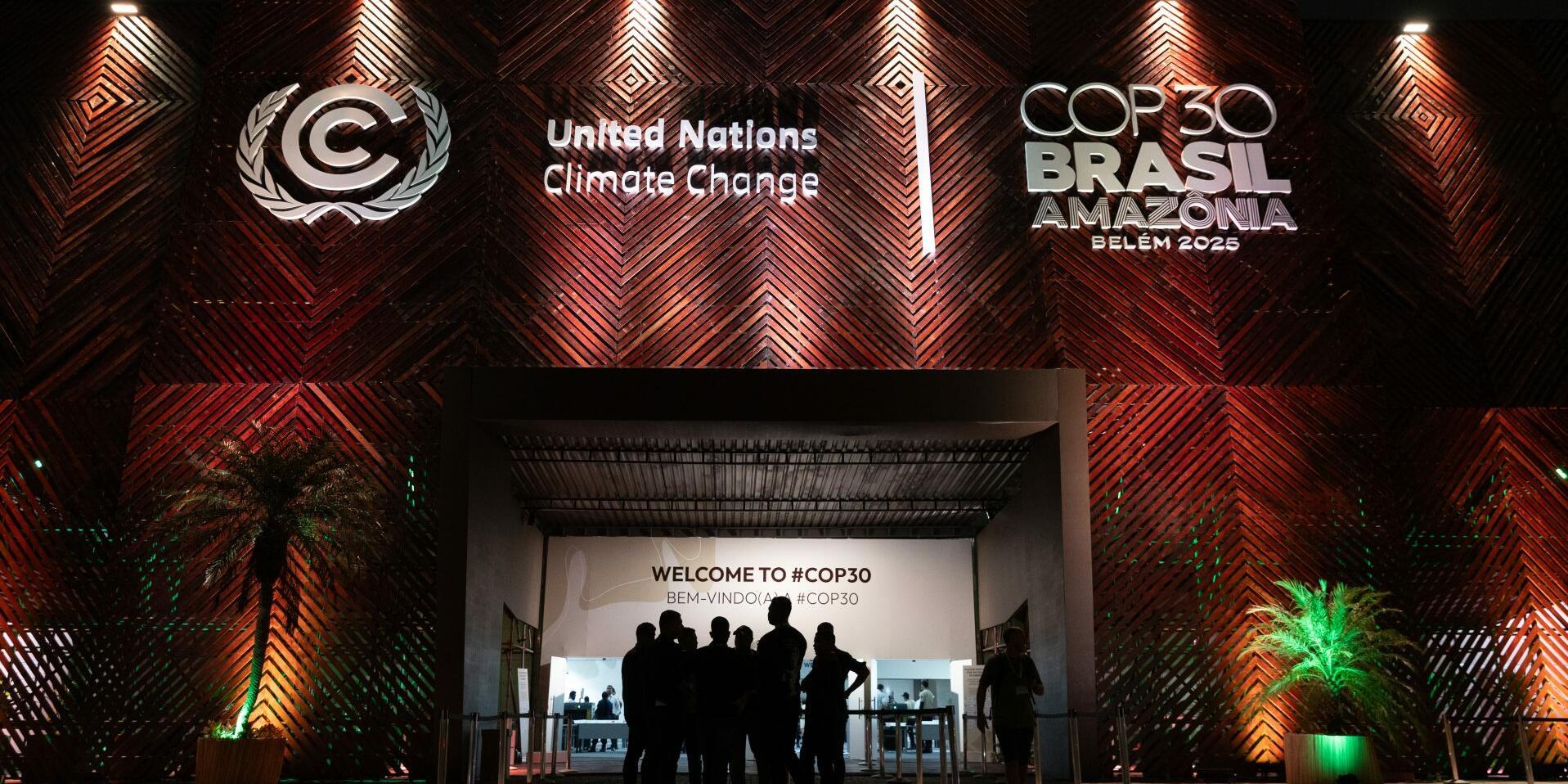
COP30 in Belém convened at a moment when the world can no longer afford incrementalism. Temperatures are rising, extreme weather events are disrupting lives, and conflict and migration are being exacerbated by climate vulnerabilities. Ecosystems are degrading faster than they can recover. Against a complex geopolitical landscape, the summit elevated the concept of Global Mutirão, inspired by the Tupi-Guarani tradition of collective action, as a guiding ethos for climate ambition, reiterating the importance of collaboration to confront the scale of today’s climate challenges. Over two weeks, negotiators, Indigenous leaders, scientists, and practitioners worked to advance measurable progress, including through the operationalization of the Global Goal on Adaptation (GGA), the first global framework to track resilience outcomes and guide adaptation finance to the sectors most at risk, including agriculture and food systems.

Three coalitions to accelerate solutions
The spirit of Global Mutirão took concrete form through a new generation of coalitions designed to transform climate commitments into implementable action. The Alliance played a central role in launching and supporting three major initiatives:
- RAIZ (Resilient Agriculture Investment for net-Zero land degradation)
- TERRA (Together for the Expansion of Resilient and Restorative Agroforestry and Agroecology)
- And the Global Carbon Alliance
These share a common architecture: they unite governments, research institutions, farmer organizations, and financial partners around actionable frameworks that bridge the gap between scientific evidence and on-the-ground implementation.
1. RAIZ addresses one of agriculture's most pressing challenges—over 1.6 billion hectares of degraded agricultural land worldwide—by mobilizing diverse financing sources to support landscape restoration. The initiative maps degraded lands, identifies investable solutions, and connects countries with technical and financial partners to design restoration projects tailored to local needs.
2. TERRA focuses on scaling agroecology and agroforestry systems, using five acceleration levers: strengthening farmer organizations, capacity building, blended finance, seeds and bioinputs, and market access.
3. Meanwhile, the Global Carbon Alliance tackles the evidence gaps and monitoring challenges that have prevented agricultural carbon removal practices from entering compliance markets, coordinating multi country field trials and harmonizing measurement systems.

Across all three, the Alliance of Bioversity and CIAT serves as both scientific backbone and strategic coordinator—translating research into policy frameworks, connecting partners, and ensuring that farmer livelihoods and food security remain central to every intervention.
“At COP30, one message is loud and clear: It’s about implementation; scaling tested solutions, mobilizing finance, and bringing them to communities who urgently need them,” reflected Maya Rajasekharan, Managing Director for the Americas at the Alliance, speaking from COP. “We are very proud to join initiatives like RAIZ... through science we can de-risk investments and support public policies through climate-smart solutions.”

Maya Rajasekharan
Managing Director, AmericasCountries come together to invest in food systems change
Hosted by CGIAR and staffed by the Alliance as well as the Food and Land Use Coalition, the Alliance of Champions for Food Systems Transformation (ACF) reported on significant progress over the last two years. Co-chaired by Brazil, Norway and Sierra Leone alongside founding members Cambodia and Rwanda, the ACF announced three new members at COP30—Colombia, Vietnam, and Italy—(all of which have strong histories of collaboration with the Alliance) strengthening its global reach as a coalition of governments taking whole-of-government action to transform food systems.
ACF released Progress Frameworks documenting billions mobilized across member countries, from Brazil's USD $1.7 billion agroecology plan and Sierra Leone's USD 1 billion Feed Salone program to Rwanda's USD $430 million for conservation agriculture. Brazil, Cambodia, Norway and Sierra Leone also released a Ministerial Statement calling for transformational change in how food systems are financed.
While countries often struggle to reach consensus in large multilateral decision-making forums, more concentrated coalitions of countries and other stakeholders are accelerating action to deliver on our multiple biodiversity, climate and other goals. Demonstrating what is possible, these coalitions hope to inspire other countries to unlock the finance and other resources for food systems transformation in the years to come.

A COP defined by reality, reckoning, and resolve
COP30 was not a typical negotiation. The Amazon itself pressed delegates toward urgency. Temperatures soared and waterways ran low. Indigenous groups in and outside of the venue demanded on-the-ground action. In a moment that captured global attention, a fire broke out inside the Blue Zone, prompting an evacuation of part of the venue. The incident was brief and quickly contained, but the symbolism lingered: even at the world’s most important climate summit, the crisis is palpable.
The conversations in Belém also occurred amidst a broader debate on how we measure climate progress. Recent discussions have raised provocative questions: Should success be measured by avoided degrees of warming, or by improvements in human health and prosperity? How do we ensure that metrics reflect both planetary boundaries and social realities? In panel after panel, speakers emphasized that climate stability, ecosystem resilience, food security, and human development are intertwined. They rise or fall together.
Explore the expertise and recommendations we brought to COP30