Blog The 2025 EAT-Lancet Report: Can food save our future?

On October 3, EAT —a science-based global platform for food system transformation— and The Lancet —one of the world’s leading medical journals— will launch the 2025 EAT-Lancet Commission. This landmark report updates one of the most widely cited studies of the past decade. To unpack its influence on research, policy, and global action, we spoke with Fabrice DeClerck, EAT's Chief Science Officer and Alliance's Principal Scientist.
What is the 2025 EAT-Lancet Commission, and why does it matter?
The 2025 EAT-Lancet Commission is a major peer-reviewed effort that builds on the 2019 report and sets the course for a healthier, fairer, and more sustainable food future. It delivers three breakthroughs:
1. Clear guardrails – A reference diet for human health, updated planetary boundaries for food, and new social justice measures.
2. Cutting-edge science – An unprecedented global modeling effort, led by 10+ partners, showing that three actions are most transformative: shifting to healthy diets, improving production, and cutting food loss and waste. The first two hinge on agricultural biodiversity.
3. A policy roadmap – 23 actions that can be bundled and adapted to local realities.
The Commission is designed as an evidence-based compass for everyone in the food system —from farmers and fishers to policymakers and CEOs. It underscores the urgency and ambition needed to align food with health, climate, and equity goals.
But science alone won’t get us there. That’s why, inspired by the Montpellier Process (now known as Nexus Action) EAT, together with the Alliance of Bioversity and CIAT, Convene, and other partners, has launched 10 Communities for Action. These coalitions —spanning farmers, cities, chefs, consumers, and more— tackle three practical questions: What actions will we take? Where do we need help? What progress can we accelerate together?
In short: the 2025 Commission is both a wake-up call and an invitation to act.
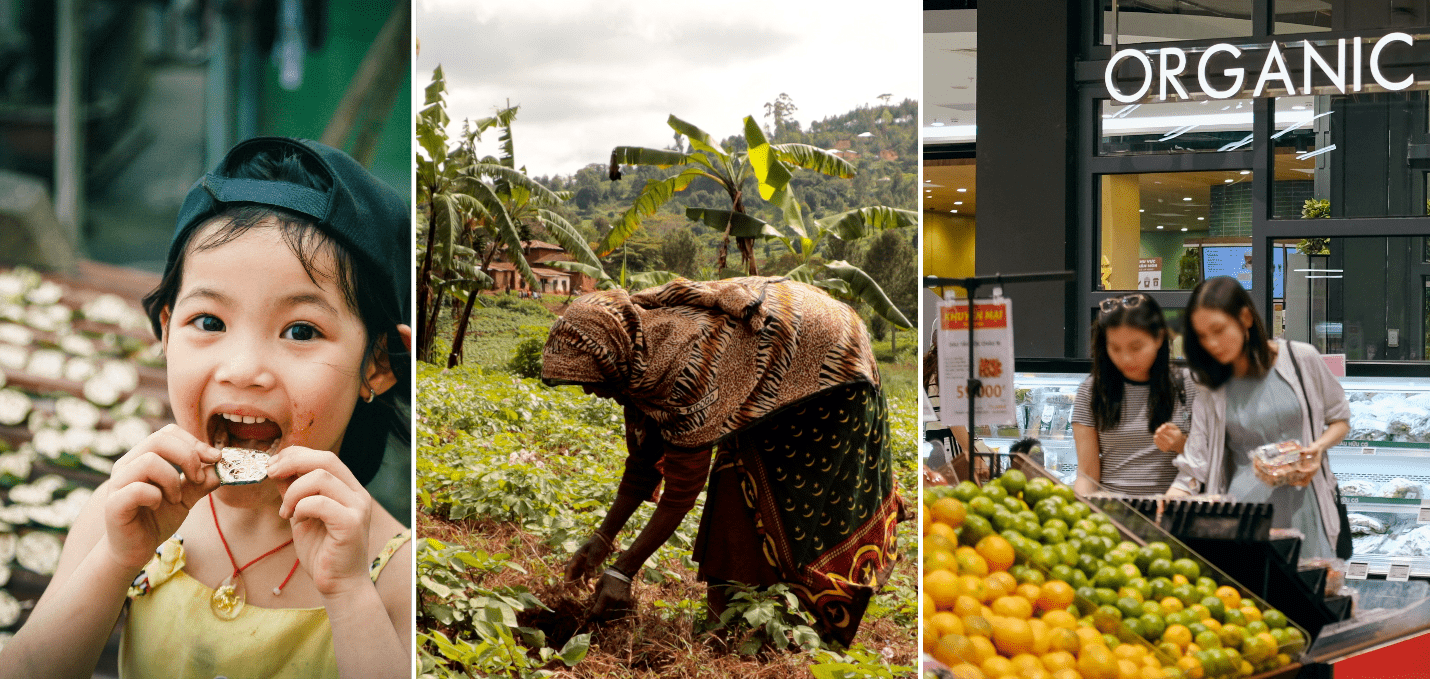
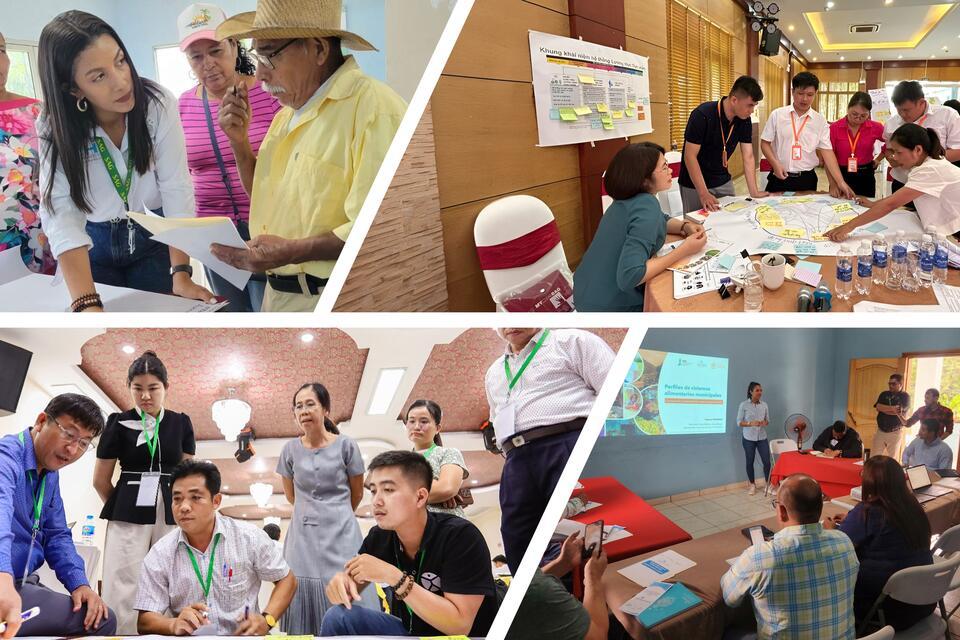
Photo credits (from left to right): Tong Nguyen van/Unsplash; Manon Koningstein/CIAT; Ha Dao/CIAT.
How does the Alliance fit in?
The Alliance is deeply woven into the Commission’s work:
- Alliance scientists Ramya Ambikapathi, Sarah Jones, and Natalia Estrada Carmona were lead authors. Sarah developed the Agroecology Module, showing how regenerative approaches can boost sustainability. Ramya served on the Justice and Transformation Subcommittee and wrote the sections on Informality in the food systems and Gender gaps.
- CGIAR colleagues, including Shakuntala Thilsted (co-chair), Namukolo Covic, and Sonja Vermeulen, made key contributions across nutrition, climate, and environment. Keith Weibe from IFPRI was a key contributor to the model intercomparison work.
- Beyond research, the Alliance, led by James Stapleton, co-hosts the Country Community for Action, helping governments engage with the Commission through the forthcoming Summary for and With Policy Makers, launching at the Committee on World Food Security (CFS) in Rome this month.
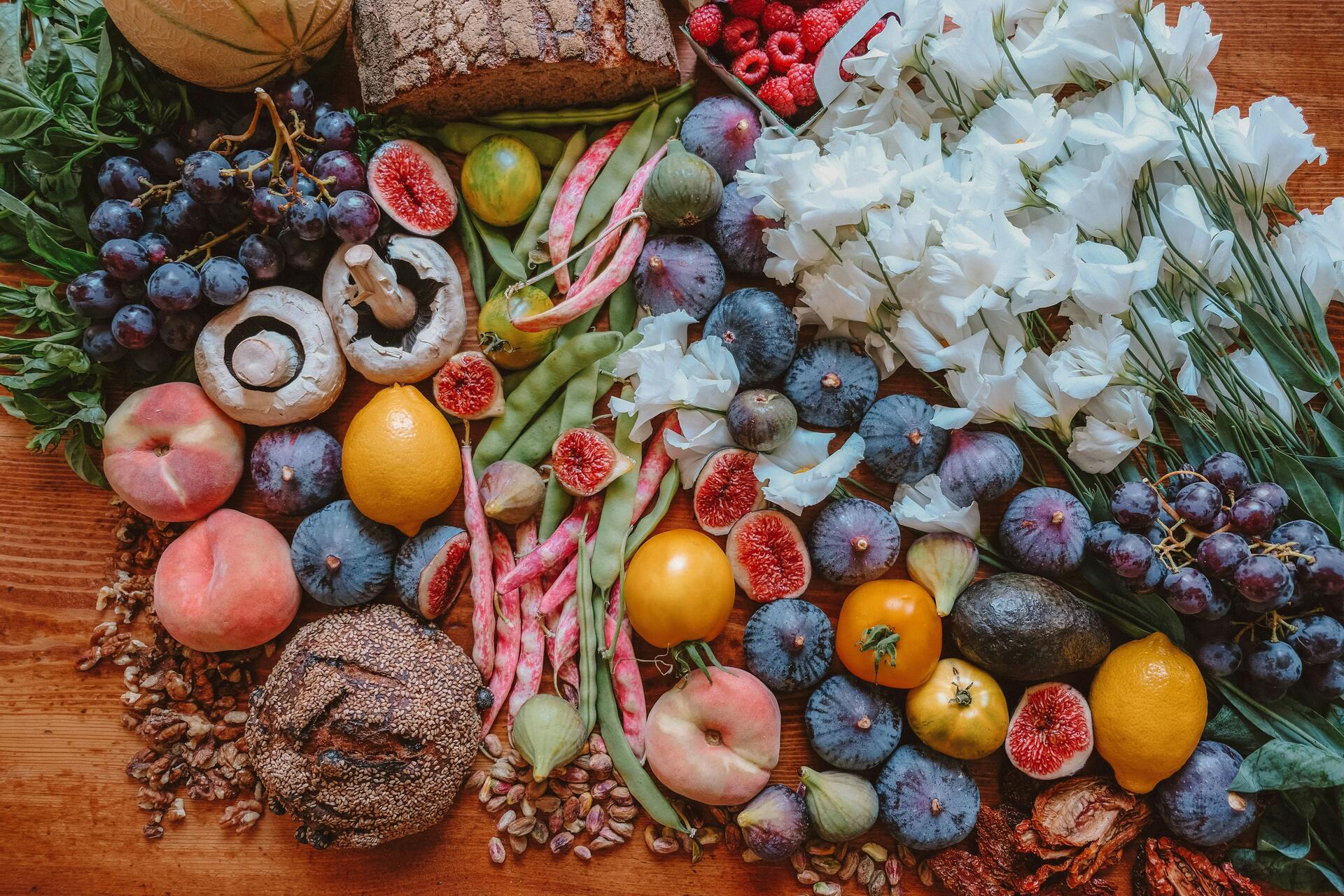
Photo credit: Ella Olsson/Unsplash
The launch
The 2025 Commission will debut at the Stockholm Food Forum, a curated gathering of 700 invited leaders. Anyone can still register to watch the livestream.
The launch event will feature:
- Key findings presented by lead authors.
- Insights from top scientific and policy voices.
- Interactive discussions on turning science into action.
During the Forum, the Communities for Action will release digital Action Briefs, and the Stories of Progress Book will be published —spotlighting real-world projects advancing the Commission’s vision. In this book, the Alliance contributes a story on #MeaningfulRepresentation, focusing on co-creating food system process through national and subnational profiling.
These actions and stories form a vital baseline for driving transformation through 2030.