Impact story Science under pressure: building resilient food systems through innovation and partnership in turbulent times

At the end of 2025, Juan Lucas Restrepo reflects on continued opportunities for applied research and development amidst a complex landscape, including proven models for innovation and sustainable food systems transformation.
A wakeup call for sustainable development
This year has brought a decisive shift in how the world thinks about food systems, climate resilience, and the role of science in providing concrete solutions. Throughout 2025, the international development sector experienced significant contraction. Shifts in geopolitical priorities, inflation, and domestic political pressures led many governments to reduce development budgets or redirect them toward immediate humanitarian or security concerns. This is consistent with the broader trend observed across donor countries in recent years, where climate and development funding are increasingly fragmented, competitive and vulnerable to short term political cycles.
This shrinking resource environment is not occurring in a vacuum. It intersects with accelerating global challenges, including:
- conflict and displacement disrupting food and land systems;
- climate related disasters growing in frequency and severity;
- rising food insecurity in vulnerable regions;
- continued biodiversity loss;
The combination of fewer resources and expanding crises means one thing: science is under pressure to deliver more, faster, and the only way to do this is through new forms of partnership.

Juan Lucas Restrepo
Director General, and Trustee, Bioversity International UK/USA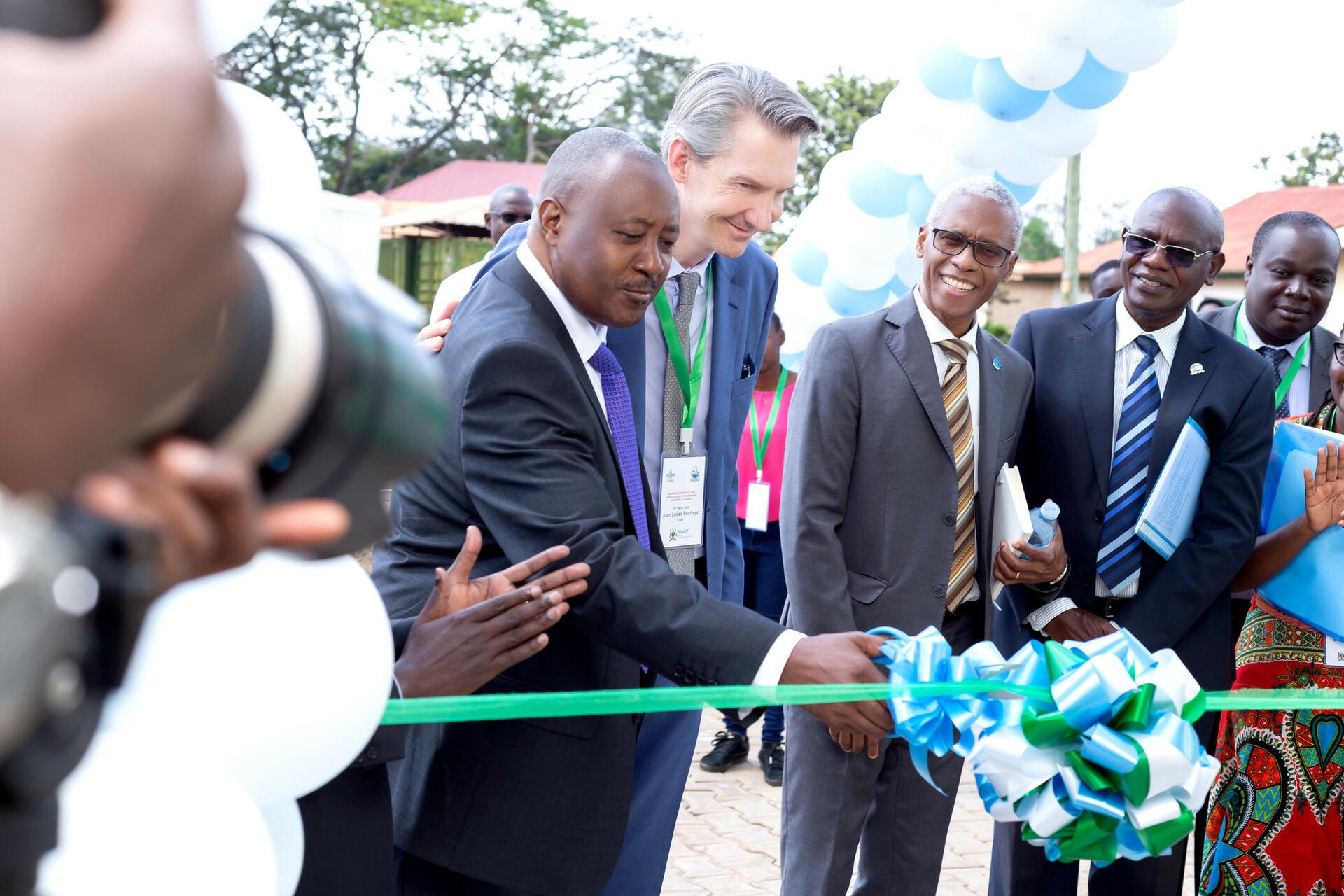
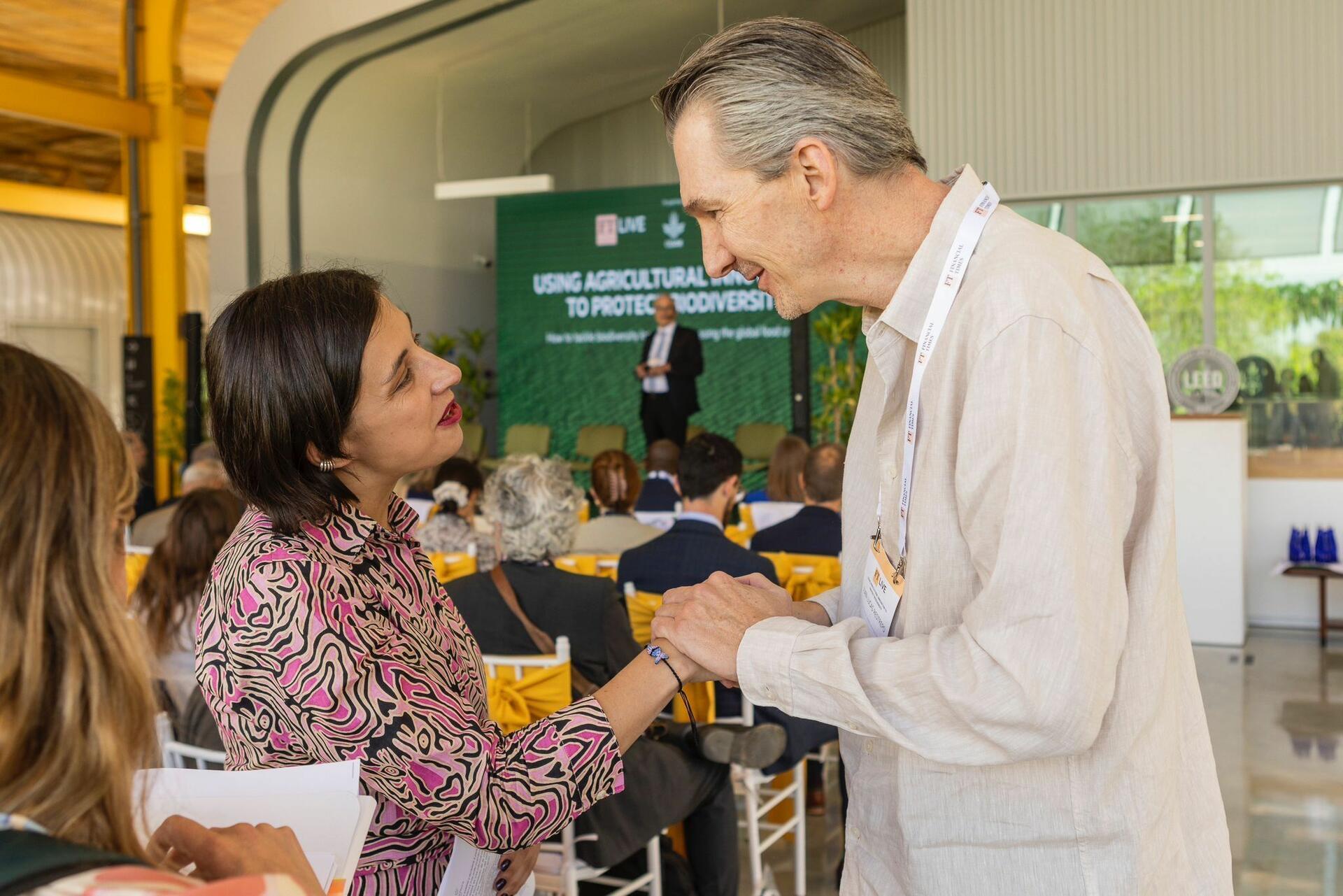

Why we must rethink collaborations: from funders to co-developers
Traditional development models based on long timelines, national funding, and siloed mandates are no longer enough. The world needs applied science, scalable tools, and collaborations that link research, policy, finance, and private-sector action.
As funding patterns shift, so too must the way science-based organizations engage with partners. While we strengthen our commitments with longstanding partners such as national research institutes, and government ministries of environment, agriculture, and health, we are increasingly aware that to reach impact at scale, the private sector increasingly plays a central role not just as a funder, but as a co-developer and implementer of innovation.
In this context, blended finance — the combination of philanthropic, public, and private capital — has become essential to scaling climate adaptation, sustainable supply chains, and regenerative agriculture. The underlying reality is clear: complex, system-wide challenges cannot be solved through public funding alone.

International collaboration remains essential, even when geopolitics make it harder
At the global level, collaboration continues to be indispensable. Even as multilateral negotiations face political headwinds, many countries remain committed to food systems transformation.
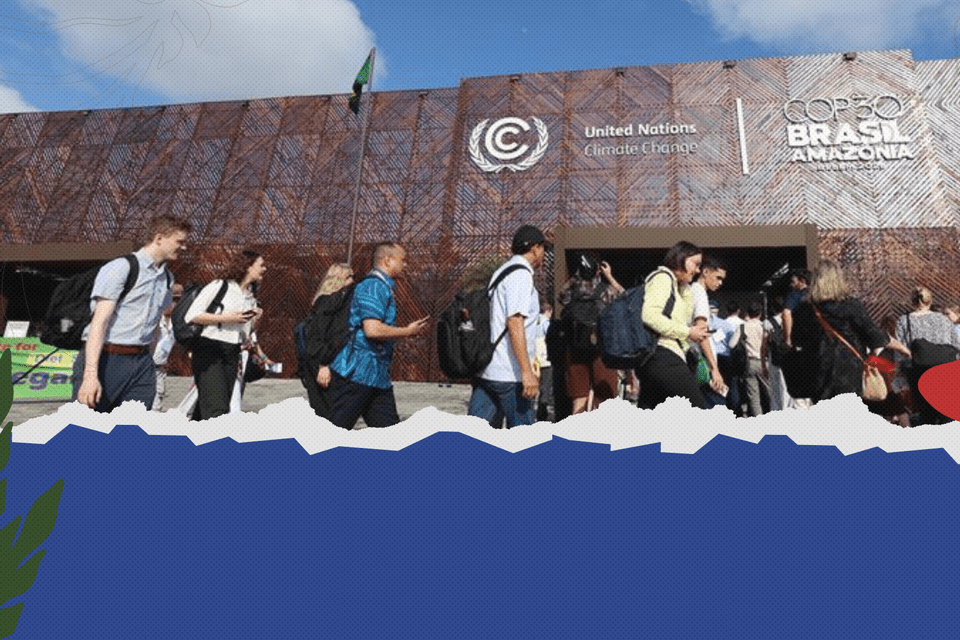
COP30 underscored this through the concept of Global Mutirão, inspired by the Tupi Guarani tradition of collective action, which called for coordinated efforts to confront climate and land use challenges at scale.
This spirit is reflected in a new generation of coalitions we launched this year- RAIZ, TERRA, and The Global Carbon Alliance.
In addition, countries with long standing partnerships with the Alliance, Colombia, Italy, and Vietnam, joined the Alliance of Champions for Food Systems Transformation, underscoring how focused, purpose driven coalitions are becoming the engines of global food system change.
Impacts of a collaborative approach: The Alliance at 5
These models for collaboration have concrete results. The Alliance of Bioversity and CIAT was formed by a recognition of shared commitments, and a desire to increase impact where food, environment, and nutrition come together. Through a blended model of partnership and collaboration- at both the global and grassroots level- we have been able to see our work bear fruit. Here are some key figures and examples from 2020-25.
People reached
Hectares of land under improved management
Policies, legal documents, strategies, and strategic plans influenced
Investments informed (USD)
The people we reached
Our tools, crops, and science solutions have been taken up by farmers, market operators, local researchers, plant breeders, and other food system actors, in collaboration with a wide network of partners.
-
For example, nutrient deficiencies, especially in youth, have been mitigated by the consumption of high-iron beans by 2.7M people in Africa, thanks to the distribution of biofortified varieties through the PABRA (Pan-Africa Bean Research Alliance) network, especially in school meals.
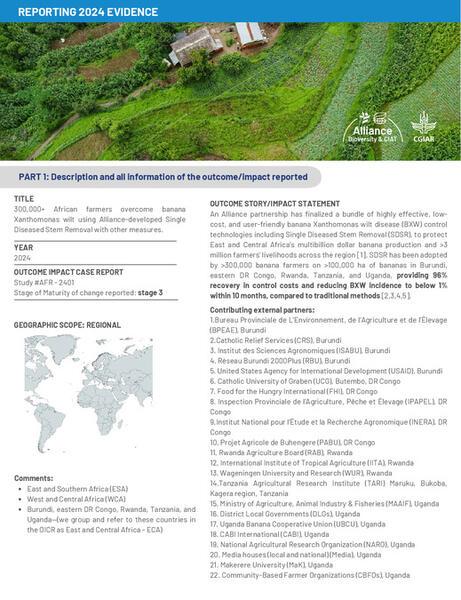
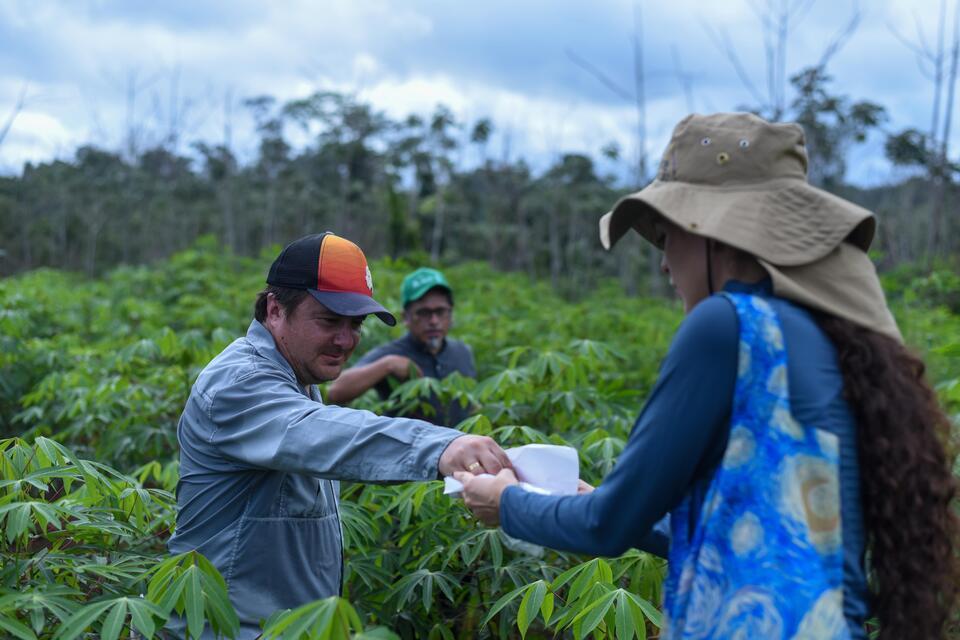
- Working closely with agricultural extension agents, national research institutes, and local farming associations, the Alliance has spearheaded efforts to identify and halt the spread of devastating plant diseases. For example, we empowered over 300,000 farmers to fight BXW (Banana wilt) with a method (Single Diseased Stem Removal) that has reduced the incidence of banana disease to below 1% within 10 months. Meanwhile, our efforts to fight cassava witch’s broom disease was featured by the media, tracing the path from Laos (where we collaborate with the national research institute NAFRI) to its first discovery in Brazil (with Empraba).


Hectares of land under improved management
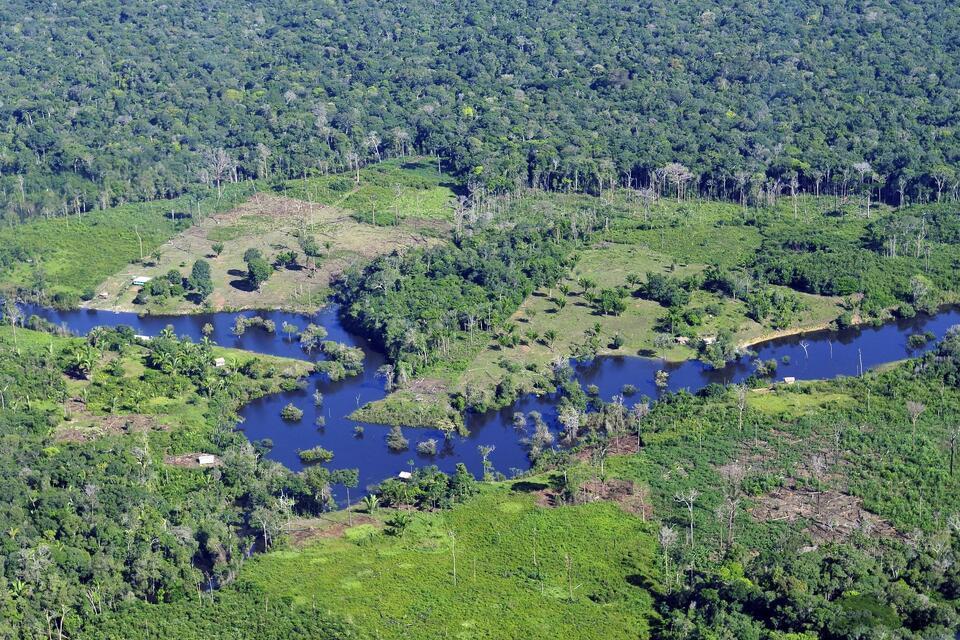
From agroforestry to sustainable livestock systems, the Alliance has promoted a transition towards nature-positive agriculture. Our research and tools have restored and improved landscapes to be more sustainable, resilient, and productive.
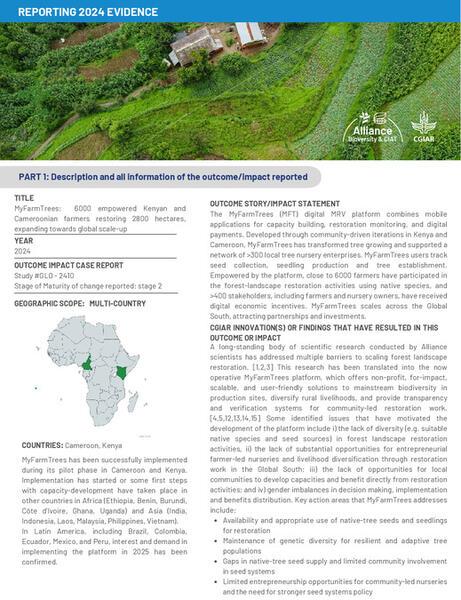
- For example, communities in Kenya and Cameroon have planted over 45,000 native trees using the Alliance’s digital platform My Farm Trees. By providing community members with direct financial compensation (so far, over USD $130,000) for restoration activity, this tool has incentivized restoration action and revitalized native tree populations.

Policies, legal documents, strategies, and strategic plans influenced
The Alliance has provided scientific evidence and recommendations to inform policy and decisionmakers. These span from global commitments to local plans to ensure that communities benefit from these decisions.
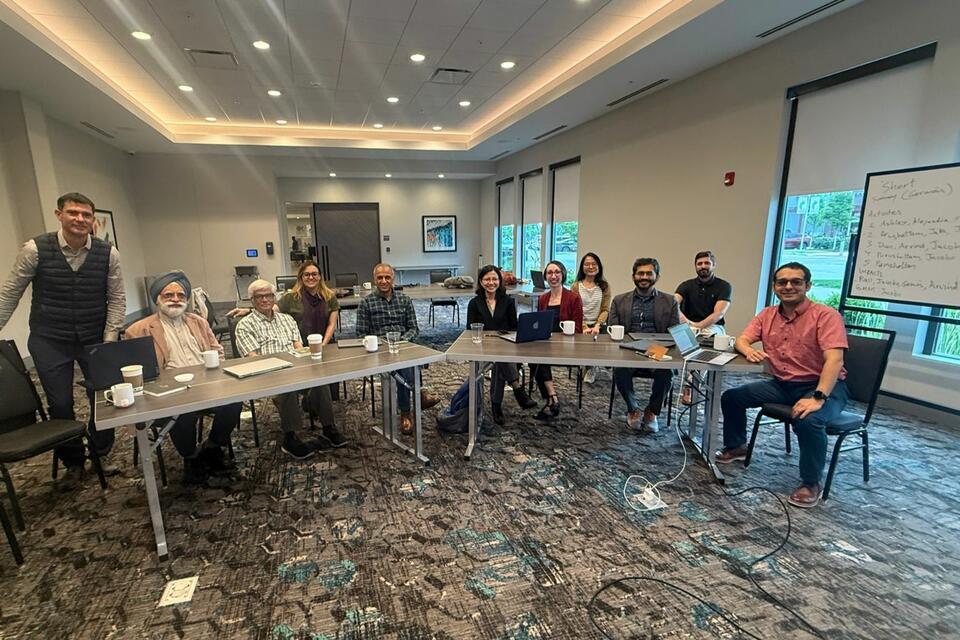
- The Alliance’s longstanding commitment to biodiversity conservation is exemplified by our role in UN Convention on Biological Diversity negotiations. A critical issue has been ensuring that Digital Sequencing Information – the data on plant genetic material stored by genebanks and breeding programs – remains open access and that any benefits derived from this information are shared with the global community. This was recognized most recently through the “Cali fund” established at the COP16 in Colombia, in 2024.
- Agroecology policy launched in Vihiga, Kenya: Since 2022, the Alliance has been campaigning for agroecology in Kenya’s Vihiga County. Spurred by interests to improve human and environmental health, the local government launched a policy in 2025 that officially recognizes agroecology as part of the development agenda. This success was possible due to collaboration with local policymakers, the Participatory Ecological Land Use Management Kenya (PELUM), funded by the Biovision Foundation, Seed Savers Network, and many others.
Investments informed
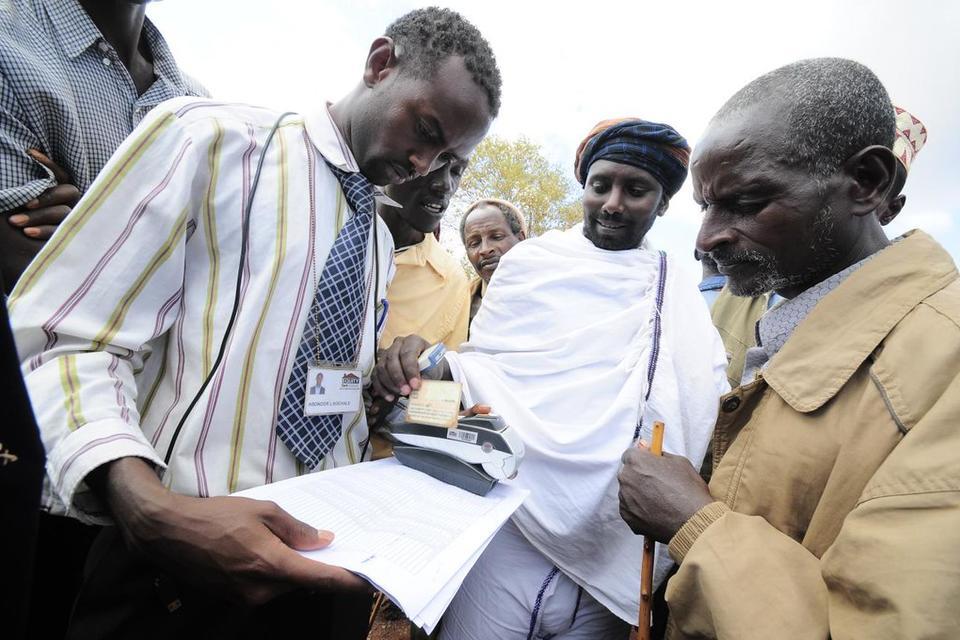
The Alliance recognizes the role of both public and private sector investment for a more sustainable food system, especially in critical areas such as climate adaptation and sustainable supply chains. With programs such as ImpactSF and the Accelerate for Impact Platform (which supports venture capital in the agritech space), we have informed investments for sustainable causes.
- Climate Resilience Platform: With the Climate Resilience Platform, recognized as one of the “Next Big Things in Tech”, we have mapped how regions and crops will be affected by climate change, in terms so that businesses know how to mitigate risks and maximize opportunities (ie: in a baseline scenario, 97% of rice production in Thailand is at risk of heat-induced yield loss). Since the first version developed with Pepsico in 2023, we have rolled out a new update with the Foundation for Food & Agriculture Research (FFAR) that expands the reach of the tool to quantify risks and opportunities for food industry, adding data for new crops and countries.
-
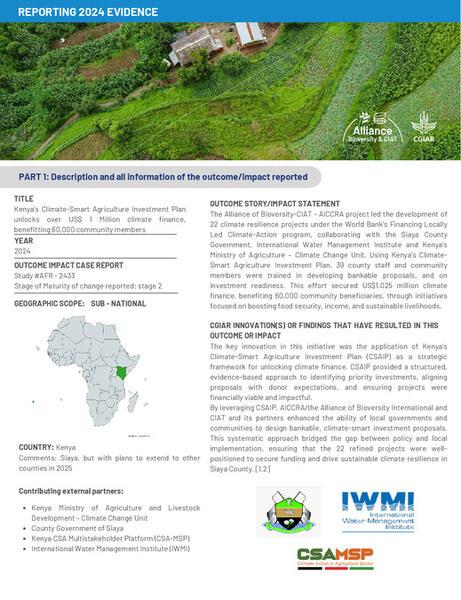
Kenya Climate Adaptation Plan: Kenya’s government has made extensive commitments to address climate change. By referencing the country’s Climate-Smart Agriculture Investment Plan, the Alliance and partners including KALRO and IWMI were able to identify climate financing opportunities that unlocked US$1.025 million with a focus on climate and food security.
Moving forward into 2026
Since 2020, the world has weathered unforeseen challenges and profound changes. But we can be hopeful about emerging opportunities to accelerate food systems change, for the sake of both people and the planet: for example, digital transformation and agri-tech venture capital, which hold exciting potential to connect new partners and sectors with shared interests in sustainability, health, and equity. This is illustrated by the Alliance’s increasingly diverse partner agreements beyond the CGIAR network, growing from 508 in 2023 to 728 this year.
Looking ahead to 2026, the Alliance of Bioversity and CIAT will be rolling out a refreshed strategy that connects both the knowledge and experience from our work so far, with a future-looking approach to scale up cutting-edge research directly benefit communities, policies, and institutions. Stay tuned for more in the months to come.
**Note: the numbers collected in this article come from self-reporting, predominantly our outcome impact case reports.
Keep exploring