Impact story Notifications On: Timely climate alerts boost farmers’ resilience across Vietnam’s Mekong River Delta
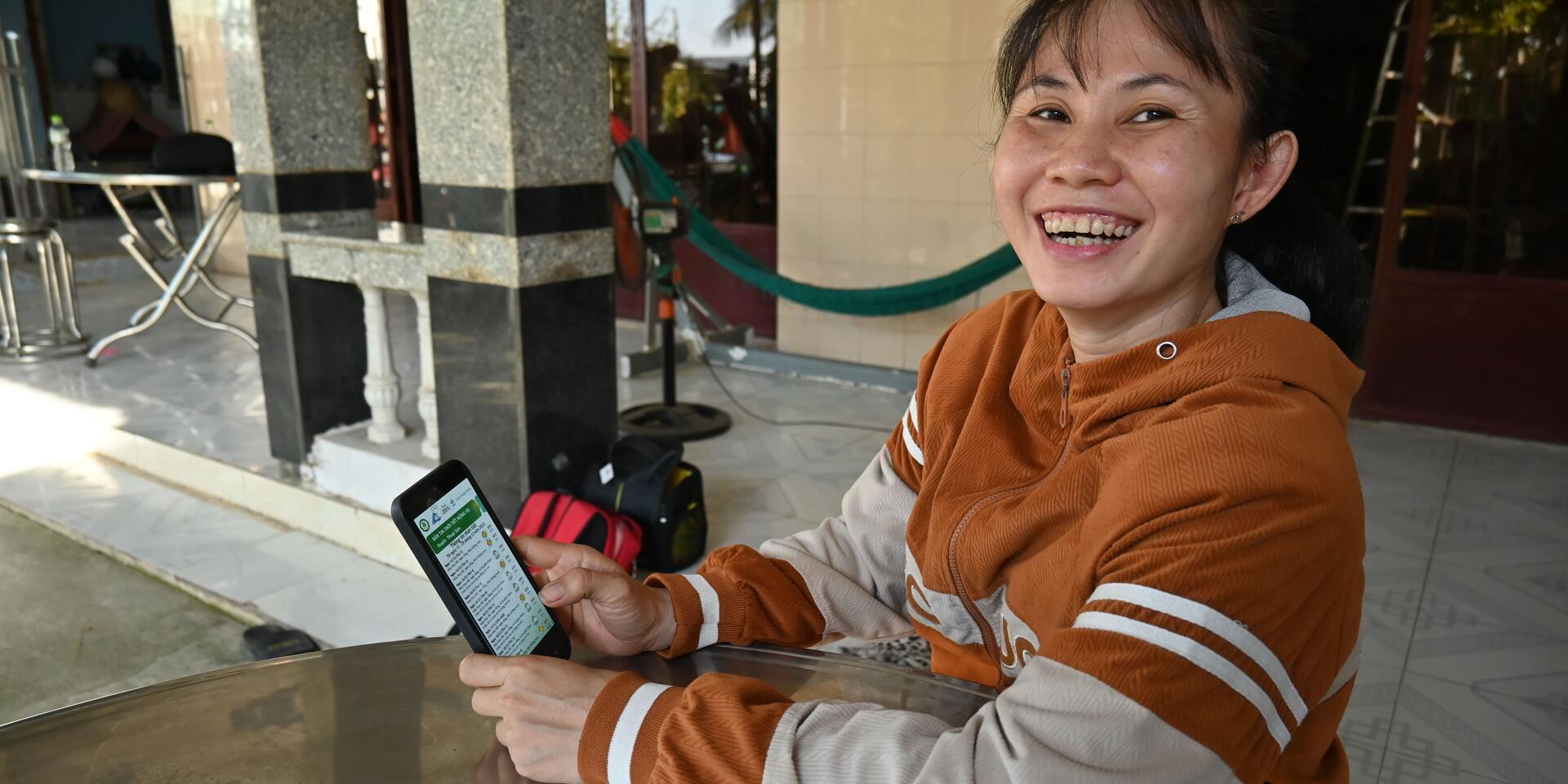

In Vietnam’s Mekong River Delta, farmers are receiving valuable information in the form of Agro-Climatic Bulletins. The Alliance of Bioversity and CIAT, alongside two national partner organizations, was recognized by the Vietnamese government for expanding these services to reach over 270,000 farmers.
With hundreds of thousands of smallholder farmers reached towards climate service-informed decision making, Vietnam’s Ministry of Agriculture and Rural Development (MARD) honored the Alliance of Bioversity International and CIAT with its Certificate of Merit for developing and disseminating Agro-Climatic Bulletins (ACBs) across the 13 provinces in the Mekong River Delta.
“ACBs contribute to the success of production at all levels from central to local levels, helping farmers change their farming practices, reducing input cost as well as crop losses,” Ms. Tran Thi My Hanh, technical staff of MARD’s Department of Crop Production (DCP) said. “The recognition emphasizes the contribution of ACBs to agricultural development, encouraging and motivating individuals and government agencies to maintain and further scaling out ACBs in the country.”
The Alliance, at the time of the award in April this year, was the sole international organization recognized with the certificate—alongside two government agencies (the sub-departments of Crop Production of Tien Giang and An Giang provinces) and 10 government staff—for its pivotal role advancing rural and agricultural development in the country’s delta region. The timely release of the bulletins remains instrumental in empowering more than 270,000 farmers to make informed crop decisions, enabling them to better manage risks and prepare against unpredictable climate conditions.
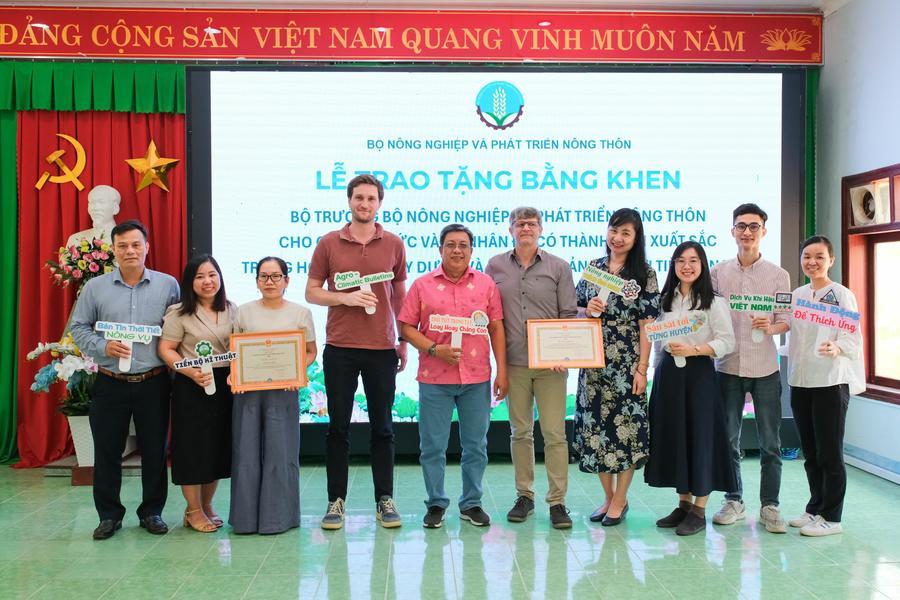
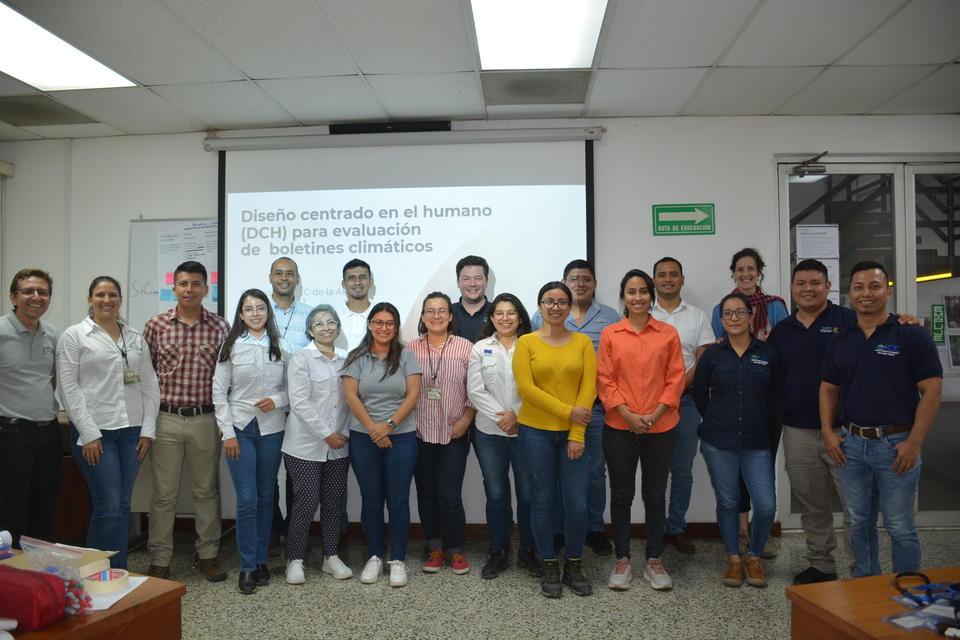
The Alliance received the MARD's Certificate of Merit for ACB development and dissemination - Nam Cat Tien National Park, April 2024.
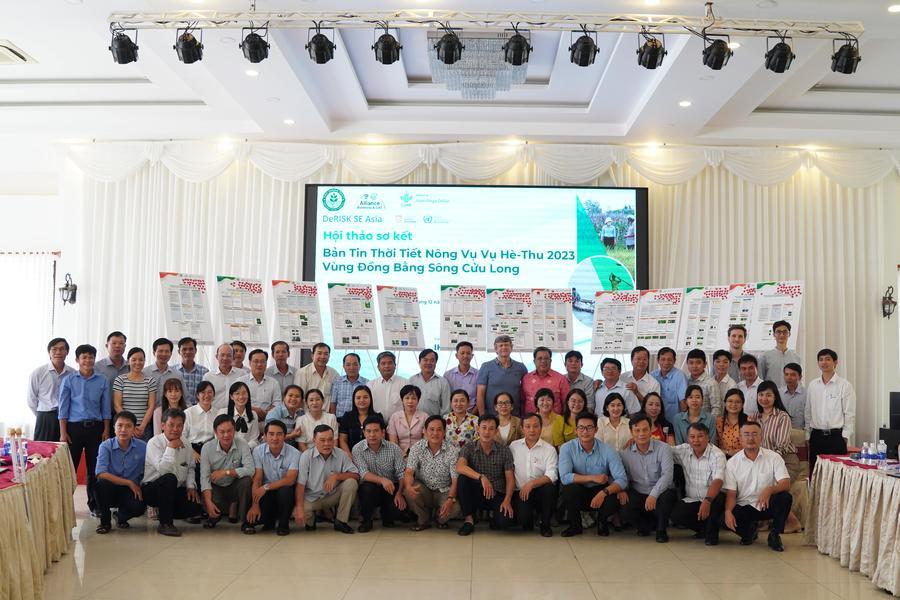
Summer - Autumn 2023 Review Workshop in Kien Giang province, December 2023.
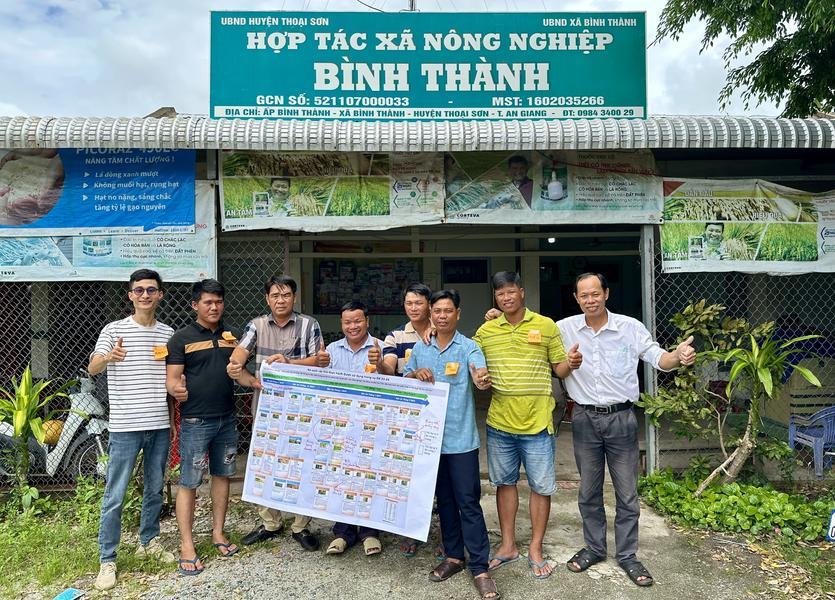
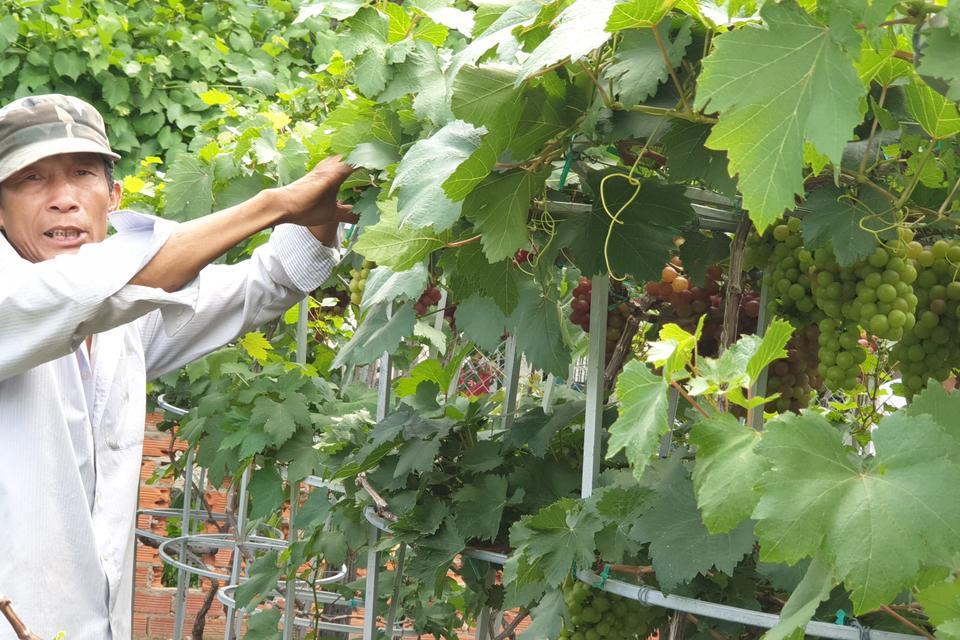
Farmers in Binh Thanh Cooperative participated in Focus Group Discussion for ACB improvement - An Giang province, July 2024
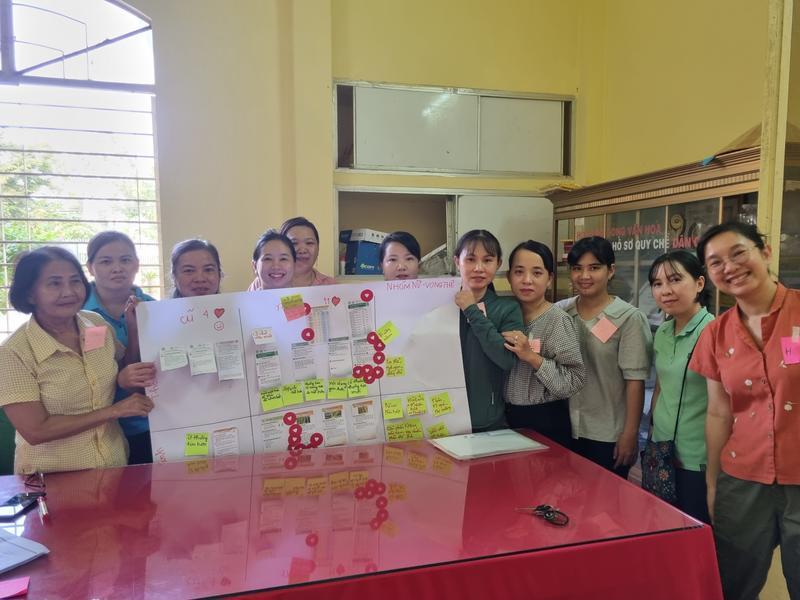
FGDs with female farmers in An Giang province for improving ACBs_CIAT 2023.
Advisories through multiple channels
The bulletins provide localized recommendations based on seasonal, monthly, and 10-day climate and weather forecasts. These advisories are developed at the district level through consultations with various district and provincial agricultural experts who form the provincial-level Technical Working Group (TWG).
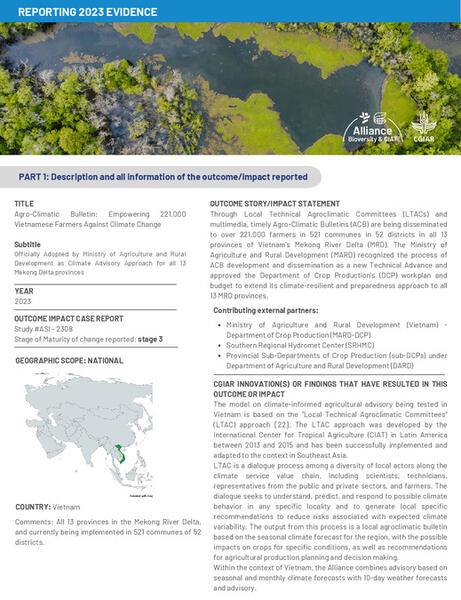
Currently, ACBs are disseminated in 70 districts and 547 communes throughout the Mekong River Delta helping smallholder farmers significantly reduce the risk of production losses, particularly in the face of challenging climatic conditions such as saltwater intrusion and drought, a local media reported.
While farmers are reached through multiple communication channels—such as digital media, loudspeakers, printed posters, and capacity training sessions by government agencies and civil society groups—the bulletins are primarily disseminated through Zalo, the most popular mobile messaging application used in Vietnam.
On Zalo, farmers are notified of tailored district-level advisories every 10 days for more efficient crop farming, highlighting potential risks for key crops and outlining some of the effective management strategies such as when to sow seeds, apply inputs, and harvest crops, among others. The messaging application alone has efficiently reached more than 50,000 users within 979 chat groups, with many others benefiting from the information through peer-to-peer networks.
Integration into Vietnam’s Policy
Integration into Vietnam’s Policy
The ACBs were piloted at a commune level in 2020, replicated in one province in 2021, expanded to 7 provinces in 2022, and scaled to all 13 provinces in the Mekong River Delta in 2023.
Following MARD’s landmark decision to recognize the ACBs as a technical advance, the bulletins became part of Vietnam’s policy, contributing to national crop management and climate change adaptation strategies. The program now receives an annual national budget of 400 million Vietnamese Dong (approximately 17,000 USD), helping to maintain the service and paving the way for other provinces to follow suit by accessing local government funding.
The institutionalization of the bulletins has since prompted the crop production department to issue regional instruction letters and establish a regional Technical Working Group (TWG) to further support the bulletins’ implementation across all 13 provinces.
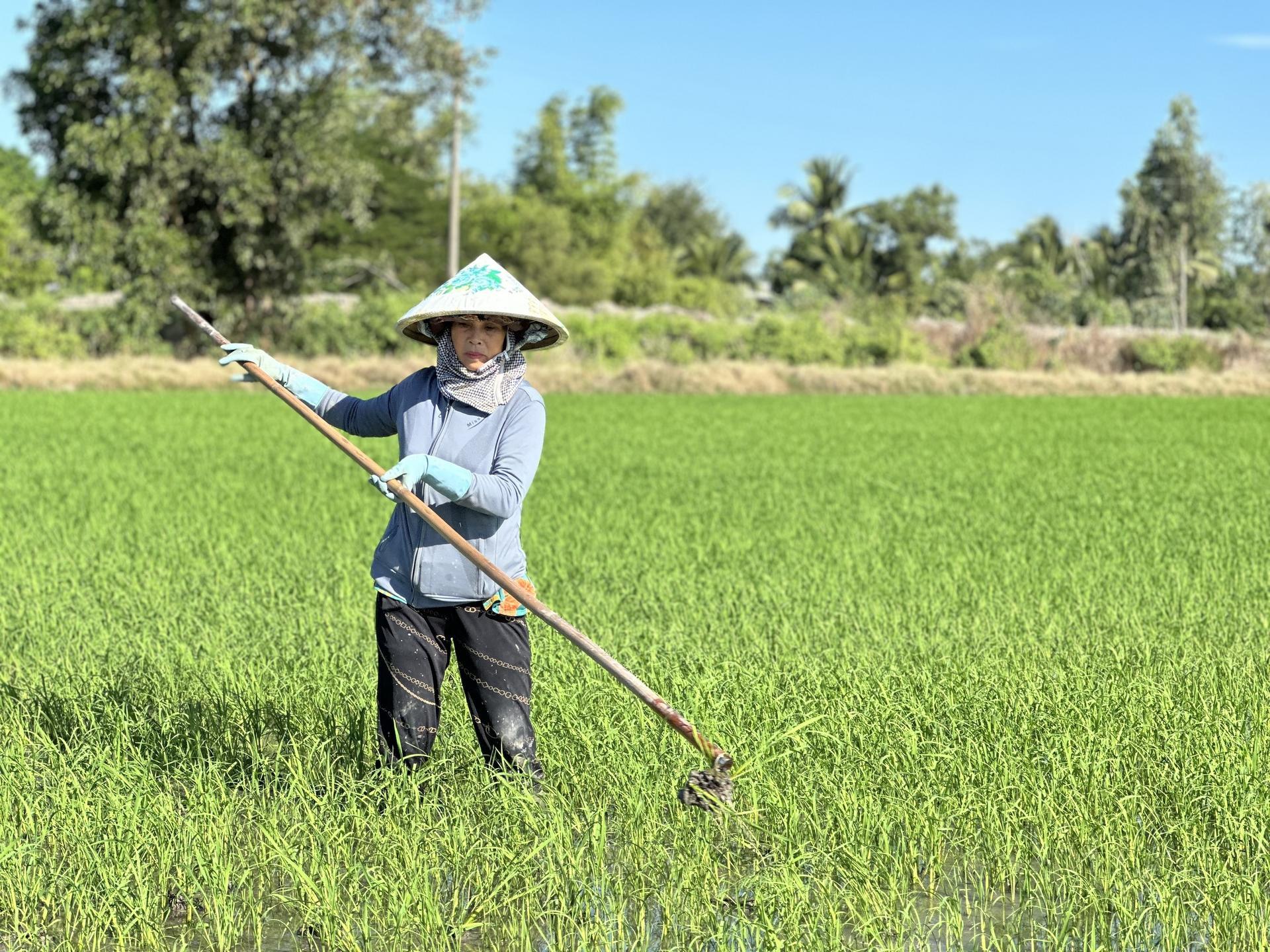
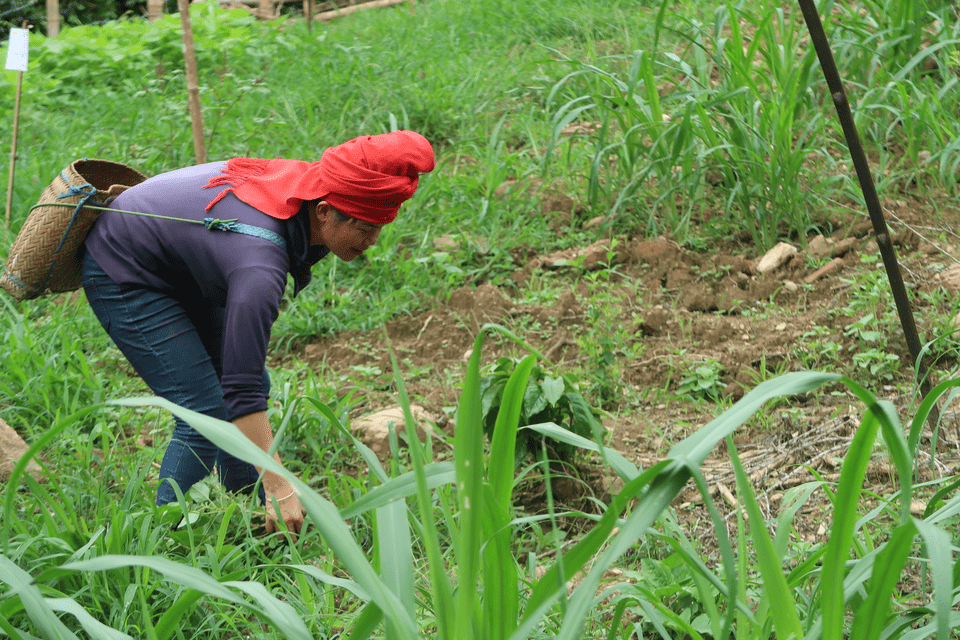
Daily work of female farmer in An Giang province, November 2023.
Reach of the Agro-Climatic Bulletins in the Mekong River Delta
Reach of the Agro-Climatic Bulletins in the Mekong River Delta
Communes
Districts
Zalo group members
Vietnamese farmers
Updated figures as of June 2024.
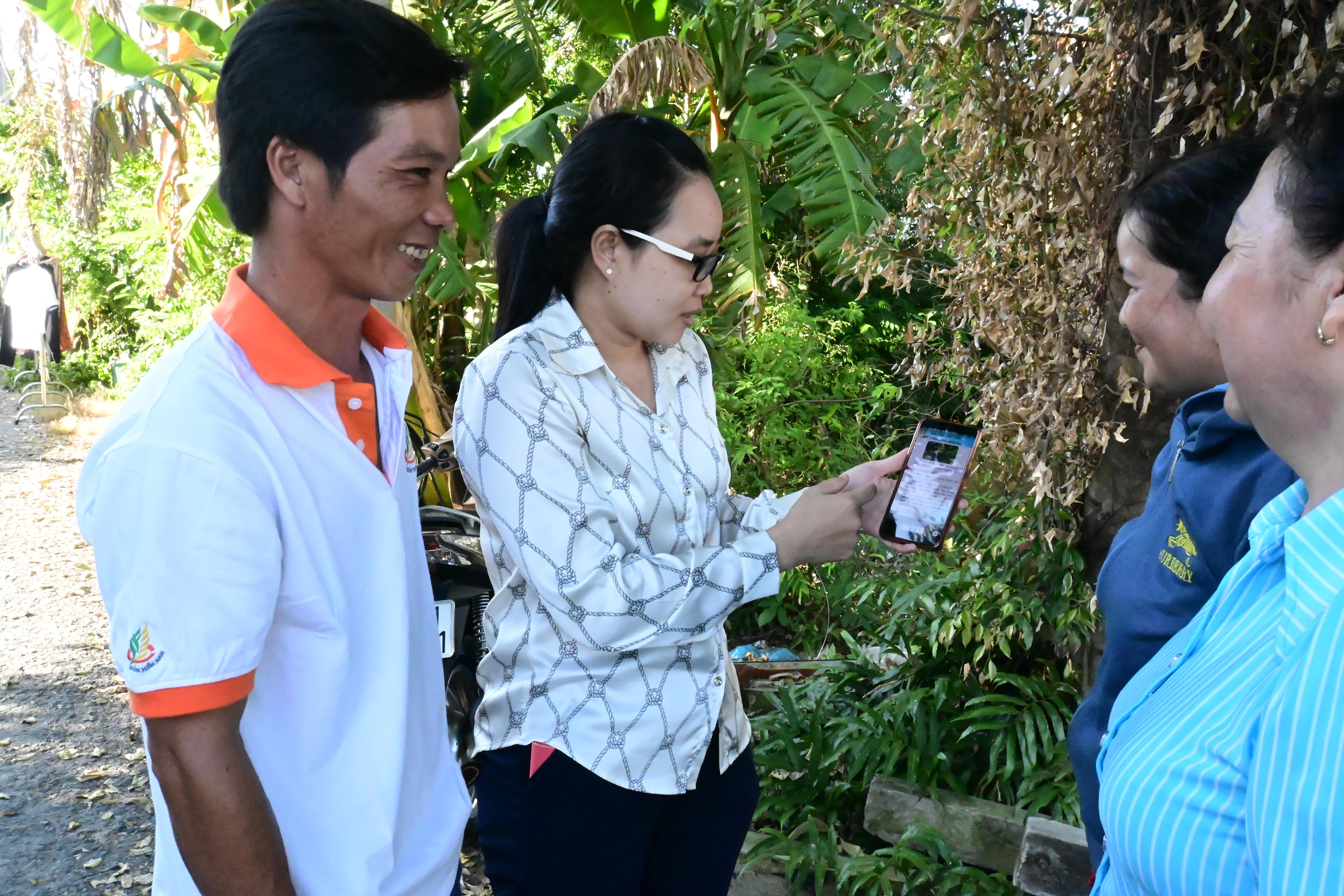
Amplifying farmers’ voices
The Alliance employed a multi-stakeholder and participatory approach in the implementation of the bulletins, securing farmers and local experts at the front and center of climate change action.
In a series of capacity sharing sessions since the launch of the ACBs in 2020, farmers and agriculture professionals have played key roles in developing the bulletins as they provide relevant expertise on the status of crop growth and local climate conditions in the area. They have also been involved in shaping the long-term development of the ACB: from the content, design, and timing of dissemination through communication channels such as online messaging groups and on-site meetings.
For Mr. Le Thanh Tung, vice director of DCP in the South of Vietnam, the participatory nature of the bulletins increases the tool’s sustainability: “The Department reaffirms its continued collaboration with the Alliance to further improve the bulletins towards digitalization, ensuring the efficiency and quality of advisories while making it more accessible to meet farmers’ needs.”

What’s next?
The recent recognition has fueled the Alliance and its partners to increase the reach of the bulletins, serving more smallholder farmers beyond the delta region, Climate Action Lead in Asia Cornelis Swaans said.
Applying Human-Centered Design principles, the ACB approach is being improved to ensure that users and partners are placed in the center of the development process. This approach guarantees that products and services are being adapted and improved based on evolving needs. Supplementary training materials are also being developed and will be integrated as QR codes in the bulletins’ 10-day advisory shared through Zalo, which will then be tested with users in the coming months.
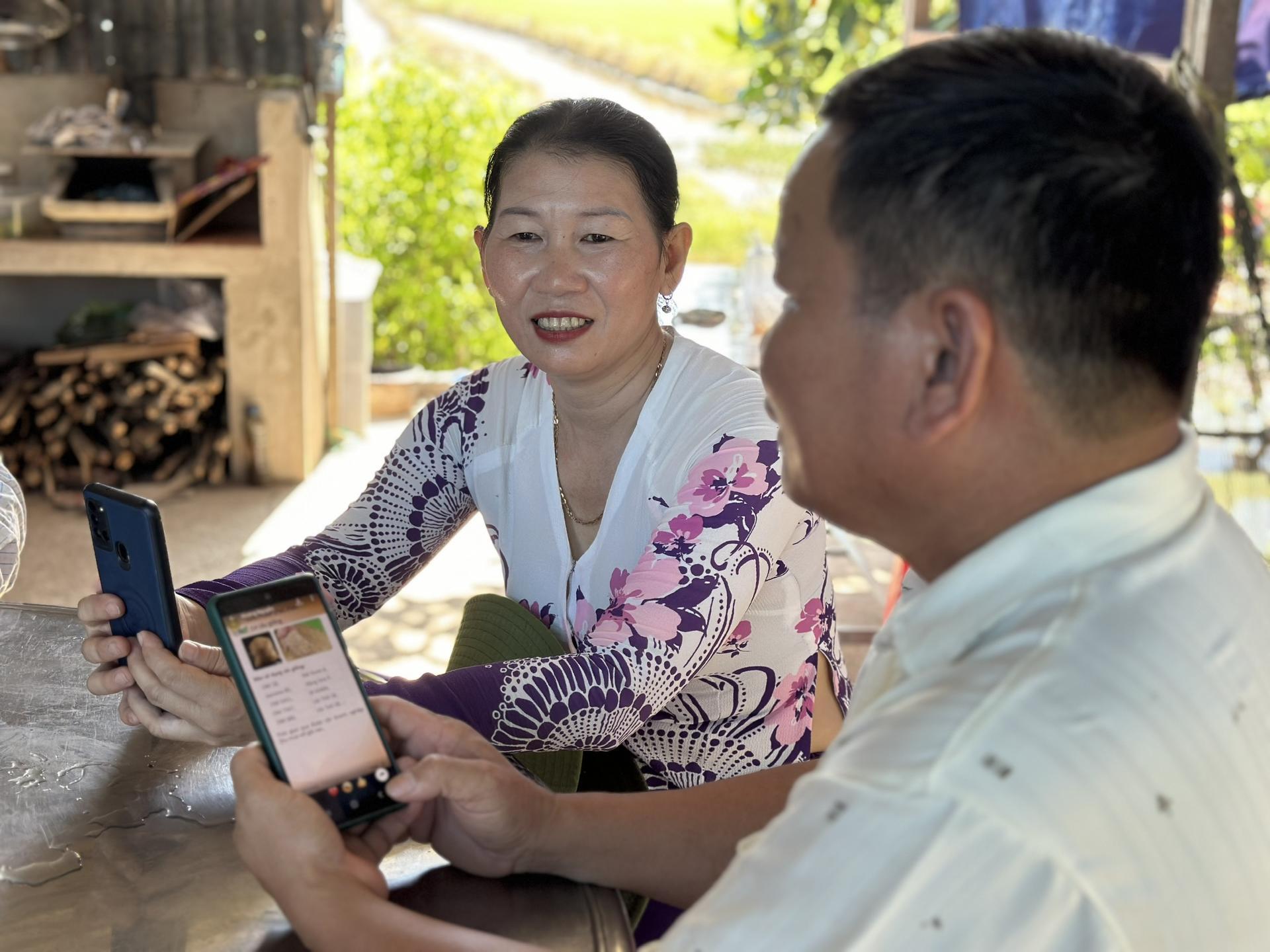
Farmers' discussion on new 10-day ACB distributed, An Giang province, November 2023.
The Alliance and DCP are keen to optimize the quality and dissemination processes of the bulletins through incorporating low-emission, nutrition-sensitive, and conservation agriculture practices advisories, and promoting two-way interaction with farmers.
With strong government buy-in, the bulletins will have an opportunity to be scaled up and out across Vietnam to help accelerate agricultural productivity and resilience to climate change while helping farmers stabilize their livelihoods under an unpredictable, ever-changing climate.
Meet the Team

Cornelis (Kees) Swaans
Senior Scientist
Tam Thi Le
Senior Research Associate
Huong Nguyen-Mai
Research Associate
Manh Lam Tuan
Research Associate
Ngoc Thi Bich Vu
Research Associate
James Edward Giles
Climate Strategy SpecialistOther team members: Lam Luong, Dung Pham, and Viet Quoc Hoang
Related Content