Press and News The Alliance of Bioversity and CIAT receives $2 million from Bezos Earth Fund to advance AI solutions for climate and nature
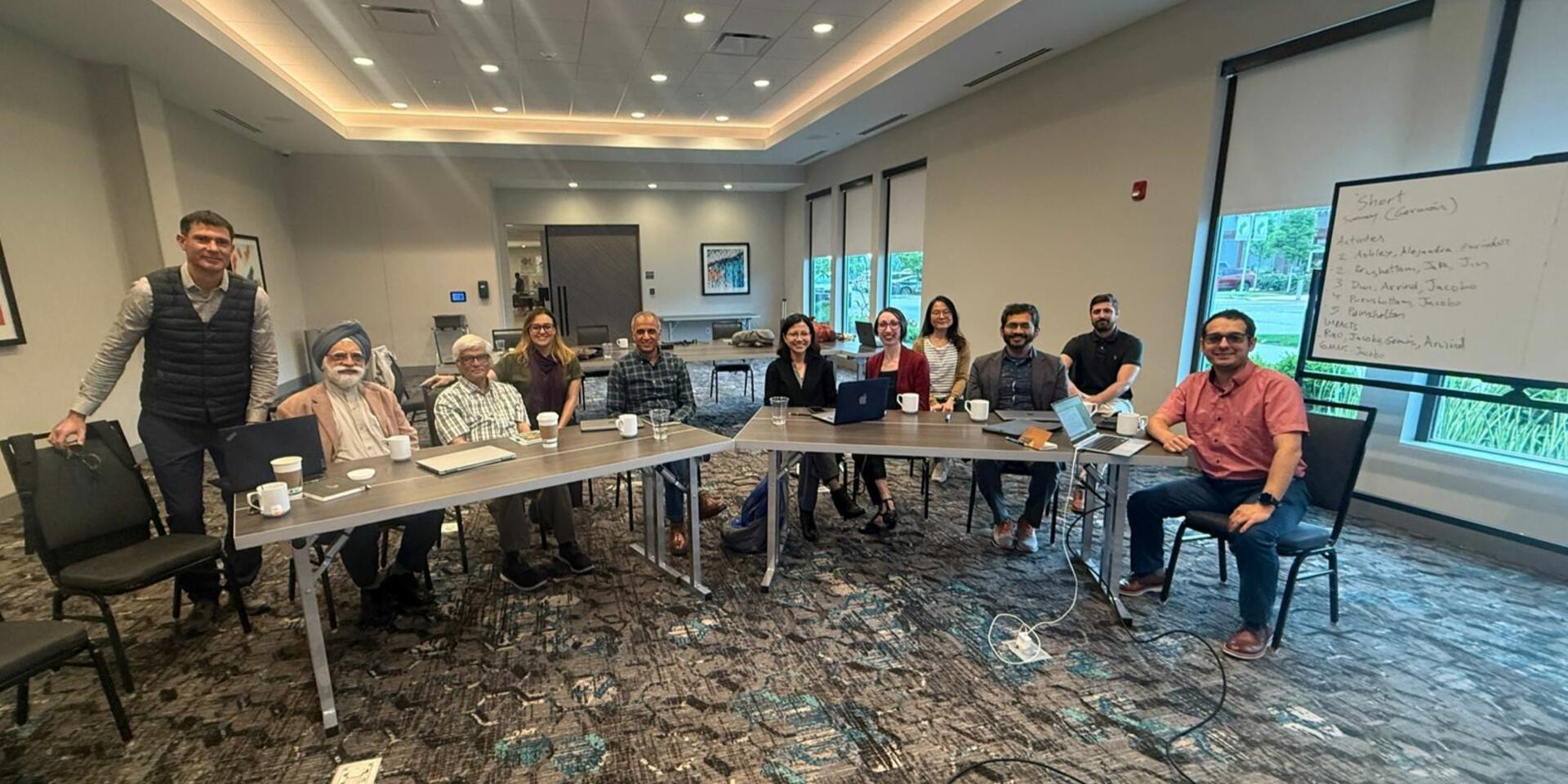

Cali, Colombia, October 23, 2025: The Alliance of Bioversity International and CIAT has been selected as one of 15 global teams awarded funding through the Bezos Earth Fund’s AI for Climate and Nature Grand Challenge, receiving up to $2 million USD to scale artificial intelligence (AI) solutions that address the world’s most pressing environmental challenges — ranging from biodiversity loss, food insecurity and climate change.
Launched in 2024, the Bezos Earth Fund’s AI for Climate and Nature Grand Challenge is a $100 million USD initiative that connects innovators with resources and mentorship from leading technology partners including AWS, Google.org, NVIDIA Corporation, Microsoft Research, AI2, and Esri. “These projects show how AI, when developed responsibly and guided by science and local knowledge, can strengthen environmental action and ensure its overall impact on the planet is positive,” said Dr. Amen Ra Mashariki, Director of AI and Data Strategies at the Bezos Earth Fund.
The team from the Alliance, in collaboration with the Yale University and Biomedit, will develop the ‘Rumen Digital Twin’—an AI-powered model that simulates virtual ruminant populations by integrating data on livestock, environments, diets, host genetics and microbiomes. This pioneering tool will empower communities, researchers and organizations seeking to investigate and predict the precise conditions and animal traits under which feed additives or other interventions are most effective, based on these context-dependent relationships between ruminants and their rumen microbiomes.
“This award enables us to accelerate our work toward the most effective and scalable methane mitigation solutions” said Dr. Jacobo Arango, Tropical Forages Program Leader at the Alliance and Scientist of the project. “By combining artificial intelligence with biological data, we can bridge these knowledge gaps and start replacing the lengthy and costly animal trials with advanced simulations.”
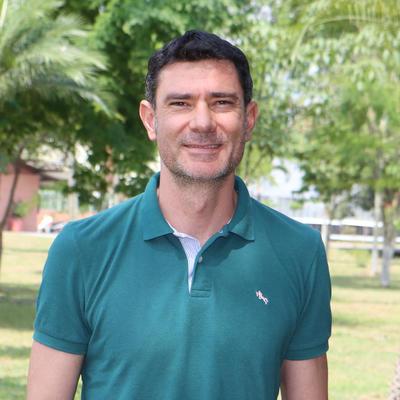
Jacobo Arango
Program Leader, Tropical ForagesBy modeling these intricate biological and environmental interactions, the Rumen Digital Twin will generate new insights from publicly available and newly generated datasets representing over 20,000 ruminants across more than 25 countries. The model will enhance the precision and scalability of methane mitigation strategies, benefiting companies and organizations developing and commercializing methane-reducing technologies, feed and forage production firms, ruminant breeding programs and carbon credit initiatives, and accelerating the research, development and deployment of effective enteric methane mitigation technologies.
Mitigation of enteric methane—a natural byproduct of microorganisms in the rumen, the pre-gastric compartment where ruminants ferment forage before digestion—is among the most effective ways to slow climate change. Yet, the biological complexity of the rumen ecosystem has limited consistent progress in reducing emissions. With the Rumen Digital Twin advancing our understanding of the rumen ecosystem, we can overcome one of the key barriers to scaling climate-smart livestock solutions: the performance of methane mitigation interventions strategies under diverse production systems.
About the Alliance of Bioversity International and CIAT
The Alliance of Bioversity International and the International Center for Tropical Agriculture (CIAT) delivers research-based solutions that harness agricultural biodiversity and sustainably transform food systems to improve people’s lives. Alliance solutions address the global crisis of malnutrition, climate change, biodiversity loss and environmental degradation. With novel partnerships, the Alliance generates evidence and mainstreams innovations to transform food systems and landscapes so that they sustain the planet, drive prosperity, and nourish people in a climate crisis.
The Alliance is part of CGIAR, a global research partnership for a food-secure future.
For more information or for interview requests:
Anny Yedra
Tropical Forages communications
Email: [email protected]
Jacobo Arango
Program Leader, Tropical Forages Program
Email: [email protected]
Further reading