Blog Science Week 2025: The Alliance dreams big for impact
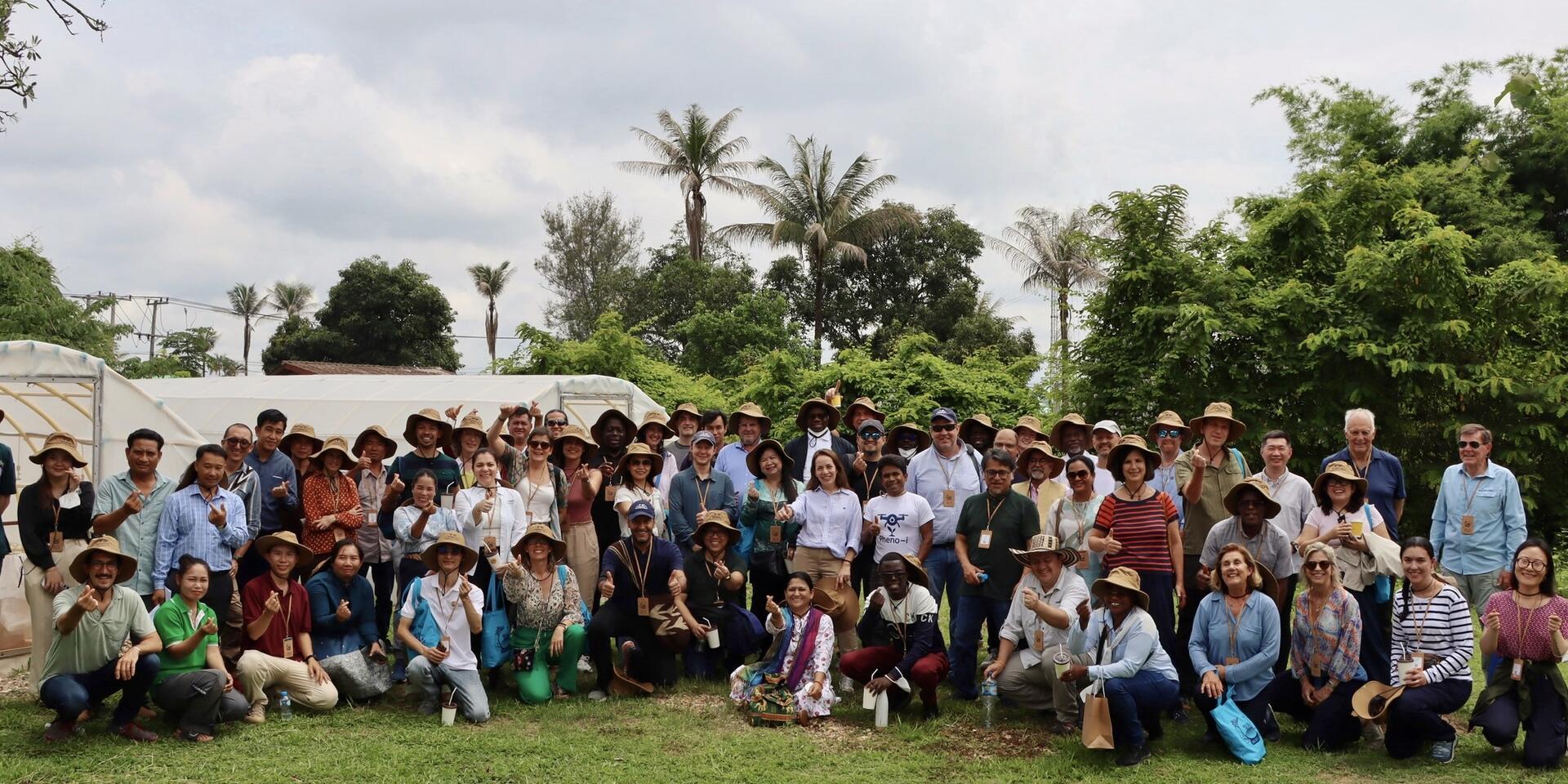

 From June 9–13, scientists gathered to share ideas and innovations at Science Week: The Alliance’s annual event to exchange knowledge and accelerate collaboration around food systems research. This year’s conference took place in Vientiane, Laos, where the Alliance has a strong research and field presence. In this recap, we invite you to explore the emerging topics covered and hear from some of our guest speakers.
Fresh perspectives at the frontiers of food systems

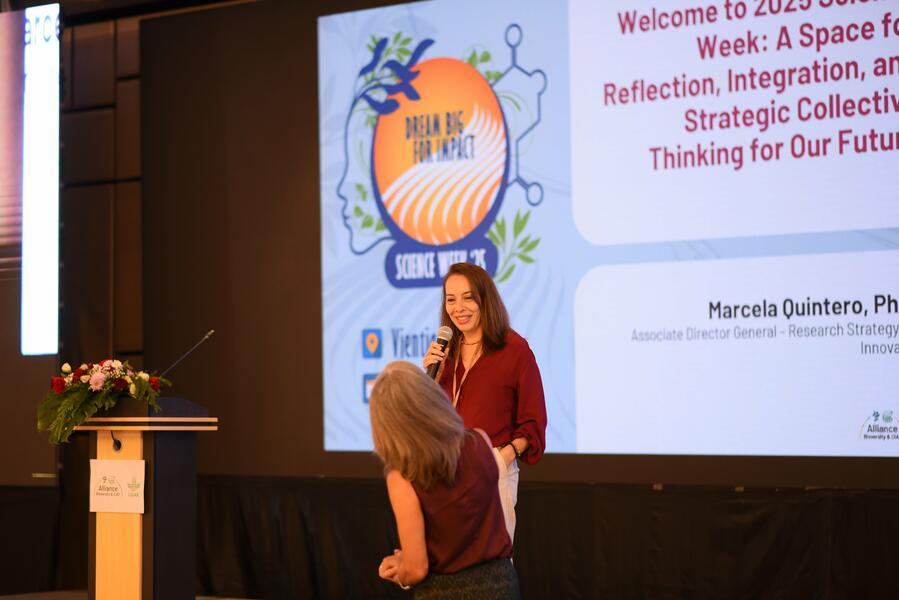
What is required to transform food systems: from production, to markets, to consumption? This week, we delved deeper into the themes driving our work in Asia, Africa and Latin America, leveraging momentum of the five years since Bioversity International and CIAT joined as the Alliance. In her opening remarks, Alliance Associate Director General Marcela Quintero reflected on the Alliance’s approach:
“The Alliance was built with the purpose of responding to food system challenges. It is no longer about why we need food system transformation, it’s about how we can accelerate that change in a positive way.”
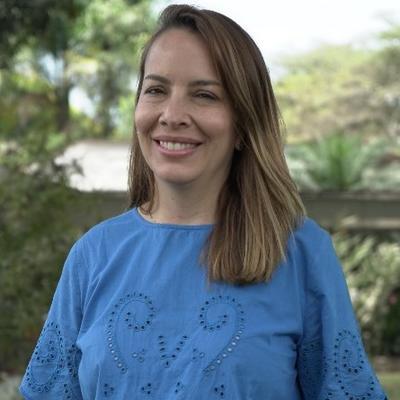
Marcela Quintero
Associate Director General, Research Strategy, and Innovation
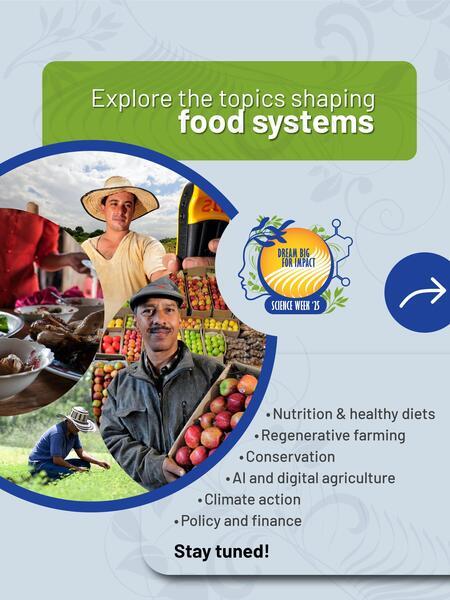
From influencing enabling food environment policies to conserving the world’s nutritionally and economically valuable crops, the Alliance continues to advance science that aligns with national and subnational priorities across regions. This week serves as a launchpad towards a refreshed strategy for 2025-2030, focusing on key trends:
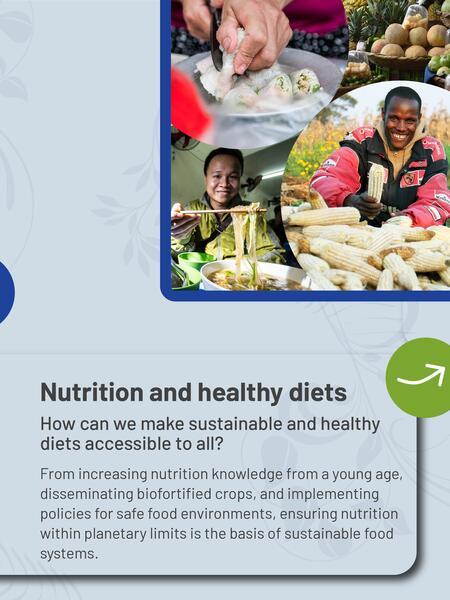
- Healthy diets and Nutrition
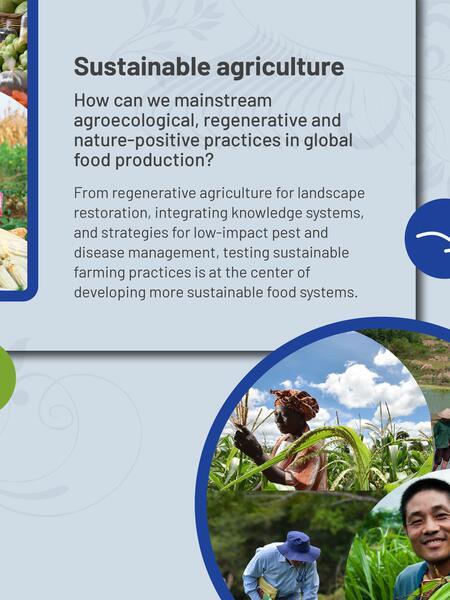
- Forms of sustainable agriculture
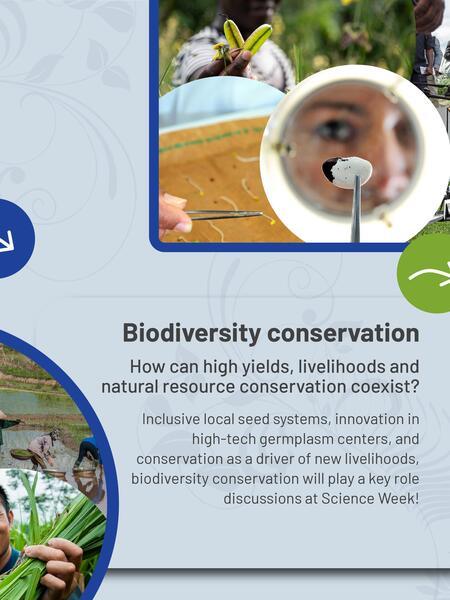
- Agrobiodiversity conservation and use
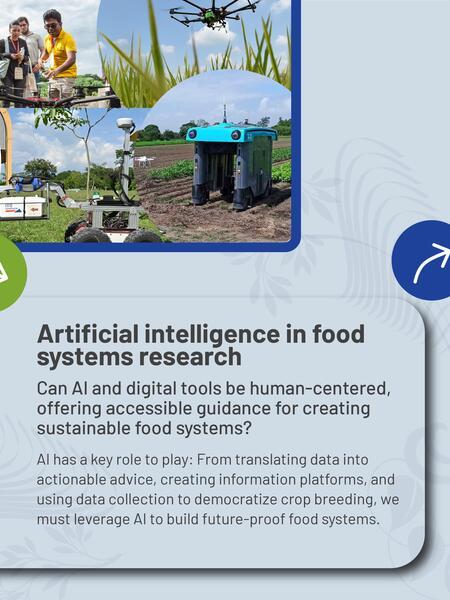
- Artificial Intelligence for sustainable food systems
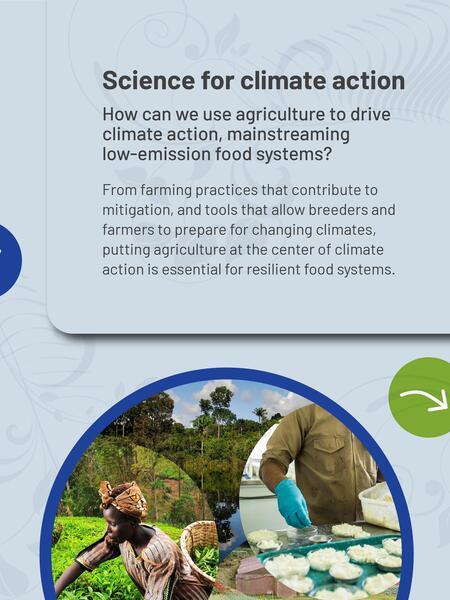
- Science for climate action
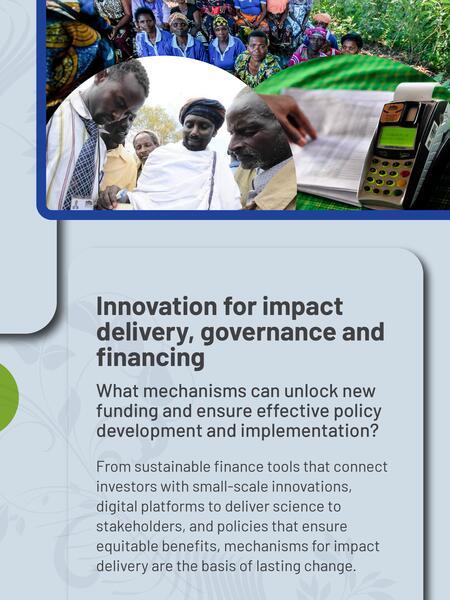
- Innovations for delivery and finance
We invited experts from other organizations and walks of life to share their perspectives on timely challenges and opportunities in a series of keynote sessions:
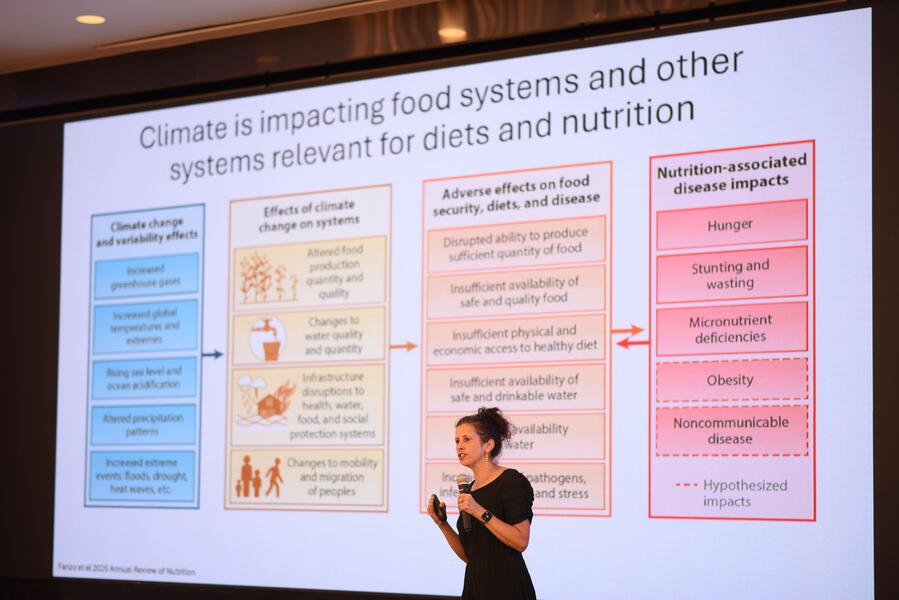
Jessica Fanzo, Professor of Climate and Food at Columbia University:
“In a moment of potential geopolitical reconfiguration, there is both an imperative and an opportunity to advance unfinished policy agendas—eliminating malnutrition and fostering equitable, sustainable dietary improvements worldwide."
Meanwhile, Elliot Grant from the University of Cambridge underscored the nuanced ways that artificial intelligence may either replace, augment, or transform what we do, noting its potential to:
“accelerate breakthrough discoveries in agriculture... ensuring equitable access to nutrition.”
Balancing the importance of food security with planetary boundaries, The Anh Dao - Vice-President of the Vietnam Academy of Agricultural Sciences – brought to attention the importance of mainstreaming more sustainable production systems:
"To reach impact at scale, sustainable agriculture, agroecology and nature-based solutions should be integrated into food systems transformation, and collaborative action research should be conducted at the landscape and territorial levels, co-creating innovations with local actors.”
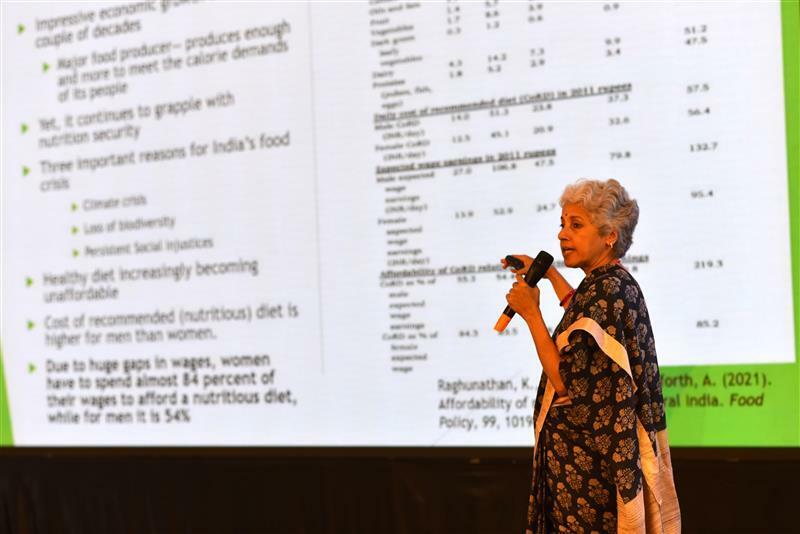
Raising the question of using food systems transformation as a driver of social inclusion, Soumya Swaminathan highlighted the role of women in food systems, sharing the latest statistics on land ownership, decision-making power, and strategies to ensure greater equality for the benefit of all.
Contextualizing the exchange of knowledge and discoveries, Colin Khoury, biodiversity and botanical garden expert, concluded:
“Let’s talk about what we know, what we don’t, and the big questions we need to answer to create impact in the coming years.”
Explore research outcomes shared during Science Week



Lacing up our boots to stay grounded
Guest speaker Patrick V. Verkooijen, President and CEO of the Global Center on Adaptation:
“Science must get out of the lab and into the field: that’s how we turn knowledge into action, and adaptation into opportunity.”
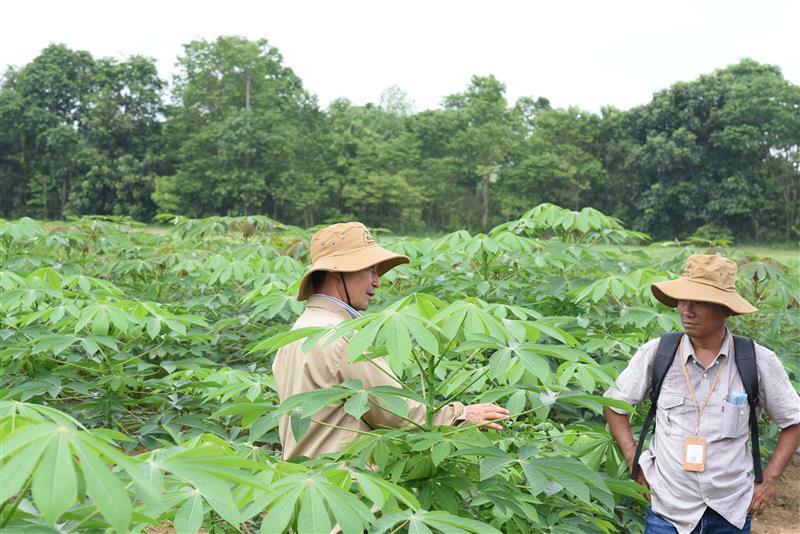
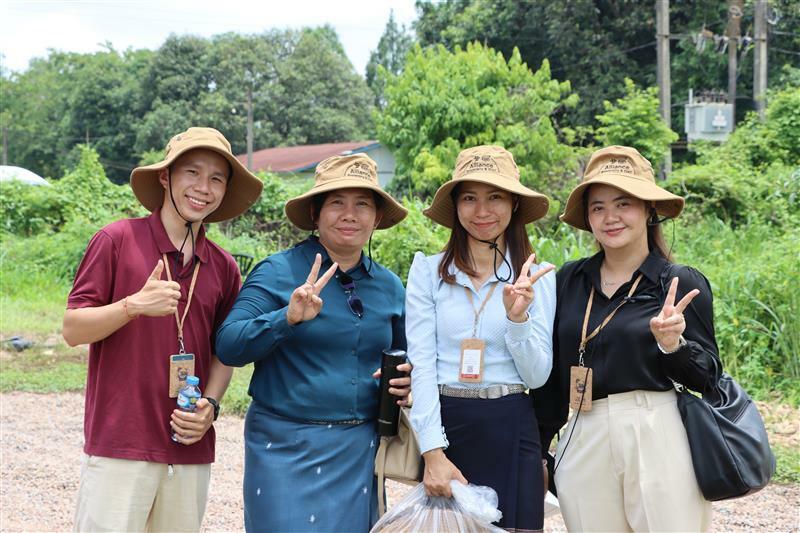
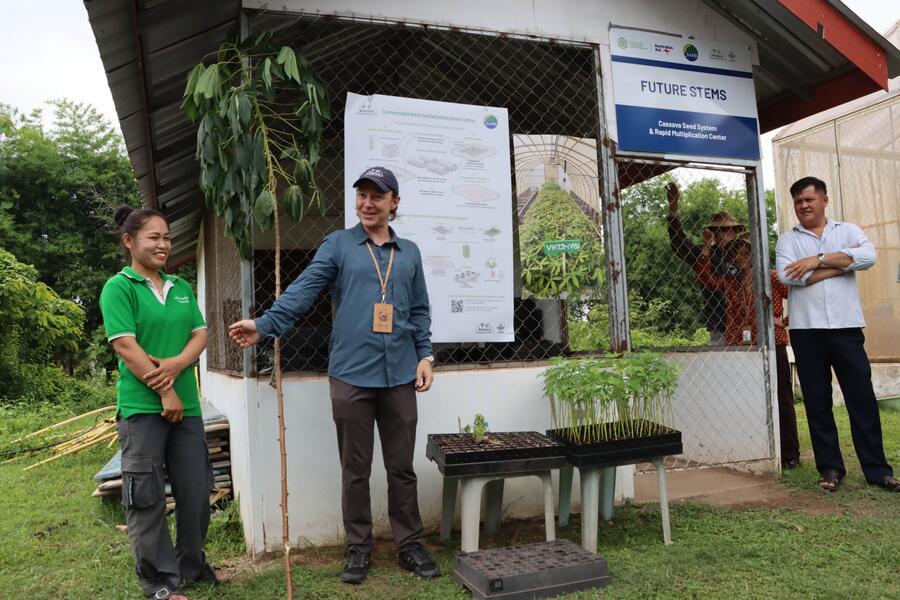
After previous editions of Science Week in Cali (2023) and Nairobi (2024), this year our scientists converged in Laos: a country where cutting-edge research is being done with breeders and farmers. Part of the week involved a visit to our field station, ‘Future Stems’, where the main focus is stopping cassava diseases. Amidst a molecular and tissue culture lab shared with host research organization NAFRI, plus a greenhouse for rapid multiplication and fields for testing different varieties for disease resistance, the field trip demonstrated that our hands-on approach in Laos is very much about rapidly responding to the needs of an essential industry for local smallholder farmers.

Thanks to a wide-ranging network of partners such as ACIAR, plus connections to our gene bank collection at Future Seeds in Colombia, the Alliance has spearheaded efforts to identify the root causes of cassava diseases— most recently the rapidly spreading Cassava Witches’ Broom Disease— and worked with extension agents and farmer groups to halt it in its tracks.
Making dreams reality
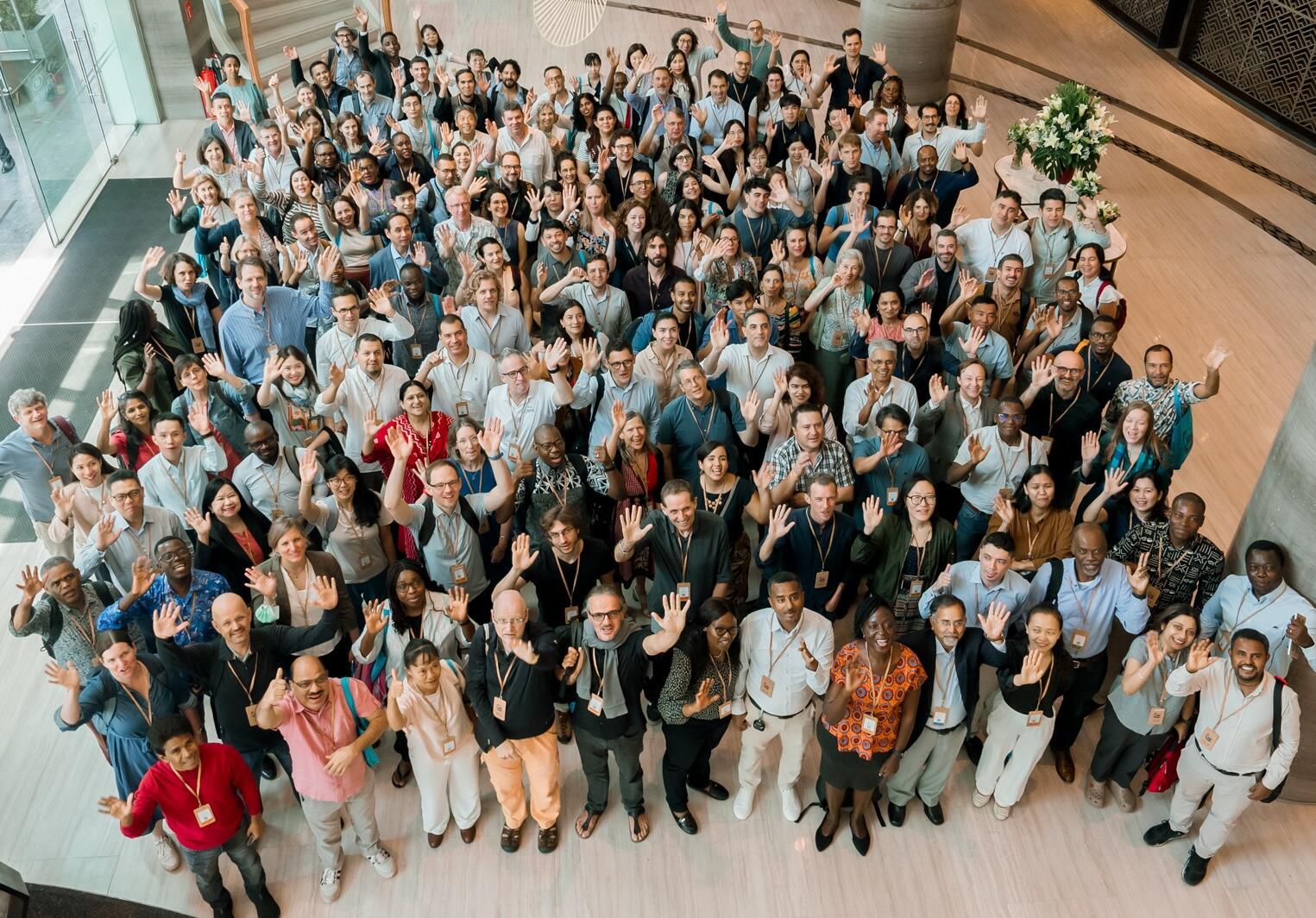
The scientists who gathered in Laos represented diverse disciplines, which unite to make the Alliance well-equipped to affect food systems change, in close collaboration with more than 400 partners. H.E. Chanthakhone Boualaphanh – Vice Minister of Agriculture and Environment of the Lao PDR, who opened the conference – affirmed the strong connections and shared vision between the Alliance and the countries where our research is making an impact:
“The role of science is critical. We are united in our belief that science must serve society, translating into tangible benefits for rural communities and ensuring access to affordable and healthy diets for those engaged in all sectors of the economy; this innovation must be inclusive, equitable, and context-specific.”
After this dynamic week of grounding great ambitions into tangible plans, our research teams are more committed than ever to look across disciplines and geographies and turn cutting-edge research into tangible change for people, ranging from producers to consumers. Stay tuned for more science news in the weeks to come.
Related content