Research Articles Under The Hammer: How Auctions Show Farmer Interest in Disease-Free Seed

In the midst of an industry-wide disease threat to cassava, researchers from the Alliance of Bioversity International and CIAT have found that farmers in Laos and Cambodia are willing to pay higher prices for disease-free, high-yielding seeds.
By Alie Galeon, Andrew Wight
Cassava is a key starchy crop in Laos (where it is known as "Man Ton"), making up $345 million in exports in 2022, the country’s top agricultural export. But cassava mosaic disease has had a considerable impact on farmer livelihoods since its arrival in a single field in Cambodia in 2015 and has since spread to over 60 provinces in at least five countries in the region. Cassava mosaic disease has started to spread in Laos, and farmers could lose 30-50% of their income; there have already been some declines in productivity at national levels.
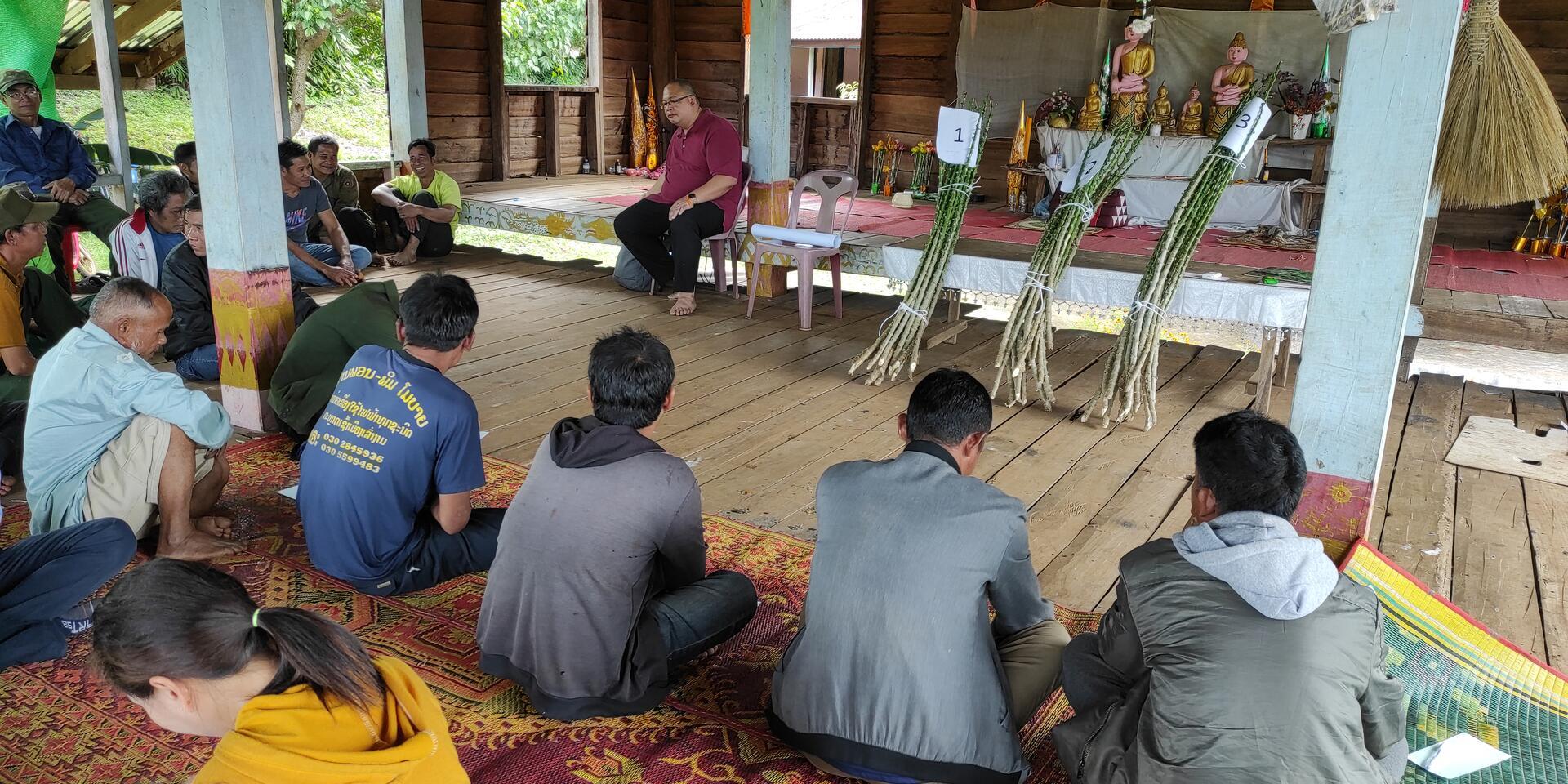
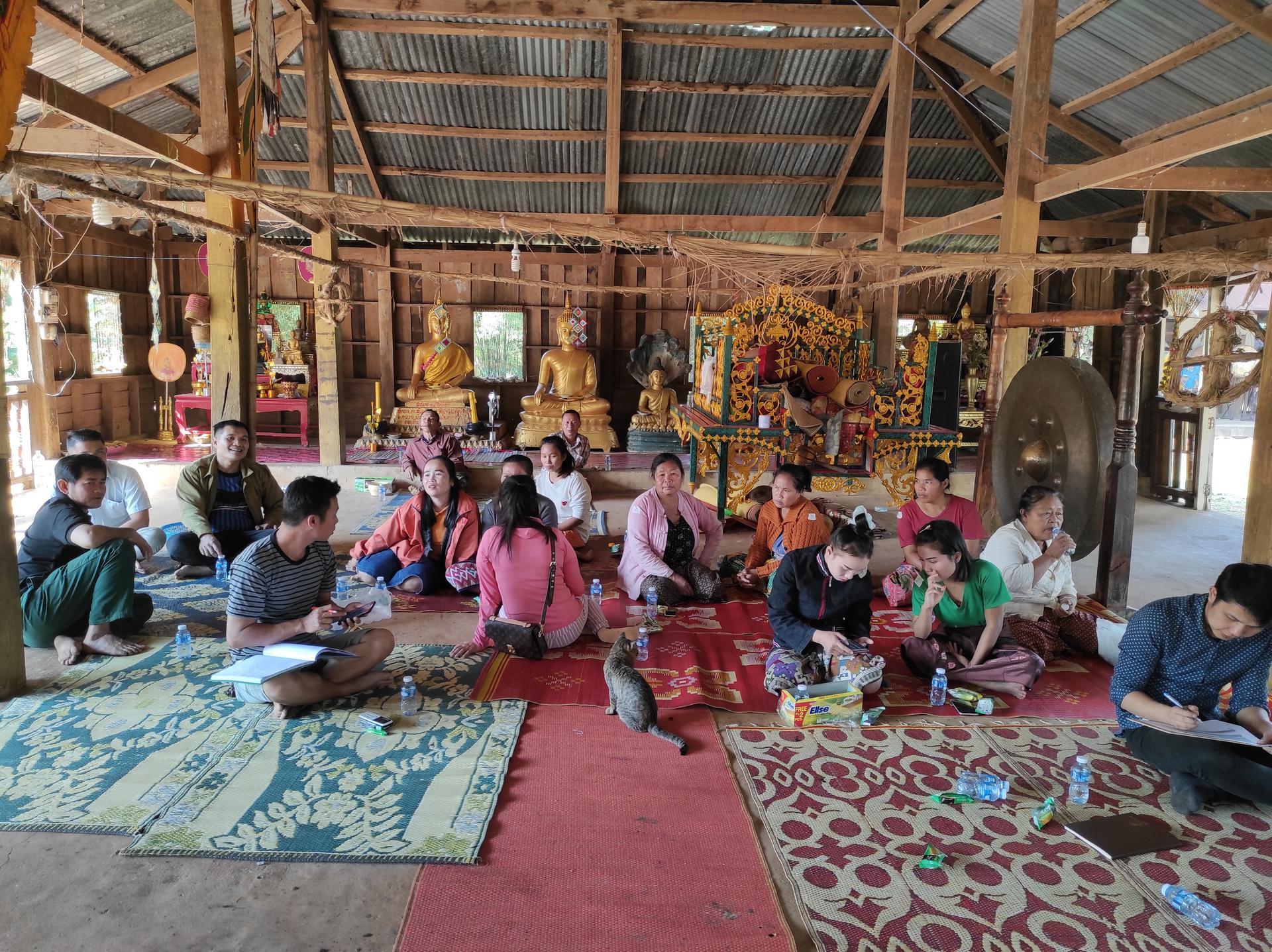
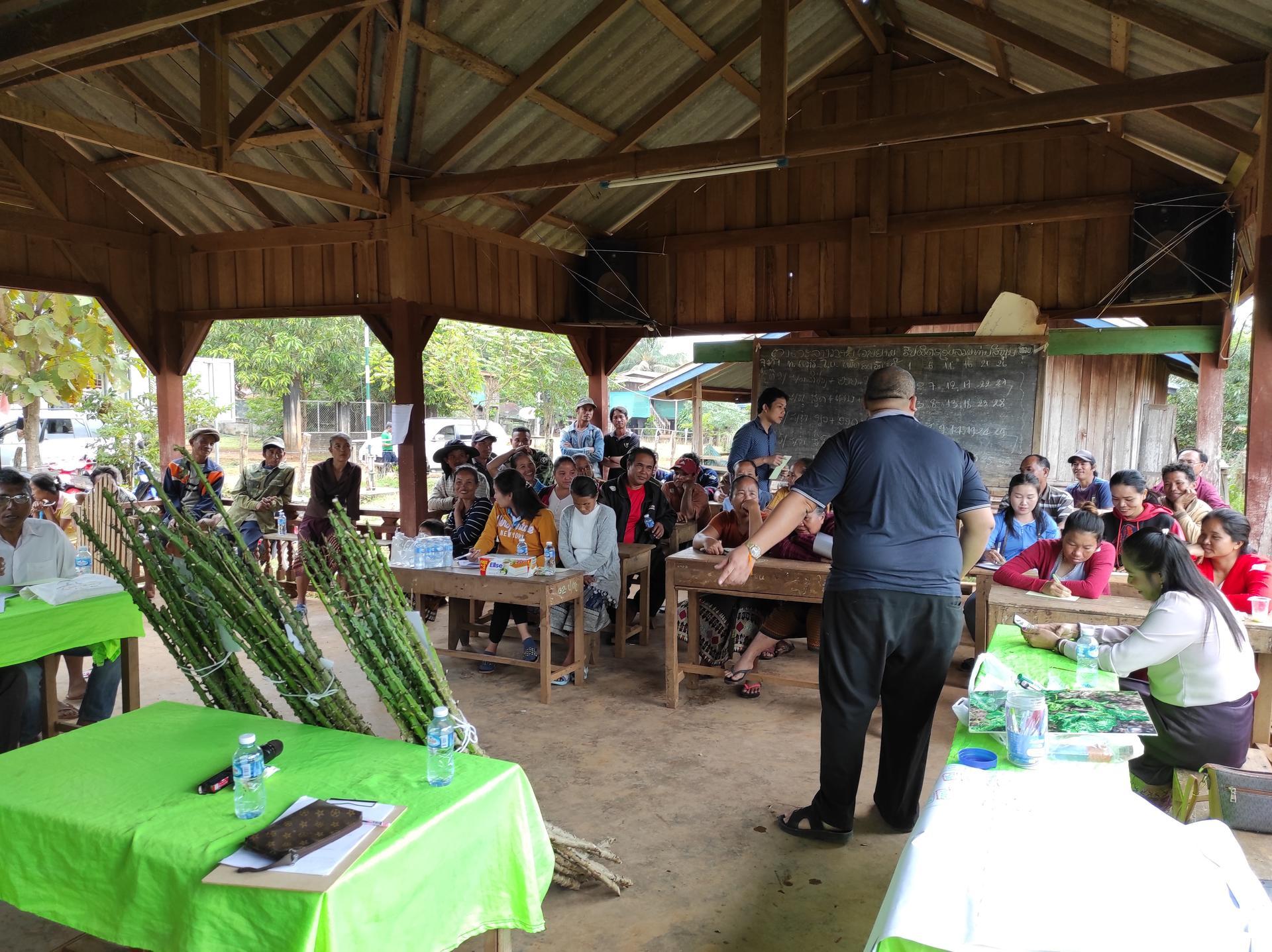
In a 2024 paper, published in the international journal Food Security, researchers from the Alliance of Bioversity International and CIAT conducted experimental auctions with hundreds of farmers across Laos and Cambodia, to gauge their willingness to pay for seeds with different characteristics.
Erik Delaquis, a Alliance of Bioversity International and CIAT scientist and first author of the study explains that the study put farmers in a real situation where they had to bid for seeds using their own money.
“The results show that farmers are willing to pay a significant premium for quality cassava seeds and this data is key to prove the feasibility of clean seed businesses as part of a sustainable solution for cassava mosaic disease and other diseases," he says, ““While controlling crop viruses is very challenging, innovations in the seed system are a critical component since in Asia the disease is spreading primarily through infected planting materials.”

Erik Delaquis
Scientist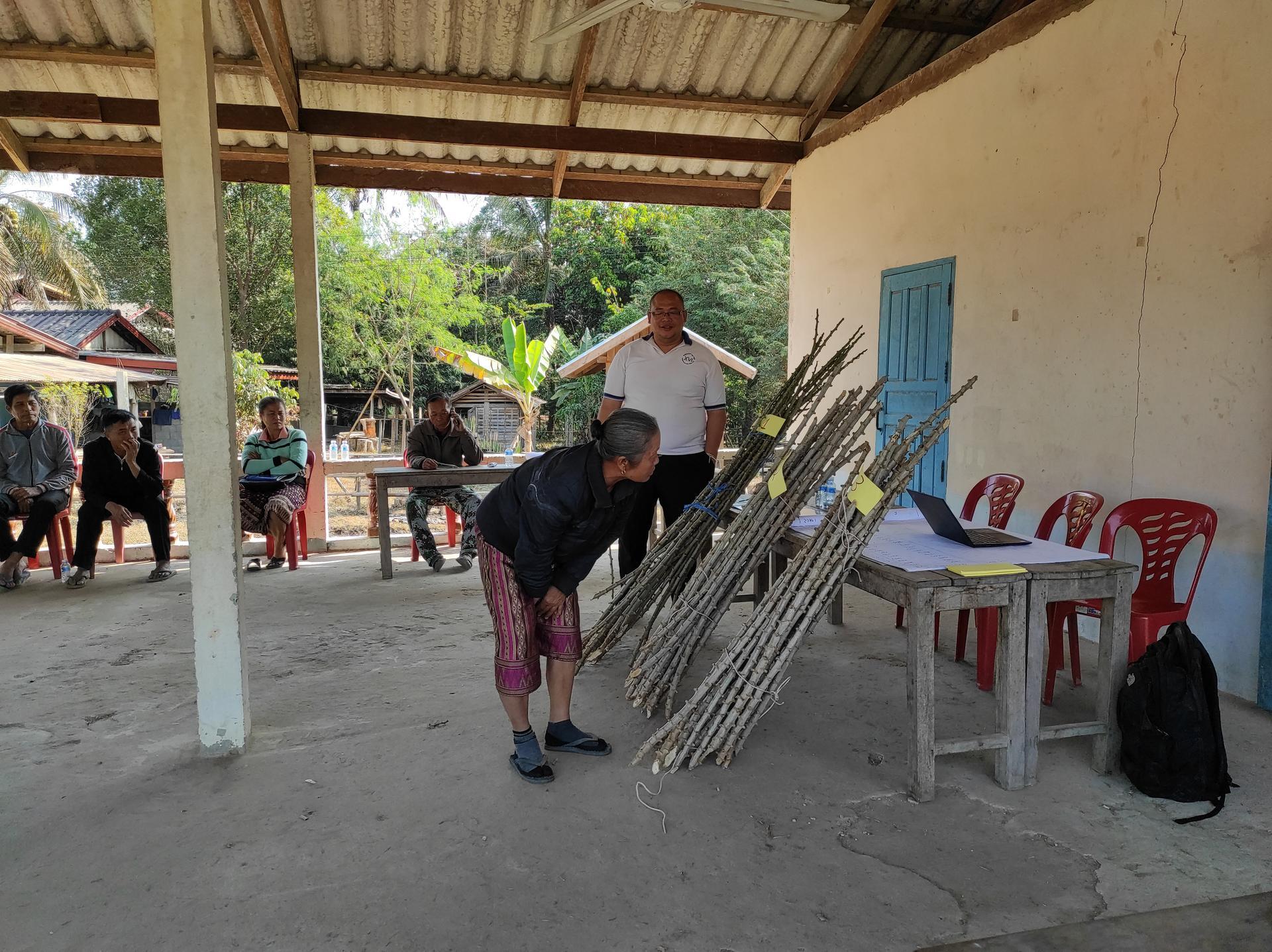
Auctions As A Research Tool
Delaquis explains that the study counters the conventional wisdom that farmers don’t want to pay for seed because cassava is a vegetatively propagated (clonal) crop.
“The auction study is important because it demonstrates that across Lao PDR and Cambodia, farmers will actually pay 30-100% more for less disease susceptible varieties and tested seed,” he says, “This shows that there's a real market demand that can support business models for clean seed multiplication, allowing us to get better varieties to farmers faster and at larger scale.”
Delaquis explains that to understand farmer preferences, researchers have traditionally used preference rankings or survey questions, but because there are no real-world consequences to answering a hypothetical question, the results are often unrealistic and don't match farmers' actual behavior.
One of the tools in the CGIAR toolbox for working with seed systems of roots, tubers, and bananas is experimental auctions.
“An alternative is giving farmers a chance to really buy the products we are talking about, the theory being that actions speak louder than words,” he says, “By using a competitive auction with farmers' own money, we can be more confident that they are showing us how they really feel; when it comes to getting new varieties adopted by farmers, participation is the name of the game.”
The Future
The study authors found that the results demonstrate the high willingness of households to enter the stem market at different prices, but that additional ideas are needed for nuanced price discovery in different contexts, to identify the total quantities demanded at different price points, and to design appropriate ways to get these seeds to farmers.
The researchers also recommended that policymakers and social programs aiming to make sure that marginalized groups benefit from ongoing cassava production increases should focus on the identification of barriers to both quality and accessibility of stems.
Delaquis explains that the Alliance's breeding program is working with regional breeding programs to release varieties resistant to the cassava mosaic disease and to create crosses to get that resistance into elite, high-yielding Asian varieties.
“In addition, we are working on another seed-borne disease called Cassava Witches Broom (CWBD), and for the eventual arrival of diseases from other parts of the world (Cassava Brown Streak Disease, Cassava Frogskin Disease),” he says, “When resistant varieties are released, it falls upon the seed system to get them into the hands of farmers; The Alliance is very active in the development of seed system technologies and models to do this more efficiently in the face of these coming challenges.”
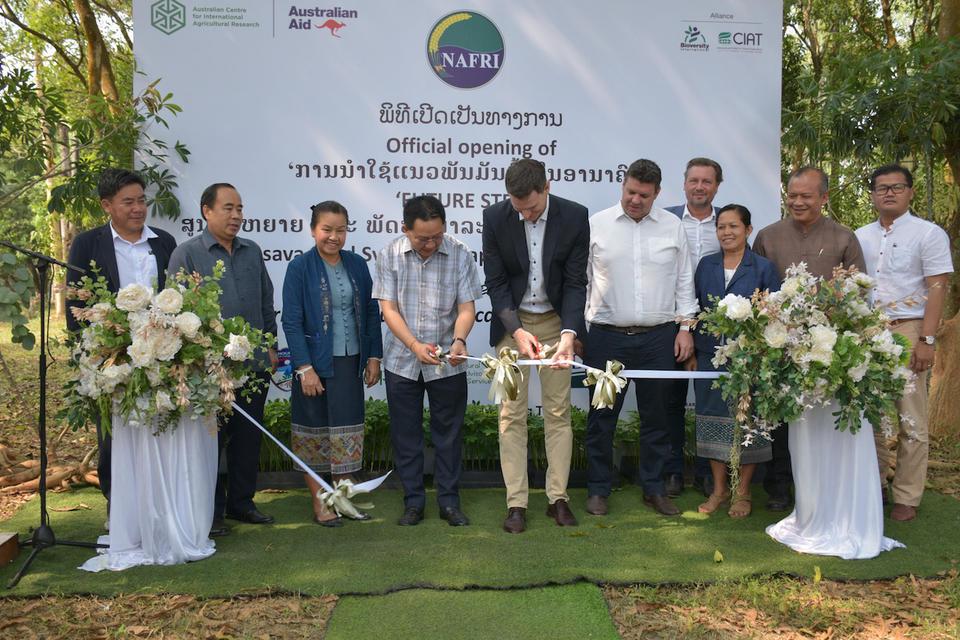
This work was done in collaboration with Wageningen University & Research, NAFRI in Laos, and CARDI in Cambodia.