Blog A4IP Flagship Event 2025 recap: Innovating agri-food research & development models for a changing landscape

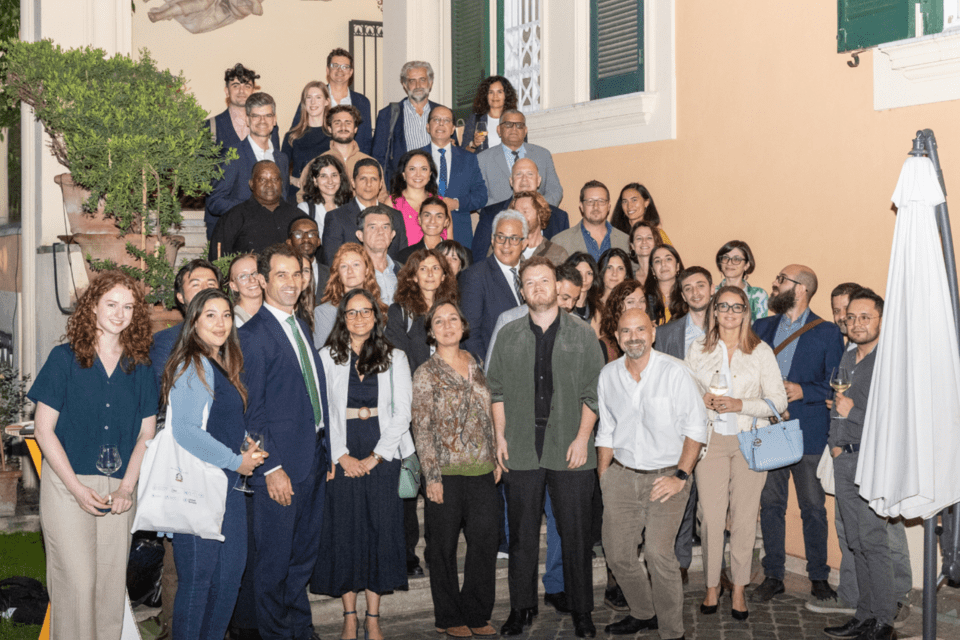
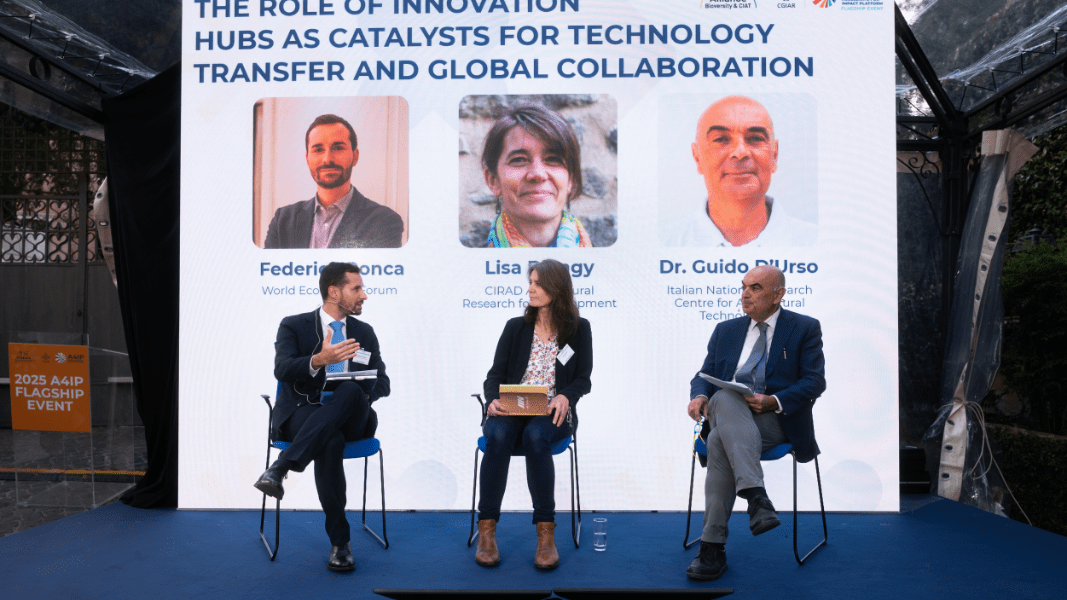
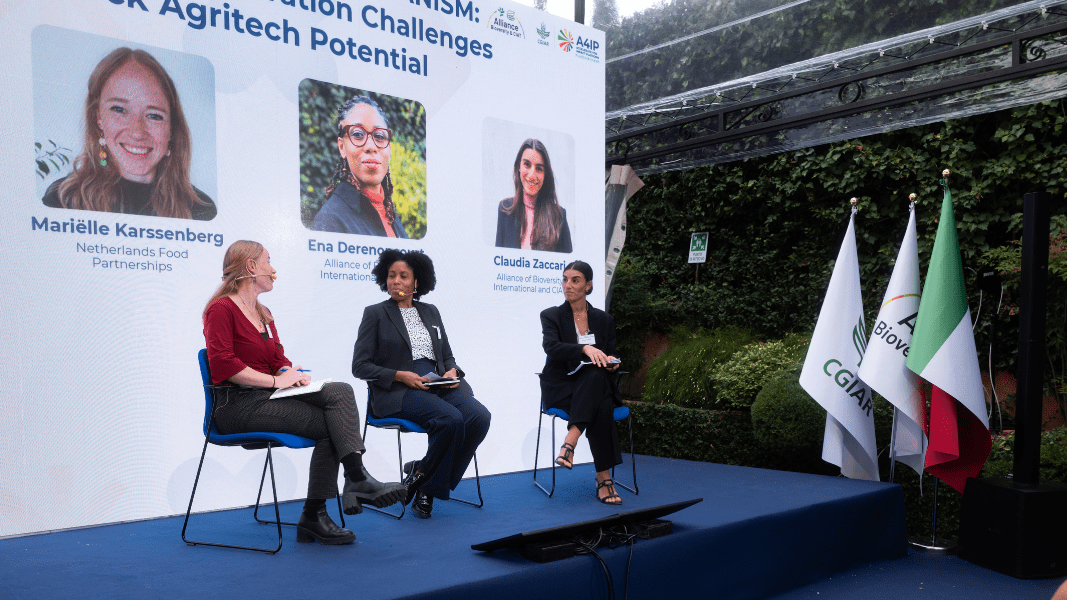
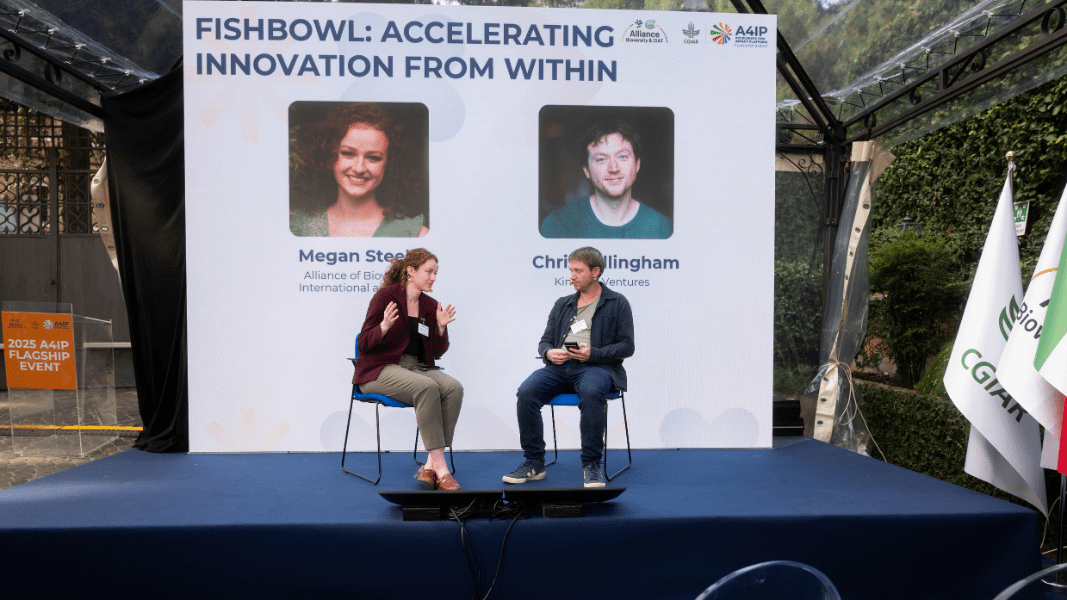
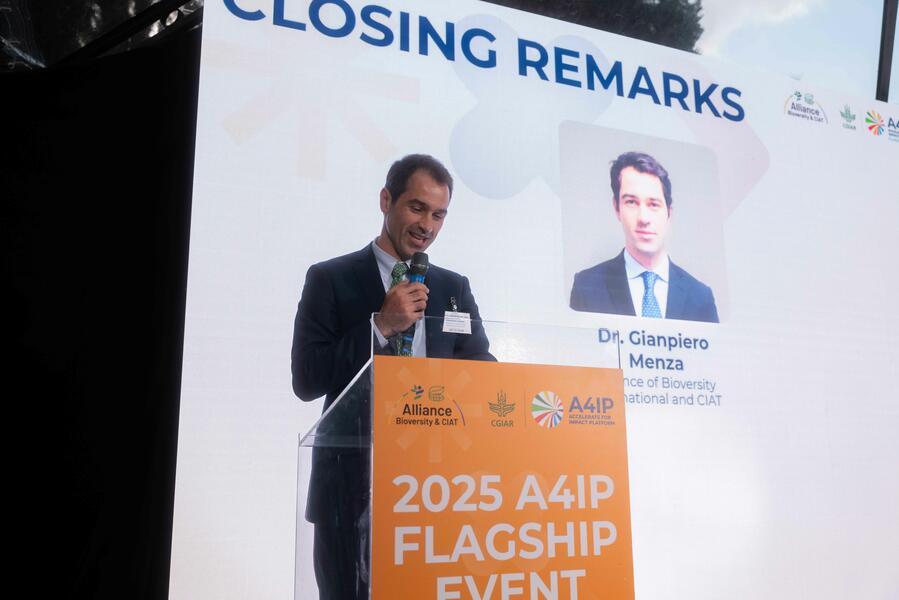
On 15 October 2025, the A4IP Flagship Event convened leaders from research, industry, government, finance, and the startup ecosystem to explore how science based solutions in agrifood, climate, and sustainability can move from discovery to large-scale deployment in a rapidly changing world.
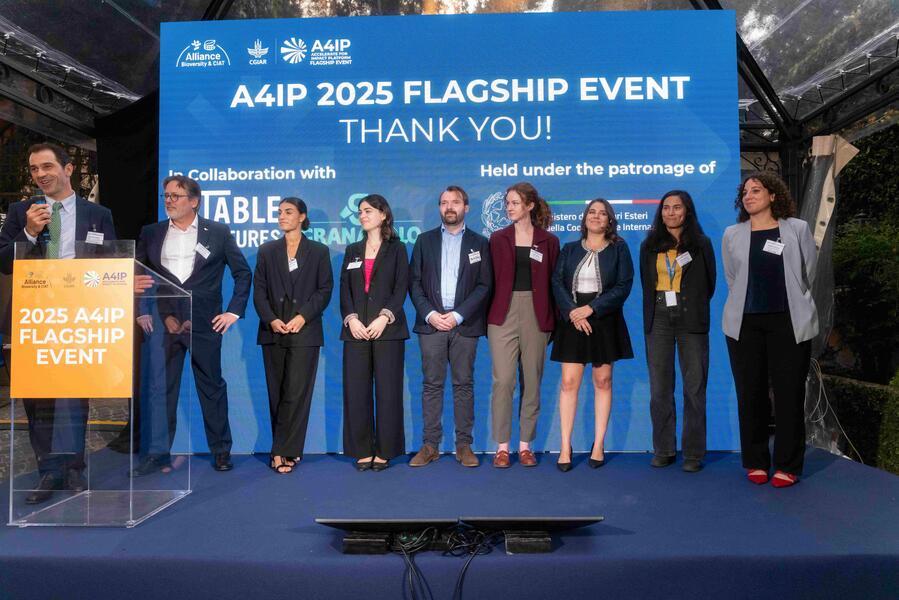
Held under the patronage of the Italian Ministry of Foreign Affairs and International Cooperation, and organized in collaboration with Eatable Adventures Fund and the Granarolo Group, the event showcased how new models of collaboration, financing, and entrepreneurship are driving the next frontier of agri-food innovation.
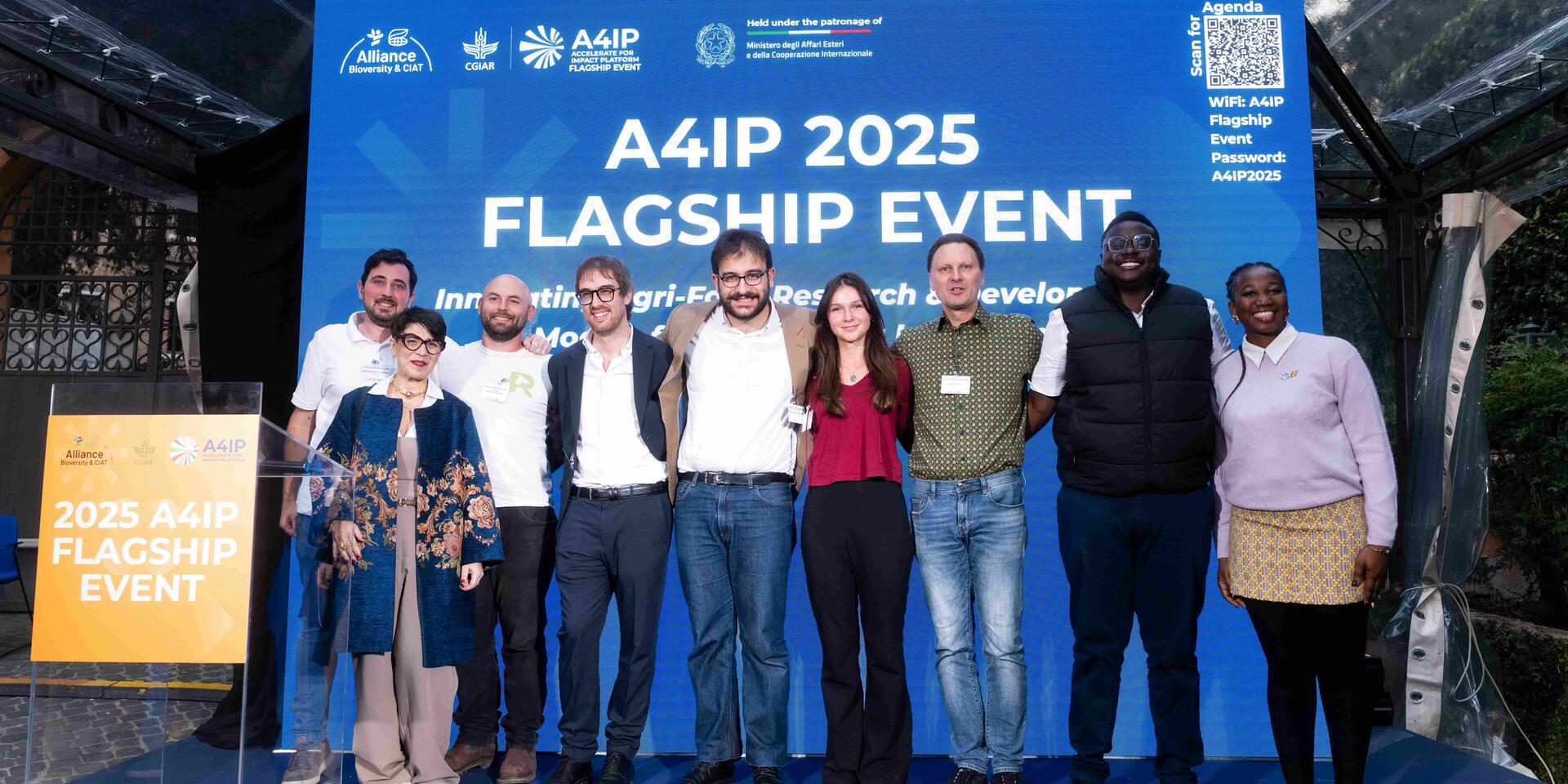
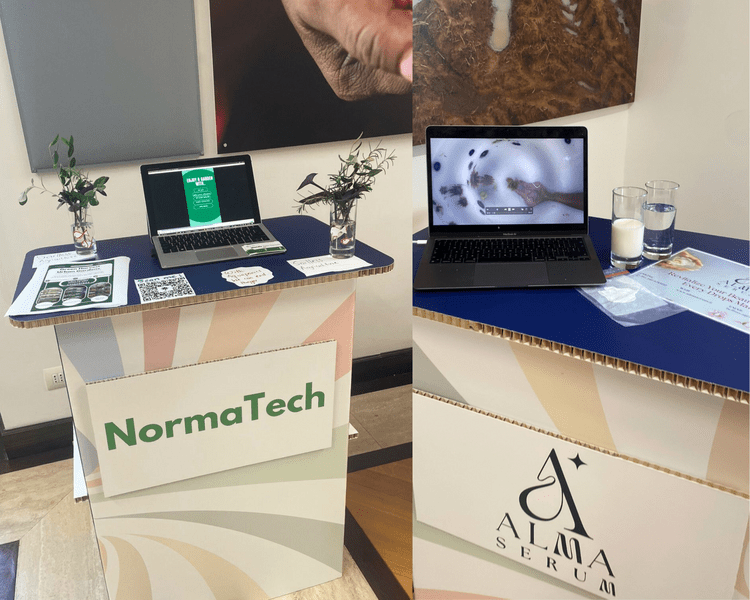
The day-long event at the Alliance of Bioversity International and CIAT headquarters in Rome, brought together over 170 participants in person, more than 350 online attendees, and 51 speakers from 47 organizations, featuring 11 cutting edge Agritech solutions and 8 hours of dynamic, insight-driven dialogues.
The event underscored a powerful message: turning science into real-world impact requires a new generation of collaboration models—where ideas, finance, and partnerships converge to drive systemic change in global food systems.
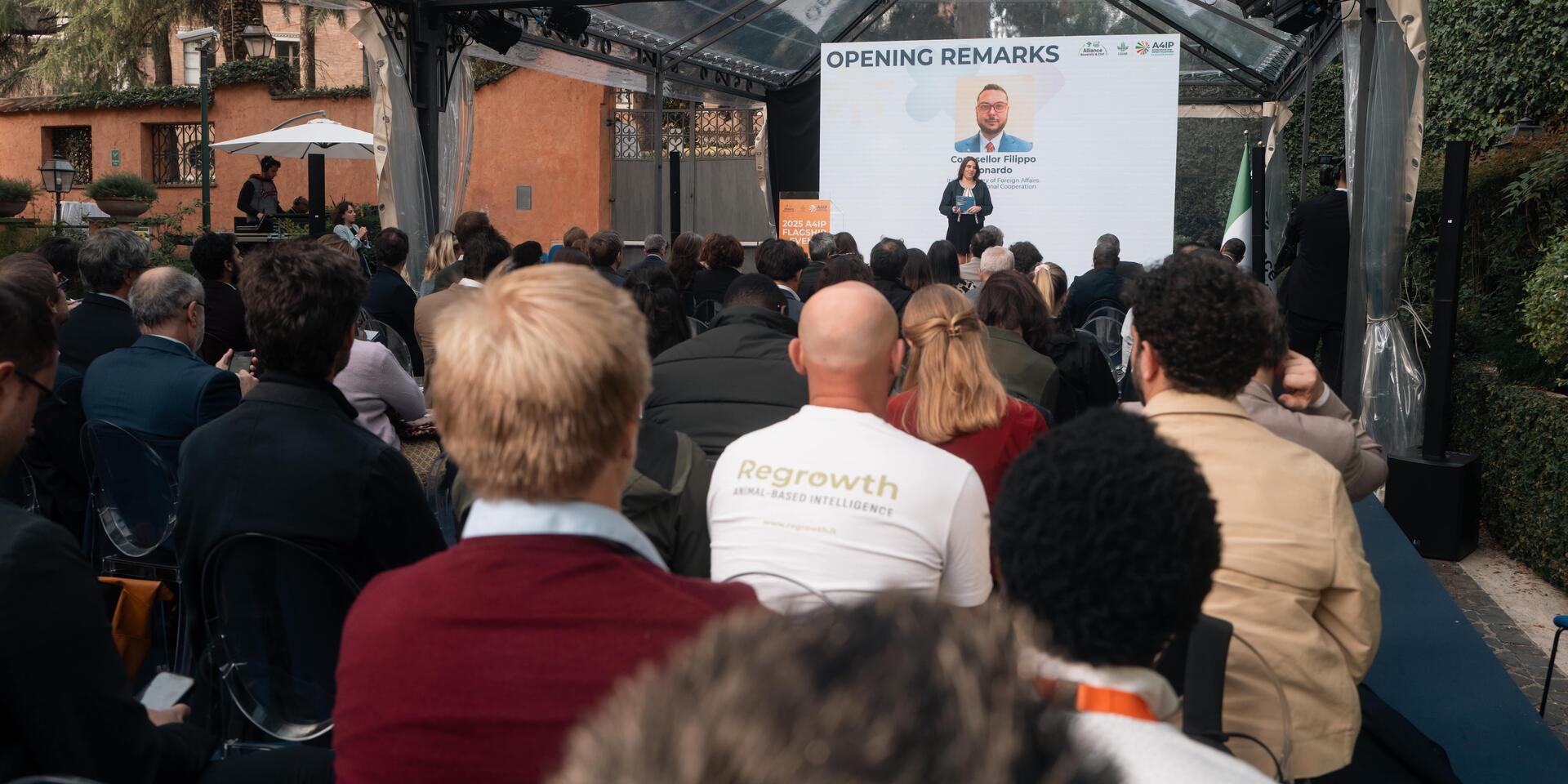
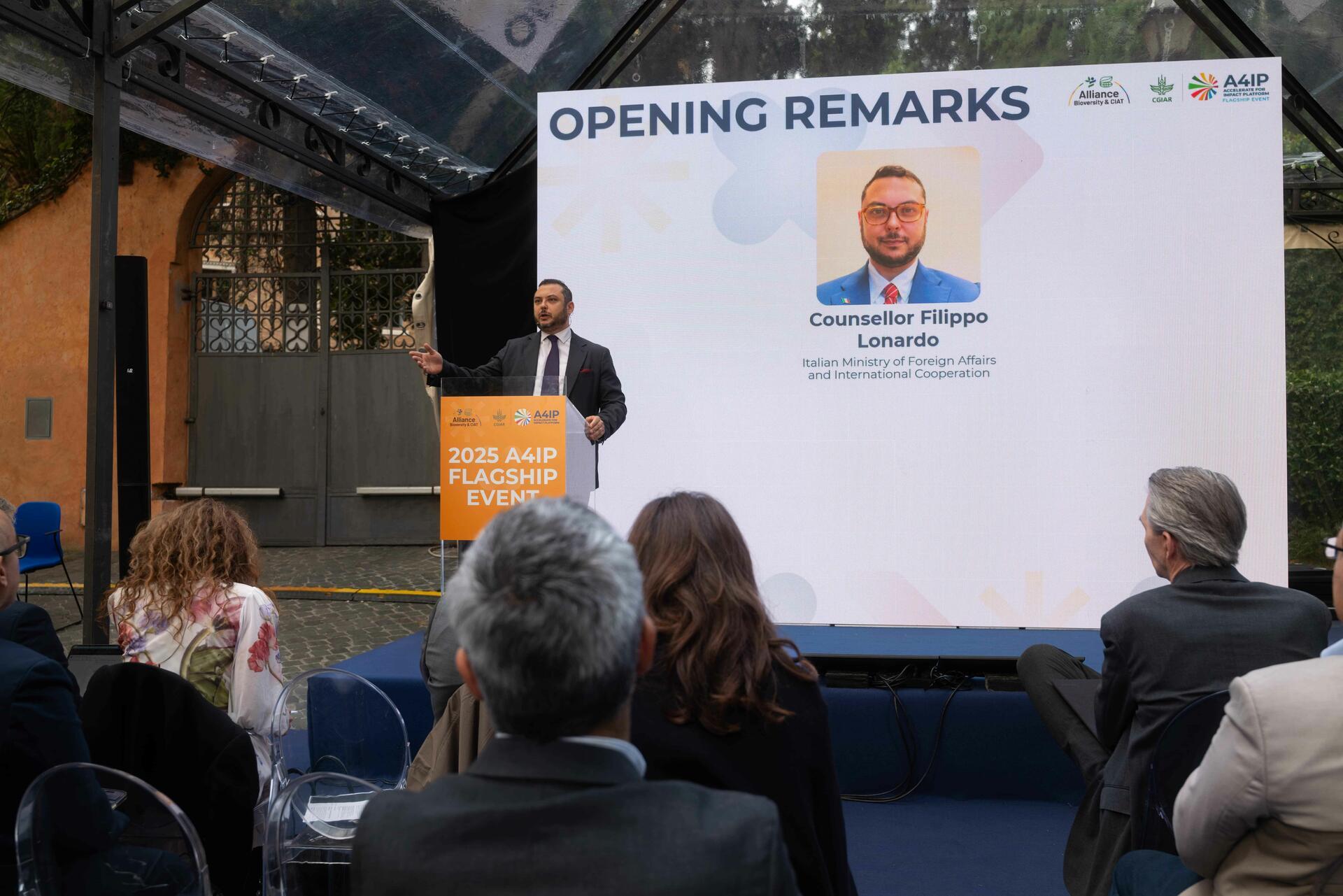
“We are facing a moment where it is deeply necessary to work with integrated systems, to work on a basis of partnerships, to work with the goal of achieving a very strong participation on a multi-stakeholder's level in all our interventions,” noted Counsellor Filippo Lonardo, Deputy Head of Unit for Finance for Development, Environment and Digital at the Italian Ministry of Foreign Affairs and International Cooperation.
From ideation to impact: Six key takeaways
Across the panels, sessions, and startup pitches, experts and entrepreneurs engaged in a high-level dialogue on innovation, technology transfer, and entrepreneurship, with a clear focus on turning science into real-world impact. Below are the key takeaways from the discussions:
- AI is reshaping scientific discovery and ideation: From field data collection and crop monitoring to precision farming, AI is becoming a core driver of agricultural innovation. For scientists and innovators in food systems transformation, AI is no longer optional.
- A new generation of scientists is embracing entrepreneurship: Increasingly, purpose-driven researchers are looking beyond academic publications, launching startups through diversified business models, and co-developing innovations that create tangible impact.
- Derisking and diversifying investment in agtech is critical: The current funding slowdown has raised questions about whether traditional venture capital models fit agriculture’s long timelines. There is a growing need for patient capital and blended finance, with public funding playing a key role in reducing investment risk.
-
Innovation must be context-specific:
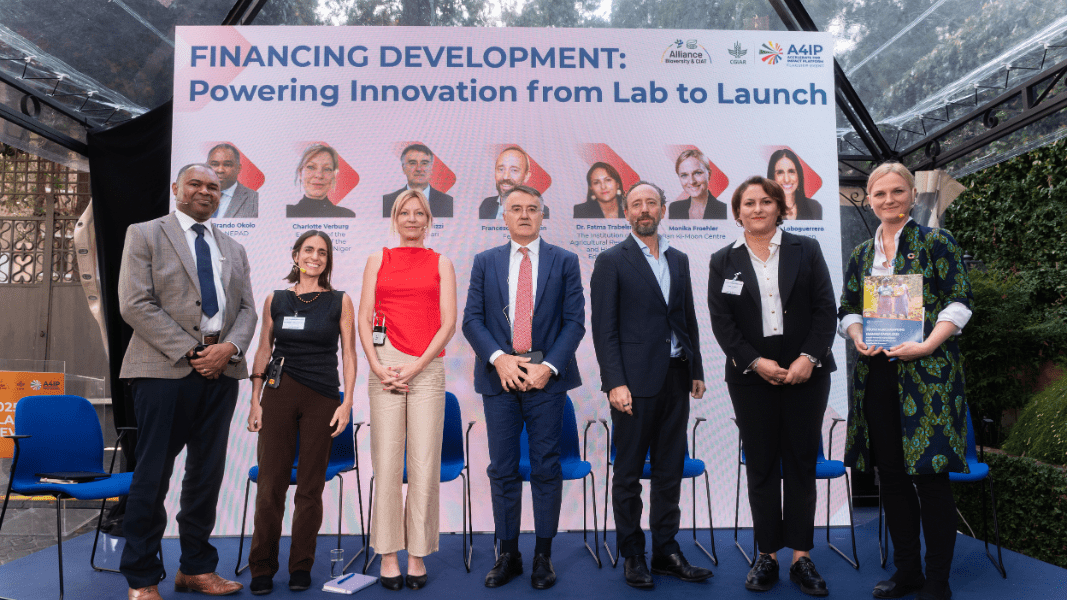
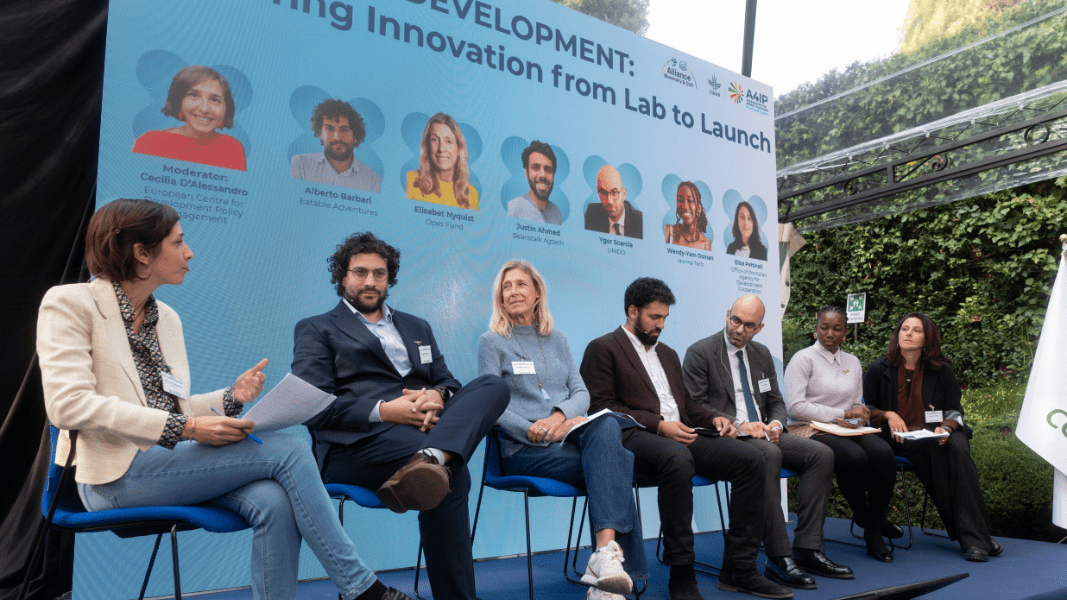
“Put the users in the center — the farmers. They already have knowledge and maybe some solutions themselves, but the enabling environment is not helping them to really thrive. If you start from their realities, innovations can become more effective and better embedded in local livelihoods,” emphasized Charlotte Verburg, First Secretary of Water and Food Security Advisor, Embassy of the Kingdom of the Netherlands, Niger.
Technology and data alone aren’t enough. Solutions must be tailored to farmers' diverse realities, respecting cultural, ecological, and economic contexts, especially as data becomes a competitive asset for farmers.
- Unusual partnerships are essential
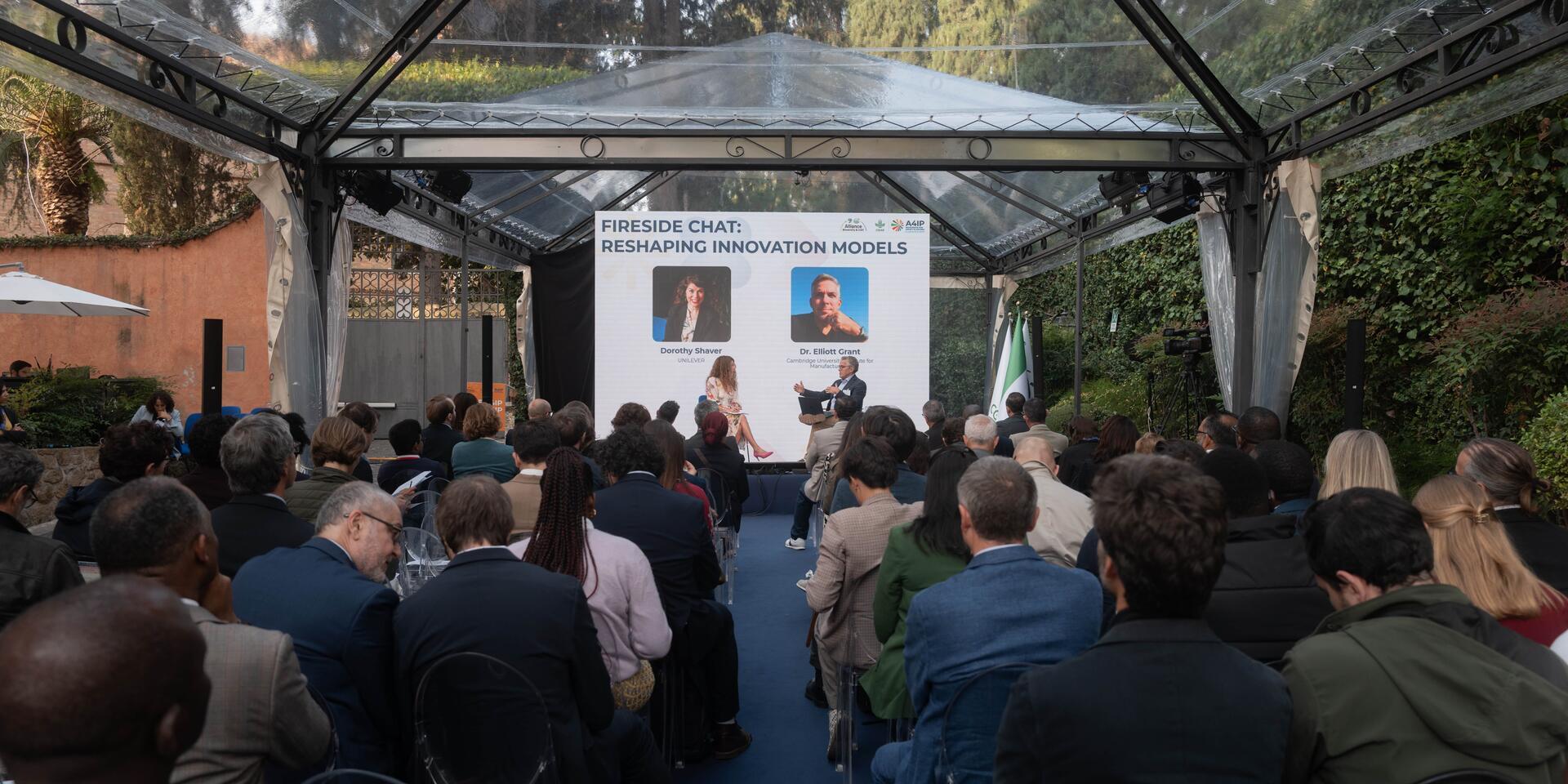
“I think the big shift that we have seen is actually the shift from calling things pilots and lighthouses to moving to scale. Urgency has really finally hit corporates, particularly food corporates, when it comes to what’s happening as a result of climate change in food and agriculture. So what I’ve seen is actually more uptake in changing agricultural practices to safeguard our food for the future,” shared Dorothy Shaver, Global Foods Sustainability Lead, Unilever Food Business Group.
Stronger international cooperation, public-private partnerships, and multi-stakeholder engagement— facilitated through decentralized innovation hubs — will accelerate tech transfer and empower local innovation.
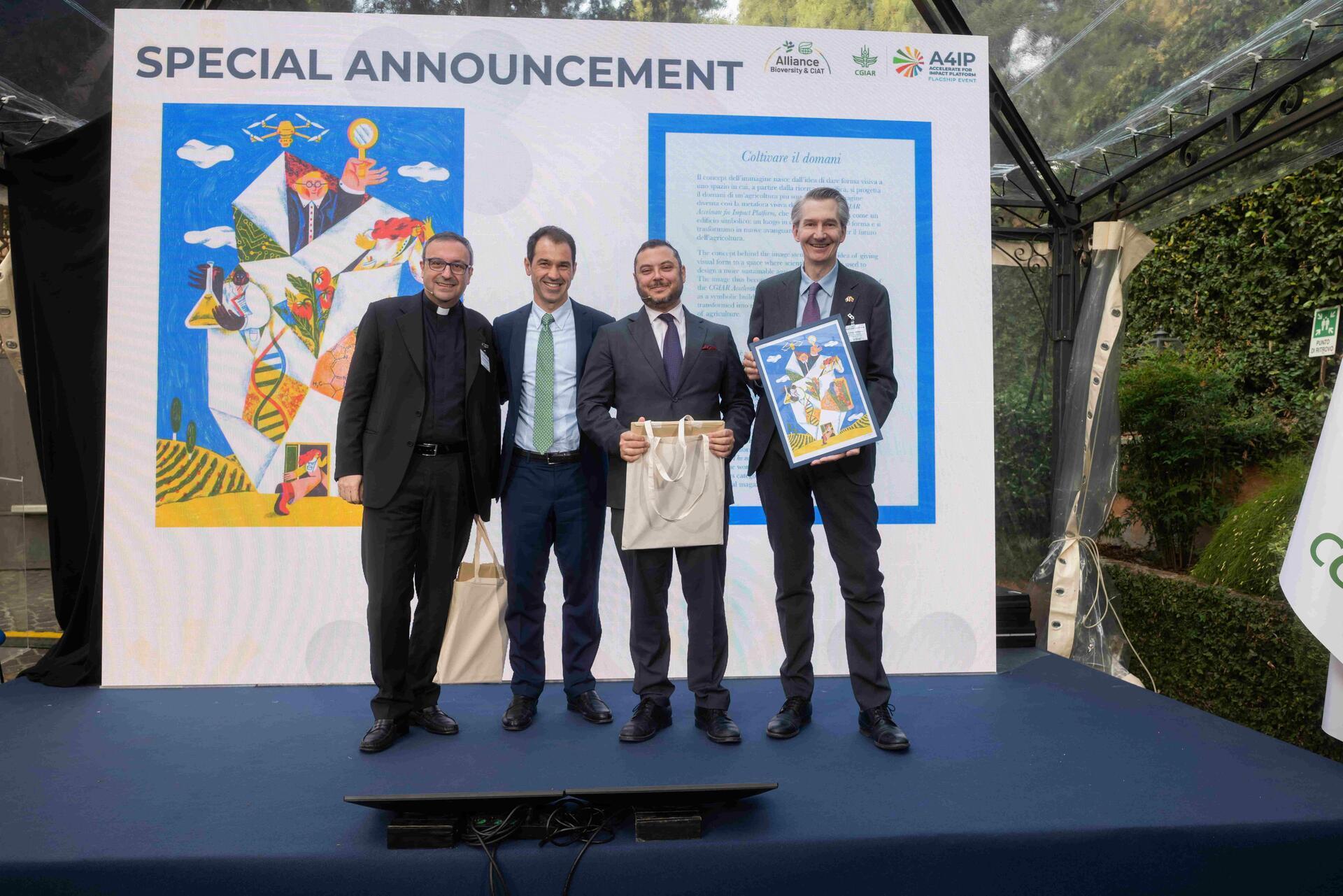
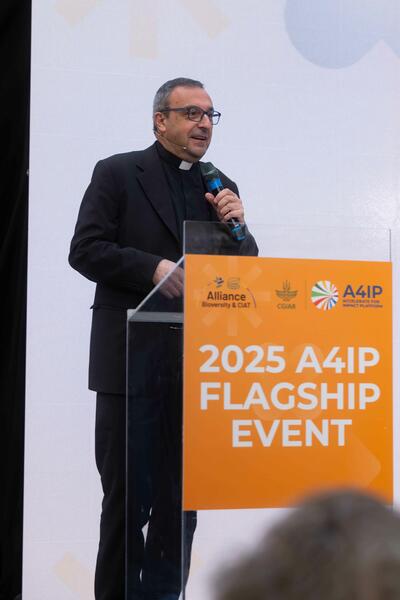
“We eat technologically. We are human. Technology is not just a tool; it is the way in which we inhabit this world. The question is not whether we can do away with technology to feed ourselves, but under what conditions the irreplaceable technological mediation of our food preserves our humanity and fosters justice for all,” reflected Don Andrea Ciucci, Coordinator of the Secretariat, Pontifical Academy for Life.
Beyond funding, innovators need holistic support: Access to technical expertise, strategic networks, and global advocacy platforms is essential for navigating regulations, reaching markets, and scaling impact.
Speakers agreed that global transformation requires collective effort—researchers translating science into solutions, investors providing catalytic capital, and governments creating enabling policies and environments.
“What we have seen is just how the landscape of international development is changing, which poses significant threats, but important opportunities,” reflected Juan Lucas Restrepo, Director General of the Alliance of Bioversity International & CIAT.
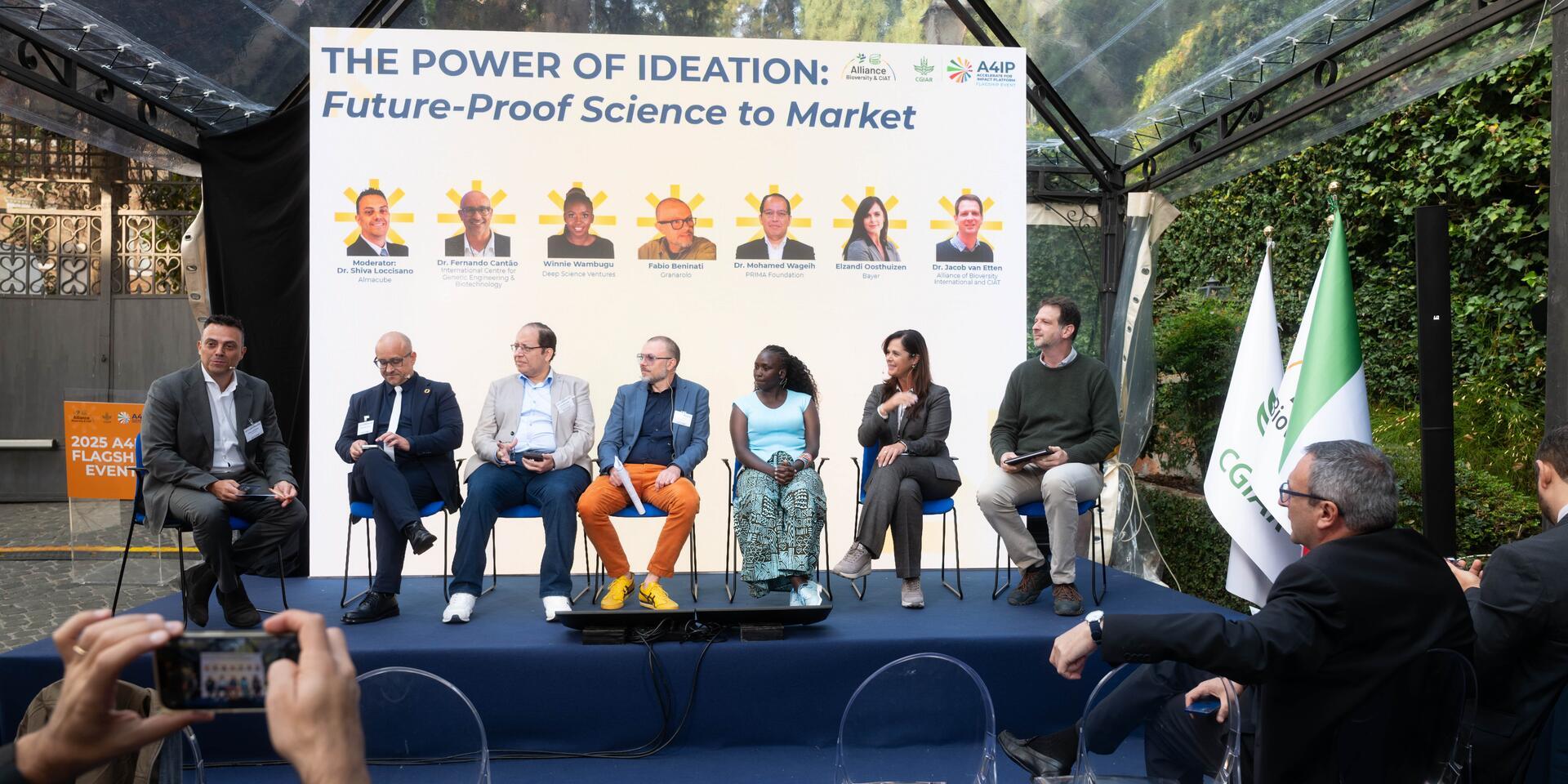
Read the A4IP 2025 flagship event report
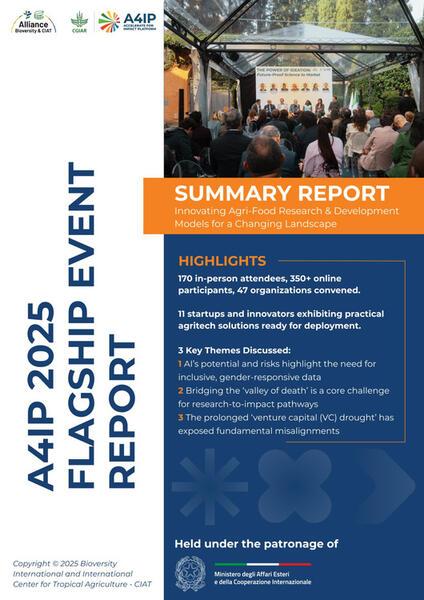
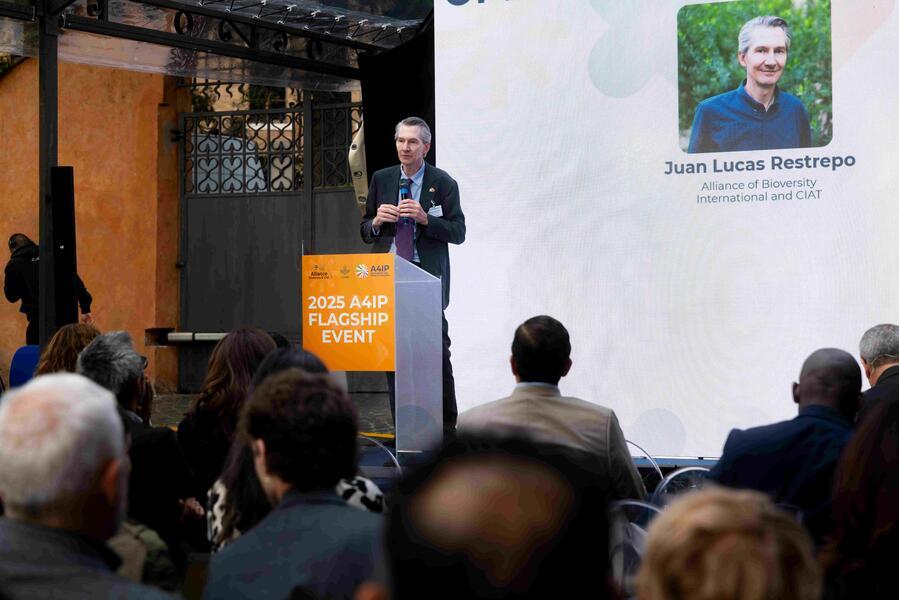
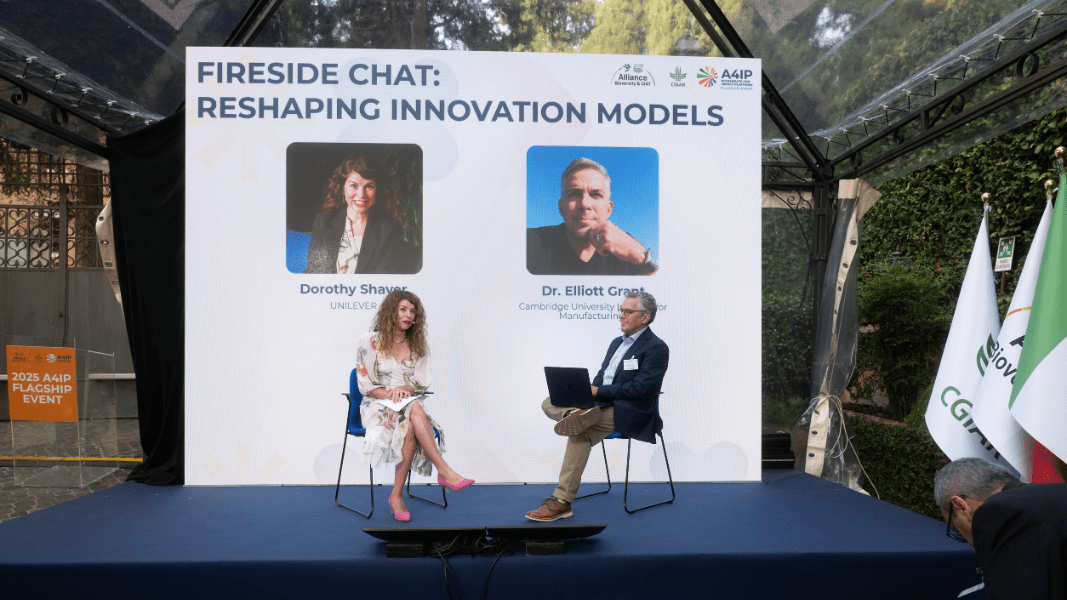

Watch the full event
Building the future together
In a world facing growing pressures on food production, climate adaptation, and equity, science-based innovation—driven by strategic alliances and cross-sector partnerships—remains one of the most powerful tools for building resilience. The event served as a dynamic platform for exchange, bringing together voices from CGIAR, government, academia, finance, and industry to shape the future of sustainable agri-food innovation. The Accelerate for Impact Platform extends its sincere thanks to all speakers, participants, partners, and contributors who made this year’s event a success. Together, we are proving that science-based innovation can build a more sustainable, inclusive, and opportunity-rich future for global food systems.
About A4IP
The CGIAR Accelerate for Impact Platform (A4IP) leverages CGIAR’s research and innovation expertise to co-design, accelerate, and de-risk science-based, technology-driven solutions for sustainable agriculture and climate action. A4IP pioneers entrepreneurial models that bridge research from lab to market, create demand for CGIAR science, and strengthen its role in global innovation ecosystems.
A4IP serves as a catalyst for entrepreneurial scientists, startups, and strategic partners driving agri-, food-, and climate-tech innovation toward healthier, more equitable, and sustainable food systems. The initiative is powered by the Alliance of Bioversity International and CIAT, a CGIAR Research Center.
Learn more on our website | Connect with us on LinkedIn | Reach out at [email protected]
Keep exploring

A4IP Flagship Event 2025: Innovating Agri-Food Research & Development Models for a Changing Landscape