
2025 Annual Report New coalitions spur food systems policy into action
Global scientific consensus does not automatically become policy: it does not restore degraded land, shift school meal procurement, or mobilize climate finance. That translation, from evidence to action, requires the right actors connected with shared mandates and interests. As the global development landscape shifts, the Alliance has been developing a more targeted approach to coalitions: recognizing that advocacy cannot be done alone, and we depend on partners for implementation.
Multilateralism is struggling: achieving consensus on complex issues is increasingly difficult in a fragmented world. But coming together in smaller, targeted coalitions allows countries to demonstrate what is possible, and build positive momentum. Here we explore leverage points where the Alliance convenes knowledge and evidence to help governments scale up food and land systems change.
EAT-Lancet: Common ground to mobilize communities
Six years after the first EAT-Lancet Report described a “planetary health diet”, a new edition of the EAT-Lancet Commission deepened its description of fair, healthy, and sustainable food systems, with an emphasis on local and country contexts. The outstanding question: how do these recommendations turn into actions?
Alliance and CGIAR researchers took lead roles in the global modeling effort to identify transformative priorities that include shifting to healthier diets and improving production- both of which hinge on agrobiodiversity.
But the bottom line is that all the evidence in the world would not matter unless a host of fragmented stakeholders come together around it: AgriFood Finance and Trade; Chefs, Restaurants and Food Service; Cities; Consumers; Farmers and Fishers; Healthcare Professionals; Indigenous Peoples; National Policymakers; and Science.

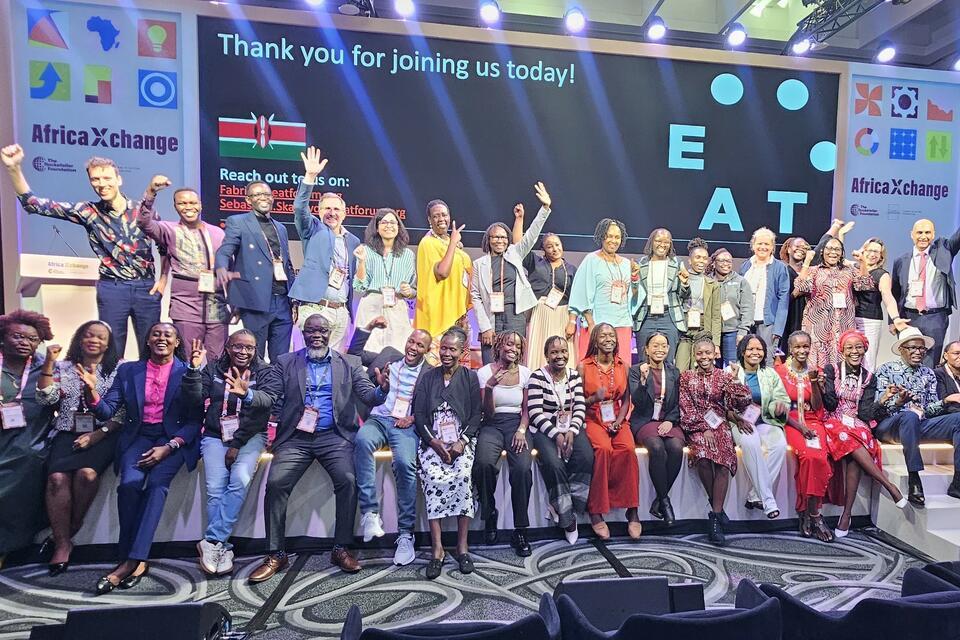
These groups make up ten communities of action that connect frontline actors from around the world, and translate EAT-Lancet evidence into practices that address specific contexts and concerns. They are convened by partners with shared mandates and expertise (including our frequent collaborators The Agroecology Coalition, World Bank, and the SDG2 Advocacy Hub, and also led by other sectors ranging from the Culinary Institute of America to Physicians Association for Nutrition). The Alliance is specifically co-hosting the National Policymakers community with CGIAR and the Scaling Up Nutrition Movement. The Science group is also convened by Nexus Action (formerly known as the Montpellier Process), a community dedicated to strengthening science to policy uptake where Alliance staff, especially from our Montpellier office, provide a vital cornerstone.
New initiatives coming out of Belém
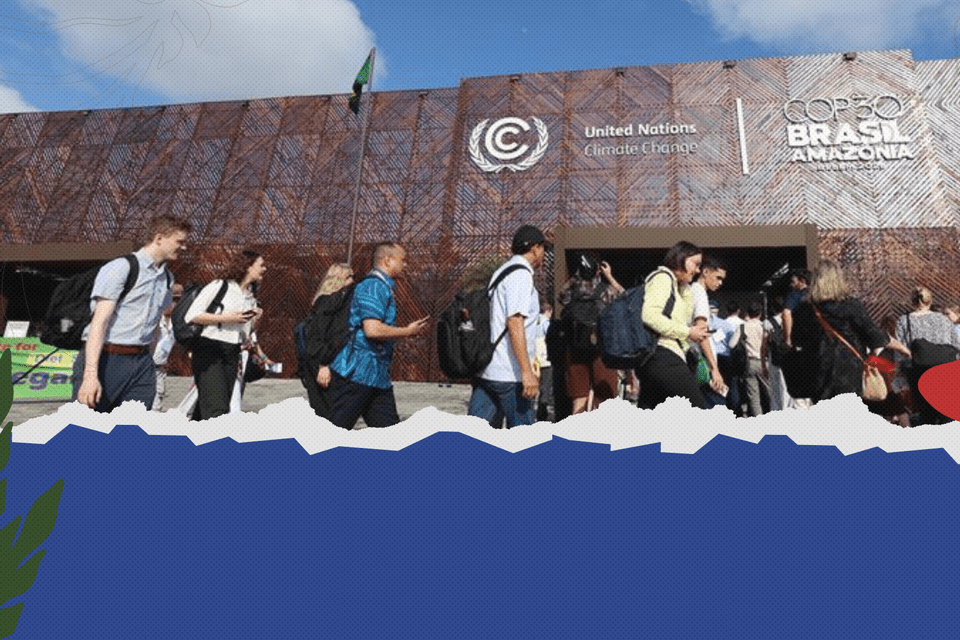
We saw something similar at UN Climate COP30 in Belém, where the guiding principle of “Global Mutirão” manifested in a new generation of coalitions to achieve climate commitments. Also here, the Alliance played a central role in launching and supporting three major initiatives that unite governments, research institutions, farmer organizations, and financial partners around actionable frameworks that bridge the gap between scientific evidence and on-the-ground implementation:
1. RAIZ (“Resilient Agriculture Investment for net-Zero land degradation”) addresses one of agriculture's most pressing challenges—over 1.6 billion hectares of degraded agricultural land worldwide—by mobilizing diverse financing sources to support landscape restoration. The initiative maps degraded lands, identifies investable solutions, and connects countries with technical and financial partners to design restoration projects tailored to local needs.
“We must move beyond a patchwork of efforts toward true systems change. Through RAIZ, FOLU and its partners are bringing investors and farmers to the table with governments to co-design joint investment mechanisms at national level that align public incentives with private capital, restoring degraded farmland at scale.” - Morgan Gillespy, Executive Director at the Food and Land Use Coalition, in the press release announcing RAIZ’s launch.
“Evidence shows every dollar invested in land restoration can generate up to $30 in economic benefits—yet inadequate risk assessment and impact tracking have constrained capital flows. RAIZ can change this by translating landscape restoration science into actionable guidance for structuring investment vehicles, embedding evidence-based metrics throughout fund lifecycles, and promoting rigorous monitoring systems that quantify climate, biodiversity, and livelihood outcomes.” - Sandra Milach, Chief Scientist at CGIAR
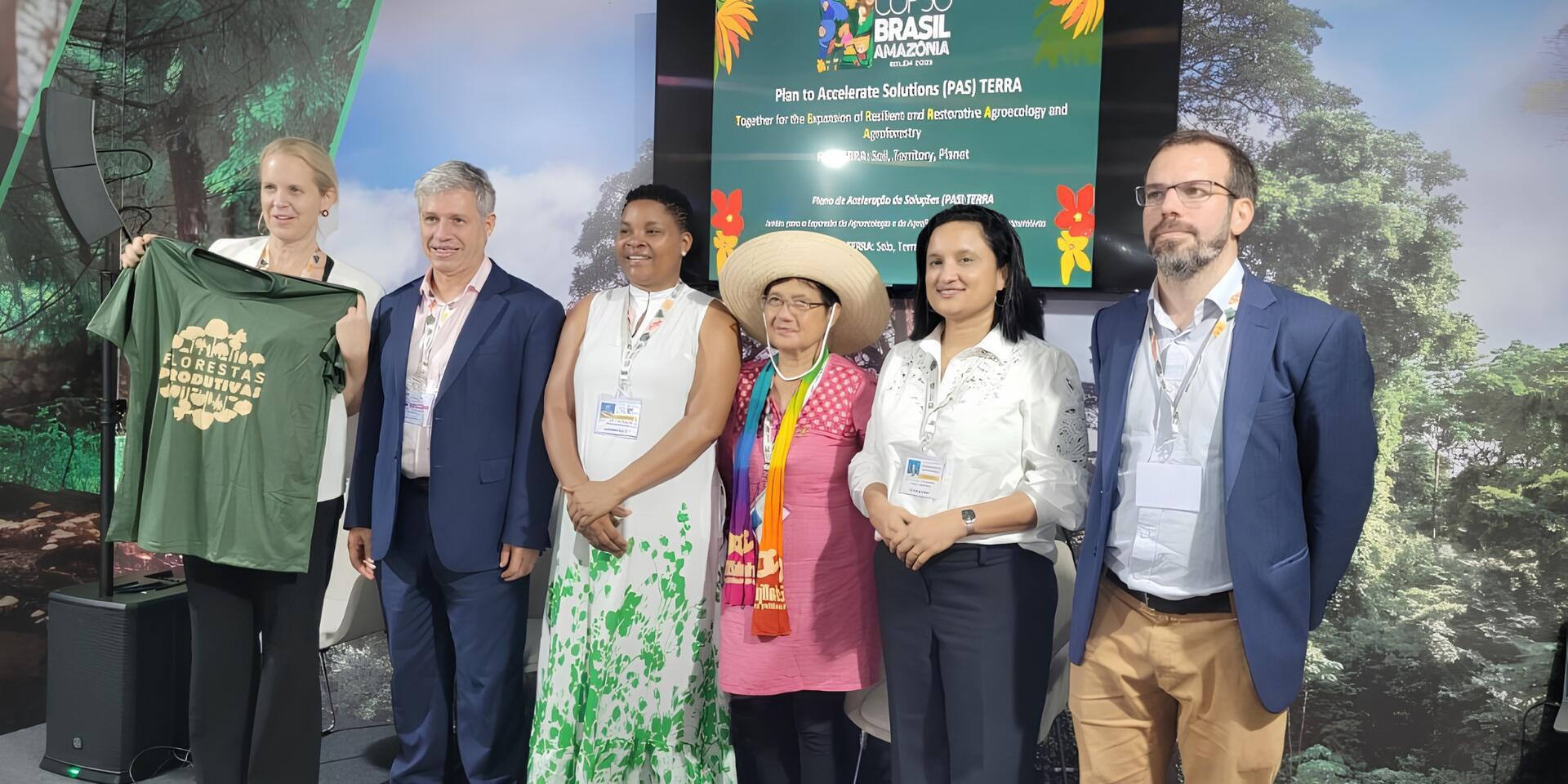
2. TERRA (“Together for the Expansion of Resilient and Restorative Agroecology and Agroforestry”) was launched by the Brazilian government and FAO to scale up agroecology and agroforestry systems. Having trained over 20,000 farmers, the initiative aims to improve the livelihoods of 8 million people and transform 15 million hectares of land to be more sustainable. TERRA uses five acceleration levers- strengthening farmer organizations, capacity building, blended finance, seeds and bioinputs, and market access- and provides countries with the tools, finance pathways and MRV frameworks needed to unlock climate and biodiversity investment at scale.
3. The Global Carbon Harvest Coalition tackles the evidence gaps and monitoring challenges that have prevented agricultural carbon removal practices from entering compliance markets, with a focus on pathways for finance at scale. The Alliance is coordinating a wide range of actors , pooling evidence from multi-country field trials and harmonizing measurement systems to create a common framework to track and scale up carbon removal.
Finally at COP30, the Alliance of Champions for Food Systems Transformation, hosted by CGIAR and staffed by the Alliance as well as the Food and Land Use Coalition, reported significant progress in mobilizing funds over the last two years: Brazil's USD $1.7 billion agroecology plan, Sierra Leone's USD 1 billion Feed Salone program, and Rwanda's USD $430 million for conservation agriculture. Member countries Brazil, Norway, Sierra Leone, Cambodia and Rwanda, were joined by three new members: Colombia, Vietnam, and Italy, all of which have strong histories of collaboration with the Alliance.
“At COP30, one message is loud and clear: It’s about implementation; scaling tested solutions, mobilizing finance, and bringing them to communities who urgently need them,” -Maya Rajasekharan, Managing Director for the Americas at the Alliance
Read more about what was accomplished at COP30:
What commitments look like on the plate: Brazil’s school meals
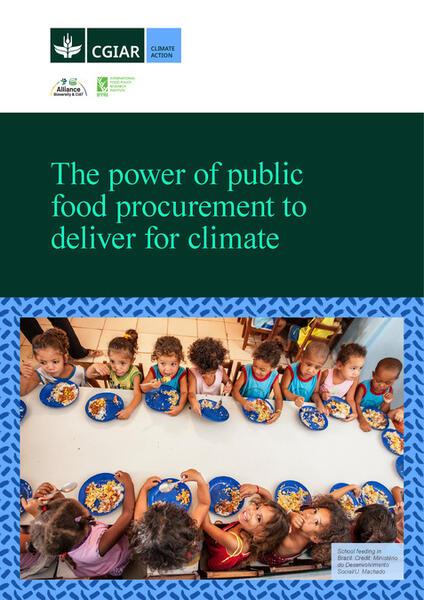
The logic of coalitions also operates on a scale much closer to home for many Brazilians than the COP negotiations, and even the EAT-Lancet reports (where Brazil was a major contributor). The Alliance worked alongside IFPRI and Brazilian partners to inform public procurement policy for the country's National School Feeding Program (PNAE). By mandating that 30% of food must come from local farm, the program has incorporated local agrobiodiversity, including nutritious fruits and vegetables, into students’ meals, while simultaneously improving smallholder farmers’ market access. Showcased at COP30, this outcome demonstrates how our science informs policy at the national level in ways that reach ordinary people directly: a procurement rule change becomes nutritional improvement for millions of schoolchildren, while supporting smallholder farmers growing the local crops that qualify.
So what have we learned from the EAT-Lancet Communities, COP30 coalitions, Alliance of Champions, and Brazil's school meals? Science shapes policy when it is embedded in the right coalitions, connected to the right partners, linked to the right leverage points, and stays at the table until evidence becomes action.
Explore more of our 2025 impact in policy and advocacy
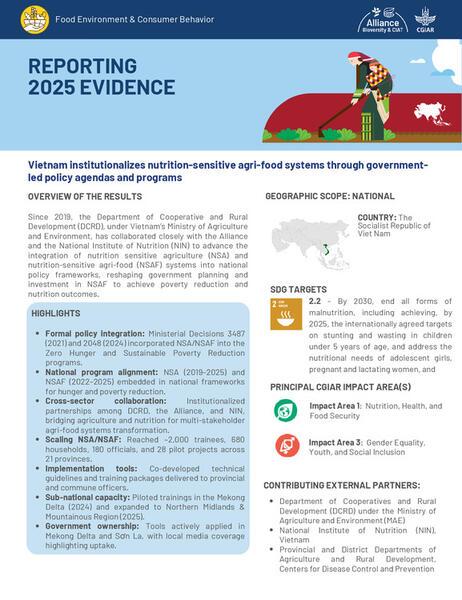
Nutrition-sensitive agriculture
included in Vietnam’s national policy framework
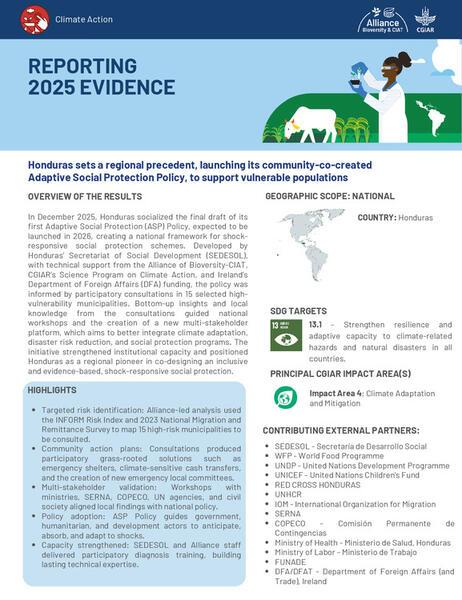
Government, humanitarian, and development sectors in Honduras
co-created a social protection policy: linking community wellbeing with climate resilience.
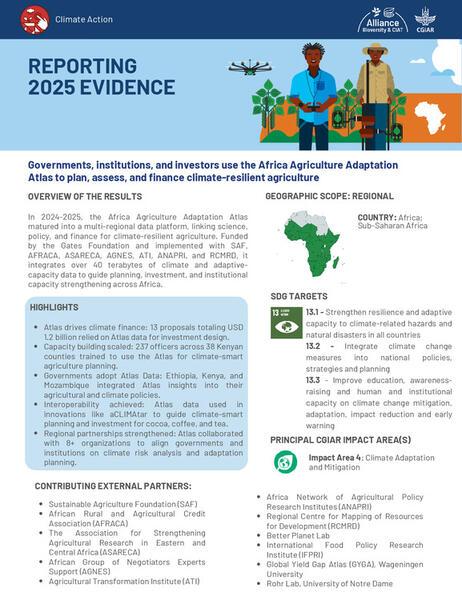
Senegal adopted a climate-smart investment
plan based on inputs from 200 diverse stakeholders.
Explore our Collaborations
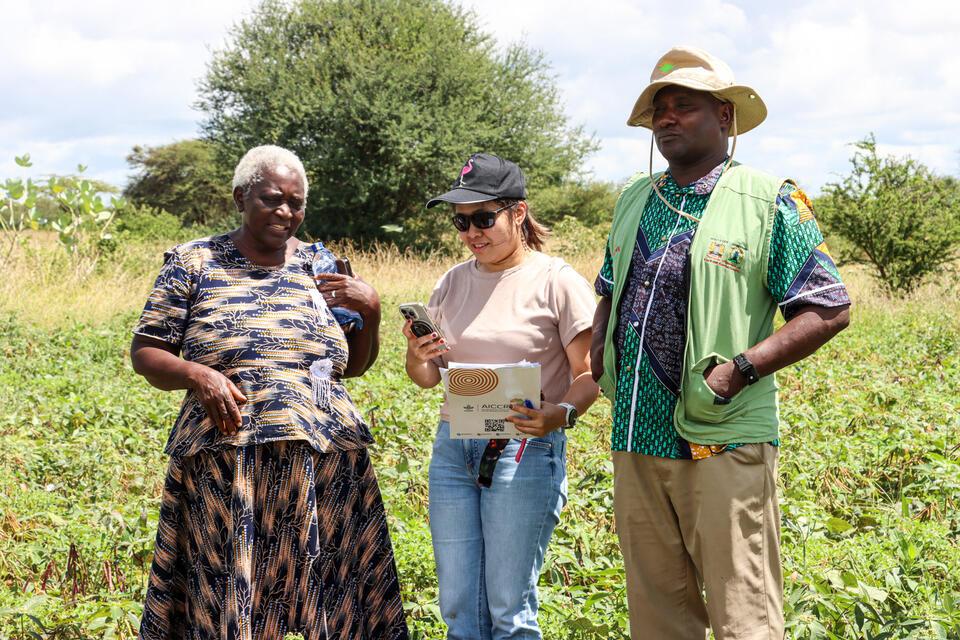
Science + Collaboration = Scalable Impact
Five years in, the Alliance has evidence, and plenty of it. We trace how rigorous science, delivered through the right partnerships, is turning research into results at scale.
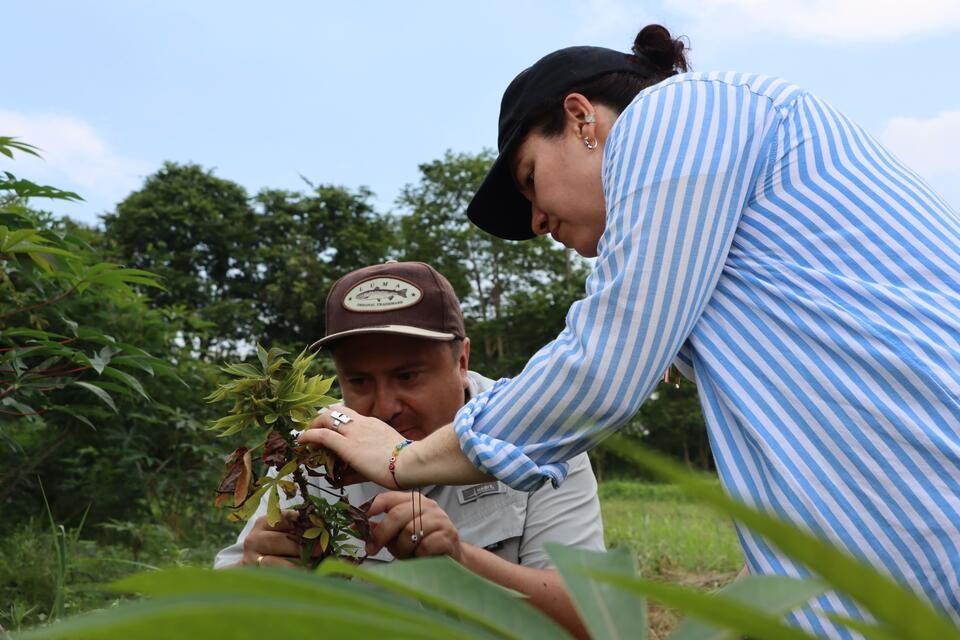
Countries join forces against Cassava Witches’ Broom Disease
A devastating crop disease has reached Latin America. We collaborated with national researchers to trace its roots, and slow its spread.
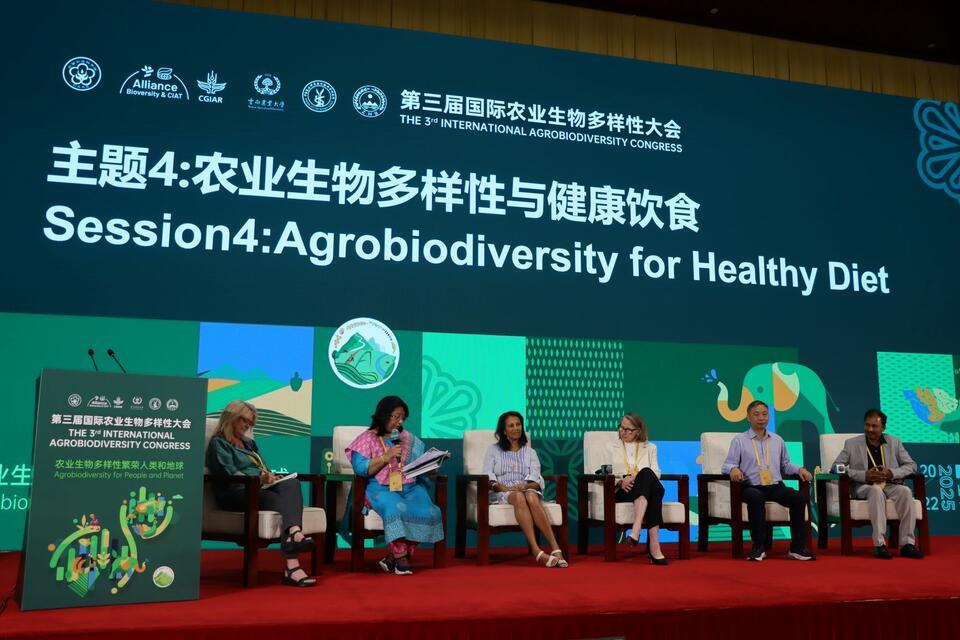
International Agrobiodiversity Congress unites experts from around the world
We welcomed 800 experts from 60 countries to Kunming. The Manifesto they produced lays the foundation for informed policies, from China to Dakar.
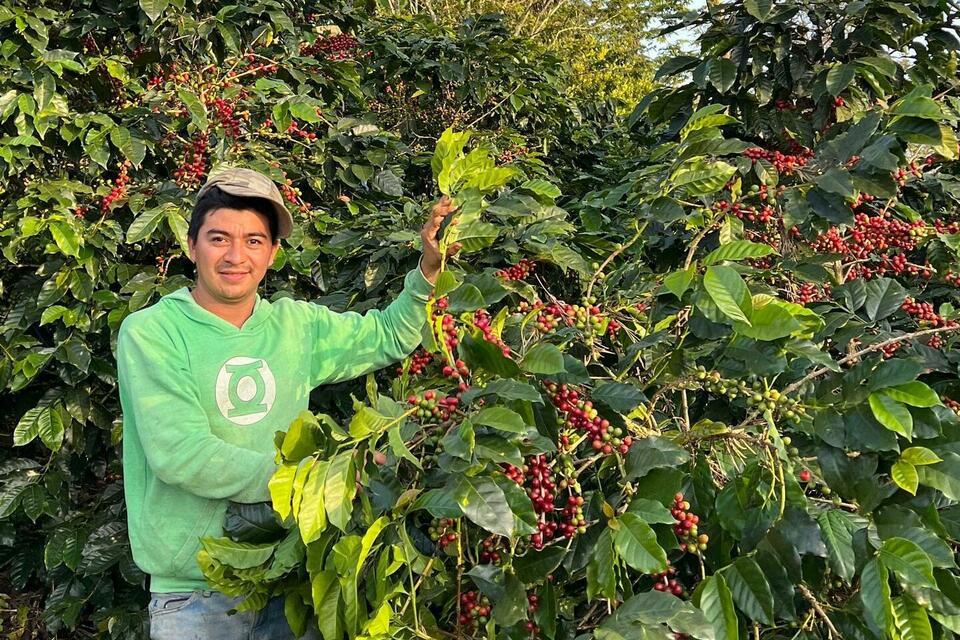
Climate Resilience Platform guides food industry sourcing
The world's food supply chains were built for a stable climate that no longer exists. We partnered with the food industry to identify exactly where the risk is, and make investments to keep food flowing.
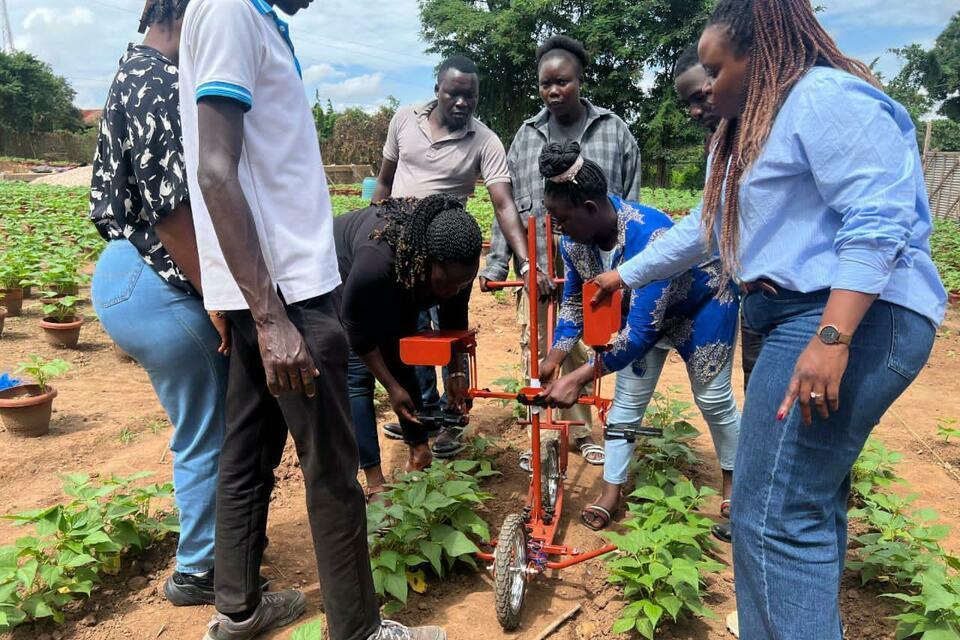
Artificial Intelligence meets Agriculture
Smartphones can survey crops and listen to farmers. This is AI designed for the hands of breeders, extension workers, and farmers.
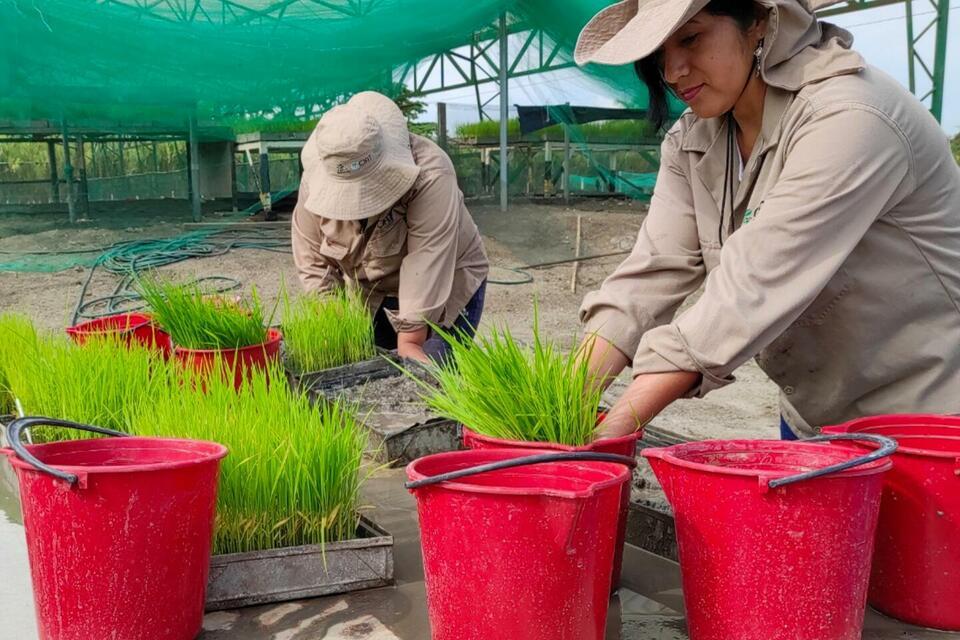
Regenerative Agriculture starts with Regenerative Crops
New forage grasses keep Kenyan livestock fed through drought. Hybrid rice boosts harvests in Colombia. Regenerative agriculture starts in the breeding plots.