
2025 Annual Report Regenerative Agriculture starts with Regenerative Crops
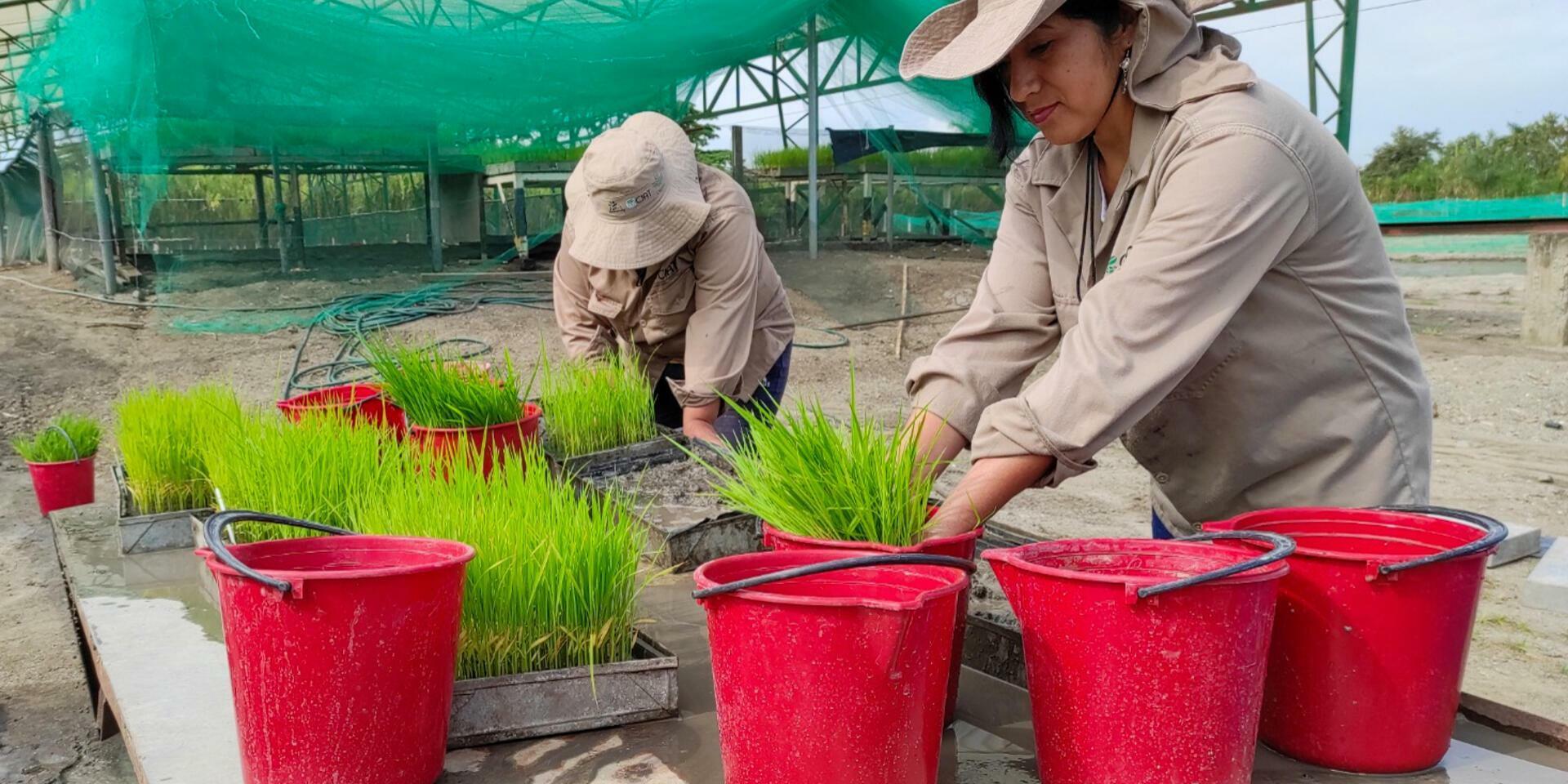
Breeding is a long process. The varieties that reach farmers today are the product of years, sometimes decades, of selection, testing, and partnership. Improved forage and rice varieties released in 2025 reflect the culmination of longstanding collaborations.
Approving new forages
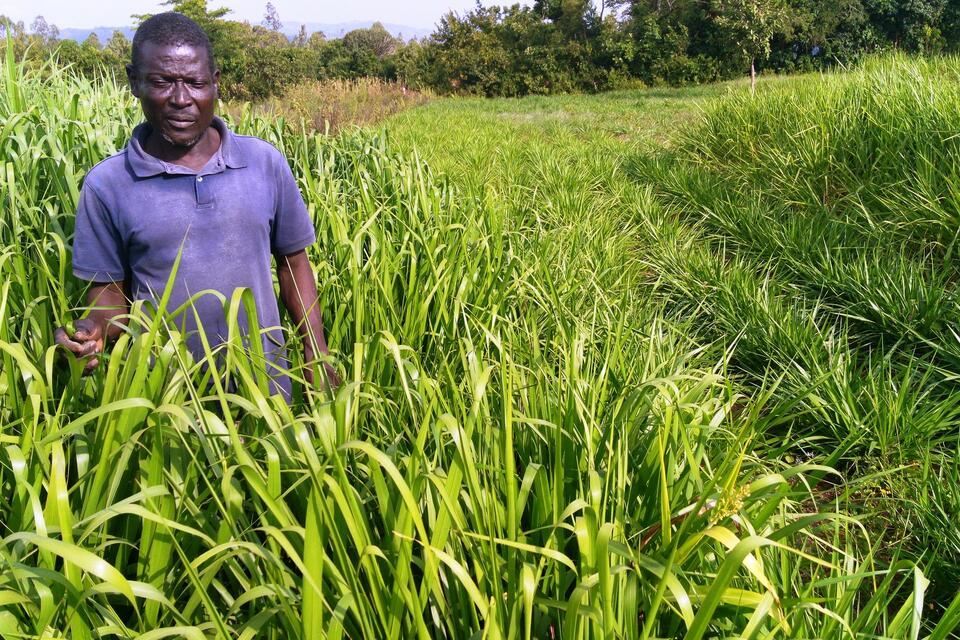
Feed shortages are a persistent constraint for livestock farmers, compounded by increasingly erratic rainfall. But now, farmers in Kenya can grow two new varieties of forage grasses, specially developed to keep livestock well-fed despite drought conditions.
‘Camello’ is notable for tolerating pests like spider mites and spittle bugs, as well as its superior nutrient quality, while ‘Massai’ resists rust disease and is ideal for silvopastoral systems. Following two years of rigorous testing, in which both varieties were found to yield 5% more than average grasses, Camello and Massai were approved by the Kenyan government as being well-suited for local farming systems. This is the latest output from a longstanding crop breeding collaboration.
In the late 1990s, the Alliance’s Tropical Forages Research Program and the Mexican seed company Grupo Papalotla signed an agreement for the development and commercialization of interspecific hybrids of Urochloa, the most widely sown forage species in the world. Over more than 20 years, this science-industry partnership has translated scientific innovation into real-world impact, enabling the large-scale adoption of improved forage grasses across Latin America, Africa, and Asia. These hybrids have helped livestock producers increase productivity, enhance animal nutrition, and reduce the environmental footprint of grazing systems.
Today, some of these hybrids, together with forages from CGIAR genebanks held by the International Livestock Research Institute and the International Center for Agricultural Research in the Dry Areas, are being evaluated for their methane-reduction potential under the Low-Methane Forages project.
Supported by the Gates Foundation, Bezos Earth Fund, and Global Methane Hub, this project is evaluating approximately 6,000 of the 71,000 forage accessions available. It combines in vitro screening (in the laboratory) with in vivo validation (in animals), progressing from the identification of promising candidates to testing their performance using the state-of-the-art respirometry chambers installed on the Alliance’s Americas hub in Palmira, Colombia.
After months of animal adaptation and system calibration, the first phase of in vivo methane measurements began last August, evaluating diets based on forages that had already shown strong mitigation potential under laboratory conditions. The forages that feed today’s livestock may, in the near future, help cool the planet.

A new hybrid and 3 decades of rice collaboration
Rice can get lost in the weeds: literally, as plants can get choked out by their neighbors, decreasing their productivity and impacting farmer livelihoods. A new hybrid, “Sicalis SH CL”, was released in 2025 to help Latin American rice farmers overcome this challenge. Bred by the Alliance with Semillas de Huila and BAFSA Soluciones para la Agricultura, this newly certified seed was developed to retain favorable pre-existing characteristics of locally preferred rice, with additional herbicide resistance. By growing this variety, farmers are able to more selectively use herbicides to reduce weed growth and boost their harvests.
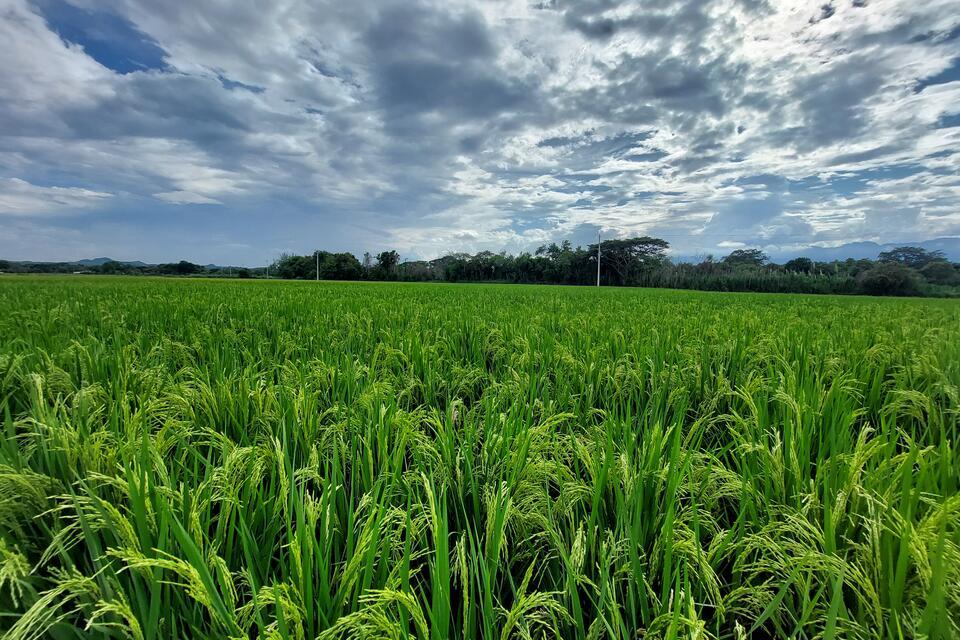
In 2025, the Alliance also celebrated 30 years hosting FLAR, the unique Latin American partnership that supports rice growers in the region. FLAR-bred rice is responsible for over 40% of the irrigated rice area in Latin America and the Caribbean, spanning from Brazil to Colombia, Peru, and Ecuador. In addition to renewing our agreement, the Alliance and FLAR opened a new laboratory space to analyze seed quality.
“ This is a historic moment for FLAR and for the Latin American rice sector. The renewal of these agreements and the inauguration of the new seed quality area symbolize the strengthening of our alliance with the Latin American rice sector, as well as our commitment to constant innovation, to guarantee food security for millions of people in the region.” -Eduardo Graterol, Director of FLAR until December 2025
“It’s about finding productive alternatives, varieties that are high-yielding and tolerant to climatic factors and to pests that may re-emerge due to the variability brought on by climate change.” -Patricia Guzmán, FEDEARROZ
Explore more of our 2025 impact in Crop Breeding
NARES
National Agricultural Research and Extension Systems (NARES) developed and tested faster-cooking bean varieties.
banana accessions
from our genebank were recorded as being adopted by farmers
Explore our Collaborations
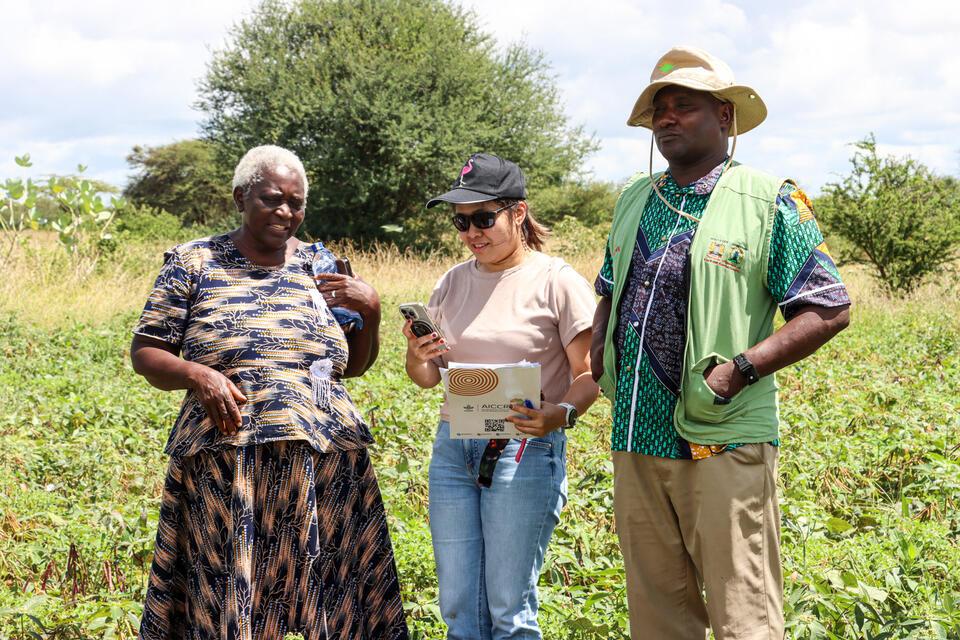
Science + Collaboration = Scalable Impact
Five years in, the Alliance has evidence, and plenty of it. We trace how rigorous science, delivered through the right partnerships, is turning research into results at scale.
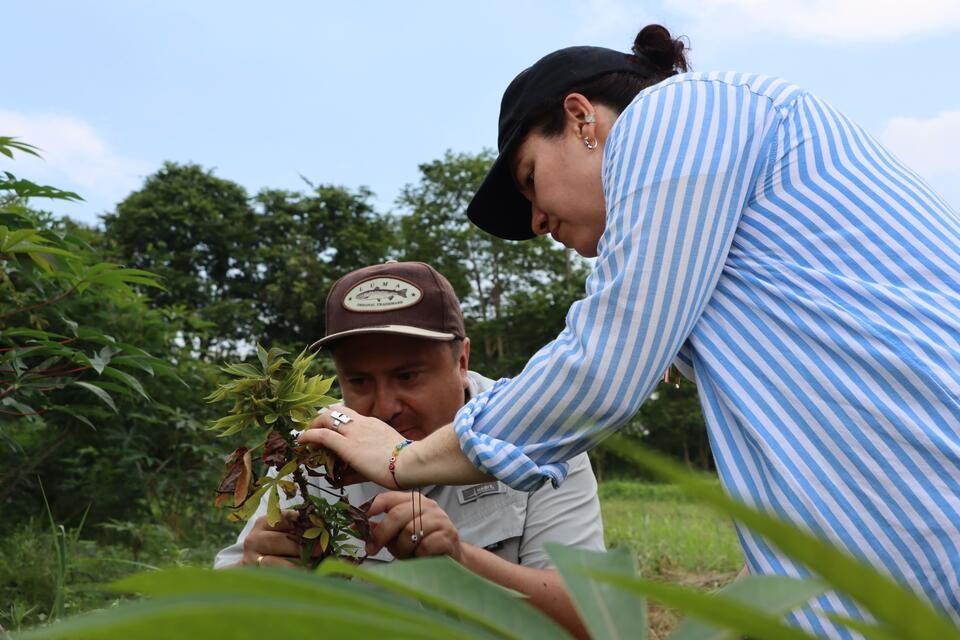
Countries join forces against Cassava Witches’ Broom Disease
A devastating crop disease has reached Latin America. We collaborated with national researchers to trace its roots, and slow its spread.
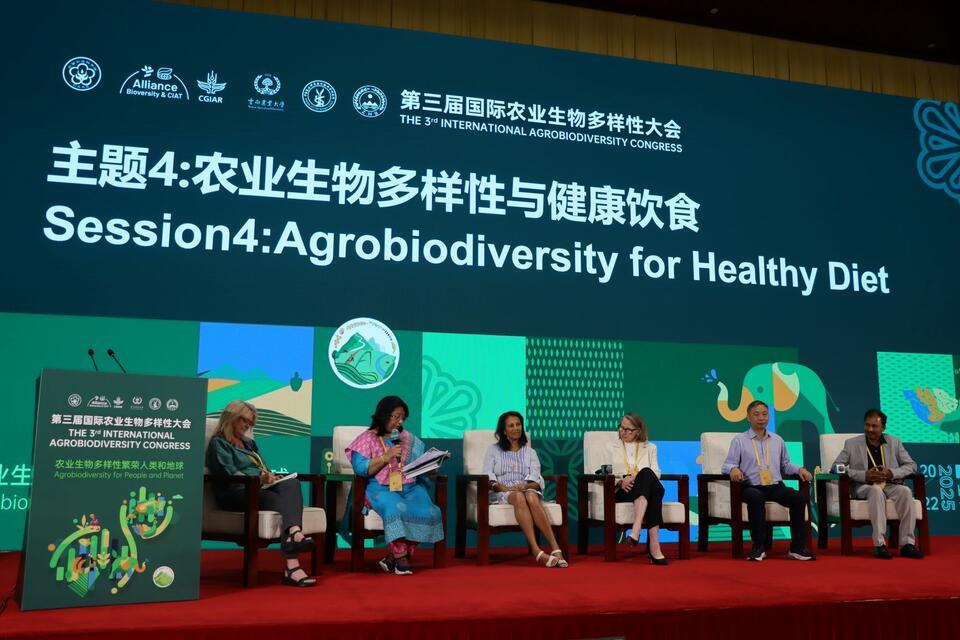
International Agrobiodiversity Congress unites experts from around the world
We welcomed 800 experts from 60 countries to Kunming. The Manifesto they produced lays the foundation for informed policies, from China to Dakar.
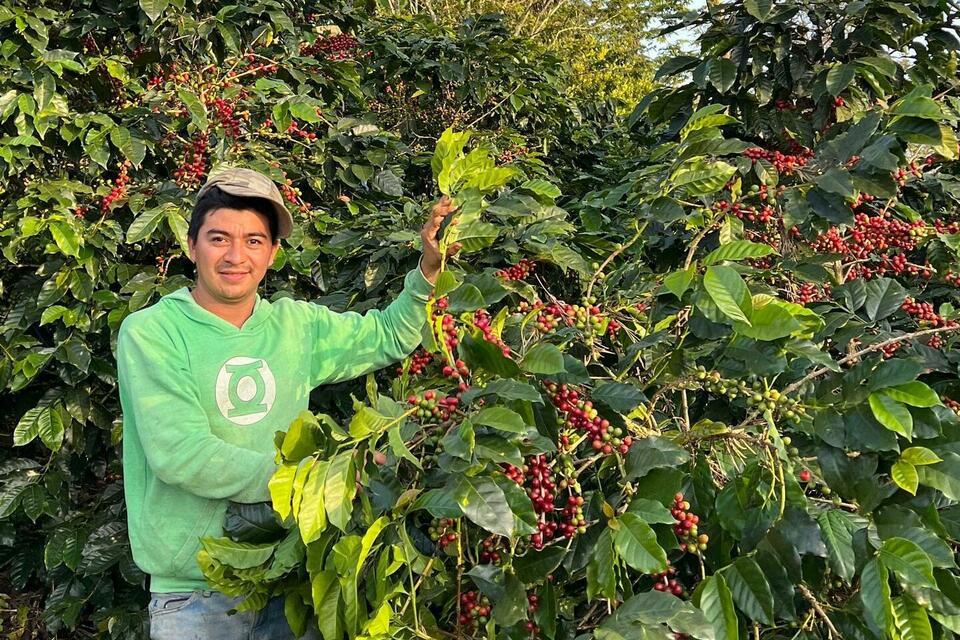
Climate Resilience Platform guides food industry sourcing
The world's food supply chains were built for a stable climate that no longer exists. We partnered with the food industry to identify exactly where the risk is, and make investments to keep food flowing.
Artificial Intelligence meets Agriculture
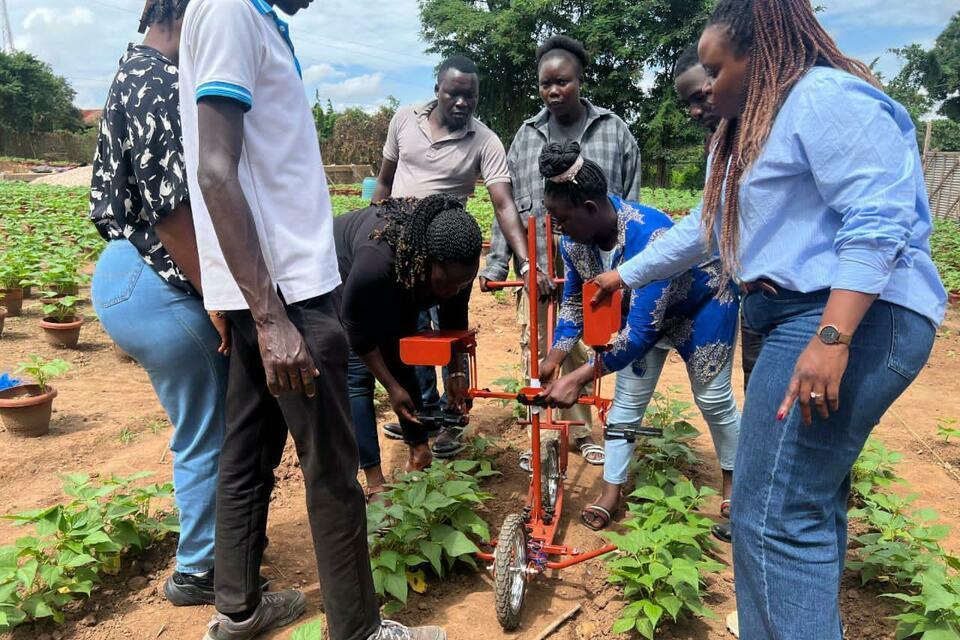
Smartphones can survey crops and listen to farmers. This is AI designed for the hands of breeders, extension workers, and farmers.
New coalitions spur food systems policy into action
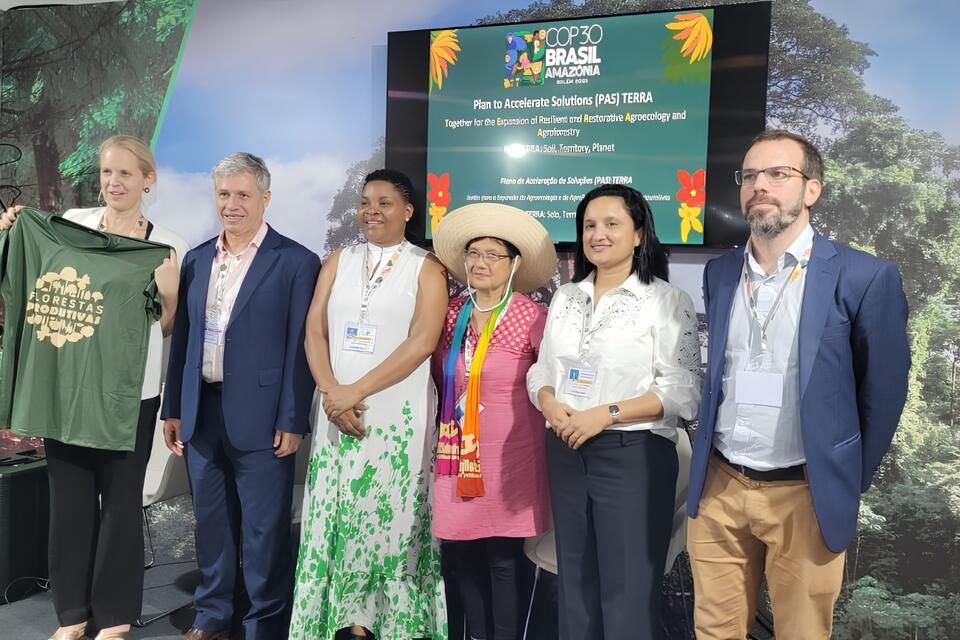
Global reports don't change food systems, but coalitions do. From the EAT-Lancet Report to COP30, we connected countries and stakeholders for effective advocacy, implementation, and science uptake.