Press and News Kenya approves ‘Camello’ and ‘Massai’ forage cultivars for registration
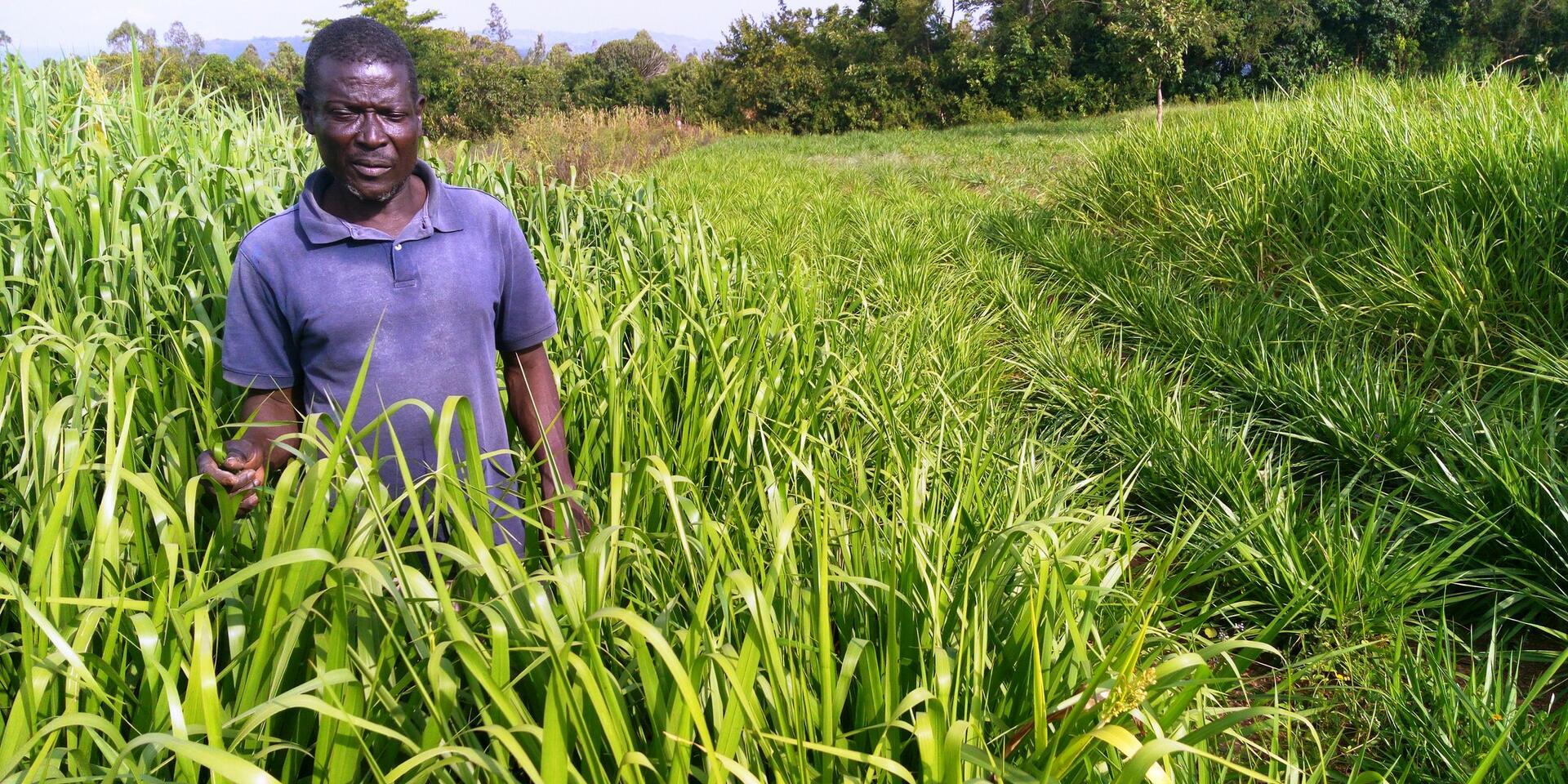

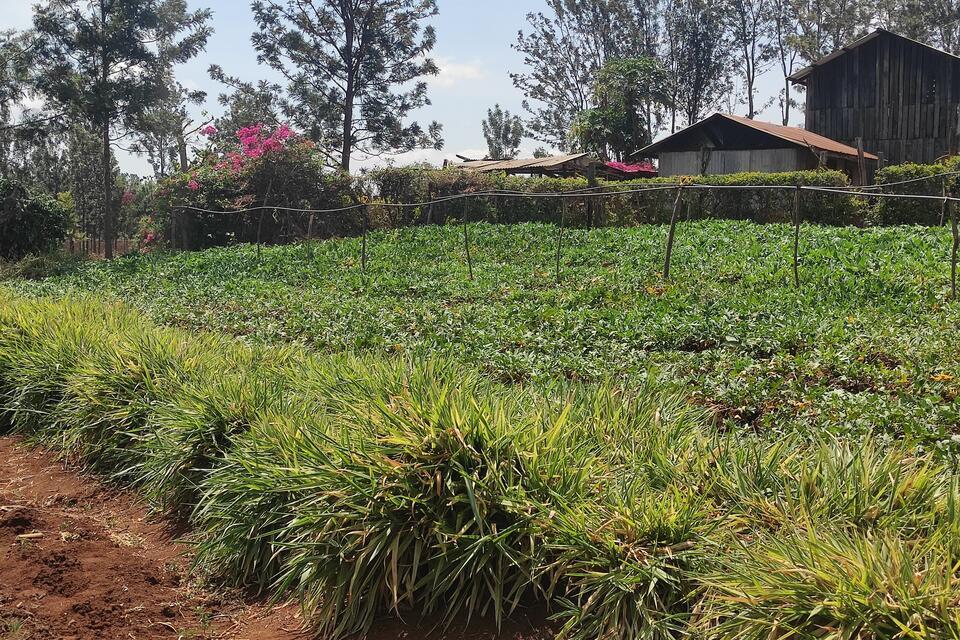
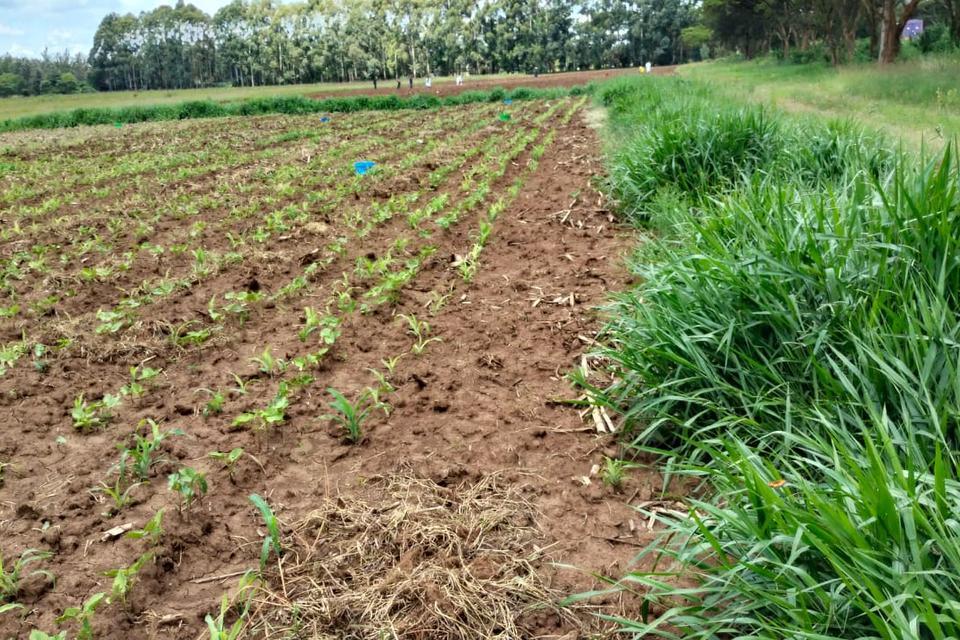
Forage grasses Urochloa hybrid cv. Camello and Megathyrsus maximus cv. Massai have been officially released for use in Kenya. This follows extensive two-year evaluations under Kenya’s National Performance Trials (NPT) led by the Kenya Plant Health Inspectorate Service (KEPHIS). These grasses are additional to the forages’ basket at a critical time when climate change continues to affect rainfall patterns, and feed shortages remain a major obstacle for livestock production across the country. Poor-quality forage reduces animal productivity potential and drives up the cost of supplemental feeding. ‘Camello’ and ‘Massai’ offer much-needed attributes promising good yields, improved drought tolerance, and stronger regrowth, even under low-input farming systems.
Why this matters for livestock farmers
Forage is the foundation of livestock production. Whether for dairy, beef, or small ruminants, good-quality forage is essential for milk yield, weight gain, and overall herd health. Unfortunately, many regions in Kenya especially relatively dry areas struggle to maintain forage supply year-round. The release of ‘Camello’ and ‘Massai’ paves the way for their use, in adaptable agro-ecological zones to contribute to feed supply, especially during dry spells.
Massai, a cultivar of Megathyrsus maximus, now released, followed over two years evaluation at multiple agro-ecologies Kambi Mawe, Kiboko, Lanet and Mtwapa and showed consistently strong performance.
Key reasons for its release include:
- High yield: ‘Massai’ produced more than 5% higher dry matter yield compared to the average of all other candidate entries.
- Wide adaptability: It performed well across all test sites, including areas with low rainfall and challenging soils.
- Excellent agronomic traits: It regrows quickly after harvesting, persists well over time, and maintains good nutritional value.
Camello, a cultivar of Urochloa spp, was evaluated alongside prior released cultivars like Cayman and Cobra. ‘Camello’ performed well in terms of yield and resilience.
Species: Urochloa spp.
| Crop | Variety Name | Variety Testing Code | Owner(s) Licensee | Maintainer And Seed Source | Optimal Production Altitude Range (Masl) | Maturity Duration (Months) | Biomass Yield (T/Ha) | Special Attributes |
| Urochloa | Camello | CAMELLO | CIAT- International Center for Tropical Agriculture |
Papalotla | Altitude 10-1000: AEZ: LM2,LM3,UM4,IL6 Sites where testing was done: Lanet, Homabay, Kakamega |
2-3 | 6-10 dry weight yield per year | • 3 way cross • Drought tolerant • Superior nutritional quality especially crude protein ranging from 12-14% • Pest tolerance to red spider mite and spittlebug • High stocking rate of 4 livestock units per hectare in rotational grazing |
Species: Megathyrsus maximus
| Crop | Variety Name | Variety Testing Code | Owner(s) Licensee | Maintainer And Seed Source | Optimal Production Altitude Range (Masl) | Maturity Duration (Months) | Biomass Yield (T/Ha) | Special Attributes |
| Guinea grass | Massai | Massai | CIAT- International Center for Tropical Agriculture |
Papalotla | Altitude 10-1500m AEZ: UM 3-5, LM3-5, CL 3-5 Sites: Kajiado, Makueni, Narok, Kitui, Machakos, Taita Taveta, Baringo, Nakuru |
2-3 | 10-20 t dry weight/ha per year | • Drought tolerant • Suitable for silvopastoral systems • High tillering capacity • Tolerant to rust disease. |
Highlights of Camello’s performance:
- Yield advantage: It recorded over 5% higher dry matter yield than the average of check varieties in the combined two-year analysis.
- Resilience: ‘Camello’ showed strong drought tolerance and stayed productive even in low-input conditions with no irrigation.
- Distinct appearance: During DUS (Distinctness, Uniformity, and Stability) testing, Camello’s bright, hairless leaves made it easily distinguishable, a critical factor in variety registration.
‘Camello’ was approved under Release Criteria 2, which allows for release when a variety performs similarly to existing options but offers a confirmed special advantage in this case, strong drought tolerance and persistence under harsh conditions.
National Performance Trials (NPTs) are an essential step in Kenya’s crop release process. They evaluate not just yields, but also adaptability, agronomic traits, and overall suitability for local farming systems. Trials were conducted in multiple locations over two years to capture seasonal and ecological differences. The trials showed that both cultivars are well suited for Kenya’s diverse livestock systems, from highland dairy zones to dryland pastoral areas. Importantly, they also meet nutritional quality standards needed to support livestock growth and productivity.
What’s Next for ‘Camello’ and ‘Massai’?
The release of Urochloa ‘Camello’ and Megathyrsus maximus ‘Massai’ is more than a regulatory event. It a contribution to tackling one of the biggest constraints in Kenyan livestock farming: feed. These cultivars bring attributes for roughage yield, resilience, and feed quality when managed well. With proper seed systems and extension support, they can contribute to real impact on farm productivity, especially as climate stress continues to exert effects on farming systems.
With official release, the next step is commercial seed multiplication and distribution, even beyond Kenyan boundaries especially where it is accepted. Extension agents will need to play a key role in training farmers on planting, management, and harvesting of these grasses. Farmers in drought-prone areas stand to benefit most. Both ‘Camello’ and ‘Massai’ are adaptable to tough environments. Their ability to grow with minimal inputs makes them ideal for smallholders who often lack access to irrigation or chemical fertilizers.