Blog Pathways towards sustainable food systems in Africa: Insights from the Launch of the EAT–Lancet Commission 2.0 Report in Nairobi
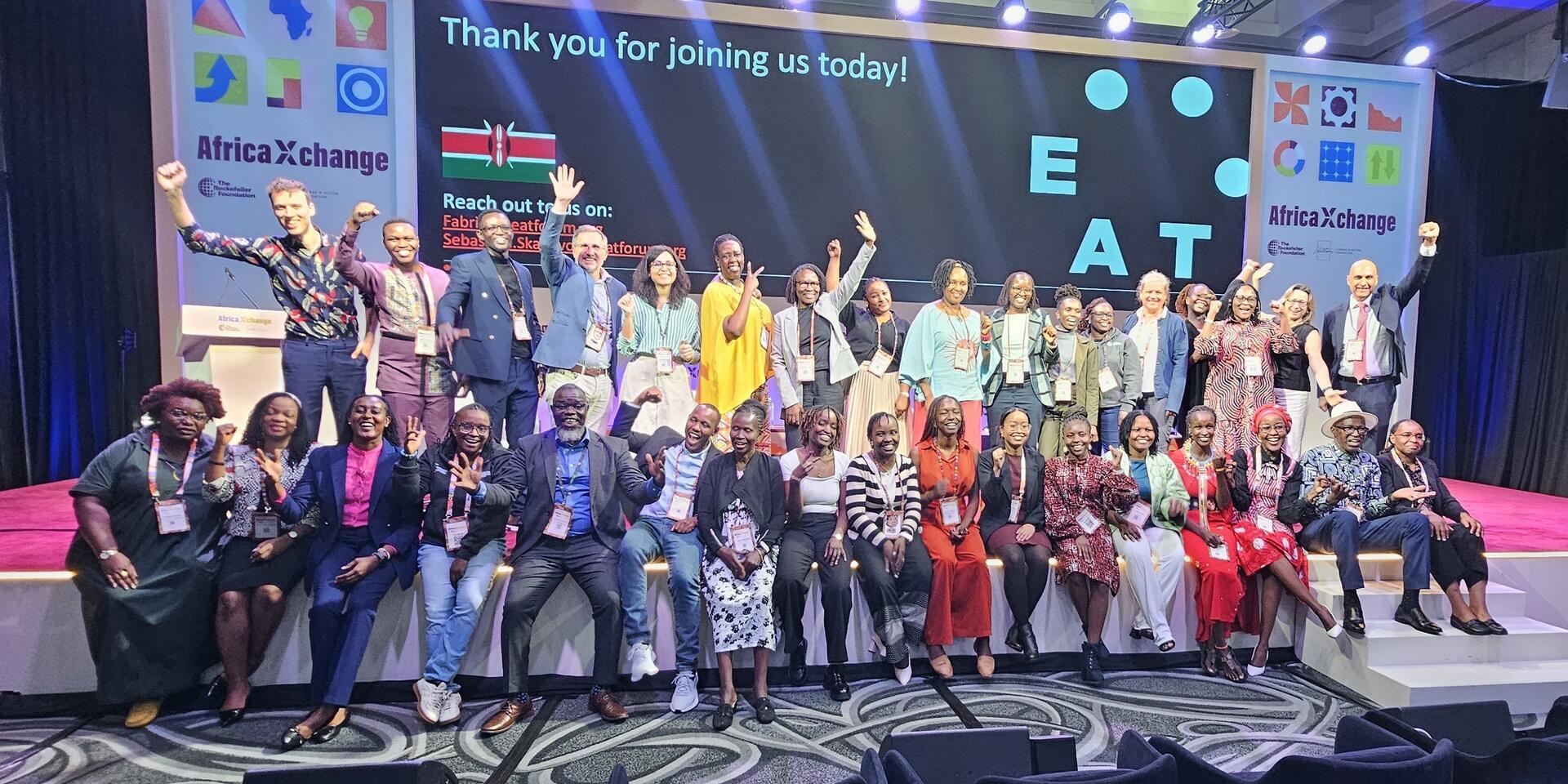

As global food systems face escalating pressures from climate change, economic instability, and demographic shifts, the need for systemic transformation has become increasingly urgent. These dynamics framed high-level discussions at the Africa Exchange Kenya launch of the EAT–Lancet Commission 2.0 Report, where stakeholders examined pathways towards sustainable, resilient, and equitable food systems in Africa.
Food systems under multi-dimensional stress
Since the release of the inaugural EAT–Lancet report in 2019, the operating environment for global food systems has become significantly more complex. Disruptions linked to the COVID-19 pandemic, geopolitical tensions, and climate-induced shocks have exposed structural inefficiencies across production, distribution, and consumption systems.
Food systems are now largely recognized as a major driver of environmental degradation globally contributing to greenhouse gas emissions, biodiversity loss, land degradation, and freshwater depletion. Simultaneously, they are failing to deliver equitable nutrition outcomes, with over half of the global population unable to afford a healthy diet.
Africa exemplifies this dual challenge: despite significant agricultural potential, the continent remains highly vulnerable to climate variability, pest outbreaks, and market volatility.
A five-pillar framework for systems transformation
The EAT–Lancet Commission 2.0 Report proposes a multi-dimensional framework anchored on five interrelated pillars:
- Health
- Environment
- Justice
- Modelling
- Transformation
These pillars are function as an integrated system, thus require coordinated interventions across sectors
Contextualizing transformation in Africa
One of the key insights emerging from the Nairobi discussions was the critical role of indigenous knowledge systems in advancing sustainable food systems. At a side event, Selina Nkoline, a Maasai community leader from Narok, Rift Valley, highlighted the intersection between traditional resource access and modern agricultural innovation.
“As the Maasai community, we have enough resources especially land, but we need partnerships to educate the community on the most ideal and applicable farming technologies,” - Selina Nkoline, a farmer from Narok, Indigenous Maasai Leader and Founder of Nashipai Maasai Community Projects.
Her experience illustrates the importance of hybrid approaches combining indigenous knowledge with scientific advancements. Through initiatives such as the establishment of a food forest in an arid setting, she demonstrated the feasibility of agroecological practices in pastoralist contexts. However, she also pointed to systemic gaps, particularly in extension services, technology transfer, and capacity building for women and youth.
This reinforces the need for localized adaptation pathways that are co-developed with communities rather than externally imposed.
A central theme emerging from the Nairobi dialogue was the necessity of contextual adaptation.
“Africa’s food systems pathways must be shaped by its own realities, addressing production gaps, nutrition challenges, and rapid population growth through decisions grounded in both evidence and lived experience. At the Alliance of Bioversity International and CIAT, we work to generate science that helps navigate these trade-offs.” Dr Wanjiru Kamau-Rutenberg, Managing Director for Africa for the Alliance,.
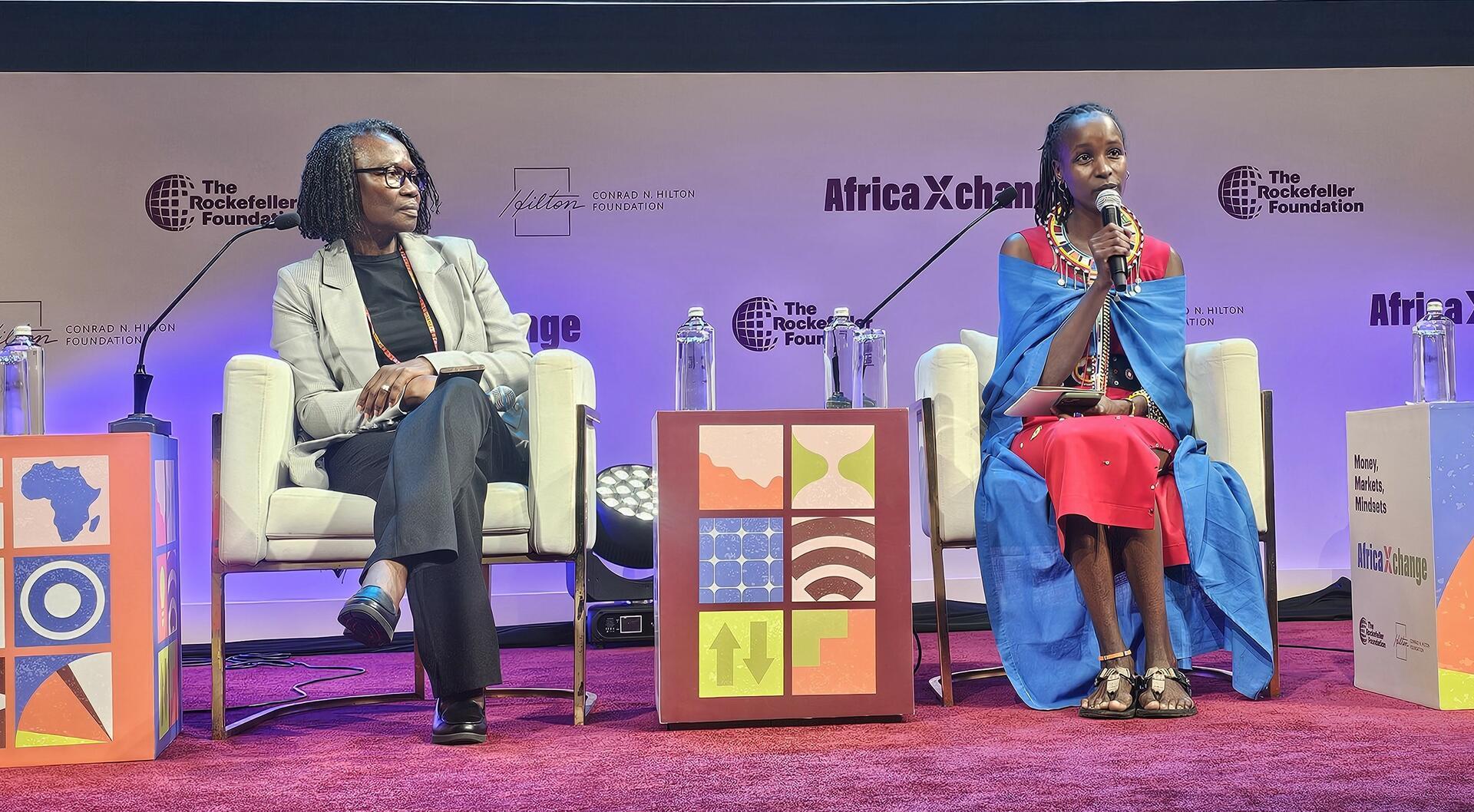
Selina Nkoline, a Maasai community leader from Narok, Rift Valley speaking during the side event. Seated next is Dr. Namukolo Covic, International Livestock Research Institute (ILRI) Director General and Representative to Ethiopia.
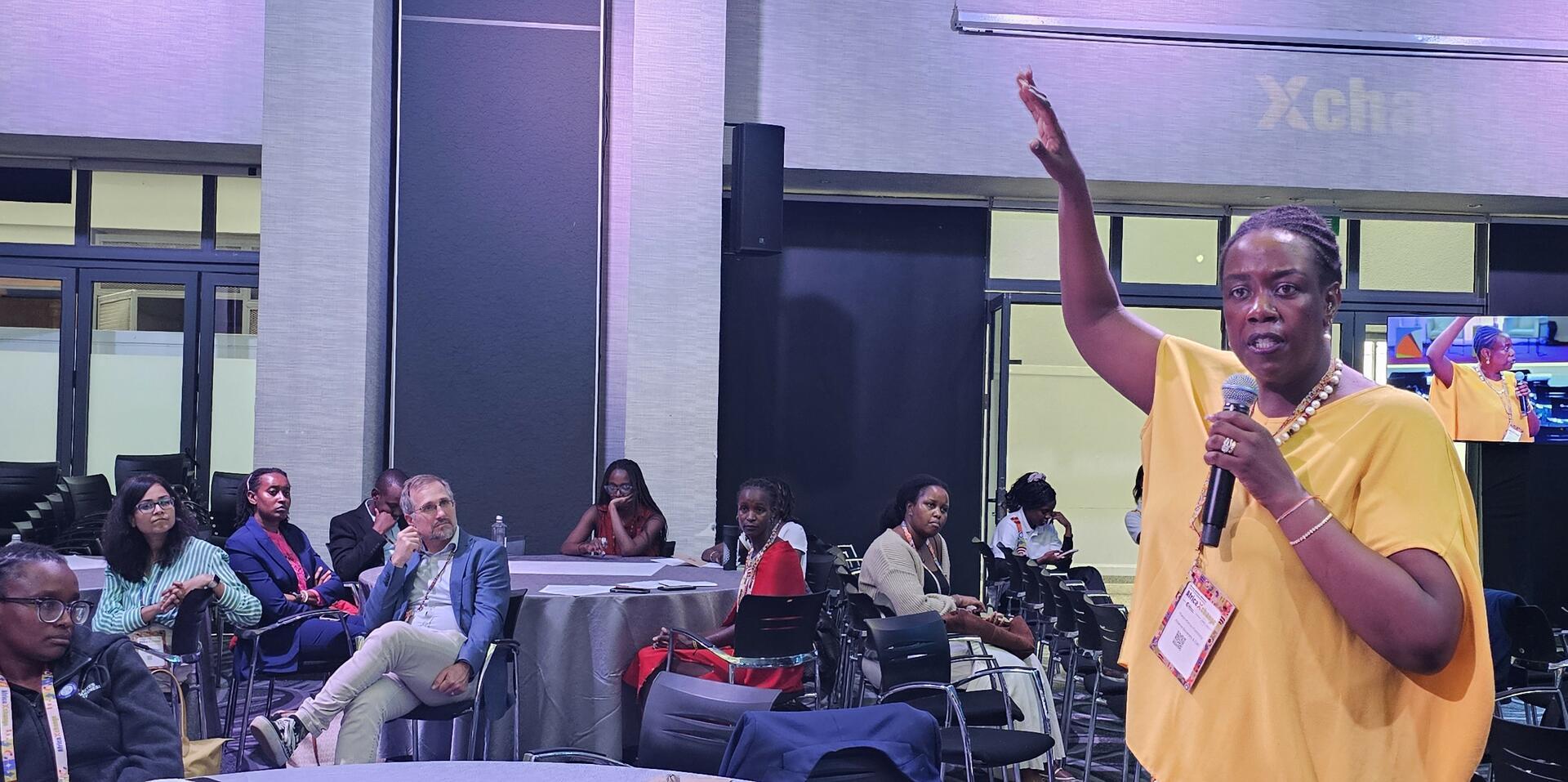
Dr. Wanjiru Kamau-Rutenberg, Managing Director for Africa for the Alliance, addresses participants at the closure of the side event.
Food systems as a convergence point
The EAT–Lancet Commission 2.0 Report positions food systems as a nexus connecting health, environmental sustainability, and social equity. This framing underscores their potential as a high-leverage entry point for achieving multiple development objectives simultaneously.
“Even if we did everything else right like mitigated against use of fossil fuels and stopped using harmful chemicals but ignored intervention along food systems, we still would not have a sustainable planet,” Dr. Namukolo Covic International Livestock Research Institute (ILRI) Director General and Representative to Ethiopia and EAT-Lancent Commissioner
A dedicated session moderated by Dr. Christine Chege – Agri-Nutrition and Food Systems Scientist, and Dr. Celine Termote-Africa Regional Team Leader Food Environment and Consumer Behavior highlighted the critical role of consumers within this system. Despite often being overlooked in policy design, consumer behavior directly influences dietary patterns, market demand, and ultimately production systems.
Ensuring that healthy diets are accessible, affordable, and culturally acceptable is therefore central towards achieving system-wide transformation
From dialogue to implementation
The Nairobi discussions emphasized the need to transition from conceptual frameworks to implementation. Achieving food systems transformation will require:
- Policy coherence
- Strategic investment
- Data-driven decision-making
- Multi-stakeholder partnerships
Africa is at a critical inflection point. With its diverse agroecological zones, expanding population, and growing research and innovation capacity, the continent is uniquely positioned to lead in the design and implementation of sustainable food systems.
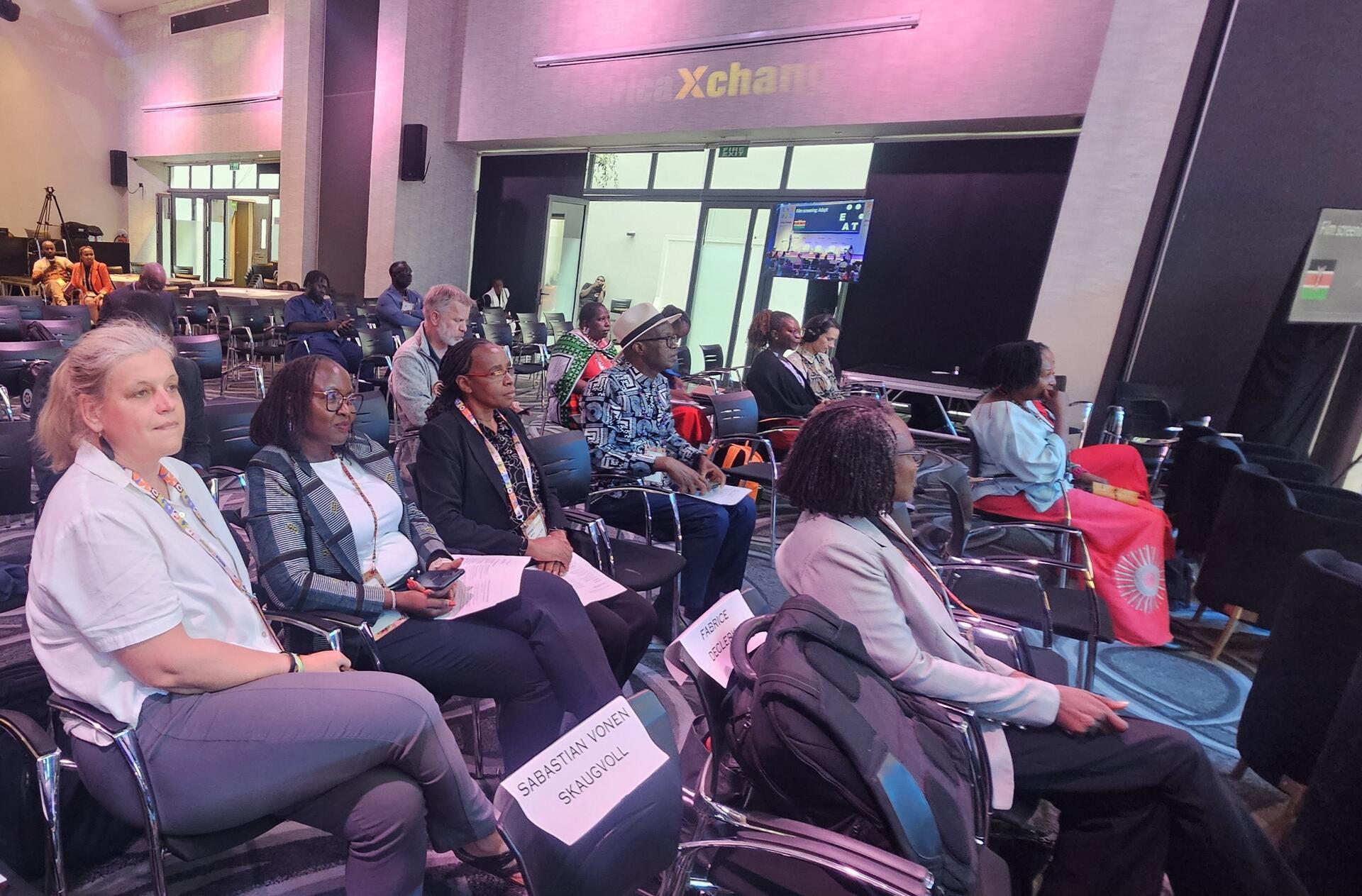
Participants follow proceedings during the side event.
The Alliance team

Wanjiru Kamau-Rutenberg
Managing Director, Africa, and Trustee, Bioversity International USA
Céline Termote
Senior Scientist - Africa Regional Team leader Food Environment and Consumer Behavior