Blog From cocoa farms in West Africa to Zambia’s Miombo landscapes: the Six Step Approach for scaling innovations from research to investment


The Alliance of Bioversity International and CIAT applies the Six-Step Approach in Zambia to scale low-emission innovations, shaping a €6 million restoration initiative and strategies for restoring degraded Miombo landscapes and strengthening sustainable livelihoods.
In Zambia, the Six Step Approach for scaling low emission food systems helped shape the formulation of a €6 million initiative supported by Italian Cooperation, translating stakeholder priorities and research evidence into a project for restoring degraded Miombo landscapes and strengthening sustainable livelihoods. In West Africa, the same approach is being used to work with cocoa sector stakeholders across Côte d’Ivoire, Ghana, Guinea and Cameroon to understand what is needed to scale agroforestry in practice.
These two experiences show how a tool designed to support scaling can be used at different stages of the journey from research to action. In Zambia, located in southern Africa it helped shape the formulation of the BIOLOB project. In West Africa, it is being used to work with stakeholders to identify and address the conditions that can enable an existing innovation to scale.
The contexts are different, but the question is the same: what needs to be in place for an innovation to move beyond evidence and become something that can be adopted, supported and sustained?
What does it take to move from science to adoption?
This question sits at the center of the Six-Step Approach for scaling low-emission food systems, developed by the Alliance of Bioversity International and CIAT with the support of the CGIAR program Scaling for Impact. The approach was designed to help practitioners understand the conditions needed to scale innovations while considering climate mitigation alongside development objectives.
Its six steps move from understanding the drivers of environmental pressures and national priorities, to examining adoption at farm level, addressing value chain barriers, developing inclusive business and financial mechanisms, and finally measuring climate and sustainable development outcomes.
The principle is straightforward: an innovation can be technically sound and still fail to scale if the surrounding conditions are not in place.
For Dr. Augusto Castro-Núñez, Senior Scientist at the Alliance, co-author of the Six Step Approach, and project lead, this insight emerged from a recurring gap in research and innovation: successful pilots do not necessarily translate into widespread adoption.
“We saw a gap between demonstrating that an innovation works and understanding what needs to happen for it to be adopted more widely. Scaling requires looking beyond the innovation itself and understanding the conditions around it. That led us to develop a more systematic way of thinking about the pathway from evidence to adoption.”

Augusto Castro-Nunez
Senior Scientist Low-Emissions Food SystemsConsultation became the foundation for investment
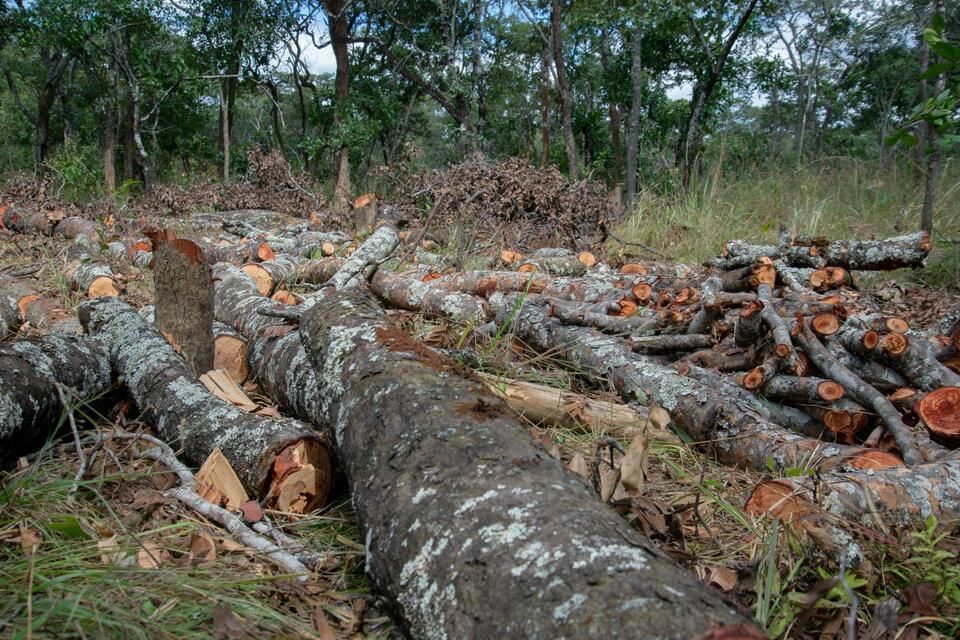
This thinking shaped the development of the BIOLOB project, focused on restoring biodiversity and degraded ecosystems in Zambia's Northwestern and Copperbelt provinces along the Lobito Corridor.
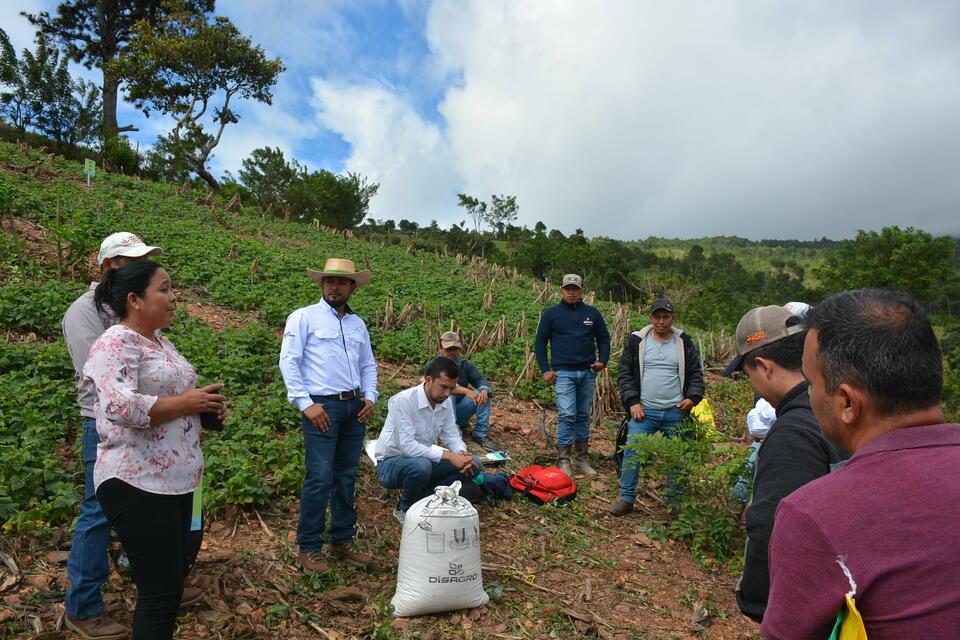
The process began with consultations with national stakeholders. A multi stakeholder consultation held in Lusaka helped identify priority intervention areas and informed the project design. The proposal was then structured around the Six Step Approach, using the first two steps to guide the consultation and using the remaining steps to shape the project's four components.
The result is a three-year project with a total budget of €6 million. Funded by the Italian Ministry of Foreign Affairs and International Cooperation (MAECI) through the Italian Agency for Development Cooperation (AICS), the project will now move into its inception phase, where feasibility studies, further stakeholder engagement and detailed assessments will refine the intervention strategy.
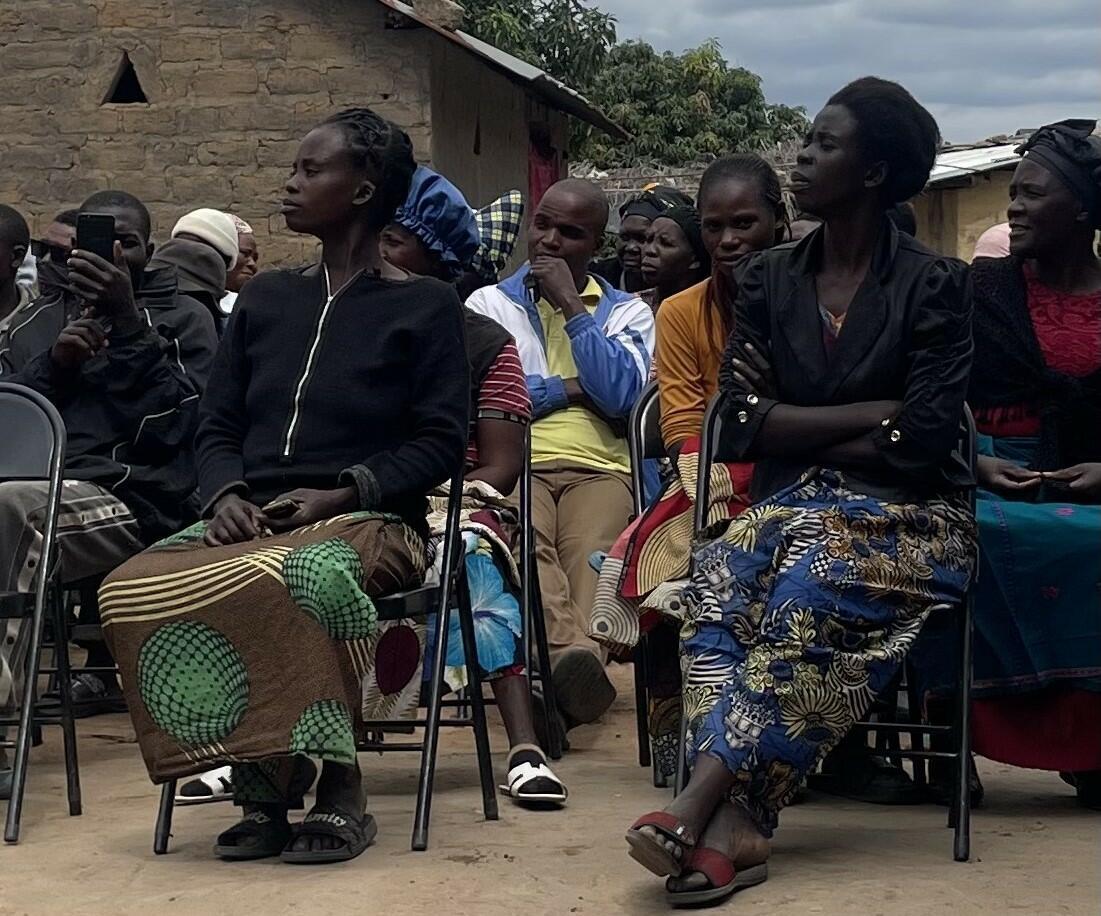
For Dr. Mary Ngaiwi, Postdoctoral fellow at the Alliance and BIOLOB project coordinator, the Six Step approach helped translate the findings from stakeholder consultations, which validated the project’s needs, into the design of the project:
“The consultations showed that restoration could not be addressed in isolation. Livelihoods, sustainable land use, value chains and local capacities all needed to be considered together, without leaving out the demand side of the value chain. The Six Step Approach helped us bring these dimensions into the project design. "

Mary Ngaiwi
Research SpecialistFrom forests to livelihoods: what BIOLOB will put into practice
BIOLOB is designed to create an enabling environment for sustainable land use and restoration while supporting more diversified and inclusive livelihoods.
Its four components are closely connected.
- First, monitoring and planning. The project will strengthen the capacity of government institutions, communities and rural households to monitor land use and restoration through geospatial technologies, participatory planning and community-based monitoring.
- Second, restoration. Communities will participate in identifying degraded areas and developing restoration plans. The project foresees ten restoration and conservation pilots across ten sites, covering 500 hectares. Depending on local conditions, interventions may include agroforestry, forest enrichment and soil and water rehabilitation.
- Third, sustainable production and livelihoods. BIOLOB will support sustainable agricultural and land use practices and diversified livelihood options, including legumes, honey, mushrooms, edible insects and sustainable charcoal production. Women, youth, Indigenous Peoples and other diverse groups are explicitly included in the project design.
- Fourth, value chains and markets. Finally, it will examine the constraints affecting selected value chains and co-develop inclusive business models with producers, aggregators, off takers and business support organizations. It will also connect enterprises with finance, markets and technologies.
The aim is therefore not restoration in isolation. It is to create conditions in which restoration and sustainable land use can become economically and institutionally viable.
From West Africa to Zambia, and beyond
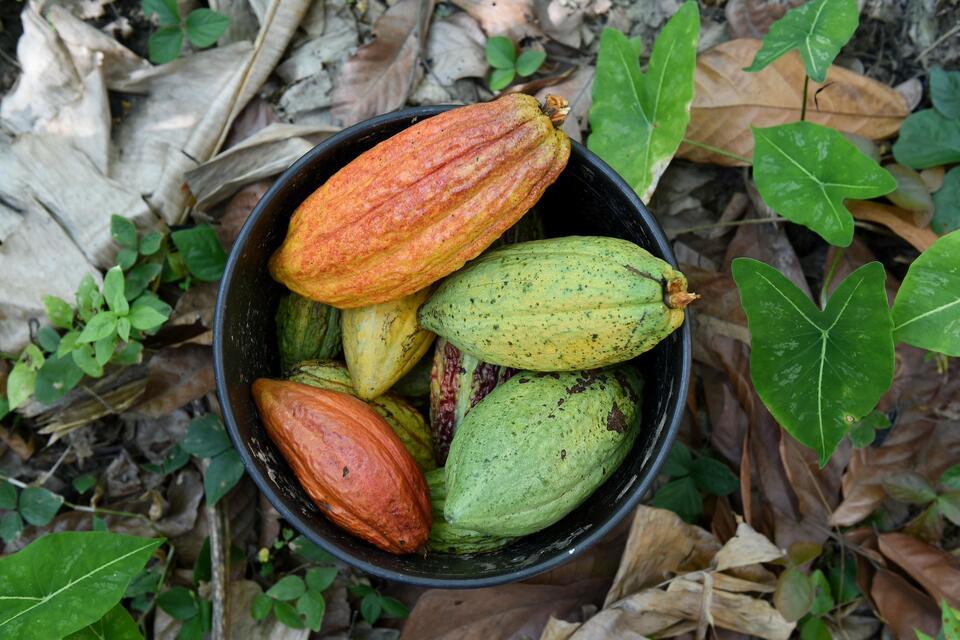
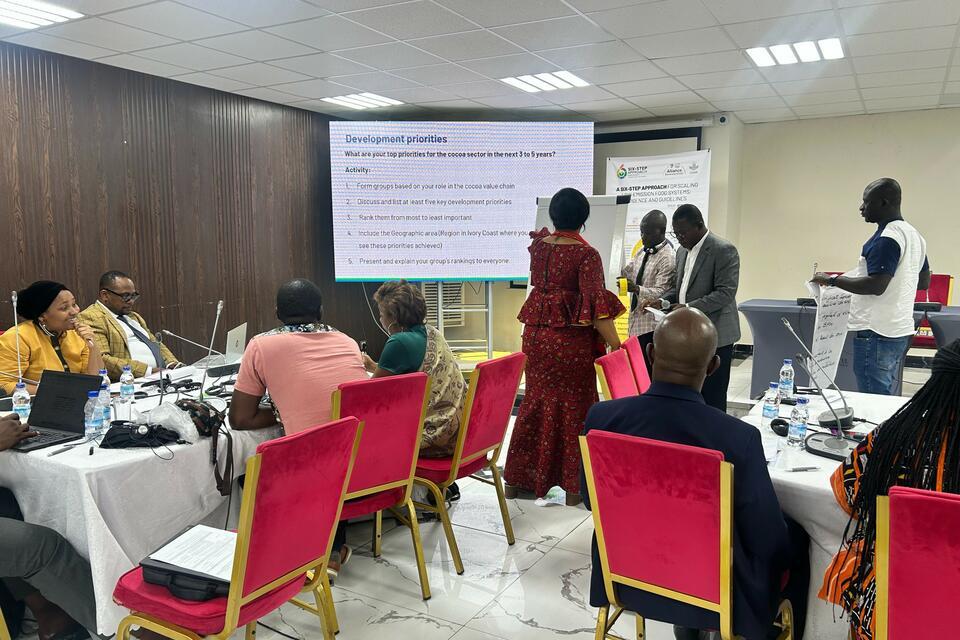
The Six Step Approach has already been applied in Colombia, Côte d’Ivoire, Ghana, Guinea and Cameroon, where the Alliance is working with stakeholders across the cocoa value chain to develop strategies for scaling agroforestry and other low emission innovations.
The next step is to continue applying and learning from the approach in West Africa, put it into practice through the BIOLOB initiative in Zambia, and adapt it to other regions and value chains where promising innovations still face barriers to adoption.
Because the challenge is not simply to produce more science.
It is to understand what needs to change around an innovation so that people can use it, institutions can support it, markets can sustain it and investment can take it further.
This is closely aligned with the purpose of the CGIAR Scaling for Impact Science Program, which focuses on connecting research with policy, markets, investment, partnerships and delivery systems so that science can translate into solutions used at scale.
In Zambia, the Six Step Approach for scaling low-emission food systems helped shape a €6 million investment. In West Africa, it is being applied with cocoa sector stakeholders to turn evidence and local knowledge into strategies for scaling cocoa agroforestry.
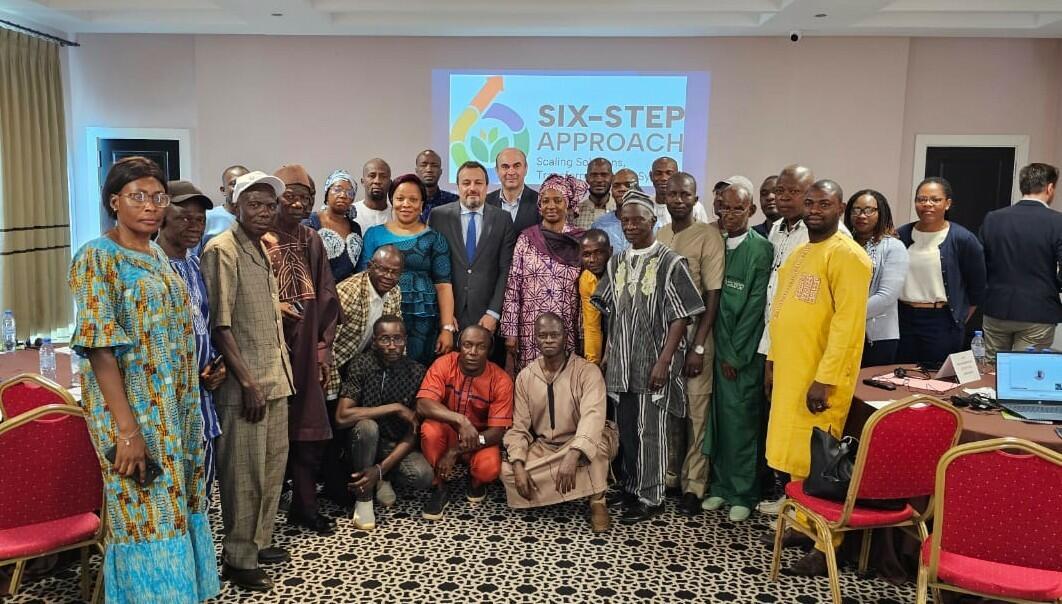
This note draws on work under the CGIAR Climate Action and Scaling for Impact Science Programs, as well as the BIOLOB project, funded by the Italian Ministry of Foreign Affairs and International Cooperation (MAECI) through the Italian Agency for Development Cooperation (AICS).
Further reading