
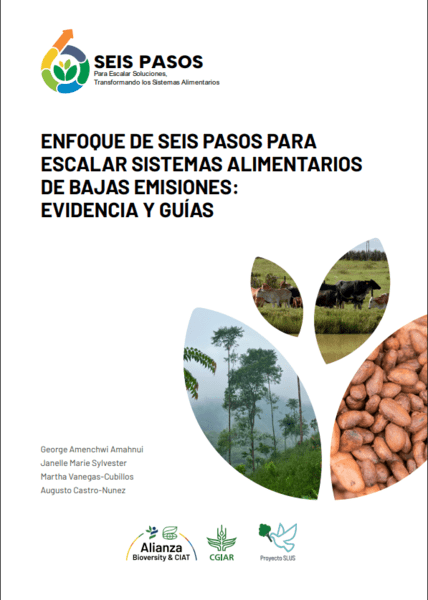
A Six-step approach for scaling low-emission food systems: Evidence and guidelines.
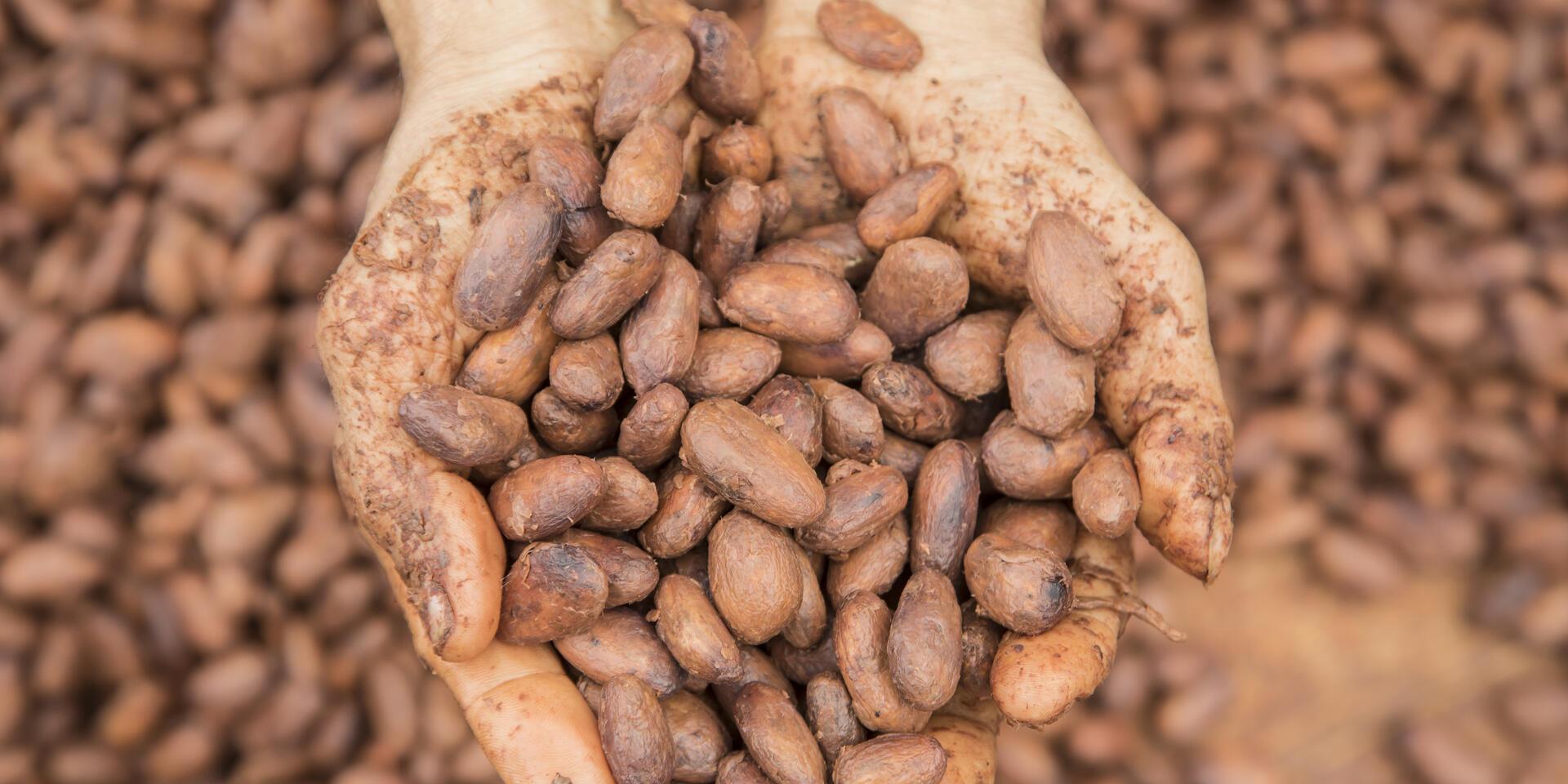
The Six-Step strategic tool helps to create an enabling environment to scale low-emission innovations in food systems. By aligning climate action with development goals, it helps overcome both technical and non-technical barriers—such as policy gaps, limited financing, and lack of social acceptance.
Through a structured, participatory process, the approach overlaps between mitigation and government priorities, and fosters institutional alignment, stakeholder buy-in, and inclusive value chain upgrading.
It’s especially useful during the design and implementation phases of research for development, where evidence-based planning and financial innovation are essential. It also complements existing scaling tools by offering practical insights that help move innovations from pilot to practice.
This approach is linked with the Climate Action and Scaling for Impact CGIAR programs.
In what context is this tool useful?
The Six-Step Approach is useful in contexts where low-emission food system innovations need to be scaled equitably and effectively. The expected outcome is a supportive enabling environment that aligns policies, finance, and stakeholder actions to accelerate adoption and maximize co-benefits.
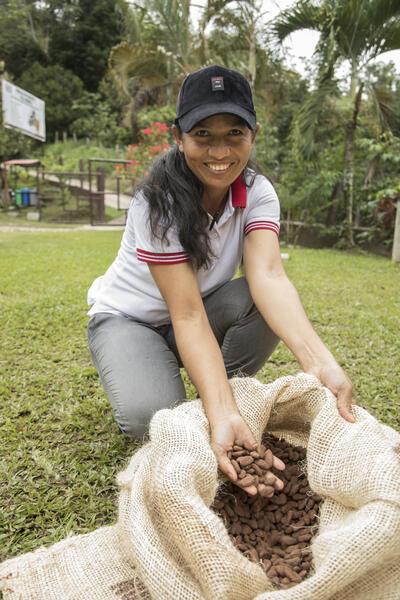
Cocoa is one of the crops in which women are most involved throughout the production chain. Photo credits: Juan Pablo Marín
Results achieved
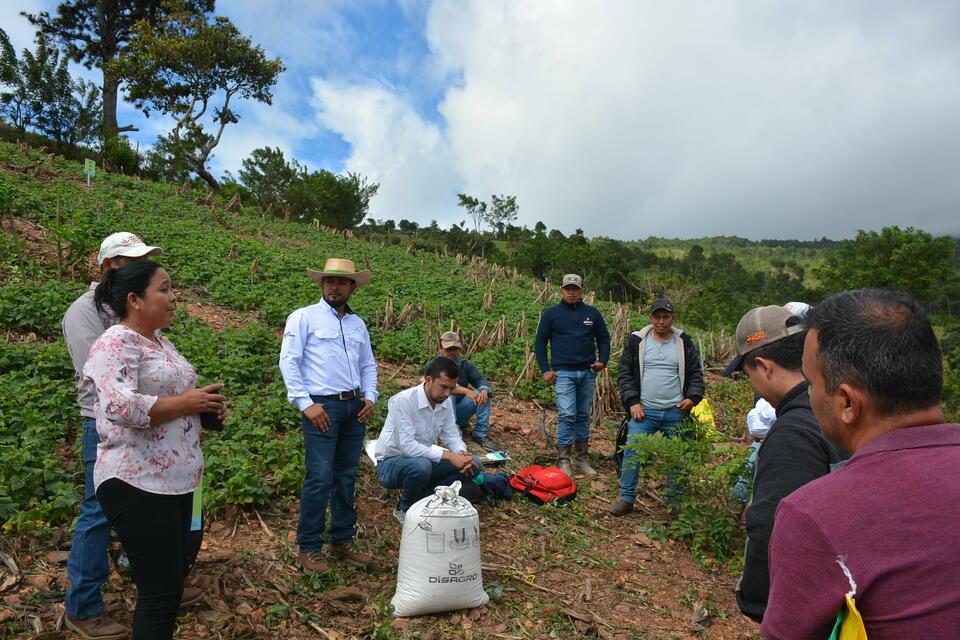
The Six-Step Approach has been successfully piloted in the Colombian Amazon, where it supported the scaling of silvopastoral livestock systems and cocoa agroforestry.
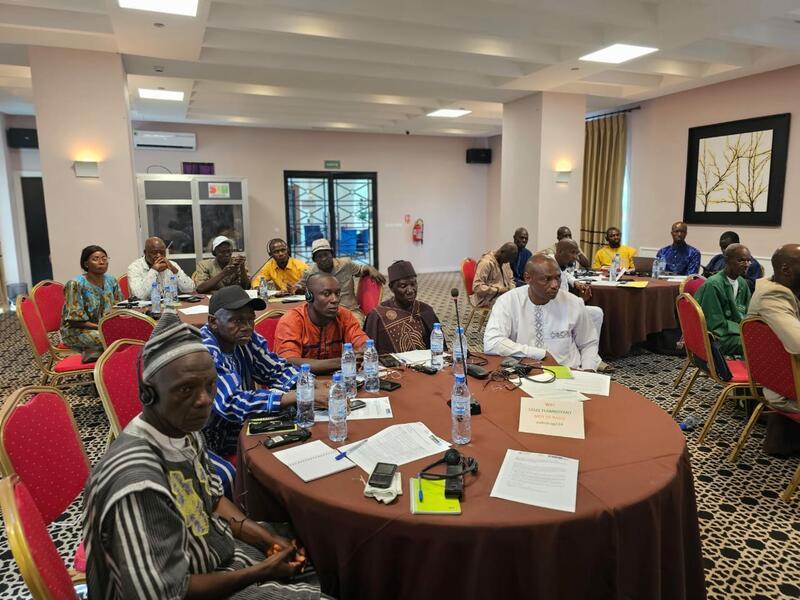
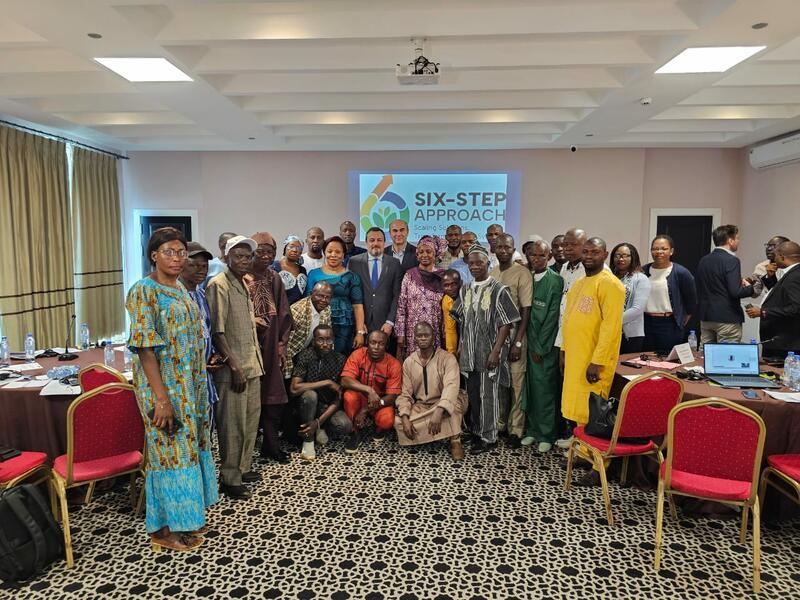
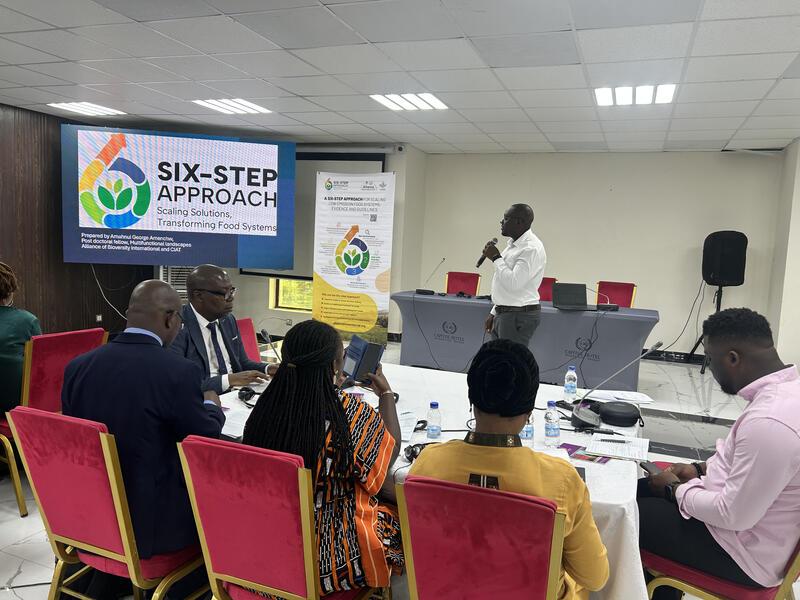
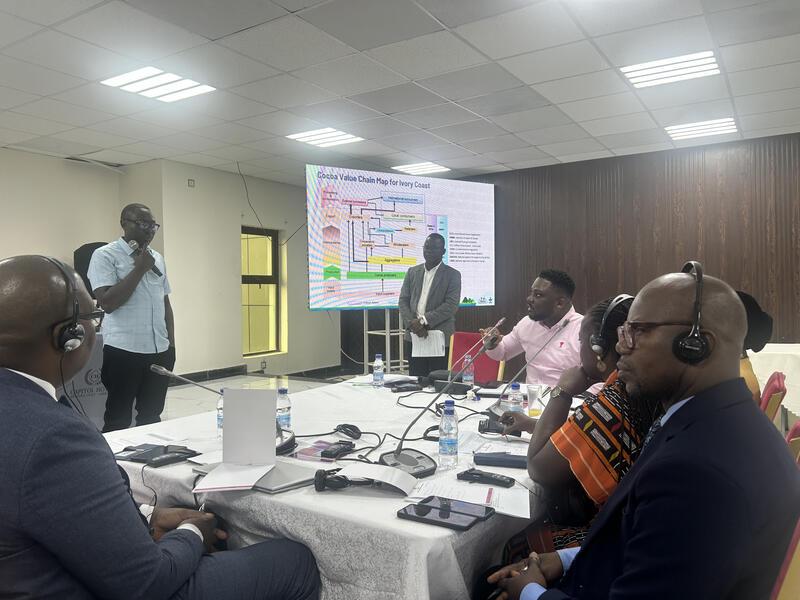
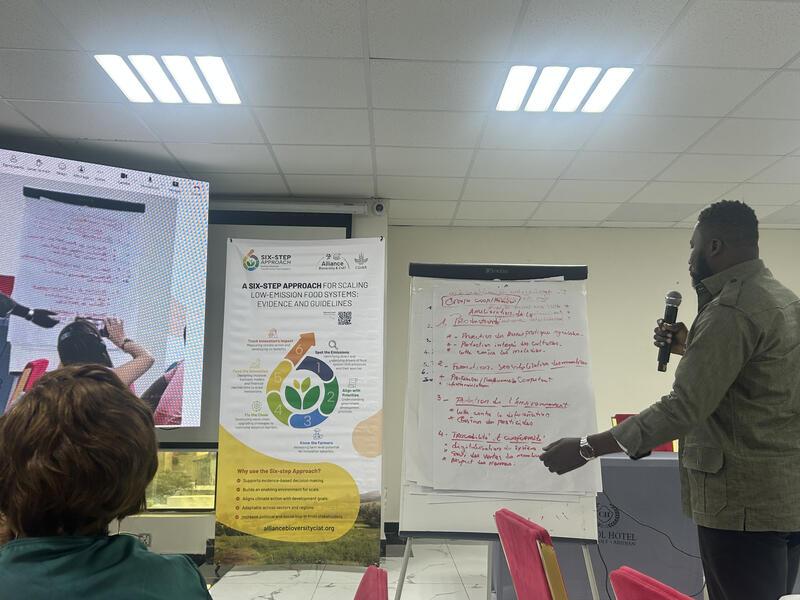
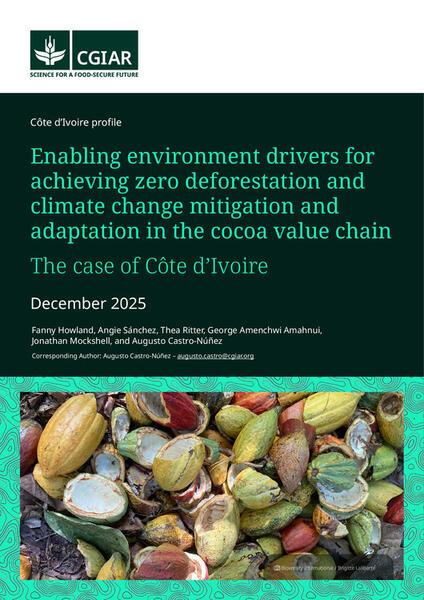
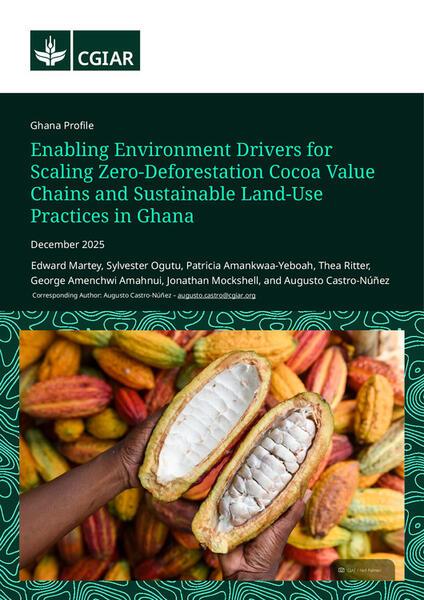
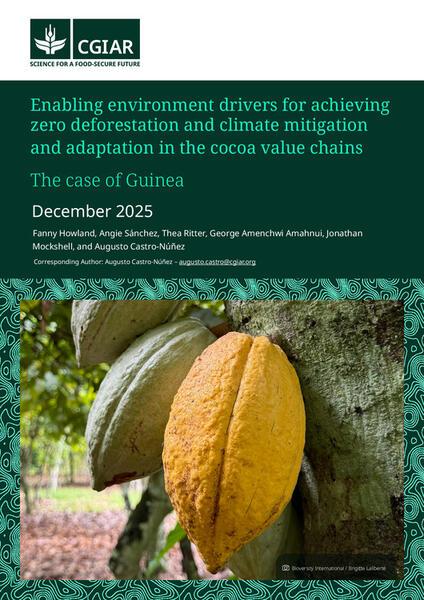
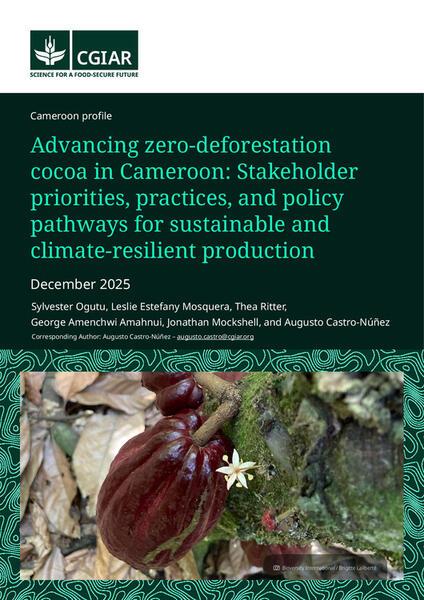
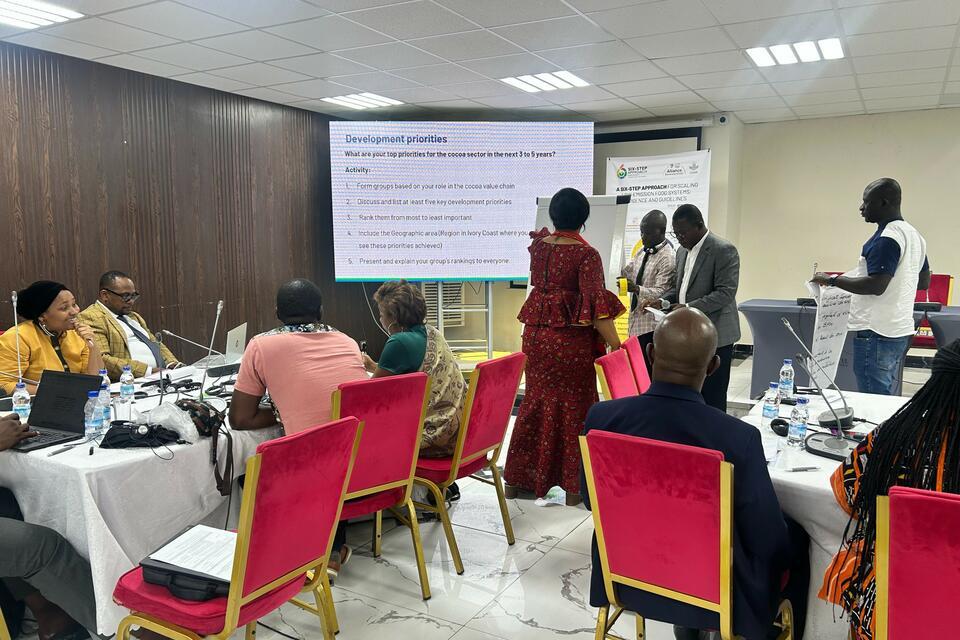
Building on this achievement, the approach is now being applied in Côte d’Ivoire, Guinea, Ghana, and Cameroon to support the scaling of low-emission food systems innovations for sustainable cocoa production in West Africa. Across these four countries, evidence has been gathered, participatory workshops have been conducted with partners, and studies have been developed and validated. The initiative is currently supporting the co-creation of strategies and innovations to accelerate the scaling of sustainable cocoa and low-emission food systems approaches.
This work is being implemented in collaboration with a wide range of national and local stakeholders across the four countries, including the CCC (Conseil du Café-Cacao) in Côte d’Ivoire and IRAG (Institut de Recherche Agronomique de Guinée) in Guinea.


Variations, scaling and adaptations
This participatory methodology is designed to support a broad range of stakeholders involved in scaling low-emission food system innovations. These include:
- Government institutions and policymakers
- Researchers and technical experts
- NGOs and development organizations
- Private sector actors
- Donors and funding agencies
- Local communities and farmer organizations
The tool is especially relevant in Global South contexts, where efforts to scale sustainable innovations often face political and social barriers. By fostering alignment and collaboration, it helps unlock progress where it’s most needed.
Contact us

Augusto Castro-Nunez
Senior Scientist Low-Emissions Food Systems
George Amahnui
Postdoctoral FellowThis video introduces a Six-Step Approach to scaling innovations that reduce emissions while supporting Sustainable Development Goals (SDGs). Learn how to identify emission drivers, align priorities, unlock adoption, and measure impact—featuring a real-world case from the Colombian Amazon.

Funders
This tool was developed with support from the following CGIAR initiatives and programs:
-
CGIAR Research for Low-Emission Development Initiative (Mitigate+)
-
CGIAR Climate Science Program
-
CGIAR Scaling for Impact Science Program