Blog Hearing the heart of the Ivorian cocoa value chain: Voices from the ground
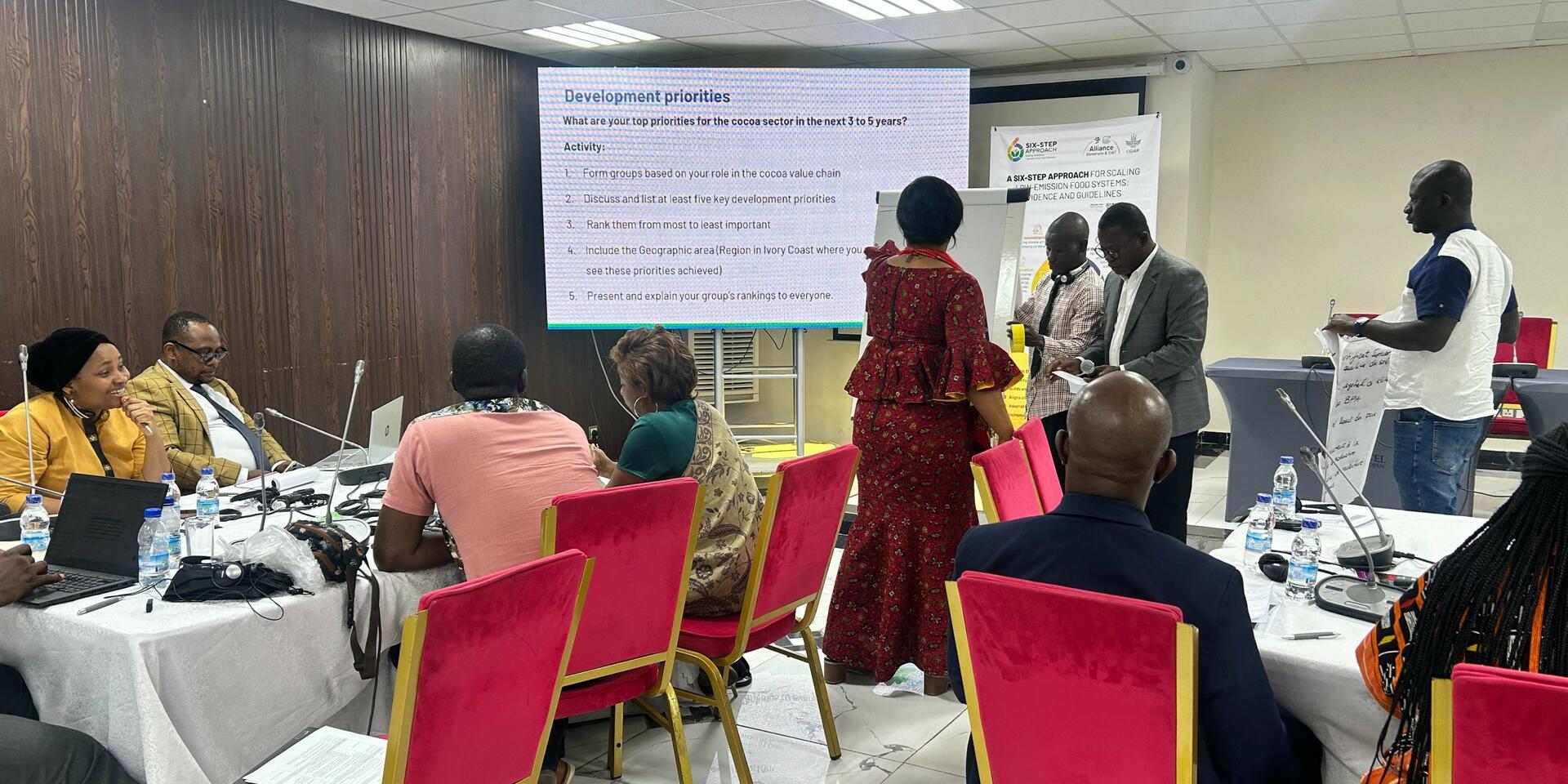

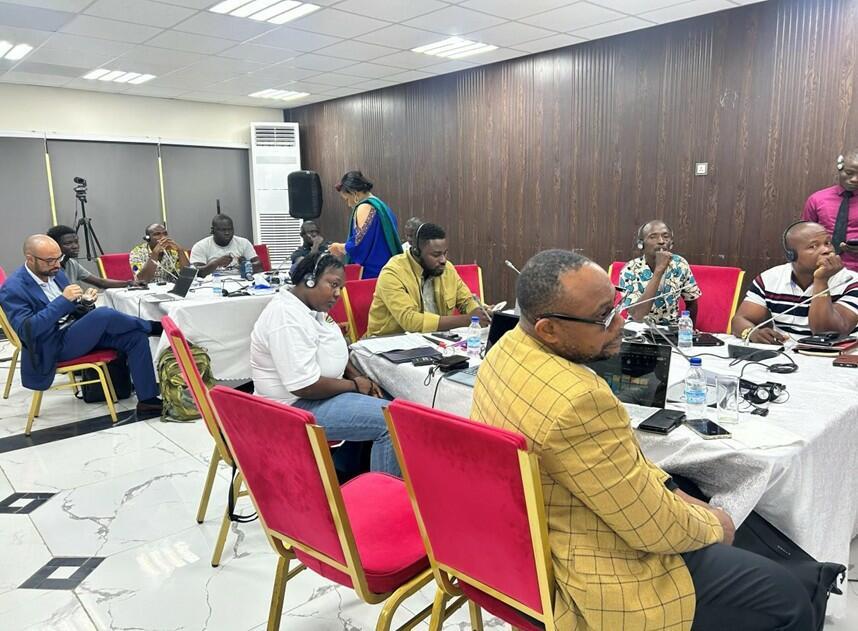
The room was already buzzing before the discussions began. Farmers greeted cooperative leaders with familiar handshakes. Exporters set down their notebooks. Representatives from public institutions, civil society groups and development agencies settled into small clusters around square tables. Everyone knew why they were there: to rethink the cocoa value chain in Côte d'Ivoire together, not in theory, but in a way rooted in lived experience.
This spirit of collaboration defined the workshop among stakeholders of the Ivorian cocoa value chain. Held in Abidjan and organized by the Alliance of Bioversity International and CIAT, the dialogue engaged actors from across the cocoa value chain and included the participation of key development partners such as AICS (Italian Agency for Development Cooperation), Save the Children, Solidaridad, and Rainforest Alliance. Over two days, stakeholders worked side by side to validate research, surface challenges, and co-design pathways toward a more deforestation- free, climate-resilient, and inclusive cocoa sector.
A sector under pressure and ready for change
Côte d’Ivoire produces 40% of the world’s cocoa. Together with Ghana, it forms the heartbeat of a global industry. But that heart is beating under pressure.
Climate disruptions such as droughts, floods and rising temperatures are already undermining yields and farm stability. At the same time, upcoming deforestation regulations are set to reshape future access to international markets. Under the European Union Deforestation Regulation, imported cocoa will be required to be traceable and verified as not originating from recently cleared land, starting in December 2026.
Companies must now map farms, verify GPS coordinates, and document production practices across their supply chains. While designed to curb forest loss, these rules also expose deep inequalities: Exporters and large cooperatives are better equipped to comply, while many smallholder farmers lack the resources, documentation, or technical assistance required to prove compliance. Without support, farmers who depend on cocoa risk losing access to markets and are left asking:
How can farms remain productive under climate stress?
How can forests be protected without undermining livelihoods?
And how can sustainability translate into real economic gains for producers?
If cocoa is to remain a pillar of prosperity, the value chain must transition to a sustainable, deforestation-free future.
A six-step path toward sustainability
The workshop was part of the implementation of the Alliance’s Six-Step Approach, a framework that blends scientific analysis with stakeholder co-creation. The process began with extensive desk research. But research alone cannot capture the full picture.
To validate and enrich their findings, an Alliance team traveled to Abidjan to meet with stakeholders from all segments of the cocoa value chain: to listen, to learn, and to co‑design innovations directly from the ground up.
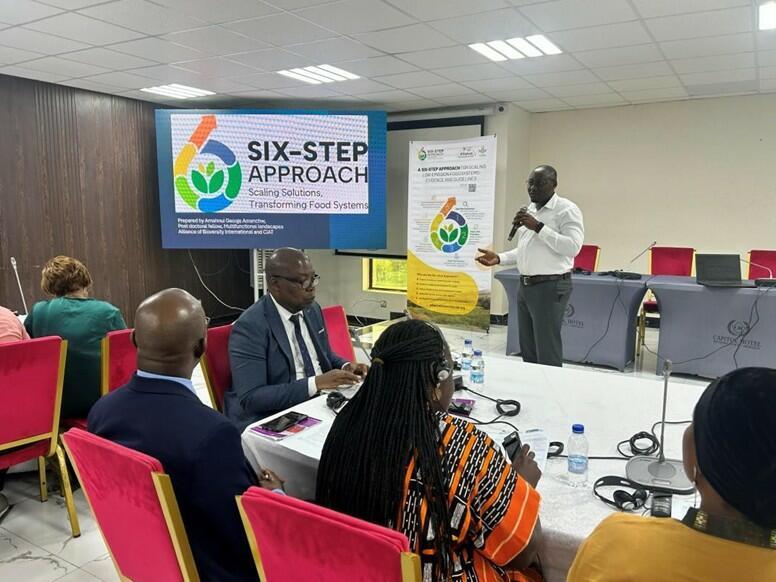
Mapping the chain together
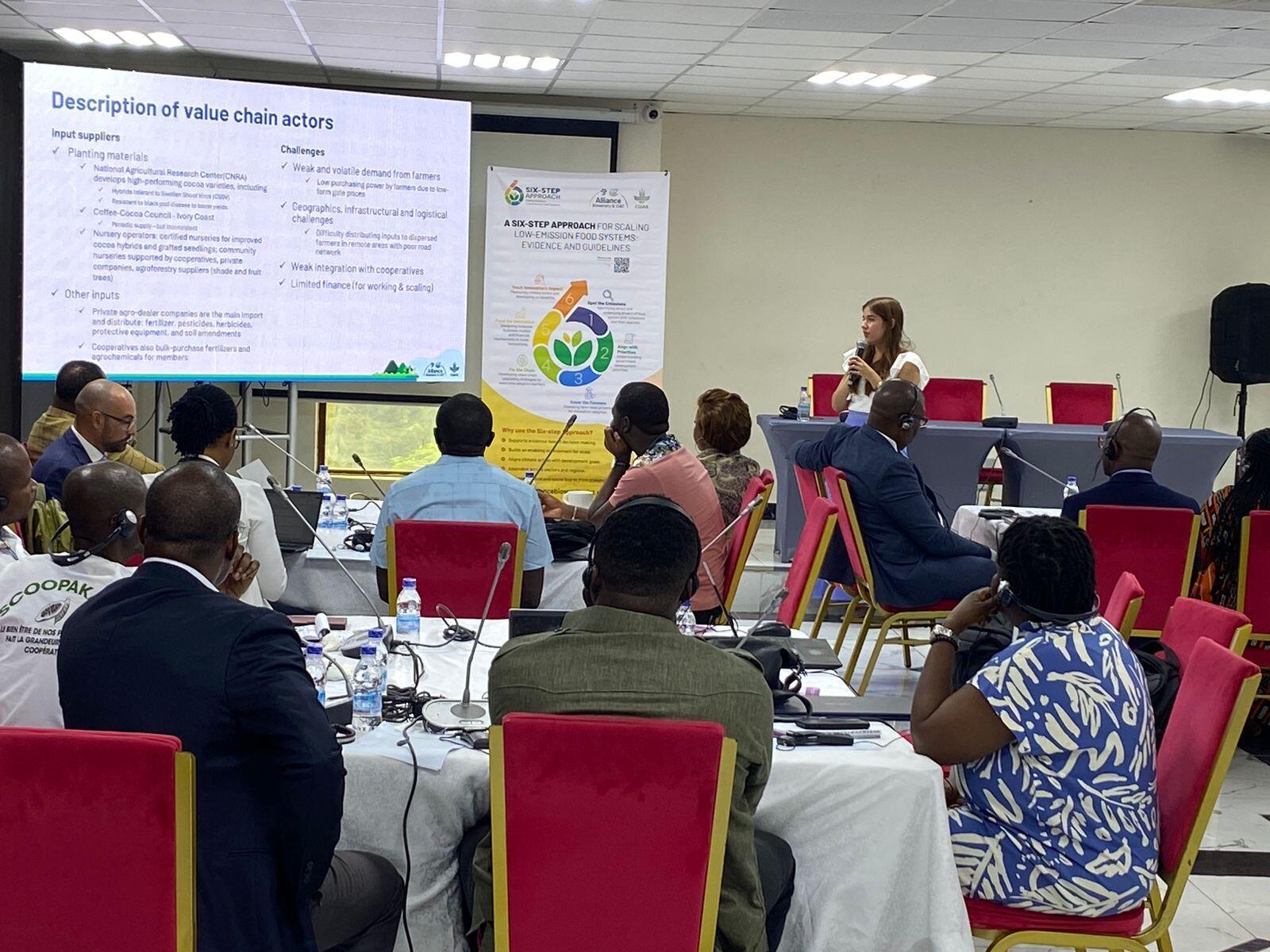
The session opened with a collective mapping of the cocoa value chain. Participants reflected on the roles of different actors, key market segments, and the major bottlenecks shaping
performance.
One bottleneck quickly rose to the surface: access to finance. Smallholder farmers and cooperatives described how limited credit restricts their ability to invest in inputs, training, and sustainable practices. The discussion also highlighted gaps in infrastructure, market information, and value distribution.
Through debate and exchange, the group transformed individual perspectives into a shared system-wide picture.
Rethinking business models
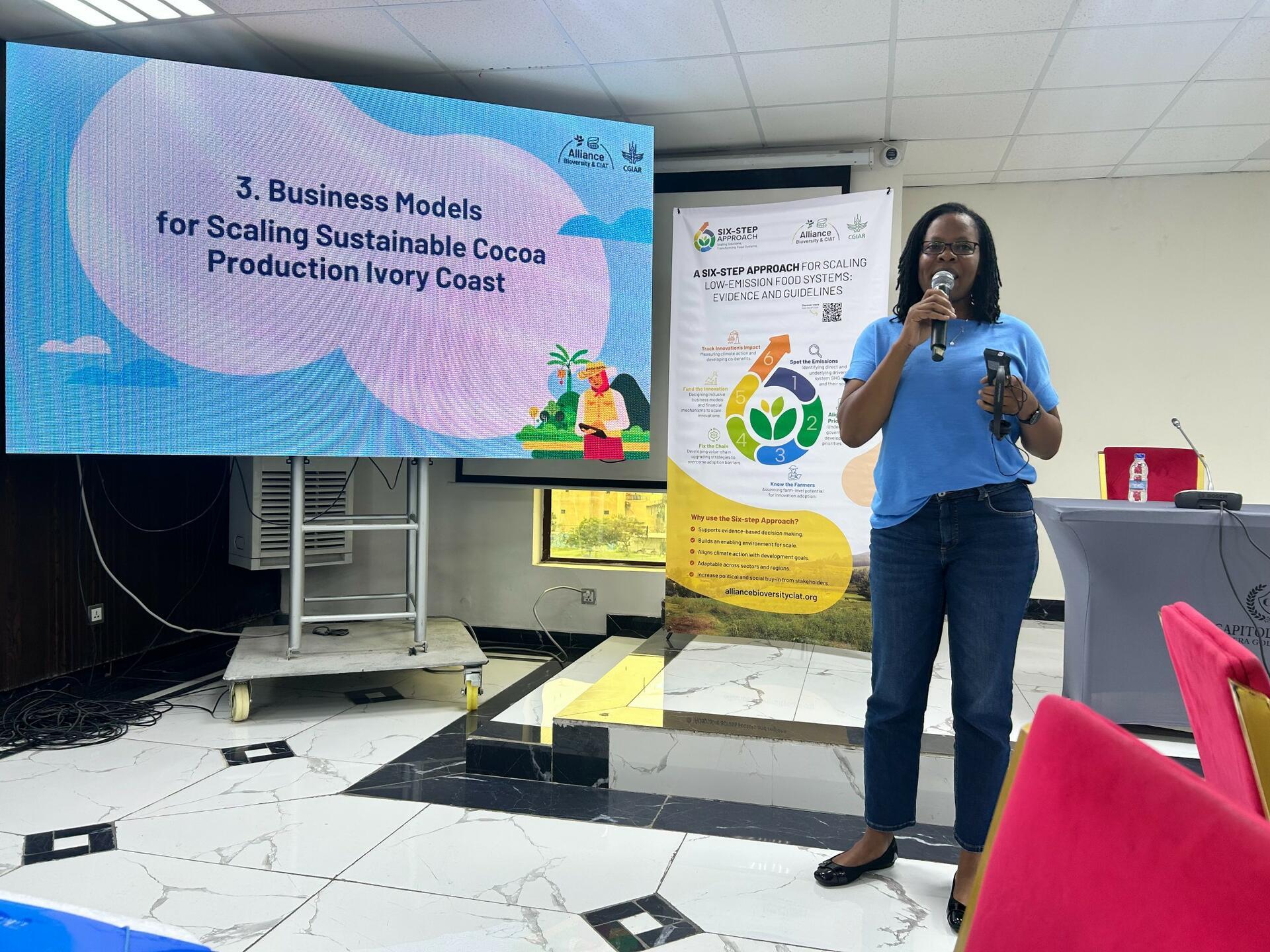
The conversation then shifted to business models.
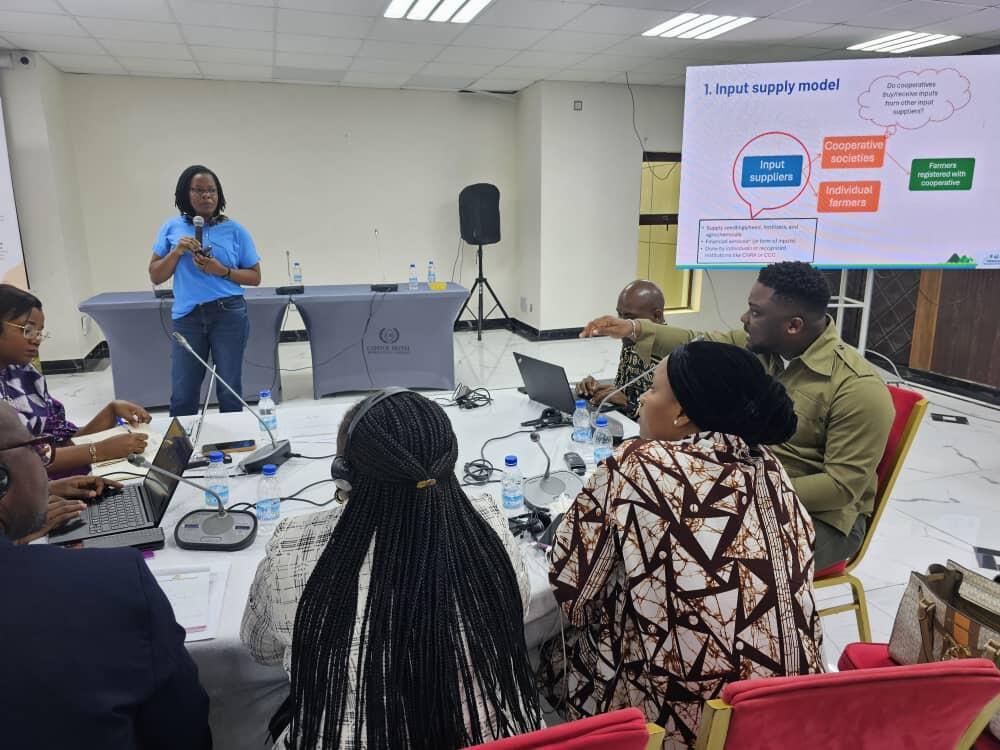
Participants asked and discussed: How do actors relate to one another commercially? Where do current dynamics create challenges? And where could new partnerships unlock value for everyone involved?
From there, they explored opportunities for closer links between producers and processors, stronger cooperative services, and incentives for sustainable practices that go beyond compliance and become genuine sources of competitive advantage.
What matters most: Development priorities
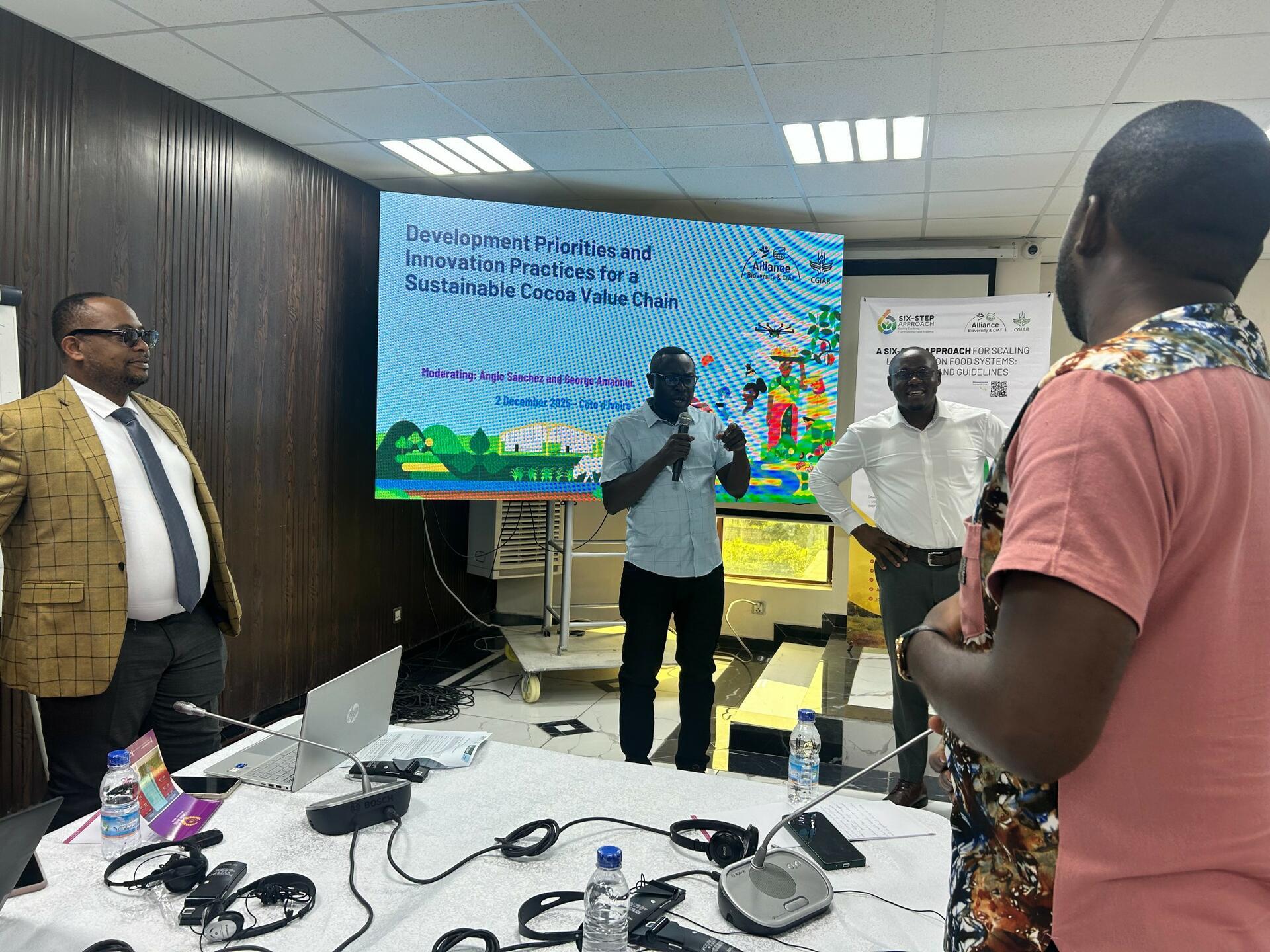
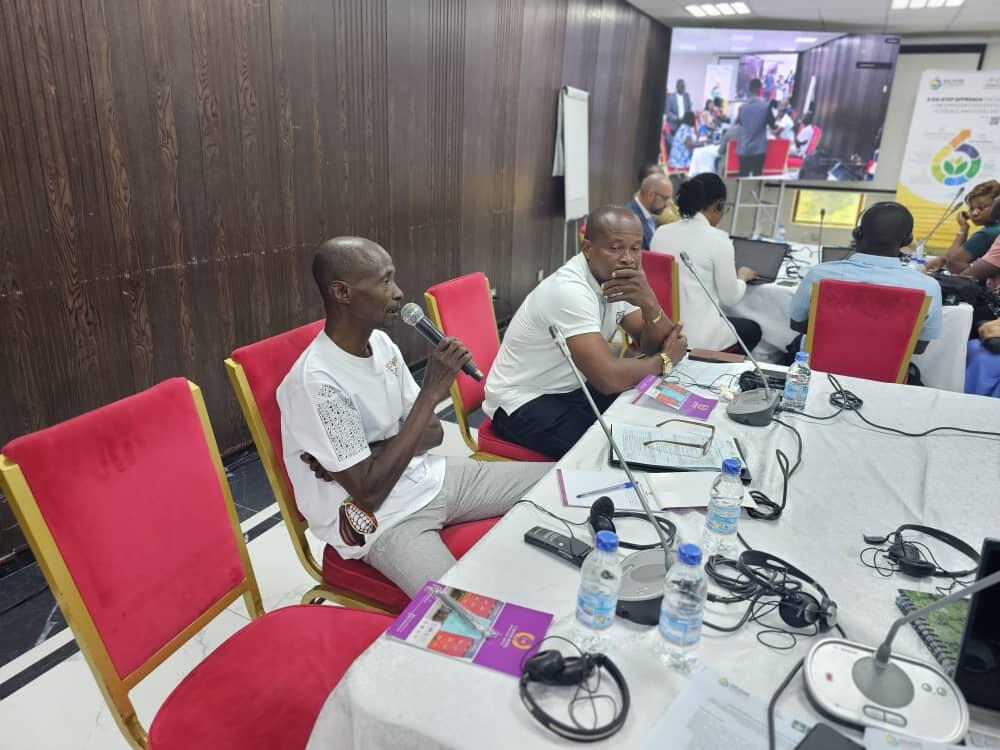
When asked to identify their top development priorities, stakeholders converged around three core themes: income generation and productivity; climate resilience; and increased local processing and consumption.
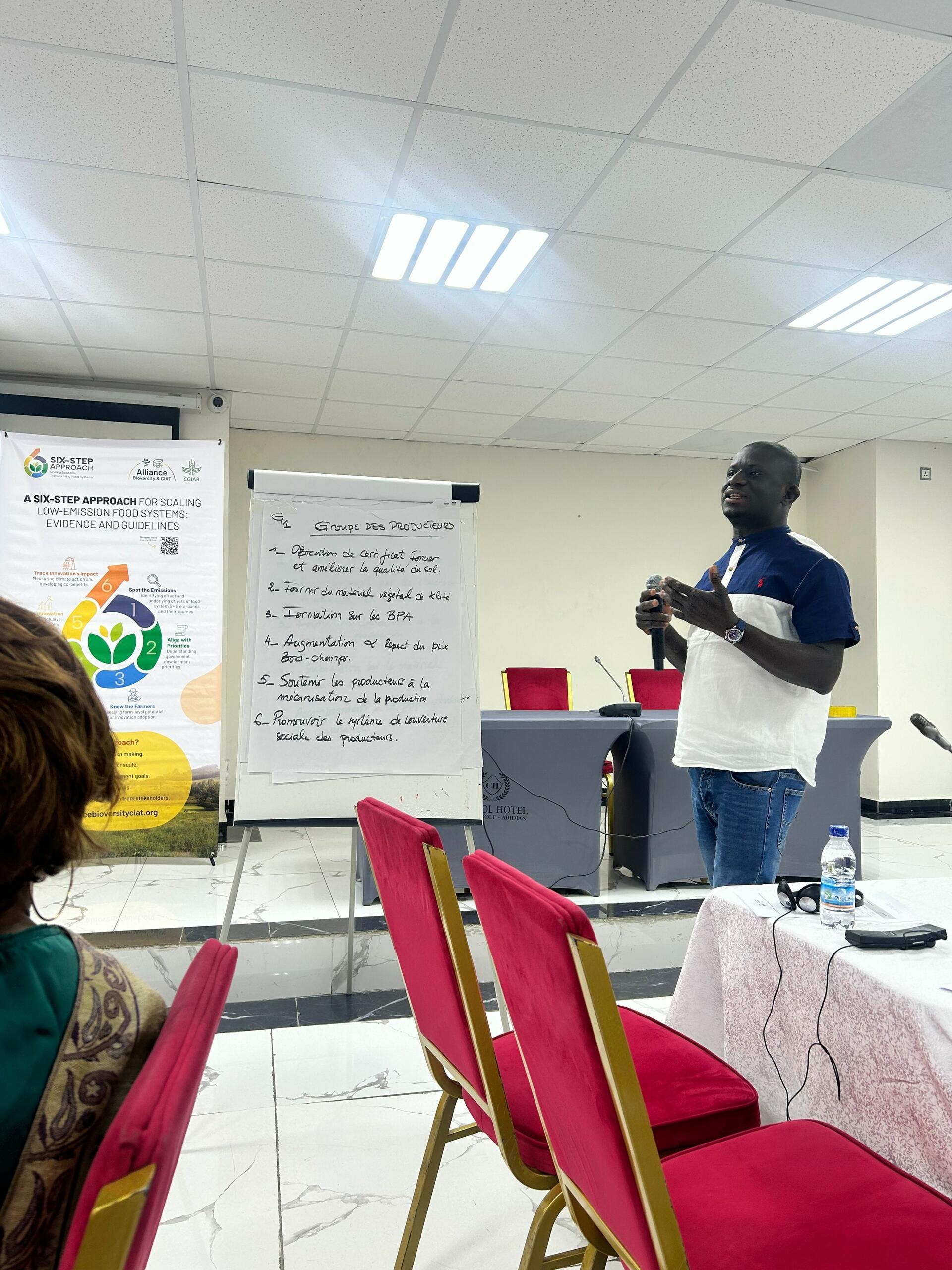
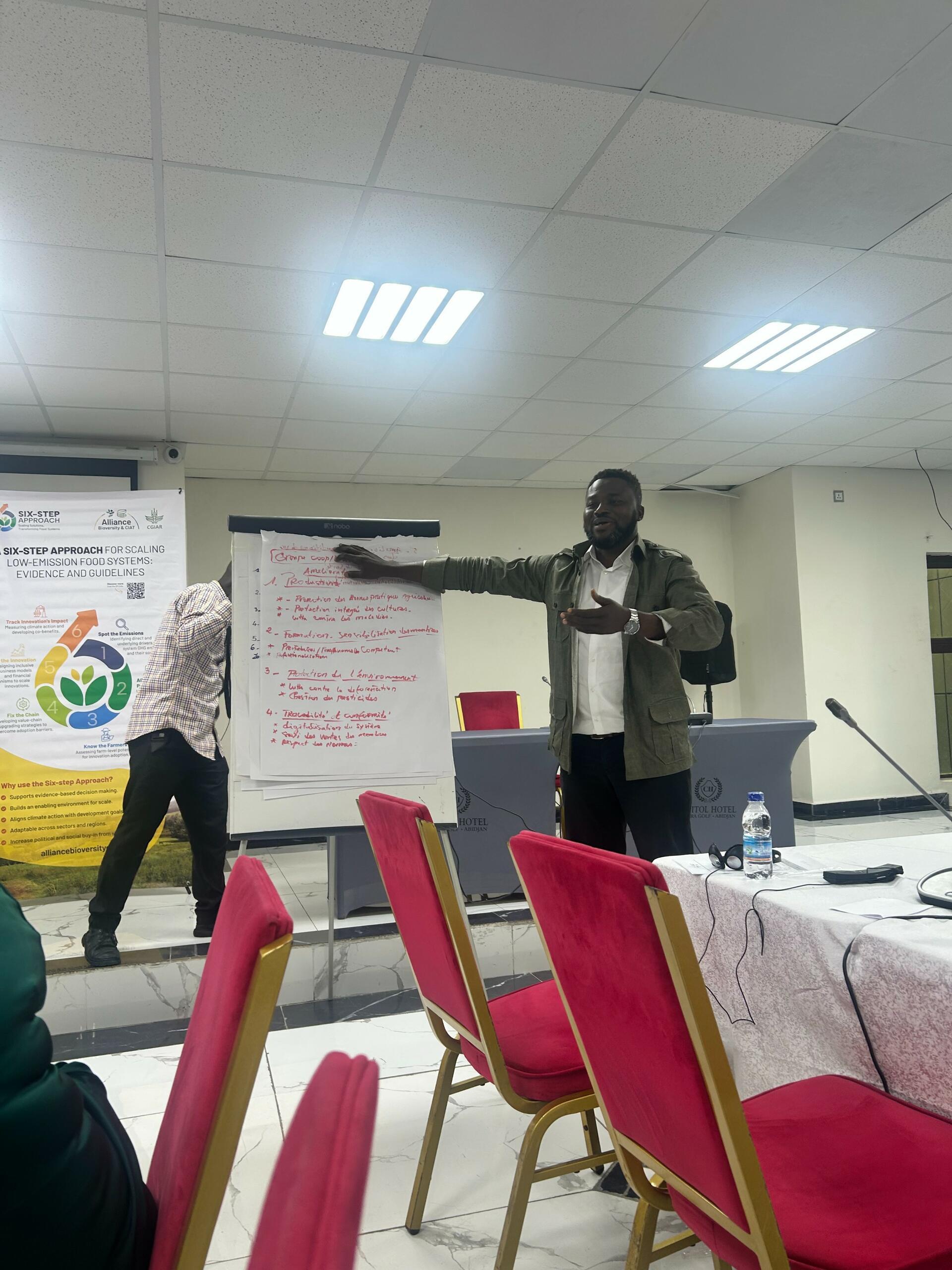
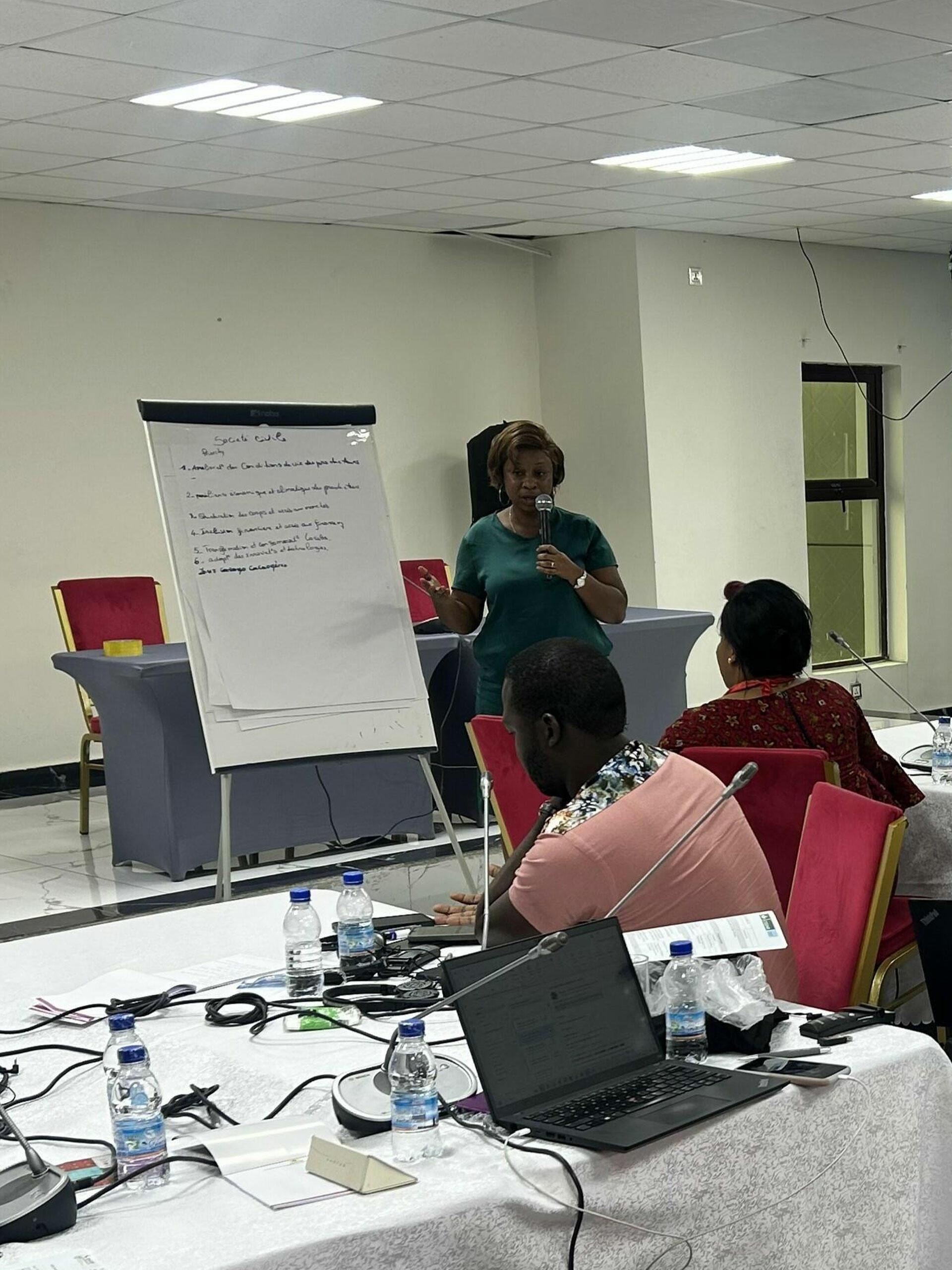
These priorities reflect a desire not only to grow more cocoa, but to grow it better: in ways that strengthen livelihoods, protect ecosystems, and retain more value within the country.
Bundling sustainable practices for greater impact
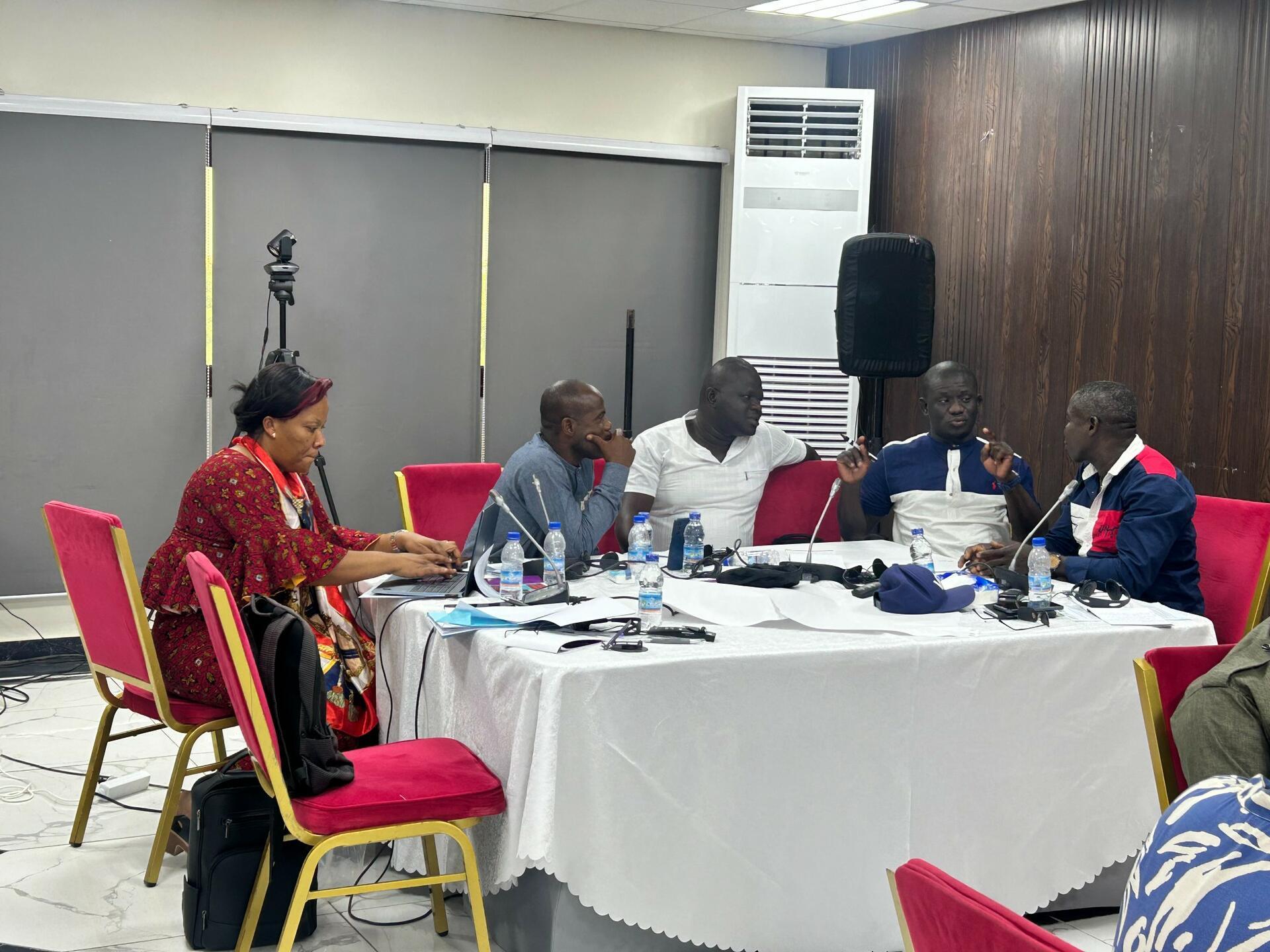
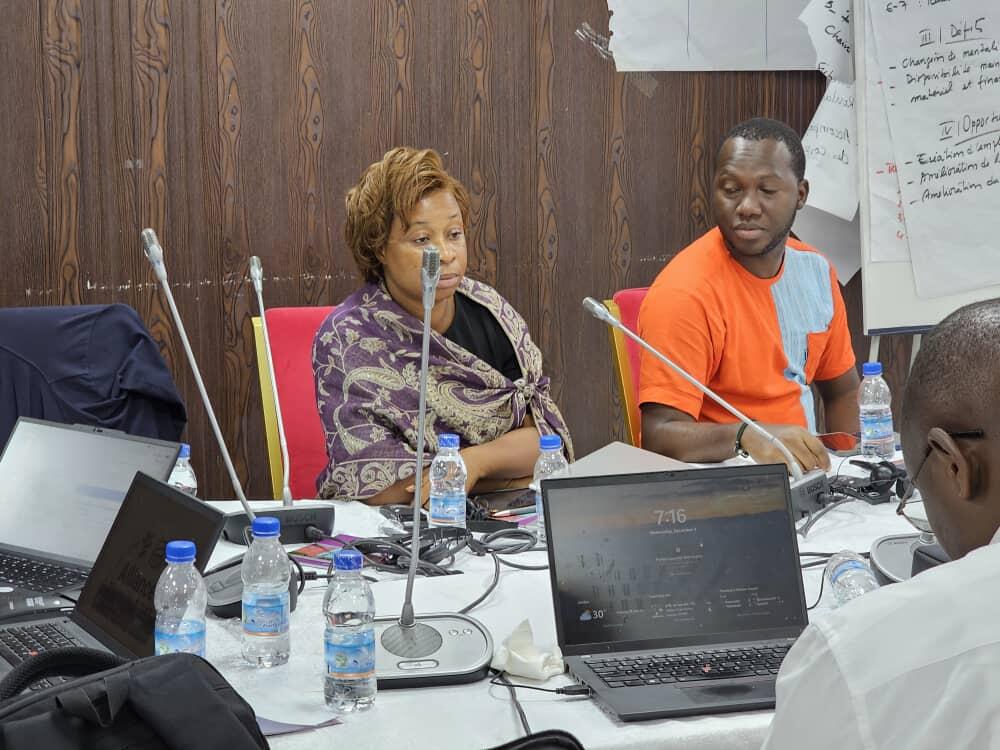
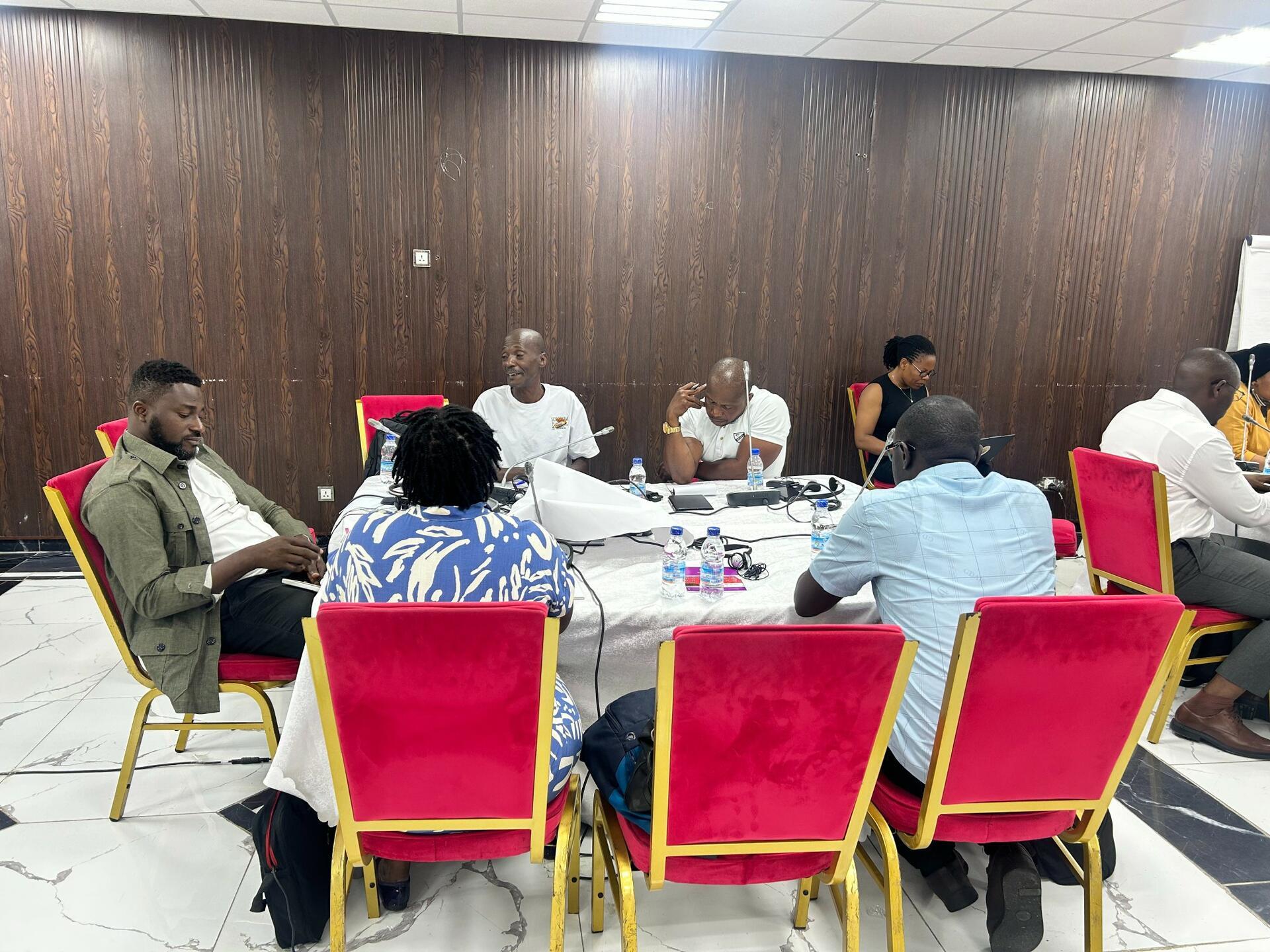
The final session turned toward sustainable practices and innovation bundles. Participants worked across roles to map existing innovations, including agroforestry, soil health practices, and biodiversity-friendly farming, and explore how combining them could amplify impact.
This exercise sparked reflection on individual and collective responsibility. Each actor considered their role in making the value chain more sustainable, and how better coordination could turn isolated efforts into systemic change.
What stakeholders said: in their own words
 “It was a really interesting workshop. Ǫuite participatory, actually. It allowed us to understand the challenges facing the sector, everything that is being done in terms of
innovation, in terms of agroforestry, and the expectations of producers and cooperatives who are really the foundation, even the beginning of the value chain. We would like to see more of this type of initiative, this type of exchange, so that we can continually update our knowledge and truly be able to meet the climate challenges facing the sector, which is a very important sector in Côte d'Ivoire.” Sandre Christelle Lauhe
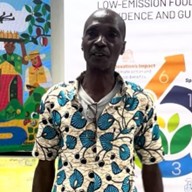 “We have just completed a workshop, and we were really satisfied with everything we learned. We contributed a few things, but we are very proud because it helps us understand that in cocoa farming there are developments and innovations in terms of biodiversity. We would therefore like to thank the Alliance group for enabling us to attend this workshop. We will now pass on the information to our various bases so that it can be shared with all regions.” Nando Ali Diarra
 “I would like to thank the Alliance Biodiversity & CIAT for this workshop, which has enabled us to understand the various issues and challenges facing the cocoa industry in Côte d'Ivoire, as well as the various challenges presented by stages in the cocoa value chain. This workshop has been rich in experiences and sharing, and I invite all those who have taken part in this workshop to spread the message in the different localities so that producers can have better living conditions and the cocoa sector can become even more sustainable.” Sounan Theophile Camara
 “I would like to thank everyone, and especially the Alliance Biodiversity and CIAT, which enabled us to participate in a workshop where we highlighted elements of sustainability and climate resilience, as well as some practical methods of sustainability in this regard and opportunities that we discussed together. I believe that it is with great satisfaction that we are returning to our members to raise their awareness and promote understanding in this regard, so that we can remain sustainable in cocoa farming, with true sustainability for future generations”. Konan Sylvain N'Dri
The road ahead
The Alliance is now integrating these insights into its ongoing research and strategy development. The next phase will focus on co-creating innovations and business strategies that respond directly to what stakeholders value most: better incomes, locally adapted solutions,
resilient farming systems, and long-term livelihoods.
In Côte d'Ivoire, the future of cocoa is being shaped not only by global markets and regulations, but by the collective voice of those who grow, trade, and depend on it. And it is in these shared spaces of dialogue that a more sustainable cocoa story begins.
George Amahnui, who leads the implementation of the Six-Step Approach, emphasizes:
“The path forward is clear: build on what already works, strengthen collaboration across the chain, and scale solutions that deliver real value for farmers and forests alike. Sustainable cocoa will come from coordinated action, grounded in local reality”